
Easy Quick Bread Swaps: Adjusting Ingredients Simply

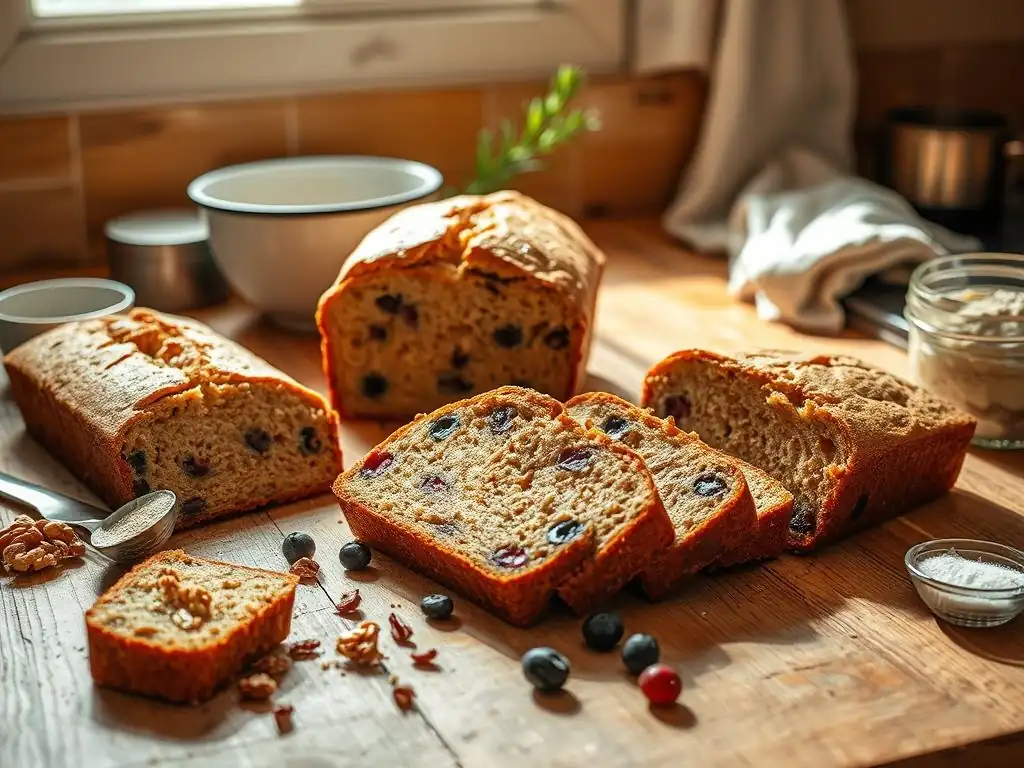
Welcome to BakeWithEase, where baking becomes a joy, not a chore! Ever wondered if you could really make that delicious quick bread even easier? This article dives deep into simple quick bread ingredient swaps, unlocking a world of flavor and convenience in your kitchen. Discover how minor adjustments can lead to major baking breakthroughs, and transform your quick bread game forever. Ready to bake smarter, not harder? Let's get started!
- Introduction to Simple Quick Bread Ingredient Swaps at BakeWithEase
- Mastering Simple Quick Bread Ingredient Substitutions
- Common Quick Bread Ingredient Swaps: Your Guide to Baking Flexibility
- Simple Quick Bread Ingredient Swaps: Troubleshooting and Tips
- Specific Quick Bread Recipe Adaptations Using Simple Swaps
- Conclusion: Embrace the Simplicity of Quick Bread Ingredient Swaps with BakeWithEase
-
Frequently Asked Questions
- What are some common ingredients you can swap in a quick bread recipe?
- How does swapping ingredients affect the texture of my quick bread?
- Can I substitute sugar in quick bread recipes?
- What should I consider when swapping leavening agents in quick bread?
- Where can I find more information on ingredient substitutions for baking?
- Final Reflection: The Power of Pantry Alchemy
- Unlock Your Baking Potential: Master Quick Breads Today!
Introduction to Simple Quick Bread Ingredient Swaps at BakeWithEase
Why Understanding Ingredient Substitutions is Key to Quick Bread Success
Baking quick breads is wonderfully accessible, but sometimes you find yourself without a key ingredient, or you want to adapt a recipe for dietary needs or preferences. Understanding simple quick bread ingredient swaps is incredibly empowering for any home baker. It transforms a rigid recipe into a flexible guide, allowing you to bake spontaneously, manage allergies, or simply experiment with flavors and textures.
Imagine wanting to bake banana bread but discovering you're out of eggs; knowing a simple swap can save the day! Or perhaps you're aiming for a lower-sugar option for your family; simple quick bread ingredient swaps make this achievable without sacrificing deliciousness. This knowledge builds confidence and creativity in the kitchen, making baking less about strict adherence and more about adaptable joy.
Furthermore, mastering simple quick bread ingredient swaps opens up a world of possibilities for tailoring recipes. Whether you need to make a recipe vegan, gluten-free (though true gluten-free baking often requires more complex formulation), or simply healthier, substitutions are your tool. For instance, replacing dairy milk with a plant-based alternative is a straightforward swap that requires minimal adjustment in most quick bread recipes.
Similarly, swapping out butter for oil can alter the crumb structure, often resulting in a moister bread. These simple quick bread ingredient swaps are the first step towards becoming a more intuitive and resourceful baker, ensuring that a missing item or a dietary restriction never stands between you and a freshly baked loaf.
BakeWithEase' Guide to Effortless Quick Bread Baking
At BakeWithEase, our philosophy centers around making baking simple and enjoyable for everyone, especially beginners. This guide to simple quick bread ingredient swaps is designed to demystify the process and show you just how easy it is to make changes to standard recipes. We focus on common ingredients found in most pantries and readily available alternatives.
Our aim is to provide clear, actionable advice based on the function of ingredients in quick breads, helping you predict how a swap might affect the final outcome. We believe that with a little understanding, anyone can confidently make simple quick bread ingredient swaps and achieve great results.
This guide covers the most frequent substitutions you might want to make, from swapping different flours and sugars to finding alternatives for eggs, milk, and fats. We'll walk you through how these simple quick bread ingredient swaps work and what textural or flavor differences you might encounter. For example, we'll explain that using honey instead of granulated sugar adds more moisture, potentially requiring a slight reduction in other liquids. We'll also provide practical tips for troubleshooting common issues that can arise when making simple quick bread ingredient swaps, ensuring your baking adventures are successful and rewarding.
Mastering Simple Quick Bread Ingredient Substitutions
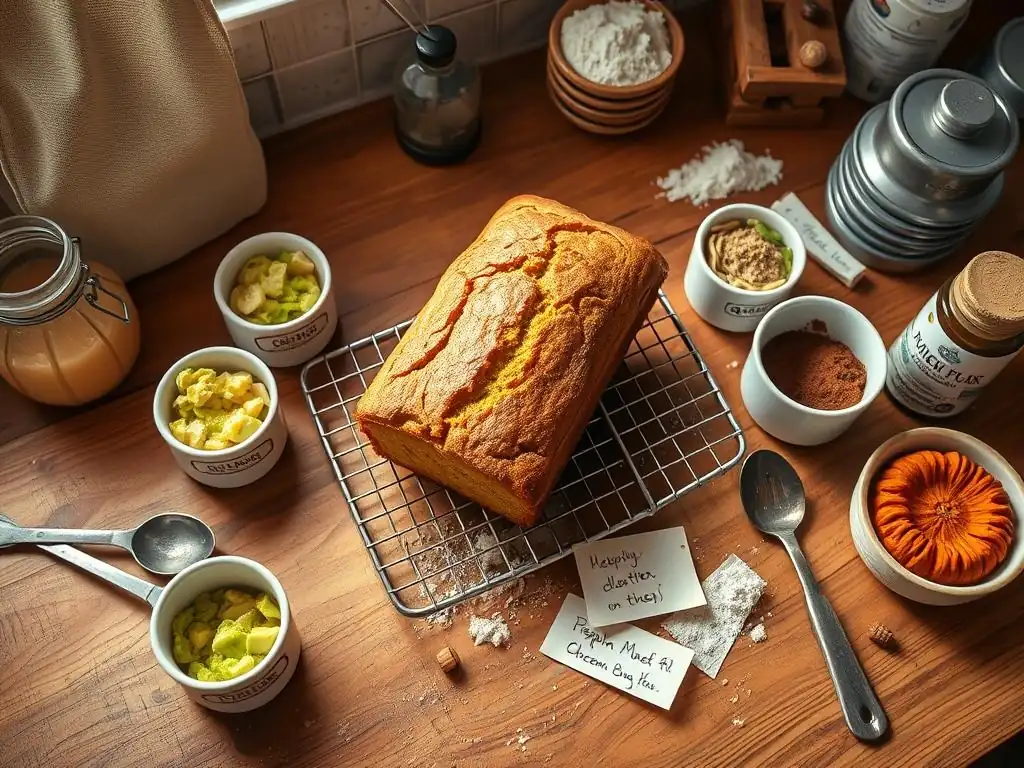
Essential Baking Ingredient Alternatives for Beginners
For those just starting out, the idea of changing a recipe might seem daunting. However, many simple quick bread ingredient swaps are quite forgiving. Let's look at some fundamental alternatives that are easy to implement.
For example, swapping out dairy milk for almost any non-dairy milk (like almond, oat, or soy) is usually a 1:1 substitution in terms of volume. This is perhaps one of the simplest quick bread ingredient swaps you can make. Another common scenario is needing a different type of fat; replacing melted butter with a liquid oil like vegetable or canola oil is often a simple volumetric swap, though it will affect the final texture slightly, usually resulting in a moister, denser crumb compared to using solid butter.
Another set of essential simple quick bread ingredient swaps involves leavening agents. While you generally shouldn't swap baking soda and baking powder for each other directly without understanding their chemical reactions, knowing that you can often substitute one brand for another without issue is helpful. Similarly, vanilla extract is typically interchangeable with other vanilla extracts, or even almond extract for a different flavor profile, in small amounts. These basic simple quick bread ingredient swaps build a foundation of confidence, showing that not every ingredient is irreplaceable and that minor adjustments are often possible without derailing your baking project.
Understanding the Role of Each Ingredient in Quick Breads
To successfully make simple quick bread ingredient swaps, it's crucial to understand what each component does in the original recipe. Flour, typically all-purpose flour, provides the structure of the bread through its gluten content. It's the backbone. Sugar does more than just sweeten; it also tenderizes the crumb, aids in browning, and helps retain moisture, extending shelf life. Fats, like butter or oil, contribute to tenderness and moisture by coating flour particles and interfering with gluten development. They also carry flavor.
Eggs serve multiple purposes: they act as binders, helping to hold ingredients together; they contribute to leavening when beaten, trapping air; they add richness and moisture; and they help with structure. Liquids, such as milk or buttermilk, hydrate the dry ingredients, dissolve the sugar and salt, and activate the leavening agents.
Leavening agents, primarily baking soda and/or baking powder in quick breads, create the gas (carbon dioxide) that causes the bread to rise, giving it a light texture. Understanding these roles is fundamental to making effective simple quick bread ingredient swaps, as you need to choose alternatives that can perform a similar function, even if imperfectly.
Common Quick Bread Ingredient Swaps: Your Guide to Baking Flexibility
Swapping Flour Types in Quick Breads: A BakeWithEase Guide
Changing the type of flour is one of the most common simple quick bread ingredient swaps, often done for dietary reasons or to alter the nutritional profile. All-purpose flour is standard because of its moderate protein content, which develops just enough gluten for structure without making the bread tough. When you swap it out, you introduce different protein levels, fat content, and absorption rates, which will impact the final texture and moisture level. This is where understanding the nature of different flours becomes key to successful simple quick bread ingredient swaps.
Using Almond Flour and Oat Flour as Alternatives to All-Purpose Flour
Almond flour, made from ground almonds, is a popular alternative for lower-carbohydrate and gluten-free baking (though check for cross-contamination if celiac is a concern). It's much higher in fat and lower in carbohydrates and gluten-forming proteins than wheat flour. When using almond flour in simple quick bread ingredient swaps, you'll often find it absorbs less liquid than wheat flour and doesn't provide the same structural network.
This can result in a denser, more fragile crumb. A common starting point is substituting 1 cup of all-purpose flour with about 1 cup of almond flour, but you might need to slightly reduce the liquid or add an extra binder (like an additional egg or a tablespoon of psyllium husk) to improve structure and prevent crumbling.
Oat flour, made from ground oats, is another alternative that can be gluten-free if certified as such. It absorbs more liquid than wheat flour and contributes a slightly chewy texture and nutty flavor. Using oat flour as a simple quick bread ingredient swap often works well in recipes that are already quite moist, like banana bread.
You can often substitute 1 cup of all-purpose flour with about 1 1/4 cups of oat flour by weight, as it's lighter. However, because it absorbs more liquid, you might need to increase the liquid slightly or add a bit more leavening to ensure a light texture. Experimentation is key when using these simple quick bread ingredient swaps.
Incorporating Whole Wheat and Spelt Flour for Nutritious Quick Breads
Swapping some or all of the all-purpose flour for whole wheat flour is a simple way to increase fiber and nutrients. Whole wheat flour contains the bran and germ of the wheat kernel, giving it a darker color, heartier flavor, and higher protein content than all-purpose flour. This higher protein means it can develop more gluten, potentially leading to a tougher texture if overmixed.
When making this simple quick bread ingredient swap, you can often substitute up to 50% of the all-purpose flour with whole wheat flour directly (e.g., 1 cup all-purpose, 1 cup whole wheat instead of 2 cups all-purpose). For substituting 100%, you might need to add a touch more liquid (perhaps 1-2 tablespoons per cup of whole wheat flour) to compensate for its higher absorption and let the batter rest for 10-15 minutes to allow the bran to soften.
Spelt flour is an ancient grain related to wheat, offering a slightly nutty flavor and a nutrient boost. It has a different gluten structure than modern wheat, which is often more easily digestible for some people. It typically absorbs less liquid than whole wheat flour but more than all-purpose.
As a simple quick bread ingredient swap, you can often substitute spelt flour for all-purpose flour at a 1:1 ratio by volume, though you might need to slightly reduce the liquid in the recipe (start by reducing by about 10-15% and add back if needed). Spelt can also be prone to toughness if overmixed, so handle the batter gently. These simple quick bread ingredient swaps allow you to easily boost the nutritional value of your baked goods.
Simple Sugar Substitutions in Quick Bread Recipes
Sugar plays various roles beyond sweetness, affecting moisture, texture, and browning. Making simple quick bread ingredient swaps for sugar requires considering these functions. Granulated white sugar is the most common, providing sweetness, tenderness, and aiding in the Maillard reaction for browning. Brown sugar adds moisture and a caramel-like flavor due to its molasses content. Swapping between granulated and brown sugar is relatively straightforward, often a 1:1 swap, though using all brown sugar will result in a moister, denser bread.
Replacing Granulated Sugar with Honey, Maple Syrup, or Coconut Sugar
Liquid sweeteners like honey and maple syrup are popular simple quick bread ingredient swaps for granulated sugar. They are sweeter than granulated sugar by volume and add significant moisture. When substituting honey or maple syrup for granulated sugar, a common guideline is to use about 3/4 cup of the liquid sweetener for every 1 cup of granulated sugar called for.
Because they add extra liquid, you will typically need to reduce the amount of other liquid in the recipe (like milk or yogurt) by about 1/4 cup for every 3/4 cup of liquid sweetener used. Also, baked goods made with liquid sweeteners tend to brown faster, so you might need to reduce the oven temperature by 25°F (about 15°C) to prevent over-browning before the inside is cooked.
Coconut sugar is a granulated sweetener made from the sap of the coconut palm. It behaves similarly to brown sugar in baking, offering a slightly caramel flavor and retaining more moisture than white sugar. As a simple quick bread ingredient swap, you can often substitute coconut sugar for granulated sugar at a 1:1 ratio by volume or weight. Because its properties are close to brown sugar, it generally doesn't require significant adjustments to the liquid content of the recipe. It's a straightforward swap for adding a different flavor dimension and slightly increasing some mineral content compared to white sugar.
Using Natural Sweeteners Like Stevia and Monk Fruit for Lower Sugar Content
For those seeking significant sugar reduction, natural zero or low-calorie sweeteners like stevia and monk fruit are options. These are potent sweeteners and often come in blends with bulking agents (like erythritol) to make them easier to measure. However, they do not provide the same bulk, moisture, or browning properties as sugar. Using them as simple quick bread ingredient swaps requires careful attention to the specific product's conversion ratio, as potency varies greatly between brands and forms (liquid vs. granulated). You often need only a fraction of the amount of sugar.
Because these sweeteners don't contribute to moisture or tenderness in the same way sugar does, substituting them entirely can result in a drier, less tender quick bread with less browning. For best results with these simple quick bread ingredient swaps, it's often recommended to substitute only a portion of the sugar (perhaps 50-75%) with the sugar substitute and retain some sugar for its functional benefits.
You might also need to increase the amount of liquid or fat slightly to compensate for the lost moisture and tenderness from the sugar. For example, if a recipe calls for 1 cup of sugar, you might use 1/4 cup sugar and a sugar substitute equivalent to 3/4 cup sugar, potentially adding an extra tablespoon of milk or oil.
Egg Replacements in Quick Breads: Vegan and Allergy-Friendly Options
Eggs are multitaskers in quick breads, providing binding, leavening, moisture, and richness. Finding effective simple quick bread ingredient swaps for eggs, especially for vegan or allergy purposes, means choosing alternatives that can perform at least some of these functions. The best substitute depends on the recipe and how many eggs are being replaced; replacing one egg is often easier than replacing three.
Using Ground Flaxseed Mixed with Water as an Egg Substitute
A "flax egg" is a popular and effective simple quick bread ingredient swap for a single egg, particularly for binding. To make one flax egg, whisk together 1 tablespoon of finely ground flaxseed meal with 3 tablespoons of water. Let it sit for 5-10 minutes until it develops a gel-like consistency. This gel mimics some of the binding properties of an egg and adds fiber and healthy fats. It works well in quick breads where only one or two eggs are called for.
While flax eggs are great binders, they don't provide significant leavening. If the recipe relies heavily on eggs for rise (often indicated by a higher number of eggs relative to flour), using only flax eggs might result in a denser bread. However, for standard quick bread recipes with chemical leaveners (baking soda/powder), a flax egg is a very reliable simple quick bread ingredient swap for binding and moisture.
Utilizing Mashed Banana and Applesauce for Moisture and Binding
Fruit purees like mashed ripe banana, unsweetened applesauce, or pumpkin puree can also serve as simple quick bread ingredient swaps for eggs, primarily contributing moisture and some binding. For each egg, you can typically use about 1/4 cup of fruit puree. These purees work best in recipes where their flavor complements the other ingredients, such as banana bread, apple muffins, or spice quick breads.
Using fruit purees will add moisture and sweetness (especially banana), which might require slight adjustments to other liquids or sugars in the recipe. They also tend to make baked goods denser and moister, sometimes resulting in a slightly gummy texture if too much is used or if replacing multiple eggs. These simple quick bread ingredient swaps are excellent for adding natural sweetness and moisture while reducing fat or eggs.
Milk and Dairy-Free Swaps for Quick Breads

Liquid, often milk or buttermilk, is essential for hydrating the dry ingredients and activating leaveners. For those avoiding dairy, simple quick bread ingredient swaps for milk are generally quite easy and require minimal adjustment. The key is to use an unsweetened and unflavored alternative unless you specifically want to add that flavor.
Choosing Almond Milk, Oat Milk, and Coconut Milk as Dairy-Free Alternatives
Most plant-based milks can be used as direct 1:1 simple quick bread ingredient swaps for dairy milk in quick bread recipes. Almond milk is thin and has a neutral flavor, making it a versatile choice. Oat milk is slightly creamier and can add a subtle sweetness. Canned coconut milk (the light version, not full-fat) or carton coconut milk works well and imparts a mild coconut flavor. Soy milk is another option, with a protein content closer to dairy milk, which can sometimes result in a slightly richer crumb.
These simple quick bread ingredient swaps usually don't require any other changes to the recipe because their liquid content and consistency are very similar to dairy milk. If the recipe calls for buttermilk (which is acidic and reacts with baking soda), you can make a dairy-free version by adding 1 tablespoon of vinegar or lemon juice to 1 cup of the plant-based milk and letting it sit for 5-10 minutes until it curdles slightly.
Substituting Dairy Yogurt with Coconut Yogurt or Silken Tofu
Yogurt is sometimes used in quick breads for moisture, tenderness, and a slight tang (especially Greek yogurt or buttermilk). It also adds richness and helps create a moist crumb. When looking for simple quick bread ingredient swaps for dairy yogurt, plant-based yogurts, particularly coconut yogurt, are excellent alternatives. They offer a similar creamy texture and moisture content.
You can typically substitute dairy yogurt with an equal amount of unsweetened, plain plant-based yogurt (like coconut, soy, or almond yogurt) as a simple quick bread ingredient swap. Silken tofu, blended until completely smooth, can also work as a substitute for yogurt or even sour cream, providing moisture and structure without a strong flavor. Start with a 1:1 substitution and adjust consistency if needed. These simple quick bread ingredient swaps maintain the desired texture and moisture in your quick breads.
Fat Substitutions: Butter, Oil, and More in Quick Breads
Fat provides tenderness, moisture, and flavor in quick breads. Common fats include melted butter or liquid oils. Simple quick bread ingredient swaps for fat can alter the texture and moisture level significantly. Melted butter contributes flavor and helps create a tender crumb. Liquid oils, like vegetable or canola oil, produce a moister, denser crumb because they coat the flour particles more effectively, inhibiting gluten development.
Replacing Butter with Olive Oil or Avocado Oil for Healthier Fats
If a recipe calls for melted butter, you can often substitute it with a liquid oil like vegetable, canola, or even olive oil or avocado oil as a simple quick bread ingredient swap. Olive oil and avocado oil are often chosen for their healthier fat profiles. While the substitution is often 1:1 by volume (e.g., 1/2 cup oil for 1/2 cup melted butter), using oil will change the texture slightly, resulting in a bread that is typically moister but less tender or "short" than one made with butter.
It's important to note that if the recipe calls for softened butter (as in the creaming method), substituting with liquid oil won't work the same way, as the creaming method relies on trapping air in the solid fat. However, most quick bread recipes use melted butter or liquid oil from the start, making this a feasible simple quick bread ingredient swap.
Using Unsweetened Applesauce or Mashed Pumpkin to Reduce Fat Content
For a significantly lower-fat option, fruit purees like unsweetened applesauce, mashed banana, or pumpkin puree can act as simple quick bread ingredient swaps for some or all of the fat. These purees add moisture but no fat. A common guideline is to substitute up to half of the fat (butter or oil) with an equal amount of fruit puree. For example, if a recipe calls for 1/2 cup of oil, you could use 1/4 cup of oil and 1/4 cup of applesauce.
Substituting all the fat with fruit puree is possible, but it will result in a very dense, moist, and less tender bread. The fat is crucial for creating a light, tender crumb. These simple quick bread ingredient swaps are great for reducing calories and fat while adding moisture and fiber, but they do noticeably change the texture compared to the original recipe. You might also need to slightly increase leavening to help the denser batter rise.
Simple Quick Bread Ingredient Swaps: Troubleshooting and Tips
Managing Texture Variations When Using Alternative Flours
When you make simple quick bread ingredient swaps involving flour, texture changes are the most common issue. Alternative flours like almond or oat flour behave differently than wheat flour. Almond flour, lacking gluten, produces a more crumbly texture. To combat this, you might need to add a binder (like xanthan gum in gluten-free blends, or an extra egg/flax egg) or slightly reduce the liquid. Oat flour absorbs more liquid and can lead to a gummy texture if too much is used or if the batter is overmixed; ensuring accurate measurement and gentle mixing helps.
Whole wheat and spelt flours, while containing gluten, can result in denser or tougher quick breads if not handled correctly. Their higher absorption might require a bit more liquid, and their gluten develops quickly, meaning minimal mixing is key after the wet and dry ingredients are combined. Allowing the batter to rest for 10-15 minutes before baking can also help hydrate these flours evenly, improving texture. These simple quick bread ingredient swaps require a bit of finesse to get the texture just right.
Modifying Baking Times When Incorporating Moisture-Rich Substitutes
Using simple quick bread ingredient swaps that add extra moisture, such as fruit purees (applesauce, banana) or liquid sweeteners (honey, maple syrup), can affect baking time. More moisture means it takes longer for the center of the bread to set. You might find that quick breads made with these swaps need an extra 5-15 minutes in the oven compared to the original recipe.
Keep an eye on the bread as it bakes. It might also brown faster due to the presence of sugars, especially liquid ones. If the top is browning too quickly but the center isn't done (check with a skewer or toothpick inserted into the center – it should come out with moist crumbs, not wet batter), loosely tent the top of the pan with foil for the remainder of the baking time. Adjusting baking time and potentially temperature slightly is a key part of successful simple quick bread ingredient swaps involving moisture.
Ensuring Accurate Ingredient Measurements for Consistent Results
Accuracy in measuring ingredients is always important in baking, but it becomes even more critical when making simple quick bread ingredient swaps. Using too much or too little of a substitute can significantly alter the outcome. For flours, using a kitchen scale for weight measurements (grams or ounces) is far more accurate than volume measurements (cups), as different flours pack differently. A cup of all-purpose flour weighs approximately 120-130 grams, while a cup of almond flour might weigh 90-100 grams, and a cup of oat flour around 85-95 grams.
For simple quick bread ingredient swaps involving liquids or fats, volumetric measurements (cups, tablespoons) are usually sufficient, but precision is still important. Don't eyeball amounts. When using liquid sweeteners as sugar swaps, remember to adjust other liquids accordingly. Paying close attention to these details after making simple quick bread ingredient swaps helps ensure consistent and predictable results every time you bake.
Specific Quick Bread Recipe Adaptations Using Simple Swaps
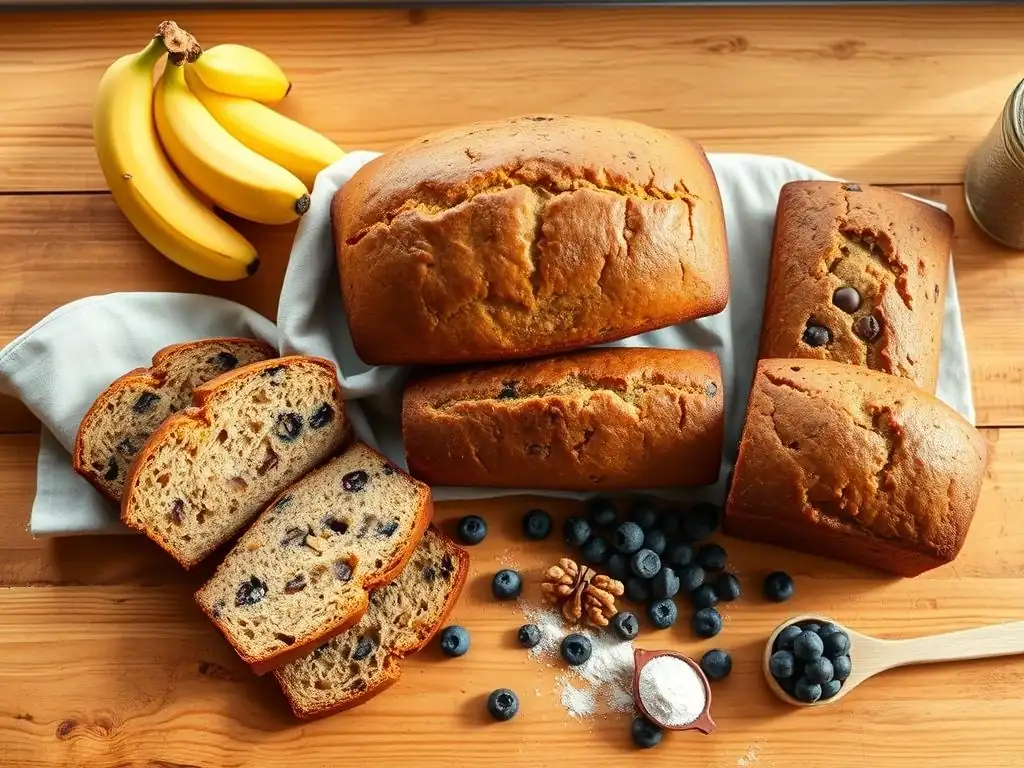
Banana Bread with Almond Flour and Coconut Sugar Substitutions
Let's take a classic banana bread recipe calling for 2 cups all-purpose flour, 1 cup granulated sugar, 1/2 cup oil, and 2 eggs. To make simple quick bread ingredient swaps for a different profile, we could adapt it. Instead of 2 cups all-purpose flour, we might use 2 cups of almond flour. This swap means the batter will be less structured and might require a bit more binding. So, instead of 2 eggs, we might use 3 eggs, or 2 eggs plus 1 tablespoon of psyllium husk mixed with 3 tablespoons of water.
For the sugar swap, replacing 1 cup of granulated sugar with 1 cup of coconut sugar is a straightforward simple quick bread ingredient swap. Coconut sugar behaves similarly to brown sugar and adds moisture and flavor without needing liquid adjustments like honey would. The oil (1/2 cup) can typically remain as is, as it complements the moisture from the banana and almond flour. This set of simple quick bread ingredient swaps results in a denser, moist, less sweet banana bread with a subtle nutty flavor and a lower glycemic impact compared to the original.
Zucchini Bread with Flaxseed Egg and Almond Milk Swaps
Consider a zucchini bread recipe needing 2 cups all-purpose flour, 1.5 cups sugar, 1/2 cup oil, 2 eggs, and 1/4 cup milk, plus grated zucchini. To make this recipe vegan using simple quick bread ingredient swaps, we can replace the eggs and milk. For the 2 eggs, we could use two flax eggs (2 tbsp ground flaxseed + 6 tbsp water, gelled). This provides the necessary binding.
For the 1/4 cup milk, a simple quick bread ingredient swap is to use 1/4 cup of unsweetened almond milk. This swap is 1:1 and requires no other adjustments. The flour, sugar, and oil can remain the same, or you could incorporate other simple quick bread ingredient swaps discussed earlier, like using some whole wheat flour or swapping some sugar for applesauce. These specific simple quick bread ingredient swaps create a delicious, moist vegan zucchini bread that is virtually indistinguishable in texture from the original to many eaters.
Conclusion: Embrace the Simplicity of Quick Bread Ingredient Swaps with BakeWithEase
Confidently Customize Your Quick Bread Recipes
You now have the tools and knowledge to start making simple quick bread ingredient swaps with confidence. Remember that baking is also an art, and sometimes experimentation is part of the fun. Don't be afraid to try substituting an ingredient based on its function, starting with small changes if you're unsure. Whether you're adapting for dietary needs, using what you have on hand, or simply exploring new flavors and textures, simple quick bread ingredient swaps allow you to take control of your baking.
By understanding the basic roles of flour, sugar, fat, eggs, and liquid, you can anticipate how a simple quick bread ingredient swap might affect your final loaf and make necessary adjustments. Each successful substitution builds your intuition and makes you a more versatile baker. Embrace the flexibility that simple quick bread ingredient swaps offer and enjoy the process of creating quick breads perfectly suited to your taste and needs.
Further Resources for Beginner Bakers at BakeWithEase.com
Exploring simple quick bread ingredient swaps is just one step on your baking journey. BakeWithEase.com offers a wealth of resources specifically designed for beginners. You can find easy-to-follow quick bread recipes that are perfect starting points for practicing these simple quick bread ingredient swaps. We also have detailed guides on baking techniques, explanations of common baking terms, and tips for stocking your pantry.
Continue to explore, ask questions, and most importantly, keep baking! The more you bake, the more comfortable you'll become with simple quick bread ingredient swaps and other baking adjustments. Our goal at BakeWithEase is to support you every step of the way, making baking accessible, understandable, and always delicious. Happy baking!
Frequently Asked Questions
What are some common ingredients you can swap in a quick bread recipe?
You can often substitute ingredients like applesauce for oil to reduce fat or Greek yogurt for sour cream to increase protein. Other swaps include using whole wheat flour for all-purpose flour for added fiber.
How does swapping ingredients affect the texture of my quick bread?
Ingredient swaps can significantly impact texture. For example, adding more moisture (like applesauce) can make the bread more tender, while using whole wheat flour can result in a denser crumb.
Can I substitute sugar in quick bread recipes?
Yes, you can. Consider using alternatives like honey or maple syrup in place of granulated sugar. Remember that liquid sweeteners may require you to adjust the liquid content in the recipe.
What should I consider when swapping leavening agents in quick bread?
Quick breads rely on chemical leavening like baking soda or baking powder. Avoid directly swapping these without understanding their properties. Using too much or too little can affect the rise and texture.
Where can I find more information on ingredient substitutions for baking?
BakeWithEase.com offers a wide range of resources, including detailed guides and recipe variations, to help you understand ingredient functions and substitutions for various baked goods.
Final Reflection: The Power of Pantry Alchemy
The ability to easily adapt quick bread recipes is not just a culinary skill; it's a crucial tool for resourceful cooking in today's world. Knowing how to swap ingredients seamlessly means less food waste, greater flexibility with dietary needs, and a newfound confidence in the kitchen, regardless of what's on hand. This simple act of substitution empowers us to embrace creativity and resourcefulness in our daily lives.
The impact of understanding simple ingredient swaps extends far beyond just baking; it fosters a deeper connection to food and its preparation. It encourages us to think critically about what we have, rather than what we lack. This mindful approach to cooking reduces reliance on pre-packaged mixes and promotes a more sustainable and environmentally conscious lifestyle. The best recipes are those that allow for improvisation and personal expression.
This quote perfectly encapsulates the spirit of flexible baking and the joy of creating something unique from readily available ingredients.
Now, it's your turn. Consider your own pantry – what ingredients are lurking within? Challenge yourself to experiment with the techniques discussed in this article. Don't be afraid to deviate from the norm; embrace the unexpected flavors and textures that arise from thoughtful substitution. The next time you're faced with a limited ingredient list, remember the power of pantry alchemy – and let your creativity flourish.
Unlock Your Baking Potential: Master Quick Breads Today!
Thanks for taking the time to explore the world of easy quick bread swaps! You've now got the tools to transform simple recipes into delicious masterpieces. Ready to put your new skills to the test?
- Bake your first adapted recipe: Choose one ingredient swap from the article and try it out in your favorite quick bread recipe. Let us know how it turns out!
- Share your baking triumphs (or even your baking mishaps!): We'd love to see your creations and hear about your experiences – connect with us on social media!
- Experiment with flavor combinations: Don't be afraid to get creative and try unusual ingredient swaps. What unexpected flavors will you discover?
What exciting quick bread adventure will you embark on next?