
Essential Baking Tools: Everything a Beginner Needs to Know

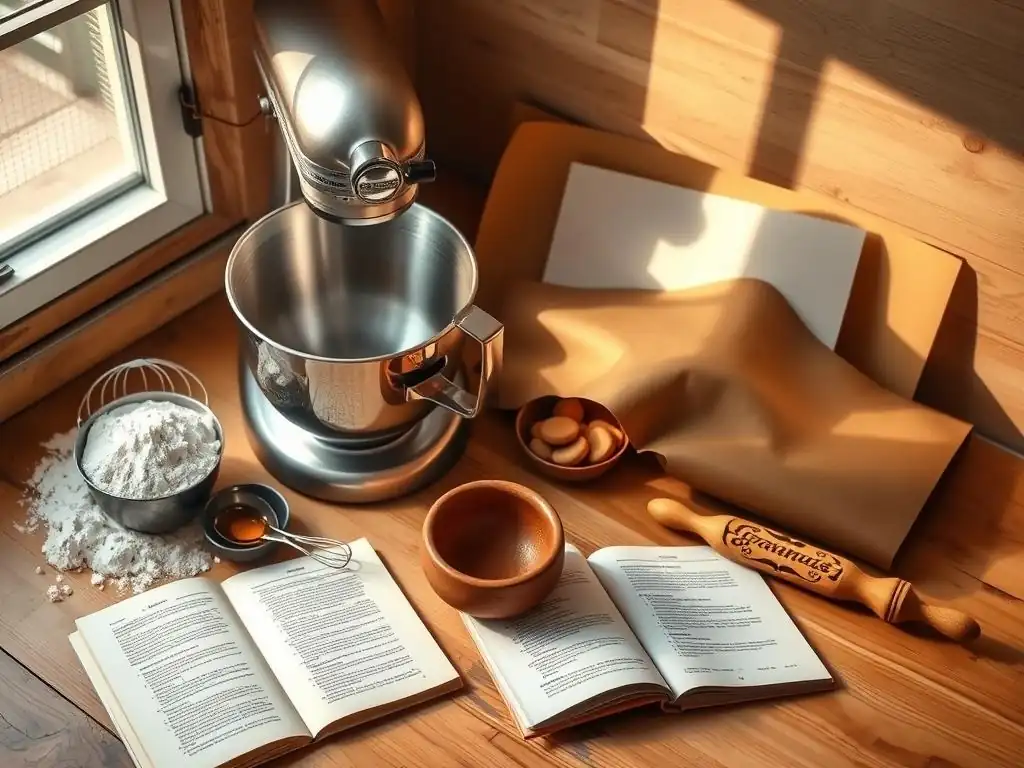
Welcome to BakeWithEase, your kitchen companion for all things baking!
Ever wondered which baking tools for beginners are truly essential to kickstart your baking journey? Forget overwhelming lists and confusing jargon. We've curated a straightforward guide to equip you with exactly what you need to create delicious treats from scratch. Discover the must-have tools that will transform your kitchen into a baking haven, and unlock the secrets to perfect pastries, breads, and more. Ready to bake with confidence? Let's get started!
- Getting Started with Baking: Essential Tools for Beginners
- Must-Have Mixing Tools for Beginner Bakers
- Measuring Tools: Accuracy is Key to Baking Success
- Baking Pans and Dishes: Choosing the Right Shape and Size
- Essential Preparation Tools for Beginner Baking
- Other Helpful Baking Tools for Beginners
- Budget-Friendly Baking Tool Options for Beginners
- Cleaning and Caring for Your Baking Tools
- Mastering the Basics: Using Your Baking Tools with Confidence
-
Frequently Asked Questions
- What are the most essential baking tools for someone just starting out?
- Do I really need a stand mixer, or can I get by with hand tools as a beginner?
- What's the difference between parchment paper and baking mats, and which should I get first?
- What kind of measuring cups and spoons are best for baking, liquid or dry?
- Are expensive baking pans worth the investment when I'm just learning?
- Final Reflection: The Sweet Science of Starting
- Unlock Your Inner Baker: Start Baking Today!
Getting Started with Baking: Essential Tools for Beginners
Baking is a rewarding hobby that allows you to create delicious treats from scratch. While it might seem daunting at first, having the right equipment can make the process much smoother and more enjoyable. Think of your kitchen tools as your partners in crime for creating everything from simple cookies to elaborate cakes. Focusing on a few essential baking tools for beginners is key to building confidence and developing your skills without feeling overwhelmed by unnecessary gadgets.
Starting with the right foundation of essential baking tools for beginners means you're equipped to tackle most basic recipes successfully. You don't need a professional kitchen setup; just a handful of reliable items will suffice. This guide will walk you through the absolute must-haves, explaining why each tool is important and how it contributes to your baking success. We'll cover everything from mixing and measuring to baking and cooling, ensuring you have a clear path to starting your baking journey.
Why Having the Right Baking Tools Matters for Beginners
Using the correct tools is fundamental to achieving consistent and predictable results in baking. Unlike cooking, which can be more forgiving with approximations, baking is a science that relies heavily on precise measurements and techniques. Imagine trying to whip egg whites to stiff peaks without a whisk, or accurately measure flour without proper cups – the outcome would likely be very different from what the recipe intends. Having the appropriate baking tools for beginners helps you execute recipes accurately, reducing frustration and increasing your chances of success with every bake.
Moreover, the right tools can significantly improve the quality of your baked goods. For example, using a good quality baking sheet ensures even heat distribution, preventing burnt bottoms or undercooked centers. A proper spatula allows you to gently fold ingredients without deflating delicate batters.
Investing in a few key essential baking tools for beginners isn't just about convenience; it's about setting yourself up for delicious results and building the foundational skills that will serve you well as you explore more complex recipes down the line. It's estimated that using precise measurements alone can improve baking success rates by over 30% for novices.
Building Your Essential Baking Toolkit: A Beginner's Guide
Creating your initial collection of baking tools for beginners doesn't require a massive investment. You can start with a core set of versatile items that cover the basics of mixing, measuring, and baking. A good starting point includes items like mixing bowls, measuring cups and spoons, a whisk, a spatula, a baking sheet, and maybe a loaf pan or cake pan depending on your interests. These fundamental tools will allow you to make a wide variety of recipes, from simple chocolate chip cookies to basic quick breads.
As you gain confidence and explore different types of baking, you can gradually add more specialized tools to your collection. Perhaps you'll want a muffin tin for cupcakes, a rolling pin for pie crusts, or a kitchen scale for more accurate measurements, as recommended by many professional bakers. The key is to start simple, learn how to use each tool effectively, and expand your toolkit as your skills and interests grow. This approach makes building your collection of essential baking tools for beginners manageable and exciting rather than overwhelming.
Must-Have Mixing Tools for Beginner Bakers
Mixing is a fundamental step in almost every baking recipe, combining ingredients to create batters, doughs, and meringues. Having the right tools for this task ensures ingredients are properly incorporated, textures are developed correctly, and your final product turns out just right. For baking tools for beginners, focusing on reliable and easy-to-use mixing equipment is paramount.
From simple hand tools like whisks and spatulas to more robust options like hand mixers or stand mixers, the tools you choose will depend on the recipes you're tackling and your budget. Understanding the purpose of each mixing tool will help you select the best ones for your initial baking tools for beginners collection and use them effectively to achieve desired results, whether it's a light and airy cake batter or a well-developed bread dough.
Mixing Bowls: Choosing the Right Size and Material for Baking
Mixing bowls are perhaps the most basic yet essential of all baking tools for beginners. You'll need a set of bowls in various sizes to accommodate different quantities of ingredients and different mixing tasks. A good starter set might include bowls ranging from 1 quart (ideal for whisking eggs or small amounts of dry ingredients) up to 4 or 5 quarts (necessary for mixing larger cake batters or bread doughs). Having multiple sizes allows you to work efficiently, whether you're melting chocolate in a small bowl or combining all your dry ingredients in a larger one.
When choosing mixing bowls, consider the material. Stainless steel bowls are lightweight, durable, non-reactive (meaning they won't interact with acidic ingredients), and easy to clean. Glass bowls are also non-reactive and have the advantage of being microwave-safe and allowing you to see the mixing process, though they can be heavier and breakable. Plastic bowls are often the most affordable and lightweight option, but some can scratch easily or retain odors. For essential baking tools for beginners, a set of stainless steel bowls offers a great balance of durability, usability, and value.
Whisks: Achieving the Perfect Texture in Your Baking
A whisk is indispensable for incorporating air into ingredients, smoothing out lumps, and emulsifying mixtures. For baking tools for beginners, a standard balloon whisk is a versatile choice, great for beating eggs, whipping cream, or making smooth sauces and batters. The wires are arranged in a balloon shape to maximize contact with the ingredients and incorporate air efficiently.
Beyond the standard balloon whisk, you might encounter French whisks (more elongated, good for reaching into corners) or flat whisks (ideal for deglazing pans or mixing roux). However, for starting out, one or two different-sized balloon whisks will cover most of your needs. Using a whisk is crucial for tasks like creating a light meringue, ensuring a smooth custard, or combining dry ingredients before adding wet ones. Mastering the wrist action required for effective whisking is a key skill for any beginner baker.
Spatulas: Essential for Scraping and Folding in Baking
Spatulas are incredibly versatile tools in the baking kitchen, used for everything from scraping down the sides of a mixing bowl to gently folding delicate ingredients. For baking tools for beginners, having a few different types of spatulas is highly recommended. A rubber or silicone spatula with a flexible head is perfect for scraping every last bit of batter from a bowl, ensuring no waste.
Silicone spatulas are particularly popular because they are heat-resistant, non-stick, and easy to clean. Look for spatulas with sturdy handles and flexible yet strong heads. Another type is the offset spatula, which has a thin, flat blade bent at an angle to the handle. These are invaluable for spreading frosting evenly on cakes or lifting cookies off a baking sheet. A good set of flexible silicone spatulas is an absolute must-have in any collection of essential baking tools for beginners.
Hand Mixers vs. Stand Mixers: Which is Best for Beginner Baking?
When it comes to powered mixing, the choice between a hand mixer and a stand mixer is significant for baking tools for beginners. A hand mixer is a portable, handheld device with beaters that you hold and move through the ingredients. They are more compact, significantly less expensive (often ranging from $20 to $60), and suitable for smaller batches and lighter tasks like whipping cream or mixing cake batters.
A stand mixer, on the other hand, is a larger appliance with a fixed bowl and powerful motor, capable of handling heavier doughs and larger volumes. While a significant investment (ranging from $200 to $600+), they offer hands-free operation and consistent power, making tasks like kneading bread dough or whipping large quantities of meringue much easier.
For baking tools for beginners, a good quality hand mixer is often sufficient for most recipes and a more budget-friendly entry point. You can always upgrade to a stand mixer later if your baking passion grows and you find yourself tackling more demanding recipes.
Measuring Tools: Accuracy is Key to Baking Success
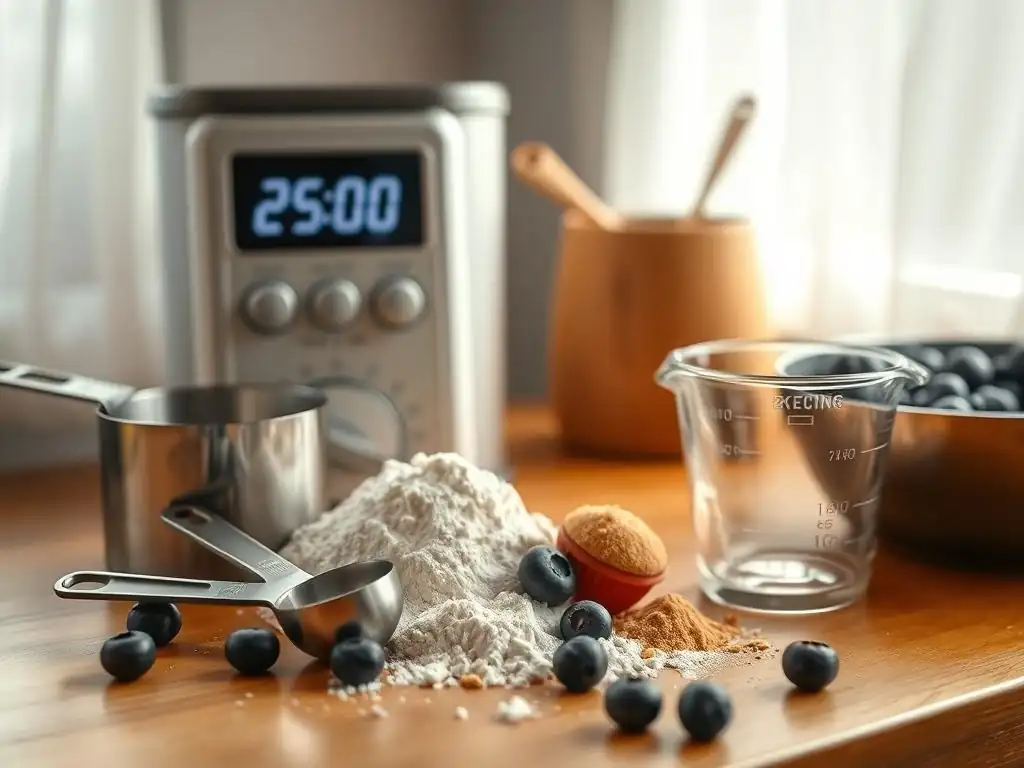
Accuracy in measuring ingredients is perhaps the single most critical factor for success in baking. Unlike cooking, where you can often adjust seasonings or ingredients by taste, baking relies on precise ratios. Using the wrong amount of flour, sugar, or leavening agent can completely change the texture, rise, and flavor of your baked goods. Therefore, having reliable measuring baking tools for beginners is non-negotiable.
This section will cover the essential measuring tools every beginner baker needs and explain how to use them correctly. Understanding the difference between measuring dry and liquid ingredients, and the benefits of using a kitchen scale, will elevate your baking results significantly. Investing in accurate measuring essential baking tools for beginners is an investment in consistent, delicious outcomes.
Measuring Cups: Dry vs. Liquid - Understanding the Difference
One of the most common pitfalls for beginner bakers is using the same measuring cups for both dry and liquid ingredients. Dry measuring cups are designed to be leveled off with a straight edge, ensuring you get an exact volume of ingredients like flour, sugar, or oats.
They typically come in a set of graduated sizes (e.g., 1/4 cup, 1/3 cup, 1/2 cup, 1 cup). It's crucial to spoon dry ingredients into the cup and level it off, rather than scooping directly from the bag, which can compact the ingredient and result in too much being used – potentially adding 20-30% more flour than intended.
Liquid measuring cups, usually made of clear glass or plastic, have a spout for easy pouring and markings on the side. They are designed to be filled to the desired line while sitting on a flat surface, with the baker reading the measurement at eye level to account for the meniscus (the curve of the liquid). Using a liquid measuring cup for dry ingredients would make leveling impossible, leading to inaccurate measurements. For baking tools for beginners, having separate sets of dry and liquid measuring cups is fundamental.
Measuring Spoons: Precise Measurements for Baking Ingredients
Measuring spoons are essential for smaller quantities of ingredients, particularly leavening agents like baking powder and baking soda, spices, extracts, and salt. These ingredients are often potent, and even a slight inaccuracy can significantly impact the flavor and texture of your baked goods. Like dry measuring cups, measuring spoons should be filled and then leveled off with a straight edge (like the back of a knife or a bench scraper) to ensure precision.
Measuring spoons typically come in sets including 1/4 teaspoon, 1/2 teaspoon, 1 teaspoon, and 1 tablespoon. Some sets also include 1/8 teaspoon or 1/2 tablespoon sizes. For baking tools for beginners, a basic set covering the standard sizes is sufficient. Ensure the measurements are clearly marked and the spoons are made from a sturdy material like stainless steel or durable plastic that won't bend easily. Accurate measuring with these small tools is key to balanced flavors and proper chemical reactions in your baking.
Kitchen Scale: Weighing Ingredients for Consistent Baking Results
While measuring cups provide volume measurements, weighing ingredients using a kitchen scale provides mass measurements, which are far more accurate and consistent, especially for dry ingredients like flour and sugar. Different flours, for example, can vary significantly in weight per cup depending on how they are stored and scooped. Weighing ingredients eliminates this variability. For instance, one cup of all-purpose flour typically weighs around 120-130 grams, but a loosely scooped cup might be 110g, while a heavily packed cup could be 150g – a difference that can ruin a delicate recipe.
Many professional bakers and serious amateurs prefer weighing ingredients for this reason. Recipes often provide measurements in both cups and grams; when available, always opt for grams. A digital kitchen scale is a relatively inexpensive addition to your baking tools for beginners collection (many reliable models are available for under $30) and will dramatically improve the consistency of your results, particularly for bread and pastry recipes where hydration and flour weight are critical.
Baking Pans and Dishes: Choosing the Right Shape and Size
Once your ingredients are mixed and measured, you need something to bake them in! Baking pans and dishes come in countless shapes and sizes, each designed for specific types of baked goods. Using the correct pan size and type is crucial for proper baking time, even cooking, and achieving the desired shape and texture of your final product. For baking tools for beginners, starting with a few versatile pans will allow you to explore a range of recipes.
This section will introduce you to the most common types of baking pans you'll encounter in beginner recipes and guide you on choosing the right ones for your initial collection of essential baking tools for beginners. From classic cake pans to essential cookie sheets, having the appropriate bakeware is key to successful baking.
Cake Pans: Round, Square, and Bundt - What to Use When
Cake pans are fundamental baking tools for beginners who want to make layer cakes, sheet cakes, or decorative ring cakes. Round cake pans, typically 8 or 9 inches in diameter and 1.5 to 2 inches deep, are standard for most layer cakes. Square pans, often 8x8 or 9x13 inches, are perfect for brownies, bar cookies, or sheet cakes. The 9x13 inch pan is particularly versatile for larger batches.
Bundt pans are decorative ring-shaped pans that result in visually stunning cakes with minimal effort. They come in various intricate designs and sizes, but a standard 10-12 cup capacity Bundt pan is a good starting point. When selecting cake pans for your baking tools for beginners, consider non-stick options or be prepared to grease and flour pans thoroughly to prevent sticking. Metal pans generally conduct heat most efficiently for even baking.
Often used interchangeably, cookie sheets and baking sheets are flat or nearly flat metal pans essential for baking cookies, scones, biscuits, and even roasting vegetables. A key difference is that baking sheets usually have a rim around all four sides, while cookie sheets may only have one or two raised edges to allow cookies to slide off easily. For versatile baking tools for beginners, rimmed baking sheets (often called half-sheet pans, measuring about 13x18 inches) are highly recommended as the rim prevents liquids or small items from sliding off.
Look for sturdy, heavy-gauge aluminum baking sheets. Thin sheets can warp at high temperatures and lead to uneven baking. Using parchment paper or silicone baking mats on your baking sheet is also highly recommended to prevent sticking and ensure easy cleanup – we'll cover those later. Having at least two good quality baking sheets allows you to bake multiple batches efficiently.
Muffin Tins: Baking Perfect Muffins and Cupcakes
If muffins or cupcakes are on your baking agenda, a muffin tin is a necessary addition to your baking tools for beginners. Standard muffin tins have 12 cups, each holding about 1/2 cup of batter. Mini muffin tins (holding about 1/4 cup) and jumbo muffin tins (holding about 1 cup) are also available for different recipe types.
Most muffin tins are made of metal, often with a non-stick coating. Using paper liners is common for easy removal and cleanup, but you can also grease and flour the cups directly, especially with a good non-stick tin. A standard 12-cup muffin tin is a versatile piece of bakeware for any beginner baker's collection, allowing you to make everything from savory egg cups to sweet treats.
Bread Pans: Baking Loaves of Delicious Bread
For those interested in baking yeasted breads or quick breads like banana bread or cornbread, a loaf pan is an essential item among baking tools for beginners. Standard loaf pans typically measure 9x5 inches, though 8.5x4.5 inches is also common. These pans are designed to give structure to rising doughs and batters, resulting in a classic loaf shape.
Loaf pans are usually made of metal, with darker metals absorbing more heat, which can result in a darker crust. Non-stick coatings are helpful for easy release. Glass loaf pans are also available but conduct heat differently, often requiring a lower oven temperature or longer baking time. For a versatile start to your collection of essential baking tools for beginners, a sturdy metal 9x5 inch loaf pan is ideal for a wide range of bread recipes.
Essential Preparation Tools for Beginner Baking
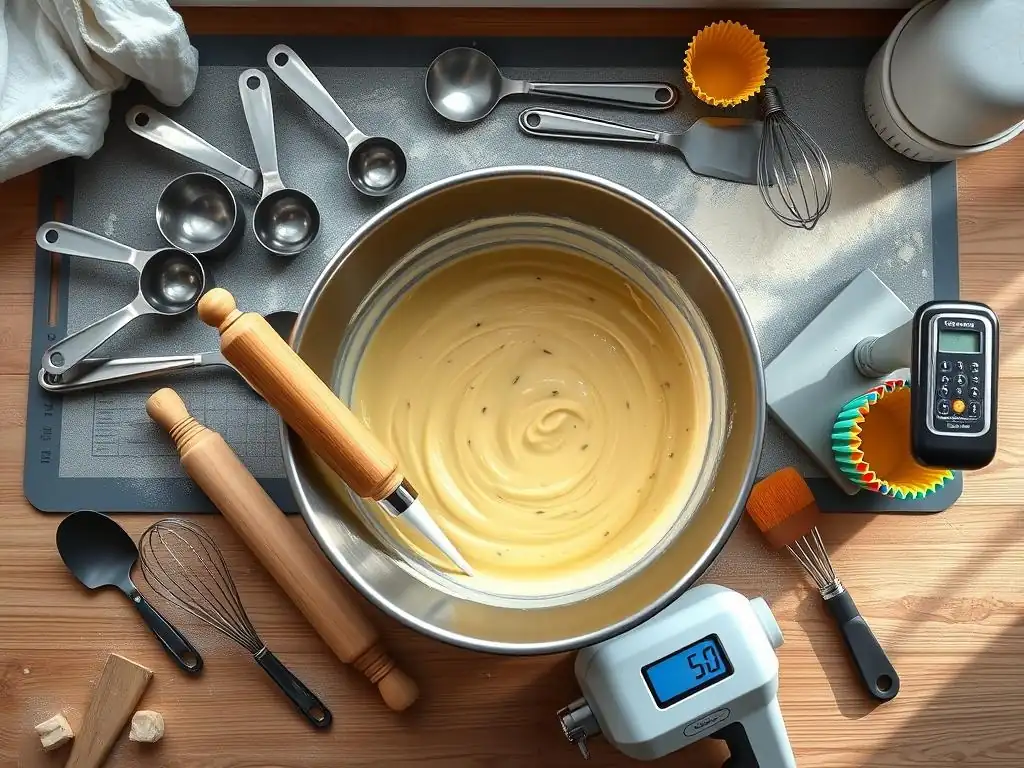
Beyond mixing and baking, certain tools help prepare ingredients and doughs before they hit the oven. These tools contribute to the texture and appearance of your final baked goods. While not always strictly necessary for every single recipe, they are incredibly helpful and often required for specific techniques. Including some of these in your set of baking tools for beginners will expand the types of recipes you can successfully attempt.
From ensuring ingredients are free of lumps to shaping dough, these preparation tools play a vital role. Let's look at a few key items that are valuable additions to your foundational collection of essential baking tools for beginners.
Sifters: Ensuring Light and Airy Baked Goods
A sifter (or sieve) is used to aerate dry ingredients like flour, cocoa powder, and powdered sugar, as well as to remove any lumps or impurities. Sifting flour, for example, incorporates air, which can contribute to a lighter, fluffier texture in cakes and pastries. It also ensures that leavening agents and other dry ingredients are evenly distributed throughout the flour, leading to a more consistent rise.
Sifters come in various forms, from simple mesh sieves that you shake to crank-style or squeeze-handle sifters. For baking tools for beginners, a basic fine-mesh sieve is perfectly adequate and very versatile – it can also be used for draining liquids or dusting baked goods with powdered sugar. Sifting is especially important for recipes that call for cake flour or when working with cocoa powder, which is prone to clumping.
If you plan to make cookies that need rolling, pie crusts, or certain pastries, a rolling pin is a must-have among your baking tools for beginners. Rolling pins are used to flatten and evenly thickness dough. They come in different styles, including the American style (a heavy cylinder with handles) and the French style (a tapered cylinder without handles, offering more control).
Materials vary, including wood, marble, and non-stick plastic. Wooden rolling pins are classic and effective, though they may require light flouring to prevent sticking. Marble pins are heavy and stay cool, which is excellent for pastry dough. For essential baking tools for beginners, a simple wooden or non-stick rolling pin will serve you well for most tasks, helping you achieve consistent thickness for perfect cookies or flaky pie crusts.
Pastry Brush: Adding Shine and Flavor to Baked Goods
A pastry brush is a small but mighty tool used for applying washes to the surface of baked goods. Common uses include brushing melted butter onto quick breads or rolls for added richness and shine, applying egg wash to pie crusts or pastries for a golden-brown finish, or moistening the edges of dough before sealing.
Pastry brushes are typically made with natural bristles or silicone bristles. Natural bristles tend to hold liquids better, while silicone brushes are more durable, easier to clean, and don't shed bristles. For baking tools for beginners, either type will work, but silicone offers convenience. Having a good pastry brush ensures your baked goods look as good as they taste, adding that professional touch.
Other Helpful Baking Tools for Beginners
While not strictly essential for every single recipe, certain tools can significantly improve the ease, efficiency, and outcome of your baking projects. As you build your collection of baking tools for beginners, consider adding these items to make your baking experience even smoother and more successful. They address common issues like sticking and ensuring proper cooling.
These tools represent smart additions that solve specific problems or enhance results, making them valuable for any aspiring baker. Let's look at a few key items that provide significant benefits for minimal investment, rounding out your set of essential baking tools for beginners.
Parchment Paper and Silicone Mats: Preventing Sticking
Parchment paper and silicone baking mats are lifesavers when it comes to preventing baked goods from sticking to pans and making cleanup a breeze. Parchment paper is disposable paper with a non-stick coating; you simply line your baking sheet or cake pan with it. It's particularly useful for cookies, meringues, and sticky buns.
Silicone baking mats, like Silpat, are reusable mats made of fiberglass and silicone. They provide an excellent non-stick surface and help distribute heat evenly. While a slightly higher initial cost than parchment paper, they are durable and can last for hundreds of uses, making them a cost-effective addition to your baking tools for beginners over time. Using either of these ensures your cookies slide right off the sheet and cakes release cleanly from pans.
Cooling Rack: Allowing Baked Goods to Cool Evenly
Once your delicious creation comes out of the oven, it needs to cool properly. Placing hot pans directly on a solid surface can trap heat, leading to soggy bottoms. A cooling rack allows air to circulate around all sides of the baked good, promoting even cooling and preventing condensation.
Cooling racks are typically made of wire and have legs to elevate them off the counter. They come in various sizes, but a standard rectangular rack that fits a baking sheet is very useful. For baking tools for beginners, having one or two cooling racks is essential for achieving the correct texture and preventing your hard work from becoming damp or dense after baking. Proper cooling is just as important as the baking itself for many items like cakes and breads.
Oven Thermometer: Ensuring Accurate Oven Temperature
Many home ovens are notoriously inaccurate, sometimes being off by as much as 25-50°F (about 15-30°C) from the set temperature. This can significantly impact baking times and results, leading to burnt edges or undercooked centers. An inexpensive oven thermometer (often available for under $10) is a simple but crucial tool for any baker.
You simply hang or place the thermometer inside your oven to get an accurate reading of the actual temperature. By knowing the true temperature, you can adjust your oven dial accordingly (e.g., if your oven reads 350°F but the thermometer says 325°F, you'll know to set your oven to 375°F to achieve 350°F). For accurate and consistent results, an oven thermometer is one of the most overlooked but valuable baking tools for beginners.
Budget-Friendly Baking Tool Options for Beginners
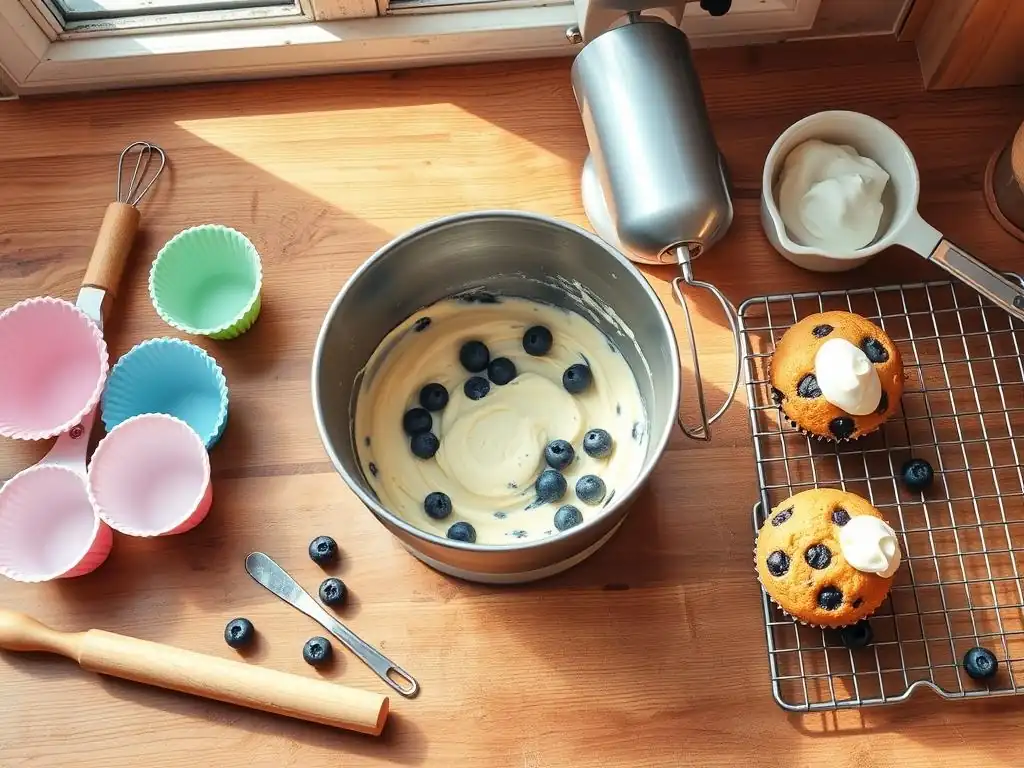
Starting a new hobby can feel expensive, but building a collection of baking tools for beginners doesn't have to break the bank. Many essential items are relatively inexpensive, and there are smart ways to acquire quality tools without overspending. Focusing on multi-purpose items and looking for value are key strategies.
This section explores how to get started with a modest budget, highlighting affordable options and where to find good value on your initial set of essential baking tools for beginners. You can create wonderful baked goods with just a few key pieces.
Starter Baking Sets: A Convenient and Affordable Option
One way to acquire a collection of baking tools for beginners quickly and affordably is by purchasing a starter baking set. These sets often bundle several essential items like mixing bowls, measuring cups and spoons, spatulas, and maybe a baking pan or two. While the quality can vary, many reputable kitchenware brands offer basic sets designed specifically for beginners or college students.
A typical starter set might include 10-15 pieces and cost anywhere from $30 to $70. This can be a cost-effective way to get a foundational collection of essential baking tools for beginners in one go, though it's always wise to check reviews to ensure the included items are durable and functional. Buying items individually might allow for higher quality on specific pieces, but a set offers convenience and often a lower overall price for the basic kit.
Finding Quality Baking Tools on a Budget
Even when buying individual items for your baking tools for beginners collection, you don't need to buy the most expensive options. Look for sales at department stores or kitchen supply shops. Discount retailers and online marketplaces can also offer competitive prices, but be sure to read product descriptions and reviews carefully to gauge quality.
Consider materials: stainless steel measuring tools are durable and often reasonably priced. Silicone spatulas are generally affordable and long-lasting. For baking pans, sturdy aluminum or non-stick steel pans offer good performance without the high cost of professional-grade bakeware. By prioritizing essential items and shopping smartly, you can build a high-quality set of essential baking tools for beginners within a modest budget, allowing you to focus your resources on quality ingredients.
Cleaning and Caring for Your Baking Tools
Proper care and maintenance will significantly extend the lifespan of your baking tools for beginners and keep them performing their best. Dirty or damaged tools can impact the hygiene of your kitchen and the quality of your baked goods. Taking a few moments to clean and store your tools correctly after each use is a simple habit that pays off in the long run.
This section provides practical advice on cleaning different types of baking tools and tips for storing them to prevent damage and keep them organized. Learning how to care for your essential baking tools for beginners is an important part of mastering the craft.
Proper Cleaning Techniques for Different Baking Tools
Cleaning techniques vary depending on the material of your baking tools for beginners. Metal measuring cups and spoons, stainless steel bowls, and metal baking pans can usually be washed by hand with warm, soapy water. For stubborn baked-on bits on pans, soaking for a while can help, or using a plastic scraper to gently remove residue before washing. Avoid abrasive scrubbers on non-stick surfaces.
Silicone spatulas and baking mats are generally very easy to clean with soap and water; their non-porous surface resists stains and odors. Wooden rolling pins should be wiped clean with a damp cloth and dried immediately; avoid soaking them, as this can cause cracking. Always check manufacturer instructions, but generally, hand washing is recommended for many essential baking tools for beginners to preserve their finish and integrity over time.
Storing Your Baking Tools to Prolong Their Lifespan
How you store your baking tools for beginners can prevent damage and keep them organized. Measuring cups and spoons can be kept together on a ring or nested in a drawer. Spatulas and whisks can be stored in a utensil crock on the counter for easy access or in a drawer.
Baking sheets and cooling racks can be stored vertically in a cabinet using dividers, or nested horizontally if space allows. Stacking baking pans requires care to avoid scratching non-stick surfaces; placing a layer of paper towel or a soft cloth between stacked pans can help. Proper storage protects your investment in essential baking tools for beginners from scratches, dents, and rust, ensuring they are ready for your next baking adventure.
Mastering the Basics: Using Your Baking Tools with Confidence
Now that you have your essential baking tools for beginners, it's time to put them to use! The best way to become comfortable with your new equipment is through practice. Start with simple recipes that utilize the tools you've acquired. As you work through recipes, you'll gain confidence in measuring accurately, mixing effectively, and using your pans and tools to achieve delicious results.
This section offers suggestions for beginner-friendly recipes and provides some final tips to help you succeed as you start your baking journey with your new essential baking tools for beginners.
Simple Baking Recipes to Try with Your New Tools
With your basic set of baking tools for beginners, you can tackle a wide variety of easy and rewarding recipes. Classic chocolate chip cookies require measuring cups and spoons, mixing bowls, spatulas, and a baking sheet. Muffins or simple cupcakes utilize measuring tools, mixing bowls, spatulas, and a muffin tin.
Quick breads like banana bread or cornbread are great for practicing with measuring tools, mixing bowls, spatulas, and a loaf pan. Even a simple sponge cake uses mixing tools, measuring tools, and a cake pan. Start with recipes that have few steps and familiar ingredients to build your confidence using your essential baking tools for beginners.
Tips for Success with Beginner Baking Tools
Here are a few final tips for maximizing your success with your baking tools for beginners:
- Read the recipe thoroughly before you start to understand which tools you'll need and the steps involved.
- Measure accurately! This cannot be stressed enough. Level off dry ingredients and read liquid measurements at eye level. Consider getting a kitchen scale early on.
- Prepare your pans by greasing and flouring or lining with parchment paper before you start mixing your batter or dough.
- Understand the function of each tool. Knowing why you use a whisk versus a spatula helps you use them correctly.
- Clean as you go where possible. Washing smaller tools while dough is chilling or batter is resting makes final cleanup much easier.
- Don't be afraid to experiment once you've mastered the basics. Your essential baking tools for beginners are the foundation for countless culinary creations!
Frequently Asked Questions
What are the most essential baking tools for someone just starting out?
The most essential tools are a good mixing bowl, measuring cups and spoons for accurate ingredient measurements, and a basic baking sheet. These form the foundation for most recipes.
Do I really need a stand mixer, or can I get by with hand tools as a beginner?
While a stand mixer is helpful, it's not strictly necessary. A sturdy hand mixer and some elbow grease can handle most tasks for beginner recipes.
What's the difference between parchment paper and baking mats, and which should I get first?
Parchment paper is disposable and great for preventing sticking. Baking mats are reusable and provide even heat distribution. For beginners, parchment paper is the more versatile and cost-effective starting point.
What kind of measuring cups and spoons are best for baking, liquid or dry?
You need both! Dry measuring cups are specifically designed for leveling ingredients like flour, while liquid measuring cups have a spout for easy pouring and accurate liquid measurement.
Are expensive baking pans worth the investment when I'm just learning?
Not necessarily. Opt for affordable, non-stick baking pans to start. As you improve, you can upgrade to higher-quality pans for better heat distribution and durability, but it's not crucial initially.
Final Reflection: The Sweet Science of Starting
Mastering the art of baking isn't just about following recipes; it's about understanding the fundamental tools that unlock culinary creativity. The right equipment empowers you to transform simple ingredients into delightful treats, fostering a deeper connection with the process and the joy of creation. This journey, from hesitant beginner to confident baker, is within everyone's reach.
The impact of accessible baking knowledge is profound. It fosters a sense of community, connecting individuals through shared experiences and the universal language of deliciousness. Baking becomes a form of self-expression, a way to nurture loved ones, and a source of immense personal satisfaction. The best things in life are homemade.
This simple sentiment speaks volumes about the enduring appeal of baking and the value of creating something tangible with your own hands.
Now, it's your turn. Don't let the initial investment in tools intimidate you. Start small, choose wisely from the essentials outlined in this article, and embrace the learning process. Each perfectly risen loaf, each melt-in-your-mouth cookie, is a testament to your dedication and a delicious reward for your efforts. So, gather your tools, embrace the flour dust, and embark on your baking adventure. The sweet rewards await.
Unlock Your Inner Baker: Start Baking Today!
Thanks for taking the time to explore the world of baking with us! We hope you've gained the confidence to tackle any recipe. Ready to roll up your sleeves and get started?
- Bake your first masterpiece: Choose a simple recipe from our website (like our famous chocolate chip cookies!) and get baking. This is your chance to put your new knowledge into practice.
- Share your baking journey: Post a picture of your creation on social media using #BakeWithEase and tag us! We love seeing your baking adventures.
- Explore advanced techniques: Dive deeper into our website and explore our more advanced baking tutorials. Ready to challenge yourself with a sourdough starter or intricate cake decorations?
What delicious treat will you bake first?