
Your First Bake: Easy Blueberry Scones

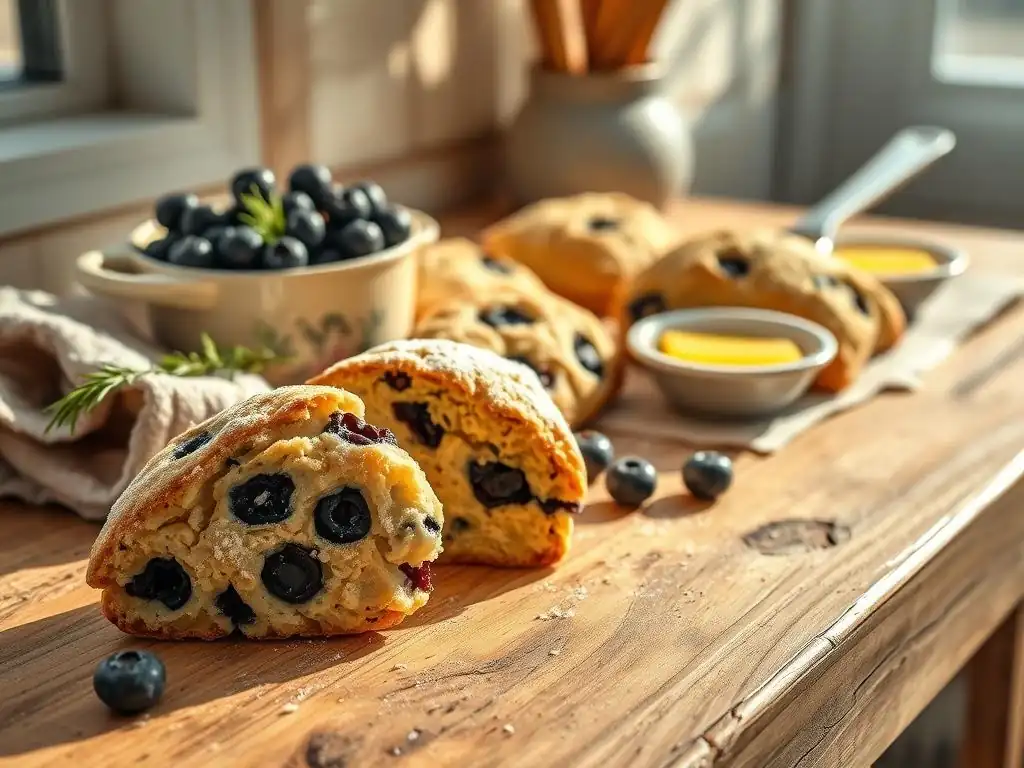
Welcome to BakeWithEase, where creating delicious treats is simpler than you think! Are you ready to embark on a baking adventure? This week, we're starting with a classic – but with a twist. Forget complicated techniques; we're diving into an easy blueberry scones recipe that's perfect for beginners. Curious about how to achieve that perfectly golden crust and tender crumb? Let's unlock the secrets together and transform your kitchen into a haven of delightful aromas!
- A Simple Approach to Baking Perfect Easy Blueberry Scones at Home
- Why Easy Blueberry Scones Are Ideal for New Bakers
- Preparing to Bake: Ingredients and Tools
- Baking Process: A Step-by-Step Guide
- Tips for Baking Perfect Easy Blueberry Scones
- Troubleshooting Common Scone Issues
- Variations: Exploring Different Scone Flavors
- Enjoy Your Delicious Homemade Easy Blueberry Scones!
- Frequently Asked Questions
- Final Reflection: The Sweetness of Simple Beginnings
- Unleash Your Inner Baker: Blueberry Scone Success Awaits!
A Simple Approach to Baking Perfect Easy Blueberry Scones at Home
Embarking on your baking journey can feel daunting, but starting with something simple and rewarding is key. That's where easy blueberry scones come in. These delightful treats offer a fantastic entry point into the world of doughs and pastries.
Their forgiving nature and minimal steps make them a perfect choice for novice bakers looking to build confidence and create something delicious from scratch. Learning to make easy blueberry scones is not just about following a recipe; it's about understanding basic baking principles like working with cold butter and not overmixing, which are fundamental skills applicable to many other baked goods.
Mastering an easy blueberry scones recipe gives you a versatile base you can adapt later. Once you've successfully baked your first batch of these tender, fruity delights, you'll feel ready to tackle slightly more complex recipes. The process is relatively quick – often less than an hour from mixing bowl to cooling rack – making it ideal for a weekend project or even a weeknight treat. We'll guide you through each step, ensuring your first attempt at baking easy blueberry scones is a resounding success, resulting in light, flaky scones bursting with juicy blueberries.
Why Easy Blueberry Scones Are Ideal for New Bakers
There's a reason why many baking instructors recommend scones, and specifically easy blueberry scones, for beginners. Unlike finicky yeasted doughs or delicate cakes, scone dough is quite robust. The primary technique involves cutting cold fat into flour, a simple process that creates the flaky layers characteristic of a great scone. Adding blueberries introduces moisture and flavor without significantly complicating the method. This straightforward approach minimizes potential pitfalls like over-proofing or complex shaping, allowing new bakers to focus on the fundamentals.
Furthermore, an easy blueberry scones recipe provides immediate gratification. The baking time is relatively short, typically around 12-18 minutes, meaning you don't have to wait long to see and taste the results of your effort. This quick turnaround is incredibly encouraging for beginners. Plus, the simple ingredients are readily available in most grocery stores, and you don't need specialized equipment to get started. It's a low-barrier-to-entry bake that consistently delivers delicious results, making it an excellent starting point for anyone new to baking.
Simple Ingredients for Authentic Homemade Scones
Creating authentic, tender homemade scones doesn't require a pantry full of exotic ingredients. An easy blueberry scones recipe relies on kitchen staples you likely already have. The core components are flour, sugar, baking powder, salt, cold butter, and buttermilk. Fresh or frozen blueberries are the stars that add bursts of flavor and moisture. The beauty of this simplicity is that each ingredient plays a crucial role, and understanding their function helps in troubleshooting and eventually adapting the recipe. For instance, baking powder is essential for the scones' rise, while cold butter creates flakiness.
Using simple ingredients also means you can focus on technique rather than ingredient preparation. You're not dealing with tempering chocolate or whipping egg whites to stiff peaks. Instead, you're learning how to handle dough, gauge its consistency, and understand the importance of temperature, particularly the coldness of the butter and buttermilk. This foundational knowledge gained from working with a few basic ingredients in an easy blueberry scones recipe will serve you well as you expand your baking repertoire.
Quick & Easy Scone Recipe: From Start to Finish
One of the most appealing aspects of making easy blueberry scones is the speed at which they come together. From gathering your ingredients to pulling warm scones from the oven, the entire process can take as little as 45 minutes. This makes it perfect for a spontaneous weekend breakfast or a last-minute addition to brunch. The steps are intuitive: mix dry ingredients, cut in the butter, add wet ingredients and blueberries, shape, and bake. There's no lengthy kneading or rising time involved.
The "quick" part of this easy blueberry scones recipe comes from the leavening agent – baking powder – which creates lift rapidly in the oven's heat, rather than relying on yeast which requires time to ferment. The "easy" aspect stems from the forgiving nature of the dough and the minimal handling it requires. Unlike bread dough, which needs significant kneading, scone dough benefits from minimal handling. This saves time and reduces the risk of developing tough gluten, a common pitfall for beginners.
Reliable Easy Blueberry Scone Recipe for Consistent Results
Consistency is key to building confidence in baking, and an easy blueberry scones recipe is inherently reliable when a few basic principles are followed. The ratio of dry to wet ingredients is relatively stable, and the method of cutting in cold butter consistently produces a tender crumb. By sticking to the specified ingredient types and following the steps, you can expect predictable and delicious results batch after batch. This reliability makes it an excellent recipe for practicing fundamental techniques.
A reliable easy blueberry scone recipe provides a solid foundation. As you become more comfortable, you can start experimenting with minor variations, like adding a touch of lemon zest to complement the blueberries or brushing the tops with milk or cream for a richer crust. The core technique, however, remains the same, ensuring that even small deviations don't drastically alter the outcome. Knowing you have a dependable recipe like this allows you to relax and enjoy the process of baking, rather than worrying excessively about potential failures.
Preparing to Bake: Ingredients and Tools
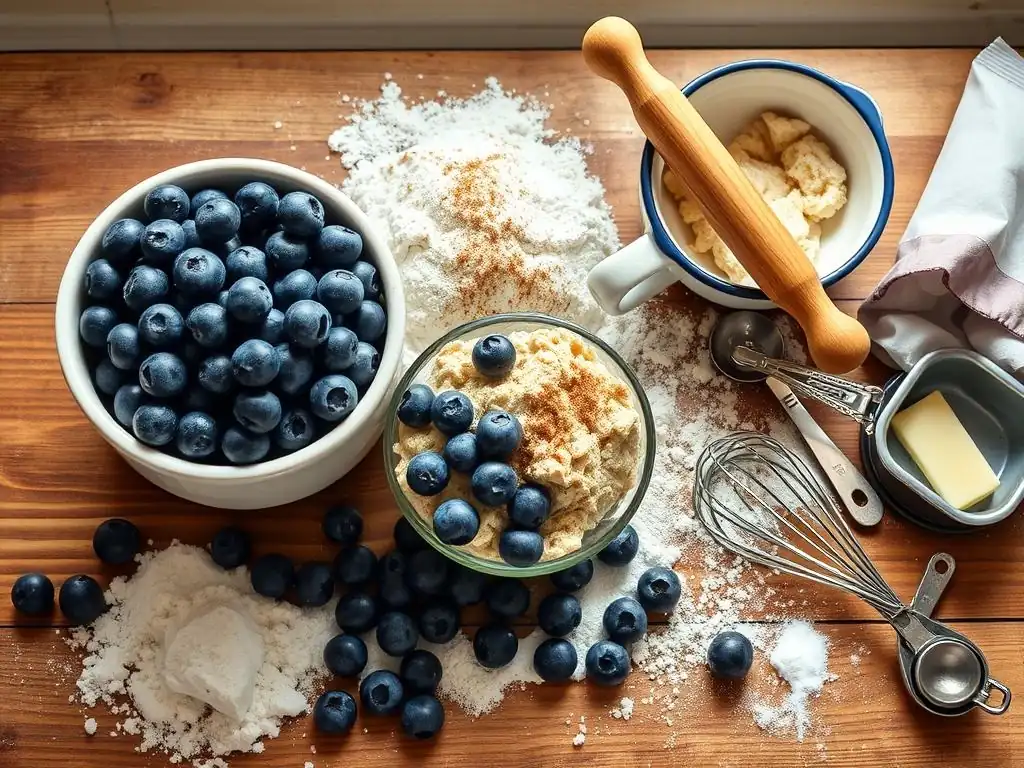
Successful baking starts with proper preparation. Having all your ingredients measured and your tools ready before you begin mixing makes the process smoother and reduces the chance of making errors. For an easy blueberry scones recipe, this means chilling your butter, measuring your dry ingredients accurately, and having your buttermilk and blueberries ready to go. A little bit of prep work upfront saves time and stress later on.
Getting your workspace organized is also part of the preparation. Clear your counter, preheat your oven, and line your baking sheet. These simple steps ensure you can move efficiently through the recipe steps without interruption. Baking should be an enjoyable activity, and being prepared helps make it so, especially when you're trying an easy blueberry scones recipe for the first time.
Essential Ingredients for Easy Blueberry Scones
The quality and preparation of your ingredients significantly impact the final texture and flavor of your easy blueberry scones. While the list is short, each component plays a vital role. Using fresh baking powder, cold butter, and good quality flour will yield the best results. Don't underestimate the importance of using cold ingredients, especially the butter and buttermilk, as this is crucial for achieving that desired flaky texture.
Buttermilk: The Key Ingredient
Buttermilk is often considered the secret to tender, moist scones. Its acidity reacts with the baking powder, providing a significant lift and creating a light, airy texture. It also helps to break down gluten strands, resulting in a more tender crumb compared to using regular milk.
If you don't have buttermilk, you can approximate it by adding one tablespoon of white vinegar or lemon juice to one cup of milk and letting it sit for 5-10 minutes until it curdles slightly. However, for the most reliable easy blueberry scones recipe, using real buttermilk is recommended for its consistent acidity and flavor.
A typical recipe might call for around 3/4 to 1 cup of cold buttermilk. Using it cold is important because it helps keep the butter solid, which is essential for creating steam pockets during baking that lead to flakiness. Adding cold buttermilk to the flour and butter mixture should bring the dough together just barely, forming a shaggy mass.
Flour Selection: Achieving the Right Texture
All-purpose flour is the standard choice for most easy blueberry scones recipes. Its protein content is ideal for developing just enough structure to hold the scones together without making them tough. Using a good quality unbleached all-purpose flour will generally give you consistent results. Avoid using bread flour, which has a higher protein content and can lead to tougher scones. Cake flour, with its lower protein, might result in scones that are too delicate and crumbly.
Accuracy in measuring flour is also critical. Too much flour will result in dry, dense scones, while too little can make the dough too wet and difficult to handle. Using the "spoon and level" method – gently spooning the flour into your measuring cup and leveling off the excess with a straight edge – is generally more accurate than scooping directly from the bag, which can compact the flour. For an easy blueberry scones recipe, precision in flour measurement contributes significantly to the final texture.
Cold Butter: Ensuring Flakiness
Cold butter is arguably the most critical ingredient for achieving flaky scones. As the cold butter melts in the hot oven, it releases steam, which creates air pockets within the dough layers. These pockets are what give scones their characteristic light and flaky texture. The butter must be cold and cut into small pieces or grated. Pea-sized pieces are often the goal when cutting the butter into the flour.
Using softened or melted butter will not create the same effect; it will simply mix into the dough, resulting in a cake-like or dense texture rather than a flaky one. Keeping everything cold throughout the process, including your hands and the mixing bowl if possible, helps maintain the butter's integrity until it hits the oven. This technique is fundamental to any easy blueberry scones recipe aiming for that classic crumb.
Necessary Equipment for Baking Easy Blueberry Scones
You don't need a professional kitchen setup to bake easy blueberry scones. Most of the necessary tools are standard items found in a home kitchen. Having the right equipment simply makes the process more efficient and helps ensure success. Clean, dry tools are important, especially when working with dough.
Mixing Bowls and Measuring Instruments
You'll need at least one large mixing bowl for combining the dry ingredients and cutting in the butter, and potentially a smaller bowl for the wet ingredients. Using standard dry measuring cups and spoons for flour, sugar, baking powder, and salt, and a liquid measuring cup for the buttermilk is essential for accuracy. A kitchen scale can also be helpful for measuring flour and butter more precisely, though it's not strictly necessary for a basic easy blueberry scones recipe.
You'll also need a pastry blender, two forks, or your fingertips to cut the cold butter into the dry ingredients. Many bakers prefer using their fingertips as the warmth can be controlled, but it's crucial to work quickly to keep the butter cold. A rubber spatula is useful for gently mixing the wet ingredients into the dry.
Baking Sheet and Parchment Paper
A sturdy baking sheet provides an even heat distribution crucial for properly baking scones. Using parchment paper to line the baking sheet prevents the scones from sticking and makes cleanup significantly easier. It also helps the bottoms of the scones brown evenly without burning. If you don't have parchment paper, lightly greasing the baking sheet is an alternative, but parchment is highly recommended for best results with an easy blueberry scones recipe.
Having a wire cooling rack is also necessary for letting the scones cool properly after baking. Placing them directly on a solid surface can trap steam and make the bottoms soggy.
Baking Process: A Step-by-Step Guide
Breaking down the baking process into simple steps makes tackling an easy blueberry scones recipe approachable for beginners. Each step builds upon the last, leading you smoothly from a few basic ingredients to warm, delicious scones. Focusing on one step at a time helps prevent feeling overwhelmed and ensures you pay attention to the details that matter, like not overworking the dough.
The process is designed to be quick and intuitive, emphasizing minimal handling of the dough to keep the scones tender. From combining the dry mix to adding the wet elements and finally baking, each stage is straightforward and manageable, even if it's your very first time making easy blueberry scones.
Step 1: Preparing the Scone Dough
The initial stage involves combining the dry ingredients and then incorporating the cold butter. This is where the foundation for flaky texture is laid. Working efficiently to keep ingredients cold is key during this step. Don't be afraid to put the bowl in the refrigerator for a few minutes if you feel the butter is getting too warm.
Accuracy in measuring the leavening agent (baking powder) is crucial here, as it directly impacts the scones' rise. Gently folding in the blueberries at the end of this step ensures they are distributed throughout the dough without crushing them.
Combining Dry Ingredients: Flour, Sugar, Baking Powder, Salt
In your large mixing bowl, whisk together the all-purpose flour, sugar (granulated sugar is common for sweetness and tenderness), baking powder, and salt. Whisking helps to evenly distribute the baking powder and salt throughout the flour, ensuring an even rise and flavor in every scone. For a typical recipe yielding 8-12 scones, you might use around 2 cups of flour, a few tablespoons of sugar, a tablespoon or more of baking powder, and a pinch of salt.
Using fresh baking powder is important; if it's been sitting in your pantry for years, it might have lost its potency, resulting in flat scones. You can test its freshness by adding a teaspoon to a small amount of hot water; it should fizz vigorously. This simple mix forms the dry base for your easy blueberry scones recipe.
Cutting in the Cold Butter: Creating Layers
This is perhaps the most critical step for texture. Add your cold, cubed or grated butter to the dry ingredients. Use a pastry blender, forks, or your fingertips to quickly cut the butter into the flour mixture until it resembles coarse crumbs with some pea-sized pieces of butter still visible. These larger pieces are what will melt and create steam pockets for flakiness. Avoid overworking the mixture into a fine meal.
Working quickly keeps the butter cold. If your hands are warm, using a pastry blender or forks is preferable. The goal is to coat the butter pieces with flour while keeping them distinct. This technique is fundamental to achieving light, flaky easy blueberry scones.
Adding the Buttermilk: Achieving the Right Consistency
Pour the cold buttermilk into the flour-butter mixture. Add the blueberries at this stage as well. Use a rubber spatula or your hands to gently bring the ingredients together. Mix just until the dough barely comes together into a shaggy mass. It should be moist but not sticky. Avoid the urge to overmix; this develops gluten and results in tough scones.
The consistency should be just wet enough to hold together. If it seems too dry, add a tiny splash more buttermilk (a teaspoon at a time). If it seems too wet, add a tablespoon of flour. Gentle mixing is paramount for tender easy blueberry scones.
Step 2: Shaping and Baking the Scones
Once the dough is mixed, it's time to shape and prepare them for the oven. This step is quick and doesn't involve complex techniques, keeping your easy blueberry scones recipe true to its name. Minimal handling is still the rule here.
Patting and Cutting: Creating Uniform Scones
Turn the shaggy dough out onto a lightly floured surface. Gently pat the dough into a circle or rectangle about 3/4 to 1 inch thick. Don't knead the dough. For classic wedge shapes, cut the circle into 6 or 8 triangles using a knife or bench scraper. For square scones, pat into a rectangle and cut into squares. You can also use a round cutter, but avoid twisting the cutter, which can seal the edges and inhibit rise. Simply press straight down.
Arrange the cut scones on your parchment-lined baking sheet. Placing them relatively close together on the sheet can help them rise taller as they support each other, though leaving a bit of space (about an inch) allows for more even browning. This simple shaping keeps your easy blueberry scones recipe manageable.
Baking to Golden Brown: Monitoring for Doneness
Bake the scones in a preheated oven, typically around 400-425°F (200-220°C). The high temperature helps the baking powder react quickly and the butter melt rapidly, creating maximum lift and flakiness. Baking time usually ranges from 12 to 18 minutes, depending on your oven and the size and thickness of your scones.
Look for visual cues: the scones should be risen, golden brown on top, and the edges should look set. You can test for doneness by inserting a toothpick into the center of a scone (avoiding a blueberry); it should come out clean or with just a few moist crumbs attached. Over-baking will result in dry scones, so keep a close eye on them during the last few minutes. Getting the baking time right is crucial for perfect easy blueberry scones.
Step 3: Cooling and Serving
The final steps involve letting your beautiful easy blueberry scones cool slightly before enjoying them. While the temptation to eat them straight from the oven is strong, a short cooling period improves texture.
Cooling on a Rack: Preventing Soggy Scones
Once baked, carefully transfer the scones from the baking sheet to a wire cooling rack. Allowing them to cool on a rack ensures air circulates around them, preventing the bottoms from becoming soggy due to trapped steam. Let them cool for at least 10-15 minutes before serving. They will still be warm, but the structure will set slightly.
Cooling on a rack is a simple but essential step in any easy blueberry scones recipe to ensure the best possible texture throughout the scone.
Serving Suggestions: Jams, Clotted Cream, and More
Warm easy blueberry scones are delightful served simply with butter. For a more traditional experience, serve them with clotted cream and jam. The sweetness of the blueberries pairs wonderfully with tangy raspberry jam or classic strawberry jam. A dollop of whipped cream is another delicious option.
You can also enjoy them plain, perhaps with a cup of tea or coffee. Their tender crumb and bursts of blueberry flavor make them satisfying on their own. The versatility of serving options adds to the appeal of mastering an easy blueberry scones recipe.
Tips for Baking Perfect Easy Blueberry Scones
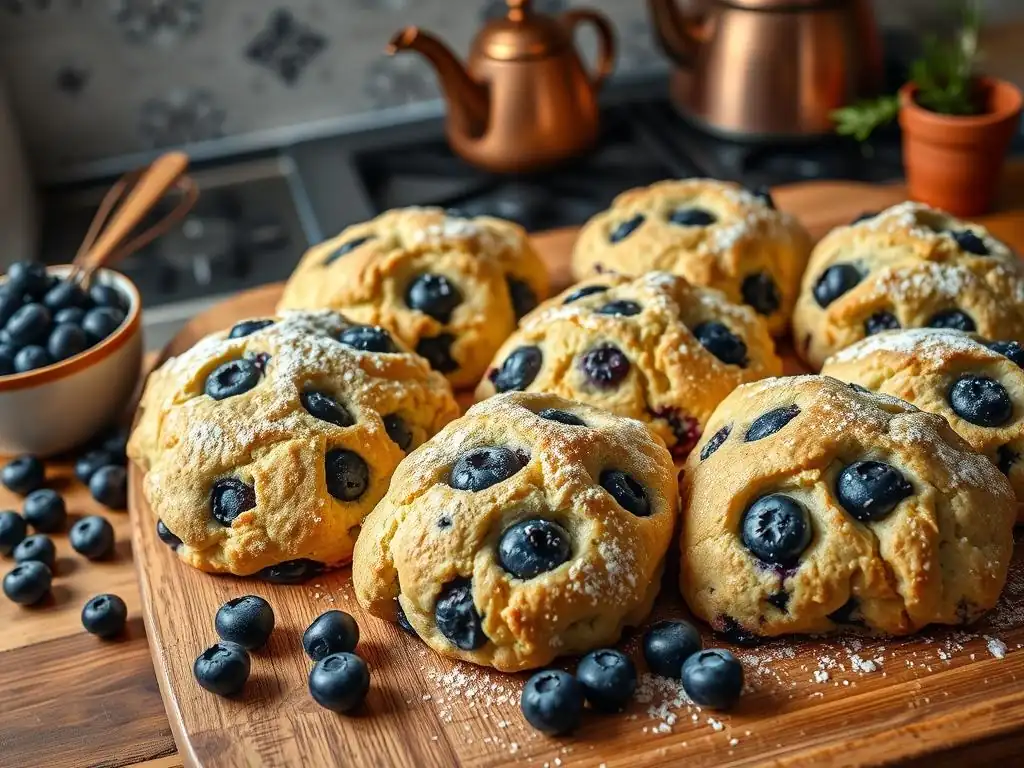
Even with an easy blueberry scones recipe, a few key tips can elevate your results from good to absolutely perfect. Paying attention to these details can make a significant difference in the texture and rise of your scones.
Keeping Butter Cold: Maintaining Flakiness
We've mentioned it before, but it bears repeating: cold butter is paramount. Ensure your butter is straight from the refrigerator and cut into small pieces just before you begin. If your kitchen is warm, you can even pop your dry ingredients and butter mixture into the fridge for 10-15 minutes before adding the buttermilk. The colder the butter is when it goes into the oven, the flakier your easy blueberry scones will be.
Avoiding Overmixing: Preventing Toughness
Gentle handling is the key to tender scones. Overmixing develops gluten, leading to a tough, dense texture rather than a light, crumbly one. Mix the wet and dry ingredients just until they come together into a shaggy dough. Don't knead it like bread dough. When shaping, pat the dough gently rather than rolling it vigorously. Minimal handling is a golden rule for an easy blueberry scones recipe.
Adjusting Baking Time: Recognizing Doneness
Ovens vary, so the suggested baking time is always an estimate. Learn to recognize the visual cues that indicate your easy blueberry scones are done: risen, golden brown tops and set edges. If they are browning too quickly on top but still seem undercooked, you can loosely tent them with foil. Conversely, if they aren't browning enough, you might need a few extra minutes. Trust your eyes and perhaps the toothpick test over the clock alone.
Storing Scones: Maintaining Freshness
Homemade scones are best enjoyed the day they are baked, ideally warm. However, you can store leftover easy blueberry scones in an airtight container at room temperature for 1-2 days. To reheat, slice them in half horizontally and warm them in a toaster oven or a regular oven at a low temperature (around 300°F or 150°C) for a few minutes until heated through. This helps revive their texture.
Troubleshooting Common Scone Issues
Even with an easy blueberry scones recipe, you might encounter minor issues. Understanding common problems and their solutions helps you learn and improve with each bake.
Dry Scones: Adding More Moisture
If your easy blueberry scones turn out dry, it's likely due to too much flour or not enough liquid. Ensure you're measuring your flour accurately (using the spoon and level method). The dough should feel moist but not sticky before baking. In future attempts, you might need to add a tiny bit more buttermilk if the dough feels overly dry and crumbly when mixing.
Flat Scones: Ensuring Proper Rise
Flat scones can be caused by several factors: old or inactive baking powder, the butter melting before baking, or overworking the dough. Ensure your baking powder is fresh. Keep your butter and buttermilk cold throughout the process. Avoid overmixing the dough, as this inhibits rise. Also, ensure your oven is fully preheated to the correct temperature, as the initial blast of heat is crucial for the baking powder's reaction. Proper technique is vital for a good rise in an easy blueberry scones recipe.
Overly Browned Bottoms: Protecting During Baking
If the bottoms of your easy blueberry scones are browning too much before the tops are done, your baking sheet might be too low in the oven, or your oven might have hot spots. Using parchment paper helps, but you can also try moving the baking sheet to a higher rack in the oven. If the problem persists, you can place another empty baking sheet on the rack below the scones to act as a buffer against the direct heat from the bottom element.
Variations: Exploring Different Scone Flavors

Once you've mastered the easy blueberry scones recipe, the basic scone dough is incredibly versatile. You can easily adapt it to create a variety of flavors, venturing beyond blueberries into both sweet and savory options.
Cheese Scones: Adding Savory Flavors
For a savory twist, omit the sugar from the basic dough recipe and add about 1/2 cup to 1 cup of grated cheese, such as sharp cheddar or Parmesan, along with a pinch of black pepper or a dash of cayenne for heat. You can also mix in finely chopped chives or other herbs. Bake as directed. Cheese scones are wonderful served warm with butter, accompanying soup or chili.
Fruit Scones: Incorporating Dried Fruits
While you've made easy blueberry scones with fresh or frozen fruit, the dough is also excellent with dried fruits. Swap the blueberries for dried cranberries, currants, chopped apricots, or raisins. Use about 1/2 cup of dried fruit. You can plump dried fruits by soaking them in hot water or juice for 10 minutes and draining them before adding them to the dough, though this isn't strictly necessary. This offers a different texture and sweetness profile.
Herb Scones: Aromatic and Flavorful
For an aromatic savory scone, omit the sugar and add 1-2 tablespoons of finely chopped fresh herbs like rosemary, thyme, chives, or dill to the dry ingredients. These are delicious served with savory meals or as a base for open-faced sandwiches. The possibilities for herb combinations are vast, allowing for creative variations on your basic scone dough.
Enjoy Your Delicious Homemade Easy Blueberry Scones!
Congratulations! You've successfully baked your first batch of easy blueberry scones. The aroma filling your kitchen is the first reward, followed by the simple pleasure of biting into a warm, tender scone bursting with juicy blueberries. This easy blueberry scones recipe is a fantastic starting point for any new baker, providing essential skills and a delicious result.
Remember the key takeaways: keep ingredients cold, handle the dough gently, and don't overbake. With this reliable easy blueberry scones recipe in your repertoire, you're well on your way to exploring more exciting baking adventures. Share them with friends and family, or simply savor them yourself – you've earned it!
Frequently Asked Questions
What makes this blueberry scones recipe considered "easy"?
This recipe focuses on simple techniques and easily accessible ingredients, making it perfect for beginner bakers. The instructions are also very clear and step-by-step.
Can I use frozen blueberries instead of fresh blueberries?
Yes, you can! Just make sure to do not thaw them before adding them to the dough. Thawing may cause the dough to become too wet.
What's the secret to getting light and flaky scones?
The key is to use cold butter and to avoid overmixing the dough. Overmixing develops the gluten, leading to tough scones.
Can I substitute the ingredients in this blueberry scones recipe?
While substitutions are possible, they may affect the outcome. For the best results, it's recommended to follow the recipe as written at least the first time.
How long do these blueberry scones stay fresh?
These scones are best enjoyed fresh, but they can be stored in an airtight container at room temperature for up to 2 days. You can also freeze them for longer storage and reheat them later.
Final Reflection: The Sweetness of Simple Beginnings
Baking, even something as seemingly simple as blueberry scones, offers a potent metaphor for life's journeys. The precise measurements, the gentle folding of ingredients, the anticipation of that first bite – these small acts mirror the careful steps we take in pursuing our goals, big or small. Mastering a simple recipe like this one can unlock a world of confidence and creativity, much like tackling challenges in our own lives.
The enduring appeal of baking, particularly recipes passed down through generations or discovered through personal exploration, lies in its ability to connect us to something larger than ourselves. It's a tangible expression of care, a shared experience, and a reminder of the simple pleasures life offers. Baking is at once child's play and adult joy. And love, of course.
This quote perfectly encapsulates the feeling of accomplishment and satisfaction that comes with successfully creating something delicious and sharing it with others. The act of baking these scones, for me, became a meditation on patience, precision, and the rewarding nature of effort.
Now, I invite you to consider your own "first bake" – whether it was blueberry scones or something entirely different. What did you learn from the experience? What unexpected joys or challenges did you encounter? More importantly, how can you apply the lessons learned in the kitchen – the patience, the attention to detail, the joy of creation – to other areas of your life? Embrace the sweetness of simple beginnings, and let the journey of baking inspire you to tackle new challenges with confidence and a sprinkle of joy.
Unleash Your Inner Baker: Blueberry Scone Success Awaits!
Thanks for joining us on this delicious journey into the world of baking! We hope you've gained the confidence to tackle even the most tempting recipes. Now it's time to put your new skills to the test.
- Bake your own batch of blueberry scones today! Use the recipe and tips you just learned to create a batch of these delightful treats. Impress yourself (and maybe some friends! ).
- Share your baking journey! Snap a picture of your finished scones and post it on social media – tag us, we'd love to see your creations!
- Explore other easy recipes on BakeWithEase.com – Find your next baking adventure.
Ready to experience the joy of homemade goodness? What will your next baking project be?