
Freeze Drop Cookie Dough for Later (Easy Method)

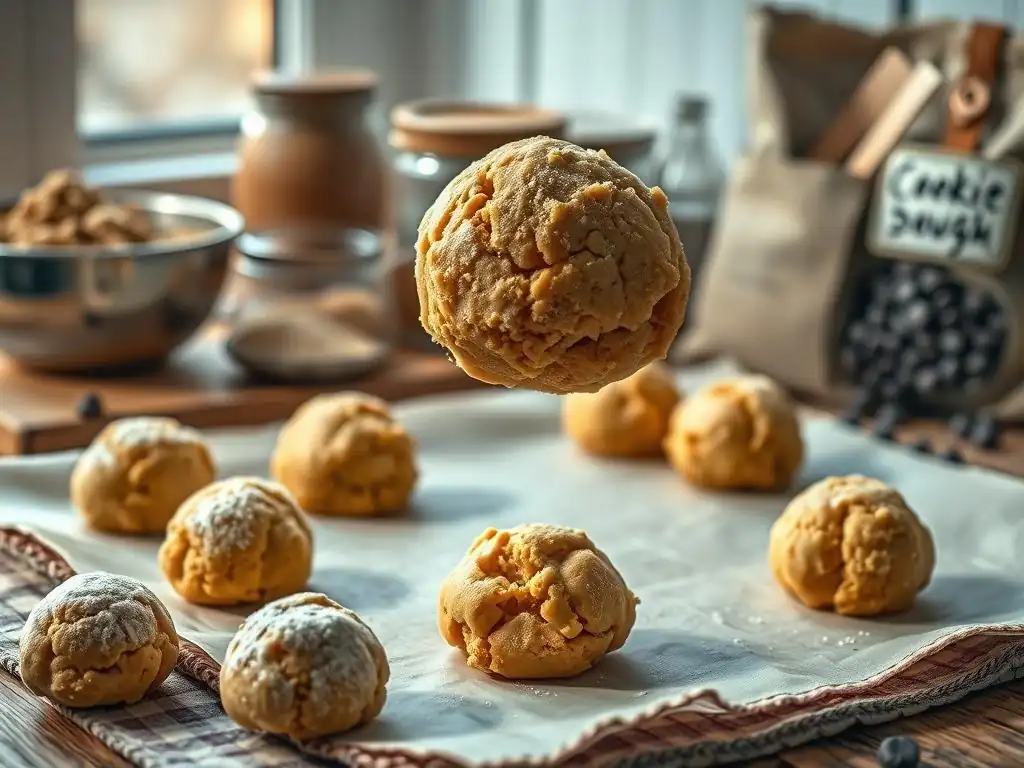
Welcome to BakeWithEase, your haven for all things baking! Ever wished you could have freshly baked cookies on demand? Discover our secrets to effortlessly freeze drop cookie dough, saving you time and ensuring a warm, delicious treat is always just moments away. Curious about the easiest method? Let's get baking!
- Freeze Drop Cookie Dough Easily for Baking Later
- Why Freeze Drop Cookie Dough? Extend Your Baking Joy!
- Choosing the Best Drop Cookie Dough for Freezing
- Step-by-Step Guide: How to Freeze Drop Cookie Dough for Optimal Results
- Thawing and Baking Frozen Drop Cookie Dough: A Simple Process
- Troubleshooting: Common Issues When Freezing Drop Cookie Dough
- Tips for Enhancing Your Frozen Drop Cookie Dough Experience
- Enjoy Freshly Baked Cookies Anytime: Mastering the Art of Freezing Drop Cookie Dough
- Frequently Asked Questions
- Final Reflection: The Sweetness of Preparedness
- Unlock Your Cookie Dough Potential!
Freezing drop cookie dough easily is a game-changer for any home baker. Imagine having the ability to pull out just a few pre-portioned cookies from the freezer whenever a craving strikes or you need a quick treat. This method eliminates the need to make a whole batch from scratch every time, saving significant effort and mess. With frozen dough ready to go, you can enjoy warm, fresh-baked cookies in under 20 minutes, depending on your oven and cookie size, a stark contrast to the hour or more typically required for mixing, chilling, and baking a full batch.
This convenience extends beyond simple cravings. Hosting an impromptu gathering becomes effortless when you have frozen dough on hand. You can bake a small batch of cookies to serve warm alongside coffee or tea without the pressure of a last-minute baking marathon. It's about bringing the joy of fresh baking into your life on your terms, providing unparalleled flexibility in your baking schedule.
Save Time and Reduce Baking Stress
One of the biggest advantages of learning to freeze drop cookie dough easily is the significant time saving it offers. You can dedicate a single baking session to making a large batch of dough, portioning it, and freezing it for future use. This batch preparation can save you hours in the long run compared to mixing dough from scratch every time you want cookies. Think about holiday baking: instead of spending multiple days mixing doughs, you can prepare several varieties ahead of time and simply bake them off as needed during the busy season.
Furthermore, having frozen dough reduces the stress associated with baking. No more rushing to find ingredients or waiting for butter to soften when you want a cookie. The most time-consuming steps – mixing, chilling, and portioning – are already done. This leaves you with the simple, enjoyable task of placing dough on a baking sheet and waiting for the delicious aroma to fill your kitchen. It transforms baking from a potential chore into a quick, rewarding activity.
Perfect for Unexpected Guests or Last-Minute Cravings
Having a stash of frozen drop cookie dough is the ultimate hospitality hack. If friends or family drop by unexpectedly, you can offer them warm, homemade cookies with minimal fuss. This gesture is far more impressive and welcoming than simply opening a store-bought package. It shows thoughtfulness and effort without requiring you to disappear into the kitchen for an extended period.
Beyond entertaining, frozen dough is a lifesaver for those sudden, intense cookie cravings. Instead of reaching for less satisfying options, you can have a warm, gooey cookie in your hands within minutes. This makes it easier to enjoy fresh treats without the commitment of baking an entire batch, which might lead to overconsumption. It’s about having control and instant access to deliciousness whenever the mood strikes.
Not All Doughs are Created Equal: Which Recipes Freeze Well?
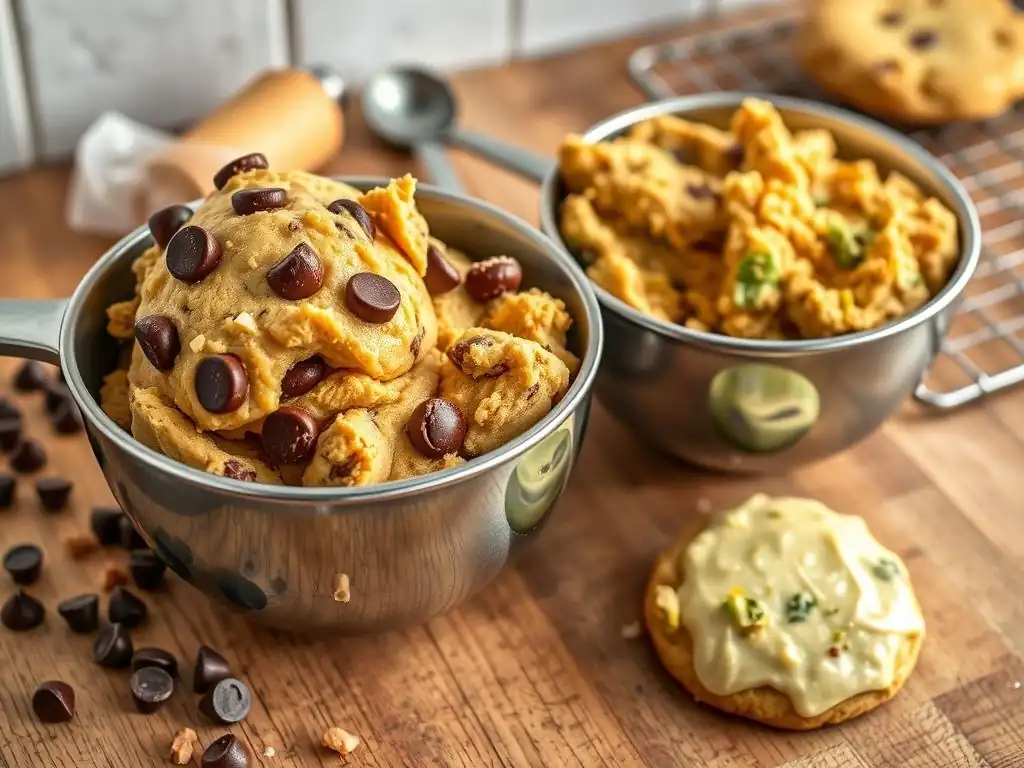
While many drop cookie doughs are excellent candidates for freezing, some perform better than others. Recipes that rely heavily on chemical leaveners like baking soda and baking powder tend to freeze beautifully, maintaining their structure and rise when baked from frozen. Classic examples include chocolate chip, peanut butter, oatmeal, and sugar cookies specifically designed for dropping. These doughs typically have a good balance of flour, fat, and sugar, which helps them withstand the freezing process without significant degradation.
Conversely, doughs with very high moisture content or those containing delicate ingredients like fresh fruit might not freeze as successfully. The freezing process can sometimes alter the texture of these ingredients, leading to less desirable results upon baking. When choosing a recipe to freeze drop cookie dough easily, look for robust, standard recipes that you know bake well fresh. A dough that is slightly stiffer or less sticky tends to be easier to portion and freeze effectively.
The composition of cookie dough plays a crucial role in how well it freezes. Fat, primarily butter or shortening, is key. Fat doesn't freeze solid in the same way water does, remaining somewhat pliable even at freezer temperatures. This helps protect the dough from freezer burn and maintains its tender texture. Sugar also acts as a cryoprotectant, helping to prevent ice crystal formation that can damage the dough's structure.
Flour provides the structure, and its interaction with liquids (like eggs or milk) forms gluten. While gluten development is important for texture, overly developed gluten can sometimes lead to tougher cookies. For freezing, a standard drop cookie dough with moderate gluten development is ideal. The moisture content needs to be balanced; too much water can lead to large ice crystals, while too little can result in dry, crumbly dough. Understanding these components helps predict how a specific recipe will behave when you freeze drop cookie dough easily.
Some of the most popular and successful types of drop cookie dough to freeze include:
- Chocolate Chip Cookies: The classic choice. Their sturdy structure and mix of fats and sugars make them freeze and bake exceptionally well.
- Peanut Butter Cookies: Often made with a higher fat content from peanut butter, these doughs hold their shape and texture beautifully through freezing.
- Oatmeal Cookies: Whether oatmeal raisin or oatmeal chocolate chip, the oats add structure that helps the dough maintain its form during freezing and baking.
- Sugar Cookies (Drop Style): Simple sugar cookie doughs that are dropped from a spoon (not rolled and cut) freeze reliably and bake up with a pleasant texture.
These types are excellent starting points if you're new to freezing cookie dough. They consistently provide great results, making it easy to freeze drop cookie dough easily and enjoy fresh cookies whenever you like.
The first step in learning how to freeze drop cookie dough easily is to make your favorite dough exactly as the recipe instructs. Use the specified ingredients and follow the mixing method closely. Ensure your ingredients are at the correct temperature (often room temperature for butter and eggs) for proper emulsification and dough consistency. Overmixing or undermixing can affect the final texture of your baked cookies, both fresh and from frozen.
Once the dough is mixed, some recipes call for chilling the dough before baking. While not strictly necessary if you plan to freeze immediately, a brief chill of 30-60 minutes can sometimes make the dough easier to portion, especially if it's a softer consistency. However, the primary goal at this stage is to have a well-mixed dough ready for portioning.
Step 2: Portioning the Dough: Methods for Freezing
Proper portioning is crucial when you freeze drop cookie dough easily, as it ensures uniform size and baking time later. There are a few effective methods:
Using a Cookie Scoop for Uniform Portions
Using a cookie scoop is arguably the easiest and most consistent way to portion drop cookie dough for freezing. Scoops come in various sizes (e.g., 1 tablespoon, 2 tablespoons, 3 tablespoons), allowing you to control the size of your finished cookies. Simply scoop the dough directly from the bowl onto your prepared baking sheet. This method creates neat, rounded balls of dough that are ready for the flash freeze step. It's quick, clean, and ensures that each cookie will bake at roughly the same rate.
Rolling Dough into a Log for Slice-and-Bake Cookies
While typically associated with slice-and-bake refrigerator cookies, this method also works for some drop cookie doughs, particularly those that are slightly firmer. Divide the dough into manageable sections and roll each section into a log shape, about 1.5 to 2 inches in diameter. Wrap the logs tightly in plastic wrap, shaping them as you go to ensure a uniform cylinder. This method is great if you prefer the look of round, flat cookies and plan to slice them before baking.
Forming Individual Dough Balls by Hand
If you don't have a cookie scoop or prefer a more rustic look, you can form individual dough balls by hand. Use a measuring spoon (like a tablespoon or two) to estimate the amount of dough for each cookie, then roll it gently between your palms to form a ball. Try to make them as uniform in size as possible to ensure even baking. Place the formed balls onto your prepared baking sheet. This method is simple but may be slightly messier and less consistent than using a scoop.
Step 3: The Flash Freeze: Preventing Sticking
The flash freeze step is vital when you freeze drop cookie dough easily because it prevents the individual portions from sticking together during long-term storage.
Arranging Dough Portions on a Baking Sheet
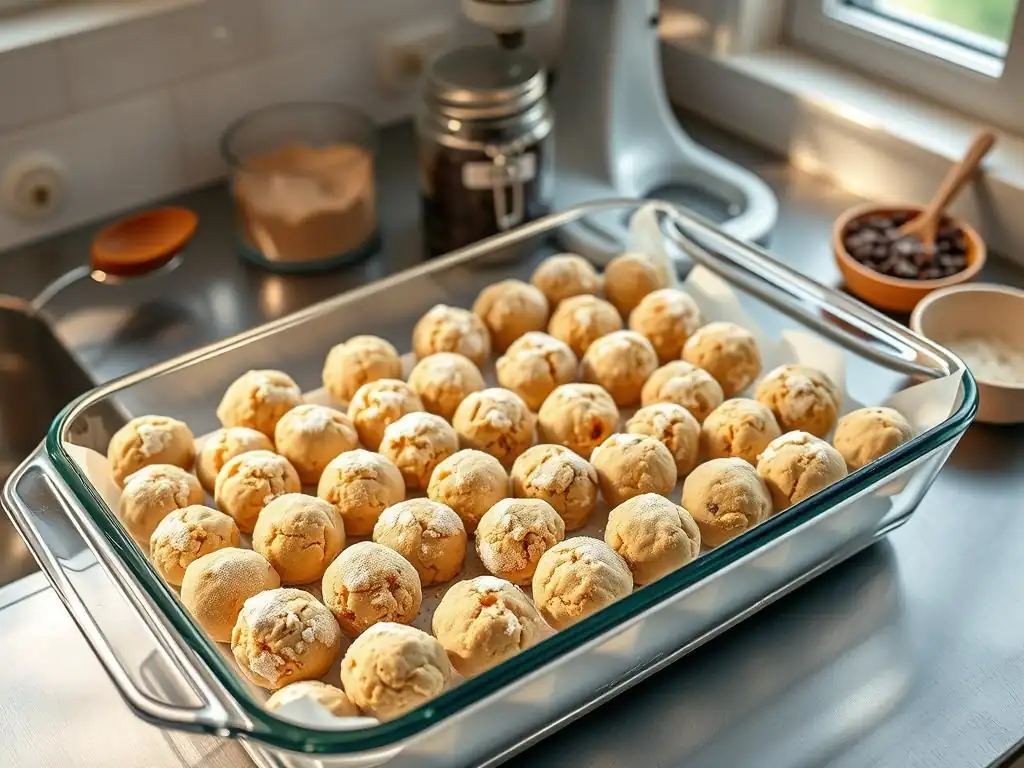
Once your dough is portioned using your preferred method (scoops, logs, or hand-rolled balls), arrange them on a baking sheet lined with parchment paper or a silicone baking mat. This lining prevents the dough from sticking to the pan. Make sure the dough portions are not touching each other on the sheet; leave a small gap between them. This ensures they freeze individually and can be easily transferred to a storage container later.
Freezing Until Solid: The Importance of Pre-Freezing
Place the baking sheet with the portioned dough into the freezer. This initial freeze, known as flash freezing, should take about 1 to 2 hours, depending on the size of the dough portions and the temperature of your freezer. The goal is for the dough balls or logs to become solid enough that they won't lose their shape or stick together when placed in a bag or container.
Once they are firm to the touch, they are ready for the next step. Do not skip this step, as it's crucial for successful long-term storage when you freeze drop cookie dough easily.
Step 4: Long-Term Storage: Packaging for Freshness
Proper packaging is essential to protect your frozen cookie dough from freezer burn and maintain its quality for months.
Using Freezer-Safe Bags or Containers
Once the dough portions are flash-frozen, transfer them from the baking sheet into freezer-safe bags or rigid freezer containers. Heavy-duty freezer bags are a popular choice because they are flexible and can be easily stacked. If using bags, try to use ones specifically designed for freezing, as they are thicker and more resistant to tears and moisture loss. If using containers, ensure they have airtight lids. For dough logs, wrap them again tightly in an additional layer of plastic wrap or foil before placing them in a bag or container.
Removing Air to Prevent Freezer Burn
Air is the enemy of frozen food, causing freezer burn, which leads to dryness and flavor degradation. When using freezer bags, squeeze out as much air as possible before sealing. If you have a vacuum sealer, this is an ideal application. For rigid containers, ensure the lid is sealed tightly. Minimizing air exposure is critical to keep your freeze drop cookie dough easily stored dough fresh and delicious for an extended period, often up to 3-6 months for optimal quality.
Labeling with Date and Cookie Type
This step is simple but often overlooked and incredibly important. Use a permanent marker to clearly label each bag or container. Include:
- The type of cookie dough (e.g., "Chocolate Chip," "Peanut Butter")
- The date it was frozen
- Optionally, baking instructions (temperature and approximate time)
Cookie Type: Oatmeal Raisin
Frozen Date: 2023-10-26
Bake from Frozen: 350°F, 12-14 mins
Proper labeling prevents the mystery of finding unidentifiable frozen items months later and ensures you use the dough within its optimal freshness window. This helps maintain the quality when you freeze drop cookie dough easily.

Thawing Options: Refrigerator vs. Room Temperature
While many drop cookie doughs can be baked directly from frozen, sometimes thawing is preferred or necessary depending on the recipe or desired texture.
- Refrigerator Thawing: The safest method is to transfer the desired number of dough portions to a plate or container and let them thaw in the refrigerator overnight. This slow, controlled thaw minimizes condensation and maintains the dough's structure. It's ideal if you have some planning time.
- Room Temperature Thawing: For a quicker thaw, you can place the dough portions on a baking sheet at room temperature for 30-60 minutes. They should soften enough to flatten slightly if needed, but still be cool to the touch. Avoid letting them sit out too long, especially if they contain eggs, to maintain food safety.
Some recipes specifically instruct to bake from frozen, while others might suggest a partial or full thaw. Check your recipe notes if available, but generally, baking from frozen is the most common and convenient method for drop cookies.
Baking from Frozen: Adjusting Baking Time
Baking drop cookie dough directly from frozen is the most common and convenient approach when you freeze drop cookie dough easily. The key difference is that frozen dough will require a longer baking time compared to fresh or thawed dough.
Preheat your oven to the temperature specified in the original recipe. Place the frozen dough portions on a parchment-lined baking sheet, spaced according to the recipe's instructions (usually 2-3 inches apart). Because the dough starts cold, it takes longer for the heat to penetrate and bake the interior. Expect to add anywhere from 2 to 5 minutes to the original baking time. For example, if the recipe calls for 10-12 minutes, try baking for 12-16 minutes. Start checking for doneness at the lower end of the adjusted time range.
Tips for Baking Perfectly: Achieving Golden Brown Perfection
To ensure your frozen drop cookie dough bakes into perfect cookies:
- Don't Overcrowd the Pan: Give cookies enough space to spread. Baking too many at once can lead to uneven baking.
- Monitor Closely: Since baking time is adjusted, watch the cookies carefully, especially towards the end. Look for visual cues like golden-brown edges and a set center (though the center might still look slightly soft for chewy cookies).
- Rotate the Pan: If your oven has hot spots, rotate the baking sheet halfway through the baking time for more even results.
- Cool Properly: Let the cookies cool on the baking sheet for a few minutes before transferring them to a wire rack to cool completely. This helps them set and prevents them from breaking.
By following these steps, you can confidently bake delicious cookies straight from your stash of freeze drop cookie dough easily.
Even when you freeze drop cookie dough easily, occasionally issues can arise. Knowing how to identify and address them helps ensure consistent results.
Freezer Burn: Prevention and Solutions
Freezer burn appears as dry, discolored spots on the surface of frozen food. It occurs when food is exposed to air, causing moisture to sublimate (turn directly from ice to vapor).
- Prevention: The best way to prevent freezer burn is through proper packaging. Use thick, freezer-safe bags or containers and remove as much air as possible before sealing. Ensure dough logs are tightly wrapped. Using vacuum-sealed bags offers the best protection.
- Solutions: If dough has minor freezer burn on the surface, you can sometimes scrape off the affected areas before baking, although this might slightly alter the cookie's texture or flavor. For severe freezer burn, the quality will be significantly compromised, and the dough might be best discarded.
Dough Spreading Too Thinly: Adjusting Recipe or Baking Temperature
If your cookies spread excessively when baked from frozen, there could be a few reasons related to the dough composition or baking process.
- Dough Composition: The original recipe might have too much fat or sugar relative to the flour, causing excessive spread. Or the dough wasn't chilled sufficiently before freezing (if required by the recipe).
- Baking Temperature: Your oven temperature might be too low. If the oven isn't hot enough, the fat melts before the dough structure sets, leading to spread. Use an oven thermometer to verify your oven's accuracy. Baking on a warm baking sheet (instead of cool) can also contribute to spread – always use a cool or room-temperature sheet for frozen dough.
- Solutions: Try increasing the oven temperature by 10-15°F (about 5-8°C). Ensure you are baking on a cool baking sheet. If the problem persists and you followed the recipe exactly, the recipe itself might not be ideal for freezing and baking from frozen without modification. You could try adding a tablespoon or two of extra flour to the dough next time you prepare it to freeze drop cookie dough easily.
Dough Not Baking Evenly: Oven Calibration and Tray Rotation
Uneven baking, where some cookies are done while others are still raw, is frustrating.
- Oven Hot Spots: Most ovens have hot spots. Using an oven thermometer can help identify if your oven temperature is accurate and stable.
- Tray Placement: Baking too many cookies at once or placing trays too close to the heating elements can cause unevenness.
- Solutions: Rotate your baking sheet halfway through the baking time. If baking multiple trays, swap their positions and rotate them simultaneously. Ensure cookies are spaced adequately on the tray. If your oven is significantly off, consider professional calibration or adjust your baking temperature accordingly based on your thermometer readings. Proper technique when you freeze drop cookie dough easily includes understanding your oven's quirks.
Freezing drop cookie dough easily opens up possibilities for customization and experimentation right before baking.
Adding Mix-Ins After Thawing: Fresh Flavor Boosts
Some mix-ins, like delicate chocolate chunks, nuts, or dried fruit, can be added to the dough before freezing. However, certain ingredients benefit from being added just before baking.
- Fresh Fruit or Zest: Adding fresh berries or citrus zest to the thawed dough just before portioning onto the baking sheet preserves their vibrant flavor and prevents them from becoming icy or losing their texture during freezing.
- Coarse Sugar or Sprinkles: Rolling the dough balls in coarse sugar, sprinkles, or chopped nuts right before baking adds a beautiful finish and fresh texture that might be less effective if applied before freezing.
This technique allows you to create variations from a single batch of plain dough you freeze drop cookie dough easily.
You can control the final texture of your cookies simply by adjusting the baking time, even when baking from frozen dough.
- For Chewier Cookies: Bake for the shorter end of the recommended time range. Cookies are typically ready when the edges are set and lightly golden, but the center still looks slightly soft or underdone. They will continue to set as they cool on the baking sheet.
- For Crispier Cookies: Bake for the longer end of the recommended time range. Look for the edges to be more deeply golden brown and the surface to appear less shiny and more set. This extra time allows more moisture to evaporate, resulting in a crispier texture.
Experiment with a few cookies from a batch to find your perfect texture preference.
Experimenting with Different Freezing Methods for Unique Textures
While portioning into balls is standard, slightly altering the freezing method can sometimes influence the baked cookie's texture and shape.
- Freezing as Logs: As mentioned earlier, freezing dough logs and slicing them creates uniform, often slightly flatter cookies compared to baking dough balls.
- Freezing as Flattened Discs: For cookies where you want minimal spread and a thicker center, you could slightly flatten the dough balls into discs (about 1/2 to 3/4 inch thick) before flash freezing. This pre-shapes the cookie and can lead to a different texture profile upon baking compared to baking a round ball.
Playing with these methods after you freeze drop cookie dough easily can lead to discovering new favorite ways to enjoy your homemade treats.
Learning how to freeze drop cookie dough easily is a simple yet powerful technique that transforms your baking flexibility. It allows you to prepare ahead, reduce waste, and enjoy the simple pleasure of a warm, fresh cookie whenever the mood strikes, without the full commitment of making a batch from scratch. From handling unexpected guests to satisfying personal cravings, having a freezer stocked with your favorite cookie dough is a true convenience.
By following the steps for portioning, flash freezing, and proper storage, you ensure that your frozen dough maintains its quality, ready to be baked into delicious perfection at a moment's notice. Embrace this easy method and unlock a world of instant baking gratification!
Frequently Asked Questions
You can usually freeze drop cookie dough for up to 2-3 months while maintaining optimal quality. Make sure to store it properly in an airtight container or freezer bag.
The key is to minimize air exposure. Wrap the individual dough balls tightly in plastic wrap, then place them in a freezer bag or airtight container.
Yes, you can! Just add a few extra minutes to the baking time. Also, it's recommended to let the dough thaw slightly before baking for better results.
Properly frozen drop cookie dough shouldn't significantly impact the texture or taste. However, prolonged storage may lead to a slightly drier texture, so bake within the recommended timeframe.
Most drop cookie doughs freeze well, but those with higher fat content (like chocolate chip or peanut butter cookies) tend to retain their moisture better. Avoid freezing delicate or meringue-based cookies.
Final Reflection: The Sweetness of Preparedness
The ability to easily freeze drop cookie dough is more than just a kitchen hack; it's a testament to the power of planning and the joy of spontaneous treats. In a world increasingly demanding our time and attention, having a stash of ready-to-bake cookie dough in the freezer offers a delicious escape from the everyday grind. It's a simple act that yields significant rewards, both in convenience and in the unexpected moments of sweetness it provides.
The impact of this simple technique extends beyond individual kitchens. It speaks to a broader cultural shift towards efficiency and mindful preparation. We're constantly seeking ways to streamline our lives, and this method perfectly embodies that desire. It's about savoring the process of baking without being bound by the constraints of time. The best things in life are the simple things.
This quote perfectly encapsulates the joy found in the ease of this method and the delicious results it delivers.
Now, consider your own baking habits. Do you often find yourself craving a warm, gooey cookie but lacking the time to make them from scratch? Imagine the satisfaction of pulling a container of pre-made dough from the freezer, knowing that a batch of freshly baked cookies is just a short baking time away. I encourage you to embrace the simplicity of this method, to plan ahead, and to experience the unexpected delight of readily available homemade cookies. Let the sweetness of preparedness enhance your life, one delicious cookie at a time.
Thanks for taking the time to learn how to freeze cookie dough—you're about to save yourself tons of time and effort in the kitchen! Now that you know the secret, let's put that knowledge to delicious use.
- Whip up a batch (or two!) of your favorite cookie dough today and freeze it for future baking bliss. This is the key takeaway – get that dough in the freezer!
- Share your freshly frozen cookie dough success (or any baking triumphs!) with friends on social media. Let’s see those freezer-friendly creations!
- Experiment with different cookie dough flavors and freezing methods to find your perfect recipe and technique.
Ready to embark on your freezer-friendly baking journey? What's your go-to cookie dough flavor to freeze and bake later?