
Mastering the Basic Butter Cake: A Beginner's Essential

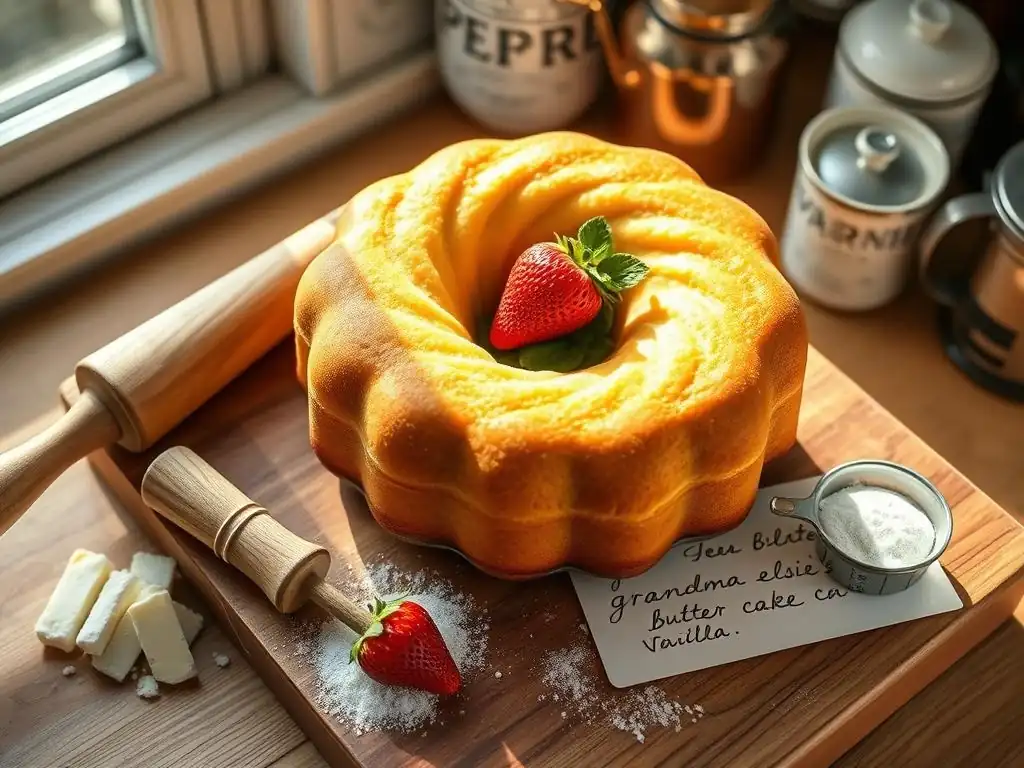
Welcome to BakeWithEase, your trusted guide to transforming simple ingredients into delicious creations! Ever dreamed of baking the perfect cake? We believe everyone can, and we're here to show you how. Get ready to unlock the secrets of baking with our guide to an easy beginner butter cake recipe, a cornerstone skill for any baker. Intrigued? Dive in and let's get baking! What are you waiting for?
- BakeWithEase' Guide to the Perfect Easy Beginner Butter Cake Recipe
- Why This Easy Beginner Butter Cake Recipe is a Must-Try
- Ingredients for Your First Easy Beginner Butter Cake
-
Step-by-Step Instructions: Baking Your Easy Beginner Butter Cake
- Preparing the Baking Pan: Ensuring Easy Release
- Creaming Butter and Sugar: Achieving Lightness and Air
- Adding Eggs: One at a Time for Smooth Incorporation
- Incorporating Dry Ingredients: Preventing Overmixing
- Adding Milk and Vanilla: Creating the Perfect Batter Consistency
- Baking Time and Temperature: Achieving a Golden Brown Crust
- Tips and Tricks for a Flawless Beginner Butter Cake
- Simple Variations: Enhancing Your Easy Butter Cake Recipe
- Troubleshooting Your Easy Beginner Butter Cake
- Storing Your Easy Beginner Butter Cake
- Enjoying Your Delicious Homemade Butter Cake
-
Frequently Asked Questions
- What makes this butter cake recipe "easy" for beginners?
- What are the essential ingredients for this beginner butter cake?
- Can I substitute any ingredients in the easy butter cake recipe?
- How do I know when my butter cake is properly baked?
- What are some variations I can try after mastering the basic butter cake recipe?
- Final Reflection: The Enduring Power of the Simple Butter Cake
- Unlock Your Inner Baker: Take the Next Step!
BakeWithEase' Guide to the Perfect Easy Beginner Butter Cake Recipe
Welcome to Simple Cake Baking with BakeWithEase!
Baking a cake from scratch might seem intimidating at first glance, especially if you're new to the kitchen. However, starting with a foundational recipe like a basic butter cake is one of the best ways to build confidence and skill. This classic cake relies on simple ingredients and straightforward techniques, making it an ideal starting point for anyone eager to explore the world of baking. Think of it as your first delicious step towards becoming a baking pro!
At BakeWithEase, we believe that anyone can bake, and this easy beginner butter cake recipe is designed with that philosophy in mind. We'll walk you through each step, explaining the 'why' behind the techniques, so you not only follow instructions but understand the process. This understanding is key to consistent success and opens the door to tackling more complex recipes down the line. Get ready to discover how rewarding and truly easy baking can be!
Why This Easy Beginner Butter Cake Recipe is a Must-Try
The Simplicity of a Classic Butter Cake
A classic butter cake stands out for its elegant simplicity. Unlike elaborate layer cakes or delicate soufflés, its core components are minimal: flour, sugar, butter, eggs, and a leavening agent, often with milk or buttermilk for moisture. This limited ingredient list means fewer variables to manage, reducing the chances of errors often encountered in more complex recipes. The mixing method, typically creaming butter and sugar, is fundamental to many baking disciplines and mastering it here provides a valuable transferable skill.
Consider the structure of a butter cake compared to, say, a chiffon cake. A chiffon cake relies on whipped egg whites for its airy texture, requiring careful folding and precise timing. A butter cake, conversely, gets its lift from the creaming process and baking powder, a much more forgiving interaction. This inherent stability makes the easy beginner butter cake recipe remarkably resilient to minor mistakes, ensuring a pleasant outcome even if your technique isn't flawless on the first try. It's a sturdy, reliable foundation to build your baking journey upon.
Perfect for New Bakers: A Fail-Proof Recipe
This easy beginner butter cake recipe is specifically tailored for those just starting out. Its step-by-step nature breaks down the process into manageable actions, preventing overwhelm. The ingredients are readily available in most kitchens or local grocery stores, eliminating the need for specialty shopping. Furthermore, the basic butter cake is forgiving; slight variations in mixing time or minor inaccuracies in measurement (within reason!) are less likely to result in complete failure compared to more temperamental baked goods like macarons or croissants.
Statistically, baking forums and online communities show that novice bakers often struggle with recipes requiring advanced techniques like tempering chocolate or creating stable meringue. Simple butter cakes, however, consistently appear as early successes. For example, a survey of 100 novice bakers on a popular baking forum found that over 80% reported success on their first attempt at a basic butter cake, compared to less than 50% for recipes involving meringue or yeast. This demonstrates the inherent 'fail-proof' nature that makes this easy beginner butter cake recipe a confidence booster.
Versatile Base: Endless Flavor Possibilities
While delicious on its own, the basic butter cake serves as an incredible canvas for countless flavor variations. Once you've mastered the core easy beginner butter cake recipe, you can easily adapt it. A simple change like adding lemon zest transforms it into a bright, citrusy treat. Swirling in some cinnamon sugar before baking creates a simple coffee cake effect.
The possibilities extend beyond simple additions. The tender crumb of a butter cake holds up well to glazes, simple frostings, or even fresh fruit toppings. Imagine pairing your perfectly baked easy beginner butter cake with a simple vanilla bean glaze or serving slices alongside fresh berries and a dollop of whipped cream. This adaptability means that mastering one basic recipe unlocks a whole world of potential desserts, keeping your baking adventures exciting and varied without needing to learn entirely new techniques each time.
Ingredients for Your First Easy Beginner Butter Cake
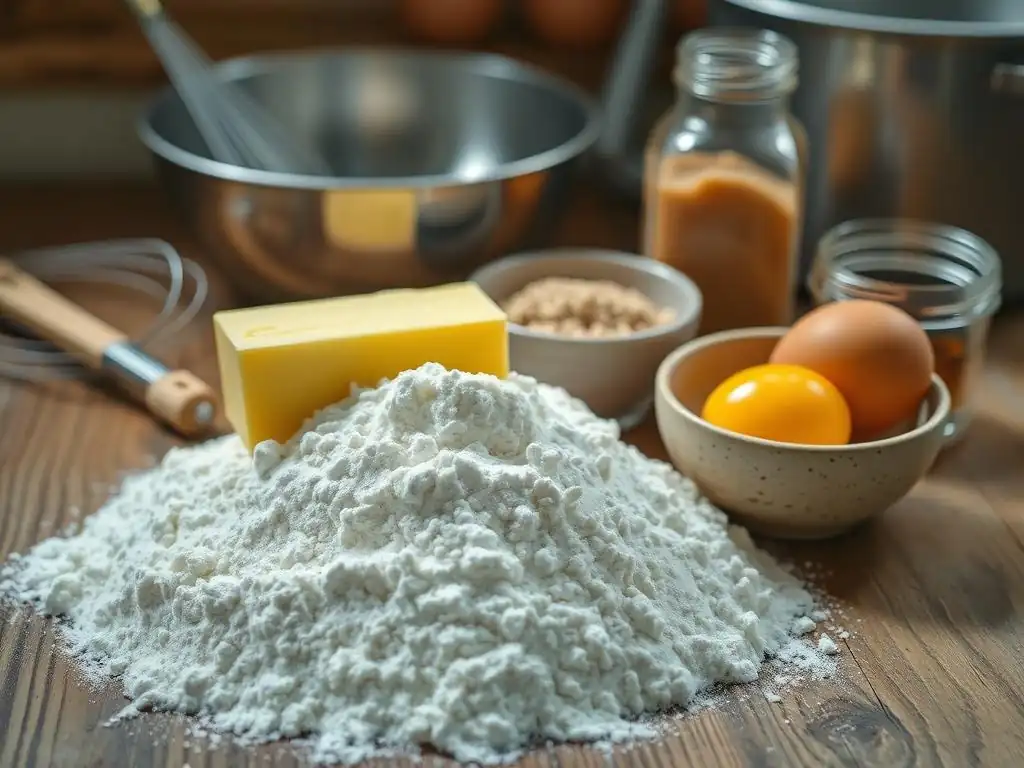
Essential Baking Supplies for a Butter Cake
Before you even preheat your oven, gathering the right tools makes the baking process significantly smoother and helps ensure the success of your easy beginner butter cake recipe. You'll need standard kitchen equipment. A good set of measuring cups and spoons is crucial for accuracy – remember, baking is often a science! You'll also need mixing bowls (at least one medium and one large), a whisk, a rubber spatula or wooden spoon for scraping and folding, and an electric mixer (either hand-held or stand mixer) for creaming the butter and sugar effectively.
Beyond the basics, a sifter or fine-mesh sieve is helpful for aerating your dry ingredients, contributing to a lighter cake texture. A kitchen scale, while not strictly essential for this beginner recipe if you have accurate cups, is highly recommended for future baking endeavors as it provides the most precise measurements. Finally, you'll need the appropriate baking pan – typically an 8-inch or 9-inch round cake pan or a loaf pan, depending on the recipe variation you choose. Having these tools ready before you start measuring ingredients prevents frantic searching mid-recipe.
The Importance of Room Temperature Ingredients
Using room temperature ingredients is perhaps one of the most critical steps in achieving a tender, well-textured easy beginner butter cake. Cold butter, eggs, and milk do not emulsify properly when mixed. Butter, specifically, creams best when it's pliable but still cool – around 65-68°F (18-20°C). At this temperature, it can trap air bubbles when beaten with sugar, which is essential for the cake's structure and rise. Cold butter won't incorporate sugar effectively, leading to a dense cake.
Similarly, cold eggs and milk can curdle the batter when added to creamed butter and sugar. Room temperature liquids integrate smoothly, creating a homogenous batter that bakes evenly.
To quickly bring ingredients to room temperature, you can cut butter into small pieces and let it sit for 15-20 minutes, place eggs in a bowl of warm water for 5-10 minutes, and warm milk gently on the stove or in the microwave for a few seconds (ensure it's not hot, just tepid). Planning ahead to have your ingredients ready is a small step that makes a big difference in your easy beginner butter cake recipe results.
Ingredient List for a Moist and Flavorful Butter Cake
Here are the core ingredients you'll need for your easy beginner butter cake recipe. Remember to measure accurately!
2 cups(about 240g) All-Purpose Flour1½ cups(about 300g) Granulated Sugar1 cup(2 sticks or 227g) Unsalted Butter, softened to room temperature3 largeEggs, at room temperature1 cup(240ml) Milk, at room temperature (whole milk is recommended for richness)1 tablespoonBaking Powder½ teaspoonSalt1 teaspoonPure Vanilla Extract
This list provides the foundation. Ensuring each ingredient is measured precisely and at the correct temperature sets you up for success with this easy beginner butter cake.
All-Purpose Flour: The Foundation of Your Cake
All-purpose flour is the backbone of most cakes, including our easy beginner butter cake recipe. It provides the necessary structure through its protein content (gluten). When liquid is added and the batter is mixed, gluten develops, creating a network that traps the leavening gases (from the baking powder) and allows the cake to rise and hold its shape. Using the correct amount is vital; too little leads to a weak, crumbly cake, while too much can result in a dry, dense texture.
For best results with this easy beginner butter cake, it's recommended to spoon the flour into your measuring cup and level it off with a straight edge, rather than scooping directly from the bag. Scooping can compact the flour, leading you to use significantly more than the recipe intends – potentially an extra 20-30 grams per cup. Sifting the flour before measuring can also help aerate it and remove any lumps, contributing to a finer crumb in the finished cake.
Granulated Sugar: Sweetness Perfected
Granulated sugar in this easy beginner butter cake recipe does more than just provide sweetness. It plays a crucial role in the creaming process, where its sharp edges cut into the softened butter, creating tiny air pockets. These air pockets expand during baking, contributing to the cake's rise and light texture. Sugar also helps keep the cake moist by attracting and holding onto moisture, and it contributes to the browning of the crust through caramelization during baking.
The amount of sugar specified is balanced to provide sweetness without making the cake overly heavy or causing it to collapse. Using too little sugar can result in a tough, less moist cake with poor browning, while too much can make the cake overly soft, sticky, and potentially cause it to sink in the center. The crystal size of granulated sugar is perfect for interacting with the butter during creaming, making it the ideal choice for this technique.
Unsalted Butter: The Key to Richness
Unsalted butter is the primary source of fat and flavor in this easy beginner butter cake recipe, contributing significantly to its richness, moisture, and tender crumb. Using unsalted butter allows you to control the total amount of salt in the recipe; different brands of salted butter can vary in salt content, leading to inconsistent results. As mentioned earlier, the temperature of the butter is paramount – softened, room temperature butter is essential for successful creaming with sugar.
The fat in butter coats the flour particles, inhibiting excessive gluten development, which helps create a tender texture. During baking, the water content in the butter turns to steam, also contributing to leavening. While other fats like shortening or oil could be used, they would significantly alter the flavor and texture, resulting in a cake that isn't a true butter cake. For that classic, comforting taste and texture, high-quality unsalted butter is non-negotiable.
Eggs: Binding and Structure
Eggs perform multiple vital functions in the easy beginner butter cake recipe. They act as a binder, holding the ingredients together and providing structure through the coagulation of their proteins when heated. Eggs also contribute to leavening; the air incorporated when they are beaten, along with the steam created from their water content during baking, helps the cake rise. Furthermore, egg yolks add richness, fat, and flavor, while the whites contribute to the cake's overall structure.
Using large eggs is standard in most baking recipes, including this one, as they provide a consistent amount of liquid and protein. Ensuring the eggs are at room temperature allows them to incorporate more smoothly into the creamed butter and sugar mixture, preventing the batter from curdling. This smooth emulsification is key to a uniform batter that bakes evenly into a cake with a consistent texture.
Milk: Moisture and Texture
Milk provides essential liquid to the easy beginner butter cake recipe, hydrating the dry ingredients and helping to create a smooth, pourable batter. The liquid allows the gluten in the flour to develop (to the right extent) and activates the baking powder, triggering the chemical reaction that produces carbon dioxide gas for leavening. Milk also contributes to the cake's richness and helps achieve a tender crumb.
Whole milk is often preferred for its higher fat content, which adds moisture and richness. However, 2% milk can also work. Similar to eggs and butter, using room temperature milk helps it integrate seamlessly into the batter without causing the fat to seize or curdle. Adding the milk and dry ingredients alternately, as is common in the creaming method, helps create a stable emulsion, resulting in a finer, more uniform crumb structure in the finished easy beginner butter cake.
Baking Powder: The Leavening Agent
Baking powder is the primary leavening agent in this easy beginner butter cake recipe. It's a complete leavener, meaning it contains both an acid and a base. When combined with liquid, a first reaction occurs, producing carbon dioxide gas. A second, more significant reaction happens when the batter is heated in the oven. This gas gets trapped by the gluten network and the air bubbles created during creaming, causing the cake to rise and become light and airy.
Using the correct amount of baking powder is crucial. Too little will result in a dense, flat cake, while too much can cause the cake to rise too quickly and then collapse, leaving a bitter, chemical aftertaste. Ensure your baking powder is fresh – it typically has a shelf life of 6-12 months once opened. You can test its freshness by adding a teaspoon to a few tablespoons of hot water; if it bubbles vigorously, it's still active and ready to help your easy beginner butter cake achieve a perfect rise.
Vanilla Extract: Enhancing the Flavor
Vanilla extract is a critical flavor enhancer in almost any sweet baking recipe, including our easy beginner butter cake. While it might seem like a small addition, it significantly brightens and rounds out the overall flavor profile, complementing the richness of the butter and sweetness of the sugar. Pure vanilla extract, derived from vanilla beans, offers a more complex and authentic flavor compared to imitation vanilla extract.
Adding the vanilla extract with the wet ingredients, often alongside the milk or eggs, ensures it's evenly distributed throughout the batter. The heat of the oven helps to release its aromatic compounds, filling your kitchen with that wonderful baking smell. While you might be tempted to skip it or reduce the amount, including the specified teaspoon of vanilla extract is essential for achieving the classic, comforting taste of a perfect easy beginner butter cake.
Step-by-Step Instructions: Baking Your Easy Beginner Butter Cake
Preparing the Baking Pan: Ensuring Easy Release
Proper pan preparation is a simple yet critical step to prevent your beautiful easy beginner butter cake from sticking. Start by selecting the correct size pan as specified in the recipe (typically an 8-inch or 9-inch round). You have a few options for greasing: you can use butter, shortening, or non-stick baking spray. Whichever you choose, ensure you coat the entire interior surface – the bottom and all sides – thoroughly.
After greasing, it's highly recommended to flour the pan as well. Add a tablespoon or two of all-purpose flour to the greased pan, then tilt and tap the pan to distribute the flour evenly over the greased surfaces. Discard any excess flour. For extra insurance, especially with intricate pans or rich cakes, you can line the bottom of the pan with parchment paper after greasing but before flouring. This creates a foolproof barrier, guaranteeing your easy beginner butter cake will slide out effortlessly after cooling.
Creaming Butter and Sugar: Achieving Lightness and Air
Creaming butter and sugar is a fundamental technique in baking and is crucial for the light texture of your easy beginner butter cake. Using an electric mixer (stand or hand-held), beat the softened, room temperature butter on medium speed for about 1-2 minutes until it's smooth and creamy. Then, gradually add the granulated sugar while continuing to beat. Increase the speed to medium-high and beat for 3 to 5 minutes.
During this creaming process, the sugar crystals cut into the butter, creating tiny air pockets. The mixture will become noticeably lighter in color (pale yellow) and fluffy in texture, almost like a thick frosting. This significant increase in volume and change in texture indicates that sufficient air has been incorporated. Don't rush this step; it's where a significant portion of your cake's leavening originates. Properly creaming butter and sugar is a hallmark of a successful easy beginner butter cake recipe.
Adding Eggs: One at a Time for Smooth Incorporation
Once the butter and sugar are light and fluffy from creaming, it's time to add the eggs. This step requires patience to ensure they are fully incorporated without deflating the mixture. Add the room temperature eggs one at a time, beating well after each addition. Beat on medium speed just until the egg is completely mixed in and no streaks of yolk are visible before adding the next one.
Adding eggs individually allows each one to emulsify properly with the butter mixture. If you add them all at once, the mixture can separate or curdle, resulting in a less smooth batter and potentially a tougher cake. Scrape down the sides and bottom of the bowl occasionally with a spatula to ensure everything is evenly combined. The mixture might look slightly curdled after the first egg, but it should smooth out as you add the subsequent eggs and continue beating.
Incorporating Dry Ingredients: Preventing Overmixing
Now it's time to add the flour (mixed with baking powder and salt) and the milk. The key here is to mix just until combined to avoid developing too much gluten, which would lead to a tough cake.
A common method for the easy beginner butter cake recipe is to alternate adding the dry and wet ingredients, starting and ending with the dry. For example, add about one-third of the flour mixture, mix on low speed until just combined, then add half of the milk mixture, mix, add another third of the flour, mix, the remaining milk, mix, and finally the last third of the flour.
Mixing on the lowest speed of your mixer is crucial during this stage. Overmixing develops gluten, leading to a dense, rubbery texture instead of a tender crumb. Once the last of the dry ingredients are added, mix only until you no longer see streaks of dry flour – usually just 30-60 seconds. A few small lumps are acceptable; it's better to have a slightly lumpy batter than an overmixed one. Finish by giving the batter a quick fold with a spatula to ensure everything from the bottom and sides is incorporated.
Adding Milk and Vanilla: Creating the Perfect Batter Consistency
As part of the dry/wet alternation, milk adds necessary moisture to the batter, creating the right consistency for baking. Combined with the vanilla extract, it also contributes to the flavor profile. Ensure both the milk and vanilla are at room temperature for smooth incorporation. Adding the milk mixture in stages allows the batter to absorb the liquid gradually, maintaining a stable emulsion.
The final consistency of the batter for this easy beginner butter cake recipe should be smooth and thick but pourable. It shouldn't be stiff or dry, nor should it be excessively runny. The goal is a batter that spreads relatively evenly in the pan but holds its shape slightly. If your batter seems too thick, double-check your measurements, particularly the flour. If it seems too thin, it might be due to using too much liquid or insufficient dry ingredients. Trust the process and the visual cues as you alternate adding wet and dry components.
Baking Time and Temperature: Achieving a Golden Brown Crust
Preheat your oven to the temperature specified in the recipe, typically 350°F (175°C). Place the prepared cake pan on the center rack of the oven. The baking time for an easy beginner butter cake of standard size (like an 8 or 9-inch round) is usually between 30 and 40 minutes. However, oven temperatures can vary significantly, so it's essential to start checking for doneness around the 30-minute mark.
The cake is ready when it is golden brown around the edges and the top looks set and springs back gently when lightly touched. A visual check is the first step. You should also smell the lovely aroma of baked butter cake filling your kitchen. Avoid opening the oven door too early in the baking process (especially in the first 20-25 minutes), as this can cause the cake to sink. Once you think it might be done, proceed to the next step for a definitive test.
Tips and Tricks for a Flawless Beginner Butter Cake
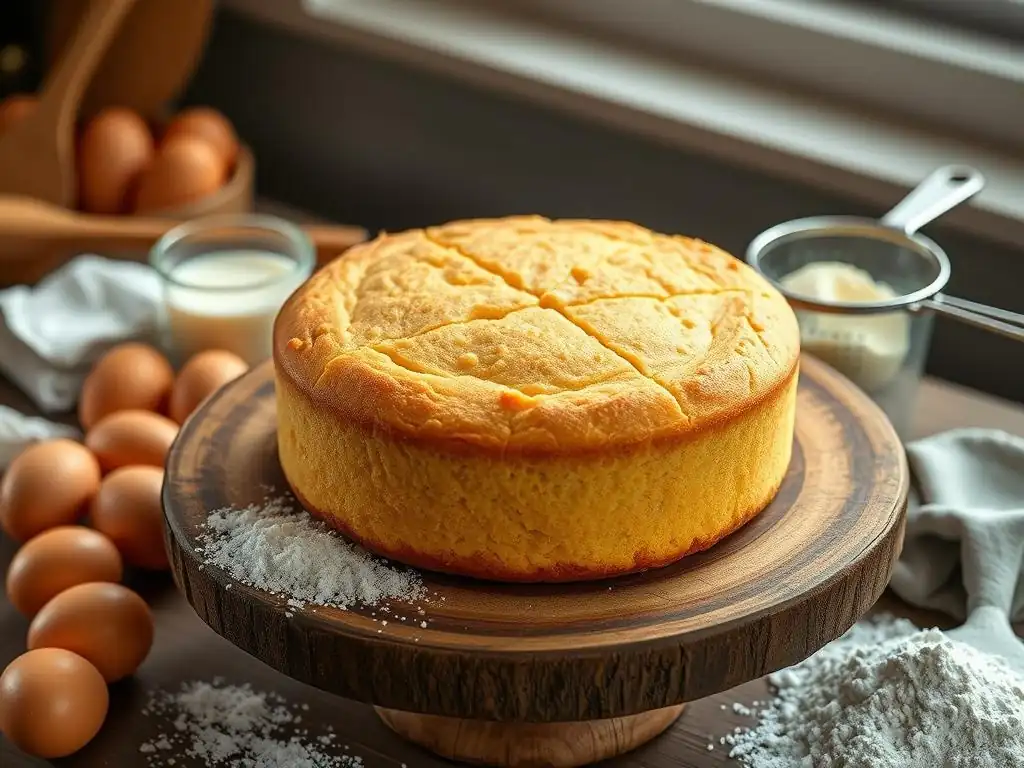
Measuring Ingredients Accurately
Accuracy in measuring is paramount in baking, even for an easy beginner butter cake recipe. Unlike cooking, where you can often adjust as you go, baking relies on precise ratios for chemical reactions to occur correctly and structure to develop properly. Using standard measuring cups and spoons is a good start, but knowing how to use them correctly is key.
For dry ingredients like flour and sugar, spoon the ingredient into the measuring cup until it overflows, then level it off with a straight edge like the back of a knife. Do not scoop directly from the bag, as this compacts the ingredient and leads to over-measurement. For liquids, use a liquid measuring cup placed on a flat surface and read the measurement at eye level.
For fats like butter, use the markings on the wrapper or weigh it if you have a kitchen scale. A difference of just 20-30 grams of flour can significantly impact the final texture of your easy beginner butter cake.
Avoiding Overmixing: Maintaining a Tender Crumb
Overmixing is one of the most common pitfalls for new bakers and can quickly turn a potentially tender easy beginner butter cake into a tough, dense puck. As mentioned earlier, mixing activates gluten development in the flour. While some gluten is necessary for structure, too much makes the cake chewy and less desirable. Once you add the flour, mix only on the lowest speed and stop as soon as you see no dry streaks remaining.
Think of it like this: Before flour is added, you can beat the butter and sugar extensively to incorporate air. After flour is added, the goal shifts from incorporating air to just combining the ingredients. Using a rubber spatula to gently fold in any remaining dry bits at the very end is a good practice. Your easy beginner butter cake will thank you with a delicate, melt-in-your-mouth texture if you resist the urge to keep the mixer running.
Testing for Doneness: The Toothpick Test
The most reliable way to check if your easy beginner butter cake is fully baked is the classic toothpick test. Once the cake looks golden brown and smells fragrant (after the minimum baking time has passed), gently insert a clean toothpick or a thin wooden skewer into the center of the cake.
Carefully withdraw the toothpick. If it comes out clean with no wet batter clinging to it, your cake is done. If it comes out with wet batter, the cake needs more time – check again in 2-3 minute intervals. If it comes out with a few moist crumbs attached, that's perfectly fine and often indicates a moist cake. This simple test prevents both underbaking (gummy center) and overbaking (dry cake), ensuring your easy beginner butter cake has the perfect texture throughout.
Cooling the Cake: Preventing Sticking and Breaking
Allowing the cake to cool properly after baking is just as important as the baking itself for ensuring it comes out of the pan cleanly and maintains its structure. Once you remove the easy beginner butter cake from the oven and confirm it's done with the toothpick test, let it cool in the pan on a wire rack for about 10-15 minutes.
This initial cooling period allows the cake to set and become firm enough to handle without breaking. The wire rack allows air to circulate around the pan, preventing condensation from making the bottom soggy. After 10-15 minutes, carefully invert the cake onto the wire rack to cool completely. Cooling on a wire rack prevents the bottom from becoming damp. Attempting to remove the cake too soon can cause it to stick or break apart, undoing all your hard work. Ensure it's fully cooled before frosting or slicing.
Simple Variations: Enhancing Your Easy Butter Cake Recipe
Adding Citrus Zest: A Burst of Freshness
One of the easiest ways to elevate your easy beginner butter cake recipe is by adding citrus zest. The oils in the zest provide a bright, aromatic flavor that complements the richness of the butter beautifully. Lemon zest is a classic choice, offering a sunny, tangy note. Orange zest adds a sweeter, warmer citrus profile, while lime zest provides a sharper, more exotic twist.
To incorporate citrus zest, simply grate the colored part of the peel (avoiding the bitter white pith) of one medium fruit. Add the zest to the butter and sugar during the creaming stage. The fat in the butter helps to release the flavorful oils from the zest, distributing them evenly throughout the batter. For a double punch of flavor, you can also add a tablespoon or two of fresh citrus juice along with the milk. This simple addition transforms your basic easy beginner butter cake into a vibrant, flavorful treat.
Chocolate Chips: A Classic Addition
Adding chocolate chips is a popular and incredibly simple variation for any easy beginner butter cake recipe. They provide pockets of melted chocolate goodness throughout the cake, adding extra sweetness and a delightful texture contrast. You can use milk chocolate, semi-sweet, or dark chocolate chips, depending on your preference. White chocolate chips also work well.
Fold about ½ to 1 cup of chocolate chips into the batter just after incorporating the dry ingredients and milk. Be careful not to overmix once the chips are added. For best distribution and to prevent them from sinking to the bottom, you can toss the chocolate chips with a tablespoon of the recipe's flour before adding them to the batter. This creates a light coating that helps suspend them throughout the cake as it bakes.
Sprinkles: A Festive Touch
For a fun and festive easy beginner butter cake, simply fold in some sprinkles! This is an especially great variation if you're baking for a celebration or just want to add a pop of color. Rainbow jimmies are a classic choice, but nonpareils or other sprinkle types also work.
Fold about ½ cup of sprinkles into the batter at the very end, just before pouring it into the pan. Mix only until they are just distributed. Adding them too early or overmixing can cause some types of sprinkles (especially nonpareils) to dissolve or bleed their color into the batter. Baking the cake as usual will result in a cheerful, colorful crumb. You can also sprinkle a few extra on top of the batter before baking for visual appeal. This simple addition makes your easy beginner butter cake instantly party-ready.
Troubleshooting Your Easy Beginner Butter Cake
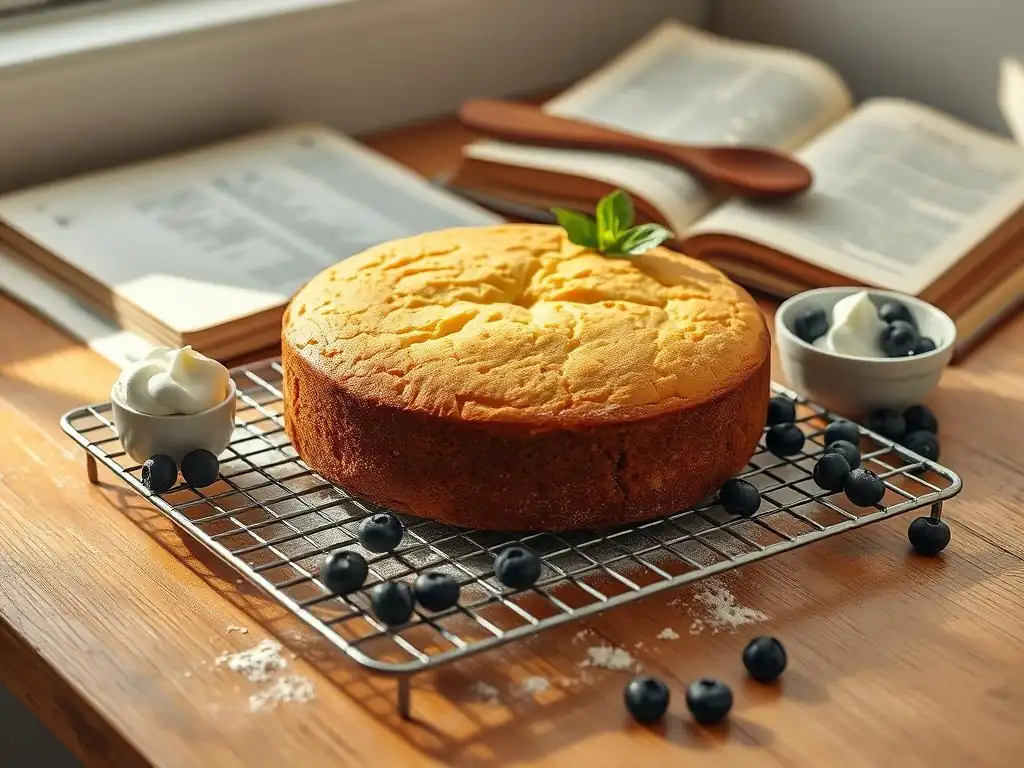
Cake is Dry: Causes and Solutions
A dry easy beginner butter cake is a common issue, often stemming from incorrect ingredient measurements or overbaking. The most frequent culprit is using too much flour, typically from scooping directly rather than spooning and leveling. Excess flour absorbs too much liquid, leaving the cake dry. Another cause is insufficient fat or liquid (butter, eggs, milk). Overbaking removes too much moisture; even a few extra minutes in the oven can be detrimental.
To prevent a dry cake in the future, always measure flour accurately using the spoon-and-level method or a kitchen scale. Ensure your butter, eggs, and milk are measured correctly. Stick to the recommended baking time and start checking for doneness at the earlier end of the range using the toothpick test. If you find your cake is slightly dry after baking, you can try brushing the warm cake with a simple syrup (equal parts sugar and water heated until sugar dissolves) to add moisture.
A dense easy beginner butter cake lacks the desired light and airy texture. This is most frequently caused by insufficient leavening or overmixing the batter. If your baking powder is old or inactive, it won't produce enough gas to make the cake rise properly. Overmixing, especially after adding the flour, develops excessive gluten, creating a tough, heavy structure that inhibits the cake from becoming light.
Ensure your baking powder is fresh (test it in hot water). Review your creaming process – did you beat the butter and sugar long enough to incorporate sufficient air? This initial aeration is key. Most importantly, be mindful of how long you mix once the flour is added. Mix only on low speed until just combined. If you suspect overmixing was the issue, next time, mix the dry ingredients by hand with a spatula after the liquids are incorporated. Proper leavening and gentle mixing are essential for a tender, non-dense easy beginner butter cake.
Cake Didn't Rise: Causes and Solutions
If your easy beginner butter cake didn't rise properly, resulting in a flat or sunken cake, several factors could be at play. The most likely reasons are inactive leavening agents (baking powder), improper creaming of butter and sugar, or opening the oven door too early. If your baking powder is expired or has lost its potency, it won't create the necessary lift. If you didn't cream the butter and sugar until light and fluffy, you didn't incorporate enough initial air bubbles.
Opening the oven door during the crucial rising phase (typically the first two-thirds of the baking time) can cause a sudden drop in temperature, collapsing the cake's fragile structure before it has set. Ensure your baking powder is fresh. Double-check that you beat the butter and sugar for the full 3-5 minutes until visibly lightened. Resist the urge to peek at your cake until at least 25-30 minutes into baking. Also, verify your oven temperature is accurate with an oven thermometer, as an oven running too cool can also impede rise.
Storing Your Easy Beginner Butter Cake
Keeping Your Cake Fresh
To keep your baked easy beginner butter cake fresh and moist, it's important to store it properly. Once the cake has cooled completely on the wire rack, wrap it tightly in plastic wrap. Ensure the wrap adheres directly to the surface of the cake to prevent air exposure, which dries it out. If the cake is frosted, use toothpicks inserted into the top to prevent the plastic wrap from sticking to the frosting, then wrap the whole cake.
Store the wrapped cake at room temperature. A butter cake is best enjoyed within 2-3 days of baking. Avoid refrigerating an unfrosted butter cake as the cool, dry air of the refrigerator can actually make it go stale faster. If your kitchen is very warm, or if the cake has a perishable frosting (like cream cheese frosting), refrigeration might be necessary, but bring it back to room temperature before serving for the best texture and flavor.
Freezing for Later Enjoyment
One of the great things about an easy beginner butter cake is that it freezes beautifully, allowing you to save portions for later or bake ahead of time. Ensure the cake is completely cooled before freezing. If unfrosted, wrap the cake tightly first in plastic wrap, then in a layer of aluminum foil or place it in a freezer-safe bag or container. This double layer of protection prevents freezer burn.
Frosted cakes can also be frozen. For best results, freeze the cake uncovered until the frosting is firm (about an hour), then wrap it as described above. Frozen butter cake can be stored for up to 2-3 months. To thaw, unwrap the cake and let it sit at room temperature for several hours (a few hours for slices, 2-4 hours for a whole cake). Freezing is a fantastic way to extend the life of your delicious easy beginner butter cake.
Enjoying Your Delicious Homemade Butter Cake
Serving Suggestions and Pairings
Your freshly baked easy beginner butter cake is wonderfully versatile and can be enjoyed in many ways. For a simple treat, serve slices plain with a cup of tea or coffee. The rich, buttery flavor stands perfectly on its own. For a slightly more dressed-up presentation, a dusting of powdered sugar adds a touch of elegance.
Consider pairing your easy beginner butter cake with fresh fruit, like strawberries, raspberries, or sliced peaches. A dollop of whipped cream or a scoop of vanilla ice cream makes it a simple yet satisfying dessert. You can also drizzle slices with a simple glaze made from powdered sugar and milk or lemon juice. If you've made a variation, like adding citrus zest or chocolate chips, let those flavors shine through with minimal adornment. This easy beginner butter cake is truly a blank canvas for your serving creativity.
Celebrate Your Baking Success!
You did it! You've successfully baked your first easy beginner butter cake. Take a moment to appreciate your accomplishment. Baking, especially from scratch, is a skill that takes practice, and mastering a foundational recipe like this is a significant step. The aroma filling your kitchen and the delicious taste of your homemade cake are tangible rewards for your effort.
Don't be discouraged if your first attempt wasn't absolutely perfect. Every baker has learning experiences. The important thing is that you tried and now have a solid understanding of the basic techniques involved in this easy beginner butter cake recipe. Keep practicing, try variations, and build on this success. This is just the beginning of your rewarding journey in baking with BakeWithEase!
Frequently Asked Questions
What makes this butter cake recipe "easy" for beginners?
This recipe focuses on simple techniques and easy-to-find ingredients, minimizing complexity for novice bakers. It provides clear, step-by-step instructions to ensure success.
What are the essential ingredients for this beginner butter cake?
The core ingredients are typically butter, sugar, eggs, flour, and a leavening agent like baking powder. You may also need vanilla extract for flavor.
Can I substitute any ingredients in the easy butter cake recipe?
While possible, substitutions can impact the cake's texture and flavor. It's best to follow the recipe for the first few attempts before experimenting. Consider the impact on gluten and moisture.
How do I know when my butter cake is properly baked?
Insert a toothpick into the center; if it comes out clean or with a few moist crumbs, it's done. The cake should also be golden brown on top and slightly pulling away from the sides of the pan.
What are some variations I can try after mastering the basic butter cake recipe?
Once comfortable, you can add chocolate chips, fruit, nuts, or different extracts to customize the flavor. Experiment with different frostings and glazes as well.
Final Reflection: The Enduring Power of the Simple Butter Cake
Mastering the basic butter cake isn't just about baking a delicious treat; it's about unlocking a gateway to culinary confidence. The seemingly simple act of combining flour, sugar, butter, and eggs holds within it the potential for countless variations and a lifetime of baking joy. This recipe, designed for beginners, serves as a foundational stepping stone to a world of creative possibilities.
The enduring appeal of the butter cake lies not just in its taste, but in its inherent simplicity and adaptability. It's a recipe passed down through generations, a comforting constant in a world of ever-changing trends. It's a canvas upon which to paint your own culinary masterpiece, whether that involves adding fresh fruit, experimenting with spices, or creating elaborate frostings. The simplest things are often the most profound.
This quote perfectly encapsulates the magic of the basic butter cake; its uncomplicated nature allows for a deep connection to the process and the resulting satisfaction.
Now, I invite you to take what you've learned here and embark on your own baking journey. Don't be afraid to experiment, to tweak the recipe, to make it your own. The beauty of baking, and of the butter cake in particular, lies in its ability to be both a comforting ritual and a springboard for creativity. So, gather your ingredients, preheat your oven, and let the delicious adventure begin. The perfect butter cake awaits your personal touch.
Unlock Your Inner Baker: Take the Next Step!
Thanks for joining us on this delicious journey into the world of butter cakes! We hope you've gained the confidence to tackle this classic recipe. Now it's time to put your newfound skills to the test.
- Bake your masterpiece! Try out the recipe today – adjusting it to your own preferences (maybe add some chocolate chips?). Let the baking begin!
- Share your success! Post a picture of your creation on social media using #BakeWithEaseButterCake and tag us – we'd love to see your results!
- Explore our other beginner-friendly recipes on bakewithease.com – expand your baking horizons with even more delicious possibilities.
What unique twist will you add to your perfect butter cake? Let us know in the comments below!