
The Magic of Drop Cookies: Simple Ingredients, Great Results

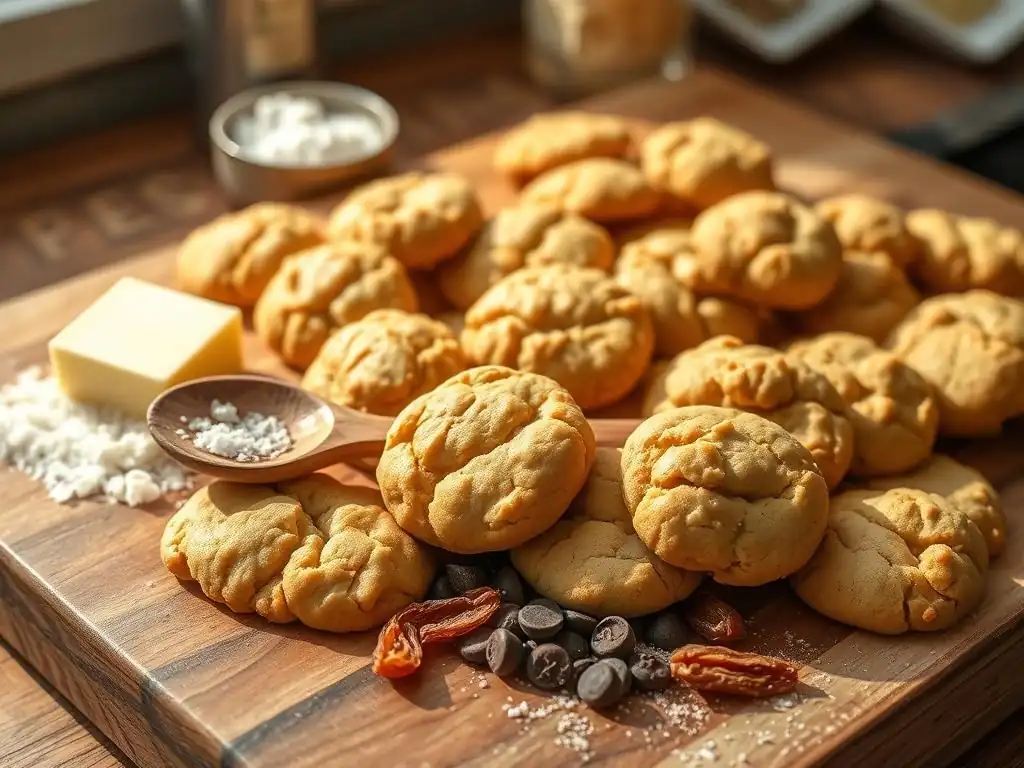
Welcome to BakeWithEase, your kitchen companion for unlocking the joy of baking! Ever dreamt of whipping up a batch of cookies with minimal fuss and maximum flavor? Our easy drop cookie recipe guide is your starting point. Discover how simple ingredients and straightforward techniques can lead to incredible results. Ready to bake your way to deliciousness? Let's get started!
- BakeWithEase Presents: Your Comprehensive Drop Cookie Guide
- Understanding Drop Cookies: A Journey into Easy Baking
- Mastering the Basics: Essential Ingredients and Equipment for Drop Cookies
-
Easy Drop Cookie Recipe: Step-by-Step Baking Instructions
- Preparing the Ingredients: Bringing Everything to Room Temperature
- Creaming Butter and Sugar: Creating a Light Base
- Mixing Wet and Dry Ingredients: Combining for Optimal Consistency
- Adding Inclusions: Chocolate Chips, Nuts, and More
- Dropping and Spacing: Preparing the Dough for Baking
- Baking to Perfection: Achieving Golden Edges and Soft Centers
- Cooling and Storing: Preserving the Cookie's Freshness
- Variations on a Theme: Exploring Different Drop Cookie Recipes
- Troubleshooting Your Drop Cookies: Common Issues and Solutions
- Tips for Baking the Perfect Drop Cookies Every Time
- Frequently Asked Questions
- Final Reflection: The Enduring Allure of the Simple Drop Cookie
- Unleash Your Inner Baker: Master the Art of Drop Cookies!
Welcome, fellow baking enthusiasts! If you're looking for a simple, rewarding way to create delicious treats with minimal fuss, you've landed on the right page. Drop cookies are the unsung heroes of the baking world – approachable, forgiving, and endlessly customizable. They are the perfect starting point for anyone venturing into baking, offering a high success rate and instant gratification. This guide will walk you through everything you need to know to master the art of the easy drop cookie recipe guide, turning basic pantry staples into delightful bites.
Whether you're a complete beginner or just seeking a reliable go-to cookie method, drop cookies offer a straightforward path to baking success. Their simplicity lies in the technique: mix ingredients, scoop dough, drop onto a baking sheet, and bake. No rolling, no cutting, just pure cookie joy. Let's dive into the world of simple ingredients and discover how they combine to create truly great results.
Drop cookies are defined by their preparation method – mounds of dough are simply dropped or scooped onto a baking sheet before baking. This contrasts with rolled cookies, which require chilling and cutting, or bar cookies baked in a pan. This straightforward technique makes them incredibly accessible and is a key part of why they are a fundamental element of any easy drop cookie recipe guide.
Their ease of preparation doesn't mean a compromise on flavor or texture. From classic chewy chocolate chip cookies to soft peanut butter delights, the drop cookie category encompasses a vast array of textures and tastes, all achievable with minimal effort. Understanding the basics of how these simple ingredients interact is the first step towards consistent, delicious results every time you bake.
One of the most appealing aspects of drop cookies is their reliance on everyday pantry staples. Flour, sugar, butter, eggs, leavening agents, and a touch of vanilla are often the foundation. These ingredients are readily available and relatively inexpensive, making drop cookies an economical choice for satisfying sweet cravings or baking for a crowd. The magic lies in how these humble components transform through the baking process.
Choosing drop cookies is choosing simplicity and reliability. Unlike more complex pastries that require precise techniques or specialized ingredients, an easy drop cookie recipe guide focuses on straightforward steps that yield delicious outcomes. This makes them ideal for busy weeknights, spontaneous baking sessions, or introducing children to the joys of the kitchen. The minimal ingredient list reduces complexity and increases the likelihood of a successful bake.
The quality of your final cookie heavily depends on the consistency and preparation of the dough base. A well-made dough ensures proper spread, texture, and flavor distribution. This often starts with creaming softened butter and sugar together until light and fluffy, a process that incorporates air and contributes to the cookie's rise and texture. The temperature of your butter is crucial here; too cold, and it won't cream properly; too warm, and your cookies might spread too much.
Achieving the perfect dough involves understanding the balance between wet and dry ingredients. Too much flour can result in dry, crumbly cookies, while too little can lead to excessive spread. Following the recipe's measurements precisely is important, but also learning to recognize the correct dough consistency by feel. A good drop cookie dough should be soft but not sticky, holding its shape when scooped but relaxing slightly on the baking sheet. This foundational step is key to any successful easy drop cookie recipe guide.
The power of drop cookies lies in their ability to deliver intense flavor using just a few core ingredients, enhanced by simple additions like chocolate chips, nuts, or spices. A classic chocolate chip cookie, for example, relies primarily on flour, sugar, butter, eggs, vanilla, and chocolate. Yet, the combination and transformation through baking create a complex, comforting taste.
This minimal ingredient list simplifies the baking process significantly. You don't need exotic flours or multiple leavening agents; often, all-purpose flour and baking soda or powder suffice. This focus on core ingredients allows their individual flavors to shine through and interact beautifully. It's a testament to the fact that delicious baking doesn't require complexity, making the easy drop cookie recipe guide a true advantage for home bakers.
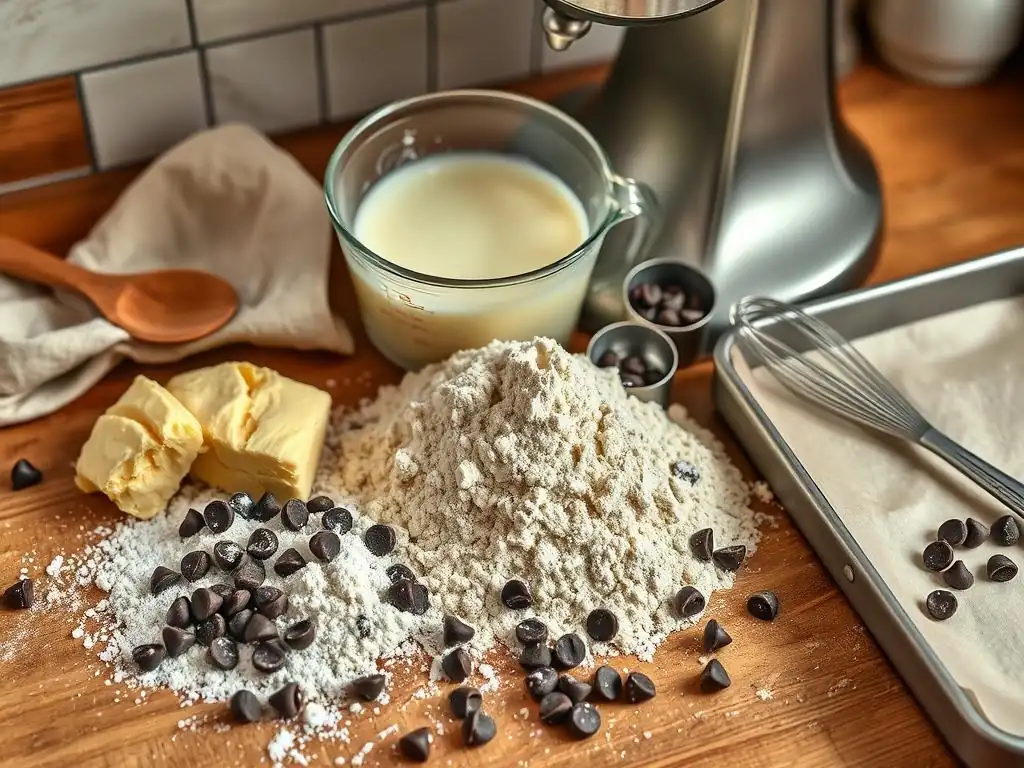
Baking drop cookies requires a few fundamental ingredients and pieces of equipment that are likely already in your kitchen. Understanding the role of each component is crucial for consistent results. This section covers the essentials you'll need to embark on your drop cookie journey.
Having the right tools and understanding your ingredients are foundational steps in any easy drop cookie recipe guide. While you don't need a professional setup, a few key items and quality ingredients will make the process smoother and the results more predictable.
All-purpose flour is the standard choice for most drop cookie recipes due to its moderate protein content (typically 10-12%). This protein develops just enough gluten to provide structure without making the cookies tough. For softer cookies, some recipes might use cake flour (lower protein, 7-9%), while chewier cookies might benefit from a blend with bread flour (higher protein, 12-14%), though this is less common in basic drop cookie guides.
Using bleached versus unbleached flour generally doesn't significantly impact the final cookie, though some bakers have preferences. Whole wheat flour can also be used, often mixed with all-purpose, adding a nutty flavor and denser texture. Ensure your flour is fresh and stored in an airtight container to prevent oxidation and moisture absorption.
Butter and Sugar: The Impact of Fats and Sweeteners on Your Dough
Butter is a powerhouse ingredient in cookies, contributing flavor, tenderness, and spread. Using softened butter (around 68°F or 20°C, where it yields to gentle pressure but isn't greasy) is critical for successful creaming with sugar. This creaming process incorporates air, which helps the cookies rise and contributes to a lighter texture. The type of butter (salted or unsalted) can matter; unsalted gives you more control over the salt content, which is why most recipes specify it.
Sugar affects sweetness, spread, tenderness, and browning. Granulated sugar contributes to spread and crispness, while brown sugar (light or dark) adds moisture, chewiness, and a caramel-like flavor due to molasses content. Many recipes use a combination of both to achieve a balanced texture and flavor profile. The ratio of butter to sugar significantly impacts the final cookie texture and spread.
Leavening Agents' Role: Achieving the Right Texture
Leavening agents like baking soda and baking powder are responsible for the rise and texture of your drop cookies. Baking soda requires an acidic ingredient (like brown sugar, molasses, or buttermilk) to activate and produces spread and tenderness. It reacts immediately when mixed with acid and liquid, and then again when heated.
Baking powder is a complete leavener containing both an acid and a base. Most varieties are double-acting, meaning they produce bubbles when mixed with liquid and again when exposed to heat in the oven. Baking powder generally contributes to a puffier, cake-like texture compared to baking soda, which promotes spread. Using the correct type and amount specified in your easy drop cookie recipe guide is essential for achieving the desired lift and texture.
The Flavorings: Vanilla, Chocolate, and More
Vanilla extract is a staple flavoring in nearly all sweet baked goods, including drop cookies. It enhances other flavors and adds its own warm, aromatic notes. Pure vanilla extract offers the best flavor compared to imitation vanilla. Just a teaspoon or two can significantly elevate the taste profile of a batch of cookies.
Beyond vanilla, the possibilities for flavorings in drop cookies are vast. Chocolate chips (dark, milk, or white), cocoa powder, nuts (walnuts, pecans, almonds), dried fruits (raisins, cranberries), spices (cinnamon, nutmeg, ginger), and citrus zest are common additions. These inclusions not only add flavor but also contribute to the texture and appearance of the finished cookie, allowing for endless variations on the basic easy drop cookie recipe guide.
Essential Equipment: Baking Sheets, Scoops, and More
You don't need a lot of fancy equipment for drop cookies. Standard baking sheets (preferably heavy-gauge aluminum for even heating) are a must. Parchment paper or silicone baking mats are highly recommended as they prevent sticking, promote even browning, and make cleanup a breeze. A stand mixer or hand mixer simplifies the creaming process, but a sturdy whisk and some elbow grease work too.
Other useful tools include measuring cups and spoons for accurate ingredient portions, rubber spatulas for scraping down bowls, and cooling racks for allowing cookies to set properly after baking. A cookie scoop (available in various sizes) is invaluable for creating uniformly sized cookies, which ensures they bake evenly. These simple tools are key to a smooth and successful easy drop cookie recipe guide experience.
Ready to bake? This section outlines the typical steps involved in making delicious drop cookies. While specific measurements will vary by recipe, the process generally follows this sequence, making it easy to follow any easy drop cookie recipe guide.
Following a clear, step-by-step process is key to consistent baking results. Each stage builds upon the last, ensuring ingredients are properly incorporated and the dough develops correctly before hitting the oven.
Preparing the Ingredients: Bringing Everything to Room Temperature
Most cookie recipes call for ingredients like butter and eggs to be at room temperature. Softened butter creams more effectively with sugar, incorporating more air for a lighter cookie. Room temperature eggs emulsify better with the fat, leading to a smoother, more cohesive dough.
To quickly bring butter to room temperature, cut it into small pieces and let it sit for about 15-30 minutes. Eggs can warm up in a bowl of warm water for 5-10 minutes. Having all ingredients prepped and at the correct temperature before you start mixing saves time and ensures optimal dough consistency, a vital tip in any easy drop cookie recipe guide.
Creaming Butter and Sugar: Creating a Light Base
This is a critical step where softened butter and sugar are beaten together until the mixture is light, fluffy, and pale yellow. This process, often done with a mixer, incorporates air bubbles into the fat. These air pockets expand in the oven, contributing to the cookie's lift and tender texture.
Creaming typically takes 3-5 minutes with an electric mixer. Scrape down the sides of the bowl periodically to ensure everything is evenly combined. The mixture should increase in volume and have a somewhat sandy, yet cohesive texture. Don't rush this step; it's foundational for good cookie structure and is highlighted in every good easy drop cookie recipe guide.
Mixing Wet and Dry Ingredients: Combining for Optimal Consistency
After creaming the butter and sugar, eggs and vanilla extract are usually added and mixed until just combined. In a separate bowl, the dry ingredients – flour, leavening agents (baking soda/powder), and salt – are whisked together. Whisking ensures the leaveners and salt are evenly distributed throughout the flour.
The dry ingredients are then gradually added to the wet ingredients, mixing on low speed or by hand until just combined. Overmixing the dough after the flour is added develops too much gluten, resulting in tough cookies. Mix only until no dry streaks of flour remain. This gentle handling is key to achieving the right texture in an easy drop cookie recipe guide.
Adding Inclusions: Chocolate Chips, Nuts, and More
Once the basic dough is formed, it's time to fold in your desired inclusions like chocolate chips, nuts, dried fruit, or sprinkles. This is best done by hand with a spatula or on low speed with the mixer for just a few seconds to ensure they are evenly distributed without crushing them or overworking the dough.
The amount and type of inclusions can significantly alter the final cookie. For example, adding a large amount of chocolate chips might require a slight adjustment in baking time or temperature. Be creative here! This is where you personalize your easy drop cookie recipe guide.
Dropping and Spacing: Preparing the Dough for Baking
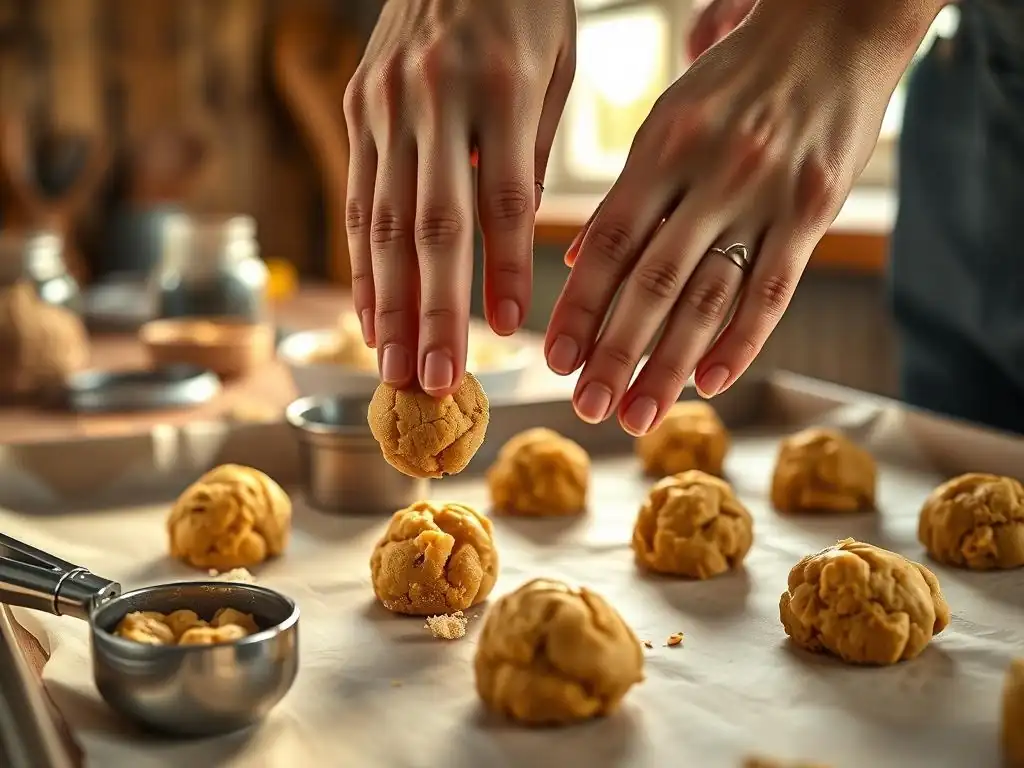
Using a cookie scoop or two spoons, drop rounded portions of dough onto your prepared baking sheets. Leave enough space between cookies (typically 2-3 inches or about 5-7 cm) to allow for spread during baking. Overcrowding the sheet can lead to uneven baking and cookies that merge into one giant blob.
For a more uniform shape, you can lightly roll the scooped dough into balls before placing them on the sheet, though simply dropping them is the defining characteristic of a drop cookie. Using a scoop helps ensure consistent size, which is vital for even baking across the batch. Precision in this step contributes to the success of your easy drop cookie recipe guide.
Baking to Perfection: Achieving Golden Edges and Soft Centers
Preheat your oven to the temperature specified in the recipe, typically between 350°F and 375°F (175°C to 190°C). Place the baking sheet in the center rack for most even cooking. Baking times vary depending on the cookie size, thickness, and desired texture, but often range from 8 to 12 minutes.
Cookies are usually done when the edges are lightly golden brown and the centers look slightly soft or set but not wet. They will continue to set up as they cool. For chewier cookies, bake for less time; for crispier cookies, bake a little longer. Keep a close eye on them, as oven temperatures can vary. This crucial stage determines the final texture of your easy drop cookie recipe guide creation.
Allow the cookies to cool on the baking sheet for 1-2 minutes after removing them from the oven. This allows them to firm up slightly before transferring. Then, carefully move them to a wire cooling rack to cool completely. Cooling on a rack prevents the bottoms from becoming soggy from residual heat.
Once completely cool, store drop cookies in an airtight container at room temperature. Different types of cookies store differently; crisp cookies can last longer than soft, chewy ones. For maximum freshness, enjoy them within a few days. Proper cooling and storage are simple yet effective steps in maintaining the quality of your easy drop cookie recipe guide results.
The basic easy drop cookie recipe guide is a fantastic starting point, but the world of drop cookies is incredibly diverse. By simply changing a few ingredients or additions, you can create a vast array of flavors and textures.
Exploring variations keeps baking exciting and allows you to tailor cookies to different tastes and occasions. Here are a few popular examples that build upon the fundamental drop cookie technique.
Classic Chocolate Chip: The Timeless Favorite
Arguably the most iconic drop cookie, the classic chocolate chip cookie is beloved for its perfect balance of sweet, salty, and chocolatey flavors, with a texture that is often crisp on the edges and chewy in the center. Using a mix of granulated and brown sugar is key to achieving this texture.
The type of chocolate chip used makes a difference – semi-sweet is traditional, but milk, dark, or even white chocolate chips can be used. Adding chopped nuts like walnuts or pecans is also a popular variation. This timeless treat is a perfect example of a simple easy drop cookie recipe guide executed perfectly.
Oatmeal raisin cookies offer a different texture profile – often thicker and chewier than chocolate chip cookies – with a warm, comforting flavor from cinnamon and molasses (found in brown sugar). Rolled oats (old-fashioned) are preferred over quick oats for better texture and structure.
The raisins become plump and sweet when baked, complementing the hearty oats. Some recipes also include nuts or spices like nutmeg or cloves for added depth. This variation demonstrates how simple additions can transform the basic easy drop cookie recipe guide.
Peanut butter drop cookies are known for their distinct flavor and often softer, denser texture. The high fat content from the peanut butter contributes to their richness. Many recipes for peanut butter drop cookies are incredibly simple, sometimes requiring just three ingredients: peanut butter, sugar, and an egg.
Creating the classic criss-cross pattern on top with a fork before baking is a common practice, not just for decoration but to help flatten the cookie and ensure even baking. These cookies offer a delightful nutty twist on the standard easy drop cookie recipe guide.
For the serious chocolate lover, double chocolate drop cookies deliver an intense cocoa punch. These cookies typically incorporate cocoa powder into the dough base in addition to chocolate chips or chunks. The cocoa powder provides a deep, slightly bitter counterpoint to the sweetness of the sugar and chocolate inclusions.
Using Dutch-process cocoa powder often results in a smoother, less acidic chocolate flavor compared to natural cocoa powder, though either can be used depending on the desired taste profile. This variation shows how incorporating cocoa powder into the dough base elevates the easy drop cookie recipe guide for chocolate enthusiasts.
While often made as rolled and cut-out cookies, sugar cookies can also be prepared as drop cookies. This results in a soft, slightly puffy cookie with a clean, sweet flavor. The dough is typically a simple mix of butter, sugar, eggs, vanilla, flour, and leavening.
Sugar drop cookies are a fantastic canvas for sprinkles or a simple glaze. Their plain profile makes them versatile for various occasions and flavors, proving that even the most basic easy drop cookie recipe guide can be satisfying and delicious.
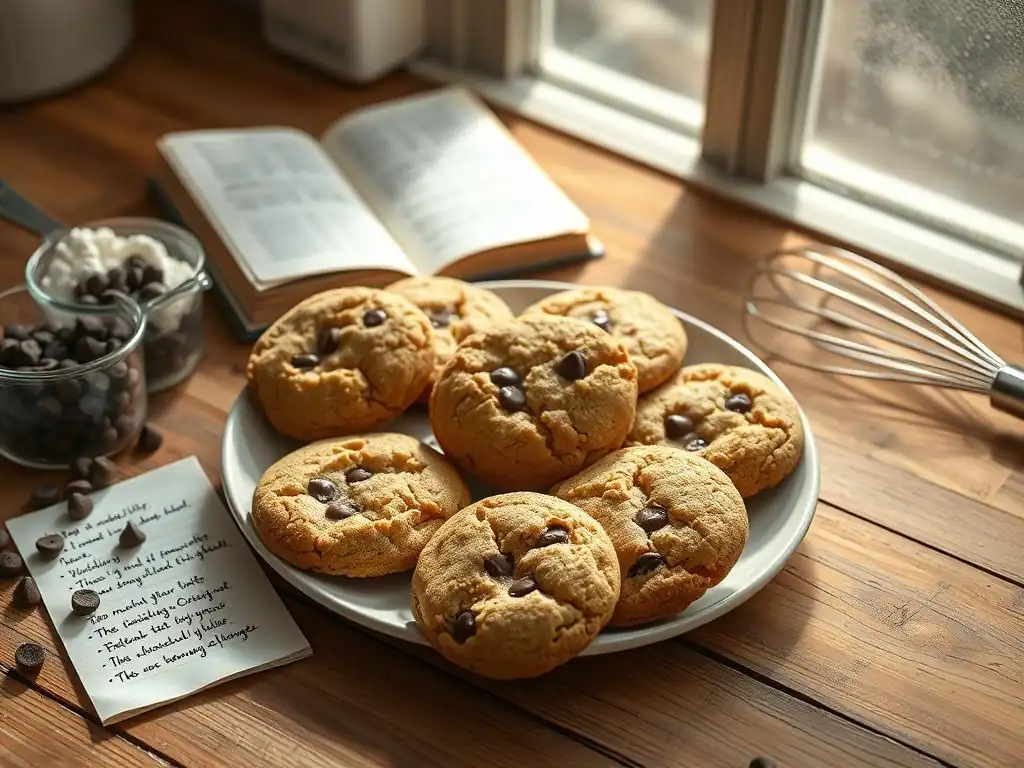
Even with a simple easy drop cookie recipe guide, sometimes things don't turn out exactly as planned. Understanding common issues and how to fix them is part of the baking learning curve.
Here are some frequent problems bakers encounter with drop cookies and practical ways to troubleshoot them. Don't be discouraged by imperfections; they offer opportunities to learn and improve your technique.
Cookies that spread too much can be caused by several factors. The butter might have been too soft or even melted. The ratio of butter to flour might be too high. Using too much baking soda can also contribute to excessive spread, as can baking on warm or greasy baking sheets.
To fix this: Ensure your butter is properly softened, not melted. Chill the cookie dough for at least 30 minutes before dropping and baking; this solidifies the fat and helps the cookies hold their shape. Check your oven temperature with an oven thermometer – if it's too low, the fat melts before the structure sets. Adding a tablespoon or two more flour to the dough can also help if the ratio seems off.
Hard or Dry Texture: Addressing Over-Baking or Incorrect Ratios
Cookies that turn out hard, dry, or crumbly are often a result of over-baking or an incorrect balance of ingredients, particularly too much flour or not enough fat/moisture. Baking too long evaporates too much moisture, leading to a dry texture.
To fix this: Reduce your baking time by a minute or two and check for doneness. Look for lightly golden edges, not deep brown. Ensure you're measuring flour correctly, preferably by weight (1 cup all-purpose flour is typically around 120-130 grams) or by spooning it lightly into the measuring cup and leveling off, rather than scooping directly from the bag. Ensure your wet ingredients are at room temperature for proper emulsification.
Uneven Baking: Controlling Oven Temperature and Rack Placement
If some cookies on the sheet are perfectly baked while others are still pale or overdone, this indicates uneven heat distribution in your oven. Hot spots are common. Placing the baking sheet too close to a heating element can also cause the bottoms or tops to burn before the rest of the cookie is done.
To fix this: Always preheat your oven thoroughly for at least 15-20 minutes. Use an oven thermometer to verify the actual temperature inside your oven, as the dial can be inaccurate. Rotate your baking sheet halfway through the baking time to ensure even exposure to heat. Bake one sheet of cookies at a time on the center rack for optimal results, even if your oven has multiple racks.
Cookies sticking to the baking sheet can be frustrating and result in broken cookies. This usually happens when the surface isn't adequately greased or lined, or if the cookies are moved before they've set slightly after baking.
To fix this: Always line your baking sheets with parchment paper or a silicone baking mat. This creates a non-stick surface that releases cookies easily. If you must grease the pan, use a light coating of butter or shortening, but parchment is more reliable for most easy drop cookie recipe guide applications. Allow cookies to cool on the baking sheet for the recommended 1-2 minutes before attempting to transfer them to a cooling rack.
Consistent, delicious drop cookies are achievable with attention to detail and a few key tips. These practices will help you refine your technique and master any easy drop cookie recipe guide you encounter.
Incorporating these simple habits into your baking routine will elevate your results and make the process even more enjoyable.
Starter Maintenance: Keeping Your Culture Active and Healthy
This heading is from the Sourdough structure and does not apply to drop cookies.
Understanding Hydration: Achieving the Right Dough Consistency
Hydration, in the context of cookies, refers to the ratio of wet ingredients (butter, eggs, liquids) to dry ingredients (flour, sugar, leaveners). The right balance is crucial for achieving the desired spread and texture. A dough that's too dry will result in crumbly, dense cookies, while a dough that's too wet will spread excessively.
Pay close attention to the dough's consistency described in your recipe. It should typically be soft enough to scoop easily but firm enough to hold a rounded shape before baking. Factors like humidity can affect how much flour is needed, so sometimes a slight adjustment (a tablespoon more or less) is necessary. Recognizing the correct texture by sight and feel is a skill that improves with practice and is key to mastering any easy drop cookie recipe guide.
Scoring Techniques: Creating Beautiful and Functional Cuts
This heading is from the Sourdough structure and does not apply to drop cookies.
Oven Temperature Control: Mastering the Baking Environment
Accurate oven temperature is one of the most critical factors for successful cookie baking. An oven that is too hot can cause the edges to burn before the center is cooked, while an oven that is too cool can lead to excessive spread and pale, underbaked cookies.
Using an inexpensive oven thermometer is highly recommended to verify your oven's accuracy. Preheat your oven for at least 15-20 minutes after it indicates it's reached the set temperature, as this allows the heat to stabilize. Baking on the correct rack (usually the center) also ensures even heat circulation around the cookies, contributing to a perfect easy drop cookie recipe guide bake.
Experimenting with Flour: Discovering Your Favorite Blend
While most easy drop cookie recipe guides call for all-purpose flour, don't be afraid to experiment once you're comfortable with the basic recipe. Substituting a portion of the all-purpose flour with whole wheat, spelt, or even a gluten-free blend can significantly change the flavor and texture profile.
For example, replacing 25% of the all-purpose flour with whole wheat flour can add a nutty depth and slightly denser chewiness. Just be aware that different flours absorb moisture differently, so you might need to slightly adjust the liquid content. Experimenting is how you make the easy drop cookie recipe guide truly your own!
Frequently Asked Questions
Drop cookies are incredibly easy because they require minimal shaping. You simply mix the dough and then drop spoonfuls onto a baking sheet. This makes them a great starting point for beginner bakers.
The core ingredients typically include flour, sugar, butter (or another fat), eggs, and a leavening agent like baking soda or baking powder. You can easily customize the flavor by adding chocolate chips, nuts, or spices.
Yes, to a certain extent. You can often substitute different types of flour or sugars, but be mindful of how it will affect the texture and flavor. Experimentation is key, but start with small changes.
Chilling the dough before baking can help prevent excessive spreading. Also, ensure your oven is at the correct temperature and avoid using too much fat or sugar in the recipe. Using parchment paper also assists with even baking.
The possibilities are endless! Consider adding dried fruits, nuts, different types of chocolate, spices like cinnamon or nutmeg, or even citrus zest. Explore different flavor combinations to create your own signature drop cookie.
The humble drop cookie, with its seemingly effortless preparation, belies a profound connection to comfort, tradition, and the sheer joy of baking. These simple treats, made with readily available ingredients, offer a gateway to culinary creativity for bakers of all skill levels, a fact that remains incredibly relevant in our fast-paced, often stressful world. The ability to create something delicious and comforting from scratch provides a powerful antidote to the pressures of modern life.
The impact of the drop cookie extends far beyond the kitchen; it's a cultural touchstone, a symbol of home, and a vehicle for shared experiences. From childhood memories of warm cookies fresh from the oven to the comforting ritual of baking with loved ones, these simple treats hold a special place in our hearts. As the renowned food writer, M.F.K. Fisher, once said, First we eat, then we do everything else.
The act of baking, and especially the sharing of these simple delights, fosters connection and strengthens bonds. It's a tangible expression of care and a reminder of the simple pleasures life offers.
Now, consider your own kitchen. What memories are tied to the smell of baking cookies? What flavors evoke feelings of warmth and nostalgia? I encourage you to embrace the magic of the drop cookie. Experiment with different flavors, share your creations with others, and rediscover the simple joy of creating something delicious and meaningful with your own two hands. Let the humble drop cookie be your reminder that sometimes, the most rewarding experiences come from the simplest of beginnings.
Thanks for taking the time to explore the delightful world of drop cookies with us! We hope you've gained some delicious inspiration and newfound confidence in your baking skills. Now it's time to put your knowledge into action.
- Bake your own batch of perfect drop cookies today! Experiment with your favorite flavors and share your creations with friends and family. This is the best way to solidify your newfound skills.
- Share your baking journey on social media using #BakeWithEaseDropCookies and inspire others to join the fun! Tag us – we'd love to see what you create.
- Explore other delicious recipes on BakeWithEase.com – we have a whole world of baking adventures waiting for you! Perhaps you'll find your next baking obsession.
Ready to transform your kitchen into a cookie haven? What exciting flavor combinations will you try first?