
Adding Flavor Boosters to Your GlutenFree Bread

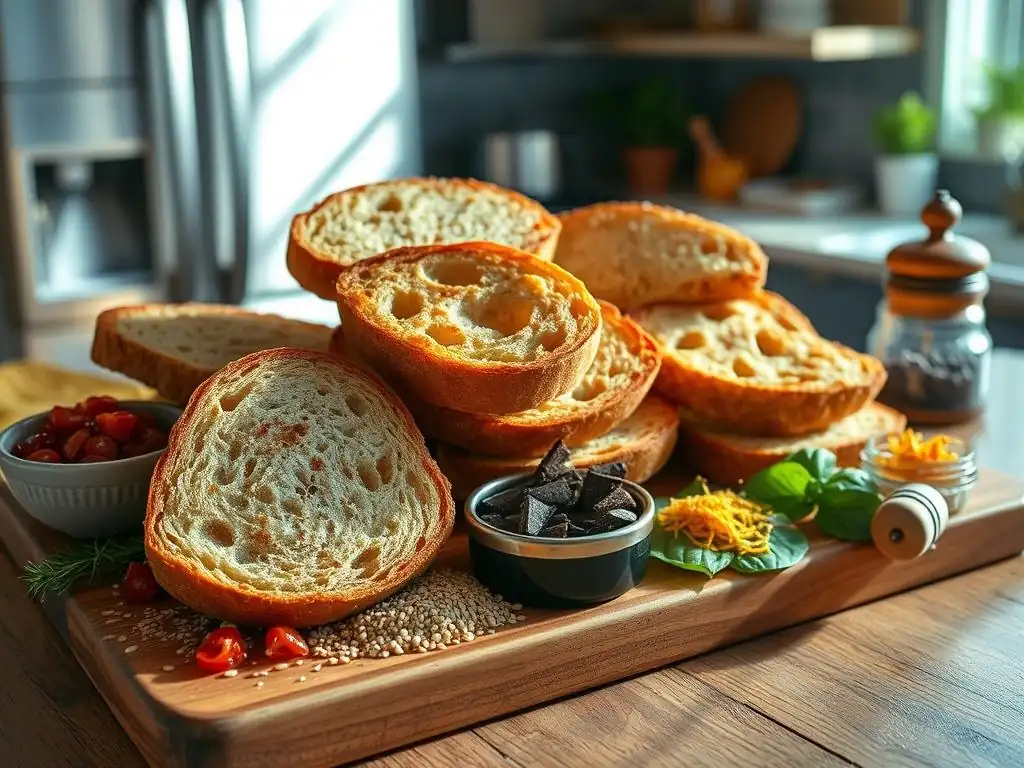
Welcome to BakeWithEase, your guide to unlocking baking brilliance! Ready to transform your gluten-free bread from basic to breathtaking? Discover the secrets to elevating your loaves with our guide to GlutenFree bread flavor boosters. We'll reveal simple yet impactful techniques that will leave you wondering why you didn't try them sooner. Intrigued? Let's get baking!
- Adding Flavor Boosters to Your Gluten-Free Bread: BakeWithEase Guide
- Introduction to Gluten-Free Bread Flavor Enhancement
- Understanding Gluten-Free Bread Baking Basics
- Top Flavor Boosters for Gluten-Free Bread
- How to Incorporate Flavor Boosters into Your Gluten-Free Bread
- Specific Gluten-Free Bread Flavor Booster Recipes
- Tips for Success with Gluten-Free Bread Flavor Boosters
- Troubleshooting Common Issues When Adding Flavor
- Storing Your Flavor-Boosted Gluten-Free Bread
- Conclusion: Elevating Your Gluten-Free Bread Baking
-
Frequently Asked Questions
- What are some common flavor boosters I can add to my gluten-free bread?
- How do flavor boosters improve gluten-free bread?
- What's the best way to incorporate flavor boosters into my gluten-free bread dough?
- Can I use liquid flavor enhancers in my gluten-free bread?
- How much flavor booster should I add to my gluten-free bread?
- Final Reflection: Elevating Gluten-Free Baking Beyond Bland
- Unlock the Flavor Secrets of Gluten-Free Bread!
Adding Flavor Boosters to Your Gluten-Free Bread: BakeWithEase Guide
Introduction to Gluten-Free Bread Flavor Enhancement
Why Gluten-Free Bread Needs a Flavor Boost
Gluten-free bread often presents a unique challenge compared to its wheat-based counterparts, particularly when it comes to achieving a rich, satisfying flavor profile. The absence of gluten, the protein network that provides structure and contributes to the complex taste development in traditional bread, means that gluten-free loaves can sometimes taste a bit flat, bland, or even slightly chalky. This lack of inherent flavor depth is a common hurdle for many gluten-free bakers.
Furthermore, the typical blend of gluten-free flours, often relying heavily on starches like tapioca, potato, or corn, doesn't undergo the same fermentation processes that develop nuanced flavors in wheat doughs. While some gluten-free recipes incorporate yeast for leavening, the resulting flavor is often less complex and aromatic than that found in a well-fermented sourdough or a long-proofed yeasted wheat bread. This is precisely why incorporating specific glutenfree bread flavor boosters becomes not just an option, but often a necessity to create truly delicious and appealing gluten-free loaves.
The Challenge of Gluten-Free Bread Flavor
One of the primary challenges in achieving great flavor in gluten-free bread lies in the nature of the alternative flours themselves. Many gluten-free flours, while functional for structure, are relatively neutral in taste. Rice flour, for instance, can be quite mild, while tapioca starch contributes little to flavor. Sorghum or millet flours offer slightly more character, but balancing them to avoid a "beany" or bitter undertone requires careful formulation. This inherent lack of strong base flavor means that any added ingredients must work harder to impart noticeable taste.
Another factor is the often quicker rise times or different baking temperatures required for gluten-free doughs. These variations from traditional baking methods can limit the time available for flavor compounds to develop through enzymatic action or Maillard reactions in the crust. Therefore, bakers must consciously introduce ingredients that bring their own robust flavors to the mix from the start. Mastering the art of adding glutenfree bread flavor boosters involves understanding how different ingredients interact with the base dough and how they hold up during the baking process.
Understanding Gluten-Free Bread Baking Basics
Key Ingredients in Gluten-Free Bread Recipes
Gluten-free bread recipes rely on a combination of flours and starches to mimic the structure and texture provided by wheat gluten. Common gluten-free flours include rice flour (brown, white, or sweet), sorghum flour, millet flour, almond flour, oat flour (certified gluten-free), and buckwheat flour.
Each of these brings slightly different properties and flavors; for example, sorghum flour can contribute a slightly sweet, mild taste, while buckwheat has a stronger, earthy profile. A typical gluten-free bread blend might use white rice flour as a base (perhaps 40-50% of the total flour weight) combined with one or two other flours for nutritional balance and flavor.
In addition to flours, starches are crucial for providing lightness and structure. Tapioca starch, potato starch, and cornstarch are frequently used. These starches gelatinize when heated, helping to bind the dough and create a softer crumb.
Often, a blend of flours and starches is used, with starches making up perhaps 20-30% of the total dry ingredients. Liquids like water, milk (dairy or non-dairy), or buttermilk, along with fats such as oil or butter, contribute moisture and tenderness. Leavening is typically achieved with yeast or a combination of baking powder and baking soda, often alongside an acid like vinegar or lemon juice to activate the soda.
The Role of Starches and Gums in Gluten-Free Baking
Starches play a vital role in gluten-free bread by providing structure and binding the dough. When heated in the presence of moisture, starch granules swell and gelatinize, forming a gel-like matrix that helps hold the bread together. Without gluten's elastic network, this gelatinization is key to preventing the loaf from collapsing. Different starches behave differently; tapioca starch, for instance, provides chewiness and crispness, while potato starch offers softness and moisture retention. A balanced blend of starches is often necessary to achieve desirable texture and crumb structure in glutenfree bread flavor boosters recipes.
Gums, such as xanthan gum, guar gum, or psyllium husk, are also indispensable in most gluten-free bread recipes. These hydrocolloids act as binders and emulsifiers, mimicking some of the functions of gluten. They help to trap gases produced by leavening, prevent the dough from crumbling, and improve the overall elasticity and coherence of the crumb.
Xanthan gum is widely used, typically at a ratio of about 1/2 to 1 teaspoon per cup of gluten-free flour blend, although psyllium husk is gaining popularity for its ability to create a more flexible and less gummy texture, often used at a slightly higher ratio, perhaps 1-2 tablespoons per cup of flour. These binders are essential for the structural integrity that allows glutenfree bread flavor boosters to be evenly distributed and held within the loaf.
Top Flavor Boosters for Gluten-Free Bread
Seeds and Nuts for Texture and Flavor
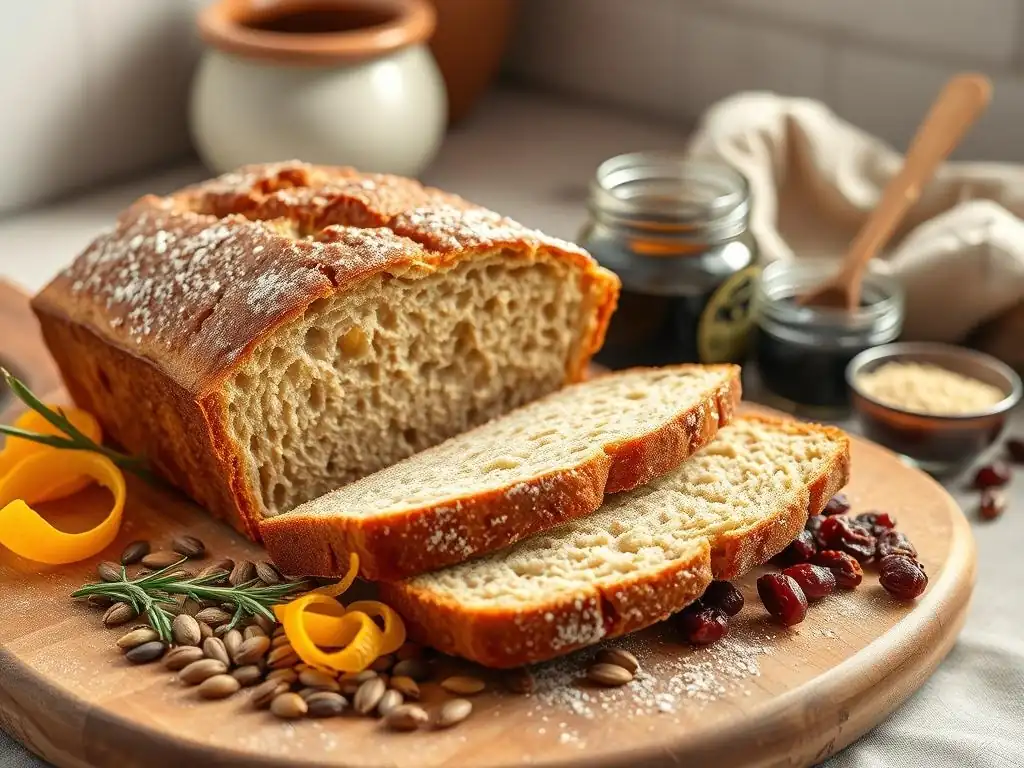
Adding seeds and nuts is one of the easiest and most effective ways to enhance both the texture and flavor of gluten-free bread. They provide a pleasant crunch or chewiness that contrasts nicely with the often softer crumb of gluten-free loaves. Beyond texture, seeds and nuts contribute earthy, nutty, and sometimes slightly sweet flavors that complement the neutral base of many gluten-free flours. They also add valuable nutrients like healthy fats, protein, and fiber, boosting the nutritional profile of the bread.
Popular choices include sunflower seeds, pumpkin seeds (pepitas), flax seeds, chia seeds, sesame seeds, poppy seeds, walnuts, almonds, pecans, and even hazelnuts. These can be added whole, chopped, or ground, depending on the desired effect. Incorporating a mix of seeds, often called a "seedy mix," is a fantastic way to layer flavors and textures, making each slice more interesting. Using glutenfree bread flavor boosters like these can transform a basic loaf into something truly special.
Adding Sunflower Seeds, Flax Seeds, and Chia Seeds
Sunflower seeds are a popular choice, offering a mild, nutty flavor and a satisfying crunch. They can be added directly to the dough or sprinkled on top before baking. For a deeper flavor, briefly toasting them in a dry pan before adding is recommended. Flax seeds and chia seeds are often used for their nutritional benefits (omega-3 fatty acids, fiber) and their ability to absorb liquid, helping to bind the dough and add moisture.
When using flax or chia seeds, particularly in larger quantities, it's important to consider their gelling properties. Whole seeds add texture, while ground seeds (like flaxseed meal) absorb more liquid and can act as a binder, sometimes even replacing an egg in certain recipes. A common addition might be 2-3 tablespoons of a seed mix per loaf, though recipes vary. These seeds are excellent glutenfree bread flavor boosters, adding both a subtle nutty note and visual appeal.
Incorporating Walnuts, Almonds, and Pecans
Nuts like walnuts, almonds, and pecans bring richer, more intense flavors and substantial texture to gluten-free bread. Walnuts have a slightly bitter, earthy taste, while almonds are sweeter and milder, and pecans offer a buttery richness. Chopping the nuts before adding them helps distribute them evenly throughout the loaf and prevents them from sinking to the bottom.
Like seeds, nuts benefit greatly from toasting before being added to the dough. Toasting unlocks their aromatic oils and intensifies their flavor, making them even more effective as glutenfree bread flavor boosters. A typical amount might range from 1/4 cup to 1/2 cup of chopped nuts per loaf, depending on how prominent you want the flavor to be. They pair particularly well with sweeter gluten-free bread recipes or those incorporating fruits.
Herbs and Spices: Aromatic Gluten-Free Bread
Herbs and spices are powerful glutenfree bread flavor boosters, capable of transforming a plain loaf into a savory or sweet sensation with just a small addition. Dried herbs are generally more potent than fresh ones and are easier to incorporate directly into the dough. Spices, whether ground or whole, infuse the bread with warmth, pungency, or sweetness during baking.
The key with herbs and spices is to use them judiciously; too much can overpower the other flavors or even make the bread taste medicinal. Starting with a smaller amount (e.g., 1-2 teaspoons of dried herbs or 1/2 - 1 teaspoon of ground spice per loaf) and adjusting in future bakes is a good strategy. Combining different herbs or spices can create complex and inviting aromas and tastes.
Rosemary, Thyme, and Oregano for Savory Bread
For savory gluten-free bread, hardy herbs like rosemary, thyme, and oregano are excellent choices. Rosemary provides a strong, piney aroma and flavor that pairs wonderfully with olive oil or garlic. Thyme offers a subtle, earthy, and slightly floral note. Oregano brings a warm, slightly pungent, and peppery taste often associated with Mediterranean flavors.
These herbs can be used individually or in combination. For example, a classic combination is rosemary and thyme. Finely chopping dried herbs before adding them ensures they are well distributed. A common ratio might be 1-2 teaspoons of dried herbs per standard loaf recipe. These are fantastic glutenfree bread flavor boosters for loaves intended to be served with soups, stews, or savory spreads.
Cinnamon, Nutmeg, and Cardamom for Sweet Bread
When aiming for a sweeter gluten-free bread, spices like cinnamon, nutmeg, and cardamom are ideal. Cinnamon is warm, sweet, and familiar, pairing well with fruits like apples or raisins. Nutmeg adds a warm, slightly nutty depth, often used in combination with cinnamon. Cardamom provides a unique, aromatic, and slightly floral-citrusy flavor, popular in Scandinavian baking.
These spices are usually added in their ground form directly to the dry ingredients. Typical amounts range from 1/2 to 1 teaspoon of cinnamon, and smaller amounts (1/4 to 1/2 teaspoon) of more potent spices like nutmeg or cardamom, per loaf. They are essential glutenfree bread flavor boosters for creating delicious breakfast breads, tea breads, or loaves meant to be enjoyed with butter or jam.
Vegetables and Fruits: Natural Sweetness and Moisture
Adding vegetables and fruits can significantly boost the flavor, moisture, and nutritional value of gluten-free bread. They introduce natural sweetness, vibrant colors, and can help keep the crumb tender and moist, counteracting the tendency for some gluten-free loaves to be dry. Pureed vegetables or fruits can also partially replace some of the liquid or fat in a recipe.
It's important to prepare vegetables and fruits properly before adding them. Diced or shredded vegetables might need to be patted dry to remove excess moisture, while purees should be measured carefully. Dried fruits like raisins or cranberries can be added directly, though soaking them briefly can prevent them from drying out during baking. These ingredients serve as wonderful natural glutenfree bread flavor boosters.
Adding Zucchini, Carrots, and Pumpkin Puree
Shredded zucchini and carrots are popular additions to quick breads, but they also work well in yeasted gluten-free loaves. They add moisture and a subtle sweetness without drastically changing the texture if used in moderation (e.g., 1/2 cup shredded per loaf). Zucchini should be squeezed or patted dry to remove excess water. Pumpkin puree adds a warm color, natural sweetness, and significant moisture, making the bread very tender.
Pumpkin puree can replace a portion of the liquid or fat, often around 1/4 to 1/2 cup per loaf. It pairs well with warming spices like cinnamon and nutmeg, making it a perfect base for autumnal glutenfree bread flavor boosters. When using vegetables, consider roasting or sautéing them first to deepen their flavor before adding them to the dough.
Using Applesauce, Cranberries, and Raisins
Applesauce is another excellent way to add moisture and natural sweetness, often used as a fat substitute in baking. Unsweetened applesauce is generally preferred to control the sugar level in the bread. About 1/4 to 1/2 cup can be added per loaf, adjusting other liquids accordingly. Dried fruits like cranberries and raisins provide bursts of tartness or sweetness throughout the bread.
Cranberries and raisins are often added directly to the dough towards the end of mixing. Using about 1/2 cup per loaf is a common amount, though you can adjust based on preference. Soaking dried fruits in warm water or juice for about 10-15 minutes before draining and adding them can help them stay plump and juicy during baking, contributing significantly as glutenfree bread flavor boosters.
Cheeses and Savory Additions for Gluten-Free Breads
For savory gluten-free bread, cheese and other savory additions provide rich, satisfying flavors. Cheese melts into pockets of deliciousness, while ingredients like olives or sun-dried tomatoes add intense bursts of taste and interesting textures. These additions are best suited for loaves intended to be served with meals or as flavorful snacks.
It's important to dice or chop these ingredients into relatively small pieces to ensure even distribution and prevent them from creating large pockets in the dough that could affect structure. The amount added can vary, but typically ranges from 1/2 cup to 1 cup per loaf, depending on how packed you want the bread to be with these glutenfree bread flavor boosters.
Parmesan, Cheddar, and Feta Cheese Additions
Hard cheeses like Parmesan add a salty, umami depth, grating well and distributing evenly. Cheddar offers a sharp, familiar flavor and melts beautifully, creating gooey pockets. Feta provides a tangy, salty counterpoint and crumbles nicely, adding distinct bursts of flavor. Using a combination of cheeses can add complexity.
Grated or crumbled cheese is usually folded into the dough during the final mixing stages. About 1/2 to 3/4 cup of cheese per loaf is a good starting point. Be mindful that cheese adds moisture and fat, which can slightly alter the dough consistency. These cheeses are fantastic glutenfree bread flavor boosters for a rustic or Italian-inspired loaf.
Adding Olives, Sun-Dried Tomatoes, and Roasted Garlic
Olives, particularly Kalamata or green olives, bring a briny, salty intensity. Pitted and roughly chopped olives (about 1/2 cup per loaf) work best. Sun-dried tomatoes, either oil-packed (drained and patted dry) or dry (rehydrated), offer a sweet, intense tomato flavor. About 1/4 to 1/2 cup of chopped sun-dried tomatoes is usually sufficient.
Roasted garlic provides a mellow, sweet, and deeply aromatic flavor that is a significant upgrade from raw garlic. A whole head of roasted garlic, squeezed from its papery skin and mashed, can be added to the dough. These savory elements are potent glutenfree bread flavor boosters, turning a simple loaf into a gourmet experience perfect for serving with pasta or grilled meats.
How to Incorporate Flavor Boosters into Your Gluten-Free Bread
Mixing Techniques for Even Distribution
Proper mixing is crucial when adding glutenfree bread flavor boosters to ensure they are evenly distributed throughout the dough. Gluten-free doughs are often stickier and wetter than wheat doughs, so overmixing is less of a concern for gluten development (since there is none), but undermixing can leave ingredients clumped. Generally, wet ingredients are combined first, followed by dry ingredients, and mixed until just combined and smooth.
Solid flavor boosters like seeds, nuts, dried fruits, or cheese should typically be folded in towards the end of the mixing process, after the main dough has come together. This prevents them from being excessively broken down or interfering with the initial hydration of the flours and starches. For wet additions like purees or roasted garlic, they can often be incorporated with the other wet ingredients or mixed in thoroughly with the dry components before adding the liquid. Aim for a dough where the additions are visible throughout but not concentrated in one area.
Adjusting Liquid Ratios When Adding Wet Ingredients
Adding wet glutenfree bread flavor boosters like vegetable purees, applesauce, or even ingredients packed in oil (like sun-dried tomatoes) requires careful adjustment of the recipe's liquid ratio. These additions contribute moisture and fat, which can make the final dough too wet if the original liquid amount isn't reduced. A dough that is too wet can result in a gummy texture and difficulty baking through.
As a general guideline, for every 1/4 cup of wet addition (like puree or applesauce), reduce the primary liquid (water, milk) by approximately 1/4 cup. For ingredients packed in oil, drain them well and pat them dry before adding, and consider slightly reducing added fat (like oil or butter) in the recipe.
It's often best to hold back a small amount of the primary liquid (e.g., 1-2 tablespoons) and add it only if the dough seems too dry after incorporating the wet flavor booster, ensuring the dough has the correct consistency – typically like a thick batter or very soft dough.
Baking Time Considerations for Enhanced Flavor
Adding glutenfree bread flavor boosters can sometimes affect the baking time and temperature required. Ingredients like cheese or fruits add moisture, which might necessitate a slightly longer baking time or a slightly lower temperature to ensure the center is fully cooked without burning the crust. Nuts and seeds, especially if not pre-toasted, can benefit from the heat to develop their flavor, but if on the surface, they can brown quickly.
Monitoring the bread's internal temperature is the most reliable way to determine doneness. Gluten-free bread is typically done when the internal temperature reaches 200-210°F (93-99°C). If adding a significant amount of moist ingredients, check the temperature in the thickest part of the loaf. If the top is browning too quickly but the inside isn't done, you can tent the bread loosely with foil for the remainder of the baking time. Conversely, additions like dried herbs or spices usually don't require significant baking time adjustments, their flavor develops simply through the heat of the oven.
Specific Gluten-Free Bread Flavor Booster Recipes
Rosemary and Olive Oil Gluten-Free Bread Recipe
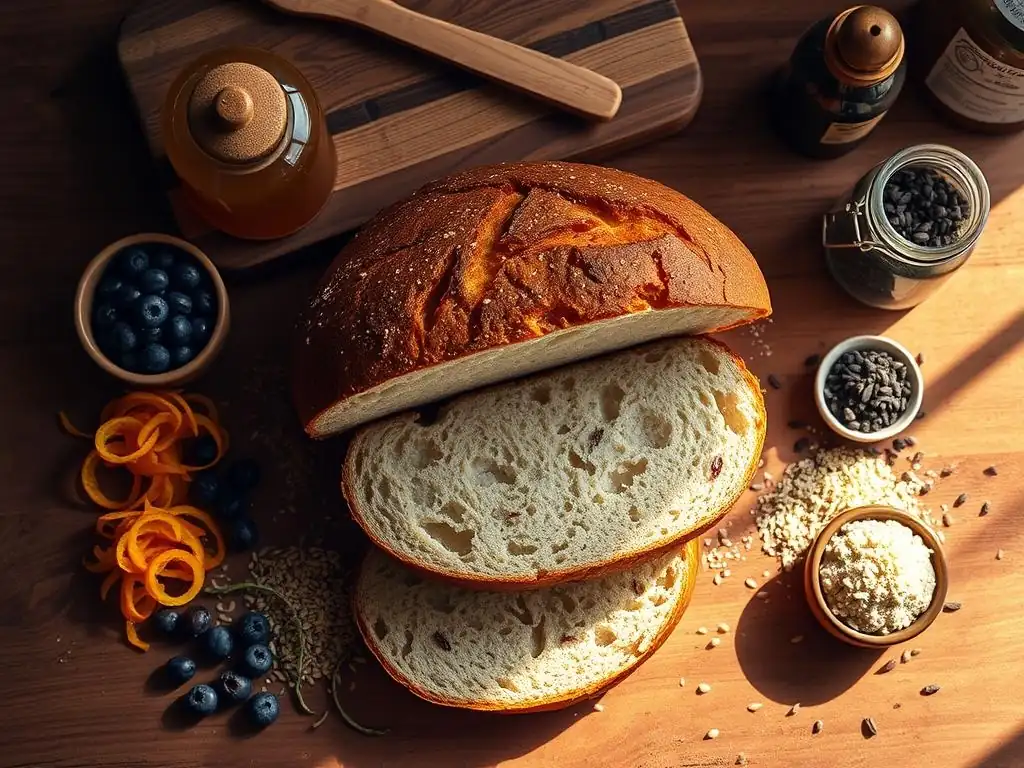
This recipe highlights the classic pairing of rosemary and olive oil, creating a fragrant and savory gluten-free loaf. It's perfect for serving with Italian meals or simply dipping in more olive oil. The combination of these simple ingredients serves as powerful glutenfree bread flavor boosters.
Ingredients and Instructions
Ingredients:
- 1.5 cups warm water (105-115°F / 40-46°C)
- 1 tbsp honey or sugar
- 2 tsp active dry yeast
- 3 cups gluten-free bread flour blend (containing rice flour, sorghum, starches)
- 1 tsp xanthan gum (omit if blend contains it)
- 1 tsp salt
- 3 tbsp olive oil, plus more for greasing
- 2 tbsp fresh rosemary, finely chopped (or 1 tbsp dried)
- 1/4 cup pitted Kalamata olives, roughly chopped (optional, but great glutenfree bread flavor boosters)
Instructions:
- In a large bowl, combine the warm water, honey, and yeast. Let stand 5-10 minutes until foamy.
- In a separate bowl, whisk together the gluten-free flour blend, xanthan gum (if using), and salt.
- Add the dry ingredients to the wet ingredients, then add the olive oil and chopped rosemary (and olives if using).
- Mix with a sturdy spoon or stand mixer with a paddle attachment for about 5-7 minutes until a smooth, sticky dough forms.
- Lightly grease a standard loaf pan with olive oil. Transfer the dough to the pan, smoothing the top with a wet spatula.
- Cover loosely with plastic wrap and let rise in a warm place for 45-60 minutes, or until nearly doubled in size.
- Preheat oven to 375°F (190°C).
- Bake for 40-50 minutes, or until the crust is golden brown and the internal temperature reaches 200-210°F (93-99°C).
- Let cool in the pan for 10 minutes before transferring to a wire rack to cool completely before slicing.
Cinnamon Raisin Gluten-Free Bread Recipe
A delightful sweet loaf, perfect for breakfast or a snack. The warmth of cinnamon and the sweetness of raisins act as classic glutenfree bread flavor boosters, transforming a simple loaf into a treat.
Ingredients and Instructions
Ingredients:
- 1 cup warm milk (dairy or non-dairy, 105-115°F / 40-46°C)
- 1/4 cup warm water
- 1/4 cup honey or maple syrup
- 2 tsp active dry yeast
- 2.5 cups gluten-free all-purpose flour blend
- 1 tsp xanthan gum (omit if blend contains it)
- 1/2 tsp salt
- 1 tsp ground cinnamon
- 1/4 tsp ground nutmeg (optional)
- 2 tbsp melted butter or coconut oil
- 1 cup raisins
Instructions:
- In a large bowl, combine warm milk, water, honey, and yeast. Let stand 5-10 minutes until foamy.
- In a separate bowl, whisk together the gluten-free flour blend, xanthan gum (if using), salt, cinnamon, and nutmeg (if using).
- Add the dry ingredients to the wet ingredients, then add the melted butter. Mix until a thick batter forms.
- Gently fold in the raisins.
- Lightly grease a standard loaf pan. Transfer the batter to the pan, smoothing the top.
- Cover loosely and let rise in a warm place for 40-50 minutes, or until puffy and almost doubled.
- Preheat oven to 375°F (190°C).
- Bake for 40-50 minutes, or until golden and a skewer inserted into the center comes out clean (avoiding raisins). Internal temperature should be 200-210°F (93-99°C).
- Cool in the pan for 10 minutes, then transfer to a wire rack to cool completely before slicing.
Sun-Dried Tomato and Basil Gluten-Free Bread Recipe
This savory loaf is packed with Mediterranean-inspired flavors. Sun-dried tomatoes provide intense sweetness and chewiness, while basil adds aromatic freshness, acting as excellent glutenfree bread flavor boosters.
Ingredients and Instructions
Ingredients:
- 1.25 cups warm water (105-115°F / 40-46°C)
- 1 tsp sugar
- 2 tsp active dry yeast
- 3 cups gluten-free bread flour blend
- 1 tsp xanthan gum (omit if blend contains it)
- 1 tsp salt
- 1/4 cup olive oil
- 1/2 cup sun-dried tomatoes, drained and chopped (if oil-packed) or rehydrated and chopped (if dry)
- 1/4 cup fresh basil, chopped (or 1 tbsp dried basil)
- 1/4 cup grated Parmesan cheese (optional, another great flavor booster)
Instructions:
- In a large bowl, combine warm water, sugar, and yeast. Let stand 5-10 minutes until foamy.
- In a separate bowl, whisk together the gluten-free flour blend, xanthan gum (if using), and salt.
- Add the dry ingredients to the wet ingredients, then add the olive oil. Mix until combined.
- Fold in the chopped sun-dried tomatoes, basil, and Parmesan cheese (if using). Mix until evenly distributed.
- Lightly grease a standard loaf pan. Transfer the dough to the pan, smoothing the top.
- Cover loosely and let rise in a warm place for 45-60 minutes, or until nearly doubled.
- Preheat oven to 375°F (190°C).
- Bake for 45-55 minutes, or until the crust is golden and the internal temperature reaches 200-210°F (93-99°C).
- Cool in the pan for 10 minutes, then transfer to a wire rack to cool completely before slicing.
Tips for Success with Gluten-Free Bread Flavor Boosters
Choosing High-Quality Ingredients for Best Flavor
The quality of the ingredients you add as glutenfree bread flavor boosters directly impacts the final taste of your bread. Using fresh, vibrant herbs will yield a more aromatic loaf than using stale dried herbs. Similarly, good quality nuts and seeds will have a richer, more pronounced flavor than older ones that may have turned slightly rancid.
Whenever possible, opt for organic or freshly sourced ingredients. Taste your additions before incorporating them; nuts and seeds should taste fresh and nutty, not bitter. Spices should be fragrant and potent. This attention to ingredient quality ensures that the flavor boosters truly enhance your gluten-free bread rather than just adding bulk.
Toasting Nuts and Seeds for Enhanced Aroma
Toasting nuts and seeds is a simple step that makes a significant difference in their flavor and aroma. Dry heat helps to release the oils within the nuts and seeds, intensifying their nutty flavor and giving them a pleasant crunch. This process is crucial for maximizing the impact of these specific glutenfree bread flavor boosters.
To toast, spread nuts or seeds in a single layer on a dry skillet over medium heat or on a baking sheet in a preheated oven at 300-325°F (150-160°C). Stir or shake the pan frequently. Toasting times vary depending on the size and type of nut/seed, but generally take 5-15 minutes. Watch them closely as they can burn quickly. Once toasted and fragrant, remove them from the heat immediately and let them cool completely before adding them to the dough.
Experimenting with Flavor Combinations
Don't be afraid to get creative and experiment with different glutenfree bread flavor boosters combinations. While classic pairings like rosemary and olive oil are reliable, unexpected combinations can lead to exciting new favorites. Consider combining sweet and savory elements, like adding a touch of black pepper or chili flakes to a cinnamon-spiced bread, or incorporating caramelized onions into a seeded loaf.
Think about the intended use of the bread. A loaf for sandwiches might benefit from cheese and herbs, while a bread for toast might be enhanced by fruit and spice. Keep notes on your experiments – what worked well, what didn't, and how much of each flavor booster you used. This iterative process is key to mastering flavorful gluten-free baking.
Troubleshooting Common Issues When Adding Flavor
Preventing Soggy Gluten-Free Bread
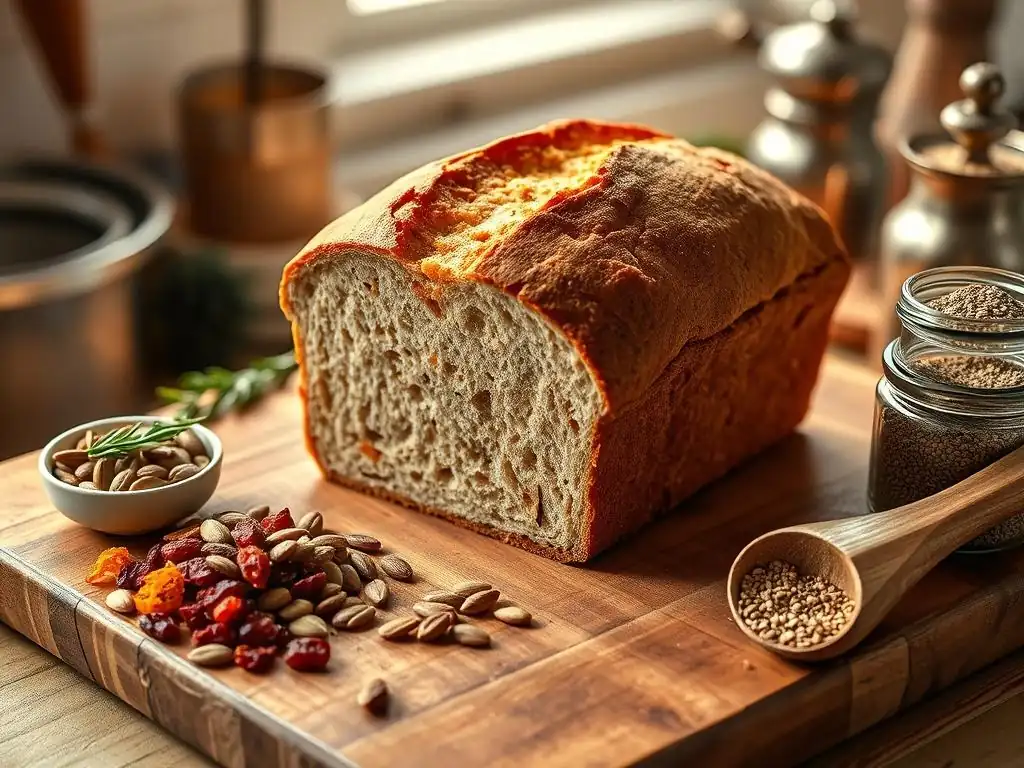
One common issue when adding certain glutenfree bread flavor boosters, particularly those with high moisture content like purees, shredded vegetables, or excessive amounts of cheese, is ending up with a soggy or dense loaf center. This happens when the added moisture prevents the bread from cooking through properly.
To prevent sogginess, ensure that wet additions like shredded zucchini or sun-dried tomatoes are well-drained and patted dry. When using purees, reduce the amount of other liquids in the recipe accordingly (as discussed earlier). Avoid overpacking the dough with additions; a ratio of about 1/2 cup to 1 cup of solid additions per loaf is generally a good starting point. Finally, ensure the bread is baked to the correct internal temperature (200-210°F / 93-99°C) and allowed to cool completely on a wire rack, which allows steam to escape and the crumb to set.
Avoiding Flavor Overload
While the goal is to boost flavor, it's possible to add too many or too much of certain glutenfree bread flavor boosters, resulting in an overpowering or unpleasant taste. Too much spice can make the bread bitter, too many herbs can make it taste like potpourri, and too much cheese can make it greasy and heavy.
Start with recommended amounts (often found in recipes or general guidelines like those mentioned above) and adjust in subsequent bakes based on your preference. If combining multiple strong flavors, use smaller quantities of each. Consider the intensity of the flavor booster; a little roasted garlic goes a long way, while you might need more seeds for a noticeable impact. Tasting the raw additions can also give you an idea of their potency.
Ensuring Even Baking with Added Ingredients
Ingredients like nuts, seeds, or large pieces of fruit or cheese can sometimes affect the even baking of gluten-free bread. Large pieces can create pockets in the dough that don't cook properly, while additions near the crust can cause uneven browning.
Chopping solid glutenfree bread flavor boosters into smaller, relatively uniform pieces (e.g., pea-sized or smaller for cheese/olives, roughly chopped for nuts) helps them distribute more evenly and reduces the chance of creating large voids. Folding them in gently towards the end of mixing helps prevent them from sinking. If the top of the bread browns too quickly due to surface additions, tenting with foil during the last portion of baking can help ensure the inside cooks through without burning the crust. Rotating the pan halfway through baking can also promote more even heat distribution.
Storing Your Flavor-Boosted Gluten-Free Bread
Proper Cooling Techniques for Gluten-Free Bread
Proper cooling is a critical step for any bread, but especially for gluten-free loaves with added glutenfree bread flavor boosters. Gluten-free bread often has a higher moisture content and a more delicate structure when hot. Cooling on a wire rack allows air to circulate around the entire loaf, permitting steam to escape.
Attempting to slice the bread before it has cooled completely (typically 1-2 hours for a standard loaf) can result in a gummy, dense texture, particularly in the center. The internal structure finishes setting as it cools. Even if the crust feels firm, the crumb inside is still stabilizing. Patience during the cooling process is essential for achieving the best possible texture and flavor from your enhanced loaf.
Best Storage Practices for Freshness
Once completely cooled, storing your flavor-boosted gluten-free bread correctly helps maintain its freshness and prevents it from drying out or becoming stale too quickly. Unlike wheat bread, gluten-free bread tends to dry out faster, but also can become soggy if stored improperly.
Airtight storage is generally recommended. You can store the loaf whole or sliced in a bread box, a resealable plastic bag, or wrapped tightly in plastic wrap or beeswax wraps. Storing at room temperature is fine for 2-3 days. Avoid refrigerating gluten-free bread unless it contains perishable ingredients like fresh cheese or vegetables, as refrigeration can accelerate staling and negatively impact texture. These storage methods help preserve the delicious taste provided by your glutenfree bread flavor boosters.
Freezing Gluten-Free Bread for Later Enjoyment
Freezing is an excellent way to extend the shelf life of your flavor-boosted gluten-free bread and ensure you always have a delicious slice on hand. Freezing bread effectively pauses the staling process.
To freeze, ensure the bread is completely cooled. Slice the loaf before freezing if you plan to use individual slices, placing parchment paper between slices to prevent sticking. Wrap the loaf or sliced portions tightly in plastic wrap, then place in a freezer-safe bag or aluminum foil. Properly wrapped gluten-free bread can be frozen for up to 3 months.
Thaw slices as needed at room temperature or toast directly from frozen. Thawing a whole loaf is best done at room temperature, leaving it wrapped until mostly thawed to retain moisture. This allows you to enjoy your flavorful glutenfree bread flavor boosters weeks or months later.
Conclusion: Elevating Your Gluten-Free Bread Baking
The Joy of Experimenting with Gluten-Free Bread Flavors
Baking gluten-free bread doesn't have to mean sacrificing flavor. By understanding the unique characteristics of gluten-free flours and the role of binders, you open up a world of possibilities for flavor enhancement. Experimenting with different glutenfree bread flavor boosters is not just about improving taste; it's a creative process that allows you to personalize your baking and discover exciting combinations that suit your palate.
From the simple addition of seeds to the complexity of herbs, spices, fruits, vegetables, and cheeses, each ingredient brings something unique to the loaf. Embrace the trial and error that comes with baking, especially gluten-free. Every bake is an opportunity to learn how different additions behave and how to adjust ratios and techniques to achieve your desired result. The journey of exploring glutenfree bread flavor boosters is rewarding, leading to loaves that are not only safe for dietary needs but also genuinely delicious.
Mastering the Art of Flavorful Gluten-Free Baking
Mastering the art of flavorful gluten-free baking involves more than just following a recipe; it requires understanding the function of ingredients and how to integrate flavor boosters effectively. It's about recognizing that gluten-free doughs need intentional flavor additions to compensate for the lack of flavor development inherent in wheat gluten.
By focusing on high-quality ingredients, using proper mixing techniques, adjusting for moisture, and ensuring correct baking and cooling, you can consistently produce gluten-free bread that is both texturally pleasing and rich in flavor. The tips and techniques for incorporating glutenfree bread flavor boosters discussed here provide a solid foundation. With practice and a willingness to experiment, you can elevate your gluten-free bread baking from merely functional to truly exceptional, creating loaves that are a joy to bake and even more of a joy to eat.
Frequently Asked Questions
What are some common flavor boosters I can add to my gluten-free bread?
You can enhance your gluten-free bread with ingredients like herbs, spices, and dried fruits. Also, consider adding seeds for texture and flavor.
How do flavor boosters improve gluten-free bread?
Gluten-free bread can sometimes lack flavor and have a less appealing texture. Flavor boosters help to add depth of flavor and improve the overall sensory experience.
What's the best way to incorporate flavor boosters into my gluten-free bread dough?
Generally, add your flavor boosters during the mixing stage. Ensure they are evenly distributed throughout the dough for consistent flavor in every slice.
Can I use liquid flavor enhancers in my gluten-free bread?
Yes, you can use liquid flavor enhancers like vanilla extract or citrus zest. Be mindful of the moisture content and adjust other liquids in your recipe accordingly.
How much flavor booster should I add to my gluten-free bread?
Start with a small amount, such as 1-2 teaspoons per loaf, and adjust to your taste. Remember that too much can sometimes overwhelm the other flavors in the bread.
Final Reflection: Elevating Gluten-Free Baking Beyond Bland
The quest for delicious gluten-free bread is far from over, but the journey towards flavorful loaves is becoming increasingly accessible. We've explored a range of techniques and ingredients that can transform a potentially dry and tasteless loaf into a culinary delight, proving that gluten-free baking doesn't have to compromise on taste. This isn't just about satisfying a dietary need; it's about reclaiming the joy of bread-making for those who thought it was lost to them.
The impact of readily available gluten-free products has been significant, yet the pursuit of truly satisfying flavor remains a challenge for many bakers. The subtle nuances of flavor, often taken for granted in traditional bread making, become paramount when working with gluten-free flours. This exploration has highlighted the importance of understanding the unique properties of these flours and how to compensate for their limitations. The best bread is the bread that makes you happy,
and that happiness shouldn't be limited by dietary restrictions.
Now, it's your turn to experiment! Don't be afraid to try different combinations of flavor boosters, to adjust recipes to your own palate, and to embrace the process of discovery. Each loaf you bake, each new flavor you explore, is a step towards perfecting your own signature gluten-free bread. The journey towards flavorful gluten-free bread is a personal one, and the rewards are well worth the effort. So, gather your ingredients, preheat your oven, and let the baking begin!
Unlock the Flavor Secrets of Gluten-Free Bread!
Thanks for taking the time to explore the world of delicious gluten-free baking! We hope you've discovered some fantastic new ways to elevate your bread. Now it's time to put your newfound knowledge into practice.
- Bake your best gluten-free loaf yet! Try one of the flavor combinations we discussed, and let us know how it turns out. We can't wait to hear about your baking success!
- Share your creations and inspire others! Post a picture of your masterpiece on social media and tag us – we love seeing your baking adventures.
- Explore further flavor combinations: Experiment with different seeds, spices, and extracts to create your signature gluten-free bread.
What unique flavor profile will you create next?