
Bake International Flatbreads: A World Tour of Easy Recipes

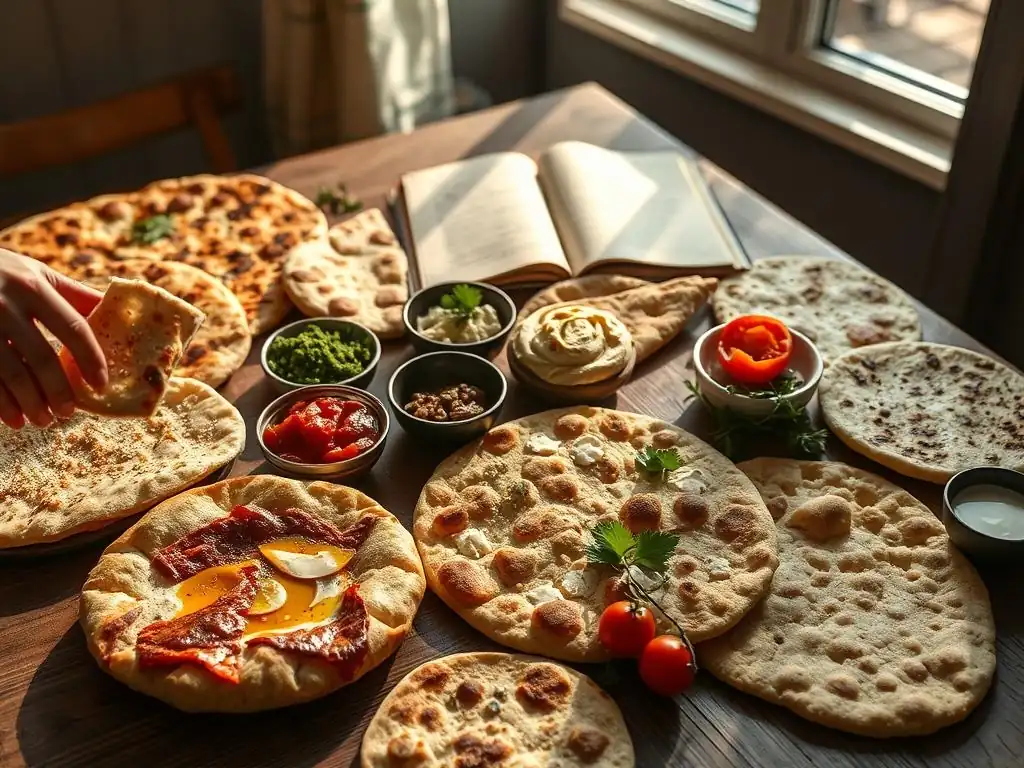
Welcome to BakeWithEase, your passport to a world of delicious baking! Ever dreamed of crafting authentic flatbreads from across the globe? Discover the secrets to effortlessly creating mouthwatering international flatbreads with our collection of easy recipes. Prepare to embark on a culinary adventure, one delectable flatbread at a time. What are you waiting for? Let's bake!
- Exploring Global Flatbreads: Simple Recipes for Home Bakers
- Introduction to Flatbread Baking
- A Baker's Guide to International Flatbread Recipes
- Recipe 1: Indian Naan
- Recipe 2: Middle Eastern Pita Bread
- Recipe 3: Mexican Tortillas
- Recipe 4: Italian Piadina
- Recipe 5: Korean Kimchi Jeon (Kimchi Pancake)
- Mastering International Flatbread Recipes
- Conclusion: Embark on Your Flatbread Baking Journey
- Frequently Asked Questions
- Final Reflection: The Global Embrace of Simple Baking
- Unleash Your Inner Baker: A Global Flatbread Adventure Awaits!
Exploring Global Flatbreads: Simple Recipes for Home Bakers
Introduction to Flatbread Baking
Discover the Ease of Baking Flatbreads from Around the World
Embarking on a journey to bake international flatbread recipes is a wonderfully rewarding experience for any home baker. Unlike complex leavened breads that require extensive proofing times and precise shaping, many flatbreads are designed for speed and simplicity. They often use minimal ingredients – flour, water, and salt are common staples – and can be cooked quickly on a stovetop, griddle, or in a hot oven. This accessibility makes them perfect for novice bakers or anyone looking for a quick, satisfying baking project. Imagine whipping up warm, fresh bread for dinner in under an hour!
The beauty of learning to bake international flatbreads lies in their incredible diversity. From the chewy, bubbly texture of Indian naan to the pocket-forming magic of Middle Eastern pita and the soft, pliable nature of Mexican tortillas, each type offers a unique taste and texture profile. Mastering these simple techniques opens up a world of culinary possibilities, allowing you to pair your homemade flatbreads with countless dishes, from curries and stews to dips, fillings, and more. Getting started with these easy international flatbread recipes bake up delicious results with minimal fuss.
Why Flatbreads are a Great Choice for Home Baking
Flatbreads are exceptionally forgiving, making them an excellent starting point for those new to baking or looking to build confidence. The low ingredient count means fewer variables to manage, and the cooking methods are generally straightforward. Many recipes don't even require yeast, relying instead on baking powder, baking soda, or just steam for leavening, which significantly reduces preparation time. For example, a batch of stovetop tortillas can be mixed, rolled, and cooked in about 30-40 minutes total.
Furthermore, flatbreads are incredibly versatile. Once you learn the basic technique for a specific type, you can often adapt it with different flours, herbs, spices, or fillings. They are also highly economical to make, using pantry staples you likely already have on hand. This practicality, combined with the speed and satisfaction of producing fresh bread at home, makes easy international flatbread recipes bake a fantastic addition to any home baker's repertoire. They offer a delicious entry point into the vast world of baking without the intimidation factor of more elaborate loaves.
A Baker's Guide to International Flatbread Recipes
Exploring the Diverse World of Flatbreads
The world of flatbreads is vast and fascinating, reflecting centuries of culinary tradition across different cultures. These simple breads have been a staple food for millennia, evolving based on available grains, cooking methods, and regional ingredients. Think about the ancient origins of unleavened breads like chapati or matzah, designed for portability and long shelf life, or the leavened varieties like naan and pita, which benefit from hotter cooking environments. Each flatbread tells a story about its place of origin and the ingenuity of its creators.
From the leavened glories baked in tandoors (like naan) or hot ovens (like pita) to the unleavened wonders cooked on griddles (like tortillas, chapati, or piadina) or even fried (like some types of fry bread), the techniques vary widely. Some, like Korean jeon or Indian dosa, are more akin to savory pancakes or crepes made from batters. Learning to bake international flatbread recipes provides not just delicious results but also a glimpse into global food history and cultural practices surrounding bread.
Recipe 1: Indian Naan
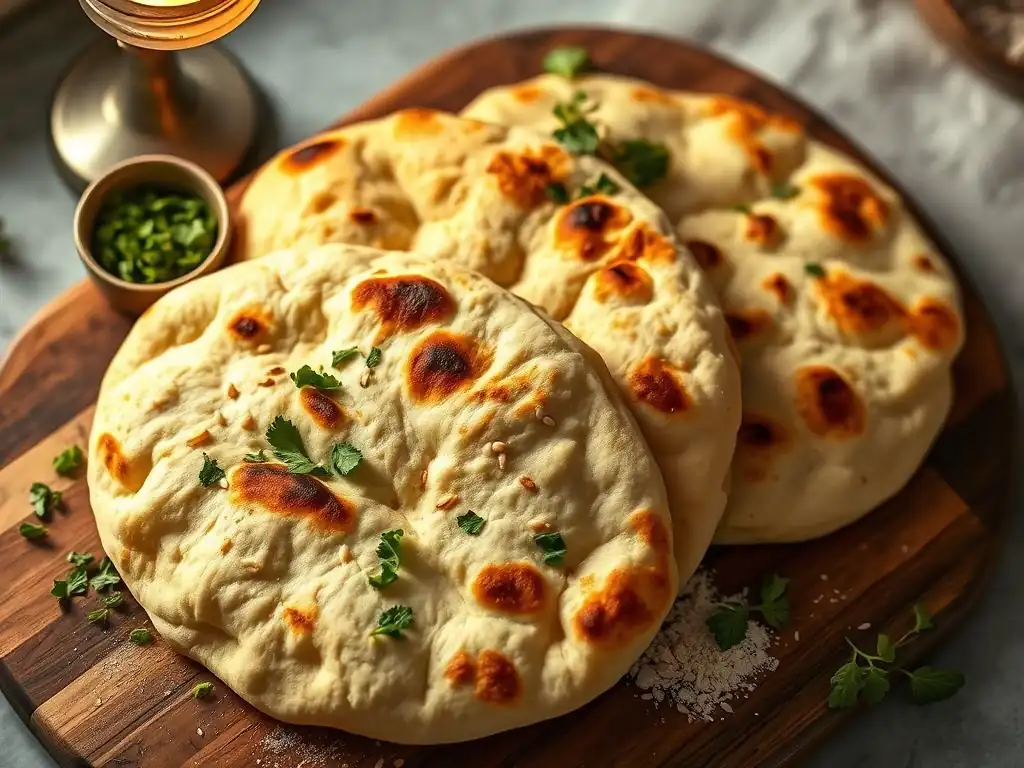
Ingredients for Authentic Homemade Naan
To bake delicious, soft, and slightly chewy naan at home, you'll need a few key ingredients, many of which are likely already in your pantry. The base consists of all-purpose flour, yeast (either active dry or instant), warm water, a pinch of sugar to activate the yeast, and salt for flavor. A crucial ingredient for traditional soft naan is yogurt or milk, which adds richness and tenderness to the dough. A little oil or melted butter is also often included to enrich the dough and prevent sticking during kneading.
- All-purpose flour
- Active dry or instant yeast
- Warm water
- Sugar
- Salt
- Plain yogurt or milk
- Vegetable oil or melted butter
- Optional: Garlic, cilantro, nigella seeds for flavor
Step-by-Step Naan Baking Instructions
Begin by activating your yeast if using active dry: dissolve it in warm water with sugar and let it sit for 5-10 minutes until frothy. Combine the flour and salt in a large bowl, then add the yeast mixture, yogurt (or milk), and oil. Mix everything together until a shaggy dough forms.
Turn the dough out onto a lightly floured surface and knead for about 5-7 minutes until it is smooth and elastic. The dough should be slightly sticky but manageable. Place the dough in a greased bowl, cover, and let it rise in a warm place for about 1 to 1.5 hours, or until doubled in size.
Once the dough has risen, gently punch it down and divide it into 6-8 equal pieces. Roll each piece into an oval or teardrop shape, about 1/4 inch thick. Preheat your oven to its highest setting (often 475°F / 245°C or higher) with a baking stone or steel inside, if you have one. Alternatively, use a very hot cast iron pan on the stovetop.
Carefully place one or two pieces of naan onto the hot surface. They will puff up quickly. Bake for 2-4 minutes, flipping once if using a pan, until golden brown and bubbly spots appear. Brush with melted butter (plain or garlic-infused) as soon as they come out of the oven.
Tips for Perfecting Your Naan
Achieving that characteristic soft texture and bubbly surface when you bake easy international flatbread recipes like naan depends on a few factors. Ensure your yeast is active; if it doesn't froth, your dough won't rise properly. Don't add too much flour during kneading; a slightly sticky dough results in softer naan. For the best puff, the cooking surface must be extremely hot – whether it's an oven stone, steel, or cast iron pan. High heat creates steam inside the dough, causing it to balloon.
Another tip is to handle the dough gently after rising to maintain the air pockets. When rolling, try not to flatten it too much. If using a baking stone/steel, you can even place the rolled naan directly onto it using a pizza peel. For stovetop cooking, ensure the pan is screaming hot before adding the naan. Finally, brushing with melted butter immediately after baking adds flavor and keeps the naan soft. Experiment with adding minced garlic, chopped cilantro, or nigella seeds to the dough or brushing them on with the butter.
Recipe 2: Middle Eastern Pita Bread
Pita Bread Ingredients
Making fluffy pita bread with that signature pocket is surprisingly simple and requires just a handful of ingredients. You'll need all-purpose or bread flour, warm water, yeast (active dry or instant), a pinch of sugar, and salt. Some recipes might include a little olive oil for tenderness, but many traditional versions rely solely on flour, water, yeast, and salt. The magic of the pocket comes from the baking technique, not complex ingredients.
- All-purpose or bread flour
- Warm water
- Active dry or instant yeast
- Sugar
- Salt
- Optional: Olive oil
Baking Pita Bread: A Simple Guide
Start by proofing your yeast in warm water with sugar for about 5-10 minutes if using active dry yeast. In a large bowl, combine the flour and salt. Add the yeast mixture and oil (if using) to the dry ingredients and mix until a dough forms. Knead the dough on a lightly floured surface for about 6-8 minutes until it's smooth and elastic. Place the dough in a greased bowl, cover, and let it rise in a warm place for about 1 hour, or until it has doubled in size.
Punch down the risen dough and divide it into 6-8 equal portions. Shape each portion into a ball, cover, and let rest for 10-15 minutes. This rest period helps the dough relax, making it easier to roll. Preheat your oven to its highest temperature (around 450°F / 230°C or higher) with a baking sheet, stone, or steel inside. Roll each dough ball into a circle about 6-7 inches in diameter and about 1/8 inch thick.
Carefully place 1-2 rolled pitas directly onto the hot baking surface. Bake for 2-4 minutes. They should puff up like balloons. Flip and bake for another minute or two until lightly golden.
Serving Suggestions for Pita Bread
Freshly baked pita is incredibly versatile and forms the base for countless Middle Eastern and Mediterranean dishes. The internal pocket is perfect for stuffing with fillings like falafel, shawarma, grilled meats, or vegetables. You can also tear it into pieces and use it for dipping into hummus, baba ghanoush, tzatziki, or other spreads. For a simple snack, drizzle warm pita with olive oil and sprinkle with za'atar.
Beyond savory uses, pita can even be used for sweet applications, perhaps lightly toasted and served with honey or jam. When you bake international flatbread recipes like pita, remember they are best served warm. If you bake a batch ahead of time, they can be reheated gently in a warm oven or toaster. Their soft texture and convenient pocket make them a family favorite for easy meals and snacks.
Recipe 3: Mexican Tortillas
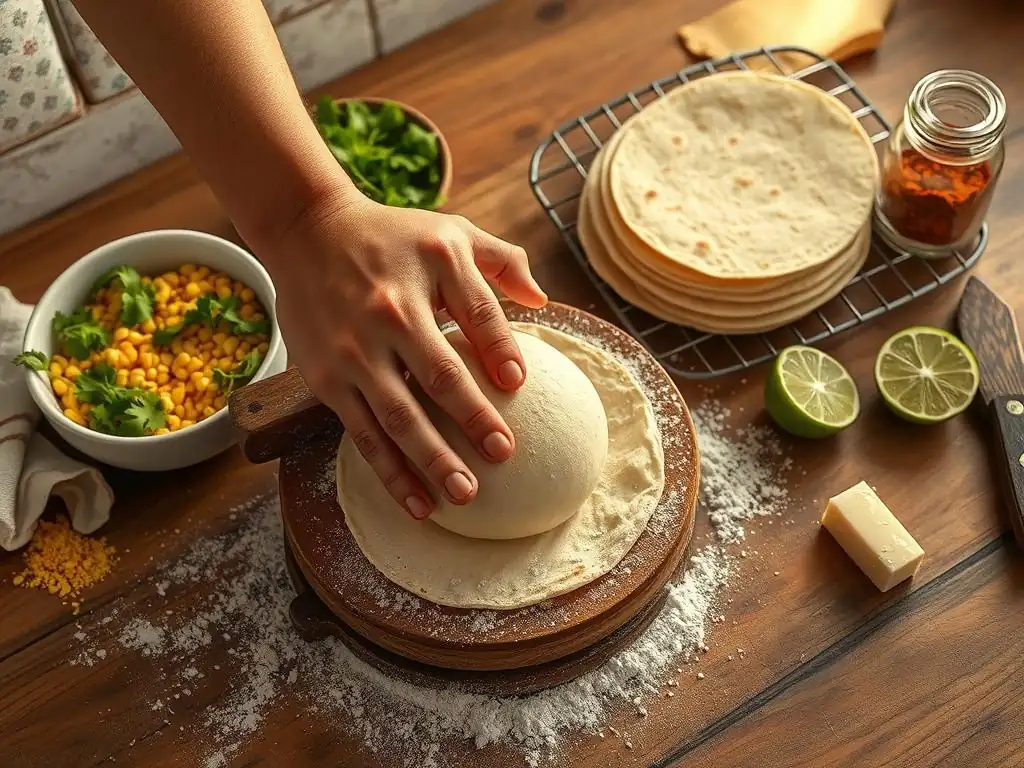
Essential Ingredients for Authentic Tortillas
Mexican tortillas, whether corn or flour, are perhaps the simplest flatbreads in terms of ingredients. For corn tortillas, you only need masa harina (a specially treated corn flour), warm water, and salt. The quality of the masa harina is key here. For flour tortillas, the ingredients are also minimal: all-purpose flour, warm water, salt, and typically a fat like lard, vegetable shortening, or oil. The fat contributes to their softness and pliability.
- Corn Tortillas:
- Masa harina
- Warm water
- Salt
- Flour Tortillas:
- All-purpose flour
- Warm water
- Salt
- Lard, shortening, or oil
Making Tortillas from Scratch
For corn tortillas, combine the masa harina and salt in a bowl, then gradually add the warm water, mixing until a cohesive dough forms. Knead briefly until smooth and no longer sticky. The dough should feel like Play-Doh. For flour tortillas, whisk together the flour and salt, cut in the fat until crumbly, then add warm water and mix until a dough forms. Knead for 5-8 minutes until smooth and elastic. For both types, cover the dough and let it rest for 15-30 minutes.
Divide the dough into small balls (about 1-2 inches in diameter, depending on your desired tortilla size). For corn tortillas, place each ball between two pieces of plastic wrap or parchment paper and flatten using a tortilla press or by rolling with a rolling pin. For flour tortillas, roll each ball into a thin circle, about 6-8 inches in diameter.
Heat a dry comal or cast iron skillet over medium-high heat until very hot. Cook each tortilla for about 30-60 seconds per side, or until lightly browned spots appear and the tortilla is cooked through. Stack cooked tortillas and keep them covered with a clean towel to stay warm and pliable.
Tortilla Variations
While the classic corn and flour tortillas are foundational, there are many regional variations and ways to adapt these easy international flatbread recipes bake. You can add finely chopped herbs like cilantro or chives to the flour tortilla dough, or even a pinch of chili powder for a subtle kick. Blue corn masa harina is available for making blue corn tortillas, which have a slightly different flavor and striking color.
Larger flour tortillas become burritos or quesadillas, while smaller ones are perfect for tacos. Corn tortillas can be fried crisp for tostadas or tortilla chips, or softened in broth for enchiladas. Experimenting with different fats in flour tortillas (like butter or olive oil) will slightly alter the texture and flavor. The simplicity of the base recipes makes them ideal for personalization.
Recipe 4: Italian Piadina
Piadina Ingredients
Piadina Romagnola is a thin Italian flatbread from the Emilia-Romagna region. Its ingredients are simple: wheat flour (typically all-purpose or a mix with some soft wheat flour), water or milk, lard (traditionally) or olive oil, baking soda or baking powder, and salt. The use of lard is traditional and contributes to the unique texture, though oil is a common substitute for a lighter version. Unlike many other flatbreads, it often uses a chemical leavener rather than yeast.
- All-purpose or soft wheat flour
- Water or milk
- Lard or olive oil
- Baking soda or baking powder
- Salt
Baking Piadina on the Stovetop
Combine the flour, baking soda (or powder), and salt in a bowl. Cut in the lard or rub in the olive oil until the mixture resembles coarse crumbs. Gradually add the water or milk, mixing until a dough forms. Knead the dough on a lightly floured surface for about 5-10 minutes until it is smooth and elastic. Cover the dough and let it rest for at least 30 minutes, or up to an hour, at room temperature. This rest helps the gluten relax, making the dough easier to roll thinly.
Divide the dough into 4-6 equal pieces and roll each piece into a very thin circle, about 8-10 inches in diameter and roughly 1/8 inch thick. Prick the surface of each piadina several times with a fork to prevent large bubbles from forming. Heat a large, heavy-bottomed pan or griddle (a cast iron skillet works well) over medium heat. Cook each piadina for 3-4 minutes per side, or until golden brown spots appear and the surface is lightly blistered. Avoid cooking at too high a heat, as they can brown too quickly without cooking through.
Piadina Serving Ideas
Piadina is traditionally served folded in half or quarters and filled with a variety of ingredients. A classic filling is squacquerone cheese (a soft, fresh cheese from the region), prosciutto crudo, and arugula. Other popular fillings include cooked greens like spinach or chard, various Italian cured meats (salame, coppa), or even Nutella for a sweet treat.
These simple flatbreads are perfect for a quick lunch or light dinner. They are best served warm, right off the griddle. You can make the dough ahead of time and store it in the refrigerator for a day or two, then simply roll and cook the piadina as needed. When you bake easy international flatbread recipes like piadina, you bring a taste of Italian street food right into your kitchen.
Recipe 5: Korean Kimchi Jeon (Kimchi Pancake)
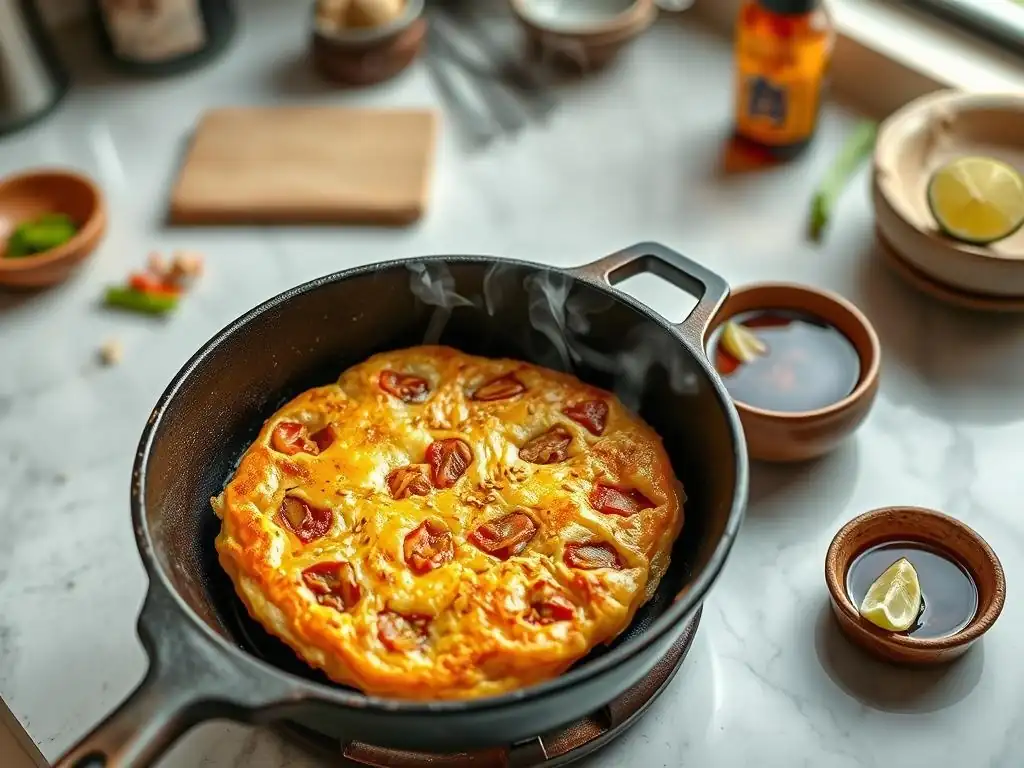
Kimchi Jeon Ingredients
Kimchi Jeon is a savory Korean pancake or fritter, often considered a type of flatbread due to its pan-cooked nature and use as a base for other ingredients. The core ingredients are chopped kimchi (fermented cabbage), flour (usually all-purpose), water or kimchi brine, and sometimes an egg for binding. Additional ingredients like sliced onions, scallions, or other vegetables are common additions. The key flavor comes directly from the kimchi itself.
- Chopped kimchi (well-fermented works best)
- Kimchi brine (optional, adds flavor and moisture)
- All-purpose flour
- Water
- Egg (optional)
- Optional: Sliced onion, scallions, seafood (shrimp, squid)
Baking Delicious Kimchi Jeon
To make the batter, combine the flour, water, and optional egg in a bowl and whisk until smooth, similar to a pancake batter but perhaps slightly thicker. Stir in the chopped kimchi and any optional vegetables or seafood. If your kimchi is not very juicy, you can use some of the kimchi brine instead of plain water for extra flavor and a reddish hue. The batter should be thick enough to hold the mix-ins but still pourable.
Heat a generous amount of oil (vegetable or neutral oil) in a non-stick skillet over medium-high heat. Pour about 1/2 to 1 cup of batter into the hot pan, spreading it out evenly to form a circle about 8-10 inches in diameter and about 1/4 to 1/2 inch thick. Cook for 5-7 minutes per side, or until the edges are crispy, the center is cooked through, and both sides are golden brown and slightly charred in spots. You may need to add more oil when flipping.
Jeon Variations
Kimchi Jeon is just one popular type of jeon (Korean savory pancake). Other variations include Pajeon (scallion pancake), Buchujeon (garlic chive pancake), or Haemul Pajeon (seafood and scallion pancake). The basic batter recipe can be adapted by swapping out the kimchi for other ingredients like seafood, vegetables (zucchini, potatoes, mushrooms), or even mung beans ( Bindae-tteok).
These easy international flatbread recipes bake up quickly on the stovetop and make fantastic appetizers, snacks, or light meals. They are typically served with a simple dipping sauce made from soy sauce, vinegar, and sometimes a pinch of gochugaru (Korean chili flakes) or sesame seeds. The crispy edges and savory interior make them incredibly addictive.
Mastering International Flatbread Recipes
Tips for Adapting Flatbread Recipes
Once you've tried these basic easy international flatbread recipes bake, you'll find they are highly adaptable. One common adaptation is substituting different flours. For instance, you can experiment with a percentage of whole wheat flour in naan or pita dough for a nuttier flavor and increased fiber. Gluten-free flour blends can often be used, though they may require adjustments to liquid ratios and kneading times, as gluten is key to the structure of many flatbreads.
Adding flavorings is another simple way to customize. Herbs like rosemary or thyme can be kneaded into foccacia-like flatbread doughs (another great flatbread!). Spices such as cumin or coriander work well in Indian or Middle Eastern types. Finely chopped garlic, grated cheese, or even mashed cooked vegetables like potato can be incorporated into the dough or batter before cooking. Don't be afraid to play with the classic formulas – start with a small batch to see how the changes affect texture and taste.
Troubleshooting Common Flatbread Baking Issues
Even with easy international flatbread recipes bake, you might encounter a few common issues. If your yeast-leavened flatbreads like naan or pita aren't puffing, the culprit is usually either inactive yeast, insufficient rising time, or the cooking surface not being hot enough. Ensure your water temperature for activating yeast is correct (around 105-115°F / 40-46°C for active dry) and your oven or pan is preheated thoroughly to a high temperature.
If your tortillas or piadina are coming out stiff or cracking, it's often due to insufficient hydration or not enough fat in the dough (for flour tortillas/piadina) or overcooking. Ensure your dough is soft and pliable before resting and rolling. Rest time is crucial for gluten relaxation, making rolling easier and preventing shrinking or tearing. Cook stovetop flatbreads just until spotty and cooked through, avoiding excessive drying out on the heat. Practice makes perfect; your first few might not be perfect, but you'll quickly get a feel for the right dough consistency and cooking time.
Conclusion: Embark on Your Flatbread Baking Journey
Enjoy the Diversity of Global Flatbreads
Exploring the world of flatbreads through baking is a delightful culinary adventure. From the simple elegance of tortillas and piadina cooked on a griddle to the satisfying puff of naan and pita baked in intense heat, these recipes offer a window into global cuisines. They prove that baking doesn't have to be complicated to be incredibly rewarding and delicious. Learning to bake easy international flatbread recipes opens up a world of pairing possibilities for your meals.
We encourage you to dive in and try baking these international favorites. Start with one that excites you the most and follow the steps. You'll quickly discover the joy of pulling warm, fragrant flatbreads straight from your kitchen. These easy international flatbread recipes bake up quickly, making them perfect for weeknight meals or weekend projects. So gather your simple ingredients, heat up your pan or oven, and enjoy the incredible diversity and ease of baking flatbreads from around the globe.
Frequently Asked Questions
What types of international flatbreads can I find on BakeWithEase.com?
You can discover easy international flatbread recipes from various cultures, including naan, pita, and tortillas, all featuring step-by-step guides.
Are the flatbread recipes suitable for beginners?
Absolutely! The recipes are designed for bakers of all levels, making them perfect for both beginners and those looking to refine their baking skills.
Do I need special ingredients for these flatbreads?
Most recipes utilize easy-to-find ingredients, ensuring that you can bake delicious flatbreads without needing to source hard-to-find items.
Can I customize the flatbread recipes?
Yes! Each recipe allows for personalization, so you can experiment with different herbs, spices, and toppings to suit your taste.
Where can I find tips for perfecting my flatbread technique?
BakeWithEase.com offers a wealth of techniques and tips to help you master the art of flatbread baking, ensuring your results are consistently delicious.
Final Reflection: The Global Embrace of Simple Baking
The ease of baking international flatbreads transcends mere culinary convenience; it's a passport to cultural understanding and a celebration of shared human experience. From the rustic charm of a simple roti to the airy lightness of a lavash, these recipes offer a window into diverse traditions, readily accessible in our own kitchens. The global reach of these simple recipes demonstrates a powerful connection between food and culture, proving that deliciousness knows no borders.
The impact of these easily accessible recipes extends beyond individual kitchens; they foster a sense of global community, allowing us to connect with different cultures through the shared experience of cooking and eating. Food is symbolic of love when words are inadequate.
– Alan D. Wolfelt. This quote perfectly encapsulates the emotional connection we forge through the act of preparing and sharing these flatbreads, fostering understanding and appreciation for diverse culinary heritages. The simple act of baking becomes a bridge, connecting us across continents and cultures.
Now, I invite you to embrace the adventure. Don't just read these recipes; experience them. Choose a flatbread that calls to you, gather your ingredients, and let the aroma of baking bread fill your home. Share your creations with friends and family, and in doing so, share a piece of the world's rich culinary tapestry. Let the simple act of baking become a journey of discovery, a testament to the unifying power of food, and a celebration of the diverse flavors that enrich our lives.
Unleash Your Inner Baker: A Global Flatbread Adventure Awaits!
Thanks for joining us on this delicious journey through the world of flatbreads! We hope you’ve discovered some new favorites and gained the confidence to create amazing flatbreads at home. Now it’s time to put your newfound skills to the test!
- Bake your favorite flatbread today! Choose one recipe from the article and get baking. Don't be afraid to experiment with different flours and toppings.
- Share your culinary creation! Snap a picture of your masterpiece and post it on social media using #BakeWithEaseFlatbreads. Let's see those delicious results!
- Explore our other global baking recipes for even more culinary inspiration. You might be surprised by what you discover!
What unique twist will you add to your next flatbread creation? Let us know in the comments below!