
The Benefits of Using Malt in Baguette Dough

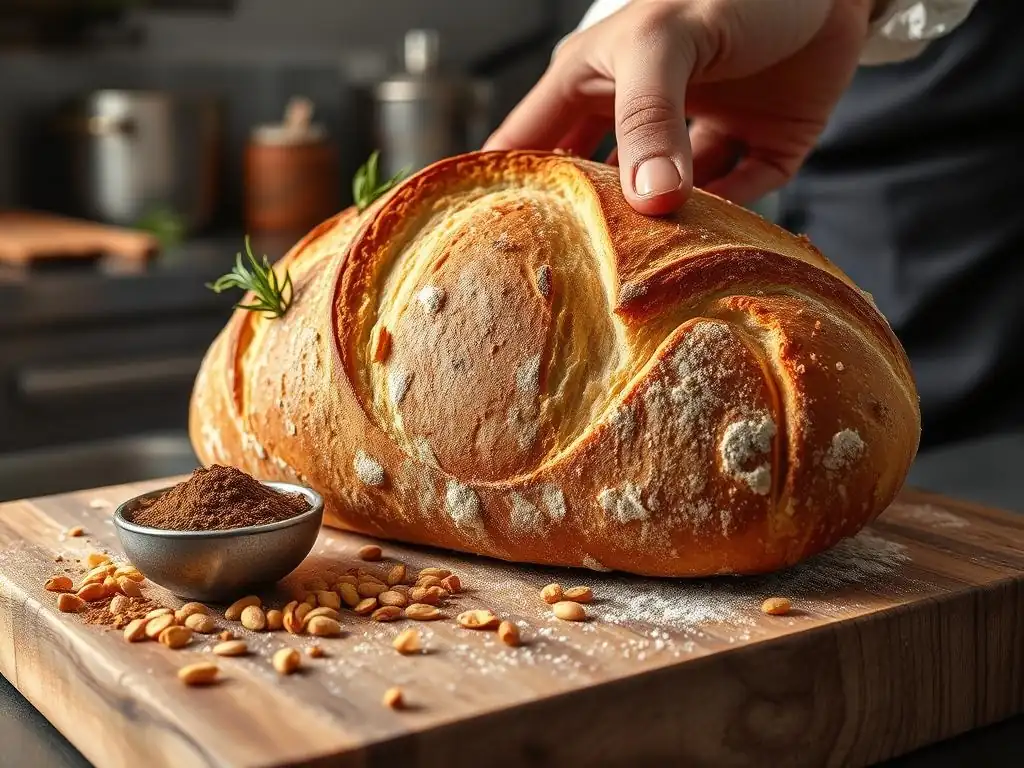
Welcome to BakeWithEase, where baking becomes a joy, not a chore! Ever wondered what secret ingredient can elevate your baguette from good to unforgettable? Our latest article delves into just that, exploring the surprising benefits of using malt in our signature malt baguette dough recipe. Discover how this simple addition unlocks a depth of flavor and texture you never thought possible. Ready to bake the perfect baguette?
- The Benefits of Using Malt in Baguette Dough: Bake Better Baguettes
- Introduction to Malt in Artisan Baguette Baking
- Understanding Malt and Its Types for Baguettes
-
The Key Benefits of Adding Malt to Your Baguette Dough
- Enhanced Flavor Profile: Unlock Richer Flavors in Your Baguettes
- Improved Crust Development: Achieving That Perfect Crispy Crust
- Enhanced Dough Strength and Workability: Make Handling Easier
- Better Fermentation and Rise: Optimizing Your Dough's Potential
- Increased Shelf Life: Keeping Your Baguettes Fresher Longer
- Malt Baguette Dough Recipe: A Step-by-Step Guide
- Troubleshooting Your Malt Baguette Dough
- Advanced Techniques: Exploring Different Malt Varieties in Baguettes
- Conclusion: Elevate Your Baguette Baking with Malt
- Frequently Asked Questions
- Final Reflection: The Enduring Magic of Malt in Baguette Baking
- Unleash the Malt Magic in Your Next Baguette!
The Benefits of Using Malt in Baguette Dough: Bake Better Baguettes
Introduction to Malt in Artisan Baguette Baking
Why Malt Matters for the Perfect Baguette
Adding malt to your baguette dough recipe isn't just an optional step; it's a technique that can profoundly elevate the quality of your final product. Malt, typically derived from barley, contains enzymes that break down starches into sugars.
These sugars are crucial for several reasons: they feed the yeast during fermentation, contribute significantly to the crust's browning and crispness during baking, and enhance the overall flavor profile with subtle sweetness and complexity. Without sufficient enzymatic activity, especially when using flours that are lower in natural enzymes, your dough might ferment slowly, result in a pale crust, and lack depth of flavor.
Beyond fermentation and color, malt also impacts the dough's structure. The sugars produced contribute to the Maillard reaction and caramelization during baking, giving the baguette its signature golden-brown hue and irresistible aroma. Bakers often find that incorporating even a small percentage of malt, perhaps around 0.5% to 1% of the flour weight, can make a noticeable difference in the texture and appearance of the crumb and crust. This subtle addition can be the secret ingredient that transforms a good baguette into a truly exceptional one, making your malt baguette dough recipe stand out.
BakeWithEase: Elevating Your Baguette Baking Skills
At BakeWithEase, we believe that mastering artisan bread like baguettes should be accessible and rewarding for every home baker. Understanding the role of ingredients like malt is key to achieving professional-level results in your own kitchen. Our guides and recipes are designed to demystify techniques that might seem complex, breaking them down into manageable steps. By exploring how malt influences fermentation, dough handling, and the final baked characteristics, you gain the knowledge to troubleshoot common issues and consistently produce beautiful, delicious baguettes.
Learning to incorporate malt correctly into your baguette dough recipe is a prime example of how small adjustments can yield significant improvements. We provide clear explanations of why certain steps or ingredients are important, empowering you to not just follow a recipe, but to truly understand the baking process. Whether you're aiming for a super crispy crust, a more open crumb structure, or simply a richer flavor, integrating malt thoughtfully into your baking routine, guided by BakeWithEase, will help you achieve your goals and bake with greater confidence and success.
Understanding Malt and Its Types for Baguettes
Diastatic Malt vs. Non-Diastatic Malt: Choosing the Right One for Your Malt Baguette Dough Recipe
When selecting malt for your baguette dough recipe, the most critical distinction is between diastatic and non-diastatic malt. Diastatic malt contains active enzymes, primarily amylase, which are capable of breaking down starch into sugars. This enzymatic activity is vital for providing food for the yeast during fermentation and ensuring good crust color.
Using diastatic malt is generally recommended for bread doughs, especially those made with flours that are lower in natural enzymatic activity, as it directly impacts fermentation speed and browning. Typically, only a small amount is needed, perhaps 0.5% to 1.5% of the flour weight; too much can lead to overly sticky dough and a gummy crumb.
Non-diastatic malt, on the other hand, has had its enzymes deactivated, usually through heat. While it still imparts flavor and color due to its sugars, it does not contribute to enzymatic activity for fermentation or starch conversion. Non-diastatic malt is often used more for its flavor profile and as a coloring agent in various baked goods, including some bread recipes where enzymatic power isn't the primary goal. For a classic malt baguette dough recipe focused on optimal fermentation and crust development, diastatic malt is the preferred choice to ensure sufficient enzymatic action for yeast activity and browning.
Malt Extract vs. Malt Powder: Which Form is Best?
Malt is available in several forms, most commonly as a liquid extract or a dry powder. Malt extract is a concentrated syrup produced from malted grain. It's often used in brewing but is also suitable for baking. Liquid malt extract is less enzymatic than diastatic malt powder and is primarily used for flavor, color, and providing some residual sugars. It can be a bit sticky and harder to measure precisely in small amounts compared to powder.
Malt powder, particularly diastatic malt powder, is the form most frequently recommended for adding enzymatic power to bread doughs like a malt baguette dough recipe. It's made by drying and milling malted grain. The powder form integrates easily into dry ingredients and allows for precise measurement, which is crucial given the small quantities typically used. For bakers looking to maximize the enzymatic benefits that lead to improved fermentation, crust color, and crumb structure, diastatic malt powder is generally considered the most effective and convenient option for their baguette baking endeavors.
The Key Benefits of Adding Malt to Your Baguette Dough
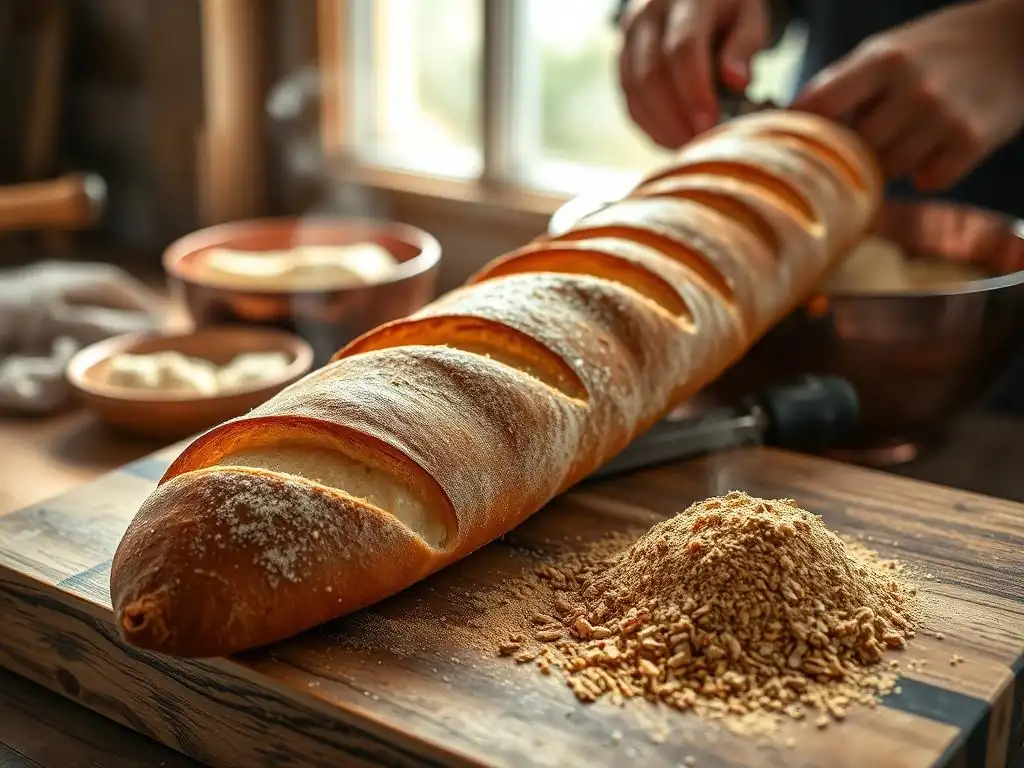
Enhanced Flavor Profile: Unlock Richer Flavors in Your Baguettes
One of the most appreciated benefits of incorporating malt into your baguette dough recipe is the significant enhancement of the flavor profile. The enzymatic breakdown of starches into sugars by diastatic malt contributes to a subtle sweetness and complexity that complements the savory notes of the fermented dough. These new sugars, along with existing ones, participate in the Maillard reaction during baking, creating hundreds of flavor compounds responsible for the characteristic aroma and taste of well-baked bread. Think of the difference between plain toast and deeply browned toast – the browning isn't just visual; it's a flavor transformation.
Beyond the enzymatic effects, the malt itself imparts distinct malty notes, ranging from slightly sweet and nutty to deeply caramelized, depending on the type and amount used. Even a small addition, like 0.7% diastatic malt powder, can introduce layers of flavor that are absent in a dough without malt. This depth makes the baguette more appealing and adds a professional touch. For instance, some artisan bakers report a perceived increase in "breadiness" and a more satisfying, lingering aftertaste when using malt, making the simple ingredients of a baguette truly sing.
Improved Crust Development: Achieving That Perfect Crispy Crust
Malt plays a critical role in achieving the iconic crispy, golden-brown crust of a classic baguette. The sugars made available by diastatic malt enzymes, along with any inherent sugars in the flour or added, caramelize during the high-heat baking process. This caramelization is responsible for the rich color, from golden to deep mahogany, and contributes significantly to the desirable crisp texture. Doughs lacking sufficient sugar development, whether from low enzymatic activity or insufficient fermentation time, often result in a pale, less appealing crust that lacks the desired snap.
Furthermore, the Maillard reaction, which occurs simultaneously with caramelization, is also fueled by the presence of sugars and amino acids. This complex chemical process creates the savory, toasted aromas and flavors associated with a perfectly baked crust. Using diastatic malt ensures an adequate supply of reactive sugars, promoting both robust caramelization and Maillard reactions. Many bakers observe a noticeable difference in crust color intensity and crispness when they add just 1% diastatic malt compared to using flour with low natural enzymatic activity alone, leading to that satisfying shatter when you bite into a fresh baguette.
Enhanced Dough Strength and Workability: Make Handling Easier
While primarily known for its impact on fermentation and crust, malt can also subtly influence dough handling. The enzymatic activity, when properly balanced, can help condition the gluten structure. Amylase breaks down starches, while other enzymes present in malt can have a minor impact on proteins. This conditioning, in conjunction with proper hydration and fermentation, can lead to a dough that is extensible yet strong, making it easier to shape into long baguettes without tearing.
However, it's crucial to use malt in the correct proportions, typically well under 2% of the flour weight in a malt baguette dough recipe. Using too much diastatic malt can have the opposite effect; excessive enzymatic activity can degrade the gluten structure too much, resulting in a sticky, slack dough that is difficult to handle and shape, and can lead to a dense, gummy crumb. When used judiciously, malt contributes to a dough that proofs beautifully and holds its shape well during baking, simplifying the process for the baker.
Better Fermentation and Rise: Optimizing Your Dough's Potential
Diastatic malt provides readily available sugars that yeast can consume, leading to more vigorous and consistent fermentation. Even if your flour has some natural enzymatic activity, adding a controlled amount of diastatic malt ensures there's ample food for the yeast throughout the fermentation period, including the long, slow ferments often used for baguettes to develop flavor. This steady food supply helps the yeast produce carbon dioxide more efficiently, resulting in a better rise and a more open, airy crumb structure.
Consider a scenario where you're using a flour with low amylase activity. Without added diastatic malt, the yeast might struggle to find enough food, leading to slow, sluggish fermentation and a poor rise. By incorporating, say, 0.8% diastatic malt into your malt baguette dough recipe, you provide the necessary substrate for the yeast, ensuring a more predictable and robust fermentation process. This leads to a dough that doubles effectively during bulk fermentation and proofs well, setting the stage for a great oven spring and a light, desirable crumb texture.
Increased Shelf Life: Keeping Your Baguettes Fresher Longer
The presence of malt and the sugars it produces can also contribute to a slightly improved shelf life for your baguettes. Sugars are hygroscopic, meaning they attract and retain moisture. By increasing the sugar content in the crumb, malt can help the bread retain moisture for a longer period after baking, delaying the staling process, which is primarily the retrogradation of starch.
While baguettes are notoriously best eaten the day they are baked due to their high crust-to-crumb ratio and lean dough composition, the subtle moisture retention provided by malt can make a difference, perhaps keeping the interior slightly softer for an extra few hours or even into the next day compared to a malt-free version. This marginal improvement in moisture retention, combined with the enhanced flavor and crust, adds another layer of benefit to incorporating malt into your malt baguette dough recipe.
Malt Baguette Dough Recipe: A Step-by-Step Guide
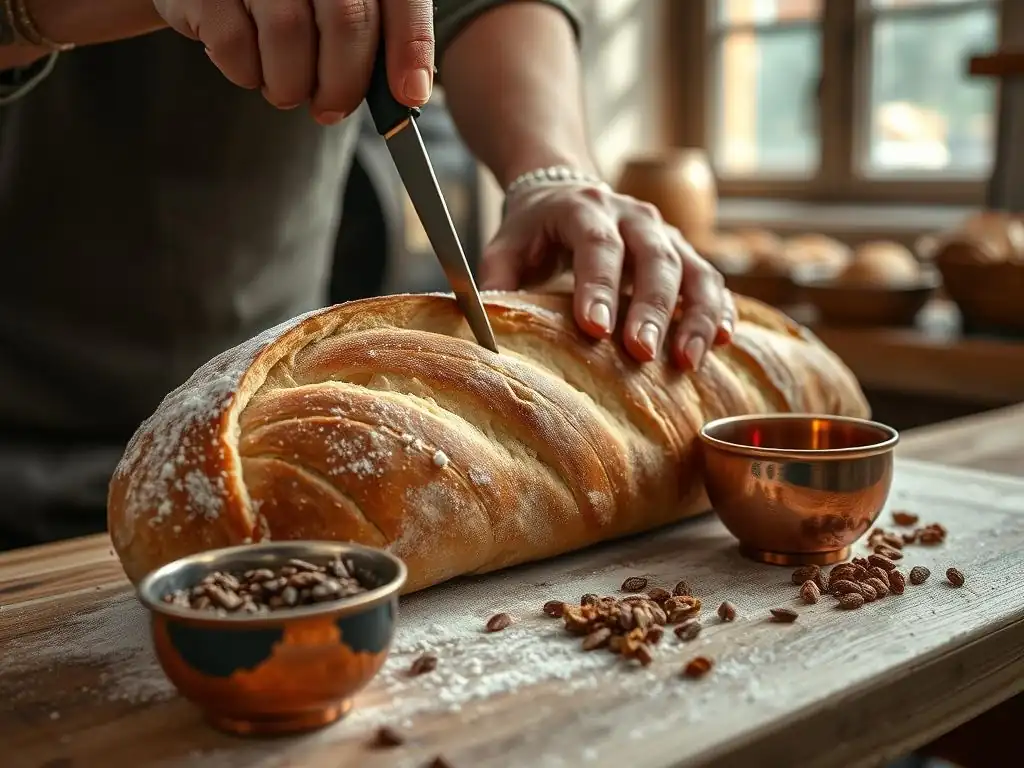
Ingredients for the Perfect Malt Baguette
Crafting a delicious malt baguette starts with quality ingredients. Here's a typical list for a batch of baguettes:
*   500g Strong Bread Flour
*   350g Lukewarm Water (approx. 70% hydration)
*   10g Fine Sea Salt
*   2g Instant Dry Yeast (or 6g Fresh Yeast)
*   4g Diastatic Malt Powder (approx. 0.8% of flour weight)
This ratio provides a good starting point for a classic malt baguette dough recipe, balancing hydration for a good crumb with the necessary structure for shaping. The small amount of diastatic malt powder is crucial for achieving the desired fermentation activity and crust characteristics. Ensure your malt powder is fresh and specifically labeled as diastatic for best results.
Step 1: Preparing the Malt-Infused Dough
Begin by combining the lukewarm water, yeast, and diastatic malt powder in a large mixing bowl. Stir gently to dissolve the yeast and malt. In a separate bowl, weigh your flour and salt. Add the dry ingredients to the wet ingredients. Using a wooden spoon or your hands, mix until a shaggy dough forms and there are no dry patches of flour remaining.
Turn the dough out onto a lightly floured surface or keep it in the bowl if mixing by hand. Knead the dough for about 10-15 minutes, or use a stand mixer with a dough hook on low speed for 6-8 minutes, until the dough is smooth and elastic. It should pass the windowpane test, where a small piece can be stretched thinly without tearing. Incorporating the malt at this stage ensures it is evenly distributed throughout the dough, allowing its enzymes to begin their work effectively as soon as fermentation starts.
Step 2: Bulk Fermentation and Folding Techniques
Place the kneaded dough in a lightly oiled bowl, cover it tightly with plastic wrap or a damp towel, and let it ferment at room temperature (around 70-75°F or 21-24°C) for 2-3 hours, or until it has nearly doubled in size. During this bulk fermentation, perform 2-3 sets of stretch and folds at 45-60 minute intervals.
To stretch and fold, gently lift one side of the dough, stretch it upwards, and fold it over the center. Rotate the bowl and repeat with the other three sides. This process helps develop gluten strength, evens out the dough temperature, and redistributes the yeast and sugars, including those generated by the malt. The dough should become progressively smoother and more elastic with each fold, holding its shape better.
Step 3: Shaping the Baguettes
Once the bulk fermentation is complete, gently turn the dough out onto a lightly floured surface. Divide the dough into equal portions, typically weighing between 250g and 300g for standard baguettes. Gently pre-shape each portion into a rough rectangle or oval and let them rest, covered, for 15-20 minutes. This resting period allows the gluten to relax, making the final shaping easier.
For the final shape, take one piece of dough. Flatten it gently into a rectangle. Fold the top edge down to the center and press firmly. Fold the dough in half lengthwise and seal the seam tightly with the heel of your hand. Roll the dough back and forth, starting from the center and working outwards, to lengthen it into a cylinder about 15-18 inches long, tapering the ends slightly. Aim for even tension along the length.
Step 4: Proofing for Optimal Texture
Proper proofing is essential for the final texture of your malt baguette. Place the shaped baguettes onto a floured baker's linen (couche) or parchment paper placed on a baking sheet, seam-side up, with folds of linen or paper between them to prevent sticking and help them maintain their shape. Cover loosely with plastic wrap or a large, inverted container.
Proof the baguettes at room temperature for 45-75 minutes, or until they are visibly puffy and have increased in size by about 50-75%. You can test readiness by gently pressing a finger into the dough; if the indentation springs back slowly and not completely, they are ready to bake. If it springs back immediately, they need more time. Over-proofing can lead to a poor rise and pale crust, despite the malt.
Step 5: Baking for a Golden-Brown Crust
Preheat your oven with a baking stone or steel inside to a high temperature, typically 450-475°F (230-245°C), for at least 30-45 minutes. Create steam in the oven, which is crucial for a crispy crust. You can do this by placing a tray of hot water on the bottom rack or by using lava rocks or a cast iron pan filled with water.
Carefully transfer the proofed baguettes to the hot baking surface. Score the tops of the baguettes with a sharp razor blade or lame at a slight angle, making 3-5 overlapping cuts along the length. This allows the bread to expand controllably. Bake for 20-25 minutes, or until the baguettes are deeply golden brown and sound hollow when tapped on the bottom. The sugars from the malt will contribute significantly to this rich color.
Troubleshooting Your Malt Baguette Dough
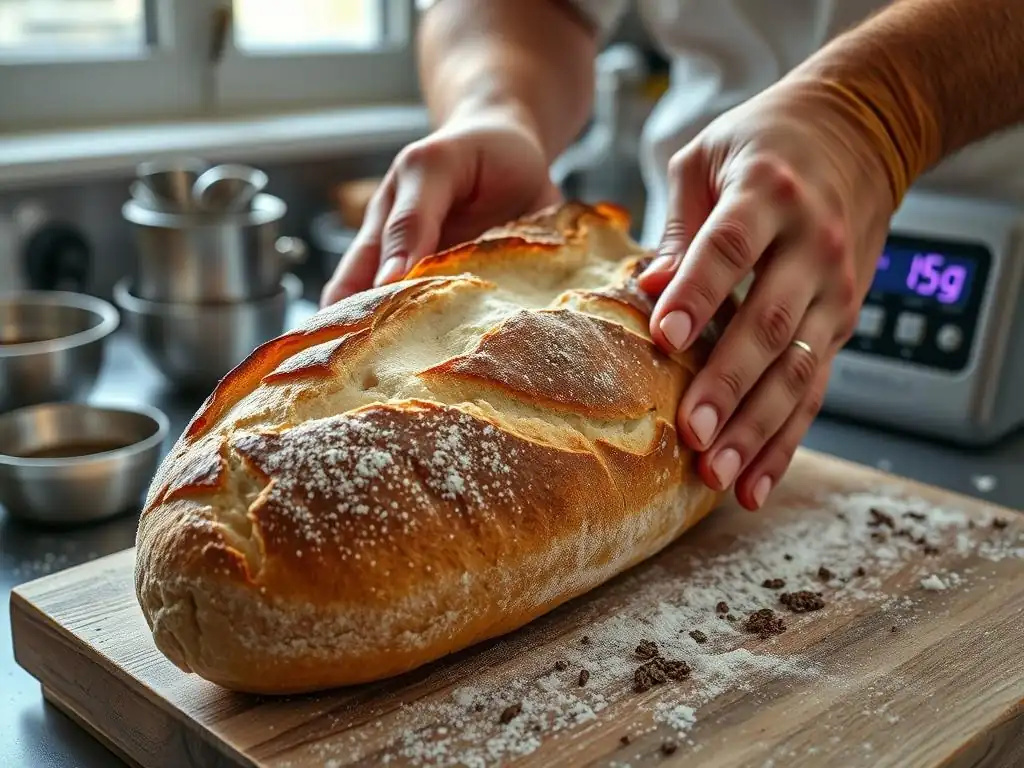
Common Issues and How to Solve Them
Even with a solid malt baguette dough recipe, you might encounter issues. If your crust is pale despite using malt, check your oven temperature and steam setup. Insufficient heat or lack of steam will hinder browning and crispness. Ensure your oven thermometer is accurate and create ample steam for the first 10-15 minutes of baking. If the dough is too sticky and hard to handle, you might have added too much water for your flour type, or potentially too much diastatic malt, which can degrade gluten. Reduce hydration slightly in your next batch and double-check your malt measurement.
If your baguettes didn't rise well, consider the freshness of your yeast or the temperature of your fermentation. Cold temperatures slow fermentation significantly. Ensure your water isn't too hot or cold for the yeast. Also, verify that your diastatic malt is active; old or improperly stored malt can lose its enzymatic power. If the crumb is dense or gummy, it could be due to under-proofing, over-mixing, or again, potentially too much diastatic malt breaking down the gluten structure excessively. Adjust your proofing time and ensure accurate ingredient measurements.
Adjusting Malt Levels for Different Flours
The optimal amount of diastatic malt in your baguette dough recipe can vary depending on the flour you use. Flours vary in their natural enzymatic activity. High-extraction flours or flours milled from certain wheat varieties may have higher inherent amylase activity than refined white bread flour. Using too much diastatic malt with a flour already high in enzymes can lead to excessive starch breakdown, resulting in a sticky dough, poor oven spring, and a gummy interior.
As a general guideline, start with around 0.5% to 1% of the flour weight for most standard bread flours. If you are using a specialized flour known to be very low in enzymes, you might slightly increase the amount, but rarely exceed 1.5%. Conversely, if your flour produces very sticky dough even with minimal malt, consider reducing the percentage or ensuring your flour isn't pre-malted. It's often best to start low and adjust in subsequent bakes based on the results – observing fermentation speed, dough handling, and the final crust color and crumb texture.
Advanced Techniques: Exploring Different Malt Varieties in Baguettes
Experimenting with Different Malt Flavors
While diastatic malt powder is primarily used for its enzymatic activity, experimenting with different types of malt can introduce fascinating flavor nuances to your malt baguette dough recipe. Beyond standard barley malt, you can find malted wheat or rye. Malted wheat can add a subtle sweetness and tenderness, while malted rye offers a more distinct, slightly spicy, and earthy note. These are often available in non-diastatic forms, meaning they contribute flavor and color without significant enzymatic activity.
Introducing a small amount of non-diastatic malt extract or powder, perhaps 1-2% of the flour weight, alongside your diastatic malt (or even without it if your flour is enzyme-rich) can layer complex flavors. For example, using a touch of dark non-diastatic malt extract can lend a hint of caramel or toffee, enriching the background notes of the baguette. This kind of experimentation allows you to customize your malt baguette dough recipe, moving beyond the basic benefits to create truly unique and signature loaves.
Using Malt Syrup for a Unique Sweetness
Malt syrup, typically a non-diastatic liquid extract, can be incorporated into your baguette dough not only for flavor and color but also to provide a different kind of sweetness and moisture retention compared to malt powder. Because it's a syrup, it adds hydration and incorporates sugars directly into the dough matrix. Using malt syrup, perhaps replacing a small percentage of the water or added sugar in a recipe (if any), can result in a slightly chewier crumb and a richer, glossier crust.
While diastatic malt powder is preferred for enzymatic power, malt syrup is excellent for flavor and color development, especially if you want to achieve a deep brown crust without relying solely on enzymatic browning. It provides readily available complex sugars that caramelize beautifully. For a malt baguette dough recipe where you want pronounced malty sweetness and a darker crust, substituting a small amount of water with malt syrup (adjusting total hydration accordingly) is an advanced technique worth exploring for its unique contribution to the final product.
Conclusion: Elevate Your Baguette Baking with Malt
Mastering the Art of the Malt Baguette Dough Recipe
Incorporating malt into your baguette dough recipe is a powerful technique that unlocks a range of benefits, from enhanced flavor and improved crust development to better fermentation and easier dough handling. Understanding the difference between diastatic and non-diastatic malt, as well as the forms they come in, allows you to make informed choices that directly impact the success of your bake. By providing vital food for yeast and ensuring sufficient sugars for browning and flavor complexity, malt transforms simple flour and water into a truly artisan loaf.
Mastering the malt baguette dough recipe involves not just following steps, but understanding the why behind them. Paying attention to ingredient ratios, fermentation times, dough handling, and baking conditions, all while appreciating the subtle yet significant role of malt, will lead to consistently excellent results. Don't be afraid to experiment slightly with malt levels or types once you've mastered the basics, tailoring the process to your specific flour and desired outcome.
BakeWithEase: Your Partner in Baking Excellence
At BakeWithEase, we are passionate about helping you achieve baking excellence in your own kitchen. Our detailed guides, like this exploration of malt in baguettes, provide the knowledge and confidence you need to tackle artisan techniques. We aim to make the journey of baking rewarding and enjoyable, turning potential frustrations into learning opportunities.
By utilizing resources from BakeWithEase and applying the principles discussed here regarding your malt baguette dough recipe, you are well-equipped to bake baguettes that rival those from your favorite bakery. Embrace the process, pay attention to the details, and most importantly, enjoy the delicious results of your efforts. Happy baking!
Frequently Asked Questions
What is malt and why is it used in baguette dough?
Malt is a processed grain that adds flavor and improves the dough's fermentation process. It enhances the color and texture of the baguette, making it more appealing.
How does malt affect the flavor of baguettes?
Using malt in baguette dough contributes to a rich, slightly sweet flavor and can create a more complex taste profile. It also helps to achieve the ideal crust when baked.
Can I use a malt substitute in my baguette recipe?
Yes, you can use alternatives like honey or brown sugar, but keep in mind that they may alter the final flavor and texture of your baguette. Experimenting can lead to interesting results!
Is the malt baguette dough recipe suitable for beginners?
Absolutely! The malt baguette dough recipe provided on BakeWithEase is designed to be simple and accessible, making it perfect for bakers at any skill level.
Where can I find the malt baguette dough recipe?
You can find the malt baguette dough recipe along with helpful tips and techniques directly on the BakeWithEase.com website, ensuring you have everything you need to get started!
Final Reflection: The Enduring Magic of Malt in Baguette Baking
The subtle alchemy of malt in baguette dough isn't just a trend; it's a key to unlocking a superior loaf, a testament to the enduring power of tradition and innovation in baking. This article explored the multifaceted benefits of malt – from enhancing crust color and flavor to improving crumb structure and extending shelf life – proving its worth as an essential ingredient for any serious baker aiming for that perfect baguette. The impact is clear: a better-tasting, longer-lasting, and more visually appealing final product.
The journey of discovering the perfect baguette is a deeply personal one, a quest for that ideal balance of crisp crust and airy crumb. Malt, I've found, plays a crucial role in this journey. It's more than just an ingredient; it's a bridge connecting generations of bakers, a testament to the enduring wisdom passed down through time. The simplest things are often the most profound,
a wise baker once told me, and the transformative power of a simple malt addition to baguette dough perfectly embodies this truth.
Now, it's your turn. Consider the subtle nuances of flavor and texture that malt brings to the table. Experiment with different types of malt, adjust the quantities, and observe the results. Don't be afraid to deviate from the traditional path; the most rewarding discoveries often lie just beyond the familiar. Embrace the process, savor the aroma of freshly baked bread, and unlock the magic of malt in your own baguette baking journey. The perfect loaf awaits.
Unleash the Malt Magic in Your Next Baguette!
Thanks for exploring the wonderful world of malt and its impact on baguette baking! We hope you discovered new techniques to elevate your bread-making skills. Ready to take your baking to the next level?
- Bake a malt-enhanced baguette today! Use the recipe and tips from this article as your guide. Taste the difference and see how easy it is to incorporate this simple ingredient.
- Share your baking journey with our BakeWithEase community! Post a picture of your masterpiece on social media and tag us – we'd love to see your results.
- Experiment with different malt types! Explore the subtle flavor variations between different malt extracts and discover your personal favorite.
What unique malt flavor profile will you create in your next baguette?