
Estonian Must Leib: Bake This Rich Dark Rye

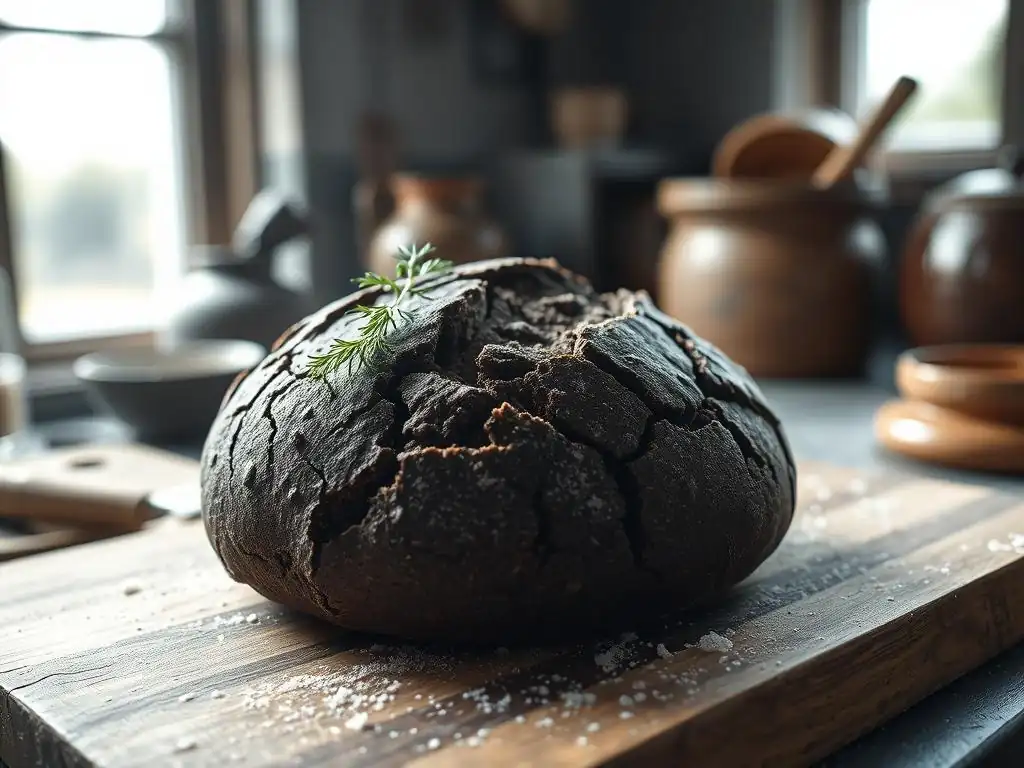
Welcome to BakeWithEase, your guide to unlocking the joys of baking! Ever wondered about the secrets behind exceptionally flavorful and richly textured breads? Then prepare to embark on a delicious journey as we delve into the heart of Estonian baking tradition. Get ready to discover the secrets behind Estonian dark rye bread, also known as Must Leib, and learn how to bake this deeply satisfying loaf in your own kitchen. Intrigued? Let's uncover the steps to creating this authentic and flavorful bread...
- Estonian Must Leib: Bake a Traditional Dark Rye Bread
- Understanding Authentic Estonian Rye Bread
-
Baking Must Leib: A Step-by-Step Guide
- Ingredients: Rye Flour, Malt, and More
- Preparing the Starter: Cultivating Rye Flavor
- Mixing and Kneading: Achieving the Right Dough Consistency
- Bulk Fermentation: Developing Complexity
- Shaping the Loaf: Creating a Traditional Form
- Proofing: Achieving Optimal Rise
- Baking: Achieving a Dark Crust
- Cooling and Resting: Allowing Flavors to Develop
- Key Ingredients for Authentic Must Leib
- Tips for Perfecting Your Must Leib
- Variations and Adaptations of Must Leib
- Serving and Enjoying Your Homemade Must Leib
- Frequently Asked Questions
- Final Reflection: The Enduring Legacy of Estonian Must Leib
- Unleash Your Inner Baker: Master the Art of Estonian Must Leib!
Estonian Must Leib: Bake a Traditional Dark Rye Bread
Understanding Authentic Estonian Rye Bread
History and Cultural Significance of Must Leib
Estonian Must Leib, meaning "black bread," is more than just a staple food; it's deeply woven into the nation's identity and history. For centuries, this dense, dark rye bread has been the cornerstone of the Estonian diet, particularly in rural areas where rye cultivation was prevalent. Historically, baking bread was a significant event, often done weekly or bi-weekly, with the bread stored to last.
The tradition involved using a portion of the old dough as a starter for the new batch, ensuring continuity and developing complex flavors over generations. This practice highlights the bread's role not just as sustenance but as a link between past and present, representing resilience and self-sufficiency.
During times of hardship, such as periods of occupation or scarcity, Must Leib provided essential nourishment. Its long shelf life and high nutritional value made it a reliable food source. Families would often share their knowledge of baking this traditional Estonian dark rye bread, passing down techniques and starter cultures through generations.
Even today, while many buy bread from bakeries, the act of baking Must Leib at home remains a cherished tradition, symbolizing connection to heritage and a celebration of simple, wholesome food. Festivals and family gatherings often feature this bread, served with various traditional dishes, underscoring its enduring cultural importance.
Comparing Must Leib to Other Rye Breads
While many cultures bake rye bread, Estonian Must Leib possesses distinct characteristics that set it apart from, say, German pumpernickel or Finnish rye bread. Pumpernickel, for example, is often baked for much longer periods at lower temperatures, resulting in an even darker color and sweeter, almost caramelized flavor. Finnish rye bread, like ruisleipä, can be very dense and often has a strong, sour profile due to its high rye content and long fermentation, but it might not always have the same level of sweetness or specific flavor notes derived from the malt used in Must Leib.
Estonian dark rye bread typically achieves its deep color and unique sweet-and-sour balance through a combination of high rye flour content, the use of rye malt (often fermented), and a long, slow fermentation process using a sourdough starter. The texture is characteristically dense and moist, lacking the airy crumb of wheat breads.
Unlike some rye breads that might incorporate a significant amount of wheat flour for a lighter texture, authentic Must Leib relies heavily, sometimes exclusively, on rye, resulting in its signature structure and flavor profile. This focus on rye and traditional methods creates a bread with a distinct tang, subtle sweetness, and earthy depth that is uniquely Estonian.
Key Characteristics: Density, Flavor, and Texture
The defining characteristic of Estonian Must Leib is its remarkable density. This isn't a light, airy loaf; it's substantial and heavy, a result of using mostly or entirely rye flour, which contains less gluten than wheat. The crumb is tight and moist, with a slightly sticky quality. This density contributes to its satisfying chew and its ability to keep well for extended periods. You might find a slice weighs significantly more than a comparable slice of wheat bread, offering a feeling of true sustenance.
Flavor-wise, authentic Estonian dark rye bread offers a complex profile. It's characterized by a pronounced tang from the sourdough fermentation, balanced by a subtle sweetness, often enhanced by the addition of malt extract or syrup. The use of roasted rye malt contributes nutty and slightly chocolatey undertones, adding layers of depth. Traditional recipes often include caraway seeds, which provide bursts of aromatic, slightly anise-like flavor that perfectly complements the rich rye. The combination of sour, sweet, and earthy notes makes each bite a rich sensory experience, distinctly different from lighter, wheat-based loaves.
Baking Must Leib: A Step-by-Step Guide
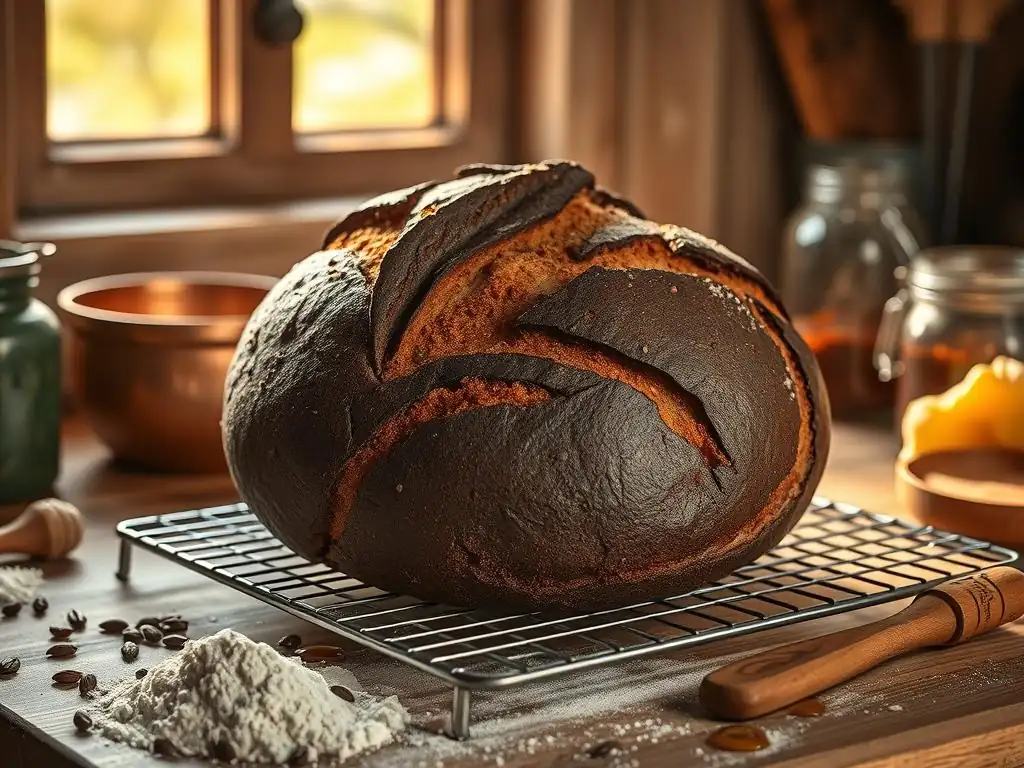
Ingredients: Rye Flour, Malt, and More
Baking traditional Estonian dark rye bread requires careful selection of ingredients, starting with the flour. High-quality dark rye flour is essential, providing the bulk and much of the flavor. Some recipes might call for a small amount of lighter rye flour or even a touch of wheat flour, but the majority should be dark rye. Crucially, roasted rye malt is a key component, contributing to the bread's dark color and signature sweet, slightly nutty flavor. This is often available as a powder or extract.
Beyond the flour and malt, a robust rye sourdough starter is non-negotiable for authentic Must Leib. This starter provides the leavening and the characteristic sour tang. Water, ideally filtered and lukewarm, is needed for hydration. Salt is vital for flavor and controlling fermentation. Many recipes also include a sweetener, such as rye malt syrup, honey, or sugar, to enhance the sweetness and aid in crust development. Finally, caraway seeds are a traditional addition, providing an aromatic counterpoint to the rich rye flavor.
Preparing the Starter: Cultivating Rye Flavor
A healthy and active rye sourdough starter is the heart of Estonian dark rye bread. If you don't have one, you'll need to create one using rye flour and water, feeding it regularly over several days or weeks until it becomes bubbly and doubles predictably after feeding. For Must Leib, a mature starter that has developed a good sour profile is often preferred. This can take anywhere from 7 to 14 days or even longer to achieve optimal strength and flavor complexity.
Before baking, you'll need to refresh your starter, typically 4-12 hours before mixing the dough, ensuring it's active and at its peak. Take a small amount of your mature starter and feed it with fresh rye flour and water according to your starter maintenance routine. It should become bubbly and active, showing signs of significant rise before starting to fall. This active starter is then ready to be incorporated into the main dough mixture, providing the necessary leavening power and initiating the long fermentation that develops the bread's characteristic flavor.
Mixing and Kneading: Achieving the Right Dough Consistency
Mixing the dough for Estonian dark rye bread is different from mixing wheat dough due to rye's low gluten content. Rye dough tends to be sticky and less elastic. Begin by combining the active rye sourdough starter, water, malt, sweetener, and salt in a large bowl. Whisk these together until well combined. Gradually add the dark rye flour (and caraway seeds, if using). Mix with a sturdy spoon or in a stand mixer with a paddle attachment until a shaggy, very sticky dough forms.
Unlike wheat dough, extensive kneading is not required, as there's little gluten to develop. Overworking rye dough can make it gummy. Mix only until all the flour is incorporated and there are no dry streaks. The consistency should be quite wet and sticky, more like a thick batter than a traditional bread dough. Some bakers prefer to mix by hand using a wet hand or spatula to manage the stickiness. Once mixed, the dough is ready for the bulk fermentation stage, where time and temperature will do most of the work to develop structure and flavor.
Bulk Fermentation: Developing Complexity
Bulk fermentation is a crucial stage for developing the complex flavors characteristic of Estonian dark rye bread. Because of the high rye content and the reliance on sourdough, this process is often long and slow. After mixing, the sticky dough is typically placed in a lightly oiled bowl or directly into the baking tin (if using a no-knead method) for the first rise. The dough might not double in size like wheat dough; a noticeable increase in volume, perhaps 30-50%, and the appearance of bubbles are better indicators.
The fermentation time can vary significantly depending on the temperature. At typical room temperature (around 70-75°F or 21-24°C), this might take 4-8 hours. Some traditional methods involve even longer, cooler fermentation periods, sometimes overnight in a cooler part of the kitchen or a slightly cool pantry, to further enhance the sourness and depth of flavor. During this time, the sourdough culture works to break down the starches and develop organic acids, contributing to the bread's unique taste and improving its keeping qualities.
Shaping the Loaf: Creating a Traditional Form
Shaping Estonian dark rye bread is relatively simple compared to shaping more structured wheat loaves, partly because the dough is so sticky and less elastic. Often, the dough is simply scooped or poured directly into a prepared loaf tin after the bulk fermentation. This method is common for very wet rye doughs and results in a classic rectangular loaf shape that is easy to slice.
If the dough is slightly firmer, it might be shaped by hand on a well-floured surface (using rye flour) or with wet hands to prevent sticking. The goal is usually a simple, compact log that fits snugly into the baking tin. Traditional Must Leib is typically baked in loaf pans rather than as free-form rounds or batards, which helps support the dense dough during baking and creates the characteristic brick-like shape. Once shaped and placed in the tin, the loaf is ready for its final proofing stage.
Proofing: Achieving Optimal Rise
The final proofing (or second rise) for Estonian dark rye bread also differs from wheat bread. Again, you won't see a dramatic doubling in size. The dough in the tin should increase in volume slightly, perhaps by another 20-30%, and the surface should show signs of activity, like small bubbles. Over-proofing is a risk with rye dough, as it can cause the structure to collapse.
Proofing time depends on temperature, but typically ranges from 1 to 3 hours at room temperature. Some bakers test readiness by gently pressing a wet finger onto the surface; if the indentation slowly springs back partway, the loaf is usually ready to bake. Before baking, the surface is often smoothed with wet hands or a wet spatula, and sometimes scored lightly, though traditional Must Leib is often baked without deep scoring.
Baking: Achieving a Dark Crust
Baking Estonian dark rye bread requires a relatively long time at a moderate temperature to ensure the dense interior cooks through and the crust develops its characteristic dark color. A common baking temperature is around 350-375°F (175-190°C). The loaf is typically baked for 60 to 90 minutes, sometimes even longer for very large loaves. The long baking time, combined with the sugars from the malt and sweetener, contributes to the deep reddish-brown to almost black crust.
To achieve an even darker crust and ensure the interior is fully baked, some bakers cover the loaf with foil for the first half of the baking time to prevent the top from burning before the inside is done, then remove the foil to allow the crust to darken. The bread is ready when the internal temperature reaches around 200-210°F (93-99°C) and it sounds solid when tapped on the bottom. The dark crust is not just for appearance; it contributes a slightly bitter, caramelized note that is part of the traditional flavor profile of Estonian dark rye bread.
Cooling and Resting: Allowing Flavors to Develop
Cooling is a critical, often overlooked, step for Estonian dark rye bread. Due to its density and moisture content, the bread continues to cook and gelatinize internally as it cools. Removing it from the tin and letting it cool completely on a wire rack is essential. Attempting to slice it while warm will result in a gummy, unpleasant texture.
Furthermore, the flavors of Must Leib deepen and meld significantly as the bread rests, particularly over the first 12 to 24 hours after baking. The sour notes from the fermentation become more pronounced, the sweetness integrates, and the malt and caraway flavors intensify. Traditionally, this bread was rarely eaten fresh from the oven. Allowing it to rest not only improves the texture but unlocks the full complexity of this traditional Estonian dark rye bread, making the wait worthwhile.
Key Ingredients for Authentic Must Leib
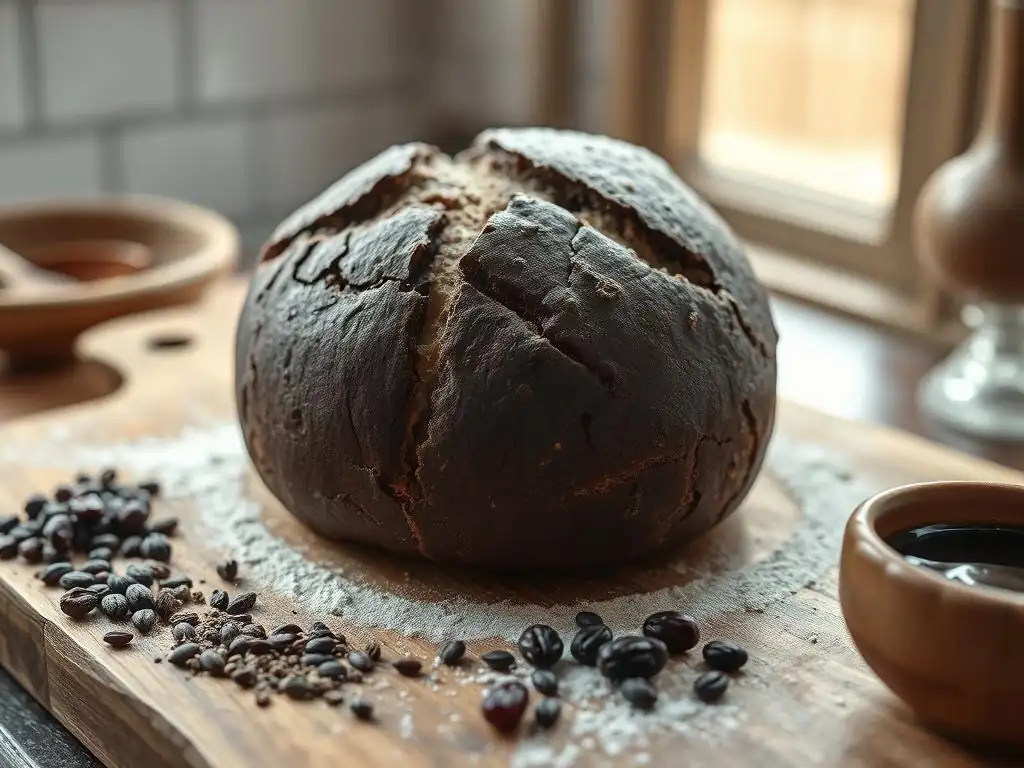
Selecting the Right Rye Flour
The type of rye flour used significantly impacts the texture, color, and flavor of Estonian dark rye bread. For authentic Must Leib, dark rye flour (sometimes labeled as "whole rye flour" or "pumpernickel flour" depending on the region) is preferred. This flour is milled from the entire rye grain, including the bran and germ, resulting in a higher nutritional content and a darker color compared to medium or light rye flour. Its higher proportion of pentosans (gummy carbohydrates) is why rye dough is sticky and requires less water than wheat, contributing to the bread's dense, moist crumb.
Using a high-extraction or whole rye flour ensures you capture the full, earthy flavor of the rye grain, which is fundamental to Must Leib. While some recipes might use a blend, prioritizing dark rye flour is key to achieving the traditional characteristics. The quality and grind of the flour can vary between producers, so it's helpful to use a reputable brand known for good quality rye flour. Experimentation with different dark rye flours can yield subtle variations in your homemade Estonian dark rye bread.
The Role of Malt in Dark Rye Bread
Malt is a cornerstone ingredient in achieving the characteristic color and flavor of Estonian dark rye bread. Specifically, roasted rye malt is commonly used. This malt is made from rye grains that have been sprouted and then roasted, developing complex sugars and compounds that contribute a deep reddish-brown hue and a unique sweet, slightly bitter, and malty flavor profile. It's not just for color; the enzymes in malt can also affect the dough's fermentation and the final crumb structure, although its primary role in Must Leib is flavor and color.
Malt is often added in the form of a dark rye malt extract or a finely ground roasted rye malt powder. It provides the subtle sweetness that balances the sourdough tang and helps create the signature dark crust through caramelization during baking. Without the malt, the bread would lack its characteristic depth of color and flavor, resulting in a less authentic Estonian dark rye bread experience. The amount used can be adjusted slightly depending on the desired level of sweetness and color.
Water and Its Impact on Dough Hydration
Water is a seemingly simple ingredient, but its quality and quantity are crucial for the success of Estonian dark rye bread. Filtered water is often recommended to avoid any off-flavors from tap water chemicals like chlorine, which can also negatively impact sourdough starter activity. The temperature of the water is also important; lukewarm water (around 80-90°F or 27-32°C) is ideal for encouraging yeast and bacterial activity in the sourdough starter, helping to kickstart fermentation in the dense rye dough.
The hydration level – the ratio of water to flour – is key to the final texture. Rye flour absorbs water differently than wheat flour, and Must Leib dough is typically quite wet and sticky, often having a hydration level of 80% or more (relative to the rye flour). Getting the hydration right is vital; too little water will result in a dry, crumbly loaf, while too much can make the dough unmanageable and the final bread overly gummy.
Experienced bakers often adjust the water slightly based on the specific flour they are using, as absorption can vary. The high hydration contributes to the bread's characteristic moist and dense crumb.
Caraway Seeds: Adding Traditional Flavor
Caraway seeds are a traditional and beloved addition to Estonian dark rye bread, providing an aromatic counterpoint to the rich, earthy, and sour flavors of the rye and malt. These small, crescent-shaped seeds release a warm, slightly anise-like, and peppery flavor when baked. They are typically added whole to the dough during the mixing stage, distributing throughout the loaf.
While some modern variations might omit them or use other seeds, caraway is deeply ingrained in the tradition of Must Leib. The distinct aroma and flavor of caraway seeds are instantly recognizable and evoke the authentic taste of this Estonian staple. The amount can be adjusted to personal preference, but a typical recipe might call for 1 to 2 tablespoons per standard loaf. Their presence adds another layer of complexity and authenticity to your homemade Estonian dark rye bread.
Tips for Perfecting Your Must Leib
Troubleshooting Common Rye Bread Issues
Baking high-rye bread like Estonian dark rye bread can present unique challenges compared to baking wheat bread. One common issue is a gummy or dense interior. This is often caused by insufficient baking time, slicing the bread before it has fully cooled, or over-mixing the dough which can develop the wrong kind of structure in rye.
Ensure you bake the bread until the internal temperature is correct (200-210°F / 93-99°C) and always let it cool completely for at least 12-24 hours before slicing. Another issue can be a lack of rise; this usually points to an inactive sourdough starter or insufficient fermentation time. Ensure your starter is vigorous and allow adequate time for both bulk fermentation and proofing, adjusting for ambient temperature.
Cracking crusts can also occur. This might happen if the surface dries out too much during proofing or if the oven lacks sufficient steam at the start of baking. While some cracking is natural for dense loaves, excessive cracking can be mitigated by covering the loaf during proofing or baking in a humid environment (like a Dutch oven or with a tray of water). Understanding these common pitfalls and their solutions will help you bake a consistently excellent loaf of Estonian dark rye bread.
Achieving a Dark Crust: Baking Techniques
The signature dark crust of Estonian dark rye bread is achieved through a combination of ingredients and baking techniques. The presence of malt and added sweeteners (like rye malt syrup or honey) provides sugars that caramelize during the long bake, contributing significantly to the dark color. Baking at a moderate temperature for an extended period allows this caramelization to occur without burning the crust prematurely.
To ensure the crust darkens evenly and thoroughly while the interior bakes, some bakers use a two-stage baking process. They might start the bake covered (e.g., in a Dutch oven or loosely tented with foil) for the first 30-40 minutes to trap steam and ensure the interior begins cooking, then remove the cover for the remaining time to allow the crust to develop its deep color and firm texture. Ensuring sufficient moisture in the dough and adequate baking time are key to achieving that beautiful, dark, and flavorful crust on your Estonian dark rye bread.
Storing Your Must Leib: Maintaining Freshness
Estonian dark rye bread is known for its excellent keeping qualities, often staying fresh and moist for a week or even longer if stored properly. The density and acidity from the sourdough fermentation help preserve the bread naturally. The best way to store Must Leib is wrapped tightly in a clean linen cloth or beeswax wrap, and then placed in a bread box or a cool, dry pantry. Avoid storing it in the refrigerator, as this can actually make it stale faster.
For longer storage, Must Leib freezes exceptionally well. Once the loaf has completely cooled, slice it or freeze it whole by wrapping it tightly in plastic wrap followed by a layer of aluminum foil or placing it in a freezer-safe bag. Frozen Estonian dark rye bread can last for several months. Thaw slices as needed at room temperature or pop frozen slices directly into a toaster. Proper storage ensures you can enjoy the rich flavor and moist texture of your homemade Estonian dark rye bread for days or weeks.
Serving Suggestions: Pairing with Estonian Cuisine
Estonian dark rye bread is traditionally served in numerous ways, often as an accompaniment to hearty meals. It's a perfect base for võileib (open-faced sandwiches), topped with butter, cheese, cold cuts, smoked fish (like sprats or salmon), hard-boiled eggs, or fresh vegetables. The bread's robust flavor holds up beautifully to strong toppings.
It is also commonly served alongside soups and stews, such as traditional Estonian pea soup or mushroom soup, where a slice can be used to soak up the flavorful broth. Another classic pairing is with butter and a sprinkle of salt, allowing the bread's inherent flavor to shine. For a simple snack, enjoy a slice with cottage cheese or a smear of lard. The versatility of this traditional Estonian dark rye bread makes it a welcome addition to almost any meal.
Variations and Adaptations of Must Leib
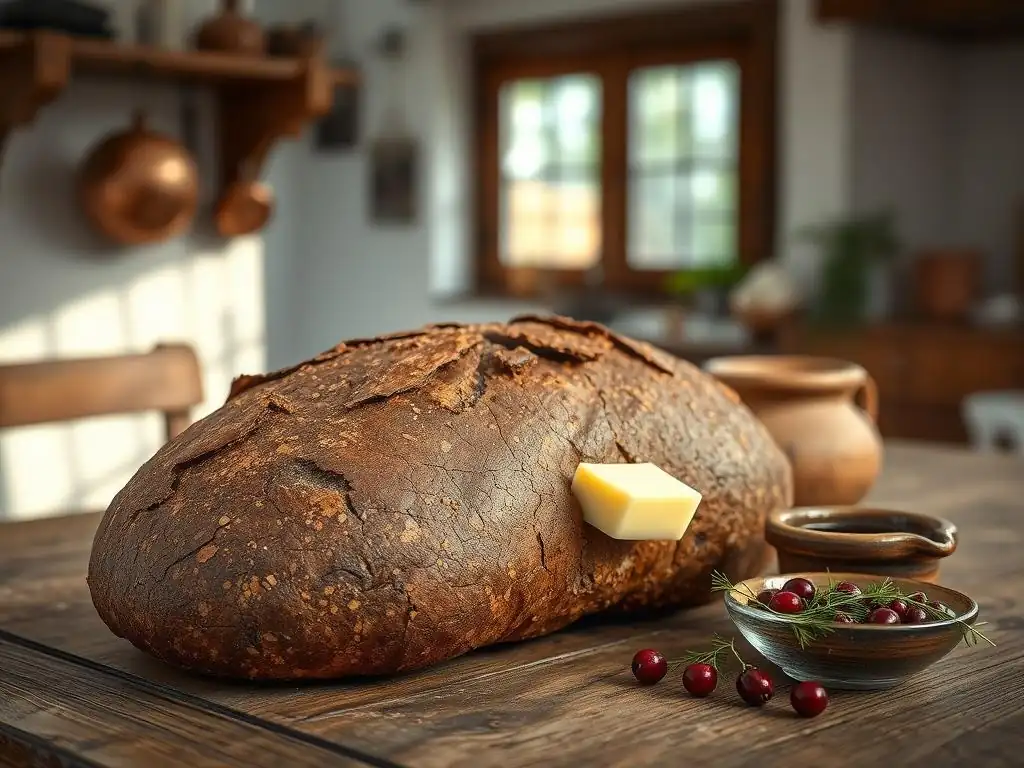
Adjusting the Recipe for Different Rye Flours
While traditional Estonian dark rye bread primarily uses dark or whole rye flour, you can adapt recipes based on the type of rye flour available or for a slightly different result. Using a mix of dark and medium rye flour will result in a slightly lighter crumb and color. Medium rye flour has less bran and germ than dark rye, leading to a milder flavor profile.
If you only have access to light rye flour, the resulting bread will be significantly lighter in color and less dense, and it will lack some of the deep, earthy flavor notes characteristic of authentic Must Leib. In such cases, you might need to adjust the hydration as lighter flours absorb less water, and you might increase the amount of malt extract to compensate for the lack of color and some flavor depth.
Be aware that using different rye flours will produce variations, but it allows you to bake a version of Estonian dark rye bread even if specific flours aren't available.
Experimenting with Seed and Spice Combinations
While caraway seeds are the traditional and most common addition to Estonian dark rye bread, you can experiment with other seeds and spices to create interesting variations. Toasted sunflower seeds or pumpkin seeds can add a pleasant nutty crunch and flavor. Linseeds or chia seeds can contribute to moisture and texture.
Beyond seeds, spices like coriander, fennel seeds, or even a pinch of ground anise can complement the rye flavor in different ways, though they would deviate from the strict tradition of Must Leib. Some recipes might include a touch of molasses or cocoa powder to enhance the dark color and add a subtle depth, though these are more modern adaptations. When experimenting, start with small amounts to see how they affect the overall flavor profile of your Estonian dark rye bread.
Controlling Sweetness: Modifying the Malt Content
The level of sweetness in Estonian dark rye bread can vary depending on the recipe and personal preference. Traditional recipes often rely on the natural sweetness developed during the long fermentation and the sugars added through malt extract or syrup, honey, or sugar. You can control the final sweetness by adjusting the amount of these added sweeteners.
Reducing the amount of malt extract or sugar will result in a bread with a more pronounced sour tang from the sourdough and a less sweet finish. Conversely, increasing the sweetener will yield a sweeter loaf, which some modern palates might prefer. Be mindful that increasing sugars can also affect the crust color and potentially the fermentation rate. Experimenting with the amount of sweetener allows you to tailor your homemade Estonian dark rye bread to your desired balance of sweet and sour.
Serving and Enjoying Your Homemade Must Leib
Traditional Estonian Pairings
Enjoying your homemade Estonian dark rye bread is best done in true Estonian style. The most classic pairing is simply with butter and a sprinkle of salt, which highlights the bread's complex flavor. Another staple is serving it alongside hearty Estonian soups, such as a rich meat soup, cabbage soup ( kapsasupp), or a simple vegetable broth. The dense bread is perfect for soaking up the flavorful liquid.
For breakfast or a light meal, Must Leib forms the base of traditional open-faced sandwiches ( võileivad). Popular toppings include herring or sprats with onion and sour cream, smoked sausage, cheese, or even simple slices of cucumber and tomato. The sturdy texture of the bread prevents it from becoming soggy, making it an ideal base for a wide variety of toppings.
Must Leib in Open-Faced Sandwiches
Open-faced sandwiches, or võileivad, are an integral part of Estonian food culture, and Estonian dark rye bread is the quintessential base. The slightly sour, dense bread provides a robust foundation that complements a wide range of toppings. A classic involves butter, a slice of ham or cheese, and perhaps a pickle or tomato slice.
More elaborate versions feature combinations like smoked salmon with dill, pickled herring with sour cream and onion, or even simple spreads like egg butter. The key is that the bread itself provides significant flavor and texture, making even simple toppings feel substantial and satisfying. Preparing võileivad is a quick and delicious way to enjoy your homemade Estonian dark rye bread.
Serving with Soups and Stews
The density and hearty nature of Estonian dark rye bread make it an excellent companion to soups and stews. Its firm crumb doesn't disintegrate easily when dipped, allowing it to effectively soak up broths and sauces. Serving a thick slice alongside a warming bowl of traditional Estonian split pea soup, mushroom soup, or a hearty beef stew is a common practice.
The bread's slightly sour and malty flavor provides a wonderful contrast to the savory richness of stews and the often earthy or creamy notes of soups. It adds substance to the meal and helps make it more filling. A simple piece of Estonian dark rye bread elevates a humble bowl of soup into a more complete and traditional Estonian dining experience.
Frequently Asked Questions
What makes Estonian Must Leib (Dark Rye Bread) unique?
Estonian Must Leib is unique due to its dark color and intense rye flavor, often achieved through a long fermentation process and the use of rye flour and rye malt. It's also known for its dense and slightly sour texture.
Can I substitute any ingredients in the Must Leib recipe?
While substitutions are possible, they may affect the final flavor and texture. For best results, stick to the recipe. If you must substitute, consider using dark rye flour and molasses or dark brown sugar to maintain the dark color and rich flavor.
What is the best way to store Must Leib to keep it fresh?
Wrap the cooled bread tightly in plastic wrap or a reusable bread bag. Storing it at room temperature for up to 3-4 days is ideal, or you can freeze it for longer storage.
Why is the fermentation process so important for Must Leib?
The fermentation process is crucial because it develops the complex flavors characteristic of Must Leib. It also helps to break down the rye flour, making the bread more digestible.
I'm a beginner baker; is Must Leib too challenging for me?
While Must Leib requires patience, the BakeWithEase recipe is designed to be accessible. Pay close attention to the step-by-step instructions and embrace the learning process. Don't be afraid to start!
Final Reflection: The Enduring Legacy of Estonian Must Leib
The rich, dark depths of Estonian Must Leib represent more than just a bread; it's a testament to a culture's resilience and enduring connection to its land. This traditional bread, with its complex flavors and satisfying texture, continues to hold a powerful place in Estonian culinary heritage, reminding us of the importance of preserving culinary traditions in a rapidly changing world.
The enduring appeal of Must Leib lies not only in its delicious taste but also in its symbolic significance. It speaks to generations of bakers, their skills passed down through families, a tangible link to the past. Bread is the staff of life,
a common saying, rings truer than ever when considering the central role this dark rye bread plays in Estonian culture and identity. Its continued popularity speaks volumes about the enduring power of tradition and the importance of connecting with our culinary roots.
Now, as you finish reading, I invite you to consider your own culinary heritage. What foods connect you to your past, to your family, to your community? Perhaps it's time to explore those traditions, to bake a loaf of your own heritage bread, or to simply appreciate the rich tapestry of culinary history that surrounds us. Let the story of Estonian Must Leib inspire you to discover and celebrate the delicious stories embedded within the food we eat.
Unleash Your Inner Baker: Master the Art of Estonian Must Leib!
Thanks for joining us on this delicious journey into the world of Estonian Must Leib! We hope you've gained a new appreciation for this rich, dark rye bread. Ready to take your baking skills to the next level?
- Bake your own Estonian Must Leib: Use the recipe we provided and let us know how it turns out! We'd love to see your creations.
- Share your baking journey: Post a picture of your Must Leib on social media and tag us! Let's inspire others to try this unique bread.
- Explore other rye bread recipes: Discover new flavor combinations and techniques on BakeWithEase.com (this is a placeholder; no links should be included)
What unique twist will you add to your own Estonian Must Leib? Let's hear your ideas in the comments!