
Explore Icelandic Rúgbrauð: Baking Earth Oven Bread (Simplified!)


Welcome to BakeWithEase, your companion on the delightful journey of baking! Ever wondered about the secrets of baking bread using the earth itself? Dive into our simplified guide and discover the fascinating process of crafting Icelandic rúgbrauð earth oven bread. Unearth the traditional techniques and easy adaptations that will bring this unique baking experience to your kitchen. Are you ready to embark on a bread-making adventure unlike any other?
- What is Icelandic Rúgbrauð? Unveiling Earth-Baked Rye Bread
- Simplified Rúgbrauð Recipe: Baking at Home Without an Earth Oven
- Step-by-Step Guide: Baking Rúgbrauð in Your Oven
- Tips and Tricks for Perfect Rúgbrauð Every Time
- Serving Suggestions: Pairing Rúgbrauð with Icelandic Delights
- The History and Culture of Icelandic Rúgbrauð
- Embrace the Flavor: Baking Your Own Icelandic Rúgbrauð
- Frequently Asked Questions
- Final Reflection: The Enduring Magic of Rúgbrauð
- Unleash Your Inner Baker: Craft Your Own Rúgbrauð!
What is Icelandic Rúgbrauð? Unveiling Earth-Baked Rye Bread
Rúgbrauð: Iceland's Traditional Dark Rye Bread
Rúgbrauð, often simply called "dark rye bread," is a staple in Icelandic cuisine, deeply rooted in the country's history and unique geothermal landscape. This dense, slightly sweet bread is traditionally slow-baked underground using the natural heat from hot springs, a method that imparts a distinct flavor and texture.
Unlike many European rye breads that rely on sourdough starters for leavening, traditional Icelandic rúgbrauð often uses baking soda or baking powder activated by buttermilk, resulting in a cake-like crumb rather than a chewy, airy structure. Its rich, dark color comes from a combination of rye flour and often, molasses or dark syrup.
Historically, rúgbrauð was a crucial part of the Icelandic diet, providing sustained energy in the harsh climate. Families would prepare the dough, place it in lidded pots or special wooden casks, and bury it near a hot spring for many hours – sometimes up to 24 hours – allowing the gentle, consistent geothermal heat to cook the bread slowly.
This traditional Icelandic rúgbrauð earth oven method is still practiced in some parts of Iceland today, particularly in areas rich in geothermal activity like the Lake Mývatn region, where visitors can witness demonstrations and taste the authentic article. The long, slow bake is key to developing its characteristic deep flavor and moist density.
The Unique Baking Process: Earth Oven Baking in Iceland
The traditional Icelandic rúgbrauð earth oven method is a fascinating example of culinary adaptation to environment. In areas with active geothermal spots, Icelanders harness the natural heat by digging a pit in the warm ground. The temperature in these spots can range significantly, but ideally, it provides a low, consistent heat suitable for slow baking, typically somewhere between 80°C and 100°C (176°F to 212°F). The dough is sealed tightly in a heat-resistant pot or container to prevent moisture from the ground entering and to trap steam, which helps keep the bread incredibly moist during the extended baking time.
Once the pot is buried, it remains undisturbed for anywhere from 12 to 24 hours. This long, slow cooking process is what truly distinguishes authentic Icelandic rúgbrauð earth oven bread. The gentle heat caramelizes the sugars in the rye flour and molasses, deepening the color and enhancing the sweetness, while the trapped steam ensures the bread remains exceptionally moist and dense, almost pudding-like in texture. Unearthing the pot is a moment of anticipation, revealing a loaf unlike any baked in a conventional oven, a true product of the Icelandic landscape and a testament to ingenious traditional baking techniques.
Taste and Texture: Exploring Rúgbrauð's Distinct Qualities
The taste of Icelandic rúgbrauð is complex and satisfying. It possesses a noticeable sweetness, often balanced by a slight tang from buttermilk and the robust, earthy notes of rye. The long, slow bake, particularly in the traditional Icelandic rúgbrauð earth oven, contributes a subtle toasted or nutty undertone, and the caramelization adds layers of flavor that are hard to replicate with faster baking methods.
It is not overpoweringly sweet, but rather has a pleasant, inherent sweetness that pairs well with savory toppings. Unlike many commercial rye breads, it doesn't typically contain caraway seeds, which gives it a different aromatic profile.
In terms of texture, rúgbrauð is famously dense and moist. It lacks the open crumb structure of wheat bread or even many sourdough rye breads. Instead, it has a close-knit, heavy crumb that is almost cake-like or pudding-like, especially when freshly baked. This density means even a thin slice is incredibly filling. The moisture level is remarkably high, preventing it from drying out quickly and contributing to its unique mouthfeel. This combination of dense texture and rich, sweet-earthy flavor makes Icelandic rúgbrauð a truly unique bread experience.
Simplified Rúgbrauð Recipe: Baking at Home Without an Earth Oven
Adapting the Authentic Recipe for Home Baking
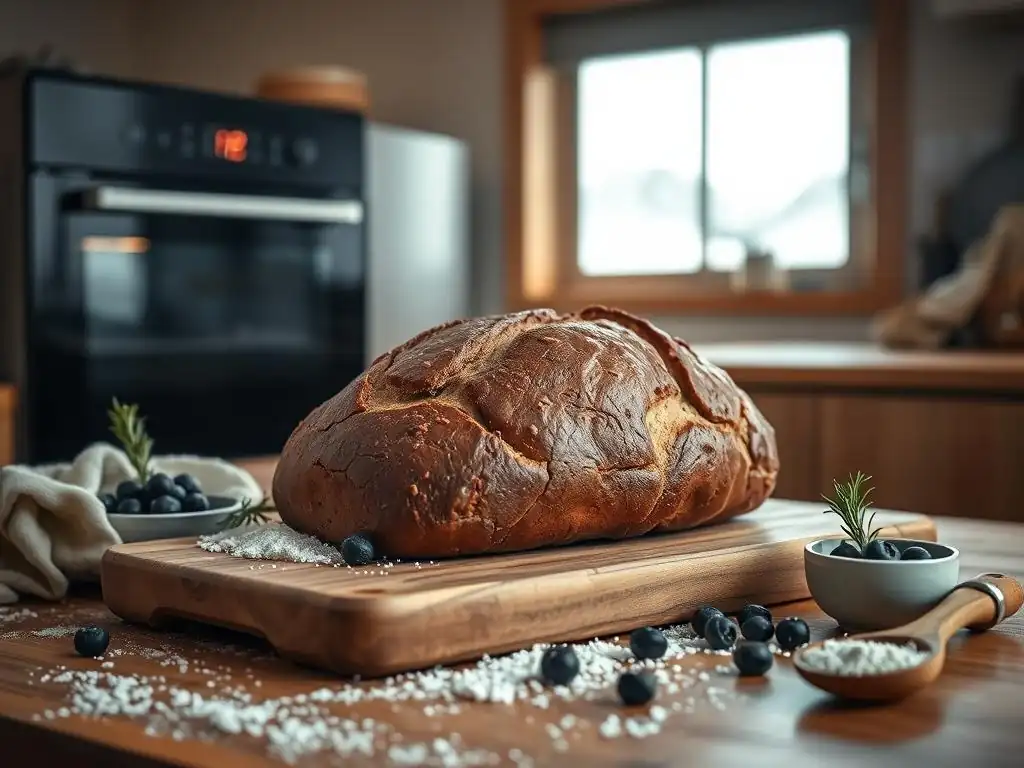
Replicating the traditional Icelandic rúgbrauð earth oven method at home is impractical for most. However, bakers have developed successful ways to adapt the recipe for a conventional oven, aiming to capture the essence of its flavor, texture, and moisture. The key adaptations involve using a low oven temperature, a long baking time, and crucially, incorporating a water bath. The water bath mimics the moist, steamy environment of the underground bake, preventing the bread from forming a hard crust and ensuring it remains incredibly moist throughout the long cooking period.
Furthermore, home recipes often adjust leavening and hydration to work correctly in a dry oven environment compared to a humid earth oven. While traditional recipes might use baking soda and buttermilk, some modern adaptations might include a small amount of yeast or baking powder alongside the chemical leaveners to ensure a slight rise and tender crumb. The goal is to achieve that characteristic dense, moist, and slightly sweet loaf without needing a geothermal hot spot in your backyard. It's about capturing the spirit of Icelandic rúgbrauð earth oven baking through careful technique and ingredient choices.
Key Ingredients for Homemade Icelandic Rúgbrauð
Making Icelandic rúgbrauð at home requires a few specific ingredients to achieve the authentic flavor profile. The foundation is, of course, rye flour. Beyond that, elements like buttermilk and a dark sweetener are essential for both flavor and texture. While the ingredient list is relatively simple, the quality and type of each component can significantly impact the final loaf.
Exploring Different Rye Flour Options
Rye flour is the backbone of rúgbrauð. You'll typically need dark rye flour, which is milled from the whole rye grain and contains more of the bran and germ than light rye flour. This contributes to the bread's dark color, robust flavor, and dense texture.
- Dark Rye Flour: This is the preferred choice for a traditional-style rúgbrauð. It imparts a deep, earthy flavor and the characteristic dark hue.
- Medium Rye Flour: Can be used, but the resulting bread might be slightly lighter in color and milder in flavor.
- Rye Meal (Pumpernickel Flour): Very coarse rye flour can be used in combination with finer rye flour for added texture, though traditional rúgbrauð is usually smooth.
Using 100% dark rye flour is common for the most authentic density and flavor, but some recipes might include a small percentage of wheat flour (like 10-20%) to slightly lighten the texture, although this deviates from the traditional pure rye loaf.
Molasses and Buttermilk: Key Ingredients
Molasses and buttermilk are crucial for both the flavor and chemical leavening in many rúgbrauð recipes.
- Molasses: This provides the signature dark color and a significant part of the sweetness and complex flavor. Dark or blackstrap molasses will yield a richer color and more intense flavor than lighter varieties. Golden syrup or dark corn syrup can sometimes be substituted in a pinch, but molasses is traditional and contributes a unique depth.
- Buttermilk: Cultured buttermilk provides the acidity needed to activate baking soda (if used) and contributes to the bread's moistness and a slight tang that balances the sweetness. If you don't have buttermilk, you can make a substitute by adding 1 tablespoon of vinegar or lemon juice to 1 cup of milk and letting it sit for 5-10 minutes, although cultured buttermilk offers a better flavor and texture.
Other common ingredients include baking soda and/or baking powder for leavening, salt to balance the flavors, and sometimes a bit of sugar or brown sugar to enhance sweetness and moisture.
Step-by-Step Guide: Baking Rúgbrauð in Your Oven
Preparing the Dough: Mixing and Resting
The dough for Icelandic rúgbrauð is typically quite wet, more like a thick batter than a kneadable dough. Begin by whisking together the dry ingredients: the dark rye flour, baking soda, salt, and any other dry leavener or sugar specified in your recipe. In a separate bowl, combine the wet ingredients: buttermilk, molasses, and any other liquid components. Gradually add the wet ingredients to the dry, mixing until just combined. Overmixing rye dough can lead to a gummy texture, so stop as soon as there are no dry streaks of flour.
Once mixed, the dough needs a brief rest. Unlike wheat dough, rye dough doesn't develop gluten in the same way and doesn't require extensive kneading or long fermentation for structure. A short rest, perhaps 15-30 minutes, simply allows the flour to fully hydrate and the leaveners to start working. This step is minimal compared to traditional bread making but helps ensure a more even texture in the final Icelandic rúgbrauð earth oven-style loaf baked in your home oven.
The Secret to a Moist Rúgbrauð: Water Bath Baking
To replicate the moist environment of the Icelandic rúgbrauð earth oven, baking the bread in a water bath is essential for home ovens. Choose a sturdy baking pan or pot for your rúgbrauð dough – a loaf pan, a small oven-safe pot with a lid (like a Dutch oven or cast iron pot), or even a heat-resistant bowl works well. Grease and flour the inside of the pan generously to prevent sticking. Pour the prepared dough into the pan, smoothing the top.
Place the pan containing the dough inside a larger oven-safe dish or roasting pan. Carefully pour hot water into the larger pan, surrounding the bread pan, ensuring the water level comes at least halfway up the sides of the bread pan. This creates a steamy environment in the oven, which keeps the crust soft and allows the interior to cook slowly and evenly, resulting in the characteristic dense, moist texture of traditional Icelandic rúgbrauð earth oven bread.
Baking Time and Temperature: Achieving the Perfect Texture
Baking rúgbrauð at home requires a low oven temperature and a long baking time, mirroring the slow, gentle heat of the traditional Icelandic rúgbrauð earth oven. Preheat your oven to a relatively low temperature, typically between 100°C and 120°C (212°F to 250°F). Place the water bath setup with the bread dough on a middle rack in the preheated oven.
The baking time is substantial, often ranging from 2 to 4 hours, depending on the size and depth of your loaf pan and the exact oven temperature. The bread is ready when a wooden skewer or toothpick inserted into the center comes out clean or with moist crumbs attached (not wet batter).
The internal temperature should register around 95°C to 100°C (203°F to 212°F). The long, slow bake is crucial for developing the deep flavor and ensuring the dense interior is fully cooked without drying out the exterior, getting you closer to the texture of authentic Icelandic rúgbrauð earth oven bread.
Cooling and Slicing: Enjoying Your Earth Oven Bread
Once baked, carefully remove the rúgbrauð from the oven and the water bath. Allow the bread to cool in its pan for a while before attempting to remove it. This allows the structure to set further and prevents it from breaking apart. After 15-30 minutes, carefully turn the bread out onto a wire rack to cool completely.
Cooling completely is vital for rúgbrauð. Because it is so dense and moist, slicing it while warm can result in a gummy texture. Allow it to cool for several hours, ideally until it reaches room temperature or even cooler. Once fully cooled, slice the rúgbrauð thinly using a sharp knife. The dense, moist crumb should hold together well when sliced. Now it's ready to enjoy, offering a taste similar to the slow-cooked goodness of Icelandic rúgbrauð earth oven bread.
Tips and Tricks for Perfect Rúgbrauð Every Time
Achieving the Signature Dark Color
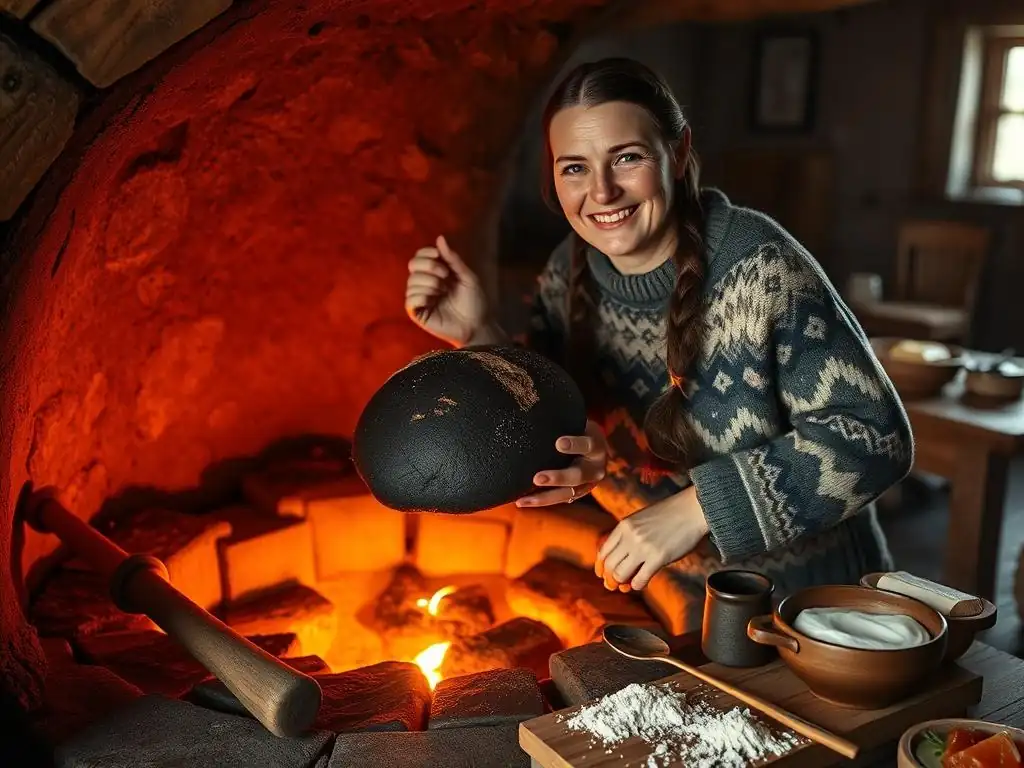
The deep, dark color of Icelandic rúgbrauð comes primarily from the dark rye flour and the molasses or dark syrup used in the recipe. To ensure your homemade version achieves this signature hue, use dark rye flour rather than light or medium. Opt for dark or blackstrap molasses, which imparts a richer color than lighter varieties like unsulphured molasses.
Additionally, the long, slow baking process itself contributes to the color development through caramelization. Baking at a low temperature for an extended period allows the sugars in the dough to brown gradually, deepening the color throughout the loaf, just like the traditional Icelandic rúgbrauð earth oven method encourages this slow transformation. Avoid the temptation to bake at a higher temperature to speed things up, as this will result in a lighter color and potentially a drier texture.
Troubleshooting Common Baking Issues
Even with a simplified recipe, baking rúgbrauð can present challenges. One common issue is the bread being too dense or gummy. This can happen if the dough was overmixed, if not enough leavening was used, or if the bread wasn't baked long enough at the low temperature. Ensure you mix just until combined and bake for the full recommended time, checking for doneness with a skewer.
Another issue might be the bread drying out or forming a hard crust, which is the opposite of the desired Icelandic rúgbrauð earth oven texture. This is usually due to not using a water bath or not using enough water. Make sure your water bath setup is correct and that there is plenty of hot water throughout the long baking time. If the water evaporates too quickly, carefully add more hot water to the larger pan. Patience with the low and slow bake is key to success.
Storing Your Homemade Rúgbrauð
Proper storage is essential to keep your homemade Icelandic rúgbrauð moist and fresh. Once completely cooled, wrap the loaf tightly in plastic wrap or beeswax wrap, then place it in a resealable bag or airtight container. Stored at room temperature, rúgbrauð will keep for several days, often improving in flavor slightly on the second day as the flavors meld.
For longer storage, rúgbrauð freezes exceptionally well due to its density and moisture content. Wrap the cooled loaf or individual slices tightly in plastic wrap, then in aluminum foil or a freezer-safe bag. Frozen rúgbrauð can last for several months. To thaw, simply leave it wrapped at room temperature for a few hours. The density means it thaws slowly but retains its texture beautifully, allowing you to enjoy your taste of Icelandic rúgbrauð earth oven tradition whenever you like.
Serving Suggestions: Pairing Rúgbrauð with Icelandic Delights
Traditional Icelandic Pairings for Rúgbrauð
In Iceland, rúgbrauð is commonly served sliced thinly and often spread with butter. This simple pairing highlights the bread's unique flavor. It is also a traditional accompaniment to various Icelandic dishes.
- Herring: Pickled herring in various sauces (like tomato, mustard, or cream) served on buttered rúgbrauð is a classic appetizer or light meal.
- Smoked Lamb (Hangikjöt): Thin slices of hangikjöt, a festive smoked lamb, are often served on rúgbrauð, especially during holidays.
- Smoked Salmon (Lax): Similar to herring, smoked or cured salmon is frequently enjoyed on buttered slices.
- Plokkfiskur: This hearty fish stew, made with mashed fish (often cod or haddock), potatoes, and onions, is traditionally served with rúgbrauð on the side for dipping.
- Butter and Cheese: Simple yet satisfying, rúgbrauð with Icelandic butter and maybe some local cheese is a common snack.
These pairings showcase how the slightly sweet, dense bread complements savory, often rich or smoked, Icelandic flavors, reflecting its role as a foundational element in the local diet.
Creative Ways to Enjoy Your Rye Bread
While traditional pairings are wonderful, the unique flavor and texture of rúgbrauð also lend themselves to more creative uses. Think of it as a dense, flavorful base for various toppings, sweet or savory.
- Open-faced Sandwiches: Top slices with cream cheese and smoked salmon, avocado and a sprinkle of sea salt, or even a slice of hard-boiled egg.
- Sweet Treats: Despite being a bread, its inherent sweetness makes it surprisingly good with sweet toppings. Try it with jam, honey, or even a thin layer of Icelandic skyr (yogurt) and berries. Some even use leftover rúgbrauð to make a type of bread pudding called 'rúgbrauðsgerð'.
- Soup Accompaniment: Serve slices alongside hearty soups or stews where its density allows it to hold up well for dipping.
- Croutons: While not traditional, cubed and lightly toasted rúgbrauð could make interesting croutons for salads, offering a unique texture and flavor.
Experimenting with different toppings allows you to discover new ways to appreciate this distinct bread, bringing a touch of the Icelandic rúgbrauð earth oven experience into your everyday meals.
The History and Culture of Icelandic Rúgbrauð
Rúgbrauð's Role in Icelandic Food Culture
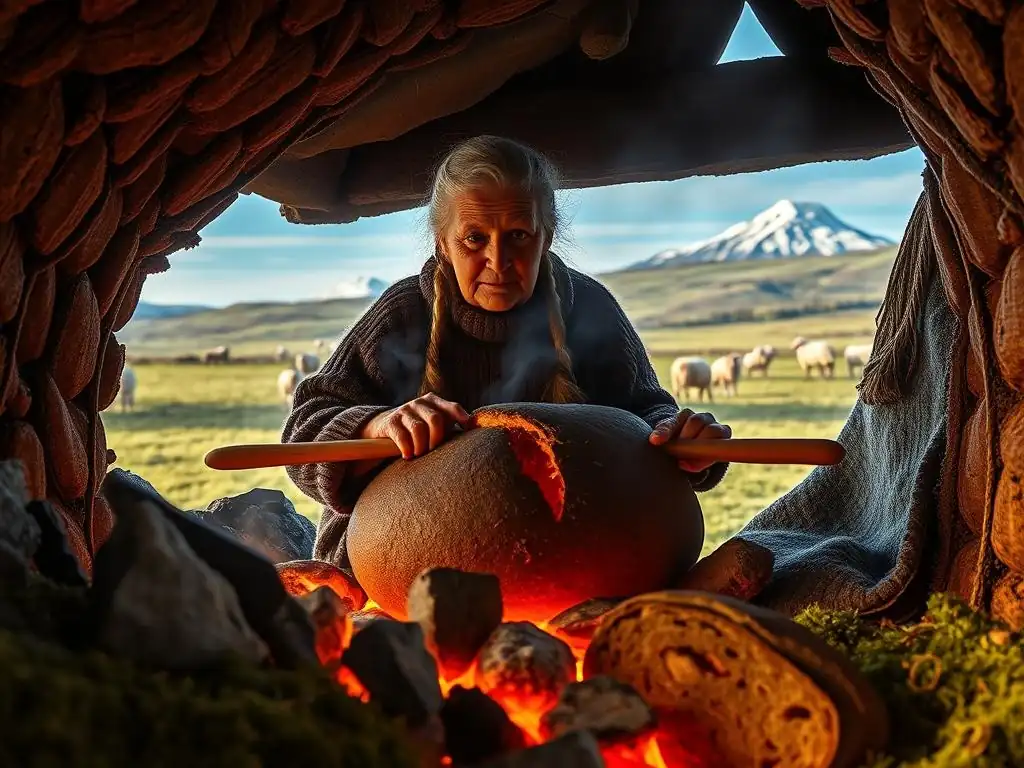
Rúgbrauð is far more than just a loaf of bread in Iceland; it is a symbol of resilience, resourcefulness, and cultural identity. For centuries, rye was one of the few grains that could be cultivated, albeit with difficulty, in Iceland's challenging climate. This made rye bread a precious and important food source. Its ability to keep well, especially the dense, slow-baked version, made it ideal for sustenance, whether for farmers working the land or fishermen out at sea.
The communal aspect of traditional Icelandic rúgbrauð earth oven baking also played a role in community life. In areas with hot springs, families might share access to the best baking spots or help each other with the labor-intensive process of preparing and burying the pots. It's woven into the fabric of Icelandic hospitality; offering a slice of rúgbrauð with butter or toppings is a simple yet meaningful gesture of welcome. It represents continuity with the past and the enduring connection between the Icelandic people and their unique environment.
The Evolution of Earth Oven Baking Techniques
The practice of Icelandic rúgbrauð earth oven baking dates back centuries, born out of necessity and clever use of the available natural resources. While the core principle of using geothermal heat remains the same, the techniques and tools have seen some evolution. Early methods likely involved simply burying dough wrapped in leaves or cloth directly in warm soil near hot springs. Over time, this evolved to using sturdy metal pots or wooden casks with tight-fitting lids, providing better protection for the dough and more consistent results.
In modern times, while the traditional method persists in some rural and tourist areas, home baking in conventional ovens has become the norm for daily consumption. However, the spirit of the Icelandic rúgbrauð earth oven lives on in these home adaptations, with bakers striving to recreate that signature moist, dense texture and deep flavor through techniques like the water bath and long, low-temperature baking. The enduring popularity of rúgbrauð ensures that this unique piece of Icelandic culinary history, whether baked underground or in a kitchen oven, remains a cherished part of the nation's food culture.
Embrace the Flavor: Baking Your Own Icelandic Rúgbrauð
Baking Icelandic rúgbrauð at home, even without a traditional Icelandic rúgbrauð earth oven, is a rewarding experience. It connects you to a unique culinary tradition and results in a delicious, distinctive loaf unlike typical bread. The process, while requiring patience due to the long baking time, is relatively simple, involving minimal mixing and no kneading. It's a perfect project for a day spent at home, filling your kitchen with the warm, sweet aroma of baking rye.
Bringing a taste of Iceland into your home kitchen offers a chance to explore new flavors and techniques. The dense, moist crumb and the unique balance of sweetness and earthiness make rúgbrauð a versatile bread, equally at home with savory smoked fish or a simple spread of butter. Don't be intimidated by the "earth oven" part of its name; the simplified home baking method is accessible to most home bakers.
Have you tried baking Icelandic rúgbrauð using the simplified home method? Or perhaps you've been lucky enough to taste the authentic Icelandic rúgbrauð earth oven version in Iceland? Share your experiences! What are your favorite ways to enjoy this unique bread? Did you encounter any challenges or discover any clever tricks during the baking process? Your insights can help other bakers on their journey to master this fascinating loaf. Baking is a community, and sharing our successes and learning from our challenges makes us all better bakers.
Frequently Asked Questions
What is Icelandic rúgbrauð?
Icelandic rúgbrauð is a traditional dense, dark rye bread baked for a long time at low temperatures. It's often associated with being baked in the earth using geothermal heat.
Do I need an earth oven to bake rúgbrauð using BakeWithEase's recipe?
No, BakeWithEase offers a simplified version that can be baked in a conventional oven. This makes it accessible to bakers without access to geothermal areas.
What makes rúgbrauð different from other rye breads?
The distinctive features of rúgbrauð are its extended baking time and lack of crust. This results in a moist, almost cake-like texture.
What are the key ingredients for BakeWithEase's rúgbrauð recipe?
The primary ingredients typically include rye flour, water, a sweetener like molasses, and sometimes a leavening agent like baking soda. The recipe stresses easy-to-find ingredients.
How long does it take to bake rúgbrauð using the BakeWithEase method?
While traditional earth oven baking can take over 24 hours, BakeWithEase's simplified recipe still requires a long, slow bake, typically several hours, in a low-temperature oven.
Final Reflection: The Enduring Magic of Rúgbrauð
The ancient art of baking rúgbrauð in an earth oven remains surprisingly relevant today, a testament to the enduring power of tradition and the simple pleasures of handcrafted food. In a world increasingly dominated by mass production and instant gratification, the slow, deliberate process of creating this unique Icelandic bread offers a powerful counterpoint, reminding us of the connection between food, culture, and the natural world.
The rich, earthy flavor of rúgbrauð, born from the heat of the earth itself, speaks to a deeper appreciation for the ingredients and the process, a stark contrast to the often-processed foods that dominate modern diets.
The journey of making rúgbrauð, from preparing the rye flour to the anticipation of the slow bake, is a meditative experience. It's a connection to Icelandic heritage, a tangible link to generations past who relied on this method for sustenance. This process transcends mere baking; it's a cultural ritual, a celebration of simplicity and resourcefulness. As the Icelandic proverb says: Það er gott að hafa góða vini
(It is good to have good friends). And in the sharing of this bread, baked in the earth, we find a similar sense of community and connection.
Now, consider your own relationship with food. Think about the ingredients you use, the processes you employ, and the connections you forge through sharing a meal. I invite you to explore the simple magic of rúgbrauð, whether through a simplified recipe in your home oven or a future journey to experience the traditional earth oven baking. Embrace the slowness, savor the process, and rediscover the profound satisfaction of creating something truly special with your own hands. Let the earthy aroma and rich flavor of rúgbrauð transport you to a place of connection, tradition, and enduring culinary delight.
Unleash Your Inner Baker: Craft Your Own Rúgbrauð!
Thanks for joining us on this delicious journey into the world of Icelandic rúgbrauð! We hope you've gained a newfound appreciation for this unique and flavorful bread. Now it's time to put your knowledge to the test!
- Bake your own rúgbrauð! Use our simplified recipe (found within the article) and surprise yourself with the authentic taste. This is your chance to experience the magic firsthand.
- Share your baking experience! Post a picture of your creation on social media and tag us – we'd love to see your results!
- Explore variations! Experiment with different spices or additions to create your unique take on this traditional bread. Let your creativity shine!
Ready to transform your kitchen into a little slice of Iceland? What unique ingredient will you add to your first rúgbrauð?