
From Portugal to Spain: Iberian Peninsula Bread Secrets

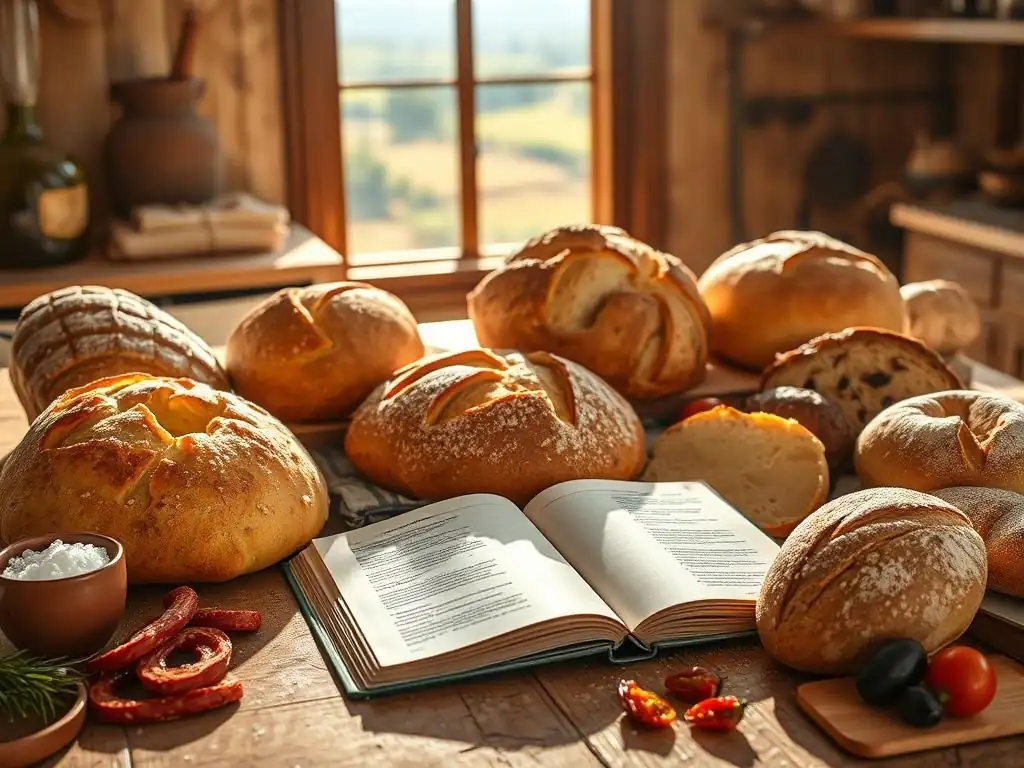
Welcome to BakeWithEase, your kitchen companion for unlocking the secrets of delectable baking! Ever wondered how to recreate the rustic, sun-drenched flavors of Iberian bread at home? This week, we're diving deep into the heart of the Peninsula, sharing surprisingly easy Iberian Peninsula bread recipes that will transport your taste buds. Prepare to discover techniques and ingredients that will transform your baking – and leave you craving more! What are the secrets that make these breads so unique and delicious? Let's find out...
- Exploring Pacific Northwest Breads: From Sourdough to Indigenous Staples
- Discovering the Diverse Breads of the Pacific Northwest
- Pacific Northwest Bread Recipes for Home Bakers
- Mastering Pacific Northwest Bread Baking Techniques
- Regional Variations in Pacific Northwest Bread Making
- Tips and Tricks for Perfect Pacific Northwest Bread Every Time
- Troubleshooting Common Baking Problems
- Where to Find Authentic Pacific Northwest Bread in [Your City/Region]
- Conclusion: Bringing the Taste of the Pacific Northwest to Your Kitchen
-
Frequently Asked Questions
- What makes Iberian Peninsula breads unique?
- Are Iberian Peninsula bread recipes difficult to make?
- Can I find all the ingredients for these recipes at my local grocery store?
- What kind of equipment do I need to bake Iberian Peninsula breads?
- What are some popular examples of Iberian Peninsula breads?
- Final Reflection: The Enduring Legacy of Iberian Bread
- Unlock the Flavors of Iberia: Your Baking Adventure Starts Now!
Exploring Pacific Northwest Breads: From Sourdough to Indigenous Staples
Discovering the Diverse Breads of the Pacific Northwest
Exploring the Bread Baking Heritage of Washington, Oregon, and British Columbia
The Pacific Northwest, encompassing Washington, Oregon, and British Columbia, boasts a rich and varied bread baking heritage shaped by its unique geography, climate, and cultural influences. This region, known for its abundant natural resources including fertile valleys perfect for grain cultivation and lush forests, has long been a place where baking thrives. Early settlers brought traditions from Europe, adapting them to local ingredients and conditions, while Indigenous peoples had their own long-standing methods of preparing grains and roots. Over time, this fusion created a distinct Pacific Northwest baking identity.
From the rainy coastal areas ideal for cultivating specific wheat varieties to the drier inland regions, the environment plays a significant role. The cool, consistent temperatures near the coast, for example, are often cited as beneficial for developing complex flavors in naturally leavened sourdoughs, a staple throughout the region. Inland areas, with their agricultural bounty, contribute ingredients like apples, berries, and nuts that find their way into loaves and pastries. This deep connection to the land and its produce is a hallmark of Pacific Northwest bread making, making it a truly regional art form.
Understanding Key Ingredients in Pacific Northwest Bread Making
The quality of ingredients is paramount in Pacific Northwest bread baking, with many bakers prioritizing locally sourced components. Flour is a primary focus, with regional mills processing wheat varieties specifically suited to the climate. Hard red winter wheat and soft white wheat are commonly grown, offering different characteristics for bread and pastry flours. Using locally milled flour not only supports regional agriculture but often provides fresher flour with unique flavor profiles influenced by the specific growing conditions of the Pacific Northwest.
Beyond flour, the region's natural bounty provides a wealth of complementary ingredients. Oregon and Washington are major producers of berries like marionberries, blueberries, and raspberries, which are frequently incorporated into sweet breads, scones, and muffins. Hazelnuts from Oregon add a delightful crunch and nutty flavor to many loaves. Apples, particularly from Washington, find their way into autumn-themed breads. Even savory ingredients like Walla Walla sweet onions are celebrated in regional bread specialties, showcasing the diverse agricultural landscape that defines Pacific Northwest bread.
Pacific Northwest Bread Recipes for Home Bakers
Sourdough Bread Recipes Inspired by the Pacific Northwest
San Francisco Style Sourdough: Adapting a Classic
While San Francisco is the iconic home of sourdough, the Pacific Northwest has embraced and adapted this classic, often benefiting from similar coastal climates conducive to vibrant starters. A typical San Francisco-style sourdough relies on a high hydration dough (often 70-80% water to flour ratio) and a long, cool fermentation period. To adapt this for Pacific Northwest baking, many home bakers find their local microclimates, especially near the coast, naturally support the development of that desirable tangy flavor. The key is a healthy, active starter, fed regularly with regional flour if possible.
Adapting this classic involves understanding your starter's activity in your specific environment. A starter thriving in a cool, humid Seattle kitchen might behave differently than one in a drier, warmer climate like Eastern Washington. Adjusting fermentation times based on ambient temperature is crucial. For instance, a bulk fermentation that takes 4-6 hours at room temperature might require 8-12 hours or more in a cooler Pacific Northwest kitchen, often followed by an overnight cold proof in the refrigerator to deepen the flavor and improve crust development. This patient approach is essential for achieving the signature open crumb and tangy profile.
Cranberry Walnut Sourdough: A Northwest Twist
Incorporating regional ingredients into classic sourdough is a popular Pacific Northwest baking practice. Cranberry Walnut Sourdough is a prime example, combining the tangy base of sourdough with the sweetness of dried cranberries and the earthy crunch of walnuts, both ingredients readily available and often locally sourced in the region. This variation adds moisture and texture to the loaf while infusing it with flavors reminiscent of the Pacific Northwest's forests and bogs.
To make this, dried cranberries are often plumped in warm water or juice before being gently folded into the dough during the later stages of bulk fermentation or during shaping. Walnuts are typically toasted lightly to enhance their flavor before being added alongside the cranberries. The amount of inclusions can vary, but a common ratio is about 15-20% total weight of flour for the combination of cranberries and walnuts. The sourdough process, with its long fermentation, beautifully complements the added flavors, creating a complex and satisfying loaf perfect for breakfast or alongside cheese.
Indigenous Bread Recipes of the Pacific Northwest
Bannock: Traditional Indigenous Flatbread
Bannock is a staple bread among many Indigenous peoples across North America, including those in the Pacific Northwest. Traditionally, it was made from indigenous flours or ground roots and cooked over an open fire. With the introduction of European ingredients, modern bannock often uses wheat flour, baking powder as a leavening agent, water or milk, and sometimes a little fat. It's a simple, versatile dough that can be cooked in various ways: fried, baked, or cooked on a stick over a fire.
The beauty of bannock lies in its simplicity and adaptability. A basic recipe might call for just flour, baking powder, salt, and water. The dough is mixed until just combined, then shaped into rounds or patties. Frying is a common method, resulting in a golden-brown exterior and a soft interior. Baked bannock tends to be denser, similar to a scone. This bread holds significant cultural importance, often shared at gatherings and representing resilience and adaptation. While ingredients have changed, the spirit of communal baking and nourishment remains central to Pacific Northwest Indigenous communities.
Frybread: A Contemporary Indigenous Bread
Frybread, while having complex historical origins tied to displacement and reliance on government rations, has become a significant part of contemporary Indigenous cuisine across North America, including the Pacific Northwest. Made from a simple dough of flour, water, salt, and baking powder, it's fried in oil until puffed and golden. The result is a soft, chewy interior and a slightly crisp exterior.
Often served simply with toppings like honey or jam, frybread also forms the base for dishes like Indian tacos, where it's topped with savory ingredients like ground meat, beans, lettuce, cheese, and salsa. The preparation is straightforward: mix the dry ingredients, add liquid to form a soft dough, let it rest briefly, then pull or stretch pieces into desired shapes (often roughly circular or oval) before frying. While its history is complicated, frybread is widely recognized and consumed, representing a modern culinary tradition within many Pacific Northwest Indigenous communities.
Mastering Pacific Northwest Bread Baking Techniques
Utilizing Local Grains in Pacific Northwest Breads
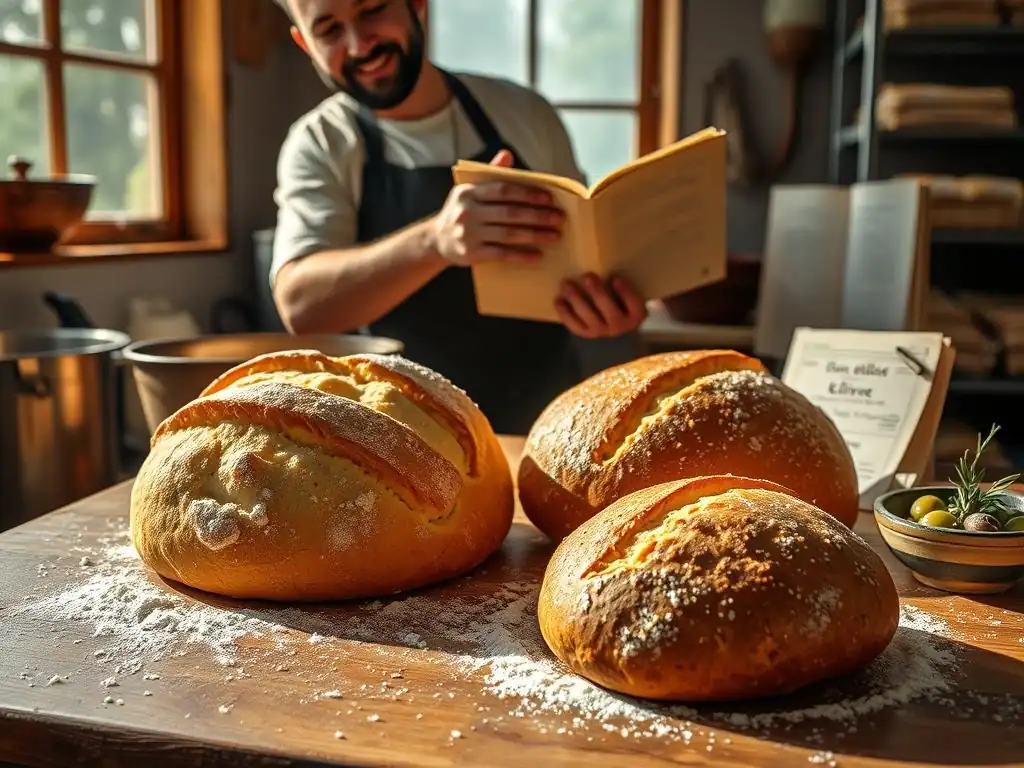
Working with local grains is a rewarding aspect of Pacific Northwest baking, but it requires understanding their unique properties. Flour milled from locally grown wheat can vary significantly in protein content and absorption compared to commercially blended flours. For instance, a soft white wheat flour common in the region might have lower protein (around 8-10%) and be better suited for pastries or softer breads, while a hard red winter wheat (10-13% protein) is ideal for hearty loaves.
Bakers often experiment with hydration levels when using local flours, as absorption rates can differ. It's common to start with a slightly lower hydration than you might typically use and add more liquid as needed during mixing until the dough feels right – often described as tacky but not overly sticky.
Furthermore, locally milled flours, especially if they contain more of the bran and germ, can be highly nutritious but may require slightly longer fermentation times as these components can sometimes inhibit gluten development. Embracing the variability and adjusting techniques based on the specific flour batch is key to successful Pacific Northwest bread making.
The Importance of Natural Leavening in Sourdough Bread
Natural leavening, or sourdough, holds a special place in Pacific Northwest bread baking, particularly along the coast where the climate seems to foster the right microbial balance for tangy starters. A sourdough starter is a living culture of wild yeast and lactic acid bacteria, which work together to ferment the dough, producing carbon dioxide for rise and organic acids for flavor. The unique blend of microbes in a starter is influenced by the local environment, including the flour used and the ambient air, contributing to the regional character of the bread.
Maintaining a healthy starter is fundamental. This involves regular feeding with fresh flour and water, typically at a consistent ratio (like 1:1:1 starter:flour:water by weight). The temperature at which the starter is kept significantly impacts its activity and flavor profile; cooler temperatures slow activity and promote acid production, leading to more tang, while warmer temperatures speed activity and result in a milder flavor. Many Pacific Northwest bakers embrace the slower, cooler fermentation that the climate often allows, believing it contributes significantly to the depth of flavor in their sourdough loaves.
Adapting Recipes for High Altitude Baking
While much of the population in the Pacific Northwest resides at lower elevations, mountainous regions like the Cascades and parts of Eastern Oregon and Washington present challenges for high-altitude baking. At higher elevations, atmospheric pressure is lower, causing dough to rise faster and moisture to evaporate more quickly. These factors can lead to bread that over-proofs easily, dries out, and has a less stable structure.
Adapting recipes for high altitude typically involves several adjustments. Reducing the amount of leavening agent (whether yeast or sourdough starter) is often necessary to prevent over-proofing. Increasing the hydration slightly can help counteract the increased evaporation, keeping the dough from drying out during fermentation and baking. Adjusting oven temperature, often increasing it slightly, can help set the crust more quickly, providing better support for the rising dough. Finally, fermentation times may need to be shortened, as the lower pressure allows gases to expand more rapidly. Careful observation of the dough, rather than strict adherence to time cues, becomes paramount.
Regional Variations in Pacific Northwest Bread Making
Bread Varieties of Washington State
Walla Walla Sweet Onion Bread: A Savory Delight
Washington State is renowned for its agriculture, and the southeastern region is particularly famous for the Walla Walla Sweet Onion. This exceptionally mild and sweet onion is a prized ingredient, and incorporating it into bread is a popular regional practice, especially in Eastern Washington. Walla Walla Sweet Onion Bread is typically a savory loaf, often made with a yeasted dough base.
The sweet onions are usually caramelized or sautéed before being folded into the dough, ensuring their moisture doesn't negatively impact the bread's structure and concentrating their unique sweetness. Herbs like thyme or rosemary are sometimes added to complement the onion flavor. The result is a fragrant, slightly sweet, and savory bread with soft bits of onion throughout, perfect for sandwiches or served warm with butter. Its popularity spikes during the summer months when the fresh onions are in season.
Apple Cider Bread: Autumn Flavors
As a major apple-producing state, particularly with varieties like Honeycrisp, Gala, and Fuji prevalent in the Yakima Valley and other growing regions, Washington naturally integrates apples into its baking. Apple Cider Bread captures the essence of a Washington autumn. This sweet bread typically uses reduced apple cider as part of the liquid component, intensifying the apple flavor.
Often, chopped apples (fresh or dried), cinnamon, nutmeg, and sometimes walnuts or pecans are also folded into the dough. The reduced cider contributes moisture and a subtle tanginess that complements the sweetness of the apples and spices. This bread is less about a traditional loaf structure and more akin to a quick bread or a sweet, enriched yeasted bread, making it moist and flavorful. It's a comforting bake that highlights one of Washington's most iconic crops.
Bread Varieties of Oregon
Hazelnut Bread: A Nutty Indulgence
Oregon is the leading producer of hazelnuts in the United States, accounting for over 99% of the domestic crop, primarily grown in the Willamette Valley. It's no surprise that hazelnuts feature prominently in Oregon baking, including bread. Hazelnut bread can range from rustic, crusty loaves incorporating toasted hazelnuts into the dough to sweeter, enriched breads or quick breads.
Toasted hazelnuts are key to maximizing their flavor and crunch within the bread. They are often roughly chopped and folded into a yeasted or sourdough dough during the final stages of mixing. The nutty flavor pairs well with slightly sweet doughs or those incorporating whole wheat or rye for added depth. A simple Hazelnut Bread recipe might involve adding 10-15% of the total flour weight in chopped, toasted hazelnuts to a basic loaf dough, creating a delightful texture and flavor contrast.
Marionberry Scones: A Berry-Filled Treat
While not strictly a loaf bread, Marionberry Scones are an iconic Oregon baked good that embodies the region's berry bounty. The marionberry, a type of blackberry developed at Oregon State University, is celebrated for its complex, tart-sweet flavor. Scones are a popular vehicle for showcasing these berries.
Oregon-style scones are often tender and moist, unlike some drier British versions. They typically rely on cold butter cut into flour, combined with buttermilk or cream, and gently mixed to avoid overworking the dough. Fresh or frozen marionberries are folded in before shaping. Baking at a relatively high temperature (around 400-425°F or 200-220°C) helps them rise quickly and develop a golden crust while keeping the interior soft and studded with bursts of juicy marionberries. A simple glaze or a dusting of sugar often finishes them off.
Bread Varieties of British Columbia
Nanaimo Bar Bread: A Decadent Dessert Bread
British Columbia's most famous sweet treat is arguably the Nanaimo Bar, a no-bake bar cookie with a crumb base, custard filling, and chocolate ganache topping. While not a traditional bread, creative BC bakers have developed "Nanaimo Bar Bread" – a sweet loaf that attempts to capture the layers and flavors of its namesake. This is firmly in the realm of dessert bread or quick bread rather than a yeasted loaf.
These breads often feature a base batter incorporating cocoa powder and coconut (mimicking the base layer), swirls or layers of a custard-like filling (using condensed milk, butter, and custard powder), and sometimes topped with chocolate chips or a chocolate drizzle after baking. A typical recipe might involve layering a cocoa-coconut batter with a mixture of condensed milk, butter, and custard powder in a loaf pan. While a playful interpretation, it's a unique British Columbia baking creation.
Sockeye Salmon Bannock: A Savory Combination
Combining traditional Indigenous bannock with the bounty of the Pacific Northwest coast, Sockeye Salmon Bannock is a savory variation found in British Columbia. Salmon, particularly sockeye, is a vital resource and cultural cornerstone for many coastal First Nations. Incorporating flaked, cooked salmon into bannock dough creates a flavorful and substantial bread.
The dough is typically a standard bannock recipe (flour, baking powder, salt, water/milk), into which cooked, flaked sockeye salmon is gently mixed. Sometimes, finely chopped herbs like dill or chives are also added. This savory bannock can be baked or pan-fried. It's often served on its own, as a side dish, or even split and filled, showcasing the connection between traditional foods and the rich marine environment of British Columbia.
Tips and Tricks for Perfect Pacific Northwest Bread Every Time
Sourcing Local Flour and Ingredients
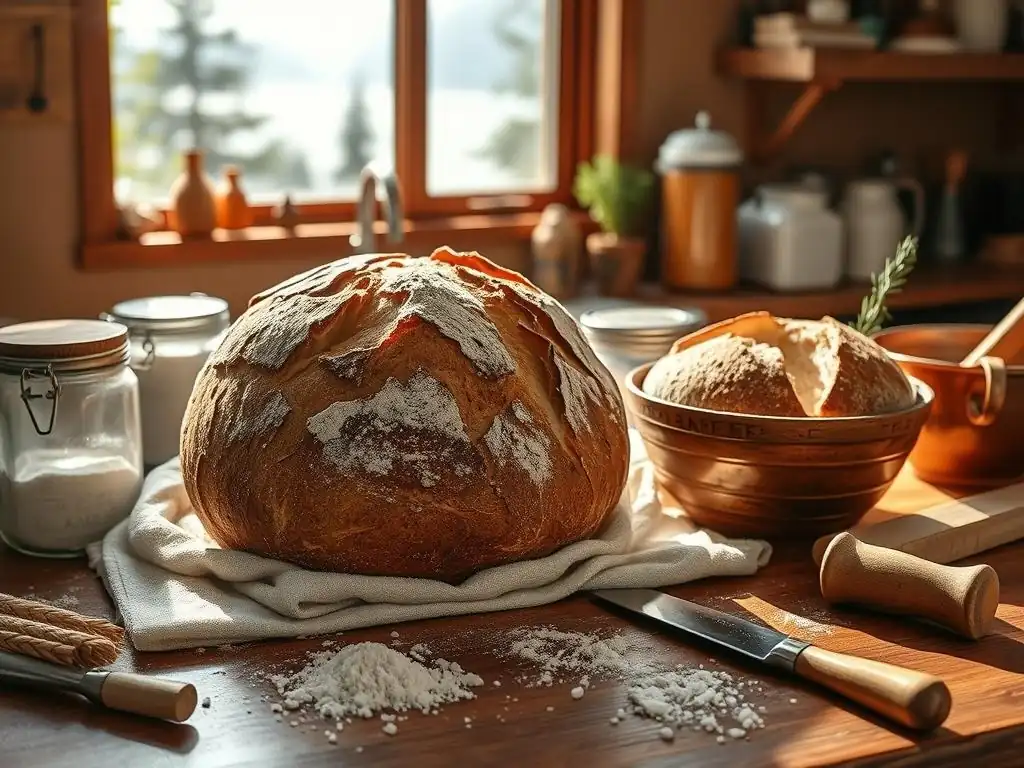
Sourcing local flour and ingredients is a fantastic way to connect with the Pacific Northwest's agricultural landscape and enhance your baking. Look for regional mills that stone-grind or roller-mill wheat grown nearby. Farmers markets are excellent places to find locally grown produce like berries, apples, and hazelnuts, often sold directly by the growers. Some bakeries also sell local flours.
When using local flours, especially those that are less refined, remember they may absorb liquid differently than standard supermarket flour. Start with slightly less water than the recipe calls for and gradually add more until the dough reaches the desired consistency. Consider visiting local farms or mills if possible; understanding where your ingredients come from can add a deeper appreciation to your baking process.
Achieving the Perfect Sourdough Tang
The signature tang of Pacific Northwest sourdough is often attributed to the region's climate, but home bakers can cultivate this flavor anywhere with careful management of their starter and fermentation. The tang comes from lactic and acetic acids produced by bacteria in the starter. Acetic acid, which gives a sharper, vinegary tang, is favored by cooler temperatures and longer fermentation times. Lactic acid, which provides a mellower, yogurt-like tang, is favored by warmer temperatures and shorter fermentation.
To increase tang, try proofing your dough for a longer period in the refrigerator (cold proofing). This slows down yeast activity but allows the bacteria to continue producing acids. Using a stiffer starter (lower hydration) or feeding your starter with a higher ratio of flour to water can also encourage acetic acid production. Experiment with these variables to find the balance of tang that you prefer in your Pacific Northwest-inspired loaves.
Storing and Enjoying Your Homemade Bread
Proper storage is key to keeping your homemade Pacific Northwest bread fresh. Once cooled completely, a crusty loaf is best stored at room temperature in a paper bag or a cloth bread bag. This allows the crust to remain crisp while protecting the interior. Avoid plastic bags for crusty breads, as they trap moisture and can make the crust soft and gummy quickly.
Softer breads, like enriched loaves or quick breads, can be stored in an airtight container or plastic bag at room temperature for a few days to maintain their softness. For longer storage, most breads freeze exceptionally well. Slice the cooled loaf before freezing for easy access to individual portions. Wrap tightly in plastic wrap or foil, then place in a freezer bag. Thaw at room temperature or toast slices directly from frozen.
Troubleshooting Common Baking Problems
Common Issues When Baking Sourdough Bread and How to Fix Them
Baking sourdough can be challenging, and several common issues arise. One is a lack of rise, which is often due to an inactive starter or under-proofing. Ensure your starter is active and bubbly before using it, doubling within a few hours of feeding. Give your dough sufficient time to bulk ferment and proof; look for visual cues like increased volume and air bubbles rather than sticking strictly to time guides.
Another common problem is a gummy interior or dense crumb. This can result from under-baking or insufficient fermentation. Ensure your oven temperature is accurate and bake the loaf until the internal temperature reaches around 205-210°F (96-99°C). If the crumb is dense with few air pockets, it likely needed more time during the bulk fermentation or proofing stages to develop gluten and gas. Overworking the dough can also lead to a tough, dense crumb.
Addressing Challenges in Indigenous Bread Baking
While often simpler in ingredients, Indigenous bread baking methods like bannock can present their own challenges. When frying bannock, achieving an evenly cooked interior without burning the exterior requires controlling the oil temperature. If the oil is too hot, the outside will brown too quickly; if too cool, the bannock will absorb too much grease. A medium heat is usually best, allowing the dough to cook through as it browns.
For baked bannock or frybread, ensuring the leavening (baking powder) is fresh is crucial for a good rise. Overmixing the dough can lead to a tough texture; mix only until the ingredients are just combined. If the dough is too dry, the resulting bread can be hard; if too wet, it can be difficult to handle and result in a heavy texture. Adjusting the liquid slightly based on the flour's absorption can help achieve the right consistency – a soft, slightly sticky dough.
Where to Find Authentic Pacific Northwest Bread in [Your City/Region]
Local Bakeries Featuring Pacific Northwest Breads
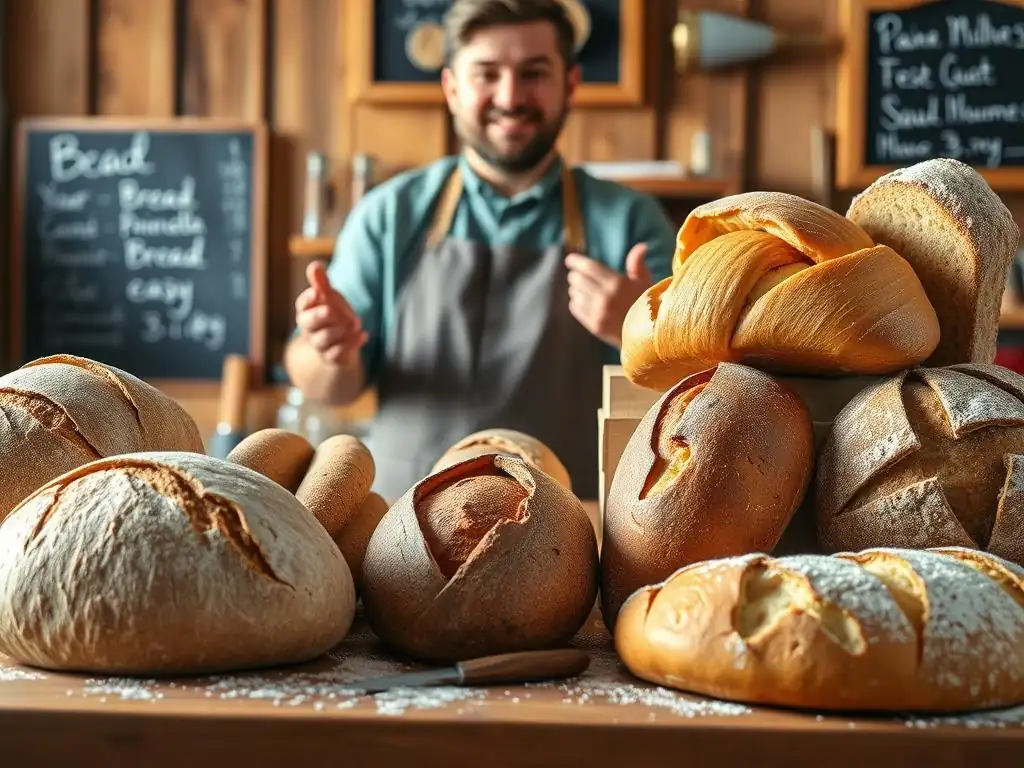
Finding authentic Pacific Northwest bread means seeking out bakeries that highlight regional ingredients and traditions. Look for independent bakeries that mention sourcing local flour or featuring seasonal loaves incorporating regional produce like berries, apples, or hazelnuts. Many bakeries in the Pacific Northwest have a strong focus on sourdough, often using locally milled flours which contributes to a unique regional flavor profile.
Consider visiting neighborhood bakeries, farmers market stalls, or bakeries attached to local farms. These venues are often the best places to find breads made with a true connection to the region's ingredients and baking ethos. Don't hesitate to ask bakers about their ingredients and processes; they are often passionate about sharing their craft and the regional connections of their bread.
Indigenous Bakeries and Cultural Centers
To experience authentic Indigenous breads like bannock and frybread, seek out Indigenous-owned bakeries, community centers, or cultural events. Many Indigenous communities and organizations host powwows, cultural festivals, or community gatherings where traditional foods, including freshly made bannock and frybread, are available.
Some urban areas in the Pacific Northwest may also have Indigenous-owned food businesses or stalls at public markets that offer these traditional breads. Purchasing from these sources directly supports Indigenous entrepreneurs and communities, offering a taste of culturally significant baking traditions that are deeply rooted in the history of the Pacific Northwest.
Conclusion: Bringing the Taste of the Pacific Northwest to Your Kitchen
Exploring Pacific Northwest bread baking is a journey into a region defined by its natural beauty and agricultural abundance. From the tangy sourdough shaped by the coastal air to traditional Indigenous bannock and innovative loaves featuring local produce like Walla Walla onions and Oregon hazelnuts, the diversity is truly inspiring.
By understanding the key ingredients, mastering fundamental techniques, and perhaps adapting them to your own kitchen environment, you can bring the distinct flavors of the Pacific Northwest into your home. Whether you're a beginner tackling your first loaf or an experienced baker seeking new inspiration, the world of Pacific Northwest bread offers endless opportunities for delicious discovery. Happy baking!
Frequently Asked Questions
What makes Iberian Peninsula breads unique?
Iberian Peninsula breads often utilize local ingredients like olive oil and unique flours, resulting in distinctive flavors and textures. Many recipes emphasize traditional baking methods passed down through generations.
Are Iberian Peninsula bread recipes difficult to make?
Not necessarily! While some are complex, BakeWithEase offers easy Iberian Peninsula bread recipes perfect for beginners. We break down the steps for simple and successful baking.
Can I find all the ingredients for these recipes at my local grocery store?
Many ingredients, like flour, water, salt, and yeast, are readily available. Some recipes may call for specialty flours or Iberian olive oil, but substitutions are often possible. BakeWithEase provides substitution suggestions.
What kind of equipment do I need to bake Iberian Peninsula breads?
Basic baking equipment is usually sufficient: mixing bowls, measuring cups and spoons, a baking sheet, and an oven. Some recipes might benefit from a baking stone or Dutch oven for a crispier crust.
What are some popular examples of Iberian Peninsula breads?
Examples include Portuguese Broa, a corn bread, and Spanish Pan de Cristal, known for its airy texture. Explore BakeWithEase for a variety of Iberian Peninsula bread recipes.
Final Reflection: The Enduring Legacy of Iberian Bread
The simple act of baking bread, a cornerstone of Iberian culture for millennia, continues to resonate deeply in our modern world. From rustic village loaves to sophisticated city pastries, the diverse breads of the Iberian Peninsula offer a tangible connection to history, tradition, and the enduring power of simple ingredients. This journey through recipes, from Portugal to Spain, has revealed not just culinary techniques, but also a rich tapestry of cultural exchange and enduring culinary heritage.
The influence of Iberian bread extends far beyond the simple satisfaction of a warm, crusty loaf. It's a symbol of community, of shared meals, and of the enduring connection between people and the land. The recipes shared here represent only a small fraction of the vast culinary landscape, yet they offer a glimpse into the heart of Iberian culture. Bread is the staff of life,
a proverb often repeated, underscores the profound importance of this staple food, not just as sustenance, but as a symbol of comfort, tradition, and shared experience.
Now, I invite you to take what you've learned and embark on your own Iberian baking adventure. Experiment with different flours, explore variations on classic recipes, and most importantly, share the joy of freshly baked bread with those you love. Let the aroma of baking bread fill your home, transporting you, even for a moment, to the sun-drenched fields and bustling kitchens of the Iberian Peninsula. The legacy of these recipes lives on, not just in the taste, but in the stories they tell and the connections they forge.
Unlock the Flavors of Iberia: Your Baking Adventure Starts Now!
Thanks for joining us on a delicious journey through the bread-baking traditions of the Iberian Peninsula! You've learned so much about the unique flours, techniques, and flavors that make these breads so special. Now it's time to put your newfound knowledge into practice!
- Bake your own sourdough Pan de Cristal: This iconic Portuguese bread is surprisingly simple to make at home – and the reward is pure deliciousness! Find our recipe guide on the website for detailed, step-by-step instructions.
- Share your baking triumphs (or challenges!): Connect with our BakeWithEase community on your preferred social media platform and inspire others with your Iberian baking journey. Use #BakeWithEaseIberia to join the conversation!
- Explore regional variations: Research other Iberian breads. What unique ingredients or techniques intrigue you the most? Let us know in the comments – we’d love to hear your ideas!
What incredible Iberian bread will you create next?