
Quick International Breads: Bake Global Flavors in Under An Hour

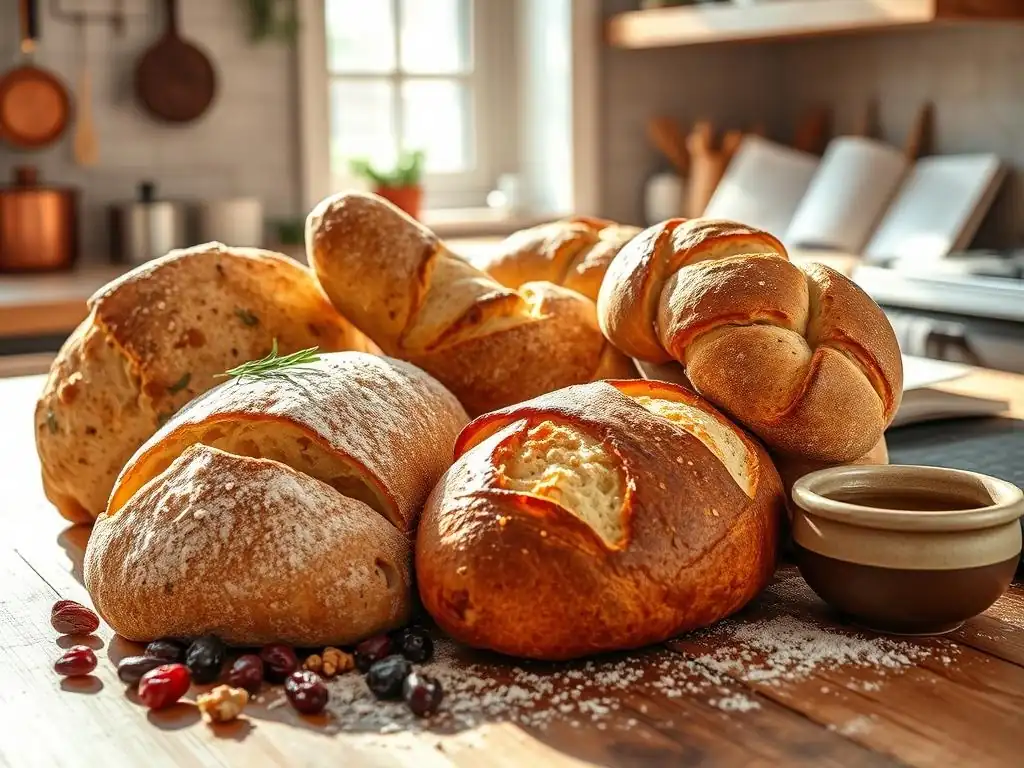
Welcome to BakeWithEase, your haven for baking brilliance! Are you ready to explore the world, one delicious loaf at a time? This week, we're whisking you away on a culinary adventure with our collection of easy international bread recipes. But can you really experience global flavors without spending hours in the kitchen? Prepare to be amazed – we're unlocking the secrets to quick, authentic breads from around the globe, all ready in under an hour! Keep reading to discover how simple it is to bring the taste of faraway lands right to your table...
- Quick & Easy Breads: Global Flavors in Under an Hour
- Introduction to Simple Bread Recipes from Around the World
- The Appeal of Quick Bread Baking: Global Flavors, Minimal Time Commitment
- Top 5 Easy International Bread Recipes for Beginners
- Tips & Tricks for Perfecting Your International Quick Breads
- Serving Suggestions for Your Global Bread Creations
- Conclusion: Expanding Your Baking Horizons with Easy International Breads
-
Frequently Asked Questions
- What qualifies a bread recipe as "quick" in the context of BakeWithEase's international bread recipes?
- Where can I find the ingredients for these easy international bread recipes?
- Are these international bread recipes suitable for beginner bakers?
- What types of international breads are typically featured on BakeWithEase?
- Can I adapt these easy international bread recipes to be gluten-free or vegan?
- Final Reflection: A World of Flavor, Baked in Minutes
- Unleash Your Inner Global Baker!
Quick & Easy Breads: Global Flavors in Under an Hour
Introduction to Simple Bread Recipes from Around the World
Discovering Bread Recipes from Different Cultures
Embarking on a journey through the world of baking often starts with the comforting aroma of fresh bread. While some traditional loaves require hours of proofing and complex techniques, there's a vast and exciting category of easy international bread recipes that bring global flavors within reach, often in less than an hour.
These quick bread recipes offer a delightful way to explore diverse culinary traditions without committing an entire day to the kitchen. From the sun-kissed shores of the Mediterranean to the bustling streets of India and the rugged landscapes of North America, every culture boasts its own unique approach to simple, satisfying bread.
Exploring these different bread types reveals fascinating variations in ingredients, textures, and cooking methods. Some rely on baking powder or soda for a rapid rise, while others use minimal yeast or no leavening at all, relying on heat to create structure. The beauty of these quick global breads lies in their accessibility; they often use pantry staples and require minimal specialized equipment.
This makes them perfect for beginner bakers or anyone looking for a fast, flavorful addition to their meal. Diving into this world of easy international bread recipes opens up a new dimension of culinary exploration right in your own kitchen.
Why Bake International Breads? Exploring Global Baking Traditions
Baking international breads is more than just following a recipe; it's a way to connect with global culinary traditions and experience flavors that have nourished communities for centuries. Each bread tells a story about the ingredients available, the cooking methods used, and the cultural significance it holds. For instance, flatbreads like chapati or pita are staples because they are quick to make and cook, ideal for diverse climates and lifestyles. Conversely, a quick cornbread reflects the agricultural history of regions where corn was a primary crop.
Beyond the cultural connection, baking these easy international bread recipes expands your baking repertoire and understanding of dough dynamics and leavening agents. You learn how different flours behave, the impact of hydration levels on texture, and how various cooking methods like griddle-cooking versus oven-baking affect the final product. This hands-on experience builds confidence and skills that are transferable to other baking projects. Plus, the simple joy of pulling a warm, fragrant, globally-inspired bread from your oven or off your stovetop is an incredibly rewarding experience that makes any meal feel special.
The Appeal of Quick Bread Baking: Global Flavors, Minimal Time Commitment
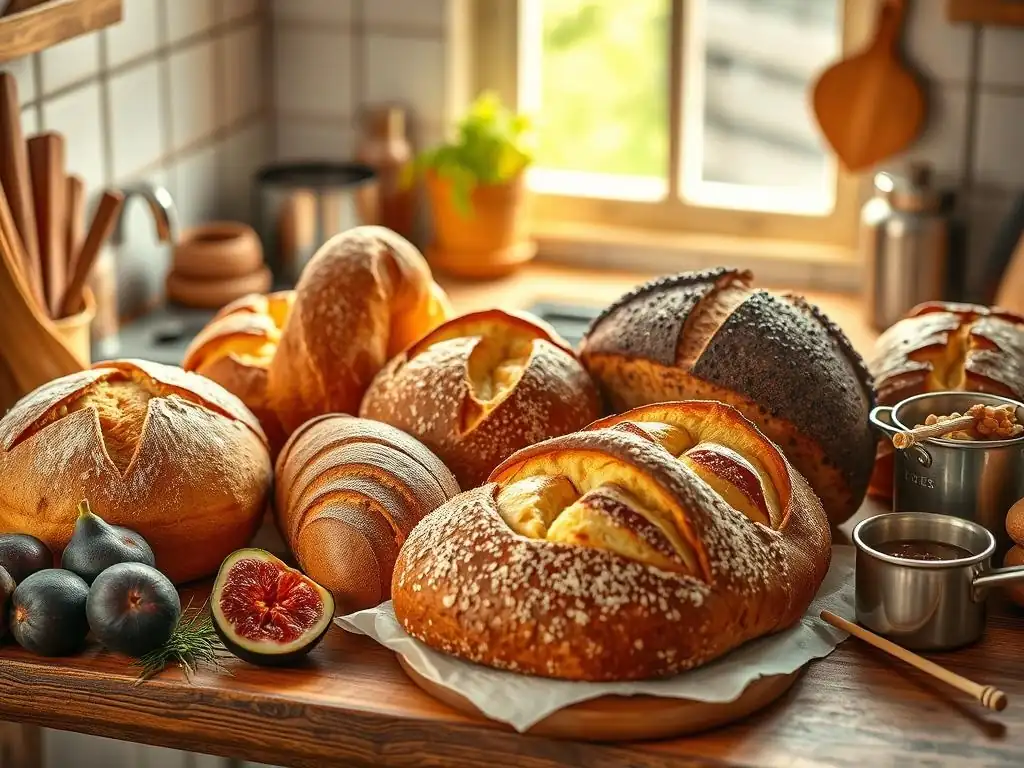
Understanding Quick Bread Techniques for Diverse Recipes
The term "quick bread" generally refers to breads that do not rely solely on yeast for leavening, or use minimal yeast with a very short proofing time, allowing them to be prepared and baked much faster than traditional yeast loaves. These techniques are fundamental to many easy international bread recipes.
Common leavening agents include baking soda and baking powder, which react with moisture and heat (or acidic ingredients) to produce carbon dioxide gas, causing the dough or batter to rise rapidly. This chemical leavening is key to the speed of many quick breads like scones or certain types of cornbread.
Other quick bread techniques involve minimal or no leavening at all, relying instead on thinness and high heat to cook quickly and develop texture. Flatbreads like chapati or some very thin pita variations fall into this category.
The dough is often simple – just flour and water, sometimes with salt or a little oil – and cooked on a hot surface like a griddle or skillet. Understanding these basic principles – chemical leavening, minimal yeast, or no leavening with quick cooking – is crucial for mastering the diverse range of easy international bread recipes available and adapting them to your kitchen.
Essential Ingredients for Global Quick Breads
While the specific ingredients vary greatly depending on the region and type of bread, a few staples form the foundation for many easy international bread recipes. Flour is, of course, paramount, but the type of flour matters. All-purpose wheat flour is common, but some recipes call for specific flours like cornmeal (for cornbread), whole wheat flour (for chapatis), or a mix. Leavening agents like baking powder and baking soda are essential for chemically leavened quick breads, while some flatbreads require no leavening.
Liquid is always necessary to bring the dry ingredients together, typically water or milk, sometimes buttermilk for added richness and reaction with baking soda. Fat, such as oil or butter, is often included to add tenderness and flavor. Salt is vital for enhancing the overall taste. Other ingredients like sugar (especially in quick breads like cornbread), eggs (binding and richness), and various seeds, herbs, or spices are added for specific flavors characteristic of different regions. Having these basic components on hand makes it easy to whip up a variety of easy international bread recipes on short notice.
Top 5 Easy International Bread Recipes for Beginners
1. Focaccia: A Versatile Italian Flatbread
Focaccia is a wonderfully simple and versatile Italian flatbread, often considered a cousin to pizza dough. While traditional focaccia can involve long fermentation, many quick versions exist that can be ready to bake in under an hour using a little yeast and a short rise, or even chemical leavening for an ultra-fast result.
The dough is typically made from flour, water, yeast (or baking powder), salt, and a generous amount of olive oil. It's spread into a pan, dimpled with fingers, and often topped with herbs like rosemary, coarse salt, or other ingredients like olives or cherry tomatoes before baking.
The beauty of focaccia lies in its simplicity and adaptability. The texture is soft and airy on the inside with a delightfully crisp, golden crust thanks to the olive oil. It requires minimal kneading, often just mixing the ingredients until combined and letting it rest briefly. Baking is relatively quick, usually taking between 20 to 30 minutes depending on the thickness. This makes it one of the most accessible and rewarding easy international bread recipes for novice bakers looking to make a flavorful, impressive-looking bread with relatively little effort.
Ingredients for Basic Focaccia
A basic quick focaccia typically requires common pantry items. You'll need all-purpose flour, warm water, a small amount of active dry yeast or instant yeast (or baking powder for a truly no-rise version), salt, and crucially, good quality olive oil. A standard recipe might use around 2-3 cups of flour, about a cup of warm water, a teaspoon or two of yeast, a teaspoon of salt, and several tablespoons of olive oil, plus extra for the pan and drizzling.
Optional additions like fresh rosemary sprigs, flaky sea salt, sliced garlic, or cherry tomatoes are classic toppings that elevate the flavor. For a quick rise version, ensuring the water is warm (around 105-115°F or 40-46°C) is important if using active dry yeast. If using instant yeast or baking powder, water temperature is less critical. The minimal list of core ingredients makes this an excellent starting point for exploring easy international bread recipes.
Step-by-Step Focaccia Baking Instructions
Making quick focaccia begins by whisking together the warm water and yeast (if using) with a pinch of sugar, letting it bloom for a few minutes until foamy. If using instant yeast or baking powder, you can often just mix dry ingredients and wet ingredients separately before combining. In a large bowl, combine the flour and salt. Pour the liquid mixture and a good amount of olive oil into the dry ingredients and mix until a shaggy dough forms. For a quick version, minimal kneading (just a minute or two) is sufficient, or simply mix until combined.
Transfer the dough to a well-oiled baking pan (around 9x13 inches or a similar size for a standard batch), ensuring the bottom and sides are generously coated. Drizzle more olive oil over the top of the dough. At this point, for a quick yeast version, let it rest in a warm spot for 15-20 minutes; for a baking powder version, you can often proceed immediately.
Use oiled fingers to gently dimple the surface of the dough, creating indentations. Add your desired toppings. Bake in a preheated oven, typically around 400-425°F (200-220°C), for about 20-30 minutes, or until golden brown and cooked through.
2. Chapati: A Simple Indian Flatbread
Chapati is an unleavened flatbread originating from the Indian subcontinent, a staple in many households. Made from just whole wheat flour (atta), water, and salt, it's one of the simplest and quickest bread recipes globally. The dough is kneaded briefly until smooth, then small portions are rolled out into thin discs, typically about 6-8 inches in diameter.
Cooking chapati is a fascinating and rapid process, often done on a dry griddle (tava) and then briefly exposed to direct flame, causing the bread to puff up dramatically like a balloon. This puffing indicates it's cooked through and creates a light, airy interior despite the lack of leavening. The entire process from mixing the dough to cooking a batch of chapatis can easily be completed in under an hour, making it a prime example of easy international bread recipes perfect for pairing with curries, stews, or enjoying on its own with a dollop of butter or ghee.
Making Chapati Dough: A Quick Guide
The dough for chapati is incredibly straightforward. You'll need fine whole wheat flour (atta), warm water, and a pinch of salt. A common ratio is about 2 parts flour to 1 part water, though this can vary slightly depending on the flour's absorption. For example, you might start with 2 cups of atta and gradually add about 1 cup of warm water.
In a bowl, combine the flour and salt. Gradually add the warm water, mixing with your hands until a soft, pliable dough forms. Knead the dough for about 5-10 minutes until it is smooth and elastic. The dough should not be sticky but soft enough to roll easily. Cover the dough and let it rest for a short period, even just 10-15 minutes, while you heat your griddle. This brief rest helps the gluten relax, making the dough easier to roll thinly, which is essential for achieving the characteristic puff.
Cooking Chapati: Instructions
Cooking chapatis is a two-step process using a hot griddle (tava) and often an open flame. First, heat your griddle over medium-high heat. Pinch off small portions of dough (about golf-ball size) and roll them into smooth balls. Dip a ball in dry flour and roll it out on a lightly floured surface into a thin, even disc, about 6-8 inches in diameter.
Place the rolled chapati onto the hot, dry griddle. Cook for about 30-60 seconds until small bubbles appear on the surface and the underside has light brown spots. Flip the chapati and cook the second side for another 30-60 seconds.
At this point, you can either transfer the chapati directly onto a medium flame (using tongs) for a few seconds – it should puff up rapidly – or gently press the edges on the griddle with a clean cloth or spatula to encourage it to puff. Once puffed and cooked through, remove and brush lightly with ghee or butter if desired. Cook remaining chapatis similarly; the whole process is very fast, fitting the definition of easy international bread recipes.
3. Bannock: A Scottish/Indigenous Flatbread
Bannock is a simple, often unleavened or baking-powder-leavened flatbread historically associated with Scotland and later adopted and adapted by Indigenous peoples in North America. Its appeal lies in its basic ingredients and versatility – it can be cooked in various ways, including baking, pan-frying, or even cooking over an open fire. Traditional bannock often used oats or barley, while modern versions commonly use wheat flour.
The dough is usually a simple mix of flour, baking powder, salt, and fat (like butter, lard, or oil), combined with milk or water. It's mixed quickly, formed into a round disc or cut into pieces, and then cooked. Its resilience and simple preparation made it a staple for travelers and those in remote areas, highlighting how easy international bread recipes often arise from necessity and readily available resources.
Simple Bannock Recipe
A basic bannock recipe is incredibly forgiving and quick to assemble. You'll need flour (all-purpose or whole wheat), baking powder, salt, a small amount of fat (like 2-3 tablespoons of melted butter or oil per cup of flour), and enough liquid (milk or water) to bring it together into a soft dough. A common ratio might be 2 cups of flour, 2 teaspoons of baking powder, 1/2 teaspoon of salt, 2-3 tablespoons of fat, and about 3/4 cup of liquid.
Combine the dry ingredients in a bowl. Cut in the fat until the mixture resembles coarse crumbs. Gradually add the liquid, mixing until a soft, slightly sticky dough forms. Do not overmix. The dough should just come together. This minimal mixing and simple ingredient list make bannock a true quick bread, fitting perfectly into the category of easy international bread recipes that require minimal fuss.
Cooking Bannock: Pan-Frying or Baking
Bannock can be cooked in several ways, making it adaptable to different situations. For pan-frying, heat a greased skillet or griddle over medium heat. Form the dough into a disc about 1/2 to 1 inch thick, or cut it into wedges. Place the dough in the hot skillet and cook for about 10-15 minutes per side, or until golden brown and cooked through. The exact time depends on the thickness.
Alternatively, bannock can be baked. Preheat your oven to around 400°F (200°C). Form the dough into a disc or cut into wedges and place on a greased baking sheet. Bake for about 20-30 minutes, or until golden brown and a toothpick inserted into the center comes out clean. Both methods are relatively quick and straightforward, producing a hearty bread that's great with soups, stews, or jam.
4. Cornbread: A Classic American Quick Bread
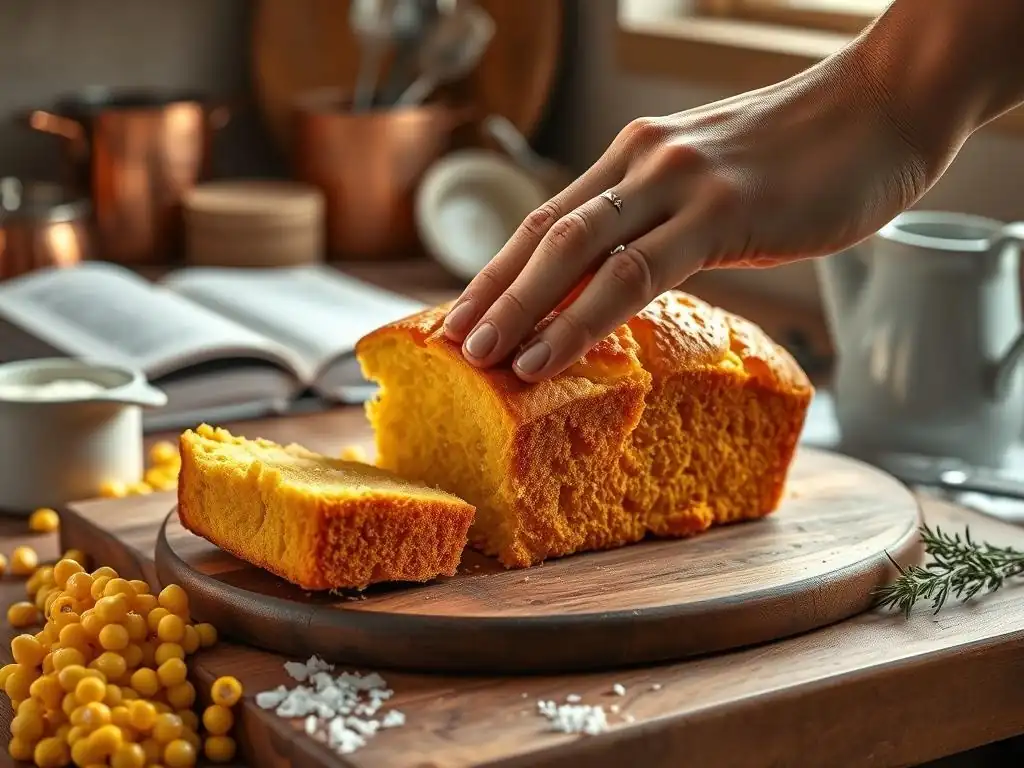
Cornbread is a beloved quick bread from the Americas, particularly associated with the Southern United States. Unlike yeast breads, cornbread relies on baking powder and often baking soda (when buttermilk is used) for its rise. Its defining ingredient is cornmeal, which gives it a distinct texture and slightly sweet or savory flavor depending on the recipe.
Traditional cornbread can be made quickly, mixed in minutes and baked in less than half an hour. Recipes vary from crumbly and savory (common in the South, often baked in a cast-iron skillet) to sweeter, cake-like versions. The simplicity of the 'muffin method' (mixing wet and dry ingredients separately, then combining quickly) makes it incredibly fast to prepare, solidifying its place among easy international bread recipes (in this case, North American) that are perfect for pairing with chili, BBQ, or greens.
Cornbread Recipe for the Home Oven
A standard quick cornbread recipe for baking in a home oven is quite simple. You'll need cornmeal (yellow or white), all-purpose flour, baking powder, salt, and often a little sugar. Wet ingredients typically include eggs, milk or buttermilk, and melted butter or oil. A common ratio might be equal parts cornmeal and flour (e.g., 1 cup each), 2-3 teaspoons of baking powder, 1/2 teaspoon of salt, and 1-2 tablespoons of sugar. For the wet components, you might use 1-2 eggs, 1 cup of milk or buttermilk, and 1/4 cup of melted butter or oil.
Preheat your oven and baking pan (like a cast-iron skillet or an 8x8 inch baking dish) with butter or oil while you prepare the batter. This hot pan helps create a nice crust. Whisk together the dry ingredients in one bowl. In another bowl, whisk the wet ingredients. Pour the wet ingredients into the dry ingredients and stir just until combined; do not overmix, as this can make the cornbread tough.
Baking Cornbread: A Quick & Easy Recipe
Once your simple cornbread batter is ready and your oven is preheated, typically to 400-425°F (200-220°C), pour the batter into the hot, greased baking pan. If using a cast-iron skillet that's been preheating in the oven, be very careful as it will be extremely hot. Spread the batter evenly.
Bake for about 20-25 minutes, or until the top is golden brown and a toothpick inserted into the center comes out clean. The baking time is relatively short due to the chemical leavening and the nature of the batter, allowing you to have fresh, warm cornbread on the table quickly. This rapid bake time is a key feature that makes cornbread one of the most popular easy international bread recipes for casual meals and gatherings.
5. Pita Bread: A Middle Eastern Pocket Bread
Pita bread is a soft, slightly leavened or unleavened flatbread widely consumed in the Mediterranean, Middle East, and surrounding areas. Its defining characteristic is the internal pocket, created when the dough puffs up dramatically during high-heat cooking, separating the layers. While some traditional pita recipes use yeast and require proofing, quicker versions can be made with minimal yeast and a very short rest, or even using baking powder for a no-rise option, though the pocket might be less consistent.
The basic dough is usually flour, water, salt, and a small amount of yeast or leavening. It's mixed, briefly rested (if using yeast), divided into portions, and rolled into thin rounds. The magic happens during cooking on a very hot surface or in a very hot oven, which causes the moisture in the dough to turn to steam and inflate the bread, forming the pocket. This quick cooking process is what makes pita a candidate for easy international bread recipes when time is limited.
Pita Bread Recipe: Yeast-Free Option
While yeast provides the most reliable pocket, you can make a very quick, flat pita-like bread using baking powder, or simply rely on high heat and thin rolling with just flour and water. For a yeast-free version, you might combine 2 cups of all-purpose flour with 2 teaspoons of baking powder and 1/2 teaspoon of salt. Add about 3/4 to 1 cup of warm water and a tablespoon of olive oil.
Mix until a soft dough forms. Knead very briefly, just until smooth, or simply let it rest for 10 minutes. Divide the dough into 4-6 equal pieces and roll each piece into a thin round, about 6-7 inches in diameter. The dough should be thin but not so thin it tears. This simple dough preparation allows for very fast turnaround, fitting the criteria for easy international bread recipes when you need bread now.
Baking Pita: A Quick & Easy Flatbread
Cooking pita requires high heat to achieve the characteristic puff. You can use a very hot oven (preheated to 450-500°F or 230-260°C, ideally with a pizza stone or baking steel) or a hot, dry skillet or griddle over medium-high heat. If using an oven, place the rolled pita rounds directly onto the hot stone or baking sheet. They should puff up within 2-3 minutes.
Once puffed, bake for another 1-2 minutes until lightly golden. If using a skillet, place the rolled pita on the hot, dry surface. Cook for about 1-2 minutes per side; it should puff up as it heats. Once cooked and lightly spotted, remove from the heat. The high-heat, fast cooking method is key to making pita a quick bread, making these easy international bread recipes feasible even on busy weeknights.
Tips & Tricks for Perfecting Your International Quick Breads
Mastering the Art of Mixing Quick Bread Dough
Successfully making easy international bread recipes often comes down to proper mixing techniques, which differ significantly from traditional yeast breads. For quick breads leavened with baking powder or soda, the general rule is to mix the wet ingredients and dry ingredients separately, then combine them quickly with minimal stirring, just until the flour streaks disappear. Overmixing develops gluten, which can result in a tough texture, undesirable in tender quick breads like cornbread or scones.
For flatbreads like chapati or pita (even quick versions), a brief period of kneading helps develop just enough gluten for structure and elasticity, allowing them to be rolled thinly and handle the heat. However, unlike lengthy kneading for sourdough or baguettes, this is often just 5-10 minutes. Understanding the purpose of mixing for each specific type of quick bread – minimal for tender crumb, brief kneading for elasticity – is crucial for achieving the desired texture and makes these easy international bread recipes consistently successful.
Achieving the Right Texture for Your International Breads
The desired texture varies greatly among easy international bread recipes, from the soft, pocketed interior of pita to the dense, crumbly nature of some cornbreads, or the slightly chewy quality of pan-fried bannock. Achieving the correct texture depends on several factors, including the flour type, hydration level, leavening agent, and cooking method. Using the specified flour (like cornmeal for cornbread) is key. Hydration (the ratio of liquid to flour) affects tenderness and chewiness.
Leavening directly impacts how light and airy the bread becomes. Baking powder and soda create a rapid, often finer crumb compared to yeast. The cooking method is also critical; high heat is needed for pita to puff, while moderate heat and longer cooking are better for baking thicker quick breads. Paying attention to these details and perhaps making small adjustments based on your environment (humidity affects flour absorption) will help you consistently produce delicious, properly textured easy international bread recipes.
Flavor Variations: Enhancing Your International Bread Recipes [e.g. Herbs, Spices]
One of the joys of baking easy international bread recipes is the opportunity to customize and enhance flavors using herbs, spices, and other additions characteristic of different cuisines. Focaccia, for instance, is famously topped with fresh rosemary and flaky sea salt, but you can also press in garlic slices, cherry tomatoes, olives, or even caramelized onions before baking.
Indian chapatis are typically simple, but the dough can be infused with spices like cumin or ajwain seeds, or finely chopped fenugreek leaves (methi) for Methi Chapati. Cornbread can become savory with the addition of shredded cheese, jalapeños, or cooked bacon, or sweeter with extra sugar, honey, or maple syrup. Bannock can incorporate dried fruits, nuts, or seeds. Experimenting with these simple additions allows you to put your own spin on these classic easy international bread recipes and tailor them to your taste or the meal you're serving.
Serving Suggestions for Your Global Bread Creations
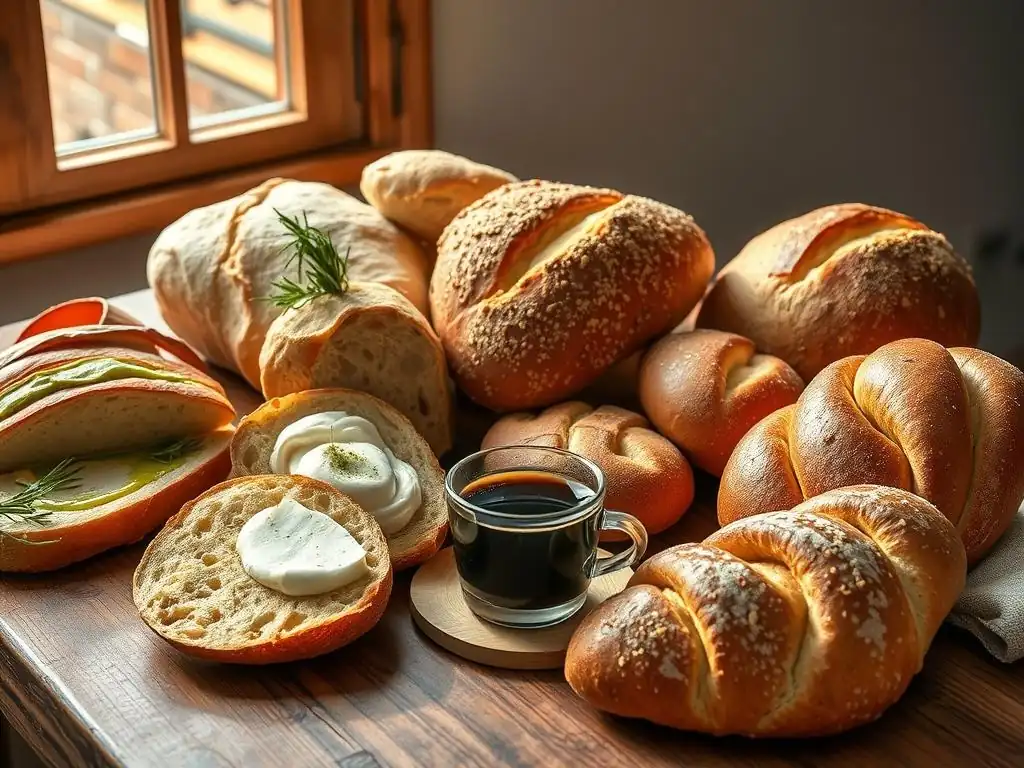
Complementary Dishes for Each Bread Type [e.g., Soups, Dips]
Pairing your freshly baked easy international bread recipes with complementary dishes elevates the dining experience. Focaccia is wonderful served as an appetizer with olive oil and balsamic vinegar for dipping, or alongside pasta dishes, salads, or soups like minestrone or tomato soup. Its sturdy yet tender texture makes it perfect for soaking up sauces.
Chapati is the ideal accompaniment to Indian curries, dals (lentil dishes), and vegetable stir-fries (sabzis). It's used to scoop up the food, acting as both utensil and delicious edible base. Bannock is traditionally served with stews, chilis, or game meats in North America, and in Scotland, it might be eaten with butter and jam or alongside a hearty soup.
Cornbread is a classic partner for chili, BBQ pulled pork, collard greens, or any robust, savory dish. Pita bread is essential for making sandwiches with falafel, gyro meat, or grilled vegetables, and is perfect for dipping into hummus, baba ghanoush, or other Middle Eastern dips.
Creative Ways to Enjoy Your Homemade International Breads
Beyond the classic pairings, there are many creative ways to enjoy your homemade easy international bread recipes. Leftover focaccia makes excellent croutons for salads or can be split horizontally and used for sandwiches. Day-old chapati can be crumbled and used in dishes like Upma or simply reheated.
Bannock can be split and filled like a biscuit or served as a base for sweet toppings like fruit compote. Cornbread can be crumbled into chili, used in stuffing (cornbread dressing), or even served as a dessert with honey or ice cream. Pita bread can be cut into triangles and baked or fried to make pita chips for dipping, or used as a mini pizza base. Getting creative with how you use these versatile easy international bread recipes ensures no crumb goes to waste and adds exciting dimensions to your meals.
Conclusion: Expanding Your Baking Horizons with Easy International Breads
The Joy of Baking International Breads at Home
There is a unique and deeply satisfying joy in baking bread at home, and exploring easy international bread recipes adds an extra layer of excitement. These recipes demonstrate that delicious, authentic-tasting bread doesn't always require extensive time commitments or advanced techniques. The process of mixing simple ingredients and transforming them into warm, fragrant bread from another part of the world is incredibly rewarding and accessible to bakers of all skill levels.
Bringing these global flavors into your kitchen allows you to travel through taste and share these experiences with family and friends. From the rustic simplicity of bannock to the delightful puff of pita, each recipe offers a window into a different culture and a chance to expand your culinary skills. Embracing these easy international bread recipes is a fantastic way to build confidence in your baking abilities while enjoying incredibly tasty results.
Encouragement to Experiment with Different Global Flavors
We hope this exploration of easy international bread recipes inspires you to tie on your apron and start baking! Don't be afraid to try a recipe that seems unfamiliar. These quick breads are designed to be relatively forgiving and fast, making them perfect for experimentation. Start with one that catches your eye, gather your simple ingredients, and follow the steps.
Once you've mastered a few basic easy international bread recipes, feel empowered to play with variations. Adjust the herbs on your focaccia, add spices to your chapati dough, or try different mix-ins for your cornbread. The world of quick international breads is vast and full of delicious possibilities, waiting for you to discover them. Happy baking, and enjoy your delicious journey around the globe, one easy bread at a time!
Frequently Asked Questions
What qualifies a bread recipe as "quick" in the context of BakeWithEase's international bread recipes?
"Quick" refers to recipes that require less than an hour from start to finish. This often involves using faster-acting yeast or relying on no-knead techniques.
Where can I find the ingredients for these easy international bread recipes?
BakeWithEase focuses on recipes using easy-to-find ingredients. Most can be sourced from local grocery stores or online retailers.
Are these international bread recipes suitable for beginner bakers?
Yes! BakeWithEase emphasizes simplicity and clear instructions. The recipes are designed for bakers of all skill levels, including beginners.
What types of international breads are typically featured on BakeWithEase?
The site explores a variety of breads, including flatbreads, quick breads, and yeast-based breads from different countries, prioritizing recipes that are easy and fast.
Can I adapt these easy international bread recipes to be gluten-free or vegan?
While the original recipes may not be gluten-free or vegan, BakeWithEase encourages experimentation and provides tips on substituting ingredients to accommodate dietary restrictions where possible.
Final Reflection: A World of Flavor, Baked in Minutes
The accessibility of global cuisine has never been greater, and quick international bread recipes are leading the charge. These aren't just recipes; they're portals, transporting you to bustling Parisian bakeries, sun-drenched Mediterranean villages, and vibrant Asian markets—all from the comfort of your own kitchen. The ease and speed with which you can create these flavors challenge the notion that authentic, delicious food requires hours of painstaking work.
The impact of readily available international recipes extends beyond mere culinary exploration. It fosters cultural understanding and appreciation, breaking down barriers and celebrating the diversity of global traditions. Food is symbolic of love when words are inadequate.
- Alan D. Wolfelt. This quote perfectly encapsulates the power of sharing and experiencing different cultures through the simple act of baking. The aroma alone can evoke a sense of place and memory, connecting us to stories and experiences far beyond our own.
Now, it's your turn. Don't just read these recipes; live them. Choose a recipe that sparks your curiosity, gather your ingredients, and embark on a culinary adventure. Let the process be as much a journey as the delicious result. Share your creations, your experiences, and your newfound appreciation for the global tapestry of bread-making. The world awaits your taste buds—and your oven.
Unleash Your Inner Global Baker!
Thanks for joining us on this whirlwind baking adventure! We hope you've discovered some new favorite quick breads to expand your culinary horizons. Ready to take your baking to the next level?
- Master your new favorite quick bread: Choose one recipe from the article and bake it today! Use #BakeWithEaseGlobal on social media to share your creation.
- Experiment with flavor combinations: Try swapping out ingredients or adding your own unique twist to one of the recipes. What exciting new global fusion will you create?
- Share your baking journey: Tell us about your favorite recipe or any challenges you overcame in the comments below! Let's inspire each other.
What delicious global flavor will you bake next?