
Savory International Breads: Perfect Pairings and Surprising Flavors

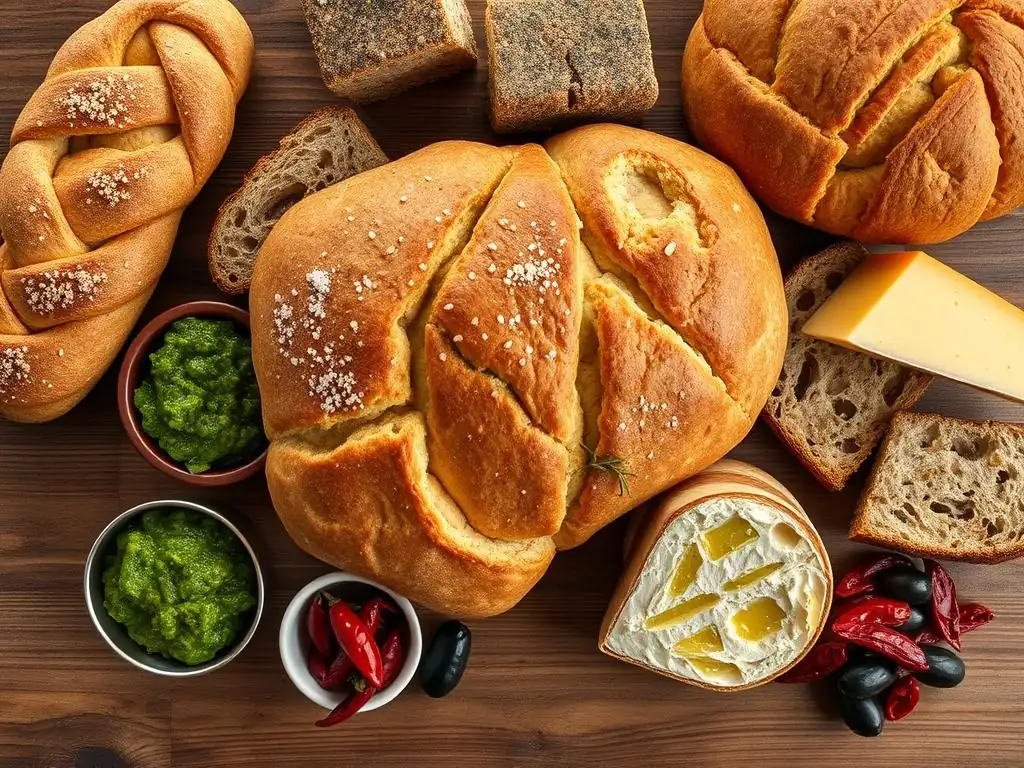
Welcome to BakeWithEase, your compass in the captivating world of baking! Are you ready to elevate your bread-making game beyond the familiar? This week, we're embarking on a flavor journey around the globe, exploring the delicious diversity of savory bread recipes worldwide. Imagine crafting aromatic focaccia from Italy, or perhaps a perfectly spiced naan from India. Intrigued? Dive in and discover how to bring these international delights to your own kitchen, creating perfect pairings and unforgettable flavors that will tantalize your taste buds. Let's bake!
- Savory International Breads: Perfect Pairings and Surprising Flavors - BakeWithEase
- A World Tour of Savory Breads: Regional Specialties
- Perfect Pairings: Serving Suggestions for Savory Breads
- Baking Savory Breads at Home: Tips and Techniques for Success
- Elevate Your Baking: Unleash the Potential of Savory Bread Recipes Worldwide
-
Frequently Asked Questions
- How can I adapt a sweet bread recipe to make it savory?
- What are some popular savory bread recipes from different countries?
- What type of flour is best for savory bread recipes?
- What are some unexpected flavor combinations that work well in savory breads?
- Where can I find reliable savory bread recipes for beginners?
- Final Reflection: A World of Flavor Awaits, One Loaf at a Time
- Unleash Your Inner Baker: Craft Your Perfect Bread Experience!
Savory International Breads: Perfect Pairings and Surprising Flavors - BakeWithEase
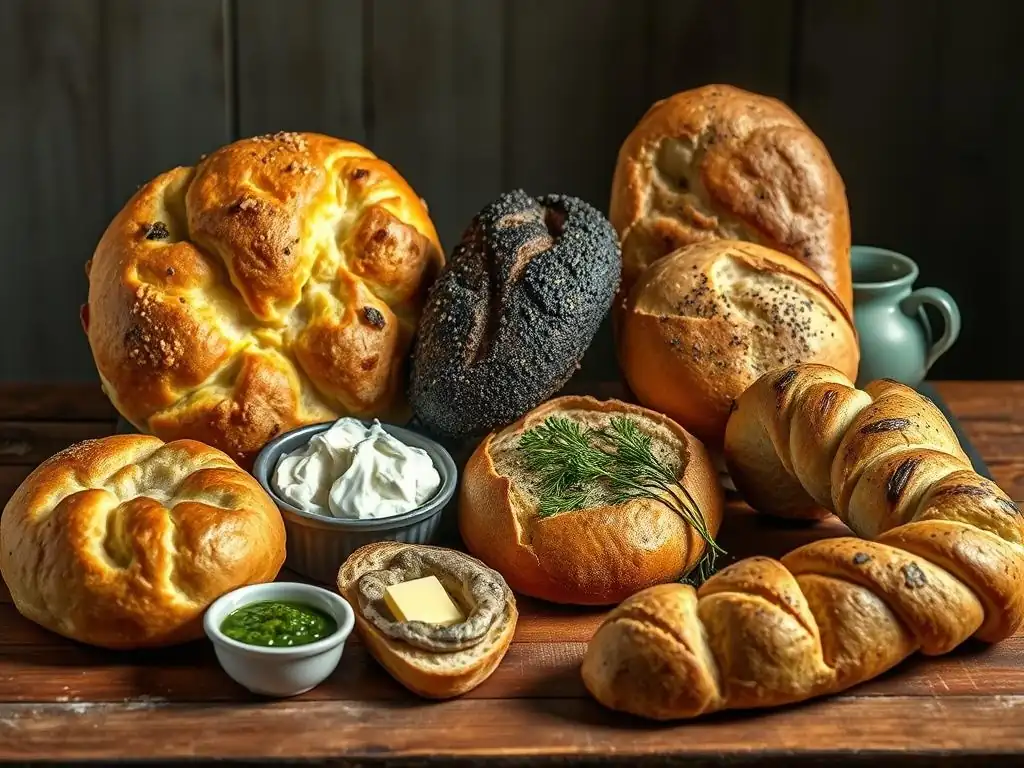
Embarking on a journey through savory bread recipes worldwide is an exciting way to expand your baking repertoire and delight your taste buds. Beyond the familiar sweet pastries and enriched doughs, there's a vast universe of breads flavored with herbs, spices, vegetables, cheese, and even meat. These international savory bread recipes offer a unique glimpse into different culinary cultures, showcasing how simple ingredients can be transformed into incredibly flavorful staples or special occasion treats. At BakeWithEase, we believe that exploring these global varieties makes baking more adventurous and rewarding.
Discovering savory bread recipes worldwide means uncovering hidden gems that can elevate any meal. From the sun-kissed shores of the Mediterranean to the bustling markets of Asia, each region boasts its own distinct approach to incorporating savory elements into bread. Whether it's the pungent aroma of garlic and herbs, the earthy notes of root vegetables, or the sharp tang of aged cheese, these breads are designed to complement savory dishes, serve as hearty snacks, or stand proudly on their own. Get ready to knead, shape, and bake your way through this flavorful world tour.
Discover Unique Savory Bread Flavors from Around the Globe
The beauty of savory bread recipes worldwide lies in their incredible diversity of flavors and textures. Unlike their sweet counterparts which often rely on sugar and fruits, savory breads draw flavor from a wide palette of ingredients. Think of the sharp, salty bite of olives and capers embedded in a rustic loaf, or the warm, aromatic spices woven into a soft, pliable flatbread. These unique flavor profiles are often deeply rooted in local agricultural products and culinary traditions.
Exploring these global flavors reveals how different cultures utilize similar base ingredients like flour, water, and yeast, but diverge dramatically in their additions. For instance, while many European savory breads feature cheese, herbs like rosemary or thyme, and perhaps garlic or onion, Asian savory breads might incorporate green onions, sesame, or even meat floss. The specific processing of ingredients, like caramelizing onions or roasting garlic before adding them to the dough, further enhances the complexity of these international savory bread recipes, creating layers of flavor that are both surprising and deeply satisfying.
Why Savory Breads Are Gaining Popularity: Beyond the Sweet
Savory breads are experiencing a surge in popularity, moving beyond niche bakeries into mainstream home kitchens. One key reason is their versatility; they can function as everything from a simple side dish to a substantial snack or even the foundation of a meal. As home cooks and bakers become more adventurous, seeking out unique savory bread recipes worldwide offers a fresh challenge and a chance to experience new tastes without needing exotic equipment.
Furthermore, there's a growing appreciation for complex, nuanced flavors that aren't dominated by sweetness. Savory breads deliver this in spades, offering satisfying textures and rich, often earthy or pungent tastes that pair wonderfully with a wide range of foods. They also fit well into various dietary approaches focused on reducing sugar intake. Embracing international savory bread recipes allows bakers to move beyond conventional loaves and explore a world of delicious possibilities that are both interesting to bake and delightful to eat.
A World Tour of Savory Breads: Regional Specialties
Italy: Focaccia's Savory Delights and Regional Variations
Italy, a country renowned for its incredible culinary heritage, offers a fantastic starting point for exploring savory bread recipes worldwide, particularly through its beloved focaccia. This flat oven-baked Italian bread, similar in style and texture to pizza dough, is typically seasoned with olive oil and herbs. Its simplicity is its strength, allowing added savory ingredients to truly shine. Focaccia serves as a versatile canvas for a myriad of toppings and mix-ins, reflecting the regional bounty of Italy.
The variations of focaccia found across Italy are a testament to its adaptability. While the classic version with just olive oil, salt, and perhaps rosemary is universally loved, different regions have developed their own distinct styles. From thin and crispy versions to thicker, more cake-like textures, the base dough can vary significantly. The toppings also change dramatically, incorporating local produce, cheeses, or cured meats, making each regional focaccia a unique savory bread experience.
Focaccia with Rosemary and Sea Salt: A Classic Italian Savory Bread
Focaccia with rosemary and sea salt is arguably the most iconic savory bread from Italy. This version highlights the simple elegance of high-quality ingredients. The dough, often enriched with a generous amount of olive oil, is dimpled deeply with fingertips before baking, creating little wells that pool with oil and catch the coarse sea salt and fragrant rosemary needles. This process ensures every bite is infused with flavor.
Baking this classic savory bread typically involves a relatively hot oven, around 200-220°C (390-430°F), for about 20-30 minutes until golden brown. The result is a bread with a slightly crisp exterior, a soft and airy interior, and an irresistible aroma of baked herbs and olive oil.
It's perfect served simply with more olive oil for dipping, alongside soups or stews, or as a base for sandwiches. The ratio of ingredients is often around 500g flour to 300-350ml water, a generous splash of olive oil (50-100ml), a few grams of yeast (fresh or dry), and salt, with rosemary and extra salt for topping.
Focaccia Barese with Tomatoes: A Puglian Delight
Moving south to the Puglia region, we encounter Focaccia Barese, a thicker, softer, and often more richly topped version of focaccia. A defining characteristic of this savory bread is the inclusion of mashed potato in the dough, which contributes to its incredibly soft and moist texture. It is traditionally topped with fresh tomatoes (often cherry tomatoes, pressed into the dough), olives, oregano, and a generous drizzle of olive oil.
Focaccia Barese is typically baked at a similar temperature range as classic focaccia but might take slightly longer due to its thickness, perhaps 25-35 minutes. The tomatoes burst as they bake, their juices mingling with the olive oil and dough, creating pockets of intense flavor. The olives add a salty, briny counterpoint. This version is a prime example of how regional ingredients transform a basic savory bread dough into a unique and beloved local specialty, making it a must-try among savory bread recipes worldwide.
France: Exploring Savory French Bread Baking
While France is globally celebrated for its sweet viennoiseries and plain baguettes, its contribution to savory bread recipes worldwide is equally compelling, though sometimes found in less conventional forms. French savory baking often incorporates regional produce, cheese, and charcuterie, resulting in breads and savory tarts that are rich in flavor and deeply satisfying. These aren't always the classic freeform loaves but often structured bakes that blur the lines between bread and pastry.
French savory baking techniques often emphasize quality ingredients and careful preparation. From laminated doughs used in savory croissants or puff pastries to enriched doughs for savory brioche or specialized regional breads, the focus is on achieving perfect texture alongside delicious flavor. Exploring French savory bread means looking beyond the boulangerie shelf to regional specialties and traditional family recipes.
Pissaladière: A Savory Tart from Nice
Originating from the city of Nice in the Provence-Alpes-Côte d'Azur region, Pissaladière is a prime example of French savory baking, often described as a savory tart rather than a traditional bread, yet it shares many characteristics with flatbreads. Its base is a bread-like dough, thicker than pizza dough but softer than pastry, topped with a slow-cooked, almost jam-like layer of caramelized onions, black olives (traditionally Niçoise olives), and anchovies.
The preparation of the onion topping is key, involving hours of gentle cooking until the onions are incredibly sweet and tender. The anchovies, often arranged in a lattice pattern over the onions, melt slightly during baking, contributing a unique salty depth (though variations without anchovies exist). Baked until the crust is golden and the onions are bubbling, Pissaladière is a flavorful and aromatic savory bake, perfect served warm or at room temperature, showcasing the simple, potent flavors of the Mediterranean coast.
Gougères: Cheese Puffs - A Savory Choux Pastry
Gougères are delightful, airy cheese puffs made from choux pastry, making them a unique entry in the world of savory bread-like items. While technically a pastry, their common use as an appetizer or alongside wine places them firmly in the savory baked goods category. Originating from Burgundy, they are typically flavored with Gruyère or Comté cheese, though other hard, flavorful cheeses can be used.
The magic of gougères lies in the choux pastry method: water (or milk), butter, and salt are heated, flour is added and cooked into a paste, and then eggs are beaten in one by one. Finally, grated cheese is folded in. This mixture is then piped or spooned onto a baking sheet and baked at a high temperature (around 200-220°C / 400-425°F) initially, then often reduced, causing them to puff dramatically and become hollow inside.
They are best served warm, when their cheesy aroma is most potent and their texture is light and crisp outside, tender inside. A typical recipe uses about 150g flour, 100g butter, 250ml liquid, 4-5 eggs, and 100-150g cheese.
Germany: Hearty Savory Breads with Rustic Flavors
German bread culture is renowned for its dense, hearty loaves, often featuring rye flour and sourdough starters. German savory bread recipes worldwide tend to lean towards robust flavors, often incorporating onions, potatoes, or spices like caraway. These breads are typically substantial, designed to be filling and pair well with savory meals, cheeses, and cured meats. The emphasis is often on texture – a chewy crumb and a substantial crust.
Many traditional German savory breads utilize long fermentation periods, sometimes involving sourdough, which contributes to their characteristic tangy flavor and improves their keeping quality. The baking process often starts at high temperatures to develop a good crust, sometimes with steam injected into the oven. Exploring German savory breads means appreciating the craft of working with challenging flours like rye and embracing bold, earthy flavors.
Bauernbrot: German Farmer's Bread (Savory Rye)
Bauernbrot, or German Farmer's Bread, is a quintessential example of German savory bread, showcasing the country's love for rye. This loaf is typically a mix of rye and wheat flour, often made with a sourdough starter, which gives it a characteristic tangy depth. The ratio of rye to wheat can vary, but often it's 50/50 or even higher in rye, contributing to its dense crumb and strong flavor.
This savory rye bread is known for its thick, crackling crust and moist, chewy interior. While the basic version is simply flavored by the flours and fermentation, variations might include caraway seeds or other spices for added savory notes. Baking usually occurs at high temperatures (around 230°C / 450°F) with steam, for 45-60 minutes depending on size. The long fermentation, sometimes including an overnight rest, develops complex flavors. Bauernbrot is perfect served with butter, cheese, or cold cuts, its sturdy structure holding up well to hearty toppings.
Zwiebelkuchen: Savory Onion Cake - A German Specialty
Zwiebelkuchen, literally "onion cake," is another popular German savory bake, particularly enjoyed during the autumn wine harvest season. While called a 'cake', it's more akin to a deep-dish savory tart or quiche, built on a yeast-leavened dough base. The star ingredient is a generous filling of sliced onions, often cooked slowly with bacon or lardons, and bound with a mixture of sour cream or cream, and sometimes eggs.
The dough for Zwiebelkuchen is typically a simple yeast dough, rolled out and pressed into a large round pan. The onion and bacon mixture is spread over the base, and the whole thing is baked until the filling is set and the crust is golden. Baking temperature is often around 180-200°C (350-400°F) for 30-45 minutes. The slow-cooked onions become incredibly sweet, providing a perfect counterpoint to the salty bacon and tangy cream, making this a rich and satisfying savory bread-like dish.
India: Unleashing Savory Flavors in Indian Breads
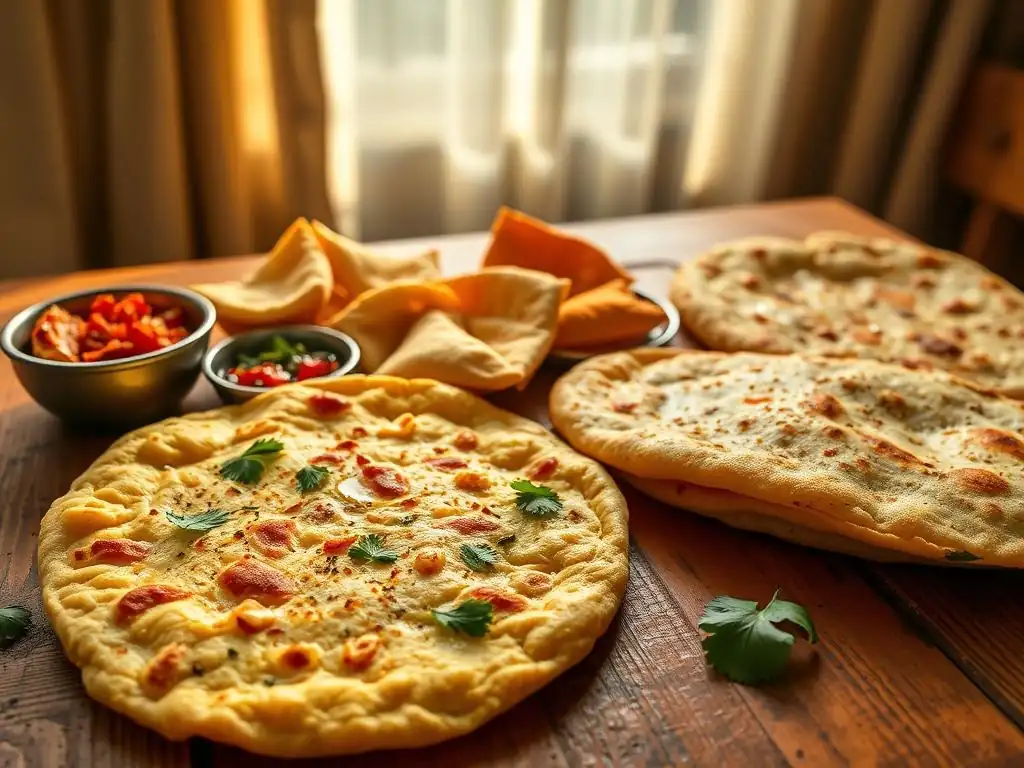
Indian cuisine boasts an incredible array of breads, many of which are inherently savory, designed to be scooped up with curries, lentil dishes (dal), and vegetable preparations. Unlike the yeast-leavened, oven-baked breads common in the West, many traditional Indian savory breads are unleavened or lightly leavened and cooked on a flat griddle (tava) or in a tandoor oven. The savory element often comes from ingredients incorporated directly into the dough or used as fillings.
Exploring Indian savory bread recipes worldwide highlights the use of spices, herbs, and vegetables within the dough itself. Ingredients like cumin seeds, ajwain, fenugreek leaves (kasoori methi), cilantro, mint, potatoes, and paneer (Indian cheese) are commonly used to add distinct savory flavors. The preparation methods, from rolling and folding to stuffing and cooking on a hot surface, are integral to achieving the desired texture and infusing the flavors throughout the bread.
Masala Roti: Spiced Flatbread with Savory Notes
Masala Roti is a flavorful Indian flatbread where the savory spices are mixed directly into the whole wheat dough. 'Masala' refers to a blend of spices, and in Masala Roti, this typically includes cumin seeds, coriander powder, turmeric (for color and subtle flavor), red chili powder, and sometimes finely chopped green chilies, onions, or cilantro. Ghee or oil is often added to the dough to make it soft and pliable.
The dough is kneaded, portioned into small balls, rolled into thin discs, and cooked on a hot tava, often finished over an open flame to puff up slightly. The spices release their aroma and flavor as the roti cooks, resulting in a fragrant and savory bread. Masala Roti is usually served hot, sometimes brushed with ghee, and pairs wonderfully with yogurt, pickles, or any Indian curry, offering a spiced, savory base for the meal.
Aloo Paratha: Savory Potato Stuffed Flatbread
Aloo Paratha is one of the most popular stuffed savory bread recipes from North India. It consists of a whole wheat dough flatbread filled with a spiced mashed potato mixture. The potato filling is typically seasoned with a vibrant mix of spices like cumin, coriander, garam masala, turmeric, chili powder, and fresh ingredients like ginger, garlic, green chilies, and cilantro.
Preparing Aloo Paratha involves rolling out a small disc of dough, placing a portion of the potato filling in the center, enclosing the filling by bringing the edges of the dough together, and then carefully rolling the stuffed ball into a flat disc again without the filling breaking through. It's then cooked on a hot tava with ghee or oil until golden brown and crispy spots appear on both sides. The soft, spiced potato filling contrasts beautifully with the slightly crisp, savory bread exterior.
Other Savory Bread Discoveries: Expanding Your Baking Horizons
Beyond the culinary giants, numerous other countries contribute fascinating savory bread recipes worldwide. These often utilize unique local ingredients or adapt common baking techniques in surprising ways. Exploring these less-known but equally delicious breads can provide fresh inspiration for your home baking and introduce you to new flavor combinations and textures.
From cheesy delights in South America to herb-infused flatbreads in the Middle East, the variety is staggering. These breads often serve as staple foods, snacks, or accompaniments, reflecting the diverse ways cultures incorporate savory elements into their daily bread consumption. Adding these to your baking list will certainly elevate your skills and broaden your understanding of international savory bread.
Chipa from Paraguay: Cheesy Cornbread Delight
Chipa is a small, baked cheese roll or bread originating from Paraguay, also popular in Argentina and Brazil. It's made primarily with cassava starch (tapioca starch), cheese, eggs, and milk or water. The use of cassava starch gives Chipa a unique chewy texture that is quite different from wheat-based breads. The cheese, often a local variety like queso Paraguay or a mix of hard and semi-hard cheeses, is a key flavor component.
The dough is typically shaped into small rings or balls and baked until golden brown and puffed. Baking temperature is usually around 180-200°C (350-400°F) for 15-25 minutes. The result is a warm, cheesy, slightly chewy bread with a delightful aroma. Chipa is commonly enjoyed for breakfast or as a snack, often paired with coffee or tea, and is a wonderful example of a naturally gluten-free savory bread from South America.
Manakish with Za'atar: Middle Eastern Herb Bread
Manakish (or Manakeesh) is a popular Levantine savory flatbread, often described as a Middle Eastern pizza. One of the most common and beloved versions is Manakish with Za'atar. Za'atar is a fragrant blend of dried herbs (like oregano, thyme, and marjoram), sumac (providing a tangy, lemony note), and sesame seeds, typically mixed with olive oil to form a paste.
The dough is a simple yeast-leavened bread dough, rolled or stretched into individual rounds. The za'atar mixture is spread generously over the surface, leaving a small border. The Manakish is then baked in a hot oven (often 220-250°C / 425-475°F) for just 5-10 minutes until the edges are golden and the za'atar is fragrant. The high heat and short baking time result in a soft, slightly chewy base with a flavorful, aromatic topping. Manakish is typically eaten for breakfast or lunch, often folded or rolled up, and is a fantastic example of a simple yet incredibly flavorful savory bread.
Perfect Pairings: Serving Suggestions for Savory Breads
Once you've mastered some of these savory bread recipes worldwide, the next step is enjoying them! Savory breads are incredibly versatile and can enhance a wide variety of meals and occasions. Their inherent flavors make them ideal partners for other savory dishes, transforming a simple meal into something special. Thinking creatively about how to serve them can unlock their full potential.
Consider the texture and flavor profile of the specific savory bread when planning your pairings. A dense, rustic rye bread will complement different foods than a light, airy focaccia or a rich, stuffed paratha. Experimentation is key, but there are some classic combinations that are always winners, making your exploration of savory bread recipes worldwide even more rewarding.
Savory Bread and Cheese: A Match Made in Heaven
The combination of savory bread and cheese is a classic for a reason – the flavors and textures complement each other beautifully. Whether the cheese is incorporated into the bread itself or served alongside it, the pairing is often irresistible. This is particularly true for many European savory bread recipes, where cheese plays a significant role.
Serving a selection of savory breads with a cheese board is an excellent way to showcase both. The bread provides a sturdy or soft base for the cheese, while the cheese melts or softens, releasing its complex flavors which are often enhanced by the herbs, spices, or other savory elements in the bread. This pairing works for casual snacks or elegant appetizers.
Pairing Savory Breads with Different Cheese Types: Feta with Manakish, Gruyere with Gougères
Matching the right cheese with the right savory bread elevates the experience. For example:
- Feta with Manakish: The tangy, salty crumble of feta cheese is a fantastic partner for the herbaceous, slightly sour Za'atar on Manakish. The freshness of feta cuts through the richness of the olive oil and herbs.
- Gruyere with Gougères: Gruyère is traditionally used in Gougères, but serving extra grated or melted Gruyère alongside warm gougères intensifies their nutty, savory flavor. Other firm, meltable cheeses like Comté or even a sharp cheddar work well too.
- Fresh Mozzarella with Focaccia: A warm slice of rosemary and sea salt focaccia with creamy fresh mozzarella and maybe a drizzle of balsamic glaze is a simple yet sublime pairing.
- Sharp Cheddar with Bauernbrot: The robust, tangy flavor of a good sharp cheddar stands up perfectly to the dense, sour notes of a German Bauernbrot.
Savory Bread and Soup: A Comforting Combination
There's something inherently comforting about dipping a piece of warm, savory bread into a hearty bowl of soup. The bread soaks up the flavorful broth, adding texture and substance to the meal. Savory breads are particularly well-suited for this purpose, as their non-sweet profiles harmonize with the savory nature of most soups.
Choosing the right bread for your soup can elevate the entire dish. A crusty loaf provides structure for dipping, while a softer bread might be better for soaking up thinner broths. The added flavors in savory breads can also complement or contrast with the soup in interesting ways, making the pairing more dynamic.
Best Soups to Serve with Savory Bread Varieties
Here are some winning soup and savory bread combinations:
- Tomato Soup with Focaccia: The bright, slightly acidic flavor of tomato soup is a perfect match for the olive oil and herb-infused Focaccia. A piece of focaccia is excellent for wiping the bowl clean!
- Lentil or Vegetable Soup with Bauernbrot: The hearty, dense texture and earthy flavor of German Farmer's Bread (Bauernbrot) make it an ideal companion for thick, rustic soups like lentil or minestrone.
- Creamy Mushroom Soup with Gougères: The light, cheesy Gougères offer a delightful textural contrast to a smooth, creamy mushroom soup. You can float them in the soup or serve them alongside for dipping.
- Indian Lentil Dal with Aloo Paratha or Masala Roti: These spiced Indian flatbreads are traditionally served with dal (lentil soup/stew). They are perfect for tearing and scooping up the flavorful lentils.
Savory Bread as an Appetizer: Creative Serving Ideas
Savory breads are fantastic appetizers, whether served simply or dressed up with toppings and dips. They can be the star of a platter or a delicious component of a larger spread. Their variety in shape, size, and flavor makes them incredibly adaptable for entertaining.
Serving savory breads as appetizers allows guests to enjoy a taste of different international savory bread recipes without committing to a whole loaf. Cut into bite-sized pieces, they are easy to handle and perfect for mingling. Adding dips, spreads, or simple toppings can turn a basic bread into an impressive starter.
Savory Bread with Dips and Spreads: Hummus with Masala Roti, Pesto with Focaccia
Pairing savory breads with complementary dips and spreads creates exciting flavor combinations:
- Hummus with Masala Roti: The earthy, spiced flavor of Masala Roti is wonderful scooped through creamy, nutty hummus.
- Pesto with Focaccia: Classic basil pesto, with its vibrant green color and garlicky, cheesy goodness, is a natural partner for the olive oil-rich Focaccia.
- Roasted Red Pepper Dip with Chipa: The sweet and smoky flavor of roasted red pepper dip provides a lovely contrast to the cheesy, chewy texture of Chipa.
- Caramelized Onion Dip with Bauernbrot: A rich, sweet caramelized onion dip is fantastic spread on slices of tangy, dense Bauernbrot. The flavors echo the sweetness of the onions in German Zwiebelkuchen.
Baking Savory Breads at Home: Tips and Techniques for Success
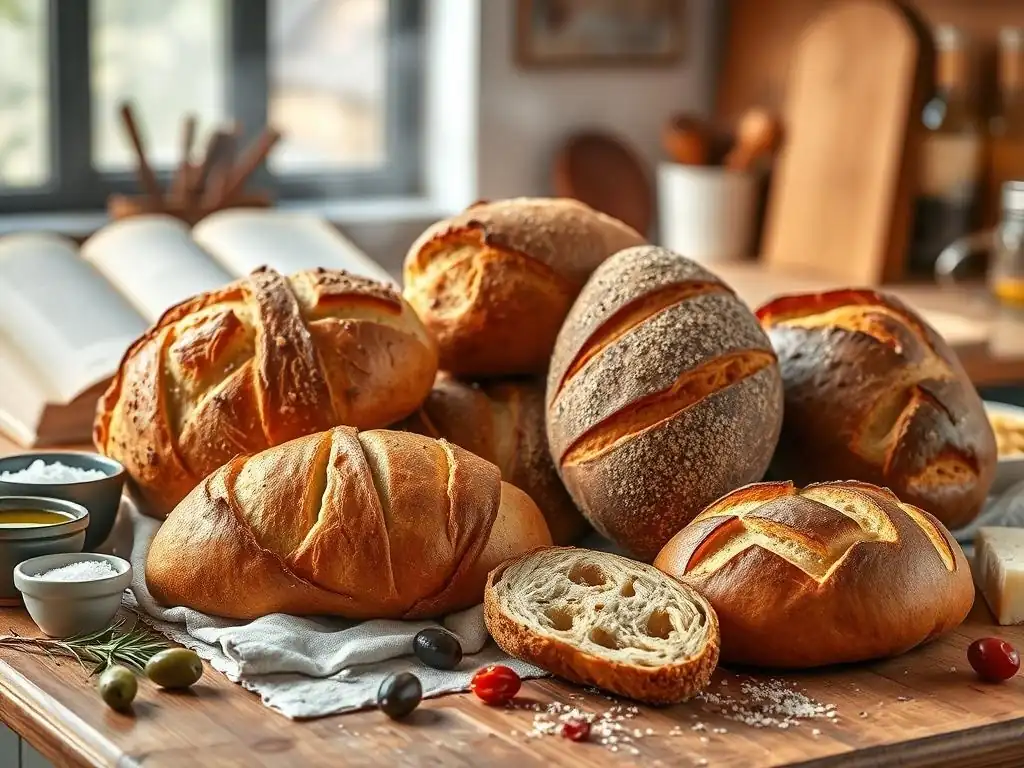
Bringing savory bread recipes worldwide into your own kitchen is a rewarding experience. While each recipe has its unique requirements, there are fundamental principles and techniques that apply across many different types of savory breads. Mastering these basics will give you the confidence to tackle a wide range of international savory bread recipes.
Baking savory bread at home allows you to control the quality of ingredients and customize the flavors to your liking. It's a process that involves patience, attention to detail, and a willingness to experiment. Don't be discouraged if your first attempt isn't perfect; baking, especially with yeast or sourdough, is a skill that improves with practice.
Essential Ingredients for Savory Bread Baking
The foundation of any great bread is quality ingredients. For savory breads, this extends beyond just flour and water to include the elements that provide the savory flavor. Selecting the right type of flour and incorporating herbs, spices, and other savory additions thoughtfully are crucial steps in achieving delicious results.
Having a well-stocked pantry with common savory bread ingredients will make it easier to try new recipes from around the globe. Consider keeping a variety of flours, different types of yeast (if not using sourdough), good quality salt, olive oil, and a selection of dried herbs and spices that are common in the savory bread recipes worldwide you want to try.
Choosing the Right Flour for Savory Breads
The type of flour significantly impacts the texture and flavor of savory bread.
- All-Purpose Flour: Versatile and easy to work with, suitable for many savory breads, especially those from Italy and France. It provides a relatively light crumb.
- Bread Flour: Higher in protein, leading to a chewier texture and better structure, excellent for crusty loaves or breads that require significant kneading.
- Whole Wheat Flour: Adds a nutty flavor, denser texture, and more nutrients. Often used in German and Indian savory bread recipes. Can be used alone or mixed with white flour.
- Rye Flour: Essential for many German and Eastern European savory breads. Rye is lower in gluten and results in a denser, more intensely flavored bread. Often used in combination with wheat flour.
- Specialty Flours: Cassava starch (tapioca starch) for Chipa, or specific regional grain flours for other unique savory bread recipes worldwide.
Understanding how different flours behave and selecting the appropriate one for a recipe is key to success.
Incorporating Savory Herbs and Spices
Herbs and spices are the heart of many savory bread recipes, infusing the dough with aroma and flavor.
- Dried Herbs: Rosemary, thyme, oregano, and herbes de Provence are common in Mediterranean savory breads like Focaccia. They should be crushed slightly before adding to release their oils. Add them during the kneading phase.
- Fresh Herbs: Finely chopped fresh herbs like rosemary, chives, cilantro, or parsley can be added to the dough or used as a topping. They offer a brighter, more vibrant flavor than dried herbs but can sometimes add excess moisture.
- Whole Spices: Cumin seeds, caraway seeds (common in German rye breads), or fennel seeds can be added whole to the dough. Toasting them lightly before adding can enhance their flavor.
- Ground Spices: Turmeric, coriander, chili powder, and garam masala are frequently used in Indian savory breads like Masala Roti or Aloo Paratha filling. Mix them evenly throughout the dough or filling.
- Spice Blends: Za'atar is a prime example of a savory spice blend used as a topping for flatbreads like Manakish.
Experimenting with different combinations of herbs and spices allows you to customize savory bread recipes worldwide to your personal taste.
Mastering the Baking Process: Achieving Perfect Texture and Flavor
Successful savory bread baking involves more than just mixing ingredients; understanding the fermentation, shaping, and baking process is crucial. The goal is to develop flavor and achieve the desired internal texture and external crust.
Each savory bread recipe worldwide might have specific instructions, but general principles of yeast activity, dough handling, and oven dynamics apply. Paying attention to these details will dramatically improve your baking results and help you consistently produce delicious savory breads.
Temperature and Baking Time Considerations for Savory Doughs
Proper temperature control is vital throughout the baking process:
- Fermentation Temperature: Yeast doughs typically ferment best in a warm environment, around 24-27°C (75-80°F). Sourdough starters have different optimal temperatures depending on the desired flavor profile. Proper bulk fermentation (first rise) and proofing (final rise) allow the dough to develop structure and flavor. This might take 1-3 hours for yeast doughs or much longer for sourdoughs (even overnight in a cooler place).
- Oven Temperature: Savory breads are often baked at relatively high temperatures, ranging from 180°C (350°F) for softer breads or pastries to 250°C (475°F) for crusty loaves and flatbreads. High initial heat helps the dough spring and develops a good crust.
- Baking Time: Baking time varies significantly based on the size, thickness, and type of bread. Flatbreads like Manakish might bake in 5-10 minutes, while a large, dense Bauernbrot could take 60 minutes or more. Baking until the internal temperature reaches around 90-95°C (195-205°F) and the crust is golden brown usually indicates doneness.
Using an oven thermometer to verify your oven's actual temperature is highly recommended, as oven thermostats can be inaccurate.
Tips for Adding Savory Fillings and Toppings
Incorporating savory elements requires specific techniques to ensure they are evenly distributed and enhance the bread without hindering its structure:
- Mix-ins: Ingredients like olives, sun-dried tomatoes, cheese cubes, or cooked onions should be added towards the end of the kneading process. Don't overload the dough, as too many additions can weaken the gluten structure and prevent proper rising. Aim for around 15-25% of the total dough weight in mix-ins for most standard loaves.
- Toppings: Herbs, seeds, coarse salt, or cheese grated on top should be added just before baking, or sometimes after applying an egg wash or olive oil glaze. For toppings like tomatoes on Focaccia Barese, press them firmly into the dough so they don't roll off.
- Fillings: For stuffed breads like Aloo Paratha, ensure the filling is cooled before enclosing it in the dough. Too much filling or uneven rolling can cause the bread to tear during shaping or cooking. Practice is key to mastering the technique of enclosing and rolling stuffed breads.
- Wet Ingredients: Ingredients like caramelized onions or cooked vegetables should be drained well to remove excess moisture before adding them to doughs or using them as fillings. Excess water can make the dough sticky and heavy.
- [ ] Choose high-quality savory ingredients.
- [ ] Don't overload dough with too many mix-ins.
- [ ] Ensure fillings are cooled before stuffing.
- [ ] Drain wet ingredients thoroughly.
- [ ] Practice shaping stuffed breads.
- [ ] Use an oven thermometer for accuracy.
- [ ] Allow dough sufficient time to ferment.
Elevate Your Baking: Unleash the Potential of Savory Bread Recipes Worldwide
Exploring savory bread recipes worldwide is a journey that promises delicious rewards. Each loaf or flatbread you bake offers a taste of a different culture and a chance to expand your baking skills. From the rustic charm of German rye to the vibrant flavors of Indian flatbreads and the aromatic simplicity of Italian focaccia, there's a vast world of savory baking waiting to be discovered.
At BakeWithEase, we encourage you to step outside your comfort zone and try some of these international savory bread recipes. They are not only delightful to eat but also fascinating to make, teaching you new techniques and ingredient combinations.
Transform your Meal with International Savory Breads
Adding a savory international bread to your meal can instantly elevate it from ordinary to extraordinary. Imagine serving a warm slice of homemade Focaccia Barese alongside a simple pasta dish, or using slices of robust Bauernbrot to accompany a hearty stew. These breads aren't just accompaniments; they are often flavorful stars in their own right.
Using savory bread recipes worldwide allows you to bring global flavors to your table with relative ease. They provide a delicious way to experience different culinary traditions and can spark conversations and culinary adventures. Whether you choose a simple, herb-infused loaf or a complex, stuffed flatbread, the addition of a homemade savory international bread makes any meal more memorable.
The Joy of Baking and Sharing Unique Savory Bread Flavors
There is immense satisfaction in baking bread from scratch, and sharing these unique savory bread flavors with friends and family doubles the joy. The aroma filling your kitchen as a savory loaf bakes is intoxicating, and presenting a warm, homemade international savory bread is a gesture of warmth and generosity.
Baking savory bread recipes worldwide is a fulfilling hobby that connects you to centuries of culinary tradition across the globe. It's a chance to work with your hands, understand the magic of fermentation, and create something truly delicious. So, choose a recipe, gather your ingredients, and start your savory bread adventure today. Happy baking!
Frequently Asked Questions
How can I adapt a sweet bread recipe to make it savory?
You can adapt a sweet bread recipe by reducing or eliminating the sugar and adding savory ingredients like herbs, cheese, or spices. Adjust liquid content as needed to maintain the desired dough consistency.
What are some popular savory bread recipes from different countries?
Popular savory breads include Italian focaccia with herbs and olive oil, Indian naan often flavored with garlic, and French fougasse with olives or herbs. These showcase diverse flavor profiles and baking techniques.
What type of flour is best for savory bread recipes?
While all-purpose flour is versatile, bread flour is often preferred for its higher gluten content, resulting in a chewier texture. Whole wheat flour can add a nutty flavor and texture.
What are some unexpected flavor combinations that work well in savory breads?
Experiment with combinations like rosemary and parmesan, jalapeño and cheddar, or sun-dried tomato and basil. Don't be afraid to explore unique regional ingredients.
Where can I find reliable savory bread recipes for beginners?
Websites like BakeWithEase.com offer step-by-step guides and easy-to-find ingredient lists specifically designed for beginners. Look for recipes with clear instructions and helpful visuals.
Final Reflection: A World of Flavor Awaits, One Loaf at a Time
The global landscape of savory breads is a vibrant tapestry of culinary traditions, and its influence on our palates continues to grow. From the rustic simplicity of a focaccia to the complex spice blends of a naan, these breads aren't just food; they're cultural ambassadors, telling stories of history, geography, and ingenuity. The sheer diversity explored in this article only scratches the surface of the possibilities.
The journey through these diverse recipes has been a personal exploration of flavor and culture, highlighting the power of simple ingredients to create extraordinary experiences. Food is symbolic of love when words are inadequate.
This quote perfectly encapsulates the emotional connection we forge with food, and savory breads, in particular, offer a unique avenue for this connection. The act of sharing a loaf, whether it's a homemade creation or a purchased delicacy, fosters community and understanding across cultures.
Now, it's your turn. Don't just read these recipes – bake them. Experiment with different flours, herbs, and spices. Invite friends and family to share in the experience, and discover the joy of creating and savoring these global culinary treasures. Let the aroma of freshly baked bread fill your home, and let the flavors transport you to far-off lands, one delicious bite at a time. The world of savory bread awaits your exploration.
Unleash Your Inner Baker: Craft Your Perfect Bread Experience!
Thanks for joining us on a delicious journey through the world of savory international breads! We hope you’ve discovered some new favorites and exciting flavor combinations. Ready to take your baking skills to the next level?
- Bake your own masterpiece! Choose one of the featured recipes and let us know how it turns out – we'd love to see your creations!
- Share your culinary adventure! Tell your friends about your new bread-baking discoveries on social media and inspire them to explore new flavors.
- Explore our other bread recipes! Dive deeper into the BakeWithEase library for even more inspiration, tips, and techniques.
What unexpected flavor combination are you most excited to try in your next bread-baking endeavor? Let's discuss in the comments below!