
The Science Behind Successful Vegan Bread Baking

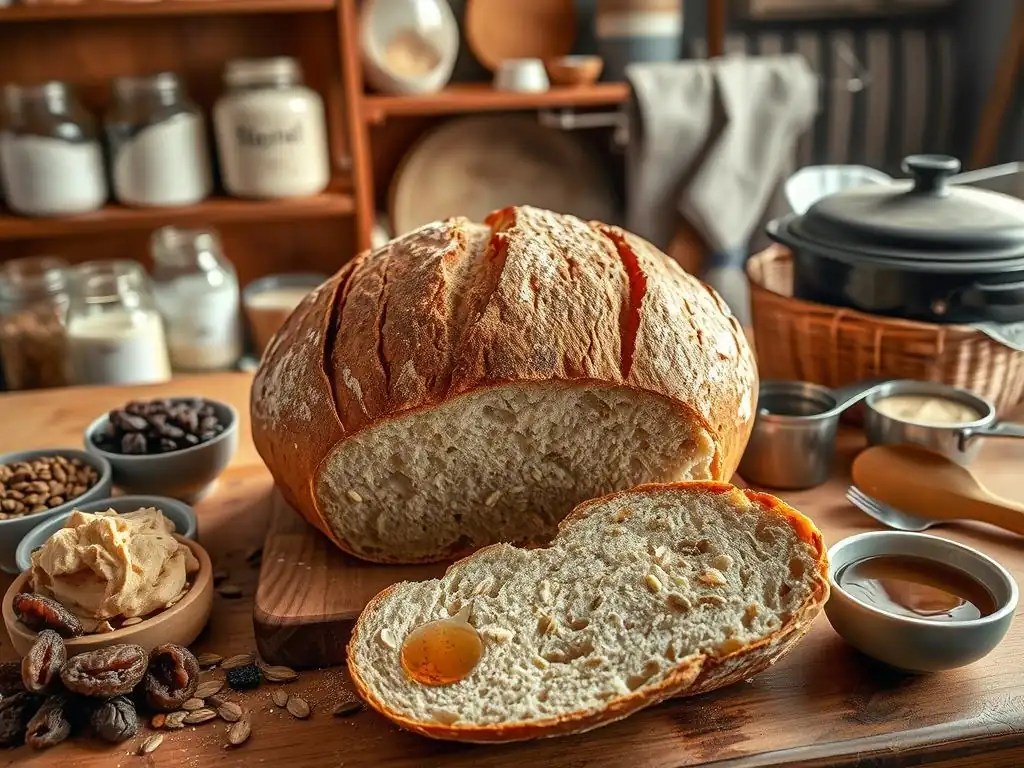
Welcome to BakeWithEase, your trusted guide to the delightful world of baking! Are you ready to unlock the secrets to creating incredible, plant-based loaves? Dive into our exploration of the science behind successful vegan bread baking tips and discover how to achieve that perfect rise and texture without any animal products. Intrigued? Let's uncover the key ingredients and techniques that will transform your vegan bread baking experience!
- The Science Behind Successful Vegan Bread Baking: Bake It Right
- Understanding Vegan Bread Baking: A Scientific Approach
- Texture and Structure in Vegan Breads: Mastering the Technique
- Yeast Activation and Fermentation in Vegan Baking
- The Importance of Hydration in Vegan Bread Baking
- Vegan Bread Baking Tips: Achieving Perfect Texture and Rise
- Vegan Bread Baking Recipes: Putting the Science into Practice
- Elevating Your Vegan Bread Baking: Advanced Techniques
- Mastering Vegan Bread: A Conclusion on Science and Art
-
Frequently Asked Questions
- What are the key differences between baking vegan bread and traditional bread?
- What are the best vegan substitutes for eggs in bread recipes?
- How does gluten development differ in vegan bread dough?
- What are some tips for achieving a good rise in vegan bread?
- Are there specific ingredients unique to vegan bread baking that I should be aware of?
- Final Reflection: The Rising Crust of Vegan Baking Innovation
- Unleash Your Inner Vegan Baker!
The Science Behind Successful Vegan Bread Baking: Bake It Right
Understanding Vegan Bread Baking: A Scientific Approach
The Unique Challenges of Vegan Bread Making
Vegan bread baking presents distinct scientific challenges compared to traditional baking. The primary hurdles involve replicating the functions typically performed by animal-derived ingredients, mainly eggs and dairy. Eggs, for instance, provide structure, binding, leavening, moisture, and richness through proteins like albumin and lecithin. Replacing these multifaceted roles requires a strategic combination of plant-based ingredients. Similarly, dairy, such as milk and butter, contributes fat for tenderness and flavor, protein for structure and browning, and lactose for crust color. Finding effective substitutes that don't negatively impact texture, rise, or flavor is crucial for achieving successful vegan bread baking.
Without the gluten network's strength (in traditional wheat breads) or the binding power of eggs, vegan doughs can be trickier to handle, often feeling stickier or less cohesive. The crumb structure can be denser or more crumbly if not properly managed. Additionally, achieving a golden-brown crust can be difficult without the Maillard reaction facilitated by dairy proteins and sugars, or egg washes. Mastering vegan bread baking tips involves understanding these scientific principles to select the right ingredients and techniques to compensate for the absence of animal products, ensuring a light, airy, and flavorful loaf.
Key Ingredients in Vegan Bread: A Scientific Overview
Successful vegan bread relies on a careful selection of plant-based ingredients that perform the necessary functions. Flour provides the bulk and starches for structure. Common wheat flour works well unless a gluten-free vegan bread is desired, in which case a blend of gluten-free flours is needed. Leavening is typically achieved through yeast, which produces carbon dioxide gas, or chemical leaveners like baking powder and soda reacting with an acid. Fats, like vegetable oils, vegan butter, or margarine, tenderize the crumb by interfering with gluten development (in wheat doughs) and add richness.
Replacing eggs and dairy requires specific substitutes. For binding and structure, options include flax eggs (ground flaxseed mixed with water, forming a gel), chia eggs (similar to flax eggs), psyllium husk, commercial egg replacers (often starch-based), or mashed fruits/vegetables like banana or applesauce (though these can add flavor and moisture). For richness and browning, plant-based milks (soy, almond, oat) and vegan fats are used.
Understanding the scientific properties of these substitutes – how they gel, emulsify, or react with other ingredients – is fundamental to effective vegan bread baking. For example, psyllium husk's mucilaginous properties absorb significant water, helping to create a gel-like network that mimics some of gluten's binding capabilities and improves dough handling.
Texture and Structure in Vegan Breads: Mastering the Technique
The Role of Different Flours and Binders in Vegan Bread Structure
The choice and combination of flours and binders significantly influence the final texture and structure of vegan bread. Wheat flour provides gluten, which forms a network trapping gases produced by yeast, essential for rise and structure. In vegan wheat breads, the challenge is often compensating for the lack of protein and fat from eggs and dairy which also contribute to structure and tenderness.
Using flours with varying protein content, like a mix of all-purpose and bread flour, can help. For vegan gluten-free bread baking tips, relying on a blend of different flours (like rice, sorghum, millet) and starches (tapioca, potato, corn) is essential, as no single gluten-free flour can replicate wheat's properties.
Binders are crucial in vegan bread, especially gluten-free varieties, to hold the dough together and prevent crumbling. Psyllium husk, flaxseed meal, and chia seeds absorb water and form a gel, providing elasticity and cohesion. Xanthan gum, a polysaccharide produced by fermentation, is another powerful binder that adds viscosity and stability to doughs.
The type and amount of binder used directly impact crumb structure – too little can result in a crumbly loaf, while too much can lead to a gummy or dense texture. A typical ratio might involve 1-2 tablespoons of psyllium husk or xanthan gum per cup of gluten-free flour blend, though this varies by recipe and flour type.
Strategies for Enhancing Structure in Vegan Dough
Enhancing the structure of vegan dough often involves maximizing the effectiveness of the chosen flours and binders and managing hydration carefully. Techniques like autolyse (mixing flour and water and letting rest before adding other ingredients) can help wheat flour hydrate fully and gluten develop, even without eggs present. For gluten-free vegan bread baking tips, allowing the dough to rest after mixing is vital for the binders to fully hydrate and form their gel structure, improving dough handling and final texture.
Incorporating specific ingredients known for their binding or structure-enhancing properties is another strategy. Psyllium husk, as mentioned, is highly effective. Using a portion of high-protein flour, even in a gluten-free blend (like sorghum or teff), can add strength. Adding a small amount of sugar can feed the yeast more effectively, leading to a stronger rise and thus better structure. Kneading, even for vegan doughs (especially wheat-based ones), helps develop structure, though the process might be shorter or gentler than for traditional doughs. Over-kneading vegan gluten-free doughs can sometimes break down the binder network, so careful handling is key.
Using Specific Flours and Starches in Vegan Bread Recipes
Selecting the right combination of flours and starches is fundamental to achieving desired texture in vegan bread. Wheat flour provides gluten, but its protein content varies. Bread flour, with 12-14% protein, develops a stronger gluten network than all-purpose flour (10-12%), leading to a chewier crumb, often desirable in artisan loaves. For vegan recipes, balancing this strength with tenderness from fat is important. In gluten-free vegan bread baking, a blend is essential. Rice flour (white or brown) provides structure but can be gritty; oat flour adds tenderness and flavor; sorghum and millet flours offer structure and nutrients.
Starches like tapioca, potato, and cornstarch are typically used in gluten-free blends at around 20-40% of the total flour weight. Tapioca starch provides chewiness and helps create a crisp crust. Potato starch adds softness and moisture retention. Cornstarch contributes to a tender crumb. Understanding the gelatinization temperatures of these starches (the temperature at which they absorb liquid and swell) helps predict how they will behave during baking. For example, tapioca starch gelatinizes at a lower temperature than cornstarch, impacting how quickly the dough sets in the oven.
The Role of Binders and Hydration in Vegan Texture
Binders like psyllium husk, flaxseed meal, and xanthan gum are critical for providing cohesion and elasticity in vegan doughs, particularly when gluten is absent or reduced. Psyllium husk can absorb up to nine times its weight in water, forming a viscous gel that mimics the viscoelastic properties of gluten to some extent. Flaxseed meal absorbs about three times its weight, creating a slightly weaker but still effective gel. Xanthan gum works by increasing the viscosity of the dough, helping to suspend ingredients and trap gas bubbles.
Hydration level is intricately linked to binder performance and overall texture. Vegan doughs, especially those using psyllium husk or gluten-free flours, often require higher hydration than traditional wheat doughs because the flours and binders absorb more liquid. For example, a traditional wheat loaf might use 60-65% hydration (water weight relative to flour weight), while a gluten-free vegan loaf might require 80-100% hydration or even more, depending on the blend and binder.
Insufficient hydration leads to a dry, crumbly loaf, while excessive hydration results in a slack dough that doesn't hold its shape or rise properly, yielding a dense, wet crumb. Achieving the right balance is a key vegan bread baking tip for optimal texture.
Yeast Activation and Fermentation in Vegan Baking
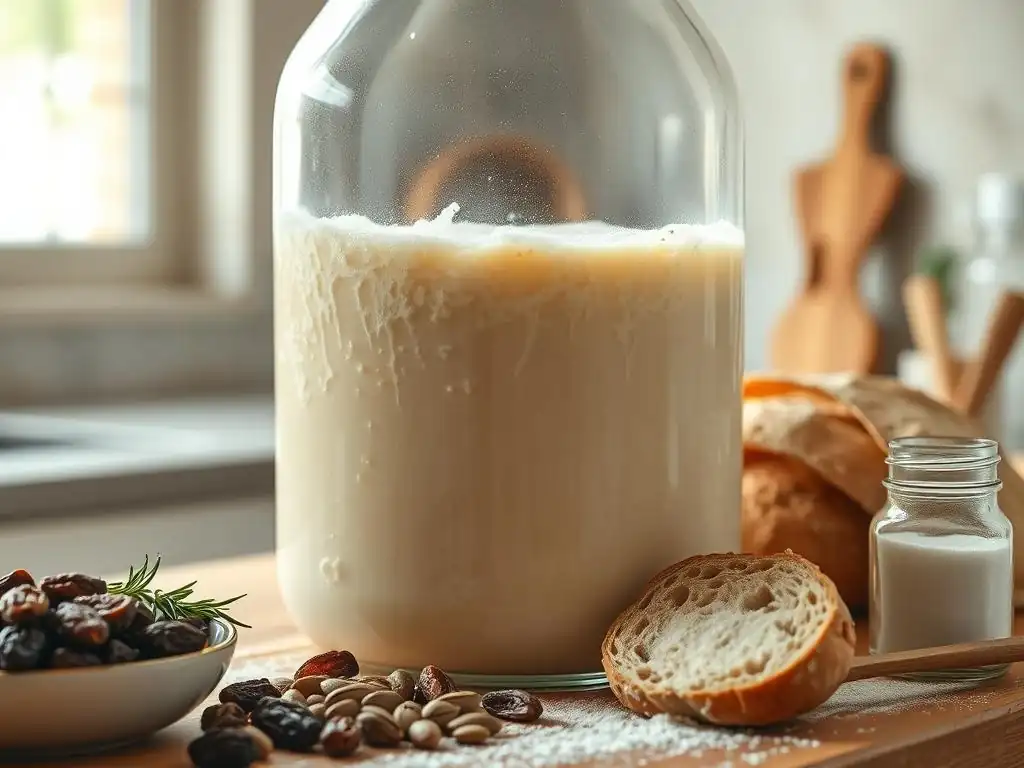
Understanding Yeast Activity in Vegan Bread Dough
Yeast is a living organism (Saccharomyces cerevisiae) that consumes sugars and produces carbon dioxide gas and alcohol, causing bread dough to rise. In vegan bread baking, yeast activity is largely the same as in traditional baking, but the different dough environment can influence its performance. Vegan doughs may sometimes lack the readily available lactose found in dairy milk, but yeast can ferment other sugars present in flour or added sweeteners. The presence of binders like psyllium husk can affect dough viscosity, potentially impacting how easily the gas bubbles expand and are trapped within the dough structure.
Optimal yeast activity occurs within a specific temperature range, typically 24-27°C (75-80°F) for rapid fermentation and slightly cooler for slower, flavor-developing fermentation. Ensuring the water used to activate dry yeast is within the correct temperature range (around 40-46°C or 105-115°F for active dry yeast) is vital. Inhibitors like excessive salt or fat can slow yeast activity, so incorporating them correctly is part of good vegan bread baking tips. For instance, salt is usually added after the yeast has been mixed with water and flour to prevent direct contact.
Optimizing Fermentation for Flavor and Texture in Vegan Breads
Fermentation isn't just about rise; it's also crucial for developing the complex flavors and aromas characteristic of good bread. During fermentation, yeast produces various byproducts beyond CO2, including organic acids and alcohols, which contribute to the bread's taste profile. A longer, slower fermentation, often at cooler temperatures (like in the refrigerator), allows these flavor compounds to develop more fully. This is particularly relevant for vegan sourdough bread baking, where wild yeast and lactic acid bacteria work together over an extended period.
The extent of fermentation also impacts texture. Proper fermentation strengthens the dough (in wheat breads) or the binder network (in gluten-free vegan breads) and allows the gas bubbles to become evenly distributed. Under-fermentation results in a dense crumb and poor rise, while over-fermentation can lead to a collapsed structure, sour flavor, and gummy texture as the dough's ability to hold gas diminishes. Learning to judge the dough's readiness by feel and appearance – often referred to as the "poke test" – is a valuable vegan bread baking tip.
Controlling the Fermentation Process: Temperature and Time
Controlling the temperature and duration of fermentation is key to consistent bread baking results. Warmer temperatures accelerate yeast activity, leading to faster rising times. Cooler temperatures slow it down. For a standard loaf, a bulk fermentation (first rise) might take 1-2 hours at room temperature (around 21-24°C or 70-75°F), followed by a proofing (second rise) of 30-60 minutes after shaping. However, these times are highly variable depending on the amount of yeast used, the dough temperature, and the ambient temperature.
For more complex flavors, a cold fermentation in the refrigerator (at 4-5°C or 40°F) for 12-48 hours is often employed. This slows yeast activity significantly while allowing enzymes in the flour to break down starches into simpler sugars, providing more food for the yeast and promoting the development of flavorful acids. Monitoring the dough's volume increase (typically aiming for a 50-100% increase during bulk fermentation) rather than strictly adhering to time is a more reliable method for controlling the process in vegan bread baking.
The Importance of Hydration in Vegan Bread Baking
Water's Role in Vegan Dough Formation
Water is a fundamental ingredient in any bread dough, including vegan varieties. It hydrates the flour proteins (gluten in wheat, alternative proteins in gluten-free flours) and starches, allowing them to swell and form a cohesive mass. For wheat flour, water is essential for gluten development; it allows the gliadin and glutenin proteins to link and form the viscoelastic gluten network. In vegan gluten-free doughs, water is crucial for activating and hydrating binders like psyllium husk or flaxseed meal, enabling them to form a gel that provides structure.
Water also acts as a solvent for salt, sugar, and yeast, distributing them evenly throughout the dough. It allows the yeast to become active and begin fermentation. The amount of water significantly impacts the dough's consistency, ranging from a stiff, easy-to-handle dough at lower hydration to a wet, slack dough at higher hydration. Understanding how different flours and binders absorb water is critical for successful vegan bread baking, as this directly influences how much water your recipe will need.
Achieving the Right Hydration Level for Different Vegan Bread Types
The optimal hydration level varies considerably depending on the type of flour used, the presence and type of binders, and the desired bread texture. Lean, crusty loaves like baguettes or ciabatta (if adapted to be vegan) typically use high hydration (70-85% or even higher) to create a very open, airy crumb. Standard sandwich loaves, which require a tighter, more even crumb, usually use lower hydration (60-70%). Vegan gluten-free breads often require higher hydration (80-100%+) than their wheat counterparts because gluten-free flours and binders absorb more liquid.
Determining the right hydration involves considering the absorption capacity of the specific flours and binders in your mix. For example, brown rice flour absorbs more water than white rice flour. Psyllium husk absorbs significantly more water than xanthan gum.
Recipes provide a starting point, but bakers often need to adjust the water slightly based on how the dough feels. A dough with correct hydration for its type should be cohesive but not overly sticky, and it should develop some elasticity (even if minimal in gluten-free doughs). This trial-and-error approach, combined with understanding ingredient properties, is key to refining your vegan bread baking tips.
Adjusting Hydration Based on Flour Type and Environmental Factors
Flour absorption capacity is not uniform. Whole grain flours and flours with higher protein or fiber content (like whole wheat, rye, or many gluten-free blends containing sorghum or millet) generally absorb more water than refined white flours. Binders like psyllium husk drastically increase water absorption requirements. A recipe designed for a specific flour blend and binder may need significant hydration adjustments if you substitute ingredients. For instance, replacing psyllium husk with xanthan gum usually requires reducing the total liquid.
Environmental factors also play a role. Flour stored in a humid environment will have a higher moisture content than flour stored in a dry environment, meaning it will absorb less added water. Similarly, the ambient humidity on baking day can affect how quickly the dough surface dries out, influencing dough handling and hydration perception. Experienced bakers often reserve a small amount of the recipe's water, adding it gradually during mixing until the dough reaches the desired consistency, accounting for variations in ingredients and environment. This adaptability is a crucial aspect of advanced vegan bread baking tips.
Vegan Bread Baking Tips: Achieving Perfect Texture and Rise
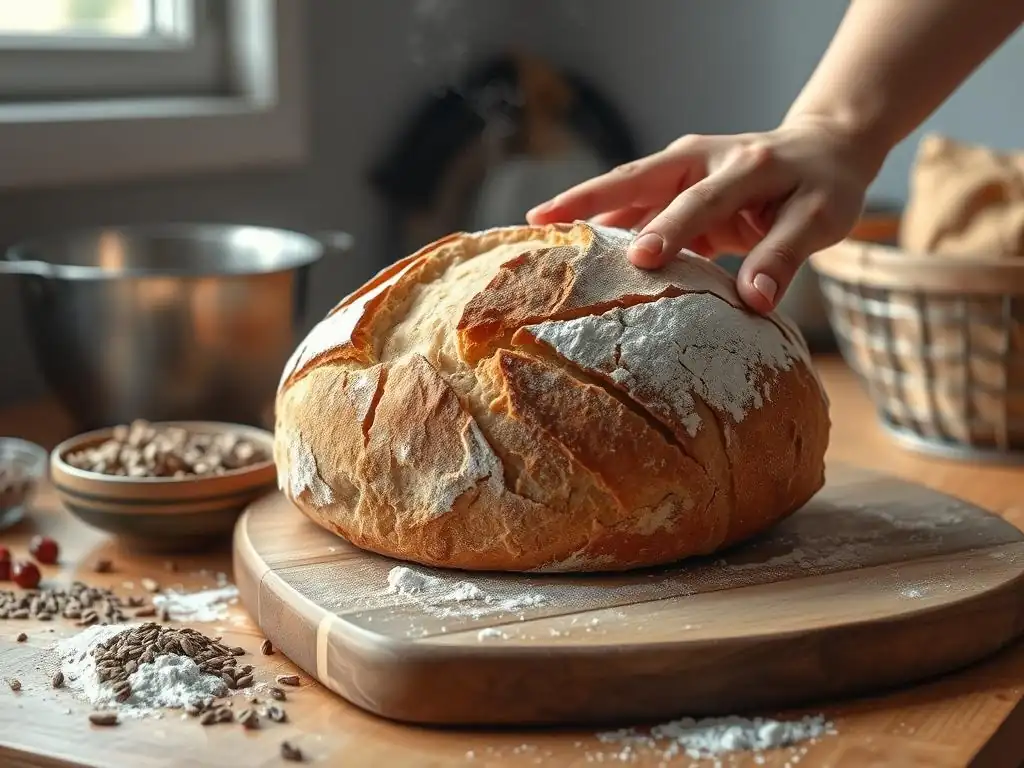
Choosing the Right Flour Blend for Vegan Bread: A Comprehensive Guide
Selecting the appropriate flour blend is paramount for successful vegan bread baking, especially for gluten-free varieties. For wheat-based vegan breads, using a blend of flours like all-purpose and bread flour can provide a good balance of structure and tenderness. Whole wheat flour adds nutrition and flavor but requires more hydration and can result in a denser loaf if not handled correctly. Spelt or kamut flours offer alternative flavors and slightly different gluten structures.
For gluten-free vegan bread baking tips, a multi-flour blend is almost always necessary to mimic the structure and texture of wheat bread. A typical blend might include a base of starchy flours (like white rice or sorghum), balanced with starches (tapioca, potato, corn) for lightness and binding, and sometimes a small amount of a higher-protein flour (like teff or buckwheat) for structure and flavor.
Pre-mixed commercial gluten-free blends are convenient but vary widely in composition and performance; understanding their primary ingredients helps predict how they will behave. Experimenting with different blends is often necessary to find one that yields your preferred texture.
Replacing Eggs and Dairy in Vegan Bread: Science-Backed Solutions
Replacing eggs and dairy is a core challenge in vegan bread baking. Eggs contribute structure, binding, leavening, moisture, and richness. Dairy adds fat for tenderness, protein for structure and browning, and lactose for crust color.
Effective vegan bread baking tips focus on using substitutes that replicate these functions. For binding and structure, flax eggs (1 tbsp flax meal + 3 tbsp water per egg) and chia eggs are popular, forming gels that provide some cohesion. Psyllium husk (often 1-2 tsp per egg) is particularly effective in mimicking egg's binding and structure-enhancing properties, especially in gluten-free recipes, by creating a strong gel.
For richness and tenderness, vegan butter or vegetable oils work well, providing fat that interferes with gluten development (in wheat doughs) and keeps the crumb soft. Plant-based milks (soy, almond, oat, cashew) replace dairy milk, providing liquid and a small amount of protein and sugar for browning, though the protein content is significantly lower than dairy milk. Commercial egg replacers, often based on starches (potato, tapioca) and sometimes leavening agents, are designed to provide binding and some leavening.
Using a combination of these substitutes is often needed to achieve the desired results in vegan bread baking. For example, a recipe might use flax eggs for binding and vegan butter for tenderness.
Using Flax Eggs and Chia Eggs
Flax eggs and chia eggs are simple, effective binders in many vegan baked goods, including some types of bread. To make a flax egg, combine 1 tablespoon of ground flaxseed meal with 3 tablespoons of water and let it sit for 5-10 minutes until it forms a gelatinous consistency. A chia egg is made similarly, using 1 tablespoon of chia seeds (whole or ground) with 3 tablespoons of water. The mucilage surrounding the seeds absorbs water and creates a gel that helps bind ingredients together, similar to how egg proteins coagulate during baking.
While useful for binding, flax and chia eggs do not provide the leavening or significant structural support that eggs do. They are best used in recipes where their binding power is the primary need, such as denser quick breads or muffins, or in combination with other binders in yeast breads. They can add small flecks to the crumb and a slightly nutty flavor, which is usually desirable but something to consider. Using too many can result in a gummy or heavy texture, so moderation is key when incorporating these vegan bread baking tips.
Using Commercial Egg Replacers and Binders
Commercial egg replacers offer a convenient option for vegan bread baking. These products typically contain a blend of starches (like potato or tapioca starch), sometimes combined with leavening agents (baking soda, cream of tartar) and binders (like cellulose gum or xanthan gum). They are designed to replicate some of the functions of eggs, primarily binding and moisture retention. Follow the package instructions carefully, as the amount of replacer needed varies by brand and the function it's replacing in the recipe (e.g., replacing one egg might require a different amount than replacing two).
Beyond multi-purpose egg replacers, specific binders like pure xanthan gum or guar gum are often used in vegan and gluten-free bread baking to provide structure and prevent crumbling. Xanthan gum is particularly effective at stabilizing doughs and trapping gas bubbles, contributing to a better rise and less crumbly texture.
Typically, only a small amount is needed – perhaps 1/2 to 1 teaspoon per cup of flour blend in gluten-free recipes, depending on the type of bread. Overuse of xanthan or guar gum can lead to a gummy or slimy texture, so precise measurement is important for these potent vegan bread baking tips.
Troubleshooting Common Vegan Bread Baking Problems
Dense Bread: Causes and Solutions
Dense vegan bread is a common issue, often stemming from insufficient leavening, poor dough structure, or improper baking. One major cause is under-proofing, where the dough hasn't risen enough before baking, leaving insufficient gas volume. Ensure your yeast is active and that the dough has had adequate time to rise in a warm environment, typically doubling in bulk for the first rise. Another cause is a weak structure unable to hold the gas; this could be due to using the wrong flour blend (especially in gluten-free), insufficient binder, or improper hydration.
Over-mixing (in gluten-free doughs, which can break down the binder network) or under-mixing (in wheat doughs, where gluten doesn't develop) can also lead to density. Baking at too low a temperature prevents a rapid oven spring (the final burst of rising in the hot oven), contributing to a dense crumb. Ensure your oven is preheated correctly, perhaps using an oven thermometer. For vegan bread baking tips to combat density, verify yeast viability, check your flour-to-binder-to-liquid ratios, and ensure proper proofing and baking temperatures.
Lack of Rise: Identifying the Issue and Correcting It
A loaf that fails to rise is usually a problem with yeast activity or dough development. Inactive yeast is a prime suspect; check the expiry date and proof it in warm water with a pinch of sugar before adding to other ingredients. If it doesn't foam within 5-10 minutes, the yeast is dead. Water that is too hot or too cold can also kill or inhibit yeast. Ensure water for activation is around 40-46°C (105-115°F) for active dry yeast.
Insufficient sugar can limit yeast food, while too much salt or fat can inhibit activity if added incorrectly or in excess. Make sure salt is added after the initial mixing of yeast, water, and flour. For vegan gluten-free bread baking, a lack of rise can also indicate insufficient binder or improper hydration, preventing the dough from trapping the CO2 gas produced by the yeast. Ensure your binders (like psyllium husk or xanthan gum) are properly hydrated and that the overall dough hydration is correct for your flour blend. Under-proofing is another possibility, as mentioned for dense bread.
Crumbly or Dry Texture: Preventing and Resolving the Problem
A crumbly or dry texture in vegan bread is often caused by insufficient fat, inadequate hydration, or over-baking. Without the tenderizing effects of dairy fat or egg yolks, vegan breads can easily become dry. Ensure your recipe includes an appropriate amount of healthy fat, such as vegetable oil or vegan butter. Using ingredients like oat flour or mashed banana in the blend can also add moisture and tenderness.
Insufficient hydration is a major culprit for dryness. As discussed, vegan doughs, especially gluten-free ones, often require more liquid than traditional recipes. Ensure you are using enough water, and consider adding a tablespoon or two extra if the dough feels stiff or the flour blend seems particularly absorbent.
Over-baking dries out the crumb; bake only until the internal temperature reaches the recommended range (typically 93-100°C or 200-210°F) and the crust is golden brown. Using a baking stone or steam in the oven can help create a better crust without over-baking the interior, contributing to better overall texture in your vegan bread baking.
Vegan Bread Baking Recipes: Putting the Science into Practice
Simple Vegan Sandwich Bread Recipe
This recipe demonstrates basic vegan bread baking principles. It uses standard wheat flour, yeast, water, salt, a touch of sugar for yeast, and vegetable oil for tenderness.
Ingredients:
- 3 cups (360g) All-Purpose Flour
- 1 cup (240ml) Warm Water (40-46°C / 105-115°F)
- 2 tsp Active Dry Yeast
- 2 tbsp Sugar
- 1 tsp Salt
- 2 tbsp Vegetable Oil
Instructions:
- In a large bowl, combine warm water, sugar, and yeast. Let sit 5-10 minutes until foamy.
- Stir in oil and salt.
- Gradually add flour, mixing until a shaggy dough forms.
- Turn onto a lightly floured surface and knead for 8-10 minutes until smooth and elastic. Add only minimal extra flour if needed.
- Place dough in a lightly oiled bowl, cover, and let rise in a warm place until doubled (1-1.5 hours).
- Punch down dough, shape into a loaf, and place in a greased loaf pan (9x5 inch).
- Cover and let rise again until nearly doubled and peaking over the rim (30-45 minutes).
- Preheat oven to 190°C (375°F).
- Bake for 25-30 minutes, or until golden brown and the internal temperature is 93°C (200°F).
- Cool on a wire rack before slicing.
Vegan Sourdough Bread Recipe
Vegan sourdough relies on a wild yeast starter (levain) for leavening and flavor. This recipe uses a simple flour and water starter and focuses on technique.
Ingredients:
- 100g Active Vegan Sourdough Starter (levain)
- 350g Water (lukewarm)
- 500g Bread Flour
- 9g Salt
Instructions:
- Mix: In a large bowl, whisk together starter and water until dispersed. Add flour and salt. Mix with a spoon or hand until no dry flour remains. This is a shaggy dough.
- Autolyse/Rest: Cover the bowl and let rest for 30-60 minutes. This allows flour to hydrate.
- Stretch and Folds: Perform a series of stretch and folds over the next 2-3 hours. Wet hands slightly. Grab one side of the dough, stretch it up, and fold it over the rest of the dough. Repeat for all sides. Do this every 30 minutes, 4-6 times. The dough will become smoother and stronger.
- Bulk Fermentation: Cover the bowl and let the dough rise at room temperature until it has increased by about 50-75% (this can take 4-8 hours depending on room temperature and starter activity). The surface should look bubbly.
- Shape: Gently turn the dough onto a lightly floured surface. Shape into a round or oval loaf.
- Proof: Place the shaped dough seam-side up in a floured proofing basket (banneton). Cover and refrigerate for 12-24 hours (cold proofing develops flavor).
- Bake: Preheat oven with a Dutch oven inside to 245°C (475°F) for 30-60 minutes.
- Carefully turn the dough out of the basket into the hot Dutch oven. Score the top with a sharp knife or razor.
- Cover and bake for 20 minutes.
- Remove lid and bake for another 20-25 minutes, or until crust is deep golden brown and internal temperature is 98-100°C (208-210°F).
- Cool completely on a wire rack before slicing.
Elevating Your Vegan Bread Baking: Advanced Techniques
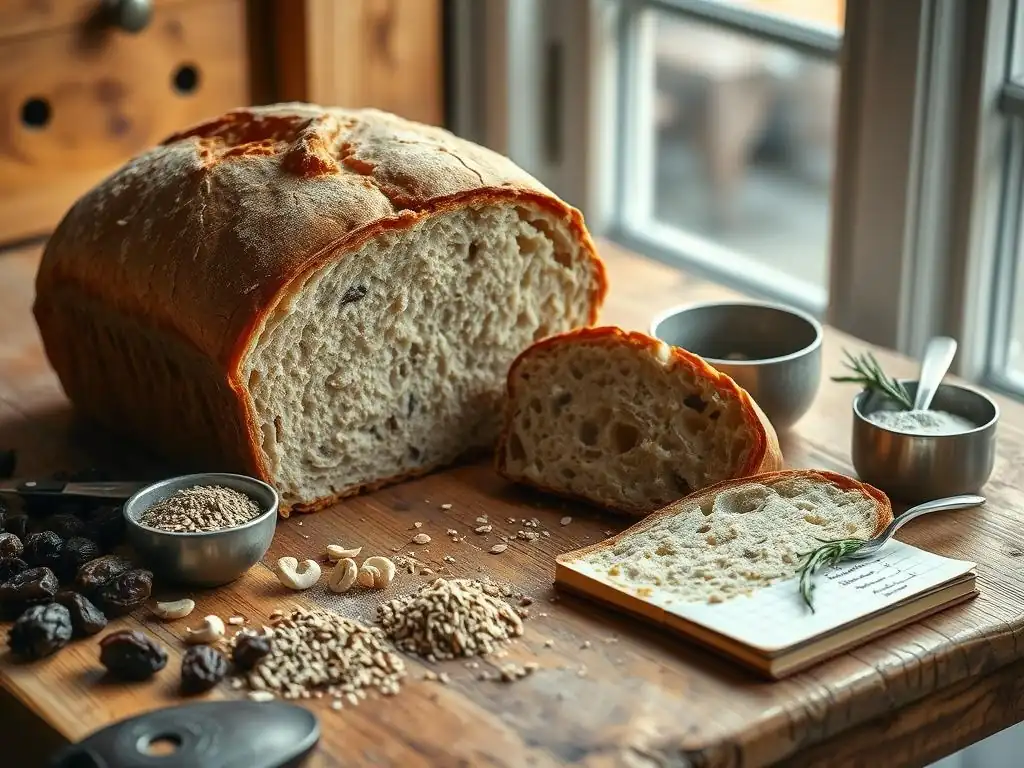
Using Pre-Ferments for Enhanced Flavor and Texture
Incorporating a pre-ferment, such as a poolish or a biga, is an excellent way to add complexity and improve the structure of vegan bread. A pre-ferment is a portion of the dough ingredients (flour, water, and a small amount of yeast) mixed ahead of time and allowed to ferment for several hours, or even overnight. Poolish is typically a liquid pre-ferment (equal parts flour and water by weight), while biga is stiffer (lower hydration).
The scientific benefit of pre-ferments lies in their extended fermentation time. This allows enzymes in the flour to break down starches into more complex sugars, providing more food for the yeast and lactic acid bacteria (even in commercial yeast breads, there are some present) to produce flavorful organic acids. The pre-ferment also contributes to better gluten development (in wheat doughs) and a more open crumb structure. Using 20-30% of the total flour in a pre-ferment can significantly elevate the flavor profile and texture of your vegan loaves, offering advanced vegan bread baking tips for richer results.
Incorporating Seeds and Grains for Added Nutrition and Complexity
Adding seeds and cooked grains to vegan bread dough not only boosts nutritional value but also adds texture, flavor, and visual appeal. Seeds like flax, chia, sesame, sunflower, and pumpkin seeds contribute healthy fats, fiber, and minerals. Cooked grains such as oats, quinoa, or cracked wheat add chewiness and moisture retention. These additions can make the crumb slightly denser, so adjusting hydration might be necessary as seeds and grains absorb water.
For best results, seeds are often soaked before adding to the dough (except for very small seeds like chia or flax, which absorb water from the dough itself). This pre-soaking (creating a "soaker" or "tangzhong" if using a cooked flour paste method) prevents them from drawing moisture out of the dough during fermentation and baking, which could result in a dry loaf. Grains should also be cooked and cooled before incorporation. Adding them typically happens during the mixing phase after the initial dough has come together. Incorporating seeds and grains is a popular way to enhance vegan bread baking.
Exploring Different Shaping Techniques for Vegan Breads
While the science of ingredients and fermentation is crucial, the art of shaping significantly impacts the final loaf's appearance, structure, and crust development. Different shapes, such as boules (rounds), batards (ovals), or pan loaves, require specific techniques to create surface tension. This tension is vital for providing the dough with the strength to hold its shape and rise upwards during proofing and baking. A well-shaped loaf will have a smoother, tighter surface.
For vegan doughs, especially those that might be softer due to higher hydration or lack of strong gluten/binder networks, proper shaping is even more critical. Techniques like stretch-and-folding during bulk fermentation help build strength internally. During final shaping, gentle but firm handling is needed to create tension without degassing the dough too much. For very wet doughs, using minimal flour on the surface and relying on a bench scraper can help. Learning different shaping methods is a valuable skill in vegan bread baking, allowing you to produce a variety of beautiful and well-structured loaves.
Mastering Vegan Bread: A Conclusion on Science and Art
Mastering vegan bread baking is a rewarding journey that beautifully blends scientific understanding with artistic intuition. By delving into the science behind ingredient functions – how plant-based fats tenderize, how binders like psyllium husk create structure, or how different flours absorb liquid – bakers gain the knowledge to troubleshoot issues and adapt recipes. Understanding yeast activity, fermentation control, and the crucial role of hydration provides the foundation for consistent results.
Yet, baking remains an art. It requires developing a feel for the dough, learning to read its readiness during fermentation, and adjusting techniques based on subtle cues from your environment and ingredients. The best vegan bread baking tips often come from experience and experimentation. Don't be discouraged by loaves that don't turn out perfectly; each bake offers a learning opportunity. With a solid grasp of the underlying science and a willingness to practice and refine your techniques, you can consistently create delicious, well-structured vegan breads that rival their traditional counterparts.
Frequently Asked Questions
What are the key differences between baking vegan bread and traditional bread?
Vegan bread baking eliminates animal products, primarily eggs and dairy. This requires substituting these ingredients with plant-based alternatives to achieve the same texture and rise. Understanding these substitutions is crucial for success.
What are the best vegan substitutes for eggs in bread recipes?
Common egg substitutes include flaxseed meal mixed with water ("flax eggs"), applesauce, or mashed banana. The choice depends on the desired texture and flavor of the final product.
How does gluten development differ in vegan bread dough?
Gluten development can be affected by the absence of eggs. Proper kneading and the addition of gluten boosters like vital wheat gluten are often necessary to achieve the desired elasticity and structure.
What are some tips for achieving a good rise in vegan bread?
Using active dry yeast or instant yeast properly is essential. Ensure the water is at the correct temperature for activation. Also, proofing the dough in a warm environment will encourage a good rise.
Are there specific ingredients unique to vegan bread baking that I should be aware of?
Yes, ingredients like vital wheat gluten, vegan butter alternatives, and plant-based milks are commonly used to compensate for the absence of animal products. Understanding their properties is key.
Final Reflection: The Rising Crust of Vegan Baking Innovation
The science of vegan bread baking isn't just a niche interest; it's a vital component of a growing movement towards sustainable and ethical food choices. The increasing demand for plant-based alternatives necessitates a deeper understanding of the complexities involved in creating delicious and nutritious vegan bread, moving beyond simple substitutions and embracing the unique properties of plant-based ingredients. This understanding is crucial not only for bakers but also for the broader food industry striving to meet consumer needs and reduce its environmental impact.
The journey of vegan bread baking, from its humble beginnings to its current sophisticated state, reflects a broader societal shift towards conscious consumption. It's a testament to human ingenuity and our ability to adapt and innovate in the face of challenges. The exploration of different flours, leavening agents, and emulsifiers has not only resulted in delicious bread but also opened up exciting possibilities for culinary creativity and experimentation. The best bread is made with love and a little bit of science,
– a sentiment that rings true whether your ingredients are plant-based or not. This journey has personally enriched my understanding of baking, highlighting the interconnectedness of science, art, and ethical food production.
Now, it's your turn. Consider the insights shared in this article – the importance of understanding protein structure, the role of hydration, and the power of experimentation. Don't be afraid to embrace the science, to experiment with different ingredients, and to discover the joy of creating your own perfect loaf of vegan bread.
The journey of baking is a rewarding one, filled with both challenges and triumphs, and the knowledge you gain will not only improve your baking but also deepen your appreciation for the artistry and science behind this ancient craft. Let the rising crust of your next loaf be a symbol of your own growth and innovation.
Unleash Your Inner Vegan Baker!
Thanks for taking the time to explore the science behind perfect vegan bread! We hope you gained valuable insights into creating delicious, fluffy loaves without compromising on flavor or texture. Ready to put your new knowledge into practice?
- Bake your first vegan masterpiece! Try out one of the recipes mentioned in the article – we’re confident you’ll be amazed at the results.
- Share your baking journey! Post a picture of your creation on social media and tag us – we love seeing your bakes!
- Challenge yourself to experiment with different flours and techniques! What unique vegan bread will you create?
What exciting vegan bread adventure will you embark on next? Let us know in the comments!