
The Science of Soft Rolls: Tips for Ultimate Tenderness

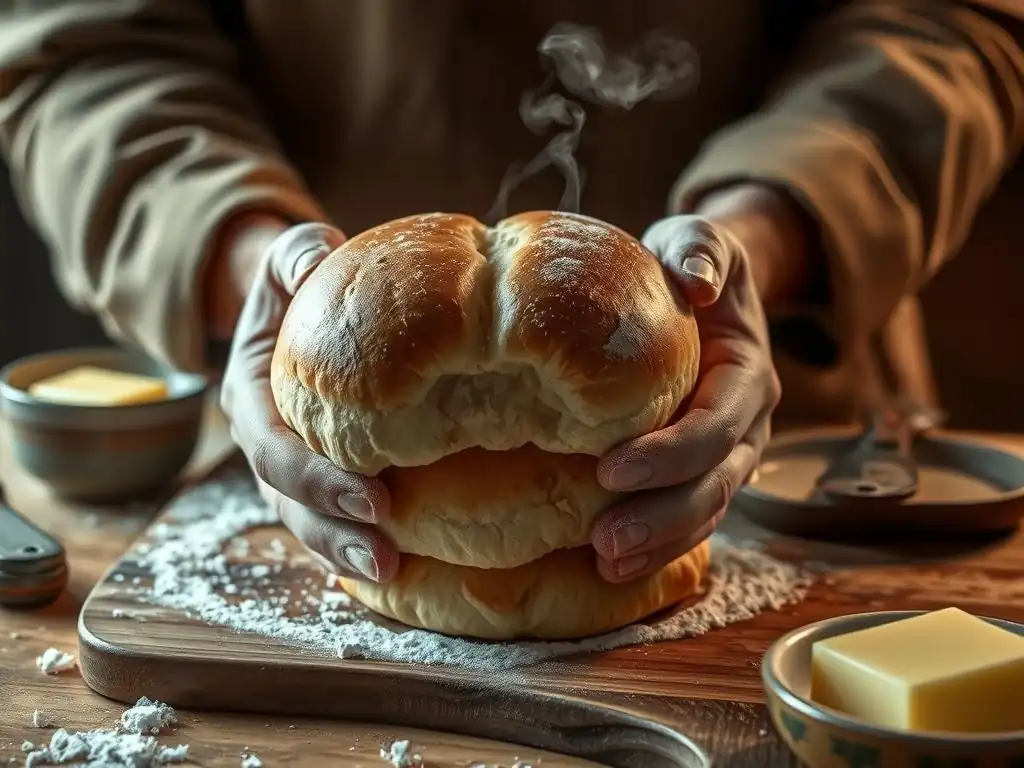
Welcome to BakeWithEase, your trusted companion in the delightful world of baking! Ever wondered how to achieve that perfectly soft and pillowy texture in your homemade rolls? Dive into "The Science of Soft Rolls" below, where we unlock the secrets behind achieving ultimate tenderness. Discover essential soft rolls baking tips and techniques that will transform your bread-making, leaving you (and your family!) craving more. What's the one ingredient you're probably underestimating? Let's find out!
- Introduction: Achieving the Perfect Soft Roll at Home
- Understanding the Key Ingredients for Soft Rolls
- Soft Rolls Baking Tips: Mastering the Techniques
- Secret Ingredients for Extra Softness in Bread Rolls
- Troubleshooting Common Soft Roll Baking Problems
- Recipes for Incredibly Soft Rolls
- Soft Rolls Storage Tips: Keeping Your Rolls Fresh
- Conclusion: Bake With Ease and Enjoy Your Soft Rolls
-
Frequently Asked Questions
- What is the most important factor in achieving incredibly soft rolls?
- Can I substitute ingredients to make soft rolls healthier?
- What role does kneading play in soft roll baking?
- What's the best temperature for proofing my soft roll dough?
- How can I prevent my soft rolls from drying out after baking?
- Final Reflection: The Enduring Allure of the Perfect Soft Roll
- Unlock Your Inner Baker: Master the Art of Soft Rolls!
Introduction: Achieving the Perfect Soft Roll at Home
Baking soft rolls is a delightful endeavor, yielding pillowy clouds of bread perfect for dinner, sandwiches, or simply enjoying with butter. While seemingly simple, achieving that ultimate tenderness involves a fascinating interplay of ingredients, techniques, and even a bit of baking science. Many bakers strive for that ideal texture – rolls that are light, airy, and melt in your mouth, a stark contrast to dense or dry loaves. This article delves into the core principles behind creating wonderfully soft rolls right in your own kitchen, offering practical advice and insights into why certain methods work better than others.
Whether you're a beginner tackling your first batch or an experienced baker looking to perfect your craft, mastering the science behind soft rolls will elevate your baking game. We'll explore the crucial role each ingredient plays, break down essential soft rolls baking tips, and even reveal some secret ingredients and techniques used by professionals to ensure maximum tenderness and moisture. Get ready to transform your baking results and consistently produce the softest, most delicious rolls you've ever made.
Understanding the Key Ingredients for Soft Rolls
The Role of Flour in Soft Roll Texture
Flour is the foundation of any bread, but the type of flour significantly impacts the final texture of your soft rolls. All-purpose flour, typically containing around 10-12% protein, is a common choice. This moderate protein level allows for sufficient gluten development to provide structure while remaining tender. Using a flour with too high a protein content, like bread flour (often 12-14% protein), can result in a chewier texture, which is less desirable for soft rolls.
Conversely, flours with very low protein, such as cake flour (around 7-9% protein), won't develop enough gluten to hold the structure, potentially leading to rolls that spread too much or are crumbly rather than soft and elastic. The key is finding a balance – enough gluten for structure, but not so much that it creates toughness. Many successful soft roll recipes specifically call for all-purpose flour to strike this balance. Understanding the protein content of your flour is a fundamental soft rolls baking tip.
The Importance of Sugar and Fat for Softness
Sugar and fat are not just flavor enhancers in soft rolls; they are crucial for achieving that signature tender crumb. Sugar, typically granulated sugar, brown sugar, or honey, serves multiple purposes. It feeds the yeast, aiding in a vigorous rise, and it also tenderizes the dough by interfering with gluten development. Additionally, sugar attracts and holds onto moisture, contributing to a softer, more moist roll that stays fresh longer. A typical enriched dough for soft rolls might contain sugar equivalent to 5-10% of the flour weight.
Fats, such as butter, oil, or shortening, are powerful tenderizers. They coat the gluten strands as they develop during kneading, preventing them from forming a tight, rigid network. This results in a softer, more delicate crumb structure. Fats also contribute to richness and flavor.
Butter, for instance, adds a desirable dairy note. Recipes for soft rolls often include a significant amount of fat, sometimes ranging from 8% up to 15% or more relative to the flour weight. The type of fat can also slightly alter the texture; butter contributes to a richer flavor and slightly flakier texture, while oil tends to make the crumb more uniformly soft. Incorporating these fats correctly is vital for achieving soft rolls.
Yeast Selection: Choosing the Right Yeast for Tender Rolls
Yeast is the leavening agent that makes rolls light and airy. For soft rolls, both active dry yeast and instant yeast are commonly used, and both can yield excellent results when handled properly. Instant yeast is often preferred by home bakers for its convenience; it can be mixed directly into the dry ingredients and typically provides a more vigorous and predictable rise compared to active dry yeast. It activates quickly, allowing for shorter proofing times.
Active dry yeast, on the other hand, requires activation in warm liquid (usually water or milk around 105-115°F or 40-46°C) before being added to the dry ingredients. This process, often called "blooming," ensures the yeast is alive and active. While it might take slightly longer for the dough to rise, some bakers feel active dry yeast can contribute to a slightly better flavor development over a longer fermentation.
Ultimately, the key is using fresh, active yeast and ensuring the liquid temperature is correct for activation (too hot will kill it, too cold won't activate it). Proper yeast activity is a non-negotiable soft rolls baking tip.
The Impact of Liquids: Milk vs. Water in Soft Roll Dough
The type of liquid used in your dough significantly impacts the final texture and richness of your soft rolls. While water is a common choice in many bread recipes, milk is often preferred for soft, enriched rolls. Milk contains fat and milk solids (proteins and lactose), which contribute to a richer flavor, a softer crumb, and a more tender crust. The fat in milk also acts as a tenderizer, similar to added butter or oil, coating gluten strands and preventing excessive development.
Using warm milk (around 105-115°F or 40-46°C) is ideal as it helps activate the yeast effectively. Scalding the milk (heating it almost to boiling, then cooling) before adding it to the dough can also be beneficial. Scalding denatures certain milk proteins that could otherwise interfere with gluten development and result in a weaker structure. While not strictly necessary for all soft roll recipes, using milk is a classic method to achieve that signature tenderness and richness, offering a distinct advantage over using just water.
Soft Rolls Baking Tips: Mastering the Techniques
The Art of Kneading: Developing Gluten for Softness
Kneading is a critical step in developing the gluten structure needed for rolls, but for soft rolls, the goal is slightly different than for crusty loaves. You need to develop enough gluten to give the rolls structure and elasticity, allowing them to rise and hold their shape, but not too much that they become tough or chewy. Over-kneading is a common mistake that can lead to hard rolls. The dough should be kneaded until it is smooth, elastic, and passes the windowpane test – stretching a small piece thinly enough to see light through it without tearing.
Proper kneading, whether by hand or stand mixer, typically takes between 8 to 12 minutes in a stand mixer on medium speed, or potentially longer by hand. Pay attention to the dough's feel rather than strictly adhering to a timer. It should become less sticky and more pliable as you knead. Adequate but not excessive kneading is a fundamental soft rolls baking tip to ensure tenderness.
The Importance of Proofing: Achieving the Right Rise
Proofing, or fermentation, is the process where yeast produces carbon dioxide, causing the dough to rise. Proper proofing is essential for light, airy soft rolls. Dough for soft rolls typically undergoes two rises: a bulk fermentation (first rise) and a final proof (second rise) after shaping. The first rise allows flavor to develop and the gluten structure to relax. It usually takes 60-90 minutes at room temperature (around 70-75°F or 21-24°C), or longer in a cooler environment. The dough should roughly double in size.
The final proof after shaping is crucial for achieving the desired volume and tenderness in the baked roll. This usually takes 30-60 minutes. The rolls should look visibly puffy and almost doubled in size, but they should not be over-proofed, which can lead to collapse during baking or a poor texture. A simple test is to gently poke a roll; if the indentation slowly springs back about halfway, it's ready.
If it springs back immediately, it needs more time. If it stays indented, it's likely over-proofed. Mastering the proofing stages is one of the most important soft rolls baking tips.
Baking Temperature and Time: Secrets to Avoid Hard Rolls
The temperature and duration of baking play a significant role in the final texture of soft rolls. Baking at the correct temperature ensures the rolls cook through without drying out or developing an overly thick, hard crust. For soft rolls, a moderate oven temperature is usually preferred, often ranging from 350°F to 375°F (175°C to 190°C). Baking at too high a temperature can cause the crust to set too quickly while the interior is still cooking, resulting in a hard exterior and potentially dense inside.
The baking time depends on the size of the rolls and the oven, but typically ranges from 15 to 25 minutes. Rolls are done when they are golden brown on top and sound hollow when tapped on the bottom. Using a thermometer is the most accurate way to check for doneness; the internal temperature should reach around 190-200°F (88-93°C). Baking just until done, rather than over-baking, is key to maintaining moisture and achieving soft rolls.
Shaping Techniques for Uniform Soft Rolls
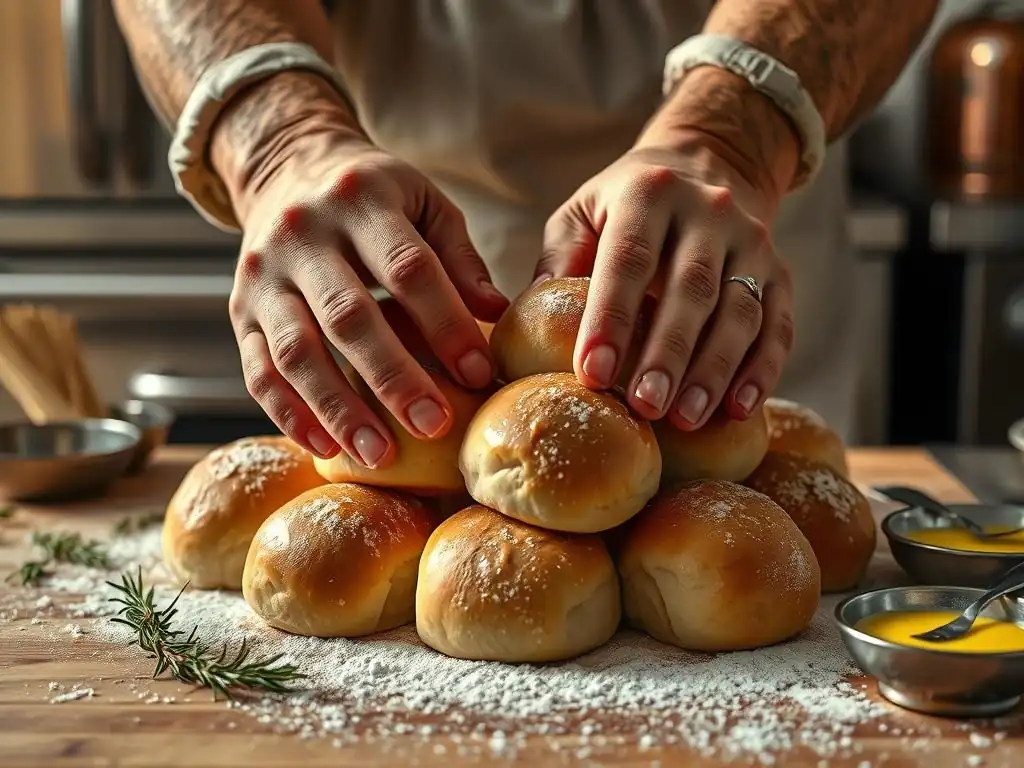
Consistent shaping is important for ensuring your soft rolls bake evenly. Whether you're shaping classic round rolls, knots, or other forms, aim for uniformity in size and tension. For round rolls, gently flatten a portion of dough, then pull the edges up and pinch them together at the bottom, creating a smooth top surface. Roll the dough lightly against a clean, un-floured surface to create surface tension and a neat ball.
Avoid using too much flour during shaping, as excess flour can dry out the surface and lead to a tougher crust. Place shaped rolls relatively close together on the baking sheet (about 1-2 inches apart) if you want them to bake into each other for soft sides, or further apart if you prefer individual rolls with a crispier edge. Gentle handling during shaping is crucial; avoid degassing the dough too much, which can compromise the final rise and tenderness. Proper shaping contributes significantly to successful soft rolls.
Secret Ingredients for Extra Softness in Bread Rolls
Potato Flakes: A Baker's Secret for Moisture
Adding potato flakes or mashed potato to bread dough is a long-held secret among bakers for creating incredibly moist and soft rolls. Potatoes are high in starch, which absorbs and retains moisture exceptionally well. When incorporated into dough, the starches hydrate and gelatinize during baking, creating a tender, almost melt-in-your-mouth texture. This extra moisture retention also helps the rolls stay fresh and soft for a longer period.
Typically, you'd add about 1/4 to 1/2 cup of instant potato flakes per 3-4 cups of flour, adding them directly to the dry ingredients. If using leftover mashed potatoes, ensure they are plain (no butter or milk added, or adjust the recipe liquids accordingly) and cooled, adding about 1/2 to 1 cup per 3-4 cups of flour. The potato doesn't drastically change the flavor but profoundly impacts the texture, making potato rolls a classic example of using this soft rolls baking tip.
Tangzhong Method: Unlock the Power of Water Roux for Ultimate Softness
The Tangzhong method, originating from Asian baking, is a technique that involves cooking a small portion of the flour with liquid (usually milk or water) to form a thick paste or roux before adding it to the main dough. This paste, often called the "starter" or "water roux," typically uses a ratio of 1 part flour to 5 parts liquid by weight, cooked until it thickens to a pudding-like consistency, usually around 149°F (65°C).
The magic of Tangzhong lies in the starch gelatinization that occurs during cooking. The starches absorb significantly more liquid than they would if added dry to the dough. This pre-gelatinized starch holds onto the moisture throughout the kneading, proofing, and baking processes. The result is a dough that is incredibly hydrated, leading to exceptionally soft, moist, and airy rolls with an extended shelf life. Incorporating the Tangzhong method is an advanced soft rolls baking tip that yields remarkable results.
Using Milk Powder for Enhanced Flavor and Texture
Adding dry milk powder to your soft roll dough is another excellent way to boost tenderness and flavor. Milk powder contains milk proteins and lactose (milk sugar) in a concentrated form. When rehydrated within the dough, these components contribute to a richer flavor profile and a more golden crust due to the caramelization of lactose during baking.
More importantly for softness, the proteins in milk powder help create a more tender crumb structure. They interact with the gluten network, making it more pliable and less likely to toughen. Using about 2-4 tablespoons of dry milk powder per 3-4 cups of flour is a common addition. This simple ingredient addition is an easy soft rolls baking tip that provides noticeable benefits in both texture and taste.
Troubleshooting Common Soft Roll Baking Problems
Why are My Rolls Hard? Common Mistakes and Solutions
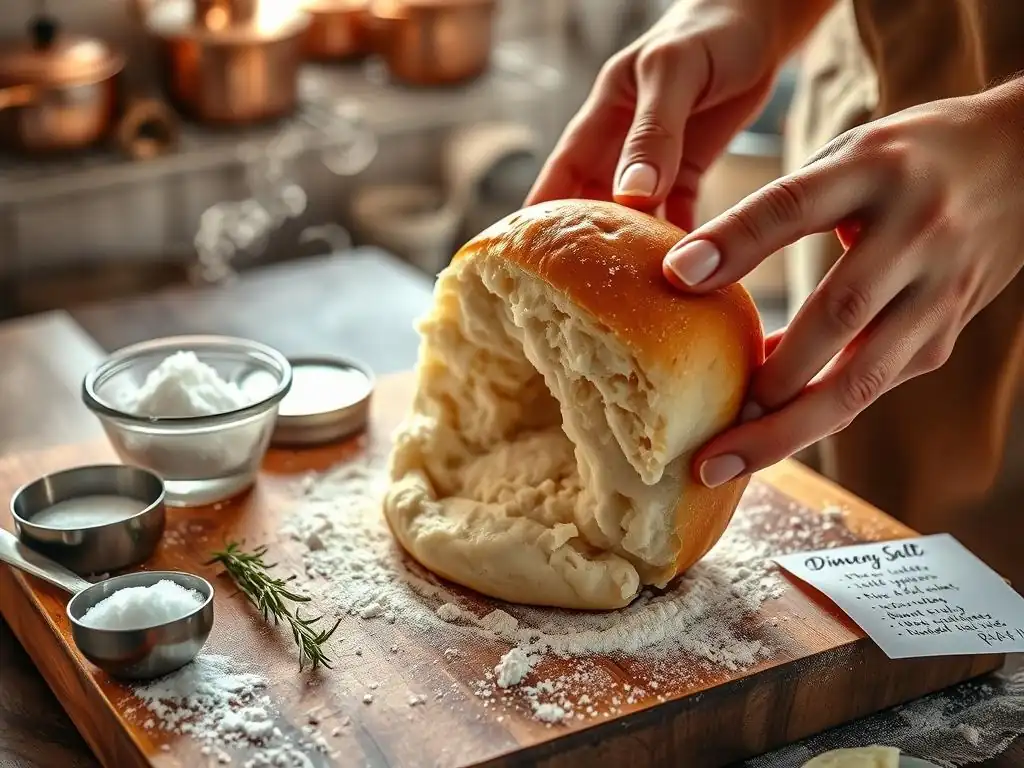
Hard rolls are a common frustration for bakers aiming for tenderness. The primary culprits are usually related to gluten development, hydration, or over-baking. Over-kneading is a major factor; developing too much gluten creates a tough, chewy texture. Ensure you knead just until the dough is smooth and elastic, not overly developed. Another reason is insufficient hydration; a dough that is too dry will inevitably produce hard rolls. Make sure you're adding enough liquid according to the recipe and consider the absorption rate of your flour.
Over-baking is also a frequent cause of hardness. Baking rolls for too long or at too high a temperature dries them out and creates a thick, hard crust. Bake only until they are golden brown and reach an internal temperature of 190-200°F (88-93°C). Finally, insufficient fat or sugar in the recipe can also contribute to hardness, as these ingredients are key tenderizers. Reviewing your soft rolls baking tips and technique at each stage can help diagnose and fix this issue.
Rolls Not Rising? Yeast Issues and How to Fix Them
If your rolls aren't rising properly, the problem almost always lies with the yeast. The yeast might be inactive or dead. This can happen if the yeast is old, stored improperly (it should be stored in a cool, dry place, ideally the refrigerator or freezer once opened), or killed by liquid that is too hot during activation or mixing. Ensure your yeast is fresh (check the expiration date) and that your liquids are within the correct temperature range (around 105-115°F or 40-46°C for active dry yeast, or warm but not hot for instant yeast mixed directly).
Another reason for poor rise can be an environment that is too cold for proofing. Yeast is most active in warm conditions. Find a warm spot for your dough to rise, perhaps in a slightly warmed oven (turned off) or near a sunny window.
Insufficient sugar (yeast food) or too much salt (which can inhibit yeast) can also impact rising, though this is less common. If your dough hasn't risen after the expected time, you might be able to add more activated yeast to the dough, but often starting over with fresh yeast is the most reliable solution for achieving light soft rolls.
Preventing Dry Rolls: Hydration and Baking Adjustments
Dry rolls are often a symptom of insufficient moisture in the dough or losing too much moisture during baking. Ensuring proper hydration from the start is crucial. Different flours absorb liquids differently, so you might need to adjust the amount of liquid slightly based on your flour and environmental conditions. The dough should be soft and slightly sticky, not stiff and dry.
During baking, moisture loss can be minimized by baking at the correct temperature and time, avoiding over-baking. Some bakers also brush the tops of rolls with milk or melted butter before baking to help keep the crust soft and moist. Using methods like Tangzhong or adding ingredients like potato flakes or milk powder significantly increases the dough's ability to retain moisture, leading to noticeably moister soft rolls. Paying attention to these soft rolls baking tips regarding hydration and baking time is key to preventing dryness.
Recipes for Incredibly Soft Rolls
Classic Soft Dinner Rolls Recipe
Classic soft dinner rolls are a staple, known for their tender crumb and rich flavor, often achieved through the use of milk, sugar, and a generous amount of butter or other fat. These recipes typically follow a straightforward process: activating yeast, mixing ingredients to form an enriched dough, kneading until smooth and elastic, undergoing bulk fermentation, shaping into individual rolls, a final proof, and finally baking until golden.
A typical classic soft dinner roll dough might have fat and sugar levels significantly higher than lean bread doughs, perhaps 10% sugar and 12% butter relative to flour weight. This higher enrichment is key to their characteristic softness. The use of milk instead of water further enhances the tenderness and richness. While variations exist, the core principle is a well-hydrated, enriched dough handled gently throughout the process, embodying essential soft rolls baking tips.
Potato Rolls Recipe for Extra Moisture
Potato rolls leverage the moisture-retaining power of potatoes to create an exceptionally soft and moist crumb. These recipes often incorporate instant potato flakes or cooled mashed potatoes directly into the dough ingredients. The potato starch absorbs liquid during mixing and holds onto it throughout the baking process, resulting in rolls that stay soft and fresh for an extended period.
The amount of potato added can vary, but typically ranges from 1/4 to 1/2 cup of flakes or 1/2 to 1 cup of mashed potato per 3-4 cups of flour. This addition doesn't drastically alter the flavor but provides a noticeable improvement in texture and moisture retention. Potato rolls are a fantastic example of how a simple ingredient addition can significantly enhance the tenderness of soft rolls.
Tangzhong Milk Bread Rolls Recipe
Tangzhong milk bread rolls represent the pinnacle of soft roll baking for many. Utilizing the cooked flour and liquid paste (Tangzhong), these rolls are known for their incredibly light, fluffy, and airy texture, as well as their remarkable ability to stay soft for several days. The Tangzhong starter, made by cooking a small portion of the flour and milk/water, locks in moisture that is then carried into the main dough.
The process involves making the Tangzhong first and letting it cool, then incorporating it into an enriched dough that typically includes milk, sugar, butter, and sometimes eggs. The high hydration contributed by the Tangzhong results in a dough that is often stickier but yields unparalleled softness and a fine, cotton-like crumb structure. Mastering the Tangzhong method is an advanced soft rolls baking tip that delivers superior results in terms of tenderness and shelf life.
Soft Rolls Storage Tips: Keeping Your Rolls Fresh
Best Practices for Storing Soft Rolls
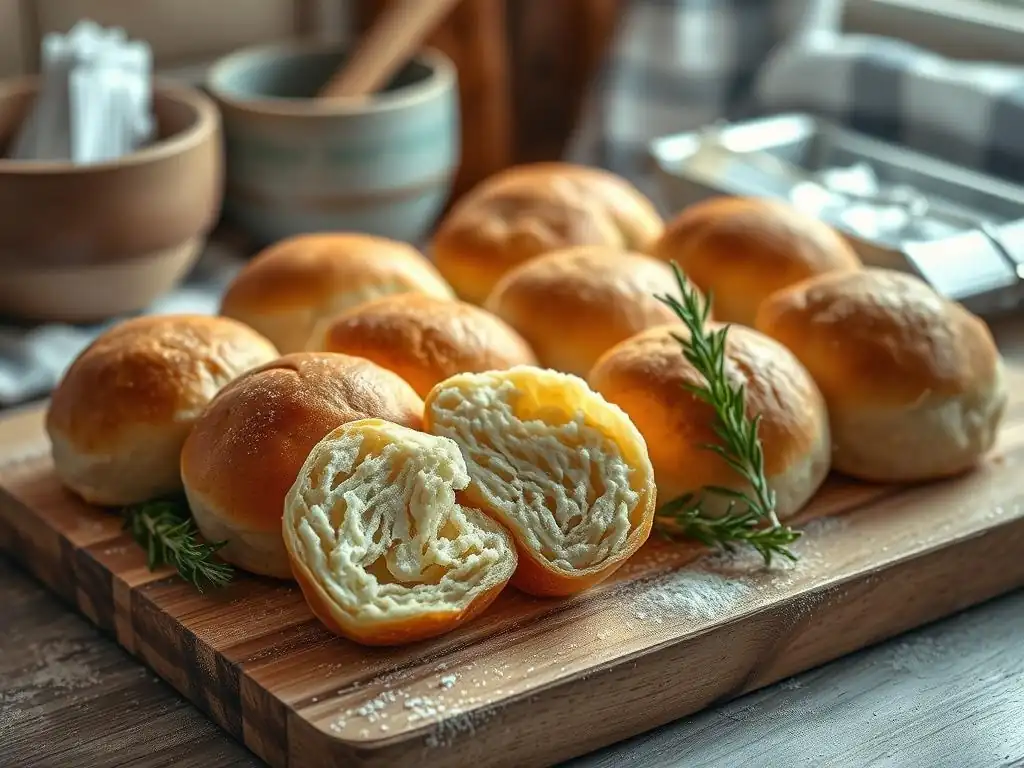
Proper storage is essential for keeping your soft rolls tender and delicious after baking. Once the rolls have cooled completely on a wire rack (cooling fully is crucial to prevent condensation and sogginess), store them in an airtight container or a resealable plastic bag. This prevents air from circulating and drying out the rolls. Avoid storing them in the refrigerator, as this can actually accelerate staling by promoting starch retrogradation.
For optimal freshness, store soft rolls at room temperature. If you plan to keep them for more than a couple of days, freezing is an excellent option. Tightly wrap cooled rolls individually or in small batches in plastic wrap, then place them in a freezer-safe bag or container. Properly frozen soft rolls can maintain their quality for up to 2-3 months. These simple soft rolls baking tips for storage help extend their enjoyment.
Reheating Soft Rolls for Maximum Softness
If your soft rolls have lost a little bit of their initial tenderness or you're reheating them from frozen, a quick warm-up can bring them back to life. The best way to reheat soft rolls and restore their softness is in a low oven or microwave. For the oven, preheat to a low temperature, around 300-325°F (150-160°C). Place the rolls on a baking sheet and warm for 5-10 minutes, depending on their size, until heated through. You can lightly tent them with foil if you're worried about the tops getting too dark.
Alternatively, you can reheat a roll or two in the microwave for just 15-30 seconds on medium power. Be careful not to over-microwave, as this can make them tough. For frozen rolls, thaw them first at room temperature or gently in the microwave before reheating. A brief reheat using these methods helps re-mobilize the starches and brings back that delightful soft texture, ensuring you can enjoy your soft rolls baking tips results even days later.
Conclusion: Bake With Ease and Enjoy Your Soft Rolls
Achieving wonderfully soft rolls is a rewarding baking goal that combines understanding key ingredients with mastering fundamental techniques. From selecting the right flour and ensuring proper hydration with milk or added fats, to perfecting your kneading and proofing, each step contributes to the final tender texture. Incorporating secret ingredients like potato flakes or employing methods like Tangzhong can elevate your soft rolls to new levels of moisture and softness.
Troubleshooting common issues like hard or non-rising rolls involves revisiting these core principles and making necessary adjustments. With practice and attention to these soft rolls baking tips, you'll consistently produce rolls that are light, airy, and perfectly tender. Don't forget to store them properly and reheat them gently to maintain their deliciousness. Now that you're armed with the science and secrets behind soft rolls, it's time to bake with ease and enjoy the incredibly satisfying results!
Frequently Asked Questions
What is the most important factor in achieving incredibly soft rolls?
The most important factor is proper gluten development and moisture control. Achieving this involves using the right flour and employing techniques like the tangzhong method.
Can I substitute ingredients to make soft rolls healthier?
While you can substitute some ingredients, be mindful of the impact on texture. For example, using whole wheat flour can result in a denser roll, so adjust the hydration levels accordingly.
What role does kneading play in soft roll baking?
Kneading is crucial for developing the gluten structure, which gives the rolls their soft and chewy texture. Over-kneading can lead to tough rolls, so it's important to find the right balance.
What's the best temperature for proofing my soft roll dough?
A warm, humid environment is ideal for proofing. Aim for a temperature between 75-80°F to encourage yeast activity and proper rising.
How can I prevent my soft rolls from drying out after baking?
Brush the rolls with melted butter immediately after baking. This creates a protective layer and helps to retain moisture, keeping them soft for longer.
Final Reflection: The Enduring Allure of the Perfect Soft Roll
The pursuit of the perfect soft roll transcends mere culinary skill; it's a testament to our innate desire for comfort and connection. From the simplest dinner roll to the most elaborate artisan bread, the texture of a perfectly soft interior speaks volumes about care, attention to detail, and the simple joy of sharing a meal. This article has explored the science behind that softness, revealing the crucial role of hydration, fermentation, and gentle handling. But the impact of these techniques extends far beyond the kitchen.
The quest for the perfect soft roll reflects a deeper human need for nurturing and creating something beautiful from simple ingredients. It's a practice passed down through generations, a tradition that connects us to our heritage and fosters a sense of belonging. As the renowned baker, Paul Hollywood, once said, Baking is about sharing, it's about love, it's about creating something beautiful.
This sentiment perfectly encapsulates the emotional resonance of baking, and particularly the satisfying achievement of a truly soft roll. The techniques explored here are not just about achieving a specific texture; they are about nurturing a connection to the process and the people we share our creations with.
Now, consider your own baking journey. What small adjustments can you make to your technique, inspired by the insights shared in this article? Will you experiment with different hydration levels, or perhaps refine your kneading process? More importantly, will you embrace the opportunity to create something delicious and share it with those you cherish? The journey to the perfect soft roll is a continuous one, filled with experimentation, learning, and the profound satisfaction of creating something truly special. Embrace the process, and let the warmth of a perfectly soft roll fill your kitchen and your heart.
Unlock Your Inner Baker: Master the Art of Soft Rolls!
Thanks for taking the time to explore the science behind perfectly soft rolls! You've now got the knowledge to create truly amazing bread. Ready to put your new skills to the test?
- Bake a batch of our signature soft rolls today! Use the techniques you just learned to create deliciously fluffy bread that will impress your family and friends. Remember to adapt the recipe to your own preferences – experiment with different flours or add-ins!
- Share your baking journey with our community on social media. Use #BakeWithEaseSoftRolls and tag us! We love seeing your creations.
- Explore more baking techniques on BakeWithEase.com – we've got tons of recipes and tips waiting for you!
What unique twist will you add to your next batch of soft rolls? Let us know in the comments!