
Sprouted Rye Bread: Enhance Flavor and Nutrition

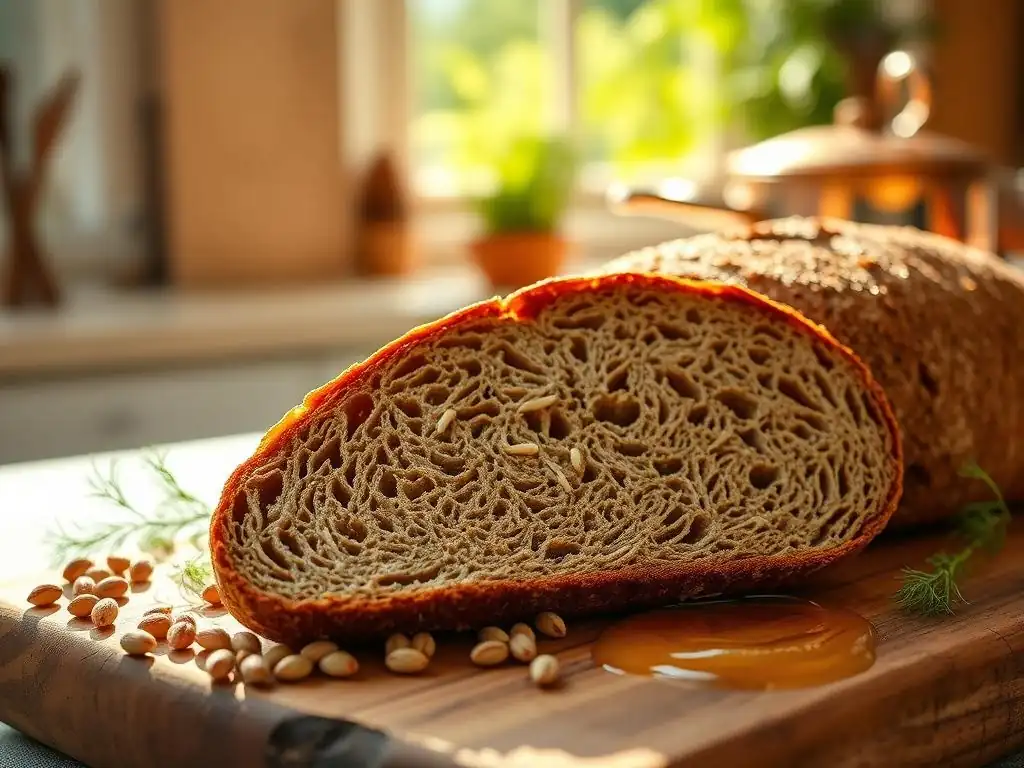
Welcome to BakeWithEase, your guide to unlocking baking brilliance! Curious about adding a nutty, deeply flavorful twist to your bread-making? Then you've come to the right place. Discover how easy it is to elevate your baking with our simple yet rewarding sprouted rye bread recipe. Intrigued? Let's get baking!
- Sprouted Rye Bread Recipe: Enhance Flavor and Nutrition
- Introduction to Sprouted Rye Bread Baking
- Understanding Sprouted Rye Flour for Bread
- The Ultimate Sprouted Rye Bread Recipe: Step-by-Step
- Tips and Tricks for Sprouted Rye Bread Success
- Exploring Variations of the Sprouted Rye Bread Recipe
- Serving and Storing Your Homemade Sprouted Rye Bread
- Conclusion: Mastering the Art of Sprouted Rye Bread Baking
-
Frequently Asked Questions
- What makes sprouted rye bread different from regular rye bread?
- What are the benefits of using sprouted rye in a bread recipe?
- Is sprouted rye bread more difficult to bake than other types of bread?
- Where can I find sprouted rye grains or flour for this recipe?
- Can I substitute other flours in the sprouted rye bread recipe?
- Final Reflection: The Sprouting Revolution in Your Kitchen
- Unlock the Delicious Secrets of Sprouted Rye!
Sprouted Rye Bread Recipe: Enhance Flavor and Nutrition
Introduction to Sprouted Rye Bread Baking
What is Sprouted Rye and Why Bake with It?
Sprouted rye refers to rye grains that have begun the germination process. This involves soaking the grains in water, which activates enzymes within the kernel. These enzymes start to break down starches into simpler sugars and proteins into amino acids. The sprouting process is halted just as the sprout begins to emerge, typically after 24-48 hours, before it grows too long. This transformation fundamentally changes the grain's composition, making it distinct from regular rye flour.
Bakers are increasingly turning to sprouted rye for a variety of reasons centered on flavor, texture, and nutritional value. The partial breakdown of starches results in a slightly sweeter, more complex flavor profile compared to traditional rye. Additionally, the activated enzymes can influence gluten development (though rye has less gluten than wheat) and starch structure, often leading to a bread with a unique crumb and improved moisture retention. Baking with sprouted rye flour offers an exciting way to elevate classic rye bread recipes.
Benefits of Using Sprouted Rye Flour in Bread Making
One of the primary advantages of using sprouted rye flour lies in its enhanced nutritional profile. The sprouting process can increase the bioavailability of certain vitamins and minerals, such as B vitamins and vitamin C, and make minerals like iron and zinc more easily absorbed by the body. Studies suggest that sprouting can also reduce phytic acid, an antinutrient found in grains that can inhibit mineral absorption. For instance, phytic acid content can be reduced by over 50% during sprouting, depending on conditions. This means you might get more nutritional 'bang for your buck' from your sprouted rye bread.
Beyond nutrition, sprouted rye flour brings unique qualities to the baking process itself. The enzymatic activity initiated during sprouting can lead to a more active fermentation, potentially resulting in a lighter loaf than expected for a dense rye bread. The slightly altered starch structure can also contribute to a moister crumb and extended shelf life compared to breads made with non-sprouted flour. Bakers often find that sprouted rye adds a depth of flavor that is both earthy and subtly sweet, complementing other ingredients beautifully in a sprouted rye bread recipe.
Guide to Delicious Sprouted Rye Bread
Embarking on the journey to bake delicious sprouted rye bread is a rewarding experience. This guide will walk you through the essential steps, from understanding the unique properties of sprouted rye flour to mastering the baking process. We'll cover everything you need to know to create a flavorful and nutritious loaf right in your own kitchen. Whether you're new to baking or looking to expand your skills, this sprouted rye bread recipe is designed to be accessible and successful.
Making a great sprouted rye loaf involves careful attention to hydration, mixing, and proofing, as rye flour behaves differently than wheat. Because rye contains less gluten-forming protein, doughs tend to be stickier and require a gentler touch. By following the detailed instructions provided, you'll learn how to manage this unique dough and achieve a wonderful texture and crust. Get ready to discover the simple pleasure of baking and enjoying your very own homemade sprouted rye bread.
Understanding Sprouted Rye Flour for Bread
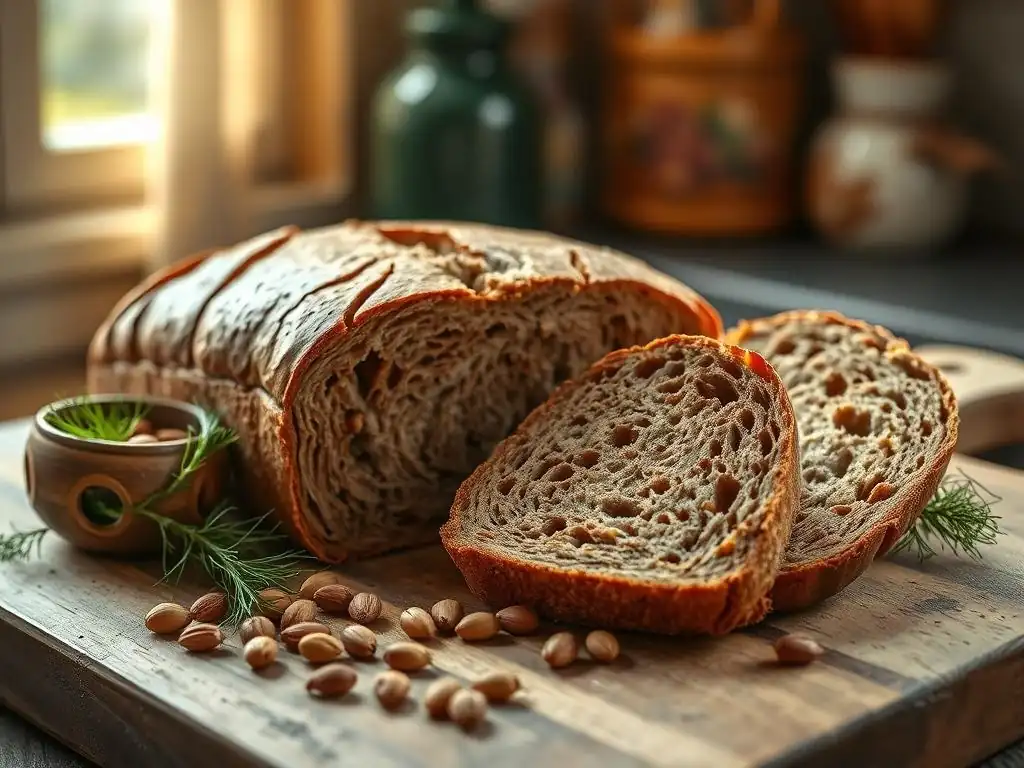
Exploring the Nutritional Profile of Sprouted Rye
Sprouted rye flour boasts an impressive nutritional profile, often surpassing that of its non-sprouted counterpart. The germination process helps to unlock nutrients, making them more accessible. For example, fiber content remains high, typically around 15-20% by weight, which is crucial for digestive health. Furthermore, the levels of certain antioxidants, like ferulic acid, can increase during sprouting, contributing to the grain's overall health benefits. Compared to refined flours, sprouted rye retains the whole grain's goodness, including the bran and germ, which are rich in vitamins and minerals.
Specific nutrients that see a boost during sprouting include B vitamins such as folate (B9) and riboflavin (B2), and minerals like magnesium and phosphorus. While exact percentages can vary based on sprouting conditions and analysis methods, research indicates measurable increases. For instance, one study noted a potential 10-25% increase in certain B vitamins after sprouting. Incorporating sprouted rye into your diet through a sprouted rye bread recipe is a fantastic way to enjoy these enhanced nutritional benefits in a delicious form.
Sprouted Rye vs. Regular Rye: Key Differences
The core difference between sprouted rye and regular rye lies in the initial processing of the grain. Regular rye flour is milled directly from the dormant grain kernel. Sprouted rye flour, on the other hand, is milled from kernels that have been soaked and allowed to partially germinate before being dried. This sprouting step triggers enzymatic changes that significantly alter the grain's properties.
From a baking perspective, these differences are noticeable. Sprouted rye flour often has a slightly sweeter taste due to the conversion of starches into sugars. It can also result in a less dense crumb structure in bread compared to using 100% regular whole rye flour, which is known for producing very heavy loaves. While both are whole grains and nutritious, the sprouted version offers a unique flavor profile and potentially easier digestion for some individuals, making it a favored choice for many bakers creating a sprouted rye bread recipe.
Where to Buy High-Quality Sprouted Rye Flour
Finding high-quality sprouted rye flour is key to a successful sprouted rye bread recipe. It is becoming more widely available as its popularity grows. You can often find it in health food stores, specialty grocery stores, and stores with a well-stocked baking aisle. Look for flour from reputable mills that specify "sprouted" on the packaging and ideally mention that it's whole grain.
Online retailers are also an excellent source, offering a wider selection from various producers. Many organic farms and small-batch mills sell their flours directly through their websites. When purchasing online, check customer reviews and the milling date if possible to ensure freshness. Buying in smaller quantities initially might be wise to test quality before committing to a larger bag, ensuring you have the best ingredient for your sprouted rye bread.
The Ultimate Sprouted Rye Bread Recipe: Step-by-Step
Ingredients for a Perfect Sprouted Rye Loaf
To bake a standard 1.5-pound loaf of sprouted rye bread, you'll need a few key ingredients. The star is, of course, sprouted whole rye flour, approximately 300-350 grams. You'll also need about 150-200 grams of strong bread flour or all-purpose flour to help with structure, as rye is lower in gluten. Water is essential, typically around 350-400 ml, though the exact amount can vary based on flour absorption.
Other standard baking ingredients include yeast (around 1-2 teaspoons of active dry or instant), salt (about 8-10 grams), and often a touch of sweetener like honey or molasses (1-2 tablespoons) which complements the rye flavor and helps with crust browning. Some recipes might call for a small amount of oil or butter (1 tablespoon) for softness. Having these measured out before you begin makes the sprouted rye bread recipe process smoother.
Equipment You'll Need for Baking Sprouted Rye Bread
Having the right tools makes baking sprouted rye bread much easier and helps ensure consistent results. You'll need a large mixing bowl for combining ingredients and kneading. A kitchen scale is highly recommended for accurately measuring flour and other ingredients, as baking is a precise science (measuring by weight is far more accurate than by volume).
Other useful equipment includes a dough scraper or spatula for handling the sticky rye dough, a proving basket (banneton) or loaf pan for the final rise, and a sharp blade (like a razor blade or lame) for scoring the top of the loaf before baking. A baking stone or steel can improve crust development, and a spray bottle filled with water or a Dutch oven can create steam in the oven, which is beneficial for a good crust on your sprouted rye bread.
Detailed Instructions: Mixing, Kneading, and Proofing
Begin your sprouted rye bread recipe by activating the yeast if using active dry yeast. Combine it with warm water (around 105-115°F or 40-46°C) and a pinch of sugar or honey in a small bowl, letting it sit for 5-10 minutes until frothy. If using instant yeast, you can often mix it directly with the dry ingredients. In your large mixing bowl, whisk together the sprouted rye flour, bread flour, salt, and any sweetener.
Add the activated yeast mixture (or just the water if using instant yeast mixed into the flour) to the dry ingredients. Use a sturdy spoon or dough scraper to mix until a shaggy, sticky dough forms. Due to rye's low gluten, extensive kneading like wheat bread isn't necessary.
Knead gently on a lightly floured surface for 5-8 minutes, or use a stand mixer with a dough hook for 4-6 minutes on low speed. The dough will remain sticky; resist the urge to add too much extra flour, as this can make the bread dry. Place the dough in a lightly oiled bowl, cover, and let it bulk ferment in a warm place for 1 to 1.5 hours, or until it has increased significantly in size (though rye dough may not double).
Baking Your Sprouted Rye Bread to Golden Perfection
Once your sprouted rye bread dough has completed its final rise in the proving basket or loaf pan, it's time to bake. Preheat your oven to a high temperature, typically between 425°F and 450°F (220°C and 230°C). If using a baking stone or Dutch oven, ensure it preheats with the oven for at least 30-45 minutes.
Carefully invert the dough onto your baking surface or into the preheated Dutch oven. Score the top of the loaf with your sharp blade; this helps control the expansion during baking and adds a decorative touch. If not using a Dutch oven, create steam by placing a tray of hot water on the bottom rack of the oven or spraying the oven walls with water.
Bake for 15-20 minutes with steam (or lid on the Dutch oven), then remove the steam source (or lid) and continue baking for another 25-35 minutes, or until the crust is deep golden brown and the internal temperature reaches 195-205°F (90-96°C). Let the sprouted rye bread cool completely on a wire rack before slicing for the best texture.
Tips and Tricks for Sprouted Rye Bread Success
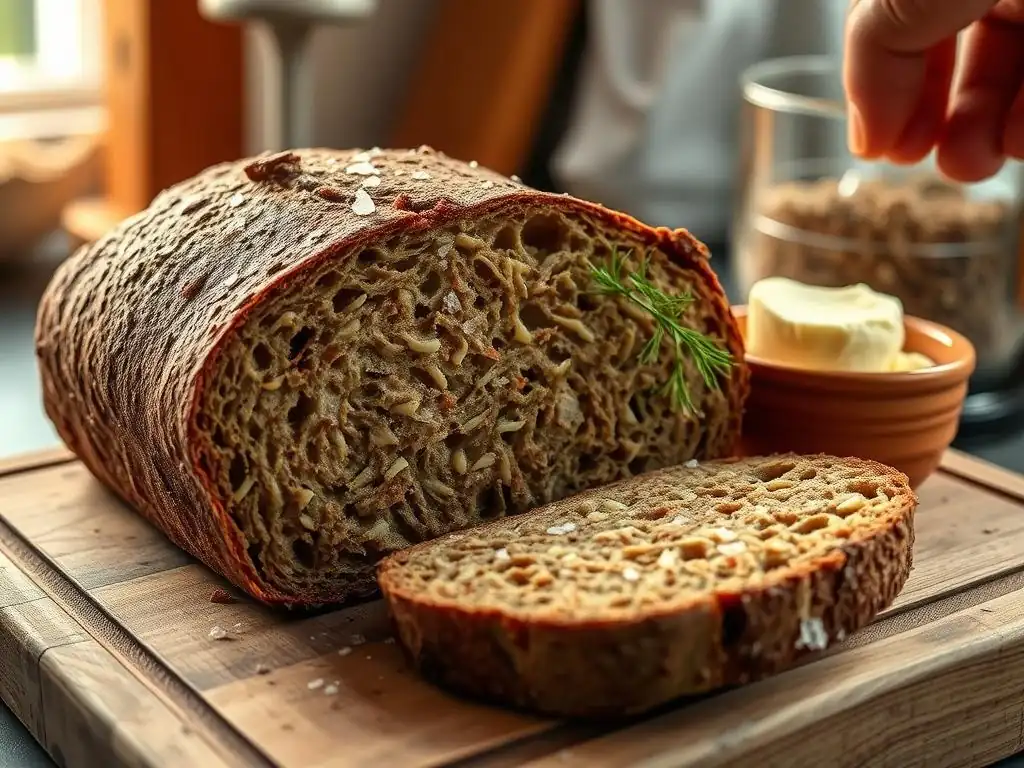
Achieving the Ideal Texture in Your Sprouted Rye Bread
Achieving the perfect texture in sprouted rye bread involves managing its unique dough characteristics. Rye flour, including sprouted rye, has less gluten-forming protein than wheat, resulting in a stickier, less elastic dough. Avoid overworking the dough during kneading; gentle handling is key. Over-kneading can break down the limited gluten structure, leading to a dense loaf. Aim for a dough that is cohesive but still quite tacky.
Hydration levels are also crucial. Too little water will result in a dry, crumbly bread, while too much can make the loaf overly dense or gummy. Pay attention to how the dough feels and adjust water slightly if necessary, remembering that sprouted rye may absorb water differently than regular flour. Proper proofing is also vital; under-proofed dough can be dense, while over-proofed dough may collapse. Watch the dough's volume rather than relying solely on time, as ambient temperature affects proofing speed.
Troubleshooting Common Sprouted Rye Bread Baking Issues
Even with a great sprouted rye bread recipe, you might encounter challenges. A common issue is a dense or heavy crumb. This is often due to insufficient proofing, too low oven temperature, or overworking the dough. Ensure your yeast is active, allow adequate (but not excessive) proofing time, and bake at the recommended high temperature. If your crust cracks excessively on the sides, it might indicate the dough surface dried out too much during proofing or baking without sufficient steam. Using a humid environment for proofing and ensuring steam during the initial bake can help.
Another challenge can be a sticky interior. This might happen if the bread didn't bake long enough or if it was sliced before cooling completely. Always check the internal temperature with a thermometer (195-205°F is the target) and allow the loaf to cool fully on a wire rack, which can take 2-3 hours for a dense rye loaf. Patience during the cooling phase is essential for the crumb structure to set properly in your sprouted rye bread.
Enhancing the Flavor: Additions and Variations for Your Sprouted Rye Bread
While a basic sprouted rye bread recipe is delicious on its own, incorporating additions can elevate its flavor profile even further. Seeds like caraway (a classic pairing with rye), sunflower, pumpkin, or flax seeds add texture and nutty notes. A typical addition might be 2-4 tablespoons of mixed seeds per loaf. Dried fruits such as raisins or cranberries can introduce sweetness, often used at about 1/4 to 1/2 cup per loaf.
Spices like ground coriander, fennel seeds, or a pinch of allspice can deepen the earthy flavor of the rye. Consider adding 1-2 teaspoons of caraway seeds or 1/2 teaspoon of ground coriander to the dry ingredients. Another popular enhancement is incorporating a small amount of cooked grains, like rye berries or cracked wheat, which adds chewiness and complexity. These additions can be mixed into the dough during the final stages of kneading, offering endless possibilities for customizing your sprouted rye bread.
Exploring Variations of the Sprouted Rye Bread Recipe
Sprouted Dark Rye Bread Recipe
Creating a sprouted dark rye bread recipe involves using a higher proportion of sprouted whole rye flour, often 70% or more, and sometimes incorporating ingredients like carob powder, cocoa powder, or dark molasses to deepen the color and enrich the flavor. These additions, typically 1-2 tablespoons of sweetener and perhaps a teaspoon of cocoa/carob, contribute to the characteristic dark hue and slightly bitter, robust taste associated with traditional dark rye.
The higher percentage of rye means the dough will be even stickier and less developed in terms of gluten. You might rely more on a long fermentation or perhaps a small amount of sourdough starter (even if not a full sourdough loaf) to help with lift and flavor. Baking times might be slightly longer for a dense loaf of sprouted dark rye bread, ensuring the interior is fully cooked.
Sprouted Rye Bread with Seeds and Grains
A sprouted rye bread recipe with seeds and grains adds wonderful texture and nutritional boosts. Common additions include sunflower seeds, pumpkin seeds (pepitas), flax seeds, chia seeds, or sesame seeds, often totaling 1/4 to 1/2 cup per loaf. You can also soak or pre-cook whole grains like rye berries or wheat berries and add them to the dough; about 1/4 cup of cooked grains works well.
These additions can be mixed directly into the dough during the last few minutes of kneading. Alternatively, some seeds can be sprinkled on top of the loaf before baking for a crunchy crust. When adding seeds and grains, you might need a tiny bit more water in the dough as they can absorb moisture. This variation results in a hearty, nutty sprouted rye bread that's fantastic toasted.
Sourdough Sprouted Rye Bread Recipe: A Deeper Dive
Combining the benefits of sprouted rye with the complexity of sourdough creates a truly exceptional loaf. A sourdough sprouted rye bread recipe typically uses a sourdough starter fed with rye flour (or a mix) as the sole leavening agent. This process requires more time, often involving an overnight bulk fermentation and a final cold proof in the refrigerator for 12-24 hours, which develops deep flavors and improves the bread's structure.
Working with a high-hydration sourdough rye dough can be challenging due to its stickiness. Techniques like stretch and folds during the initial fermentation help build strength without intense kneading. The sourdough starter's acidity also helps break down the rye further, potentially making it even more digestible and contributing to a unique, tangy flavor that pairs wonderfully with the sweetness of sprouted rye. Mastering this variation takes practice but yields incredibly rewarding results.
Serving and Storing Your Homemade Sprouted Rye Bread
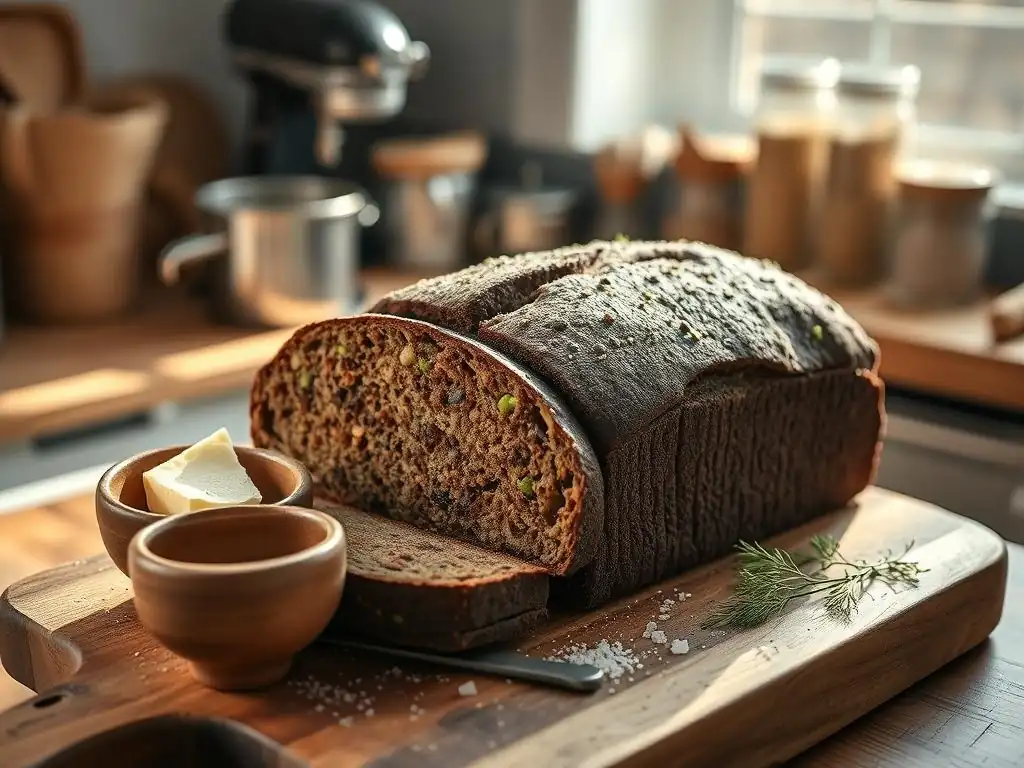
Delicious Ways to Enjoy Freshly Baked Sprouted Rye
Freshly baked sprouted rye bread is incredibly versatile and delicious. Its robust flavor pairs wonderfully with savory toppings. Consider serving it with smoked salmon, cream cheese, pickled herring, or sharp cheeses. It also makes an excellent base for open-faced sandwiches. For a simple yet satisfying treat, enjoy a slice toasted with butter and a sprinkle of salt.
Beyond savory applications, sprouted rye bread can also be enjoyed with sweet accompaniments. Try it toasted with jam, honey, or apple butter. It makes a hearty breakfast or snack. Its dense texture means it holds up well to spreads and toppings without becoming soggy. Experiment with your favorite pairings to discover new ways to savor your homemade sprouted rye bread.
Properly Storing Sprouted Rye Bread for Maximum Freshness
To keep your homemade sprouted rye bread fresh for as long as possible, proper storage is key. Once completely cooled (this is crucial! ), the best way to store it is wrapped in a clean linen towel or beeswax wrap and kept at room temperature. This allows the crust to breathe while protecting the interior from drying out too quickly. Stored this way, it should remain fresh for 2-4 days.
For longer storage, sprouted rye bread freezes beautifully. Slice the cooled loaf first, then wrap the slices tightly in plastic wrap or foil, or place them in a freezer-safe bag. Frozen slices can be easily toasted straight from the freezer. Avoid refrigerating sprouted rye bread, as this can actually make it stale faster due to a process called starch retrogradation. Freezing maintains the texture and flavor much better.
Conclusion: Mastering the Art of Sprouted Rye Bread Baking
Enjoying the Health Benefits and Delicious Flavor of Sprouted Rye Bread
Baking your own sprouted rye bread is a deeply satisfying endeavor that rewards you with a loaf packed with both flavor and nutrition. By choosing sprouted rye flour, you're tapping into a grain that offers enhanced digestibility, increased bioavailability of nutrients, and a uniquely complex, slightly sweet taste profile. The process of baking, from mixing the sticky dough to watching it transform in the oven, connects you to a timeless craft.
Each slice of homemade sprouted rye bread is a testament to your effort and the wholesome power of sprouted grains. Whether you enjoy it plain, toasted, or as the foundation for your favorite toppings, you can feel good knowing you're consuming a bread that is not only delicious but also contributes positively to your diet. Embrace the journey of baking with sprouted rye and savor the wonderful results.
Further Resources for Bread Baking Enthusiasts
For those who wish to delve deeper into the world of bread baking, particularly with alternative grains like rye and sprouted flours, numerous resources are available. Exploring reputable bread baking books can provide foundational knowledge and advanced techniques. Many experienced bakers share their insights and sprouted rye bread recipe variations through blogs and online communities.
Consider joining online forums or social media groups dedicated to bread baking. These platforms offer opportunities to ask questions, share your baking successes and challenges, and learn from others. Understanding the science behind baking, such as the role of yeast, fermentation, and dough hydration, will further enhance your skills. Continue experimenting with different flours, hydration levels, and baking methods to expand your bread-making repertoire beyond this sprouted rye bread recipe.
Frequently Asked Questions
What makes sprouted rye bread different from regular rye bread?
Sprouted rye bread uses sprouted rye grains, which are grains that have begun to germinate. This process unlocks nutrients and makes the bread easier to digest compared to bread made with unsprouted rye flour.
What are the benefits of using sprouted rye in a bread recipe?
Using sprouted rye increases the nutritional value of the bread, making it higher in vitamins and minerals. It also enhances the flavor profile, resulting in a sweeter and less bitter taste.
Is sprouted rye bread more difficult to bake than other types of bread?
While it may require some adjustments, a sprouted rye bread recipe from BakeWithEase aims to be accessible to bakers of all levels. The key is to follow the step-by-step instructions carefully.
Where can I find sprouted rye grains or flour for this recipe?
You can typically find sprouted rye grains or flour at health food stores, specialty grocery stores, or online retailers. BakeWithEase recommends sourcing high-quality ingredients for optimal results.
Can I substitute other flours in the sprouted rye bread recipe?
While some substitutions may be possible, it's generally recommended to follow the recipe as written for the best results. Changing the flour significantly can affect the texture and flavor of the final product.
Final Reflection: The Sprouting Revolution in Your Kitchen
The resurgence of interest in sprouted grains isn't just a fleeting trend; it's a powerful testament to our growing desire for healthier, more flavorful food. Sprouted rye bread, in particular, offers a compelling combination of enhanced nutritional value and a superior taste experience that elevates the humble loaf to new heights. This article has explored the simple process of sprouting rye, the benefits it brings, and how to bake a delicious and nutritious loaf at home.
The journey from simple grain to nourishing bread is a microcosm of the larger shift towards mindful eating and a deeper connection with our food sources. This process, seemingly small, resonates with a growing awareness of the impact our food choices have on our health and the environment. We are what we eat, and so we must choose wisely.
This timeless wisdom underscores the importance of understanding where our food comes from and how it's prepared. The act of sprouting, of nurturing life from a single seed, fosters a sense of respect and appreciation for the ingredients we consume.
Now, consider your own kitchen. Imagine the satisfaction of creating a loaf of sprouted rye bread, knowing you've harnessed the power of nature to enhance its flavor and nutritional profile. Take the leap! Experiment with sprouting other grains, explore different recipes, and savor the delicious results. The journey towards healthier eating starts with a single seed, and with a little effort, you can cultivate a more flavorful and fulfilling life, one loaf at a time.
Unlock the Delicious Secrets of Sprouted Rye!
Thanks for taking the time to explore the world of sprouted rye bread with us! We hope you've gained a new appreciation for its incredible flavor and nutritional benefits. Now it's time to put your newfound knowledge into action.
- Bake your own sprouted rye loaf: Use our detailed recipe (available on our website) as a guide and experience the difference firsthand! It's more rewarding than you think.
- Share your baking journey: Tag us on social media with your sprouted rye creations – we'd love to see your results!
- Explore other sprouted grain recipes: Discover the versatility of sprouted grains by browsing our collection of bread recipes – you might just find your new favorite!
Ready to transform your bread-baking experience? What unique twist will you add to your first sprouted rye loaf?