
Unlock the Secrets of Afghan Naan: A Different Take on Flatbread

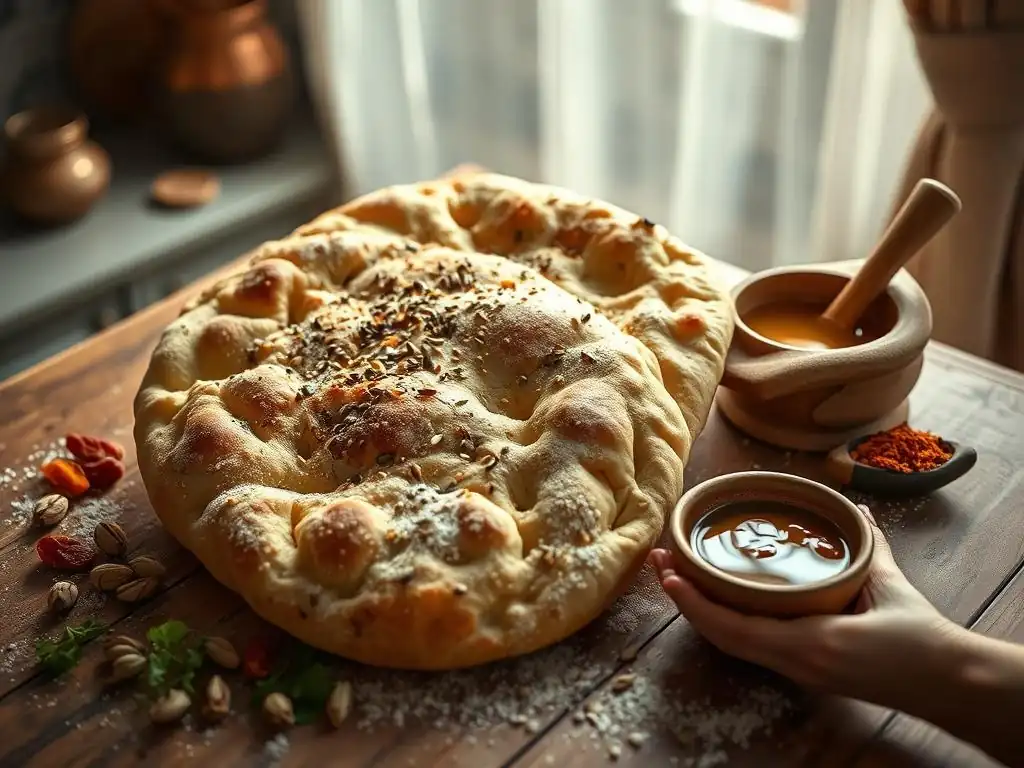
Welcome to BakeWithEase, where baking dreams come to life! Ever wondered about the magic behind perfectly puffed, flavorful flatbread? Get ready to embark on a culinary journey as we unlock the secrets of an Afghan naan recipe easy enough for any home baker. Discover a different take on flatbread that will tantalize your taste buds and elevate your bread-making skills. Intrigued? Let's get baking!
- Exploring the Art of Sourdough Bread Baking
- Introduction to Sourdough: A Journey into Fermented Bread
- Mastering the Sourdough Recipe: A Step-by-Step Guide
- Variations and Customizations for Your Sourdough Recipe
- Troubleshooting Common Sourdough Baking Problems
- Sourdough vs. Other Breads: A Comparison
- Basic Sourdough Recipe: Printable Version
- Conclusion: Enjoying the Flavors of Sourdough
-
Frequently Asked Questions
- What makes Afghan naan different from other types of naan bread?
- Is this Afghan naan recipe truly "easy" for beginner bakers?
- Can I bake this Afghan naan without a traditional tandoor oven?
- What are some common toppings or accompaniments for Afghan naan?
- What type of flour is best to use for this Afghan naan recipe easy?
- Final Reflection: The Enduring Legacy of Afghan Naan
- Unleash Your Inner Naan Baker!
Exploring the Art of Sourdough Bread Baking
Introduction to Sourdough: A Journey into Fermented Bread
What Makes Sourdough Unique? Understanding the Starter
Sourdough distinguishes itself from other breads primarily through its leavening agent: a natural starter culture composed of wild yeasts and lactic acid bacteria (LAB). Unlike commercial yeast, which is typically a single strain of Saccharomyces cerevisiae designed for rapid, consistent leavening, a sourdough starter is a complex, living ecosystem. This microbial community works together over a longer period, fermenting the dough and producing carbon dioxide for rise, but also generating a wide array of organic acids, most notably lactic acid and acetic acid.
This unique fermentation process imparts sourdough with its signature characteristics. The acids produced by the LAB contribute the distinct tangy flavor that ranges from mild to pronounced, depending on the starter's composition and fermentation conditions. The interaction between the wild yeasts, bacteria, and flour also develops gluten structure differently and can potentially break down some complex carbohydrates, contributing to a unique texture and potentially making it easier to digest for some individuals compared to standard commercial yeast breads. The slow fermentation also allows for deeper flavor development, creating a more complex and nuanced taste profile.
The Sourdough Baker's Guide: An Authentic Recipe
Crafting authentic sourdough bread relies on a simple foundation of ingredients: flour, water, salt, and an active sourdough starter. What defines an "authentic" recipe in this context is the sole reliance on this natural starter for leavening, eschewing any commercial yeast boosters. While the ingredients are minimal, the process requires patience, observation, and an understanding of how the starter interacts with the dough over time, influenced by factors like temperature and hydration.
A basic authentic sourdough recipe typically involves several key stages. These include mixing the dough, often with an initial rest period called autolyse; a bulk fermentation phase where the dough develops strength through a series of folds; shaping the dough to create tension; a final proofing period, often done cold in the refrigerator to develop flavor and structure; and finally, baking at a high temperature, usually with steam to achieve a beautiful crust and maximum oven spring. Mastering these stages, rather than just following a list of ingredients, is central to the art of sourdough baking.
Mastering the Sourdough Recipe: A Step-by-Step Guide
Ingredients for Basic Sourdough Bread
The fundamental components of a basic sourdough loaf are surprisingly few, highlighting the transformative power of fermentation. You will need bread flour, which has a higher protein content ideal for developing the strong gluten network necessary for sourdough's structure. All-purpose flour can be used, but bread flour generally yields better results, especially for beginners. Water is crucial, hydrating the flour to activate gluten and providing a medium for microbial activity; its temperature can influence fermentation speed. Salt is essential for flavor, controlling the rate of fermentation, and strengthening the gluten structure.
The final, vital ingredient is your active sourdough starter. This isn't just a passive ingredient; it's a living culture that must be fed and active, typically bubbly and having roughly doubled in volume within 4-12 hours after feeding, before being incorporated into the dough. The ratios of these ingredients, often expressed as Baker's percentages relative to the total flour weight, are key. A common starting point might be 100% flour, 70-80% water (hydration), 2% salt, and 20-25% active starter. Using a kitchen scale to measure ingredients by weight is highly recommended for accuracy and consistency.
Preparing the Starter: Cultivating Wild Yeast
A sourdough starter is cultivated by simply mixing flour and water and allowing the natural yeasts and bacteria present in the environment and flour to colonize and multiply. Maintaining a starter involves regular feeding: discarding a portion (to manage volume and acidity) and adding fresh flour and water.
This provides the microbes with a continuous food source, keeping the culture vibrant and active. The ratio of starter, water, and flour used for feeding (e.g., 1:1:1 by weight) and the frequency of feeding depend on storage temperature; a starter kept at room temperature requires daily feeding, while one in the refrigerator can be fed weekly.
Knowing when your starter is ready to bake with is crucial. An active starter will show visible signs of fermentation: it will become bubbly throughout, rise significantly after feeding (often doubling or more), and have a pleasant, slightly tangy aroma. A simple test is the float test: dropping a small piece of starter into water; if it floats, it's usually active enough. Using a starter that is at its peak activity, typically a few hours after feeding when it has reached its maximum height before starting to fall, provides the best leavening power for your dough.
Sourdough Shaping Techniques: Achieving Optimal Structure
Shaping sourdough dough serves two primary purposes: to create surface tension that helps the loaf hold its shape and achieve maximum oven spring, and to give the bread its final form, whether a round boule or an oval batard. This process typically occurs after the bulk fermentation is complete and the dough has rested briefly (pre-shaping). The goal is to handle the dough gently to avoid deflating the precious air pockets while still developing a taut outer skin.
For a boule, a common technique involves gently flattening the dough into a rough circle. Then, imagine folding the edges towards the center, creating an envelope or gathering the dough into a ball. The dough is then flipped over, and using the surface tension of the counter and your hands, you gently rotate or pull the dough towards you, tucking the bottom under, to tighten the outer skin. For a batard, similar principles apply, but the dough is elongated during the folds and final shaping. Practice helps develop the feel for creating sufficient tension without tearing the dough.
Baking Sourdough: Oven Temperatures, Hydration, and Scoring

Baking sourdough requires high heat and the presence of steam in the initial phase to achieve that desirable crisp crust and excellent oven spring. Ovens are typically preheated to temperatures ranging from 450°F to 500°F (230°C to 260°C).
Baking in a preheated Dutch oven is a popular method because the lid traps steam released by the dough, keeping the surface pliable and allowing the loaf to expand fully before the crust sets. Alternatively, you can create steam in a standard oven using a baking stone or steel and a tray of hot water or ice cubes placed on a rack below the bread.
Scoring the dough just before it goes into the oven is more than just decorative; it's functional. Using a sharp blade (like a razor or lame), cuts are made on the surface to control where the loaf expands during the rapid rise in the hot oven (oven spring). Without scoring, the crust would tear unpredictably. The hydration level of your dough (the ratio of water to flour) significantly impacts both how the dough handles and the final crumb structure; higher hydration doughs are stickier but can produce a more open, airy crumb.
Tips for Baking Perfect Sourdough at Home
Achieving consistently great sourdough loaves involves attention to detail and learning to read your dough. Using a kitchen scale for precise ingredient measurements is paramount, as slight variations in flour or water can significantly impact the outcome. Understanding the activity level of your starter is also key; ensure it's bubbly and active before mixing your dough. Pay attention to the dough's temperature during bulk fermentation; a warmer environment speeds up the process, while a cooler one slows it down, allowing more time for flavor development.
Don't rely solely on time for bulk fermentation; watch for visual cues like increased volume (often 50-100%), bubbles visible through the side of the container, and a dough that feels airy and slightly jiggly. Cold proofing the shaped loaf in the refrigerator for 8-24 hours is highly recommended; it develops deeper flavor, makes the dough easier to score, and can improve oven spring. Finally, don't be discouraged by imperfect loaves; every bake provides valuable learning, and practice is truly the path to mastering sourdough.
Variations and Customizations for Your Sourdough Recipe
Adding Flavor: Incorporating Seeds, Herbs, and Cheese
Plain sourdough is wonderful, but the dough provides a fantastic canvas for adding extra flavors and textures. Seeds like sesame, poppy, sunflower, or flax seeds can be added to the dough during the initial mixing or pressed into the surface before baking. Incorporating these adds a pleasant crunch and nutty flavor. Aromatic additions like fresh or dried herbs (rosemary, thyme, oregano) or spices (garlic powder, black pepper) can transform the bread, making it an excellent accompaniment to specific meals.
Cheese is another popular inclusion, adding richness and savory notes. Cubes of cheddar, Gruyère, or Parmesan can be folded into the dough during the later stages of bulk fermentation or during shaping. A common ratio is adding cheese equivalent to 10-20% of the flour weight. Be mindful that cheese can sometimes interfere with gluten development if added too early or in excessive amounts, so timing and quantity are important considerations for a successful bake.
Different Hydration Levels: Adjusting Your Sourdough Dough
Hydration, the ratio of water to flour by weight, is a critical factor influencing sourdough dough handling and the final crumb structure. A hydration level around 70-75% is common for many rustic sourdoughs, offering a balance between manageability and an open crumb. Lower hydration doughs (60-65%) are stiffer and easier to handle, making them suitable for beginners or for shaped loaves like baguettes. They typically produce a denser crumb.
Conversely, higher hydration doughs (80% and above) are significantly wetter and stickier, requiring more practice and specific techniques for handling and shaping. However, they have the potential to yield a very open, airy crumb with a thin, crispy crust. Adjusting hydration is a way to experiment and tailor the bread to your preference and skill level. It's often recommended to start with a moderate hydration and gradually increase it as you become more comfortable working with wetter doughs.
Serving Suggestions: Pairing Your Sourdough
Freshly baked sourdough, with its tangy flavor and chewy crust, is delicious enjoyed simply with butter or dipped in good quality olive oil and balsamic vinegar. Its robust structure makes it an ideal base for open-faced sandwiches or classic grilled cheese. Toasting sourdough enhances its flavor and texture, making it perfect for breakfast with eggs, avocado, or jam.
Beyond simple enjoyment, sourdough pairs wonderfully with various dishes. A rustic loaf is a perfect companion to hearty soups and stews, using it to soak up flavorful broths. A seeded sourdough can complement a cheese and charcuterie board. Even using slightly stale sourdough to make croutons for salads or breadcrumbs for cooking is a fantastic way to utilize every last piece of your homemade loaf.
Troubleshooting Common Sourdough Baking Problems
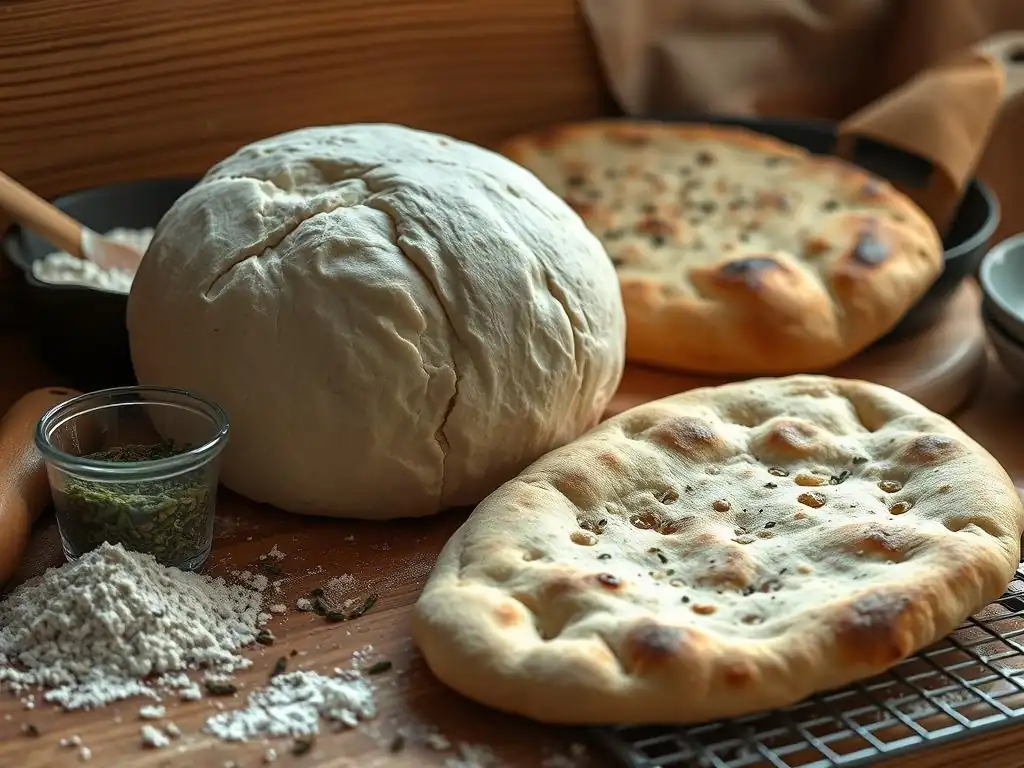
Dough Too Sticky? Solutions for Perfect Handling
Encountering sticky sourdough dough is a common experience, especially when working with higher hydration recipes. While some stickiness is normal for well-hydrated doughs, excessive stickiness can make handling difficult. High hydration is often the primary culprit. Ensuring your hands and work surface are slightly wet (not floured, as adding dry flour can alter the hydration ratio and create dry spots) can help prevent sticking during folds and shaping. Using a bench scraper is also invaluable for manipulating sticky doughs.
If stickiness persists and makes the dough unmanageable, it might indicate insufficient gluten development. Ensure you are performing adequate folds during the bulk fermentation phase; these folds build strength and structure, making the dough less sticky and more cohesive. Allowing the dough to rest briefly between handling steps can also help the gluten relax. For future bakes, consider slightly reducing the hydration level until you are comfortable working with wetter doughs. Cold proofing in the refrigerator also firms up the dough, making it easier to handle and score.
Sourdough Not Rising? Tips for a Light and Airy Loaf
A lack of sufficient rise, resulting in a dense loaf or poor oven spring, is one of the most frustrating sourdough problems. The most frequent reason is an inactive or weak starter. Ensure your starter is consistently fed and active, showing significant bubbling and rise, before you use it in your dough. Using starter at its peak activity, typically a few hours after feeding, provides the most leavening power.
Other factors include under-proofed or over-proofed dough. Under-proofing means the fermentation hasn't progressed enough to produce sufficient gas for a good rise. Over-proofing, however, is also detrimental; the gluten structure can weaken and collapse, unable to hold the gas produced, leading to a dense crumb. Monitoring the dough's volume increase and texture during bulk fermentation and proofing, rather than relying solely on time, is crucial. Temperature affects fermentation speed; warmer conditions accelerate it, while cooler conditions slow it down.
Achieving the Perfect Crust: Baking Secrets
A beautiful, crisp, and golden-brown crust is a hallmark of great sourdough. Achieving this requires a combination of high temperature and steam during baking. Baking in a preheated Dutch oven is highly effective because it creates a steamy environment around the loaf for the first part of the bake. This trapped steam keeps the surface of the dough moist and pliable, allowing the loaf to expand fully during oven spring before the crust begins to set.
If you don't have a Dutch oven, you can replicate the steamy environment in a standard oven by baking on a preheated baking stone or steel and adding a source of steam, such as a tray filled with hot water or ice cubes placed on a rack below the bread. After the initial steaming period (typically the first 15-20 minutes), the steam source is removed (or the Dutch oven lid is taken off) to allow the crust to dry out and brown.
Baking at a high temperature for a sufficient duration ensures a well-developed, crispy crust. Scoring the dough also influences how the crust develops and opens during baking.
Sourdough vs. Other Breads: A Comparison
Sourdough vs. Commercial Yeast Bread: Key Differences in Taste and Texture
The most significant difference between sourdough and bread leavened solely with commercial yeast lies in the leavening agent and the resulting fermentation process. Commercial yeast is a specific, fast-acting strain designed for rapid and predictable rise, leading to breads that typically have a milder, more consistent flavor profile. Sourdough, on the other hand, relies on a diverse community of wild yeasts and lactic acid bacteria, resulting in a slower, longer fermentation.
This extended fermentation by multiple microorganisms imparts sourdough with its characteristic tangy flavor, which varies in intensity. The wild yeast and bacteria also contribute to a different gluten development process and gas production, often leading to a more irregular and open crumb structure compared to the typically uniform crumb of commercial yeast bread. Sourdough also tends to have a chewier texture, particularly in the crust, thanks to the prolonged fermentation and high baking temperatures.
Sourdough vs. Rye Bread: Exploring Baking Methods
While sourdough is typically made with wheat flour, rye bread presents a different set of challenges and methods, though it often utilizes sourdough principles. Rye flour contains different types of proteins than wheat flour and significantly less gluten-forming potential. Because commercial yeast struggles to leaven doughs with high percentages of rye flour effectively, traditional and often the most successful rye breads rely on a rye sourdough starter (sometimes called a "sour") for leavening and flavor development.
Rye doughs are inherently stickier and less elastic than wheat doughs. This means they require less kneading and different handling techniques, often being shaped more gently or even baked in pans rather than freeform loaves. The crumb of rye bread is typically denser than wheat sourdough, especially in loaves with a high percentage of rye flour. Many popular "rye" breads are actually blends of rye and wheat flour, balancing the unique flavor of rye with the structure-building capabilities of wheat gluten, often still using a sourdough starter for complexity.
Exploring Fermented Breads: Where Does Sourdough Fit?
Fermented breads encompass a wide category of baked goods where microbial activity plays a key role in leavening, flavor, or both. This broad definition includes not only sourdough but also breads leavened with commercial yeast (which involves rapid fermentation), and various traditional flatbreads and loaves from around the world that rely on natural fermentation processes. Examples include injera from Ethiopia and Eritrea, which is a spongy flatbread made from fermented teff batter, or some types of idli and dosa batters in South India.
Sourdough stands out within this category as a prime example of naturally leavened, long-fermented bread using a stable, reusable starter culture. Its defining features are the reliance on a diverse microbial community (wild yeast and LAB), the resulting tangy flavor profile due to lactic and acetic acid production, and the development of a unique crumb and crust structure through slow fermentation and high-temperature baking. It represents a traditional and complex method of bread making that predates the isolation and commercial production of baker's yeast.
Basic Sourdough Recipe: Printable Version
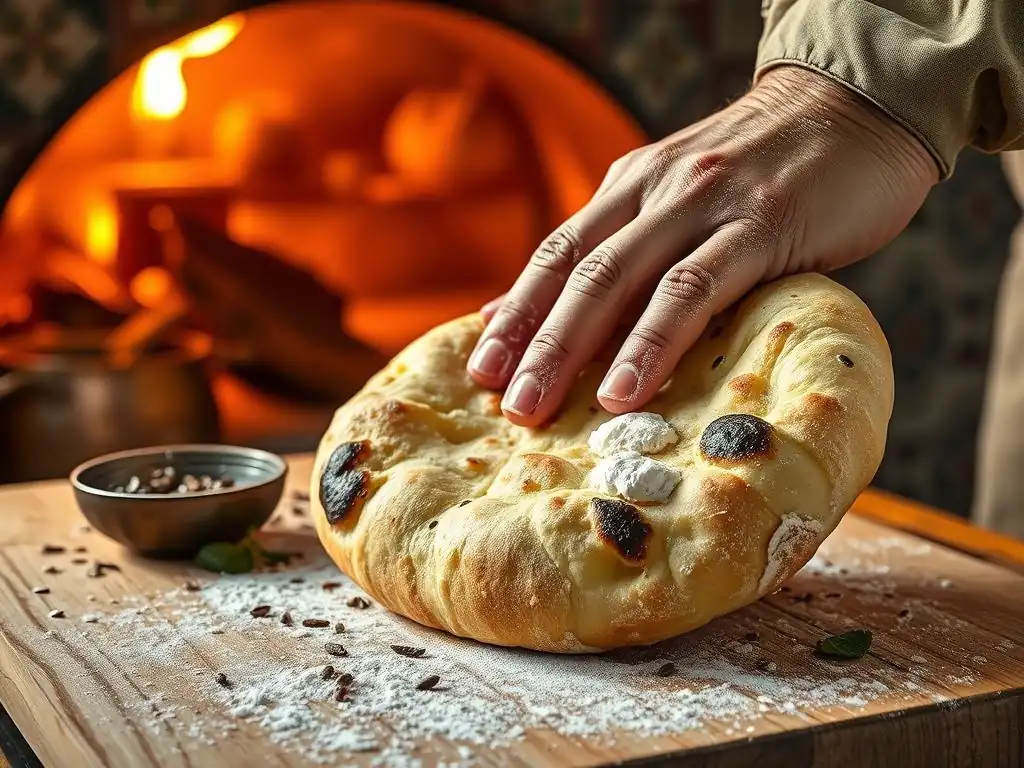
[Link to Printable Recipe Card]
This section is typically where you would find a convenient link to a printable recipe card for a basic sourdough loaf, designed for easy reference while you are baking. A printable version allows you to have the instructions and ingredients readily available in your kitchen without needing to consult a screen.
Such a printable recipe card would ideally include precise measurements for ingredients (preferably in grams for accuracy), clear step-by-step instructions covering the entire process from mixing the dough through baking, and estimated timings for each stage, though it's important to remember that timings can vary based on your starter's activity and ambient temperature.
Conclusion: Enjoying the Flavors of Sourdough
Bake Your Own Artisan Sourdough Today
Embarking on the journey of baking sourdough might seem daunting at first, but the process is incredibly rewarding. Creating a beautiful, flavorful loaf from just flour, water, salt, and your own living starter is a deeply satisfying experience. While it requires patience and learning to understand the nuances of fermentation, the result—a warm loaf with a crisp crust and tangy, open crumb—is unparalleled and far surpasses most store-bought options.
Every bake is an opportunity to learn and refine your technique. Don't strive for perfection immediately; embrace the process, observe how your dough behaves, and learn from each loaf. With practice, you'll develop the intuition needed to consistently bake delicious, artisan-quality sourdough bread right in your own kitchen. The effort invested truly pays off in the incredible flavor and texture of homemade sourdough.
Sourdough baking is often a journey shared within a community. Whether you're celebrating a successful bake with a beautifully risen loaf or troubleshooting a dense crumb, connecting with other bakers can provide valuable insights and encouragement. While we can't link directly, many online forums and social media groups are dedicated to the art of sourdough.
Feel free to experiment with your sourdough recipe as you gain confidence. Adjusting hydration, trying different flours, or adding inclusions like seeds or herbs can lead to exciting new variations. The most important thing is to enjoy the process and, of course, enjoy eating the delicious sourdough bread you create. Happy baking!
Frequently Asked Questions
What makes Afghan naan different from other types of naan bread?
Afghan naan is often larger and more elongated than other naans. It's also typically baked in a tandoor oven or on a hot stone, giving it a unique texture. The dough itself is usually slightly different, too, often including ingredients like yogurt.
Is this Afghan naan recipe truly "easy" for beginner bakers?
Yes, the BakeWithEase recipe is designed to be beginner-friendly. It provides step-by-step instructions and uses readily available ingredients. We focus on clear, concise directions to minimize confusion.
Can I bake this Afghan naan without a traditional tandoor oven?
Absolutely! While a tandoor oven provides the most authentic results, the recipe includes instructions for baking in a conventional oven. You can also use a baking stone for a crispier crust.
What are some common toppings or accompaniments for Afghan naan?
Afghan naan is delicious on its own, but it also pairs well with various dishes. It's often served with stews, curries, or grilled meats. You can also enjoy it with yogurt-based dips or fresh herbs.
What type of flour is best to use for this Afghan naan recipe easy?
For best results, we recommend using bread flour in this recipe. Bread flour has a higher protein content, which helps to develop gluten and create a chewy, flavorful naan. All-purpose flour can be used in a pinch, but the texture might be slightly different.
Final Reflection: The Enduring Legacy of Afghan Naan
The simple act of baking Afghan naan transcends mere culinary practice; it's a powerful symbol of cultural heritage, resilience, and the enduring human need for connection through shared food. This article explored the seemingly straightforward process of making Afghan naan, aiming to demystify the recipe and make it accessible to home cooks. But beyond the ease of the recipe itself lies a deeper story of tradition and community.
The influence of Afghan naan extends far beyond the kitchen table. It's a testament to the ingenuity and adaptability of Afghan culture, a bread that has evolved and thrived across generations, adapting to different resources and environments. Food is symbolic of love when words are inadequate.
- Alan D. Wolfelt. This quote perfectly encapsulates the emotional weight carried by a simple loaf of naan, representing not just sustenance, but also the love and care poured into its creation and sharing. It's a tangible link to a rich history and a vibrant culture.
Now, I invite you to consider the power of food in your own life. Try your hand at this easy Afghan naan recipe. Don't just follow the instructions; engage with the process, feel the warmth of the oven, and savor the aroma of freshly baked bread. In doing so, you'll not only enjoy a delicious meal, but also connect with a culture far beyond your own, fostering understanding and appreciation for the diverse culinary traditions that enrich our world. Let the simple act of baking become a bridge to connection and a celebration of shared humanity.
Unleash Your Inner Naan Baker!
Thanks for joining us on this flavorful journey into the world of Afghan naan! We hope you gained a deeper appreciation for this versatile flatbread and discovered some new culinary inspiration. Ready to put your newfound knowledge to the test?
- Bake your own Afghan naan tonight! Gather your ingredients (you probably already have most of them! ), follow our recipe, and experience the incredible aroma and taste of freshly baked naan. This is the ultimate way to put your newly acquired skills to the test.
- Share your naan-baking adventures! Post a picture of your creations on social media using #BakeWithEaseNaan and inspire others to try their hand at this delicious bread.
- Experiment with different toppings and fillings. What creative flavor combinations will you discover?
What unique twist will you add to your Afghan naan to make it truly your own? Let us know in the comments below!