
Weird Smell in Your Bread? Identify and Fix OffFlavors

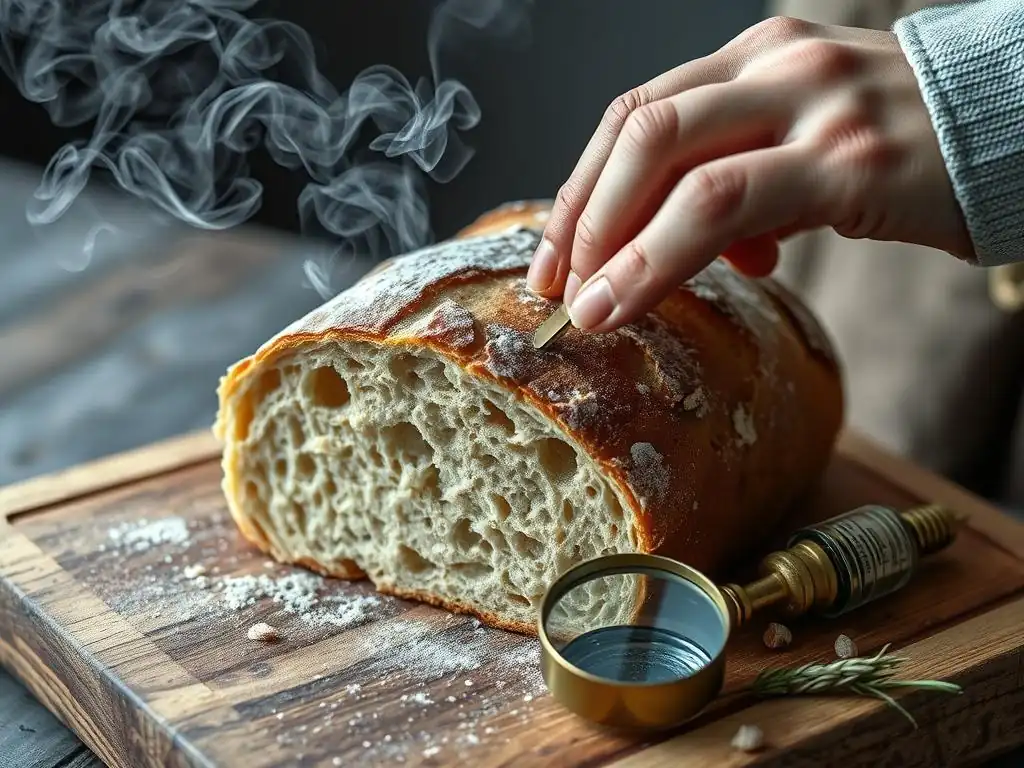
Welcome to BakeWithEase, your trusted guide to baking bliss! Ever wondered why your freshly baked bread has an... unusual aroma? Don't worry, you're not alone! In this article, we'll dive deep into understanding and fixing those unexpected bread odors. Discover the secrets to identifying the source and banishing that weird smell in your bread, ensuring every loaf is a fragrant masterpiece. Let's get baking!
- Troubleshooting Bread Aromas: Identifying and Fixing Off-Flavors
- Understanding Bread Aromas and Off-Flavors
- Diagnosing and Fixing Bread Smell Issues
- Preventing Off-Flavors: Best Baking Practices
- Enhancing Bread Aroma and Flavor
- Salvaging Bread with Off-Flavors
- Achieving the Perfect Bread Aroma
-
Frequently Asked Questions
- What are some common causes of a weird smell in my homemade bread?
- How can I tell if my sourdough starter is the source of the bad smell?
- What baking ingredients are most likely to cause a strange smell in bread if they're old?
- How can I avoid over-fermenting my bread dough, which might cause a bad smell?
- If my bread has a sour smell that is too strong, even for sourdough, what could be the issue?
- Final Reflection: The Unexpected Symphony of Bread
- Unlock Your Baking Potential: Diagnose & Conquer Those Funky Flavors!
Troubleshooting Bread Aromas: Identifying and Fixing Off-Flavors
Understanding Bread Aromas and Off-Flavors
A freshly baked loaf of bread fills the kitchen with a comforting aroma that is one of baking's greatest rewards. This pleasant smell is a complex mix of volatile compounds produced during fermentation and baking. However, sometimes you pull a loaf from the oven, or even handle the dough, and detect an odor that's just... wrong. These off-flavors and unusual smells can be disheartening, but understanding their source is the first step in learning how to fix bread smell issues and get back to that perfect bake.
Identifying these weird smells early, whether during mixing, proofing, or after baking, is crucial. A slight off-odor in the dough might intensify into a strong, unpleasant taste in the final product. Don't ignore that faint sour note or slightly chemical tang. Pinpointing the problem allows you to take corrective action for the current batch, if possible, and more importantly, adjust your process for future loaves. Mastering the nuances of dough aroma is a key skill for any baker looking to improve their craft and consistently achieve delicious results.
Common Causes of Unusual Bread Smells
Unusual smells in bread can stem from a variety of factors, often related to the ingredients or the baking process itself. One frequent culprit is issues with yeast activity. If yeast is old, inactive, or used in incorrect quantities, it can lead to sluggish fermentation or the production of undesirable byproducts, resulting in smells ranging from overly yeasty or alcoholic to even slightly sulfuric. For example, using yeast that's past its prime might not produce enough CO2 for a good rise, but the surviving cells could still produce off-flavors.
Another significant factor is the quality and storage of your flour. Flour can absorb odors from its environment or, if stored improperly in humid conditions, can develop mold or become rancid, imparting musty, sour, or stale smells to your dough and final bread. Consider flour stored near strong-smelling spices or cleaning products; it can easily pick up those aromas.
Additionally, the water you use matters. Tap water containing high levels of chlorine or minerals can react with yeast and flour, creating noticeable off-flavors and smells, sometimes described as chemical or metallic. Even minor variations in ingredient quality or handling can subtly — or not so subtly — impact the final aroma.
The Science of Bread Aromas: Normal vs. Abnormal
The delightful aroma of bread is a complex symphony of hundreds of volatile organic compounds. These compounds are primarily formed through two main processes: fermentation by yeast and bacteria (especially in sourdough) and the Maillard reaction and caramelization during baking. During fermentation, yeast converts sugars into ethanol and carbon dioxide, but also produces other flavor compounds like esters and higher alcohols. Lactic and acetic acids, particularly from lactobacilli in sourdough, contribute pleasant tangy notes. A healthy, balanced fermentation produces a desirable mix of these compounds.
Abnormal aromas arise when these processes go awry or unwanted reactions occur. For instance, excessive fermentation can lead to an overproduction of ethanol and acetic acid, resulting in a strong, alcoholic, or overly sour smell. Contaminants like unwanted wild yeasts or bacteria can produce sulfurous compounds (rotten egg smell) or other unpleasant odors not typical of bread.
Rancid flour contains oxidized fats that produce acrid or stale-smelling aldehydes and ketones. Understanding this basic chemistry helps in diagnosing the why behind an unusual smell – it's often a sign that the microbial activity or chemical reactions aren't happening as they should for optimal flavor development.
Diagnosing and Fixing Bread Smell Issues
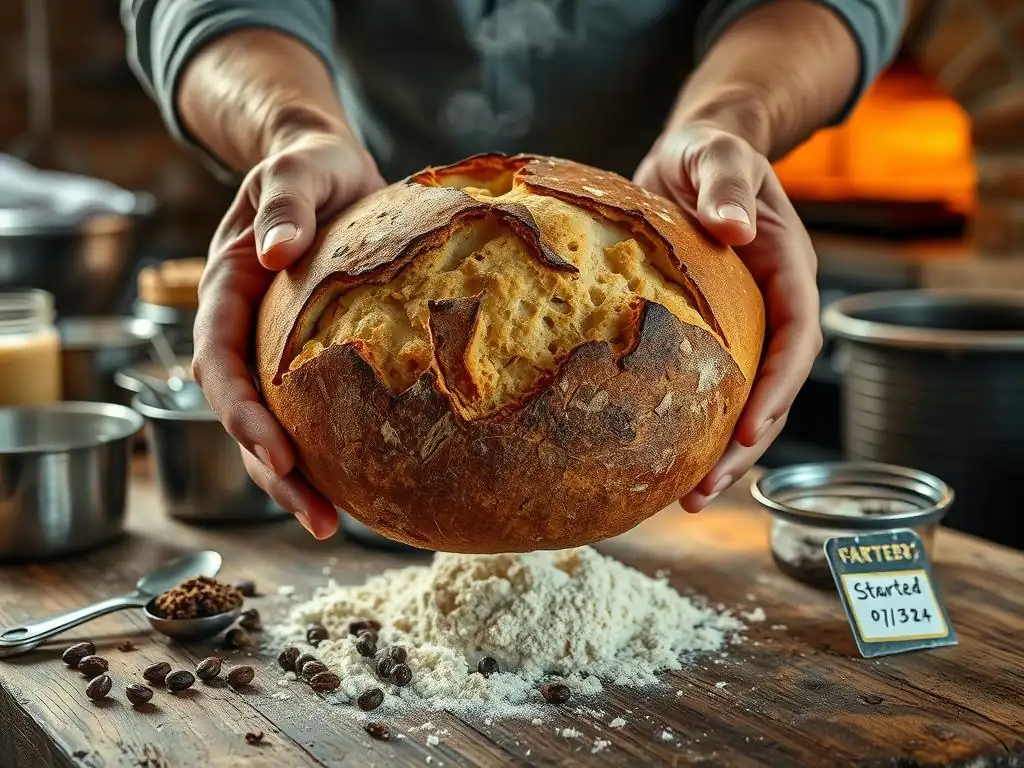
Identifying the specific type of off-flavor is the critical first step in learning how to fix bread smell problems. Does it smell sour? Musty? Chemical? The distinct character of the unusual aroma provides valuable clues about its origin. Think about when you first noticed the smell – during mixing, proofing, or after baking? This timeline can also help narrow down the potential causes.
Consider the conditions: Was the kitchen particularly warm, potentially speeding up fermentation too much? Was the flour new or had it been sitting in the pantry for a long time? Did you use filtered water or straight tap water? By systematically reviewing your ingredients, process, and environment, you can start to build a picture of what might have gone wrong. Don't rush this step; a careful diagnosis is key to effective troubleshooting and knowing how to fix bread smell issues permanently.
Step 1: Identifying the Source of the Off-Flavor
Pinpointing exactly where the off-flavor is coming from is the detective work of baking troubleshooting. It requires examining each component and step of the process. Let's break down the potential sources:
Yeast Activity and Smell
Yeast is a living organism, and its health and activity level significantly impact the final bread aroma. Overly active yeast, often due to too warm temperatures or too much sugar, can ferment too quickly, producing excessive ethanol and leading to a strong, boozy smell. Conversely, inactive or old yeast can cause sluggish fermentation, sometimes resulting in off-smells as other microbes might take hold, or simply failing to produce enough pleasant aromatic compounds. A common sign of yeast issues is a smell that develops or strengthens significantly during the fermentation or proofing stages.
For example, if your recipe calls for a 1-hour proof, but your dough doubles in 30 minutes in a warm spot and smells strongly of alcohol, that's a sign of rapid, potentially excessive yeast activity. Using the right amount of yeast (often around 1-2% of flour weight for instant yeast, or adjusting for active dry) and controlling dough temperature (ideally between 75-80°F or 24-27°C for many yeasted doughs) are vital for balanced aroma development.
Flour Quality and Potential Issues
Flour is the backbone of your bread, and its condition directly affects flavor and smell. Poorly stored flour can absorb moisture and environmental odors, leading to musty or stale smells. Flour that is old or has been exposed to air can become rancid, especially whole wheat flour due to its higher oil content, producing a bitter, unpleasant odor. Even the type of flour matters; different grains have distinct natural aromas.
Inspect your flour visually and by smell before using it. It should smell fresh and neutral, perhaps slightly sweet or nutty depending on the grain. If it smells musty, sour, or like chemicals, it's likely compromised. Using flour that has been stored in an airtight container in a cool, dry place is essential. A common issue arises when a large bag of flour is left open in a humid pantry for months; the resulting bread can taste flat or off, even if other ingredients are perfect.
Water Quality and Its Impact
The water you use might seem innocuous, but it plays a crucial role in bread making. Tap water can contain chlorine, chloramines, or high levels of minerals that can interfere with yeast activity and contribute off-flavors. Chlorine, in particular, can inhibit yeast and leave a noticeable chemical or swimming pool-like smell in your bread, especially if fermentation is slow. Hard water with high mineral content can sometimes give bread a slightly metallic or mineral taste and smell.
While small amounts of chlorine usually dissipate if water sits out, chloramines are more stable. If your tap water has a strong chemical smell or taste, consider using filtered or bottled water for your baking. Many experienced bakers swear by using filtered water specifically to avoid these potential off-flavors and ensure consistent results, particularly when trying how to fix bread smell that has a chemical undertone.
Step 2: Diagnosing Specific Off-Flavors
Once you suspect an issue, identifying the type of off-flavor helps pinpoint the cause. Here are some common off-smells and what they usually indicate:
Sour or Acidic Smell: Over-Fermentation
A bread that smells excessively sour or vinegary, beyond a pleasant tang (like in sourdough), often indicates over-fermentation. This happens when the dough ferments for too long or at too high a temperature, allowing lactic and acetic acids to build up excessively. While some acidity is desirable for flavor complexity, too much results in an overpowering, unpleasant sourness.
This is particularly common with yeasted doughs left to proof for several hours past their prime, perhaps due to an unexpected delay or a recipe that wasn't adjusted for a warm environment. For instance, a recipe designed for a 1-hour proof at 75°F might develop an intensely sour smell if left at 85°F for 2 hours. The dough might also look overly puffy or even start to collapse.
Moldy or Musty Smell: Spoilage and Contamination
A moldy or musty smell is a clear sign of spoilage, usually due to fungal or bacterial contamination. This can happen if ingredients (especially flour) are stored improperly, if equipment isn't clean, or if the bread itself isn't stored correctly after baking. Mold spores are ubiquitous, and given the right conditions (moisture, food source), they will grow.
If your raw dough or flour smells musty, the ingredient is likely compromised. If a baked loaf develops a musty smell, it's probably starting to mold, often due to being stored in a sealed plastic bag while still warm, trapping moisture. Seeing visible mold is an obvious sign, but a musty smell often precedes it. Unfortunately, bread with a moldy smell should generally be discarded for health reasons.
Chemical or Medicinal Smell: Water or Additives
A chemical, medicinal, or sometimes even plastic-like smell can often be traced back to the water supply or, less commonly, unintended contaminants. High levels of chlorine or chloramines in tap water are frequent culprits, as discussed earlier. They can react during baking and produce off-odors.
Less frequently, using old or improperly stored additives (like dough conditioners or vital wheat gluten) could potentially contribute, though this is rare with standard home baking ingredients. Sometimes, this smell can also come from dough that has been in contact with certain plastics or cleaning residues on equipment. If you notice this smell, try baking the same recipe using filtered or distilled water and meticulously clean all your tools.
Yeasty or Alcoholic Smell: Excessive Fermentation
A strong, pungent smell of yeast or alcohol (specifically ethanol) is a classic sign of fermentation that has gone too far, too fast. This is the smell of yeast rapidly consuming sugars and producing alcohol as a byproduct. While a subtle yeasty aroma is normal and pleasant, an overwhelming smell indicates the yeast has worked through most of the available simple sugars and might be starting to produce less desirable compounds.
This often happens in warm conditions or when too much yeast is used relative to the amount of flour and the fermentation time. A dough that smells powerfully of beer or wine during proofing is likely over-proofed or fermenting too rapidly. The resulting bread may have a dense texture and a noticeable alcoholic or overly yeasty flavor.
Step 3: Corrective Actions and Prevention
Once you've diagnosed the likely cause of the off-flavor, you can take steps to correct the issue for future bakes and sometimes salvage the current one. Learning how to fix bread smell requires targeted action based on your diagnosis.
Adjusting Fermentation Time
If over-fermentation (sour or alcoholic smell) is the issue, adjust your timing and temperature. Reduce the bulk fermentation and proofing times, especially if baking in a warm environment. If your kitchen is warm (say, above 78°F or 25°C), dough will ferment much faster than at cooler room temperature. Consider reducing the amount of yeast slightly or using cooler water to slow things down.
- Action: Shorten bulk ferment by 15-30 minutes.
- Action: Reduce proofing time by 10-20 minutes, or move dough to a cooler spot (like a slightly cooler room or even the refrigerator for a slower, longer proof).
- Prevention: Use a thermometer to check dough temperature and adjust fermentation time accordingly. Aim for recommended dough temperatures, often around 75-80°F (24-27°C).
Improving Yeast Handling
Ensure your yeast is fresh and stored correctly. Active dry yeast should be stored in an airtight container in the refrigerator or freezer. Instant yeast can often be stored at room temperature until opened, then refrigerated. Check the expiration date. If you're unsure about active dry yeast, proof it in warm water with a pinch of sugar before adding to the dough; it should become foamy within 5-10 minutes.
- Action: Buy fresh yeast from a store with high turnover.
- Action: Store yeast properly in an airtight container away from heat and moisture.
- Prevention: Test active dry yeast for viability if nearing expiration or stored for a long time. Don't use water that's too hot (above 130°F or 54°C) as it can kill the yeast.
Choosing the Right Flour
Always use fresh, properly stored flour. Buy flour from a reputable source and check the expiration date. Store it in airtight containers made of plastic or glass in a cool, dry, dark place. Avoid storing flour next to strong-smelling items.
- Action: Discard any flour that smells musty, sour, or rancid.
- Action: Store flour in airtight containers away from heat, light, and moisture.
- Prevention: Buy flour in quantities you will use within a few months. Consider storing whole wheat or alternative flours in the refrigerator or freezer to extend their shelf life.
Water Filtration
If your tap water has a noticeable smell of chlorine or minerals, switch to filtered or bottled water for baking. A simple carbon filter pitcher is often sufficient to remove chlorine.
- Action: Use filtered or bottled water for your dough.
- Prevention: If using tap water, let it sit out for a few hours before using to allow chlorine to dissipate (note: this doesn't remove chloramines).
Proper Storage
Storing baked bread correctly prevents mold and staleness, which can cause off-smells. Once cooled completely, store bread at room temperature in a bread box, paper bag, or cloth bag. Avoid storing warm bread in plastic bags, as this traps moisture and encourages mold growth within 24-48 hours.
- Action: Ensure bread is completely cool before storing.
- Action: Store cooled bread in a breathable container like a paper or cloth bag, or a bread box.
- Prevention: For longer storage, wrap cooled bread tightly and freeze it.
Preventing Off-Flavors: Best Baking Practices
Prevention is always easier than learning how to fix bread smell issues after they arise. Adopting consistent, careful baking practices significantly reduces the likelihood of encountering unpleasant aromas. Focusing on ingredient quality, cleanliness, and process control are your best defenses.
Maintaining a Clean Environment
A clean kitchen and clean equipment are fundamental to preventing unwanted microbial contamination that can lead to off-flavors like mustiness or mold. Ensure your mixing bowls, proofing baskets, and work surfaces are thoroughly cleaned and dried before use. Residues from previous bakes or cleaning products can transfer to the dough and affect its flavor and smell.
Sanitizing surfaces occasionally, especially if you're working with sourdough or preferment starters, can also help maintain a healthy microbial balance. Even small amounts of old dough left on equipment can harbor undesirable bacteria or mold spores. Simple hygiene goes a long way in ensuring a clean slate for your dough's fermentation.
Using Fresh, High-Quality Ingredients
The quality of your ingredients sets the foundation for good bread. Always use fresh flour from a reliable source, stored properly. Ensure your yeast is active and within its expiration date. Use good quality salt (non-iodized is often preferred by bakers to avoid any potential metallic off-notes, though this is debated). If using water with strong off-flavors, switch to filtered water.
Think of your ingredients as building blocks; using compromised materials will inevitably lead to a flawed structure. While it might seem economical to use that old bag of flour, the potential for off-flavors and a ruined loaf outweighs the cost saving. Prioritizing fresh, high-quality ingredients is a simple yet effective way how to fix bread smell problems before they even start.
Monitoring Fermentation Temperatures
Temperature is perhaps the single most critical factor influencing fermentation speed and the resulting flavor profile. Too warm conditions accelerate yeast activity, potentially leading to the strong alcoholic or sour smells of over-fermentation. Too cold conditions slow fermentation excessively, which can sometimes allow off-flavors to develop over a prolonged time or result in a lack of desirable flavor compounds.
Using a thermometer to check the temperature of your dough and your proofing environment helps maintain consistency. Aim for the temperature ranges recommended in your recipe (often 75-80°F or 24-27°C for standard yeasted doughs, cooler for sourdough). Adjusting fermentation time based on the actual temperature – shortening it in warmer conditions, lengthening it in cooler – is key to managing flavor development and preventing off-aromas.
Enhancing Bread Aroma and Flavor
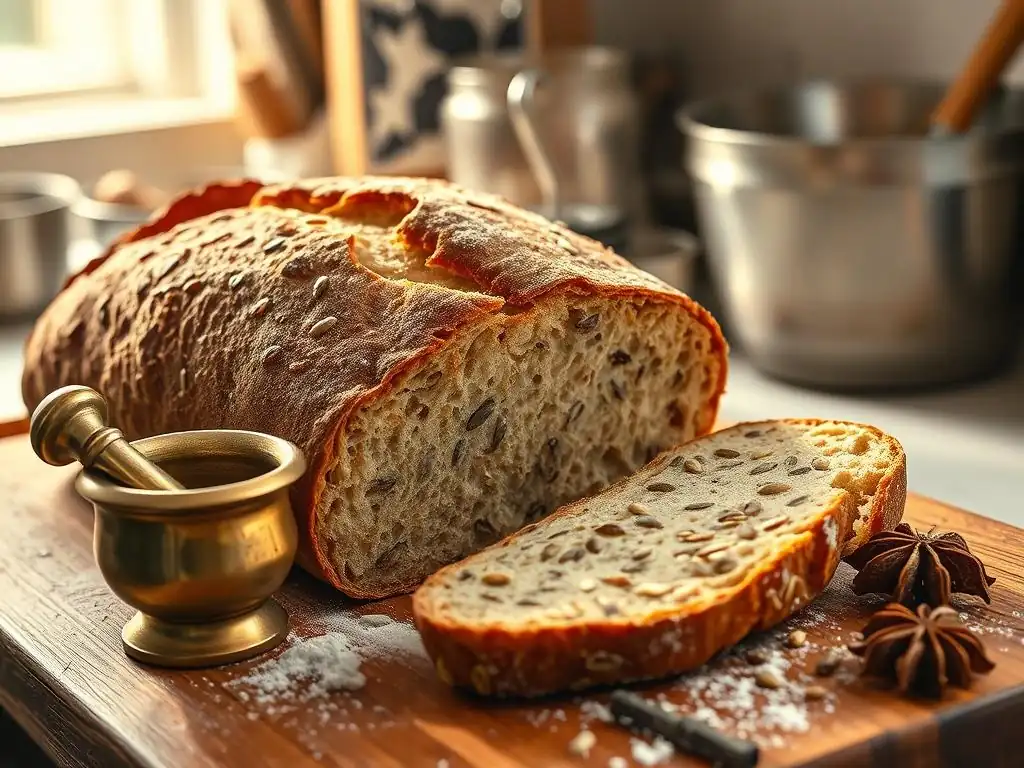
Beyond avoiding off-flavors, you can actively work to enhance the pleasant aromas of your bread. Aromatic bread is a joy to bake and eat, and small additions or technique variations can make a big difference.
Incorporating Herbs and Spices
Adding herbs and spices is a straightforward way to infuse your bread with delightful aromas and flavors. Rosemary, thyme, garlic powder, onion flakes, caraway seeds, or even cinnamon and cardamom can transform a basic loaf. These additions provide their own volatile compounds that mingle with the bread's natural aromas during baking.
Consider adding 1-2 tablespoons of dried herbs or spices per pound of flour, adjusting to taste. For best results, mix them into the dry ingredients before adding water. This ensures even distribution throughout the dough. Think of classic combinations like rosemary and sea salt in a focaccia, or caraway seeds in a rye bread.
Exploring Different Flour Types
Different flours bring their own inherent aromas and flavors to the bread. While all-purpose or bread flour provides a neutral base, using whole wheat, rye, spelt, or other grain flours introduces nuttier, earthier, or tangier notes. These different flours also contain varying levels of proteins, enzymes, and natural sugars that affect fermentation and the resulting aroma compounds.
Experiment with using a percentage of whole grain flour in your usual recipe (e.g., replacing 25-50% of white flour with whole wheat). This not only changes the texture and nutritional profile but significantly impacts the depth and complexity of the bread's smell and taste.
Sourdough Starter and Flavor Development
Using a sourdough starter is a fantastic way to develop complex, nuanced aromas and flavors. A healthy, active sourdough starter contains a symbiotic culture of wild yeasts and lactobacilli. These microbes produce a wider range of aromatic compounds, including organic acids (lactic and acetic) and other volatile compounds, compared to commercial yeast alone.
The specific flavor and aroma profile of sourdough bread depend heavily on the starter's hydration, feeding schedule, and the fermentation temperatures used. A well-maintained starter and a properly fermented sourdough loaf will have a pleasant tanginess and a rich, complex aroma that commercial yeast breads often lack. Learning to manage a sourdough starter is an investment in achieving truly aromatic bread.
Salvaging Bread with Off-Flavors
Sometimes, despite your best efforts, a loaf might develop a slight off-flavor. Depending on the severity and type of off-flavor, you might be able to salvage the bread or parts of it. However, some issues, particularly those related to spoilage, mean the bread should be discarded.
Masking Strategies
If the off-flavor is mild (e.g., slightly too sour or yeasty), you might be able to mask it through how you use or serve the bread. Toasting bread can sometimes mellow out mild off-flavors, as the toasting process introduces new aromas from caramelization and the Maillard reaction. Using the bread in dishes where it's combined with other strong flavors can also help.
Consider turning slightly off-flavored bread into breadcrumbs, croutons, or using it in a bread pudding or strata, where the other ingredients might overpower the mild issue. For example, croutons baked with garlic and herbs can easily mask a faint off-note in the bread itself. However, this only works for mild issues, not strong or unpleasant tastes.
When to Discard Bread
It is crucial to know when bread is unsalvageable and should be discarded for safety or quality reasons. Any bread showing visible mold should be thrown away immediately. The mold you see is only part of the organism, and invisible roots may have spread throughout the loaf, potentially producing toxins.
Similarly, bread with a strong musty, chemical, or truly foul smell should not be consumed. These odors often indicate spoilage, contamination, or the presence of harmful compounds. While it's disappointing to waste a loaf, your health is more important than trying to salvage bread with significant off-flavors. When in doubt, throw it out.
Achieving the Perfect Bread Aroma
The journey to perfect bread involves mastering many variables, and achieving a desirable aroma is a key indicator of success. By understanding the science behind bread smells, meticulously selecting and handling ingredients, controlling fermentation, and maintaining cleanliness, you can consistently bake loaves that smell and taste wonderful.
Learning how to fix bread smell issues is an ongoing process that builds your intuition as a baker. Each troubleshooting experience teaches you more about the delicate balance required for great bread. Pay attention to all your senses – sight, touch, and especially smell – throughout the baking process.
The Importance of Fresh, Aromatic Bread
There's nothing quite like the smell of fresh, aromatic bread warm from the oven. This aroma is not just pleasant; it's a promise of good flavor and a sign that the baking process went right. It signals healthy fermentation, quality ingredients, and proper execution. Prioritizing techniques that enhance natural bread aromas, like controlled fermentation and using quality flours, elevates your baking from good to great.
A truly aromatic loaf enhances the eating experience, making simple toast a delight or elevating a sandwich. Striving for that perfect smell is a worthy goal for any home baker.
Resources for Bread Baking Troubleshooting
Many resources are available to help you troubleshoot bread baking issues, including off-flavors. Online baking forums and communities are great places to ask specific questions and learn from others' experiences. Detailed baking books and websites often have sections dedicated to troubleshooting common problems.
Don't be afraid to experiment and take notes. Keep a baking journal to record ingredient details, temperatures, times, and results, including aromas. This will help you identify patterns and pinpoint the cause of issues like weird smells, making it easier to learn how to fix bread smell problems in the future. Practice and careful observation are your best tools.
Frequently Asked Questions
What are some common causes of a weird smell in my homemade bread?
The smell could be from several factors, including incorrect fermentation, contaminated starter, or using expired ingredients like yeast or flour. These can all lead to off-flavors and unpleasant aromas.
How can I tell if my sourdough starter is the source of the bad smell?
A healthy starter should have a slightly tangy, vinegary smell. If it smells strongly of acetone (like nail polish remover) or moldy/rotten, it's likely contaminated and needs attention or replacement.
What baking ingredients are most likely to cause a strange smell in bread if they're old?
Old yeast is a primary culprit, as it loses its potency and can produce unpleasant byproducts. Flour that has gone rancid, especially whole wheat flour, can also contribute to off-flavors and smells.
How can I avoid over-fermenting my bread dough, which might cause a bad smell?
Carefully monitor the dough's rise and use the poke test to determine readiness. Also, consider reducing the amount of yeast or shortening the fermentation time, especially in warmer environments.
If my bread has a sour smell that is too strong, even for sourdough, what could be the issue?
This is often due to over-fermentation or excessive acidity in the dough. Try reducing the fermentation time or adjusting the hydration level of your starter and dough in future bakes.
Final Reflection: The Unexpected Symphony of Bread
The aroma of freshly baked bread, a universally cherished scent, can be tragically disrupted by off-flavors, a problem far more common than many realize. Understanding the subtle nuances of bread's olfactory landscape is crucial, not just for bakers, but for anyone who appreciates the simple pleasure of a good loaf. This article has explored the various culprits behind those unwanted smells, offering practical solutions to restore the joy of perfectly baked bread.
The impact of a perfectly baked loaf extends far beyond mere sustenance; it's a connection to tradition, a comfort food, and a symbol of homeliness. The pursuit of that ideal aroma, free from unwanted notes, reflects a deeper human desire for perfection and control over our environment. Bread is the staff of life,
a simple phrase that speaks volumes about its importance throughout history and across cultures. The ability to troubleshoot and fix off-flavors isn't just about technical skill; it's about reclaiming that connection to the comforting ritual of baking.
So, the next time you encounter that strange smell emanating from your bread, don't despair! Take a moment to reflect on the journey your loaf has taken, from flour to oven to your table. Use the knowledge gained from this article to diagnose the problem, and remember that even the most seemingly disastrous baking experience can be a learning opportunity. Embrace the challenge, experiment with solutions, and rediscover the pure, delightful aroma of bread perfectly baked. The reward? A loaf that not only tastes incredible but also fills your kitchen with the comforting scent of success.
Unlock Your Baking Potential: Diagnose & Conquer Those Funky Flavors!
Thanks for taking the time to explore the world of bread baking with us! We hope you've gained valuable insights into identifying and fixing those pesky off-flavors. Ready to take your bread-making skills to the next level?
- Master the Art of Sensory Evaluation: Practice sniffing and tasting your dough at various stages. It’s the best way to become a bread-baking detective!
- Share your baking triumphs (and tribulations!): Let's build a community! Tell us about your recent baking experiences in the comments below – what smells did you encounter, and how did you solve them?
- Experiment with a new recipe today: Use what you’ve learned to confidently tackle a new bread recipe, knowing you can identify and correct any off-flavors along the way.
What unexpected flavor or aroma has surprised you in your baking journey? Let's discuss!