
Yeast vs. Sourdough: Which Fermentation Path is Right for Your Advanced Dough?

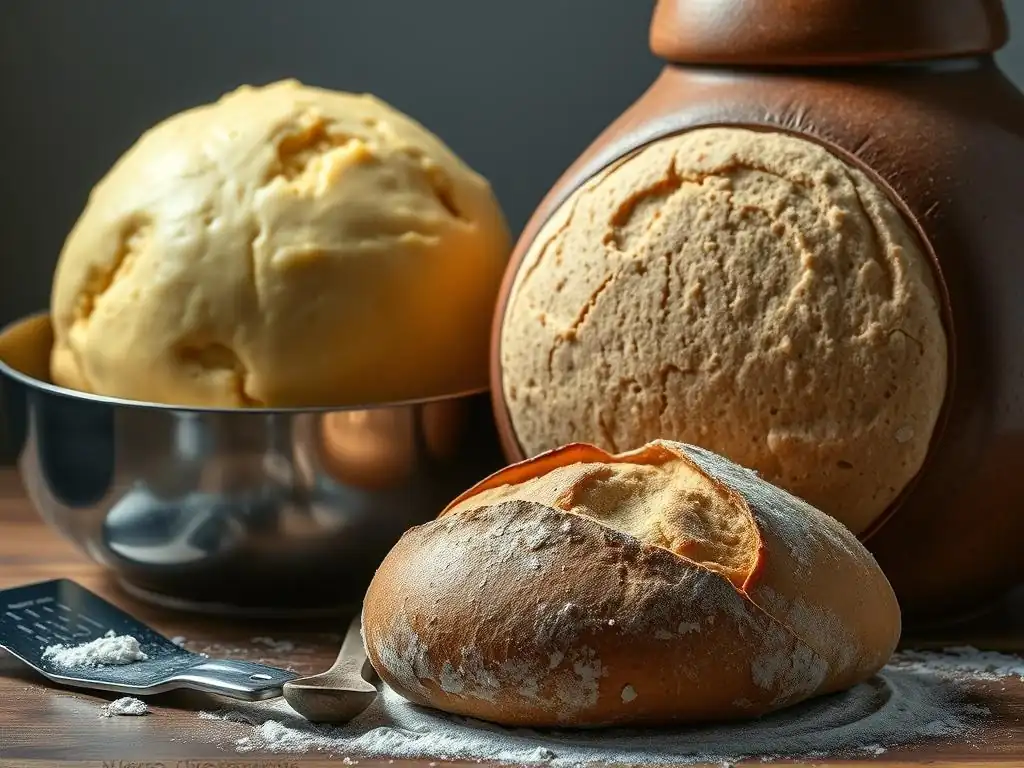
Welcome to BakeWithEase, where we unlock the secrets to baking brilliance! Ever wondered if your dough is reaching its full potential? Dive into the world of fermentation and discover the crucial differences between yeast and sourdough. In this article, we'll explore which path is right for your advanced dough, and we'll even share essential sourdough starter maintenance tips to keep your bubbly friend happy and your bread extraordinary. Ready to elevate your baking game? Let's get started!
Essential Sourdough Starter Maintenance Tips for Optimal Fermentation
Maintaining a healthy and active sourdough starter is paramount for achieving consistent and successful bakes, especially when tackling advanced dough projects. Think of your starter as a living ecosystem of wild yeast and lactic acid bacteria; it requires regular care and attention to thrive. One of the most crucial sourdough starter maintenance tips is consistent feeding.
A well-fed starter doubles or triples in volume predictably, develops a pleasant, tangy aroma (not overly acetic or alcoholic), and shows signs of vigorous activity like bubbles throughout and on the surface. Neglecting your starter can lead to sluggish fermentation, weak dough structure, and off-flavors in your final product.
Optimal fermentation activity in a sourdough starter depends heavily on temperature and feeding frequency. Many experienced bakers find that storing their starter at room temperature (around 70-75°F or 21-24°C) and feeding it daily yields the most consistent results for regular baking. For example, feeding a starter at a 1:2:2 ratio (1 part starter, 2 parts water, 2 parts flour by weight) once every 24 hours in this temperature range keeps the microbial population active and prevents it from becoming too acidic.
If you bake less frequently, refrigeration is a common strategy, significantly slowing down fermentation. A refrigerated starter might only need feeding once a week or even every two weeks, but it will require a few feedings at room temperature to regain full vigor before baking. These key sourdough starter maintenance tips ensure your leavening agent is always ready for action.
- How does sourdough starter maintenance differ from using commercial yeast in baking?
- What are some key sourdough starter maintenance tips for beginners?
- How often should I feed my sourdough starter for optimal performance?
- What are the signs that my sourdough starter needs more or less frequent feeding?
- Can I revive a seemingly dead sourdough starter, and how?
Frequently Asked Questions
How does sourdough starter maintenance differ from using commercial yeast in baking?
Sourdough starter maintenance requires regular feeding and discarding to maintain a healthy culture, unlike commercial yeast, which is a one-time use ingredient. This continuous process ensures the sourdough's unique flavor and leavening power.
What are some key sourdough starter maintenance tips for beginners?
Beginners should focus on consistent feeding ratios (often 1:1:1 - starter:flour:water) and monitoring temperature for optimal fermentation. Also, using good quality flour and water is crucial for a healthy starter.
How often should I feed my sourdough starter for optimal performance?
Feeding frequency depends on factors like temperature and starter activity. Generally, feeding once or twice daily at room temperature is recommended, or weekly in the refrigerator to slow down the process.
What are the signs that my sourdough starter needs more or less frequent feeding?
Signs of needing more frequent feeding include rapid exhaustion (falling quickly after rising) and excessive liquid accumulation (hooch). Less frequent feeding is indicated by slow activity even at room temperature.
Can I revive a seemingly dead sourdough starter, and how?
Yes, often! Consistent daily feeding can revive a dormant starter. Discarding a larger portion and feeding with fresh flour and water can help re-establish activity even if it seems inactive for a while.
Final Reflection: The Ever-Evolving Art of Sourdough
The quest for the perfect loaf transcends mere baking; it's a journey into the fascinating world of fermentation, where patience and understanding yield unparalleled flavor and texture. While this article focused on the practical aspects of sourdough starter maintenance, comparing it to the simpler yeast approach, the deeper truth lies in the symbiotic relationship between baker and microorganism. The seemingly simple act of feeding a starter becomes a meditation on nurturing life, a testament to the power of slow, deliberate processes.
Maintaining a sourdough starter is more than just a baking technique; it's a commitment to a living organism, a testament to the enduring connection between humans and nature. The rhythmic feeding, the careful observation of its activity – these actions foster a deep appreciation for the subtle nuances of fermentation. The best bread is made with love, and a little bit of patience.
This simple statement encapsulates the essence of the sourdough journey, highlighting the emotional investment alongside the technical skill required. The ongoing evolution of sourdough techniques, driven by both scientific understanding and passionate experimentation, continues to shape the culinary landscape, reflecting our ever-growing interest in artisanal food production.
Now, consider your own baking journey. Will you embrace the challenge of nurturing a sourdough starter, committing to the daily ritual and reaping the rewards of its unique character? Or will you opt for the convenience of yeast, appreciating its reliability and speed? The choice is yours, but regardless of your path, remember the importance of understanding the process, appreciating the craft, and savoring the delicious results. Let the journey of fermentation, whether yeast or sourdough, inspire you to explore the deeper connections between food, nature, and the art of creation.
Unlock Your Bread-Baking Potential: Master Yeast or Sourdough?
Thanks for diving deep into the fascinating world of yeast and sourdough fermentation! You've now got the knowledge to elevate your baking game. Ready to put your newfound expertise to the test?
- Bake a comparative loaf: Try baking one loaf with yeast and one with sourdough starter—compare the textures, flavors, and aromas! This is the perfect way to solidify your understanding of each method.
- Share your baking journey: Show off your delicious creations and share your experience on social media using #BakeWithEaseSourdough and #BakeWithEaseYeast. Let's inspire a community of bakers!
- Experiment with unique flours: Challenge yourself by using different flours with your preferred fermentation method—the results might surprise you!
Which fermentation path will become your new baking obsession? Let us know in the comments below!