10 Essential Ingredients You Need for Successful EggFree Baking
🌟 Discover the top 10 essential ingredients for successful egg-free baking with BakeWithEase.com’s Eggfree Baking Ingredient Substitutions Guide, empowering bakers of all…
Read article
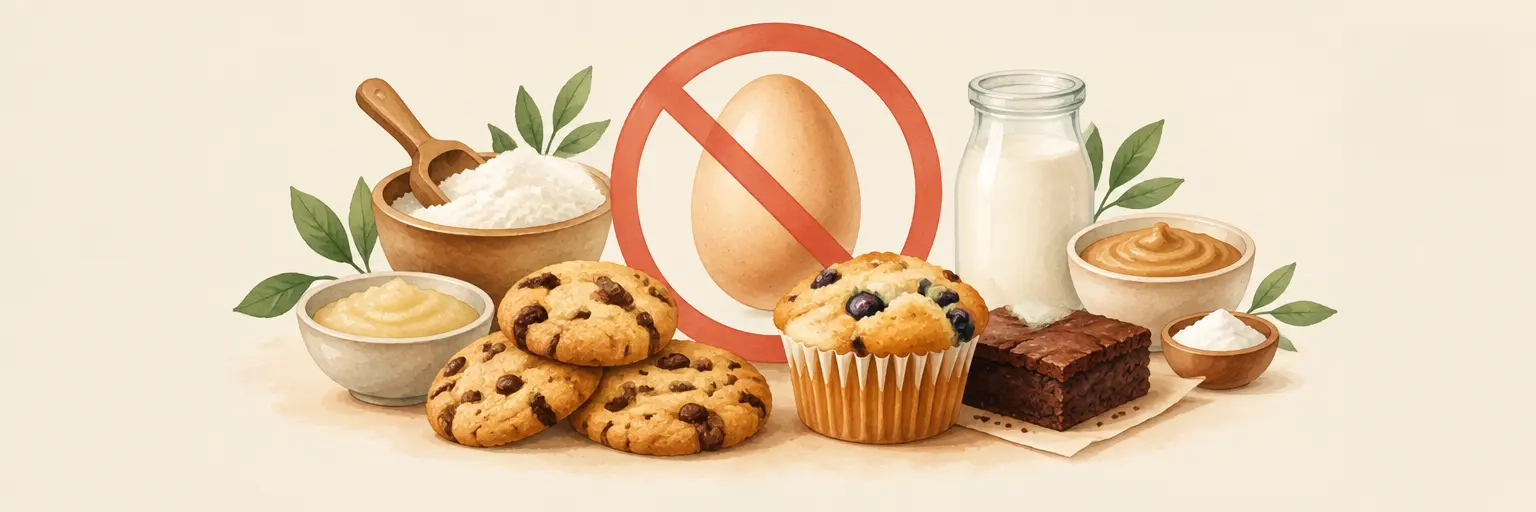
Discover the joy of baking without eggs through our egg-free baking collection, crafted for anyone navigating allergies, dietary preferences, or simply running low on essentials. From fluffy cakes and chewy cookies to golden breads, we replace eggs with clever, accessible substitutes like flaxseed, applesauce, yogurt, or aquafaba—ensuring every recipe stays moist, tender, and deliciously reliable. Whether you’re a seasoned baker or a curious beginner, our step-by-step guides simplify the science behind egg replacement, helping you achieve perfect structure, rise, and texture every time. Say goodbye to guessing and hello to allergen-friendly treats that everyone can enjoy. Bake with confidence, bake with ease, and prove that egg-free doesn’t mean flavor-free.
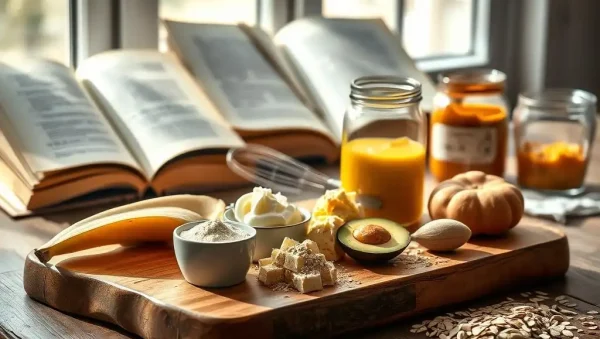
🌟 Discover the top 10 essential ingredients for successful egg-free baking with BakeWithEase.com’s Eggfree Baking Ingredient Substitutions Guide, empowering bakers of all…
Read article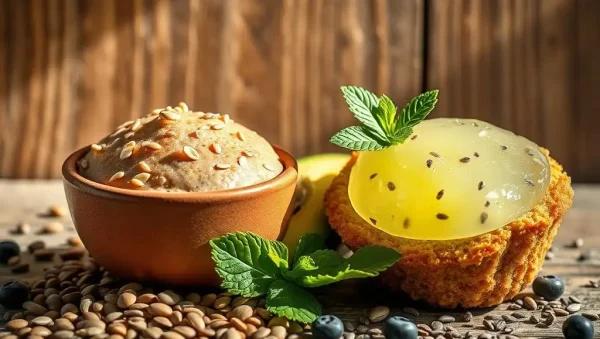
🌱 Discover whether flax seed egg substitute or chia seeds make the best seed gel for egg-free baking. BakeWithEase.com guides you through…
Read article
🌟 Discover how to create irresistibly soft, eggless cinnamon rolls with perfect swirls using our easy Eggless Cinnamon Rolls Recipe. BakeWithEase.com guides…
Read article
😊 Discover how to make delightful Eggfree Gingerbread Men with our easy-to-follow recipe on BakeWithEase.com. Perfect for bakers of all levels, this…
Read article
🍏 Discover how to make irresistible Vegan Apple Turnovers with our easy, eggless pastry and cinnamon-kissed filling. Perfect for bakers of all…
Read article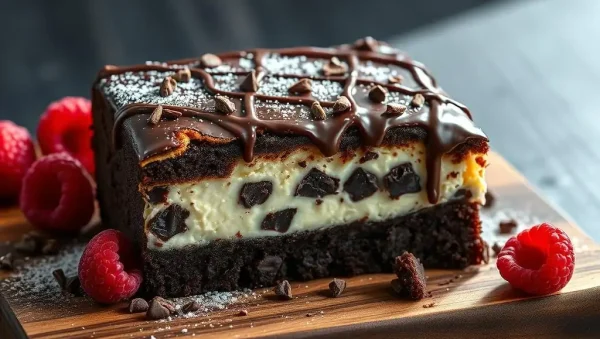
🍫 Indulge in our irresistible No Egg Chocolate Cheesecake Brownies, combining rich chocolate and creamy cheesecake layers. Perfect for bakers of all…
Read article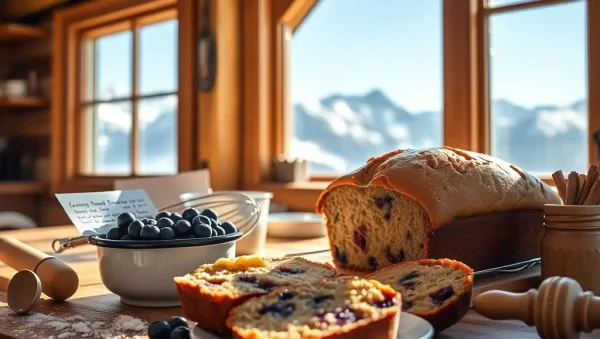
🌟 Discover essential tips for eggless baking at high altitude with BakeWithEase.com. Learn how to adjust recipes and techniques for perfect, foolproof…
Read article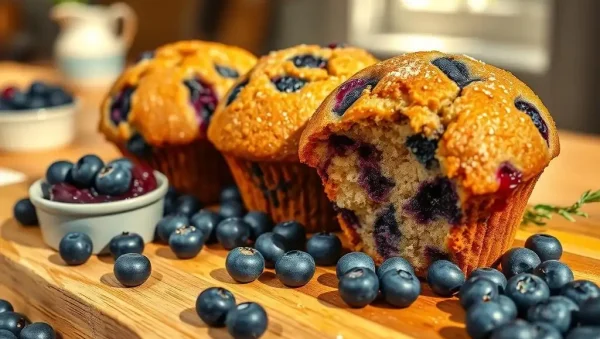
🌟 Discover the ultimate eggfree blueberry muffin recipe on BakeWithEase.com, featuring juicy blueberries in every bite. Perfect for bakers of all levels,…
Read article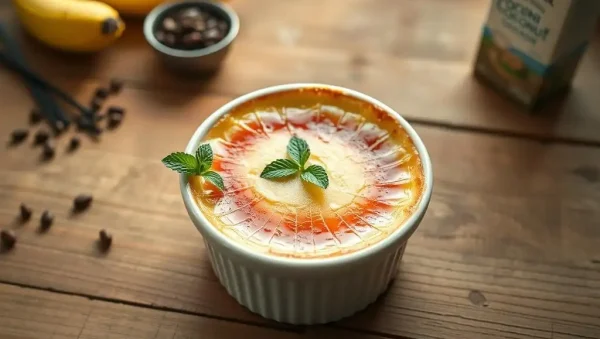
✨ Discover the ultimate vegan crème brûlée recipe easy to make, offering a luxuriously creamy, eggless dessert that elevates your baking skills.…
Read article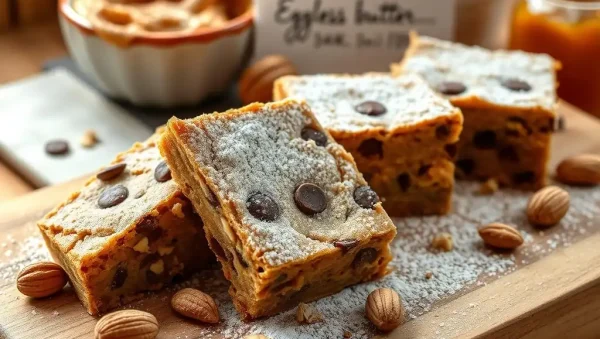
😊 Discover the irresistible charm of our Eggless Peanut Butter Bars Recipe at BakeWithEase.com. Perfect for nut butter lovers, these easy-to-make bars…
Read article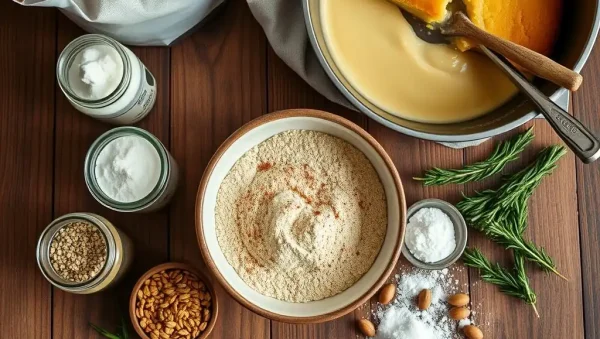
😊 Discover how to effortlessly create Homemade Egg Replacer Cake Recipes with our simple DIY mix, perfect for cakes, cookies, and more.…
Read article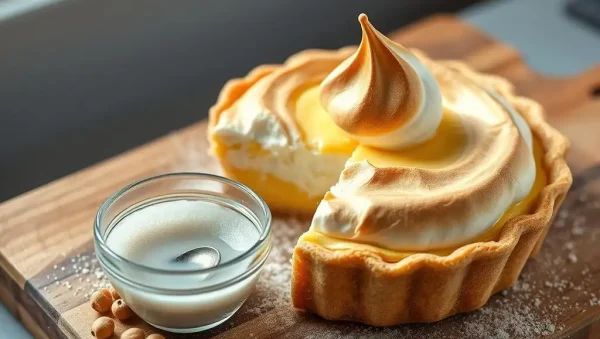
✨ Discover the versatility of aquafaba egg replacement baking with our easy tips and recipes. Perfect for beginners and experts alike, learn…
Read articleWelcome to our egg-free baking hub at BakeWithEase, where we prove that omitting eggs doesn’t mean sacrificing flavor, texture, or rise. Whether you have an egg allergy, follow a vegan lifestyle, or simply ran out of eggs, this subcategory is your comprehensive guide. From airy cakes to chewy cookies, we’ll explore science-backed substitutes, troubleshooting tips, and foolproof recipes that make egg-free baking a breeze. Expect clear explanations, practical substitutions, and mouthwatering results every time.
The success of egg-free baking hinges on choosing the right replacement for the job. Flaxseed or chia seed gels (1 tbsp ground seed + 3 tbsp water) mimic binding and moisture, ideal for muffins and dense cakes. Aquafaba, the liquid from canned chickpeas, whips into meringues and mousses with surprising stability. Mashed banana or applesauce add sweetness and tenderness to quick breads, while commercial replacers like Ener-G work well for neutral-tasting cakes. For chewy cookies, try a combination of cornstarch and water.
Each substitute brings unique properties: some add moisture, others provide structure, and a few even help with leavening. As a rule of thumb, one egg equals 1/4 cup of substitute, but you may need to adjust baking times slightly. We recommend testing with our chocolate chip cookie recipe to see how flax eggs deliver that perfect bend. For spongy cakes, whisk aquafaba to stiff peaks—it’s a game-changer. Always check the acidity of your batter; acidic substitutes like lemon juice can react with baking soda for extra lift.
Creating a tall, tender layer cake without eggs is entirely possible with the right techniques. The secret lies in combining a starch (like cornstarch or arrowroot) with a liquid fat and leavening agents. Use buttermilk or yogurt (dairy or plant-based) to provide acidity that activates baking soda. Whisk your dry ingredients thoroughly and fold in the wet mixture gently to avoid deflating air pockets. For extra lift, add 1/2 teaspoon of vinegar or lemon juice per cup of flour.
Our vanilla celebration cake uses a combo of silken tofu and baking powder to achieve a moist crumb with a fine texture. If you’re after a chocolate version, swap tofu for mashed avocado—it adds richness without any eggy taste. Remember to preheat your oven properly and avoid opening the door during the first 20 minutes of baking. A toothpick inserted in the center should come out with a few moist crumbs, not wet batter. Let cakes cool completely in the pan for 10 minutes before turning out to prevent crumbling.
Cookies are forgiving in egg-free baking, but achieving the perfect texture requires a careful balance of fat and starch. Shortening or coconut oil gives a firmer dough, while melted butter (or vegan butter) creates a spreadier, chewier result. A tablespoon of cornstarch mixed into the dry ingredients replicates the tenderness eggs would provide. For drop cookies, chill the dough for at least 30 minutes—this prevents excessive spreading and deepens flavor.
Try our oatmeal raisin cookies with a flax egg plus an extra tablespoon of milk. The oats absorb moisture beautifully, yielding a soft bite. For crisp-edged sugar cookies, use aquafaba as your binder and roll the dough thinly. You can also experiment with nut butters (peanut, almond) which naturally hold ingredients together—think flourless peanut butter cookies with just three ingredients! Always press cookies down slightly before baking, since they won’t spread as much without eggs.
Yeast breads rely on gluten for structure, not eggs, so they’re naturally easy to adapt. Focus on a well-hydrated dough with plenty of kneading—this develops elasticity. Add a tablespoon of olive oil for softness and a teaspoon of vinegar to help the yeast thrive. For muffins and quick breads, use a blend of baking powder and baking soda; the extra leavening compensates for missing egg lift. Buttermilk or yogurt keeps them moist and tangy.
Our banana nut muffins use mashed banana as both sweetener and binder, achieving an incredibly tender crumb. For savory herb bread, add a flax egg plus a splash of sparkling water to the dough—the carbonation gives a lighter rise. If your muffins domed too flat, you’re likely overmixing the batter; stir just until no streaks remain. Also, try resting the batter for 15 minutes before baking; this hydrates the flour and produces a taller top. Store bread in an airtight container with a slice of apple for freshness.
While eggs usually thicken custards, you can achieve the same silkiness with cornstarch or agar-agar. For stovetop puddings, whisk cornstarch with sugar and non-dairy milk, then heat gently until thickened—no tempering needed. Add cocoa or vanilla for flavor, and finish with a pat of vegan butter for shine. Silken tofu blended with melted chocolate makes an instant mousse-like dessert that’s rich and protein-packed.
Our coconut milk chocolate pudding is a crowd-pleaser, using 2 tablespoons of cornstarch per cup of liquid. For a baked custard (like flan), mix soy yogurt with agar and bake in a water bath until set. The key is patience—let it chill thoroughly for at least 4 hours. You can also use arrowroot powder for a lower-carb option. Serve with fresh berries or crushed nuts for added texture. These desserts are perfect for those with both egg and dairy allergies, as they’re naturally versatile.
Even experienced bakers hit snags. If your cake is dense, your leavener might be expired—always test baking powder in hot water (it should fizz). If your cookies spread too much, chill the dough longer and reduce sugar slightly. A crumbly texture usually means too little binder; add a bit more flax or applesauce next time. If your bread doesn’t rise, check your yeast freshness and ensure liquids are warm (110°F) but not hot.
Another common issue is a rubbery or tough texture from overmixing—fold just until combined. For dry texture, increase the fat content by a tablespoon or reduce baking time. Remember that egg-free batters often need 5-10 extra minutes in the oven, so use an oven thermometer for accuracy. Always cool items completely before frosting, as warm cakes can melt icings. And don’t forget: egg-free doesn’t mean flavor-free—add spices, extracts, or citrus zest to boost taste.
For light, fluffy cakes, use 1/4 cup of unsweetened applesauce or mashed banana per egg, combined with 1/2 teaspoon of baking powder for extra lift. Alternatively, silken tofu blended until smooth works excellently for dense, moist cakes. For sponge cakes, aquafaba whipped to stiff peaks is best.
Yes, plain yogurt (dairy or plant-based) works well—use 1/4 cup per egg. It provides moisture and mild acidity, ideal for muffins and quick breads. Grecian-style yogurt is thicker and may need a splash of milk to reach the right consistency. Avoid flavored yogurts with added sugar.
Drain a can of unsalted chickpeas, and collect the liquid. For best results, let it sit at room temperature, then beat with an electric mixer for 8-10 minutes until stiff peaks form. One egg white equals about 2 tablespoons of aquafaba. Refrigerate leftovers for up to one week.
They often take a few minutes longer because eggs contribute moisture and structure that speeds setting. Check for doneness with a toothpick—if it comes out clean or with a few crumbs, it’s done. Use an oven thermometer, as coal ovens can run hot, and rotate pans halfway through.
Yes! Use 1/4 cup of carbonated water (like club soda) per egg for cakes or muffins that need a light, airy texture. The bubbles provide lift without eggs, but it adds no fat or binding, so combine with a tablespoon of oil. Works best for delicate batters like sponge cake.