
Fluffy NutFree Banana Bread: A SeedBased Twist on a Classic

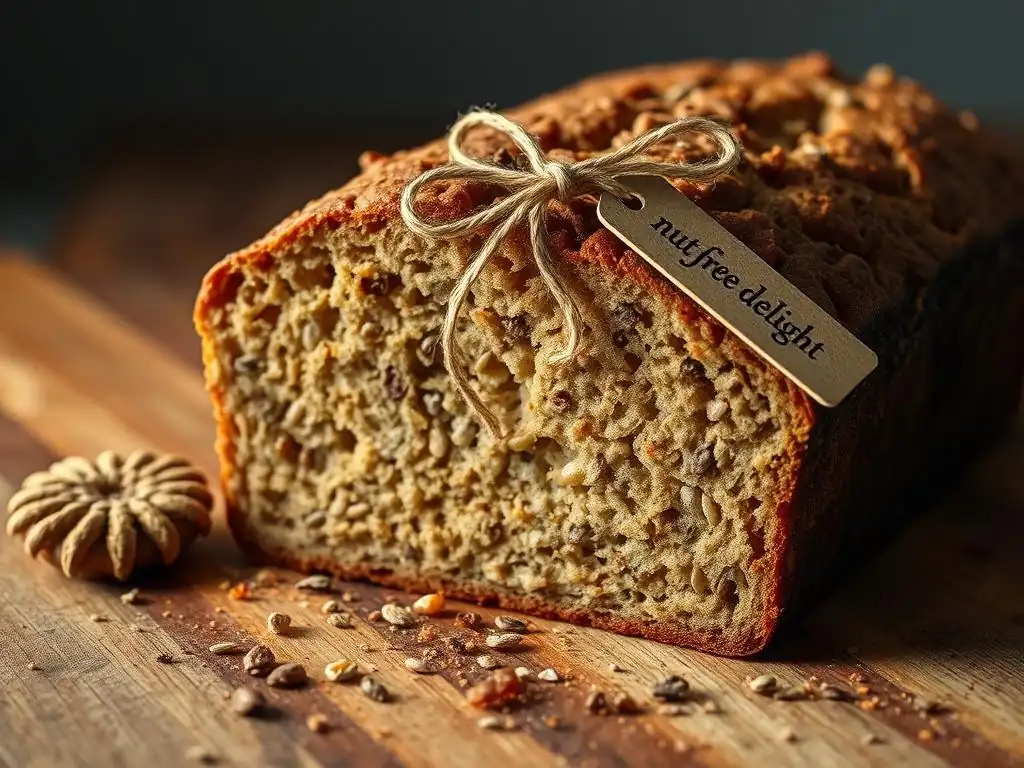
Welcome to BakeWithEase, your trusted guide to delightful baking! Are you ready to experience a truly fluffy and moist banana bread, completely nut-free and bursting with flavor? Dive into our NutFree Banana Bread Recipe with Seeds and discover how a simple seed-based twist can elevate this classic treat to new heights. Intrigued? Keep reading to unlock the secrets to baking this irresistible, allergen-friendly loaf!
- Introduction to Nut-Free Banana Bread with Seeds: A BakeWithEase Delight
- Understanding Nut-Free Baking: Key Considerations
- Ingredients for Your Seed-Based Nut-Free Banana Bread
- Step-by-Step Guide: Baking Your Fluffy Nut-Free Banana Bread with Seeds
- Tips and Tricks for the Best Nut-Free Seeded Banana Bread
- Variations and Add-Ins for Your Nut-Free Banana Bread Recipe
- Storing and Serving Your Nut-Free Seeded Banana Bread
- Conclusion: Your Go-To Nut-Free Banana Bread Recipe with Seeds
- Frequently Asked Questions
- Final Reflection: Sowing the Seeds of Delicious Change
- Unlock the Nutty Goodness: Bake Your Own Seed-Based Banana Bread!
Introduction to Nut-Free Banana Bread with Seeds: A BakeWithEase Delight
Discover a Delicious and Allergy-Friendly Banana Bread Recipe
Welcome to BakeWithEase, where we believe everyone deserves to enjoy delicious baked goods, regardless of dietary restrictions. Today, we're diving into a wonderful solution for those navigating nut allergies: a fluffy, flavorful nut-free banana bread recipe with seeds. This isn't just any banana bread; it's a carefully crafted recipe that replaces traditional nuts with a delightful blend of seeds, offering a unique texture and a boost of nutrition without compromising on taste or that classic banana bread comfort. It's perfect for school lunchboxes, potlucks, or simply enjoying a safe and tasty treat at home.
This recipe is designed to be straightforward, even for beginner bakers. We'll walk you through selecting the ripest bananas, combining simple pantry staples, and incorporating seeds like sunflower, pumpkin, and chia to achieve that perfect balance of moisture and crunch. Our goal is to empower you to bake confidently, knowing you're creating a safe and satisfying treat for yourself and your loved ones. Get ready to bake a loaf that's not only free from common allergens but also incredibly delicious and visually appealing with its speckled seed texture.
Why This Nut-Free Seeded Banana Bread Recipe Stands Out
What makes this nut-free banana bread recipe with seeds a must-try? Firstly, its primary advantage is safety for those with nut allergies, a significant concern for many families. By using seeds, we eliminate the risk associated with peanuts and tree nuts while still providing a satisfying textural element that nuts typically offer. This opens up the world of banana bread to a wider audience, allowing more people to enjoy this beloved classic.
Secondly, the addition of seeds brings notable nutritional benefits. For instance, a tablespoon of chia seeds contains about 60 calories, 3 grams of protein, and 5 grams of fiber, along with omega-3 fatty acids. Pumpkin seeds are a good source of magnesium and zinc. This seed-based twist elevates the nutritional profile of traditional banana bread, adding healthy fats, protein, and fiber. Furthermore, the combination of soft, moist banana bread with the subtle crunch of seeds creates a truly delightful eating experience that's both comforting and interesting.
Understanding Nut-Free Baking: Key Considerations
Baking for nut allergies requires meticulous attention to detail to ensure safety. The primary goal is to avoid cross-contamination and ensure all ingredients are certified nut-free. This means checking labels on every ingredient, including flour, sugar, chocolate chips, and even baking powder, as some facilities process nuts. Many brands now offer "nut-free" or "processed in a nut-free facility" certifications, which are invaluable. Using dedicated nut-free utensils, cutting boards, and baking pans is also crucial if you bake with nuts in the same kitchen.
Understanding the difference between peanut allergies and tree nut allergies is important, though many individuals are allergic to both. This nut-free banana bread recipe with seeds avoids both peanuts and tree nuts. When selecting seeds, ensure they are sourced from a facility that does not process nuts to maintain the integrity of the recipe's nut-free claim. For example, some bulk bins might pose a risk of cross-contamination. Opting for packaged seeds from reputable, certified nut-free suppliers is the safest approach for your nut-free banana bread recipe.
The Benefits of Seed-Based Baking: Nutrition and Texture
Incorporating seeds into baking, especially in a nut-free banana bread recipe with seeds, offers a wealth of benefits beyond just providing a safe alternative to nuts. Seeds are nutritional powerhouses. Sunflower seeds provide Vitamin E and selenium, while flax seeds are rich in lignans and omega-3s. Using a mix, as we do in this recipe, creates a more diverse nutritional profile. For example, adding 1/4 cup of mixed seeds can contribute around 150-200 calories, 6-8 grams of protein, and a significant amount of healthy fats and fiber, varying based on the seed mix.
Beyond nutrition, seeds significantly enhance the texture of baked goods. They provide a pleasant crunch and bite that complements the soft crumb of banana bread, similar to how nuts would but with their own unique character. Smaller seeds like chia or flax can also contribute to the structure and moisture of the bread by absorbing liquid, while larger seeds like pumpkin or sunflower offer distinct pops of texture. This textural contrast is vital for a satisfying slice of this nut-free seeded banana bread.
Ingredients for Your Seed-Based Nut-Free Banana Bread
Essential Ingredients List: From Bananas to Seeds
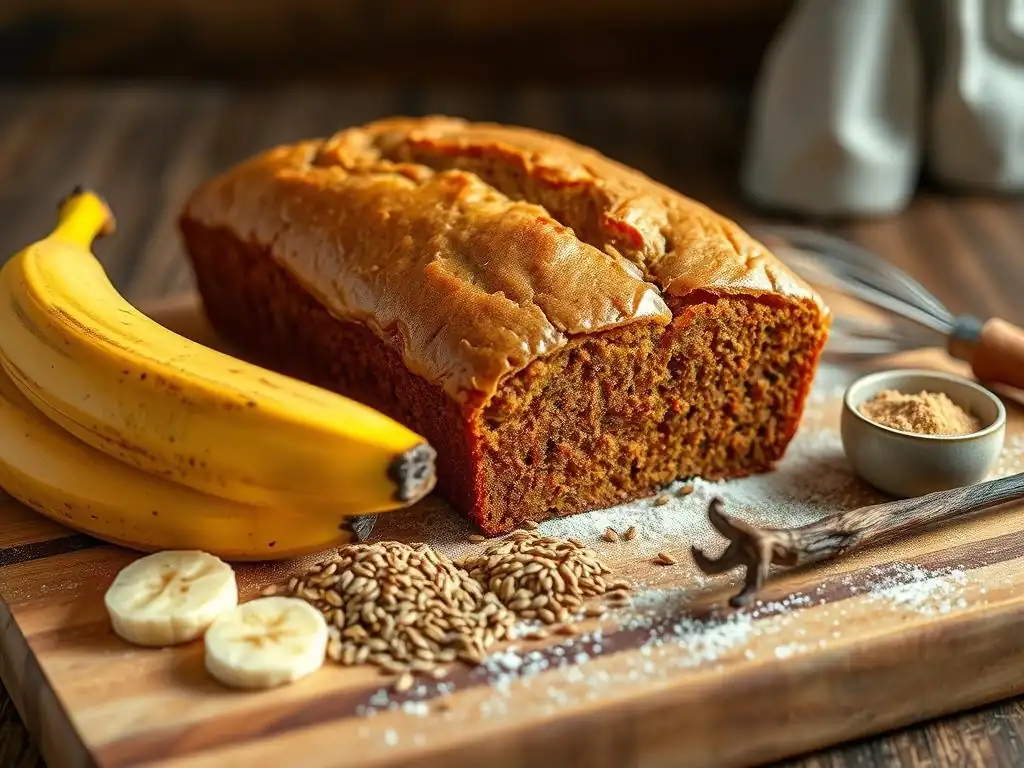
To create our delicious nut-free banana bread recipe with seeds, you'll need a few key ingredients, most of which you likely have in your pantry. Start with 3 very ripe bananas; the riper they are, the sweeter and more flavorful your bread will be. You'll also need all-purpose flour (or a certified gluten-free blend if needed), granulated sugar (or a mix of granulated and brown sugar for added moisture), baking soda, and a pinch of salt.
For the wet ingredients, gather melted unsalted butter (or a dairy-free alternative), eggs (or an egg substitute), and a splash of vanilla extract. The stars of our nut-free twist are the seeds! We recommend a mix of sunflower seeds, pumpkin seeds (pepitas), and chia seeds for a great blend of texture and nutrition, totalling about 1/2 to 3/4 cup depending on your preference for seediness. Ensure all seeds and other packaged ingredients are certified nut-free to maintain the safety of your nut-free banana bread recipe.
Seed Selection Guide: Choosing the Best Seeds for Flavor and Texture
Choosing the right seeds is key to perfecting your nut-free banana bread recipe with seeds. A mix generally provides the best results, offering varied textures and flavors. Aim for a combination of larger, crunchy seeds and smaller, binding seeds.
Sunflower Seeds: A Nutty Substitute
Hulled sunflower seeds are an excellent choice for a nut-free banana bread recipe. They offer a mild, slightly nutty flavor and a satisfying crunch that mimics the texture of chopped nuts quite well. They are relatively inexpensive and widely available. Ensure you purchase raw, unsalted sunflower seeds unless the recipe specifies otherwise. Using about 1/4 to 1/3 cup is usually sufficient to provide a good textural element throughout the loaf.
Pumpkin Seeds (Pepitas): Adding a Crunchy Element
Pumpkin seeds, also known as pepitas when hulled, provide a distinct crunch and a slightly sweeter, earthier flavor than sunflower seeds. Their vibrant green color also adds visual appeal to the bread's interior. They are a good source of zinc and magnesium. Adding about 1/4 cup of pepitas contributes a wonderful bite and nutritional boost to your nut-free seeded banana bread.
Chia Seeds: Boosting Nutrition and Binding
Chia seeds are tiny but mighty. While they don't add much crunch, they are packed with fiber and omega-3 fatty acids. More importantly for baking, they absorb liquid and create a gel-like consistency, which can help bind ingredients and add moisture to the bread. Including 1-2 tablespoons of chia seeds subtly enhances the texture and significantly boosts the nutritional value of your nut-free banana bread recipe.
Ingredient Substitutions: Ensuring a Perfect Nut-Free Bake
Adapting recipes is part of the fun of baking, and this nut-free banana bread recipe with seeds is quite forgiving. If you need a dairy-free version, simply substitute the melted butter with an equal amount of melted coconut oil or a neutral-flavored vegetable oil like canola or grapeseed oil. Ensure your oil substitute is also processed in a nut-free facility if allergies are severe.
For an egg-free version, you can use a flax egg (1 tablespoon flaxseed meal mixed with 3 tablespoons water, let sit for 5-10 minutes until gelled) or a commercial egg replacer according to package directions. This recipe calls for two eggs, so you would use the equivalent of two eggs in your chosen substitute. Remember that egg substitutes can sometimes slightly alter the texture, potentially resulting in a denser loaf, but it will still be delicious and safe for those with egg allergies in addition to nut allergies.
Step-by-Step Guide: Baking Your Fluffy Nut-Free Banana Bread with Seeds
Preparing the Banana Bread Batter: A Detailed Walkthrough
Creating the perfect batter is the foundation for a fluffy nut-free banana bread recipe with seeds. Start by preheating your oven to 350°F (175°C) and greasing and flouring a standard loaf pan (approximately 9x5 inches). This prevents sticking and ensures easy removal after baking.
Mashing the Bananas: Achieving the Right Consistency
The ripeness of your bananas is crucial, and so is how you mash them. Use a fork or a potato masher to mash the three very ripe bananas in a medium bowl. Aim for a consistency that still has a few small lumps; perfectly smooth banana puree can sometimes result in a gummy texture. Approximately 1 to 1.5 cups of mashed banana is ideal for this recipe. Don't worry about uniformity too much; those little pockets of banana sweetness are part of the charm of this nut-free seeded banana bread.
Combining Wet and Dry Ingredients: The Key to a Light and Airy Texture
In a large bowl, whisk together the dry ingredients: the all-purpose flour, baking soda, and salt. Ensure these are well combined to distribute the leavening evenly. In a separate bowl, whisk together the mashed bananas, melted butter (or oil), eggs (or substitute), and vanilla extract. Pour the wet ingredients into the bowl with the dry ingredients. Using a spatula or wooden spoon, gently fold the ingredients together just until no streaks of dry flour remain. Do not overmix – overmixing develops gluten, leading to a tough, dense bread instead of the fluffy nut-free banana bread we're aiming for.
Incorporating the Seeds: Even Distribution for Optimal Flavor
Once the wet and dry ingredients are just combined, it's time to add the seeds. Gently fold in your chosen mix of sunflower seeds, pumpkin seeds, and chia seeds. Use about 1/2 to 3/4 cup total, depending on how much seed texture you desire in your nut-free banana bread recipe with seeds. Ensure the seeds are evenly distributed throughout the batter with a few gentle folds. This prevents them from sinking to the bottom during baking and ensures every slice has a pleasant seedy bite.
Baking Instructions: Time, Temperature, and Doneness
Pour the finished batter into your prepared loaf pan and spread it evenly. You can sprinkle a few extra seeds on top for a nice visual finish, if desired. Bake in the preheated oven at 350°F (175°C) for 55 to 70 minutes. Baking time can vary significantly depending on your oven and the specific moisture content of your bananas.
To check for doneness, insert a toothpick or a thin skewer into the center of the loaf. It should come out clean or with just a few moist crumbs attached. If it comes out with wet batter, continue baking for 5-minute intervals, checking each time. The top of the bread should be golden brown and the sides should be pulling slightly away from the pan. This careful baking ensures your nut-free seeded banana bread is cooked through without becoming dry.
Cooling and Slicing: Preserving the Bread's Moisture and Texture
Once baked, remove the loaf pan from the oven and let it cool in the pan on a wire rack for about 10-15 minutes. This initial cooling period allows the bread to set slightly and makes it easier to remove from the pan without breaking.
After the initial cooling, carefully invert the pan to release the bread onto the wire rack to cool completely. Allowing the nut-free banana bread recipe with seeds to cool completely on a wire rack is crucial. Cooling on a solid surface can trap steam, making the bottom soggy. Slicing the bread while it's still warm can cause it to crumble. Wait until it is fully cooled, which can take 1-2 hours, before slicing with a serrated knife for clean, even slices.
Tips and Tricks for the Best Nut-Free Seeded Banana Bread
Achieving a Perfectly Moist Banana Bread: Avoiding Dryness
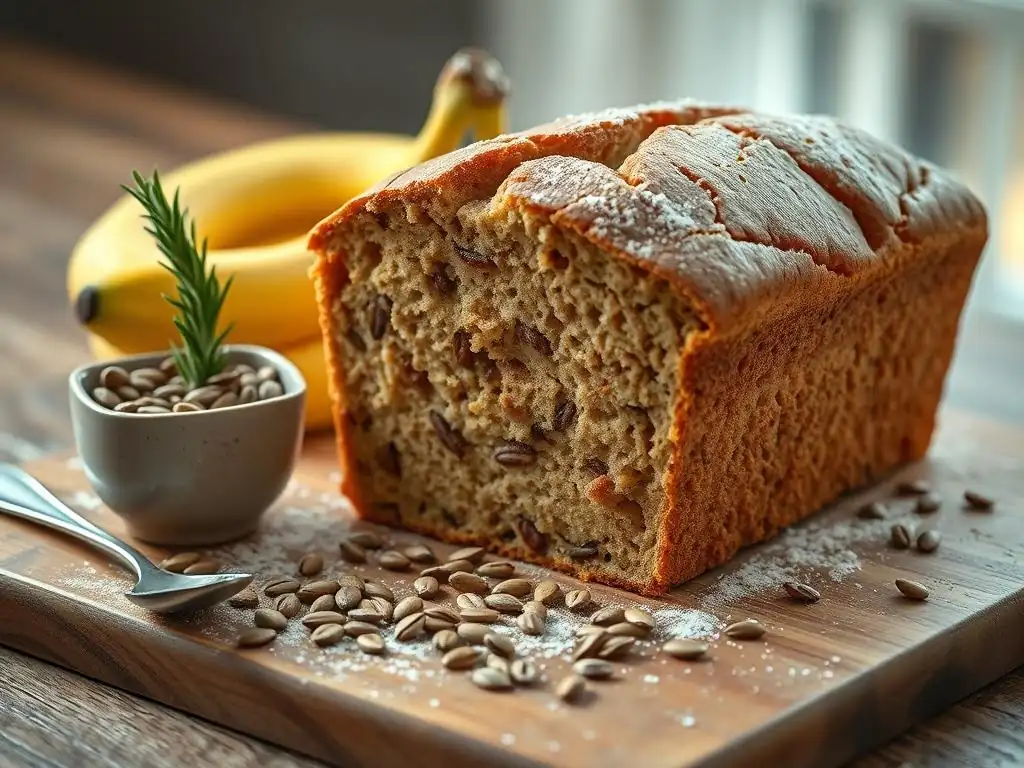
Dry banana bread is disappointing, but easily avoidable! The key to a moist nut-free banana bread recipe with seeds lies in using very ripe bananas; they contribute natural moisture and sweetness. Using melted butter or oil instead of softened butter can also help distribute fat more evenly, contributing to moisture.
Furthermore, avoid overmixing the batter; gentle folding is sufficient. Overmixing develops gluten, leading to a tougher, drier texture. Lastly, don't overbake! Start checking for doneness at the earlier end of the suggested bake time (around 55 minutes) and use the toothpick test. Removing the bread when the toothpick comes out with just a few moist crumbs (not wet batter) ensures it's cooked through but still wonderfully moist.
Enhancing Flavor: Adding Spices and Extracts
While the star is the banana and seed combination, you can elevate the flavor of your nut-free banana bread recipe with seeds with spices and extracts. A teaspoon of ground cinnamon is a classic addition that pairs beautifully with banana. You could also add a pinch of nutmeg, ground ginger, or even a dash of ground cloves for a warmer, spicier profile.
Beyond vanilla extract, consider using a little almond extract (ensure it's a pure extract and not derived from actual nuts if severe allergies are a concern, or skip if unsure) or even a hint of maple extract for a different twist. Zest from half a lemon or orange can also brighten the flavor profile. Add these dry spices to your dry ingredients and liquid extracts to your wet ingredients.
Troubleshooting Common Banana Bread Baking Issues
Encountering issues? Don't worry, they're common! If your nut-free seeded banana bread sinks in the middle, it might be underbaked, the leavening agent (baking soda) is old, or the batter was overmixed. Ensure your baking soda is fresh (test a pinch in vinegar; it should fizz vigorously) and follow the doneness test carefully. If the top cracks excessively, your oven might be too hot, or you may have used too much flour; double-check your measurements.
If the bread is too dense, it's likely due to overmixing or not enough leavening. Remember to just combine ingredients until the flour disappears. If the seeds sink to the bottom, ensure they are evenly distributed throughout the batter and not just dumped in one spot. Sometimes, tossing seeds in a tablespoon of flour before adding to the batter can help them stay suspended, though this isn't usually necessary if the batter consistency is right for this nut-free banana bread recipe.
Variations and Add-Ins for Your Nut-Free Banana Bread Recipe
Chocolate Chip Nut-Free Banana Bread: A Classic Combination
A beloved variation on traditional banana bread is adding chocolate chips, and it works beautifully in this nut-free banana bread recipe with seeds. Use about 1/2 to 3/4 cup of nut-free chocolate chips. Mini chocolate chips distribute more evenly and provide little bursts of chocolate in every bite.
Fold the chocolate chips in at the same time you add the seeds. Ensure your chocolate chips are certified nut-free, as cross-contamination is a risk with some brands. The combination of sweet banana, crunchy seeds, and melted chocolate is simply irresistible in this nut-free seeded banana bread.
Spiced Nut-Free Banana Bread: Warming Flavors for Fall
As mentioned earlier, adding spices can transform your nut-free banana bread recipe with seeds into a warming, comforting treat perfect for cooler weather. Beyond cinnamon, try a blend of 1 teaspoon cinnamon, 1/2 teaspoon nutmeg, 1/4 teaspoon ground ginger, and a pinch of ground cloves.
These spices enhance the natural sweetness of the bananas and complement the earthy notes of the seeds. This spiced nut-free seeded banana bread is particularly delicious served warm with a cup of tea or coffee. Adjust the spice levels to your personal preference.
Fruit and Seed Combinations: Experimenting with New Tastes
Get creative with your nut-free banana bread recipe with seeds by adding other fruits or experimenting with different seed blends. A small amount of dried cranberries (about 1/4 cup) can add a chewy texture and tart counterpoint to the sweetness. Fresh or frozen blueberries (toss frozen berries in a little flour before adding) can also be folded in, adding moisture and fruity bursts.
You can also swap out or add different seeds. Consider adding flax seeds, hemp seeds, or even poppy seeds to your mix. Each seed brings a slightly different flavor and texture. For example, poppy seeds offer a unique crunch, while hemp seeds add a mild, nutty flavor and protein. Just ensure any new additions are also certified nut-free if allergies are the primary concern for your nut-free seeded banana bread.
Storing and Serving Your Nut-Free Seeded Banana Bread
Proper Storage Techniques: Keeping Your Bread Fresh
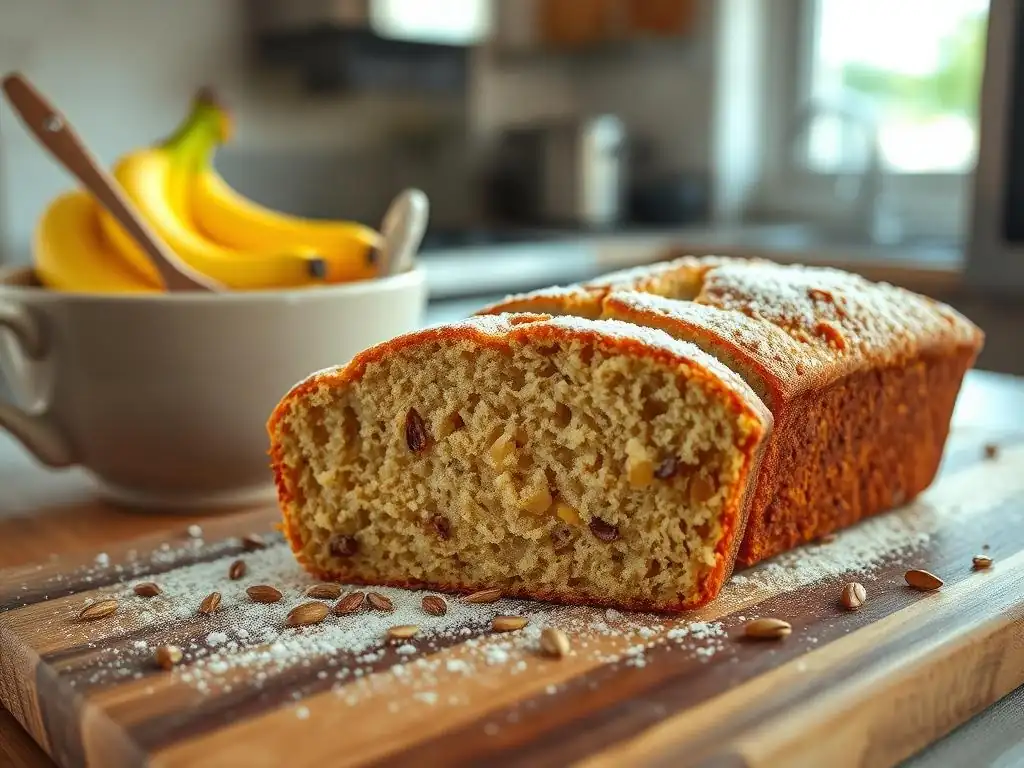
To keep your nut-free banana bread recipe with seeds fresh and moist, proper storage is key. Once the bread has cooled completely, wrap the entire loaf or individual slices tightly in plastic wrap, then place it in an airtight container or a resealable plastic bag.
Store at room temperature for up to 2-3 days. For longer storage, you can refrigerate it for up to a week. For optimal freshness beyond a few days, freezing is your best option. Wrap individual slices or the whole loaf tightly in plastic wrap, then in aluminum foil, and place in a freezer-safe bag. Frozen nut-free seeded banana bread can last for up to 3 months. Thaw slices at room temperature or warm gently before serving.
Serving Suggestions: Enjoying Your Banana Bread
This nut-free banana bread recipe with seeds is incredibly versatile and delicious served in many ways. It's fantastic on its own as a simple snack or breakfast. For a little indulgence, try warming a slice and spreading it with butter or a nut-free spread like sunflower seed butter.
For a more dessert-like experience, serve a warm slice with a scoop of vanilla ice cream or a dollop of whipped cream. It also pairs wonderfully with fresh fruit, like berries or sliced bananas. However you choose to enjoy it, this fluffy, moist, and flavorful nut-free seeded banana bread is sure to become a favorite.
Conclusion: Your Go-To Nut-Free Banana Bread Recipe with Seeds
We hope this detailed guide inspires you to bake our nut-free banana bread recipe with seeds. It's a truly delightful twist on a classic, offering a safe and delicious option for those with nut allergies while providing wonderful texture and nutritional benefits from the added seeds. Baking should be a joyful and inclusive experience, and this recipe embodies that spirit.
Whether you're packing it for a school event, sharing it with friends, or simply enjoying a quiet moment with a slice and a cup of tea, this nut-free seeded banana bread is guaranteed to please. Remember the tips for selecting ingredients, preventing cross-contamination, and proper baking techniques to ensure a perfect loaf every time. Happy baking from BakeWithEase!
Frequently Asked Questions
How is this banana bread recipe nut-free?
This recipe uses seed-based ingredients like sunflower or pumpkin seeds to replace the texture and richness that nuts might otherwise provide. It is carefully crafted to exclude all nut products.
What kind of seeds work best in this nut-free banana bread?
We recommend using a blend of sunflower and pumpkin seeds for the best flavor and texture. You can also experiment with other seeds like chia or flax, but adjust the liquid accordingly.
Can I substitute the seeds with something else entirely?
While seeds are central to the recipe, you could experiment with finely ground oats or coconut flakes. However, this will significantly alter the taste and texture of the banana bread.
Is this recipe suitable for people with other allergies besides nut allergies?
While nut-free, this recipe may contain other allergens like gluten or eggs, depending on the ingredients used. Always check ingredient labels to ensure they are safe for your specific allergies.
How do I store the nut-free banana bread to keep it fresh?
Store the banana bread in an airtight container at room temperature for up to 3 days, or in the refrigerator for up to a week. For longer storage, consider freezing it.
Final Reflection: Sowing the Seeds of Delicious Change
The demand for nut-free baking is growing, and this fluffy, seed-based banana bread recipe offers a delicious and inclusive alternative to traditional recipes. It's more than just a recipe; it's a testament to the power of creative adaptation in the kitchen, proving that deliciousness doesn't have to come at the cost of dietary restrictions or allergies.
This recipe, for me, represents a shift in how we approach baking. It's a celebration of inclusivity, demonstrating that we can create wonderful treats for everyone, regardless of dietary needs. The best things in life are the simple things.
This simple truth rings especially true when considering the joy a perfectly baked loaf of banana bread can bring, and how easily that joy can be shared with a wider audience through mindful recipe adjustments.
Now, I invite you to consider the seeds you're sowing in your own kitchen. Will you continue to embrace traditional recipes, or will you explore the possibilities of adaptation and inclusion? Try this recipe, experiment with different seeds, and share your creations with others. Let's cultivate a baking community that values both deliciousness and accessibility, one fluffy, nut-free loaf at a time.
Unlock the Nutty Goodness: Bake Your Own Seed-Based Banana Bread!
Thanks for joining us on this delicious journey into the world of fluffy, nut-free banana bread! We hope you enjoyed discovering this unique and healthy twist on a classic recipe. Now it's time to put your newfound baking skills to the test.
- Bake your own masterpiece! Grab those ripe bananas and get started on your seed-based banana bread. It's easier than you think!
- Share your creation! Post a picture of your finished loaf on social media and tag us – we'd love to see your baking success!
- Explore more seed-based recipes: Discover other exciting ways to incorporate seeds into your baking repertoire on our website.
Ready to experience the joy of baking something truly special? What seed combination will you try next?