
GlutenFree Christmas Stollen with Dried Fruits and Marzipan

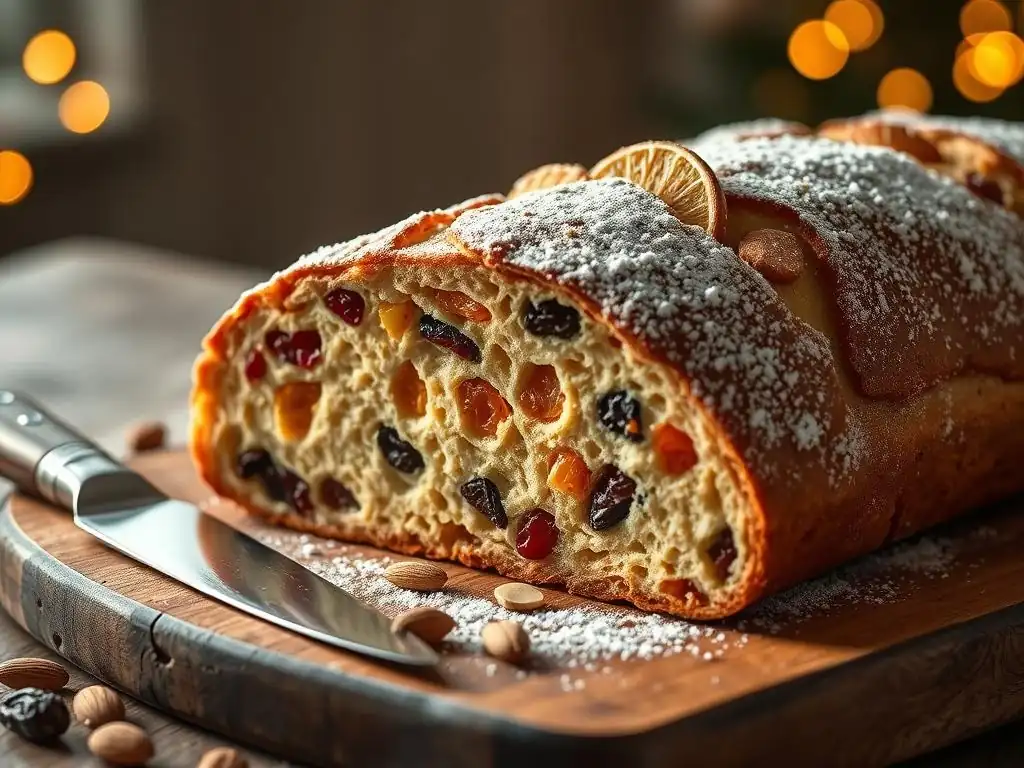
Welcome to BakeWithEase, your companion in the delightful world of baking! Ever dreamt of a festive Christmas treat that everyone can enjoy, regardless of dietary restrictions? Dive into our latest article and discover how to create a delectable GlutenFree Christmas Stollen recipe brimming with dried fruits and marzipan. We'll guide you through each step, ensuring a flavorful and inclusive holiday baking experience. Curious to learn more? Your baking adventure starts now!
- Gluten-Free Christmas Stollen Recipe with Dried Fruits and Marzipan - BakeWithEase
- Introduction to Gluten-Free Christmas Stollen Baking
- Understanding Gluten-Free Stollen Ingredients
- Step-by-Step Gluten-Free Christmas Stollen Recipe
- Tips for a Moist and Flavorful Gluten-Free Stollen
- Gluten-Free Stollen Variations and Adaptations
- Storing Your Gluten-Free Christmas Stollen
- Serving Suggestions for Gluten-Free Stollen
- Troubleshooting Common Gluten-Free Stollen Issues
- Nutritional Information for Gluten-Free Christmas Stollen
- Conclusion: Enjoy Your Homemade Gluten-Free Christmas Stollen
- Frequently Asked Questions
- Final Reflection: The Joy of Gluten-Free Baking, Shared
- Unleash Your Inner Baker: Craft a Festive Stollen!
Gluten-Free Christmas Stollen Recipe with Dried Fruits and Marzipan - BakeWithEase
Introduction to Gluten-Free Christmas Stollen Baking
Discover the Joy of Gluten-Free Holiday Baking with Stollen
The holiday season is a magical time, often filled with cherished traditions and, of course, delicious baked goods. For many, Christmas isn't complete without the rich, aromatic presence of a classic Stollen. This traditional German fruitcake, studded with dried fruits, often containing marzipan, and dusted with powdered sugar, is a festive centerpiece. However, enjoying this beloved treat can be a challenge for those following a gluten-free diet. That's where the joy of mastering a gluten-free Christmas stollen recipe comes in, allowing everyone to partake in this delightful tradition without compromise.
Baking a gluten-free version might seem daunting at first, but with the right approach and understanding of gluten-free flours, it's entirely achievable. The process involves adapting traditional methods to suit the unique properties of gluten-free ingredients, ensuring the final product is moist, flavorful, and holds its shape beautifully.
This guide will walk you through crafting a wonderful gluten-free Christmas stollen, bringing the warmth and spice of the holidays into your kitchen, regardless of dietary needs. It's an opportunity to create new traditions and share delicious moments with loved ones, proving that gluten-free baking can be just as rewarding and festive.
Why Bake a Gluten-Free Christmas Stollen?
Baking a gluten-free Christmas stollen offers several compelling reasons beyond simply accommodating dietary restrictions. Firstly, it allows individuals with celiac disease or gluten sensitivity to enjoy a traditional holiday pastry that they might otherwise have to forgo. This inclusivity is at the heart of joyful holiday gatherings, ensuring everyone feels included in the festive spread. Furthermore, baking at home gives you complete control over the ingredients, allowing you to select high-quality dried fruits, pure marzipan, and your preferred gluten-free flour blend, often resulting in a fresher and more delicious product than store-bought alternatives.
Beyond the dietary and quality benefits, baking a gluten-free Christmas stollen is a deeply satisfying creative process. It involves understanding the nuances of gluten-free dough, learning how different ingredients interact, and mastering techniques like shaping and baking to achieve the desired texture and flavor. The aroma of spices like cardamom, cinnamon, and nutmeg filling your home as the stollen bakes is an experience in itself, building anticipation for the final reveal. It's a rewarding challenge that culminates in a truly special holiday treat, perfect for sharing or savoring slice by slice with a warm cup of tea or coffee.
Understanding Gluten-Free Stollen Ingredients
Essential Gluten-Free Flour Blend for Stollen
Creating a successful gluten-free Christmas stollen recipe hinges significantly on the flour blend used. Unlike wheat flour, which contains gluten that provides structure and elasticity, gluten-free blends require a mix of different flours and starches to mimic these properties. A typical effective blend for stollen might include a combination of rice flour (white or brown), sorghum flour, and tapioca starch or potato starch. Rice flour provides structure, sorghum flour adds a slightly nutty flavor and tenderness, while starches contribute to binding and lightness.
The specific ratio of flours and starches is crucial. Too much starch can result in a gummy texture, while too little can lead to a crumbly loaf. Many commercial gluten-free all-purpose blends are designed to work as a 1:1 substitute for wheat flour in many recipes, but for a rich dough like stollen, sometimes a custom blend or one specifically formulated for enriched doughs works best.
Look for blends that contain a binder like xanthan gum or guar gum, or be prepared to add it separately, typically around 1 teaspoon per cup of flour blend, to provide the necessary structure that gluten would otherwise provide. The quality and freshness of your gluten-free flour blend will greatly impact the final texture of your gluten-free Christmas stollen.
Dried Fruits Selection for Authentic Stollen Flavor
The soul of a traditional stollen lies in its generous amount of dried fruits, which infuse the loaf with moisture, sweetness, and complex flavors. For an authentic gluten-free Christmas stollen recipe, selecting a variety of high-quality dried fruits is key.
Common choices include raisins (golden and dark), currants, candied citrus peel (orange and lemon), and sometimes chopped dried apricots or cherries. These fruits should be plump and moist; if they seem dry, soaking them in warm water, fruit juice, or even rum or brandy for at least 30 minutes (or overnight for a deeper flavor) is highly recommended before incorporating them into the dough.
The total quantity of dried fruit is often quite substantial, sometimes equaling or even exceeding the weight of the flour. This high fruit content contributes significantly to the stollen's characteristic density and moistness. A typical recipe might call for anywhere from 200g to 400g of mixed dried fruits for a medium-sized stollen.
Ensure the fruits are well-drained if soaked and patted dry before adding them to the dough to prevent excessive moisture that could hinder baking. The mix of sweet raisins, tangy currants, and slightly bitter citrus peel creates a harmonious flavor profile that is essential to a delicious gluten-free Christmas stollen.
Marzipan: The Heart of a Delicious Christmas Stollen
Marzipan is often considered the signature element that elevates a good stollen to a great one, providing a sweet, almondy core that remains moist during baking. For a gluten-free Christmas stollen recipe, using good quality marzipan is non-negotiable. Marzipan is typically made from ground almonds, sugar, and sometimes a small amount of almond extract or rosewater. Naturally, marzipan is gluten-free, but it's always wise to check the packaging to ensure no gluten-containing additives have been included during processing, although this is rare.
The marzipan is usually shaped into a log and placed in the center of the dough before shaping. As the stollen bakes, the marzipan warms and softens, creating a delightful contrast in texture and flavor with the fruit-filled dough. A typical stollen might use a marzipan log weighing between 100g and 200g, depending on the size of the loaf and personal preference. Ensure the marzipan log is sealed well within the dough to prevent it from oozing out during baking. This sweet, pliable almond paste is truly the heart of many beloved gluten-free Christmas stollen recipes.
Other Key Ingredients for a Gluten-Free Stollen
Beyond the flour, fruits, and marzipan, several other ingredients are crucial for a successful gluten-free Christmas stollen recipe. Fat, typically butter, plays a vital role in providing richness, tenderness, and flavor. Using softened, good-quality butter is essential for creating a moist and flavorful dough. Eggs contribute to the structure and richness, adding moisture and helping to bind the gluten-free ingredients together effectively. Usually, large eggs are specified, and they should ideally be at room temperature for better incorporation into the dough.
Leavening is another critical component. Yeast is traditionally used in stollen to give it a slightly bread-like texture and rise. Active dry yeast or instant yeast can be used; ensure your yeast is fresh and active. Warm liquid (milk or a dairy-free alternative), along with a pinch of sugar, is needed to activate the yeast.
Spices are indispensable for that authentic Christmas flavor profile – commonly used are cinnamon, cardamom, nutmeg, cloves, and sometimes a hint of mace or ginger. Vanilla extract and citrus zest (lemon and orange) also add bright notes that complement the rich dough and fruits. Don't forget a pinch of salt to balance the sweetness. Finally, a generous amount of melted butter and powdered sugar are needed for the traditional post-baking coating, which helps keep the stollen moist and adds a signature finish.
Step-by-Step Gluten-Free Christmas Stollen Recipe
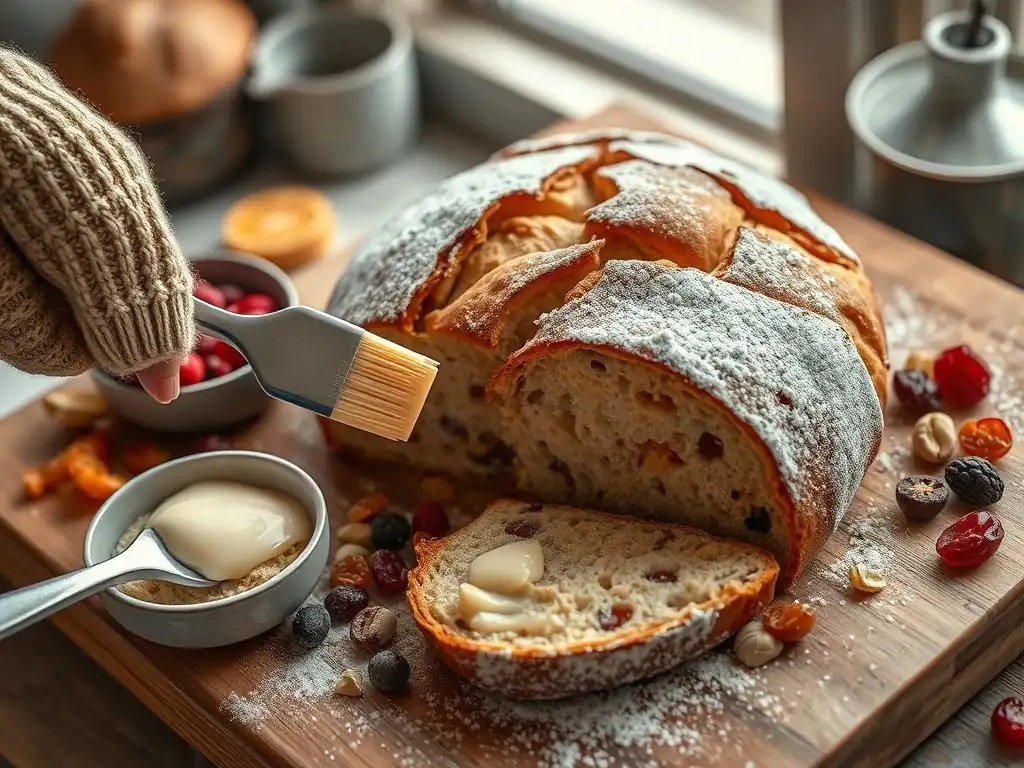
Preparing the Dried Fruits and Spices
The first step in crafting your gluten-free Christmas stollen recipe is to prepare the dried fruits. Gather your chosen mix of raisins, currants, candied peel, and any other fruits. Measure out the total amount required, perhaps around 300g for a standard loaf. If the fruits seem dry, place them in a bowl and pour over about 100ml of warm water, fruit juice, or your preferred spirit like rum or brandy.
Let them soak for at least 30 minutes; soaking overnight enhances the flavor absorption, especially with alcohol. While the fruits are soaking, measure out your spices. A typical blend might be 1 teaspoon ground cinnamon, ½ teaspoon ground cardamom, ¼ teaspoon ground nutmeg, and a pinch of ground cloves. Combine these spices in a small bowl, ready to be added to the dough.
Once the fruits have plumped up, drain them thoroughly using a sieve. It's important to remove excess liquid, as too much moisture can make the dough difficult to handle and affect the baking time. Pat the drained fruits dry with paper towels.
In a clean bowl, toss the drained, dried fruits with a tablespoon or two of your gluten-free flour blend. This light coating helps prevent the fruits from clumping together and sinking to the bottom of the dough during baking. Set the prepared fruits and spice mix aside while you prepare the rest of the ingredients for your gluten-free Christmas stollen.
Mixing the Gluten-Free Stollen Dough
Mixing the dough for a gluten-free Christmas stollen recipe differs slightly from traditional wheat dough due to the lack of gluten structure. Begin by activating your yeast. In a small bowl, combine about 100ml of warm milk (around 40-45°C or 105-115°F) with a teaspoon of sugar and your yeast (e.g., 7g active dry yeast). Let it sit for 5-10 minutes until it becomes foamy, indicating the yeast is active. In a large mixing bowl, whisk together your gluten-free flour blend (perhaps 400g), the measured spices, and a pinch of salt.
In a separate bowl, whisk together softened butter (around 100g), sugar (perhaps 50g), eggs (2 large), vanilla extract (1 teaspoon), and citrus zest (from 1 lemon and 1 orange). Add this wet mixture to the dry ingredients. Pour in the activated yeast mixture. Using a stand mixer with a paddle attachment or a sturdy wooden spoon, mix the ingredients on low speed until they just come together. Then increase the speed slightly and beat for about 3-5 minutes.
Gluten-free dough won't develop in the same way as wheat dough; the goal is to thoroughly combine the ingredients and distribute the binders. The dough will be quite soft and sticky compared to wheat dough. Once mixed, gently fold in the prepared dried fruits and any optional nuts or seeds until evenly distributed. Do not overmix at this stage.
Incorporating the Marzipan Filling
The marzipan filling is a key element in many gluten-free Christmas stollen recipes. Once your dough is mixed and the fruits are incorporated, it's time to prepare the marzipan log. Take your marzipan (e.g., 150g) and knead it slightly with your hands to make it pliable. On a clean, lightly floured surface (using gluten-free flour), roll the marzipan into a log about 20-25 cm (8-10 inches) long, depending on the intended size of your stollen. Aim for a log that is relatively uniform in thickness.
Now, gently turn your gluten-free dough out onto a lightly floured surface. Gluten-free dough is often soft and sticky, so handle it with care. You can use extra gluten-free flour or work with slightly damp hands. Gently press or roll the dough into an oval or rectangular shape, roughly 30-35 cm (12-14 inches) long and 20-25 cm (8-10 inches) wide.
Place the marzipan log slightly off-center on the dough, running lengthwise. Fold the larger side of the dough over the marzipan log, covering it completely. Press the edges gently to seal the marzipan inside. This creates the characteristic shape of a stollen, with the marzipan nestled within the dough.
Shaping the Gluten-Free Stollen
Shaping the gluten-free Christmas stollen is the step where the loaf takes its traditional form. After incorporating the marzipan, you'll have a folded loaf with the marzipan log enclosed. The classic stollen shape resembles a swaddled baby, representing the Christ child, although functionally, the fold helps encase the filling and create a distinct form. Gently press down along the fold line on the top of the loaf to emphasize the shape. Some bakers like to create a slight indentation along this line.
Carefully lift the shaped stollen and place it on a baking sheet lined with parchment paper. Gluten-free dough can be delicate, so use both hands or a dough scraper to support it. Once on the baking sheet, you can gently adjust the shape if needed, ensuring it's a compact, oblong loaf. At this point, the stollen needs a resting period, similar to a proofing stage in traditional baking, though gluten-free dough rises less dramatically.
Cover the stollen loosely with plastic wrap or a clean tea towel and let it rest in a warm, draft-free place for about 30-45 minutes. This resting period allows the yeast to work a little and helps the flavors meld before baking. Preheat your oven towards the end of this resting time.
Baking the Perfect Gluten-Free Christmas Stollen
Baking the gluten-free Christmas stollen requires careful temperature and timing to ensure it cooks through without drying out. Preheat your oven to a moderate temperature, typically around 170°C to 180°C (340°F to 350°F). Place the baking sheet with the shaped stollen in the preheated oven. The baking time will vary depending on the size of your stollen and your oven, but it generally takes between 40 to 60 minutes.
During baking, keep an eye on the stollen. If the top starts to brown too quickly, you can loosely tent it with aluminum foil to prevent scorching. The stollen is done when it is golden brown on the outside and cooked through.
You can test for doneness by inserting a skewer into the center (avoiding the marzipan log); it should come out clean. Alternatively, an instant-read thermometer inserted into the thickest part of the dough (again, avoiding the marzipan) should register around 90-95°C (195-205°F). Once baked, remove the stollen from the oven and place the baking sheet on a wire rack.
Immediately after taking the hot stollen out of the oven, generously brush the entire surface with melted unsalted butter. You might use anywhere from 50g to 100g of melted butter for this step. This butter coating not only adds richness but also helps the powdered sugar adhere and keeps the crust soft.
While the butter is still wet and the stollen is warm, sift a thick layer of powdered sugar all over the top and sides. Some traditional recipes call for a second coating of butter and sugar once the stollen has cooled slightly for an even thicker, more enduring layer. Let the stollen cool completely on the wire rack before slicing.
Tips for a Moist and Flavorful Gluten-Free Stollen
Achieving the Right Dough Consistency
Achieving the correct dough consistency is one of the trickiest parts of mastering a gluten-free Christmas stollen recipe. Gluten-free doughs are inherently different from wheat doughs; they tend to be softer, stickier, and less elastic. The ideal consistency for stollen dough is soft and slightly sticky, but manageable enough to shape.
If your dough feels too dry and crumbly, you may need to add a little more liquid (milk or water), perhaps a tablespoon at a time, mixing until it comes together. Be cautious not to add too much, as overly wet dough can be very difficult to handle and may result in a dense, gummy stollen.
Conversely, if the dough is excessively sticky and hard to work with, resist the urge to add large amounts of extra flour directly into the dough. Instead, try lightly flouring your hands and the work surface with gluten-free flour. Chilling the dough for 20-30 minutes can also help make it firmer and easier to shape.
Remember that gluten-free flours absorb liquid differently, so variations in blends can affect consistency. Pay attention to the recipe's cues about how the dough should look and feel, and make small adjustments as needed. The goal is a dough that holds together but isn't stiff or dry, ensuring a moist final gluten-free Christmas stollen.
Preventing a Dry Gluten-Free Stollen
One common challenge with gluten-free baking, including a gluten-free Christmas stollen recipe, is preventing the final product from being dry or crumbly. Several factors contribute to moisture. Firstly, using enough fat (butter) and eggs in the dough is crucial, as these provide richness and tenderness. Ensuring your gluten-free flour blend contains adequate starch and perhaps a binder like xanthan gum also helps retain moisture. The high proportion of dried fruits is another natural moisture contributor; ensure they are plump, ideally by soaking them before adding to the dough.
Baking time and temperature are also critical. Over-baking is a primary cause of dryness. Bake the stollen just until it's cooked through, checking with a skewer or thermometer. Using a slightly lower oven temperature (like 170-180°C) for a longer time rather than a hot oven for a short time can help ensure even cooking without drying out the exterior. Finally, the traditional post-baking treatment of brushing with melted butter and coating with powdered sugar is essential for locking in moisture and keeping the crust tender. Storing the cooled stollen properly, well-wrapped, also helps maintain its moisture over time.
Adding Extra Flavor with Citrus Zest and Extracts
To enhance the flavor profile of your gluten-free Christmas stollen recipe and give it that extra festive punch, incorporating citrus zest and extracts is highly recommended. Lemon and orange zest are traditional additions that provide a bright, fragrant counterpoint to the richness of the dough and fruits. Use a fine grater or microplane to zest the colorful outer layer of the fruit, avoiding the bitter white pith. Adding the zest directly to the dough mixture infuses it with vibrant citrus oils.
Vanilla extract is another common ingredient that adds a layer of warmth and sweetness. A good quality pure vanilla extract will make a noticeable difference. Some recipes also call for almond extract, which complements the marzipan filling beautifully and enhances the overall nutty flavor profile.
Just a small amount of almond extract is usually sufficient, as it can be quite potent. For an extra layer of complexity, consider adding a splash of rum or brandy, either by soaking the fruits in it or adding a small amount to the dough itself. These additions contribute significantly to the depth and authenticity of your homemade gluten-free Christmas stollen.
Gluten-Free Stollen Variations and Adaptations
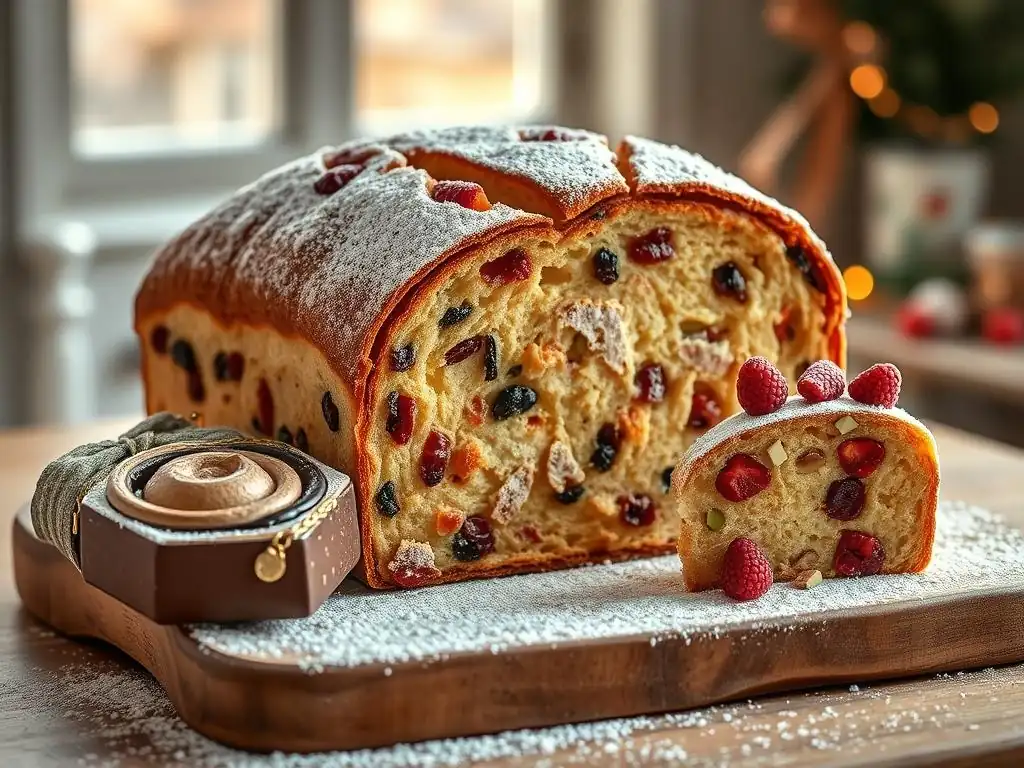
Vegan Gluten-Free Christmas Stollen Option
Adapting a traditional gluten-free Christmas stollen recipe to be vegan requires substituting the dairy and eggs. For butter, use a high-quality vegan butter alternative that is suitable for baking. Look for block-style vegan butter rather than spreadable types, as they have a better fat content for dough structure.
For eggs, use an egg replacer. Common options include a commercial egg replacer blend, flax eggs (1 tbsp flax meal + 3 tbsp water per egg, let sit for 5-10 minutes), or a mixture of applesauce or mashed banana with a leavening agent like baking powder. The specific egg replacer might slightly alter the texture, but a combination often works best in enriched doughs.
For the milk, simply use a plant-based milk like almond milk, soy milk, or oat milk. Ensure it is unsweetened and plain to avoid altering the flavor profile significantly. When substituting ingredients, particularly egg replacers, you might need to adjust the liquid slightly to achieve the correct dough consistency mentioned earlier. The marzipan is usually naturally vegan, but always double-check the ingredients list to be sure. With these substitutions, you can create a delicious vegan and gluten-free Christmas stollen recipe that caters to additional dietary needs.
Adding Nuts and Seeds for Texture
Adding nuts and seeds is a wonderful way to introduce extra texture and flavor complexity to your gluten-free Christmas stollen recipe. Chopped almonds, walnuts, pecans, or hazelnuts are popular choices that pair well with the dried fruits and spices. About 50-100g of chopped nuts can be folded into the dough along with the dried fruits. Toasting the nuts lightly before adding them can enhance their flavor significantly.
Seeds like poppy seeds or sesame seeds are sometimes included in traditional stollen, though less commonly than nuts. If adding seeds, they are usually incorporated into the dough mix. For a different texture element, you could also sprinkle flaked almonds or chopped nuts on top of the stollen before baking, although the traditional finish is butter and powdered sugar. When adding nuts or seeds, consider potential allergies and clearly label your gluten-free Christmas stollen if serving it to others. The added crunch provides a delightful contrast to the soft dough and chewy fruits.
Experimenting with Different Dried Fruit Combinations
While raisins, currants, and candied peel are traditional, feel free to experiment with different dried fruit combinations to customize your gluten-free Christmas stollen recipe. Consider adding chopped dried cranberries for a tart contrast, dried cherries for a festive red hue and tangy flavor, or chopped dried figs or dates for added sweetness and chewiness. Dried blueberries or even chopped dried apples could also work, depending on your preference.
The total amount of dried fruit typically remains within a similar range (e.g., 250-400g for a standard loaf), but the ratio of different fruits can be adjusted. For instance, you might use a higher proportion of candied orange peel if you love that intense citrus flavor, or focus more on a mix of raisins and cherries. Remember to soak any dry fruits as recommended. Experimenting with the fruit mix allows you to put your personal stamp on this classic holiday bake and discover your favorite version of a gluten-free Christmas stollen.
Storing Your Gluten-Free Christmas Stollen
Proper Storage Techniques for Freshness
Proper storage is essential to maintain the moisture and flavor of your gluten-free Christmas stollen recipe after baking. Once the stollen has completely cooled, wrap it tightly. The best method is often a double layer of wrapping. First, wrap it snugly in plastic wrap, ensuring no air pockets. Then, wrap it again in aluminum foil or place it in a freezer-safe bag. This airtight seal is crucial for preventing the stollen from drying out, which gluten-free baked goods are prone to do.
Store the wrapped stollen at room temperature in a cool, dry place, away from direct sunlight or heat sources. A pantry or bread bin works well. Avoid storing it in the refrigerator, as this can actually cause starches to crystallize more quickly, leading to a stale texture. If you plan to keep it for more than a few days, consider freezing, which is discussed in a later section. The key is to protect the stollen from air exposure to preserve its quality and ensure your homemade gluten-free Christmas stollen remains delicious.
How Long Does Gluten-Free Stollen Last?
When stored properly at room temperature, a homemade gluten-free Christmas stollen recipe can last for about 5 to 7 days. The high fat content from the butter and the moisture from the dried fruits and marzipan help it keep better than some other gluten-free baked goods.
However, the quality, particularly the softness of the dough, might start to diminish after the first few days. The flavors, especially the spices and fruit, often deepen and meld over the first day or two, so it's often recommended to wait at least 24 hours after baking before slicing into it for the best taste experience.
If the stollen is not wrapped properly, it will dry out much faster, potentially becoming stale within just a day or two. Monitoring how well it's sealed is key to maximizing its shelf life. If you won't be able to consume the entire stollen within a week, or if you want to bake ahead for the holidays, freezing is an excellent option to extend its freshness significantly.
Freezing Gluten-Free Stollen for Later Enjoyment
Freezing is an excellent way to preserve your gluten-free Christmas stollen recipe for enjoyment weeks or even months later. Ensure the stollen is completely cooled before freezing. Wrap it very securely to prevent freezer burn, using the same double-wrapping method described for storage: first plastic wrap, then aluminum foil or a freezer-safe bag. Label the package with the date.
You can freeze a whole stollen or slice it first and freeze individual slices, separated by parchment paper, in a freezer bag or container. Freezing slices allows you to thaw only what you need. Properly wrapped, gluten-free stollen can be stored in the freezer for up to 2-3 months. To thaw, transfer the wrapped stollen (or slices) to the refrigerator overnight, or leave it wrapped at room temperature for a few hours.
Avoid using a microwave for thawing, as it can make the texture rubbery. Once thawed, you can gently warm slices in a low oven or toaster oven if desired. Freezing allows you to bake your gluten-free Christmas stollen well in advance of the busy holiday period.
Serving Suggestions for Gluten-Free Stollen
Pairing Gluten-Free Stollen with Beverages
A slice of gluten-free Christmas stollen recipe is a delightful treat on its own, but pairing it with the right beverage can elevate the experience. Traditionally, stollen is enjoyed with hot drinks. Coffee is a classic choice; the slight bitterness of coffee complements the sweetness and richness of the stollen beautifully. Tea, particularly black tea or a spiced chai, also pairs wonderfully, echoing the warm spices within the stollen.
For a more festive pairing, consider mulled wine or spiced cider, which enhance the holiday flavors. A glass of dessert wine, like a sweet sherry or a late-harvest Riesling, can also be a sophisticated accompaniment. For those preferring non-alcoholic options, a rich hot chocolate or a spiced fruit juice can be equally satisfying. The key is to choose a beverage that complements the flavors of dried fruit, marzipan, and spices without overpowering them, making each bite of your gluten-free Christmas stollen a moment to savor.
Delicious Toppings and Glazes for Stollen
While the traditional finish of melted butter and powdered sugar is classic for a gluten-free Christmas stollen recipe, you can certainly add other toppings or glazes to enhance its appeal. After applying the initial butter and sugar coating, you could drizzle a simple glaze made from powdered sugar mixed with a little lemon juice or milk for an extra touch of sweetness and a slightly different texture. A ratio of about 100g powdered sugar to 1-2 tablespoons liquid usually works well.
For added decadence, consider a cream cheese glaze (vegan or dairy), perhaps flavored with a hint of vanilla or orange zest. Some people enjoy spreading a little extra butter or even clotted cream on individual slices before serving. A sprinkle of toasted flaked almonds over the powdered sugar adds a lovely visual element and a bit of crunch. While not traditional, a light dusting of cocoa powder or a fine grating of dark chocolate could offer an interesting twist. These additions can personalize your gluten-free Christmas stollen and make it even more special.
Gluten-Free Stollen as a Holiday Gift Idea
A homemade gluten-free Christmas stollen recipe makes a truly thoughtful and appreciated holiday gift. It shows care and effort, and for friends or family members who follow a gluten-free diet, receiving a delicious, safe-to-eat traditional treat is particularly meaningful. Bake a few extra loaves specifically for gifting. Ensure they are fully cooled before wrapping them beautifully.
Wrap the stollen tightly in parchment paper or plastic wrap, then in festive foil or cellophane. Tie it with a ribbon and perhaps attach a small tag indicating it is gluten-free and listing the main ingredients (especially if there are other allergens like nuts). Include instructions on how to store it properly. Presenting a beautifully wrapped, homemade gluten-free Christmas stollen is a wonderful way to share the joy and flavors of the season, offering a delicious taste of tradition that everyone can enjoy.
Troubleshooting Common Gluten-Free Stollen Issues
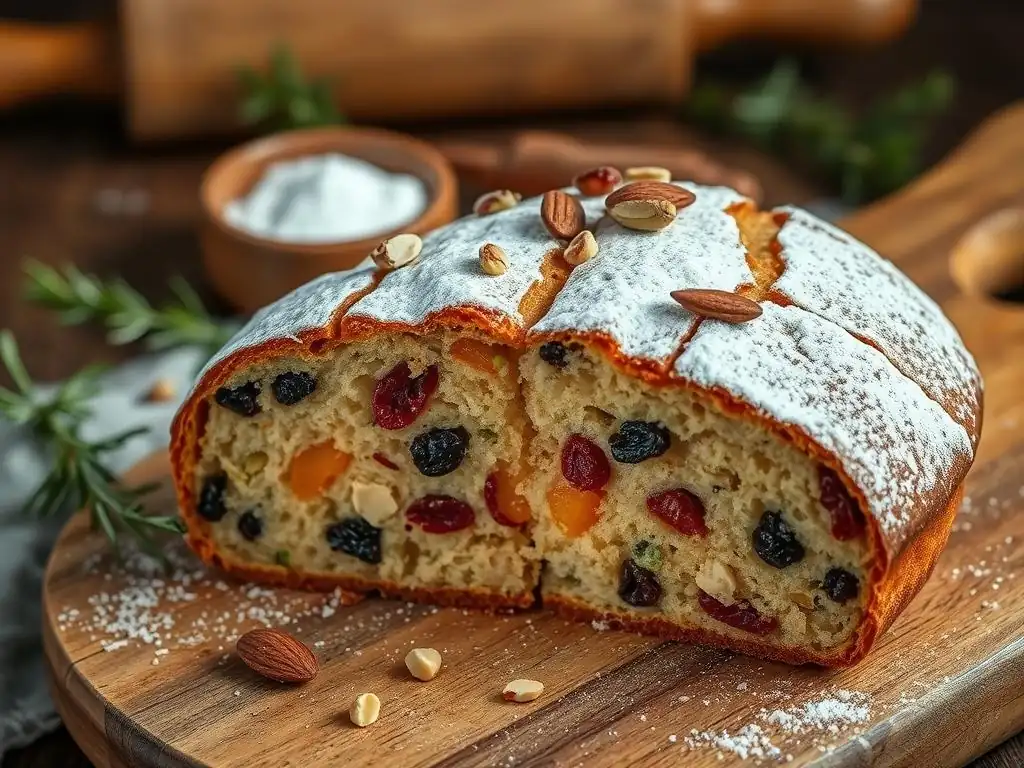
What to Do if Your Stollen is Too Dry
If your gluten-free Christmas stollen recipe turns out drier than you hoped, there are a few potential culprits and remedies. Over-baking is the most common cause; check doneness earlier next time. Insufficient fat or liquid in the dough can also lead to dryness; ensure you accurately measure ingredients, especially butter and milk/liquid. Using a gluten-free flour blend that is too high in starches or lacks sufficient binder can also contribute to a crumbly, dry texture.
If you find the finished stollen is already dry, the traditional butter and powdered sugar coating helps lock in some moisture, so be generous with this step. For slicing and serving, a light brush of melted butter or a drizzle of simple syrup (equal parts sugar and water, heated until sugar dissolves) on individual slices can add moisture. Storing the stollen correctly, tightly wrapped, is crucial for preventing further drying. For your next bake, consider slightly increasing the butter or liquid, ensuring your fruits are well-soaked, and double-checking your oven temperature and baking time.
Dealing with a Sticky Gluten-Free Dough
A common characteristic of gluten-free Christmas stollen recipe dough is its stickiness compared to wheat dough. This is normal due to the different flour composition and lack of gluten development. If the dough is excessively sticky and difficult to handle, avoid the temptation to add large quantities of extra flour directly into the mix, as this can make the baked stollen dry.
Instead, try these techniques: lighty flour your work surface and your hands with gluten-free flour. Use a bench scraper or spatula to help manage the dough. Working quickly helps, as the warmth of your hands can make it stickier.
Chilling the dough for 20-30 minutes before shaping can firm it up and make it much easier to handle. If rolling out the dough, place it between two sheets of parchment paper or plastic wrap. Embrace the fact that gluten-free dough will be different; it won't behave like elastic wheat dough, but it can still be shaped successfully with the right approach.
Ensuring Even Baking and Browning
Ensuring your gluten-free Christmas stollen recipe bakes evenly and achieves a beautiful golden brown crust requires attention to oven management. Preheat your oven fully before placing the stollen inside. Use an oven thermometer to verify the actual temperature, as oven thermostats can sometimes be inaccurate, by as much as 10-20°C (20-40°F). Placing the stollen on a baking sheet lined with parchment paper on the middle rack of the oven usually provides the most even heat distribution.
If you notice one side browning faster than the other, rotate the baking sheet halfway through the baking time. If the top is browning too quickly while the inside isn't fully cooked, loosely tent the stollen with aluminum foil. This reflects some of the heat away from the top, allowing the inside to catch up. The traditional butter and powdered sugar coating applied immediately after baking also contributes to the final appearance and helps create that lovely snowy look characteristic of a finished gluten-free Christmas stollen.
Nutritional Information for Gluten-Free Christmas Stollen
Calorie Count and Macronutrient Breakdown
Providing precise nutritional information for a gluten-free Christmas stollen recipe is challenging without specific ingredient quantities and brand information, as values can vary significantly based on the type of gluten-free flour blend used, the amount of butter, sugar, fruits, and marzipan. However, like traditional stollen, a gluten-free version is typically a rich, calorie-dense pastry. A standard slice (perhaps 1/10th or 1/12th of a loaf) could range anywhere from 300 to 500 calories or more, depending on the recipe's richness and portion size.
In terms of macronutrients, stollen is generally high in carbohydrates, primarily from the flours, sugars, and dried fruits. It is also relatively high in fat due to the significant amount of butter and the almonds in the marzipan. Protein content will vary based on the flour blend used and the inclusion of eggs, but it's typically not the primary macronutrient.
Dietary fiber content will be present due to the dried fruits and whole grain components in some gluten-free flour blends, but it's not typically considered a high-fiber food. Anyone needing precise nutritional data should calculate it based on the specific ingredients and quantities used in their chosen gluten-free Christmas stollen recipe.
Allergen Information (Dairy-Free, Nut-Free Options)
When discussing a gluten-free Christmas stollen recipe, it's important to address other common allergens. The standard recipe, as described, contains dairy (butter, milk) and nuts (marzipan, sometimes added nuts). Therefore, it is not suitable for individuals with dairy allergies or nut allergies in its basic form.
However, as mentioned in the variations section, it is possible to adapt the recipe to be dairy-free by using vegan butter and plant-based milk alternatives. Creating a nut-free version is more challenging because marzipan, a key component, is made from almonds. While some recipes omit marzipan, it significantly changes the character of the stollen.
If a nut-free stollen is required, the marzipan must be excluded, and any added nuts should be omitted. Ensure all other ingredients, like dried fruits or sprinkles, are certified nut-free to avoid cross-contamination. Always clearly label your gluten-free Christmas stollen with potential allergens, even if adapted, to ensure the safety of those with dietary restrictions.
Health Benefits of Gluten-Free Baking
While a gluten-free Christmas stollen recipe is undeniably a holiday indulgence rather than a health food staple, gluten-free baking itself offers significant health benefits for specific populations. The most obvious benefit is for individuals with celiac disease, an autoimmune disorder where gluten ingestion damages the small intestine. For them, strictly avoiding gluten is medically necessary for health and well-being. Gluten-free baking allows them to safely enjoy baked goods.
Similarly, people with non-celiac gluten sensitivity experience adverse symptoms from gluten and benefit from a gluten-free diet. Beyond these, some gluten-free flour blends, particularly those incorporating whole grains like brown rice, sorghum, or millet, can offer more dietary fiber and certain nutrients compared to refined wheat flour. However, it's important to note that not all gluten-free baked goods are inherently healthier; many rely on refined starches and added sugars. The primary health benefit of a gluten-free Christmas stollen recipe lies in providing a safe and enjoyable option for those who medically require a gluten-free diet during the festive season.
Conclusion: Enjoy Your Homemade Gluten-Free Christmas Stollen
Frequently Asked Questions
What exactly is a Christmas Stollen?
A Christmas Stollen is a traditional German fruit bread eaten during the Christmas season. It's typically made with dried fruits, nuts, and often a marzipan core, and dusted with powdered sugar.
Is this recipe truly gluten-free?
Yes, this GlutenFree Christmas Stollen with Dried Fruits and Marzipan recipe is designed to be completely gluten-free. It utilizes gluten-free flour blends and avoids any ingredients containing gluten.
What kind of dried fruits are best for this recipe?
A mix of dried fruits is ideal! Consider using raisins, cranberries, candied citrus peel, and currants. You can adjust the amounts based on your personal preference.
Can I make this stollen ahead of time?
Absolutely! Stollen actually improves with age. Wrap it tightly and store it in a cool, dry place for up to 2 weeks to allow the flavors to meld.
What if I don't like marzipan? Can I omit it?
While marzipan is a traditional component, you can definitely omit it. Simply leave it out during the shaping process. You might consider adding extra dried fruit or nuts to compensate.
The enduring appeal of traditional Christmas treats meets the modern need for dietary flexibility. This recipe, a gluten-free take on the classic Christmas Stollen, demonstrates that cherished holiday traditions can be enjoyed by everyone, regardless of dietary restrictions. The rich flavors and satisfying texture prove that deliciousness doesn't have to compromise on health or inclusivity.
The journey of adapting this recipe, from experimenting with gluten-free flour blends to perfecting the marzipan heart, underscored the importance of culinary creativity and the power of sharing food. It's more than just a recipe; it's a symbol of adaptation and inclusivity in the kitchen, a space where traditions evolve and new memories are made. Food is symbolic of love when words are inadequate.
- Alan D. Wolfelt. This sentiment rings especially true during the holidays, when sharing food strengthens bonds and creates a sense of belonging.
This Christmas, I invite you to embrace the spirit of adaptation and experiment with this recipe. Don't be afraid to tweak it to your liking, to add your own personal touch, and to share the joy of baking (and eating!) this delicious gluten-free Stollen with loved ones. Let this recipe be a reminder that culinary traditions can be both cherished and reimagined, creating a festive experience that's both delicious and inclusive for everyone at your table.
Unleash Your Inner Baker: Craft a Festive Stollen!
Thanks for joining us on this delicious journey into gluten-free baking! We hope you've gained the confidence to tackle this festive treat. Now it's time to put your newfound skills to the test.
- Bake your own gluten-free Stollen: Follow our recipe and impress your friends and family with this delightful Christmas classic. Remember, even small adjustments can make it your own!
- Share your creation: Post a picture of your finished Stollen on social media using #BakeWithEaseStollen and tag us—we'd love to see your baking masterpiece!
- Explore more gluten-free festive recipes: Discover a world of delicious holiday treats on BakeWithEase.com, perfect for sharing or enjoying yourself this season.
Ready to share the joy of gluten-free baking? What unique twist will you add to your Stollen this year?