
Troubleshooting NutFree Cakes: Fixing Dryness and Crumbly Texture

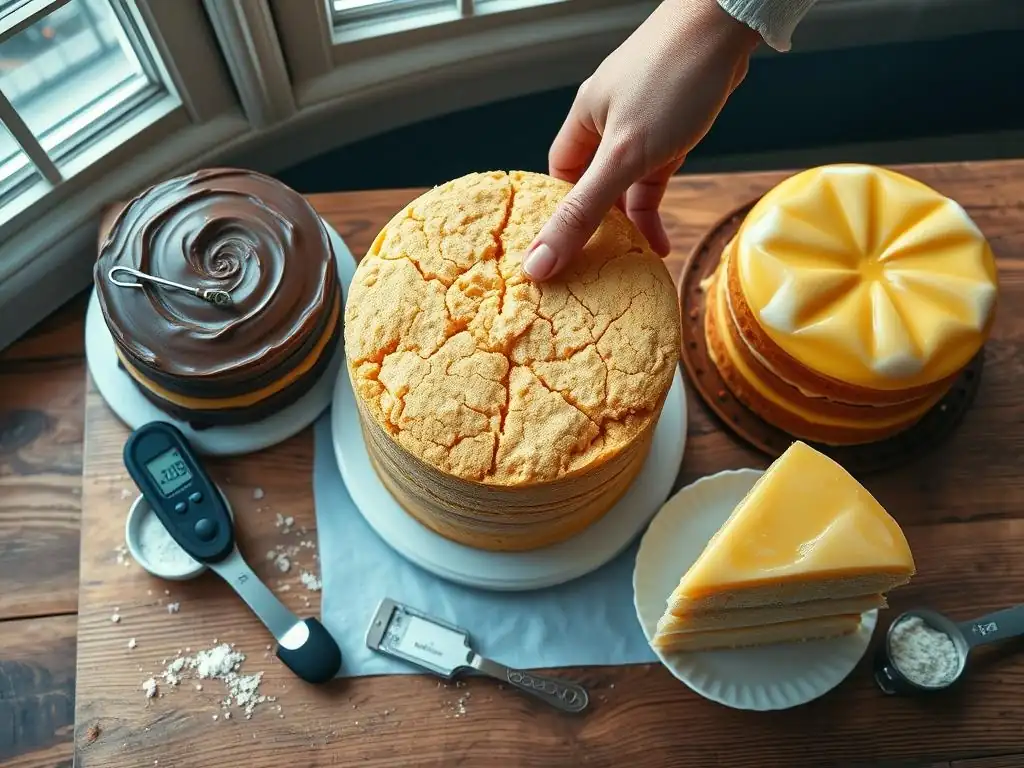
Welcome to BakeWithEase, where baking dreams become delicious realities! Are your nut-free cakes turning out drier than you'd hoped? Don't despair! Dive in to discover our essential guide to fix cake dryness, unraveling the secrets to a moist and flavorful crumb, even without nuts. We're about to solve your baking woes and leave you craving that next slice.
- Troubleshooting Nut-Free Cakes: Fixing Dryness and Crumbly Texture - BakeWithEase.com
- Introduction: Achieving the Perfect Nut-Free Cake Texture
- Understanding the Causes of Dry and Crumbly Nut-Free Cakes
- Diagnosing the Problem: Identifying the Root Cause of Your Dry Nut-Free Cake
- Solutions: How to Fix Dryness in Nut-Free Cakes
- Preventing Dryness in Future Nut-Free Cakes: Best Practices
- Nut-Free Cake Recipes for Guaranteed Moistness
- Conclusion: Enjoying Perfectly Moist Nut-Free Cakes Every Time
-
Frequently Asked Questions
- How can I prevent my nut-free cake from becoming dry?
- What ingredients can I substitute for nuts in a cake recipe to maintain moisture?
- Is it possible that overmixing is causing my nut-free cake to be dry?
- What role does the oven temperature play in the dryness of nut-free cakes?
- What are some common mistakes that lead to a crumbly texture in nut-free cakes?
- Final Reflection: The Sweet Science of Nut-Free Baking
- Unlock Your Nut-Free Baking Potential!
Troubleshooting Nut-Free Cakes: Fixing Dryness and Crumbly Texture - BakeWithEase.com
Introduction: Achieving the Perfect Nut-Free Cake Texture
Baking a delicious, moist cake is a joy, but tackling dietary restrictions like nut allergies can sometimes add a layer of complexity. Many traditional cake recipes rely on nuts or nut flours for structure, flavour, and perhaps most importantly, moisture and tenderness. When you remove these ingredients, you need to understand how to compensate to avoid common pitfalls, especially the dreaded dry and crumbly texture. Finding the right nutfree cake dryness fix is essential for baking success that everyone can enjoy safely.
This guide from BakeWithEase is here to help you navigate the challenges of creating perfectly moist and tender nut-free cakes. We'll explore the science behind why nut-free cakes can sometimes turn out dry, how to diagnose the root cause in your own baking, and provide actionable solutions to rescue a dry cake or prevent dryness from happening in the first place. Our goal is to empower you with the knowledge and techniques needed to bake delightful nut-free treats with confidence, ensuring your cakes are always a delicious success.
Why Nut-Free Cakes Can Be Challenging: Understanding the Baking Science
Removing nuts or nut-based ingredients from a cake recipe significantly alters the balance of fats, proteins, and starches that contribute to texture and moisture. Nuts, particularly almond flour or ground hazelnuts, often provide a source of fat and protein that tenderizes the crumb and helps retain moisture. A typical wheat-based cake might rely on butter or oil for fat and wheat protein (gluten) for structure.
Nut flours add another dimension, contributing their own fat content, which can range from around 45-50% in almond flour, and protein, often 20-25%. When you substitute these with standard wheat flour or a gluten-free blend that lacks this specific fat and protein profile, the resulting batter can be less rich and the final cake prone to drying out more quickly.
Furthermore, the structure provided by nuts differs from that of gluten or starches. Nut particles can disrupt the gluten network or the starch gel structure, leading to a more tender crumb. Without this disruption, and depending on the substitute ingredients used, the cake can become tough or, conversely, too fragile and crumbly if there isn't enough binding structure. Understanding these basic interactions between fats, proteins, and starches is the first step in mastering the art of baking a moist nut-free cake. A successful nutfree cake dryness fix involves carefully balancing these elements in your modified recipe.
BakeWithEase's Guide to Moist and Delicious Nut-Free Cakes
Creating a moist and tender nut-free cake isn't just about swapping ingredients; it's about understanding how different components interact during the baking process. Our comprehensive guide will walk you through the common culprits behind dry, crumbly nut-free cakes and equip you with practical strategies to achieve the perfect texture every time. We believe that everyone, regardless of dietary needs, deserves to enjoy delicious baked goods, and eliminating nuts shouldn't mean sacrificing moisture or flavour.
We'll delve into the specifics of ingredient roles, from the importance of fat and protein to the impact of different flours and binders. You'll learn how common mistakes in technique can lead to dryness and, most importantly, discover effective solutions to adjust recipes and modify baking methods for optimal results. Whether you're starting from scratch with a new recipe or troubleshooting a favourite that didn't turn out quite right, this guide provides the insights you need. Fixing a dry nut-free cake is achievable with the right knowledge and approach.
Understanding the Causes of Dry and Crumbly Nut-Free Cakes
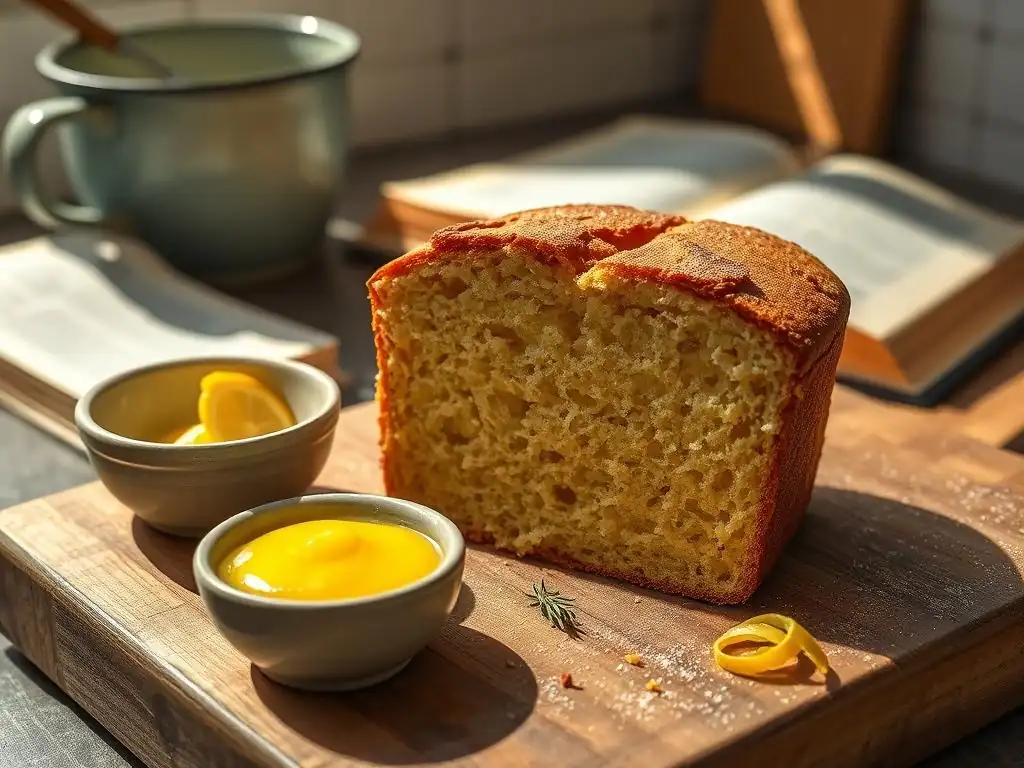
When a nut-free cake turns out dry or crumbly, it's usually due to one or a combination of factors related to ingredients, ratios, or technique. Unlike traditional cakes where nuts might contribute moisture and tenderness, nut-free versions require careful formulation to compensate for their absence. Identifying the specific cause is the first step towards finding the right nutfree cake dryness fix. It's like being a detective in your kitchen, looking for clues in the recipe and the baking process.
Common issues range from simply overbaking to using ingredients that absorb too much moisture or failing to provide adequate structure without the binding properties that nuts can sometimes offer alongside fats. We'll break down the key elements that influence cake texture and explain how they can go wrong in a nut-free context.
The Role of Fats and Oils in Nut-Free Baking
Fats and oils are crucial for moisture and tenderness in cakes. They coat flour particles, inhibiting gluten development (in wheat flour) or starch hydration, which results in a softer, more tender crumb. They also add richness and contribute to the sensation of moisture when eating the cake. In many traditional recipes, nuts or nut flours contribute a significant amount of fat.
For example, almond flour contains approximately 45-50% fat by weight. When you remove this and replace it solely with standard flour, which is much lower in fat (e.g., all-purpose wheat flour is about 1% fat, rice flour less than 1%), you drastically reduce the overall fat content of the batter. This lower fat level means less interference with structure-building components, potentially leading to a tougher texture, and a definite lack of the lubricating effect that fat provides for a moist mouthfeel.
Substituting nuts requires careful consideration of how to reintroduce sufficient fat. Using a recipe that relies heavily on a low-fat nut-free flour blend without increasing other fat sources like butter, oil, or even fattier liquids (like full-fat coconut milk) is a common reason for dryness. Oil, in particular, is often more effective at keeping cakes moist than solid fats like butter because it remains liquid at room temperature and coats flour particles more thoroughly and permanently.
Butter contains water (typically around 15-18%), which can evaporate during baking, while oil is 100% fat. Understanding how different fats behave and ensuring adequate fat levels are maintained or increased when removing nuts is a fundamental nutfree cake dryness fix.
Protein Content and Its Impact on Cake Texture
Protein plays a vital role in cake structure. In wheat flour, gluten protein forms a network that gives the cake its framework. In gluten-free and nut-free baking, other proteins or binding agents must provide this structure. While nuts do contain protein (almond flour is roughly 20-25% protein), their primary contribution to texture in traditional recipes often comes from their fat and bulk.
However, when substituting nut flour, the protein content of the replacement flour matters. Using a low-protein nut-free flour blend (like one based heavily on rice or tapioca flour, which are low in protein) without adding alternative protein sources or binders can result in a cake that lacks structure and crumbles easily. The crumbly texture is often linked to dryness because a weak structure cannot hold onto moisture effectively.
Some nut-free alternatives, like soy flour or certain legume-based flours, are higher in protein, but they can introduce off-flavours or different textures. Other ingredients like eggs contribute protein and help with binding. The balance of protein to starch and fat is delicate. Too much protein can make a cake tough; too little, especially in a nut-free, gluten-free context, can make it fragile and dry out quickly. Ensuring your nut-free flour blend or recipe compensates for the protein and binding power that nuts might have provided is key to preventing a crumbly, dry outcome.
Gluten Development in Nut-Free Cake Recipes
While the focus is on nut-free cakes, many bakers making nut-free cakes also choose gluten-free options to avoid cross-contamination risks or cater to multiple allergies. In a traditional wheat-based cake, gluten development provides the elastic structure that traps air and steam, allowing the cake to rise and maintain a tender crumb. Too much gluten development (from overmixing wheat flour batter) can lead to a tough cake. In a nut-free, gluten-free cake, the challenge is creating enough structure without gluten.
Nut-free, gluten-free flour blends often rely on a mix of starches (like rice, tapioca, corn) and sometimes lower-protein flours (like sorghum or millet). Without gluten, these cakes can be prone to crumbling if there isn't a binding agent to hold them together. This lack of internal structure also means the cake can't hold onto moisture as effectively as a cake with a well-developed (but not tough) gluten network or a robust alternative binding system.
The result? A cake that feels dry and falls apart easily. Addressing the structural needs of a nut-free, often gluten-free, cake is a crucial part of the nutfree cake dryness fix.
Common Mistakes Leading to Dryness in Nut-Free Cakes
Beyond the inherent challenges of ingredient substitution, several common mistakes in the baking process itself can lead to a dry nut-free cake. One of the most frequent culprits is simply overbaking. Baking for too long, even by a few minutes, or at too high a temperature, evaporates precious moisture from the cake batter. Nut-free and gluten-free batters can sometimes bake faster or dry out more quickly than traditional ones due to differences in how the starches and alternative proteins hydrate and set.
Another common error is inaccurate measurement, particularly of flour. Scooping flour directly from the bag can result in significantly more flour by weight than intended, leading to a dry batter with too much dry ingredient relative to the liquids and fats.
Overmixing the batter, while less likely to cause toughness in a gluten-free mix, can still negatively impact texture by incorporating too much air initially, which then escapes during baking, or by over-developing alternative binders, leading to a gummy or dense texture that can feel dry. Using ingredients straight from the fridge instead of at room temperature can also affect how they emulsify, potentially leading to a less cohesive batter and a drier cake.
Diagnosing the Problem: Identifying the Root Cause of Your Dry Nut-Free Cake
When faced with a dry or crumbly nut-free cake, it's helpful to play detective and consider the potential causes based on how the cake looks, feels, and tastes, as well as reviewing your baking process. Think back to each step you took and compare it against best practices. Was the texture uniform, or was it drier in some spots than others? Did the cake brown too quickly? Did it seem to shrink excessively from the sides of the pan? Asking these questions can point you towards the specific issue, helping you find the most effective nutfree cake dryness fix.
Examining the finished cake and recalling the steps you followed can provide valuable clues. A cake that is very brown or hard around the edges but seems okay in the center might indicate overbaking or an oven temperature issue. A cake that crumbles into fine particles might suggest a lack of binder or fat. A cake that seems dense and dry could be the result of too much flour or insufficient leavening.
Is it Overbaking? Check Your Oven Temperature
Overbaking is arguably the most common reason for a dry cake, nut-free or otherwise. As a cake bakes, moisture evaporates. Baking too long simply allows too much moisture to escape. Signs of overbaking include a dark brown crust (often darker than specified in the recipe), a crumb that is hard or tough, and a toothpick inserted into the center coming out completely clean, perhaps even with dry crumbs clinging to it, rather than just moist ones.
Your oven temperature plays a significant role here. An oven thermostat can be inaccurate, sometimes by as much as 25-50°F (approx. 15-30°C). If your oven runs hot, your cake will bake faster and be more prone to drying out, even if you bake for the time specified in the recipe.
Using an independent oven thermometer is highly recommended to verify your oven's actual temperature. If it's consistently hotter than the setting, you'll need to adjust by lowering the temperature or significantly reducing the baking time. Baking at a slightly lower temperature for a bit longer can sometimes help promote a more even bake and retain moisture.
Ingredient Imbalance: Analyzing Your Recipe
A dry nut-free cake can often stem from an imbalance in the ratio of wet ingredients (liquids, eggs, fats) to dry ingredients (flour, sugar, leaveners). Nut-free flour blends can vary significantly in their absorbency.
A blend heavy on starches might absorb less liquid initially but release it faster during baking, while one with more whole grains or alternative flours might require more liquid. If your recipe was originally designed for wheat flour or a specific nut flour and you've swapped in a nut-free blend without adjusting liquids or fats, you might have too much dry ingredient relative to the wet.
Review your recipe critically. Compare the total weight or volume of wet ingredients (milk, oil, eggs, yogurt, etc.) to the total weight or volume of dry ingredients (flour blend, sugar, cocoa powder, leavening). While there's no single perfect ratio, a typical moist cake often has wet ingredients roughly equal to or slightly more than the dry ingredients by weight, excluding sugar. If your dry ingredients significantly outweigh your wet ones, this is a strong indicator that the recipe needs adjustment to prevent dryness. A common nutfree cake dryness fix involves increasing the liquid or fat slightly.
Mixing Techniques: Are You Overmixing or Undermixing?
The way you mix your cake batter can also affect its final texture and moisture. While overmixing is a major concern in wheat-based cakes due to gluten development, it can still be an issue in nut-free, gluten-free baking. Overmixing can potentially overwork the alternative binders (like xanthan gum) or emulsifiers in the batter, leading to a gummy or dense texture that feels dry. It can also incorporate too much air initially, which then collapses during baking, resulting in a dense, dry layer at the bottom.
Conversely, undermixing can leave pockets of unmixed dry ingredients or result in an uneven distribution of fats and liquids. This can lead to a cake with inconsistent texture, including dry, crumbly patches. The goal is to mix until the ingredients are just combined and the batter is smooth, with no streaks of dry flour visible. Follow recipe instructions carefully regarding mixing time and speed, and err on the side of gentle mixing once the wet and dry ingredients are combined.
Using the Wrong Flour: Choosing the Right Gluten-Free or Nut-Free Flour Blend
The choice of nut-free flour blend is perhaps one of the most critical factors influencing the texture and moisture of your cake. Different blends have different compositions of starches, flours (like rice, sorghum, millet, tapioca, potato), and binders (like xanthan gum or guar gum). Some blends are formulated specifically for cakes, aiming for a tender, moist crumb, while others are more general purpose or designed for bread or pastry, which require different properties.
Using a blend that is too high in absorbent starches without sufficient fat or liquid can lead to a dry cake. Similarly, a blend that lacks adequate protein or binder can result in a crumbly texture that doesn't hold moisture well. If your dry nut-free cake resulted from using a new or unfamiliar flour blend, consider its composition. A blend designed for general baking might need adjustments to the liquid and fat content when used for cakes. Researching or experimenting with blends specifically marketed for cakes can be a good nutfree cake dryness fix.
Solutions: How to Fix Dryness in Nut-Free Cakes
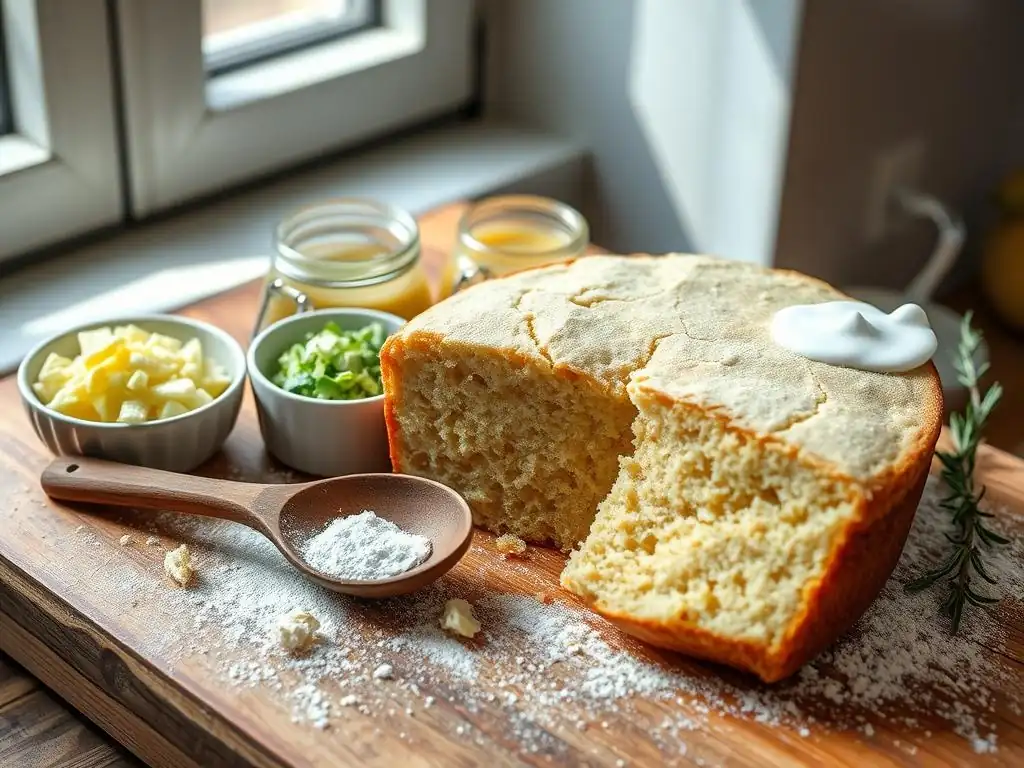
Once you've identified the likely cause of your dry nut-free cake, you can implement targeted solutions. These fixes generally fall into three categories: adjusting the recipe itself, modifying your baking technique, or making better ingredient choices for future baking. Often, a combination of these approaches yields the best results. Remember, finding the perfect nutfree cake dryness fix might require a little experimentation, but the results are worth it!
Don't be discouraged if your first attempt isn't perfect. Baking, especially with dietary modifications, is a learning process. Each "failed" cake is a step towards understanding what works best with your ingredients, your oven, and your specific recipe.
Adjusting Your Recipe for Increased Moisture
Modifying a dry nut-free cake recipe involves adding ingredients that boost moisture and tenderness. These additions can replace some of the dry ingredients or simply increase the overall wet-to-dry ratio. Small adjustments can make a big difference.
Adding More Liquid: Milk, Yogurt, or Sour Cream
Increasing the amount of liquid in the batter is a straightforward way to add moisture. This could mean adding an extra tablespoon or two of milk, buttermilk, or a dairy-free alternative. Buttermilk, yogurt, or sour cream (dairy or non-dairy versions) are particularly effective because their acidity helps tenderize the crumb. The fats in yogurt or sour cream also contribute to richness. For example, if your recipe calls for 1 cup of milk, try adding an extra 2-4 tablespoons (approx. 30-60 ml) of milk or buttermilk in your next attempt.
Be cautious not to add too much liquid, as this can result in a cake that is dense, gummy, or doesn't bake through properly. Start with small increases, perhaps 10-15% more liquid than the original recipe, and adjust in future batches if needed. This simple nutfree cake dryness fix can often significantly improve texture.
Incorporating Fruit Purees: Applesauce, Banana, or Pumpkin
Fruit purees like unsweetened applesauce, mashed ripe banana, or pumpkin puree are excellent moisture enhancers and can often partially replace fats in a recipe, though their primary role here is adding liquid and some soluble fiber which helps retain moisture. A common guideline is to replace up to half of the fat (butter or oil) in a recipe with an equal amount of fruit puree by weight or volume. For instance, if a recipe calls for 1/2 cup of oil, you could try using 1/4 cup oil and 1/4 cup applesauce.
These purees add bulk and moisture without adding significant fat, making the cake feel lighter yet still incredibly moist. They also add a subtle flavour, so choose one that complements your cake (applesauce is quite neutral, banana works well with chocolate or spice cakes, pumpkin with spice). This is a popular nutfree cake dryness fix in healthier baking, but works equally well in standard recipes needing a moisture boost.
Using Oil Instead of Butter: A Moisture Boost
As mentioned earlier, oil tends to produce a moister cake than butter because it is 100% fat and liquid at room temperature, coating flour particles more effectively and preventing dryness. If your nut-free cake recipe uses butter and consistently turns out dry, consider swapping some or all of the butter for a neutral-flavoured oil like canola, vegetable, or melted coconut oil.
A common substitution ratio is to use about 3/4 the amount of oil for the amount of butter called for (e.g., if the recipe calls for 1 cup of butter, use about 3/4 cup of oil). However, butter also contributes flavour and helps with leavening in some creaming methods, so a full substitution might alter the cake's character. Experiment with substituting half the butter for oil first. This simple change can make a significant difference in the moistness of your nut-free cake.
Modifying Your Baking Technique
Even with a perfectly balanced recipe, incorrect baking technique can lead to dryness. Adjusting how you bake the cake can be a powerful nutfree cake dryness fix.
Reducing Baking Time: Preventing Overbaking
One of the simplest and most effective ways to combat dryness is to reduce the baking time. Start checking for doneness before the time suggested in the recipe, especially if you suspect your oven runs hot or your cake tends to dry out quickly. Use a toothpick or cake tester inserted into the center of the cake. It should come out with moist crumbs attached, not completely clean and dry.
Begin checking 5-10 minutes before the minimum baking time specified. If the recipe says "Bake for 30-35 minutes," start checking at 25 minutes. A cake that is just barely done will be much moister than one baked "just in case" for a few extra minutes. The cake continues to cook slightly from residual heat after being removed from the oven.
Lowering Oven Temperature: Gentle Baking
If your oven runs hot, or if your cakes consistently have dark, dry edges, lowering the oven temperature can help. Try reducing the temperature by 25°F (approx. 15°C). This will require a slightly longer baking time, but the gentler heat allows the cake to bake through more evenly and reduces the rate of moisture evaporation from the surface.
Using an oven thermometer to confirm your oven's accuracy is crucial before making significant temperature adjustments. Once you know how your oven behaves, you can make informed decisions about temperature settings. Baking at a slightly lower temperature is an excellent strategy for achieving a moist nut-free cake.
Wrapping the Cake: Trapping Moisture During Baking
For cakes that are particularly prone to drying out, especially around the edges or top, you can try wrapping the pan. Some bakers wrap the outside of the cake pan with damp baking strips or a damp towel wrapped in foil. This insulates the sides of the pan, helping the cake rise more evenly and preventing the edges from setting and drying out before the center is done.
Another technique, particularly useful for sheet cakes or brownies, is to loosely tent the top of the cake with foil partway through baking if the top is browning too quickly. This reflects heat away from the surface, allowing the inside to finish baking without the top drying out. These methods can help trap steam and moisture around the cake as it bakes, contributing to a moister final product.
Choosing the Right Ingredients for Moist Nut-Free Cakes
Selecting the right ingredients from the start is key to preventing dryness. Not all nut-free flours or binders are created equal when it comes to baking moist cakes.
Best Nut-Free Flour Blends for Moist Cakes
Look for nut-free, gluten-free flour blends that are specifically formulated for cakes or contain a good balance of different flours and starches designed to mimic wheat flour's texture properties. Blends that include a mix of rice flour (white or brown), sorghum flour, millet flour, and starches like tapioca or potato starch often perform well. Some high-quality blends also incorporate a small amount of protein-rich flour like fava bean or chickpea flour (though these can affect flavour).
Avoid blends that are solely made up of one or two types of starch, as these can sometimes lead to a gummy or dry texture. Reading reviews or checking the ingredient list for a balanced mix is a good approach. Experimenting with different brands might be necessary to find the one that gives you the best nutfree cake dryness fix.
Using Binding Agents: Xanthan Gum, Guar Gum, or Psyllium Husk
In nut-free, gluten-free baking, binding agents are essential to provide the structure that gluten would normally offer and prevent crumbliness, which is often linked to dryness. Xanthan gum, guar gum, or psyllium husk powder are commonly used. These ingredients absorb moisture and create a gel-like network that holds the cake together.
The amount needed varies depending on the flour blend and the recipe, but typically ranges from 1/4 to 1 teaspoon per cup of flour blend. Too little binder results in a crumbly cake; too much can make it gummy or dense. Many good quality nut-free, gluten-free flour blends already contain a binder, so check the ingredient list. If your blend doesn't contain one and your cakes are crumbly, adding a small amount can significantly improve texture and moisture retention.
Adding Moisture-Rich Ingredients: Mashed Sweet Potato
Beyond fruit purees, other cooked and mashed vegetables like sweet potato or even avocado can add significant moisture and tenderness to nut-free cakes, particularly chocolate cakes where their flavour is less noticeable. Like fruit purees, they add bulk, moisture, and some soluble fiber.
Using mashed sweet potato (ensure it's cooked and well-mashed or pureed) can replace some of the fat or liquid in a recipe. It works particularly well in spice cakes or chocolate cakes. Start by substituting a portion of the fat or liquid with an equal amount of the puree and see how it affects the texture. This can be a surprisingly effective nutfree cake dryness fix, adding nutritional value as well!
Preventing Dryness in Future Nut-Free Cakes: Best Practices
Prevention is always better than cure. By adopting careful habits and understanding the nuances of nut-free baking, you can significantly reduce the chances of ending up with a dry or crumbly cake. Consistency in your methods and attention to detail are your best allies in achieving perfectly moist nut-free cakes every time.
Implementing these best practices will not only help prevent dryness but also improve the overall consistency and quality of all your nut-free baked goods. Finding the right nutfree cake dryness fix involves mastering the fundamentals.
Accurate Measurement: Precision is Key
Baking is a science, and accuracy in measuring ingredients is paramount, especially in nut-free and gluten-free baking where ingredient interactions can be less forgiving. Using a kitchen scale to weigh your dry ingredients, particularly flour, is the most accurate method. Volume measurements (using cups) can vary significantly depending on how the ingredient is scooped and levelled. For example, a cup of flour can weigh anywhere from 120g to 150g depending on how packed it is. This variation can drastically alter the dry-to-wet ratio in your recipe.
If you must use volume measurements, use the spoon-and-level method: lightly spoon the flour into the measuring cup until it overflows, then level it off with a straight edge without packing the flour down. Measure liquids in a liquid measuring cup at eye level. Precise measurement ensures you are using the correct ratios intended by the recipe developer, which is fundamental to preventing a dry nut-free cake.
Proper Mixing: Avoiding Overmixing
As discussed earlier, overmixing can negatively impact texture. Creaming butter and sugar (if using butter) until light and fluffy is important for aeration. However, once the dry ingredients are added, mix only until they are just combined and no streaks of dry flour are visible. Use a low speed on your mixer or mix gently by hand.
Developing the structure in nut-free, gluten-free cakes relies on hydrating starches and activating binders, which happens relatively quickly. There's no gluten network to develop, so prolonged mixing is unnecessary and potentially detrimental. Stop mixing as soon as the batter looks uniform.
Oven Calibration: Ensuring Accurate Temperature
An accurately calibrated oven is essential for consistent baking results. As mentioned, oven temperatures can be off by a significant margin. Investing in an inexpensive oven thermometer and placing it in the center of your oven will tell you the true temperature.
If your oven is consistently off, you have two options: get it professionally calibrated, or simply adjust the temperature setting based on the thermometer reading. If it reads 25°F (approx. 15°C) low, set your oven 25°F higher than the recipe calls for. If it reads high, set it lower. Knowing your oven's quirks allows you to bake at the correct temperature, preventing the overbaking that leads to a dry nut-free cake.
Storing Your Nut-Free Cake: Keeping it Fresh
How you store your baked nut-free cake is just as important as how you bake it in preventing it from drying out after it's cooled. Air is the enemy of moisture in cakes. Once the cake has cooled completely on a wire rack, store it properly.
An unfrosted cake is best stored wrapped tightly in plastic wrap, then possibly a layer of foil, or placed in an airtight cake carrier. Frosted cakes can be stored in a cake carrier or under a cake dome. If refrigerating, ensure it's well-wrapped, as the cold air in the fridge is very drying. Bring refrigerated cake back to room temperature before serving for the best texture. For longer storage, freeze well-wrapped slices or whole cakes. Proper storage helps maintain the moisture you worked so hard to achieve, ensuring your nut-free cake stays delicious.
Nut-Free Cake Recipes for Guaranteed Moistness
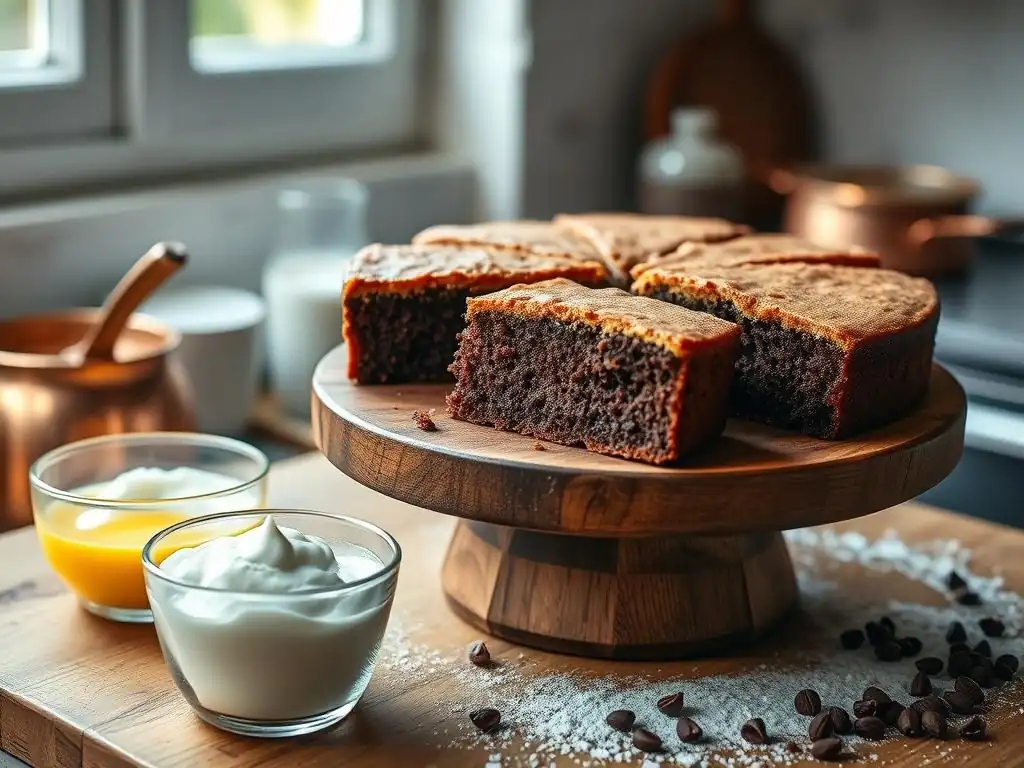
At BakeWithEase, we've developed and tested recipes specifically designed to be moist and delicious even without nuts. These recipes incorporate the principles discussed in this guide, using carefully balanced ingredients and techniques to ensure a tender crumb and rich flavour.
We'll share some of our favourite tried-and-true nut-free cake recipes that consistently deliver excellent results. These recipes have been formulated with moisture retention in mind, often incorporating ingredients like oil, buttermilk, or specific flour blends known for producing moist cakes.
BakeWithEase's Signature Moist Nut-Free Chocolate Cake Recipe
Our signature nut-free chocolate cake is a reader favourite, praised for its deep chocolate flavour and incredibly moist, tender crumb. This recipe utilizes oil and hot liquid (like coffee or hot water) to bloom the cocoa powder and ensure maximum moisture. It's a simple, reliable recipe that demonstrates many of the nutfree cake dryness fix strategies in action.
This recipe is a perfect example of how choosing the right fat (oil) and liquid, combined with proper mixing and baking temperatures, results in a cake that stays moist for days.
Delicious Nut-Free Vanilla Cake Recipe: A Step-by-Step Guide
Creating a moist vanilla cake without nuts or gluten can be particularly challenging, as there's no strong flavour like chocolate to mask texture issues. Our vanilla cake recipe uses a specific blend of nut-free flours and binders, combined with moisture-rich ingredients like yogurt or sour cream and a careful balance of fats, to produce a tender, flavourful cake.
This step-by-step guide walks you through the process, highlighting key techniques like creaming and gentle mixing to ensure a light, moist crumb. It's a versatile base perfect for any occasion, proving that a dry nut-free cake is absolutely avoidable.
Exploring Other Nut-Free Cake Variations: Red Velvet
Red Velvet cake is known for its distinctive colour and tender, slightly tangy crumb, traditionally achieved with a combination of cocoa, vinegar, and buttermilk. Adapting this classic to be nut-free requires attention to maintaining its signature moisture and texture.
Our nut-free Red Velvet recipe uses similar principles to our other moist cakes, focusing on the right balance of fat, liquid (often buttermilk or a cultured dairy-free alternative), and a reliable nut-free flour blend, potentially with added cocoa powder. It's another delicious example of how strategic ingredient choices and careful technique lead to a wonderfully moist nut-free cake.
Conclusion: Enjoying Perfectly Moist Nut-Free Cakes Every Time
Baking nut-free cakes doesn't have to mean settling for dry, crumbly results. By understanding the basic science of how ingredients interact, recognizing the common causes of dryness, and applying targeted solutions, you can consistently bake moist, tender, and delicious cakes that are safe for everyone to enjoy. Finding the right nutfree cake dryness fix is a skill that improves with practice and knowledge.
From adjusting recipes by adding moisture-rich ingredients like purees or extra liquid, to modifying baking techniques like lowering the temperature or reducing time, you have many tools at your disposal. Choosing the right nut-free flour blend and using accurate measurements and proper mixing techniques are fundamental preventive measures.
Key Takeaways for Baking Success
- Fats and liquids are crucial for moisture; ensure your nut-free recipe compensates for the fat lost by removing nuts.
- The right nut-free flour blend and appropriate binders (like xanthan gum) are essential for structure and moisture retention.
- Overbaking is a primary cause of dryness; use an oven thermometer and check for doneness early.
- Accurate ingredient measurement, especially by weight, is vital for consistent results.
- Proper storage after baking helps maintain moisture.
By keeping these points in mind and utilizing the strategies outlined in this guide, you are well on your way to mastering the art of baking perfectly moist nut-free cakes.
Further Resources: More Nut-Free Baking Tips from BakeWithEase
For more detailed guides, recipes, and tips on baking delicious treats that cater to various dietary needs, explore the Nut-Free Baking section of BakeWithEase.com. We offer a wealth of information to help you bake with confidence and ease, ensuring your kitchen is a place of joy and delicious discovery, free from common allergens.
Frequently Asked Questions
How can I prevent my nut-free cake from becoming dry?
To prevent dryness, focus on moisture retention. Techniques include adding more liquid, using oil instead of butter, and avoiding over-baking.
What ingredients can I substitute for nuts in a cake recipe to maintain moisture?
Good substitutes include applesauce, yogurt, or mashed bananas. These provide natural moisture and can help bind the ingredients without relying on nuts.
Is it possible that overmixing is causing my nut-free cake to be dry?
Yes, overmixing can develop too much gluten, leading to a tough and dry cake. Aim for just combining the ingredients until they are mixed.
What role does the oven temperature play in the dryness of nut-free cakes?
An oven that's too hot can cause the cake to bake too quickly on the outside while remaining undercooked inside, resulting in uneven baking and dryness. Always verify the temperature with an oven thermometer.
What are some common mistakes that lead to a crumbly texture in nut-free cakes?
Common mistakes include using too much flour, not enough fat, or relying solely on dry ingredients. These issues can result in a cake that falls apart easily.
Final Reflection: The Sweet Science of Nut-Free Baking
The quest for a moist, tender nut-free cake is a challenge many home bakers face, but mastering the techniques outlined in this article empowers you to conquer dryness and crumbly textures. This isn't just about avoiding nuts; it's about understanding the fundamental science of baking and how to adapt recipes for optimal results, a skill valuable for any baker, regardless of dietary restrictions.
The impact of nut allergies on baking extends far beyond simply omitting ingredients. It necessitates a deeper understanding of how nuts contribute to texture and moisture, forcing innovation and creativity in the kitchen. The greatest discoveries are often made by those who dare to question the established norms.
This quote perfectly encapsulates the spirit of nut-free baking – a constant exploration of new techniques and ingredients to achieve the desired outcome. The journey to perfect nut-free cakes has pushed the boundaries of baking, leading to exciting new flavor combinations and textures.
Now, it's your turn. Don't let the fear of dry, crumbly cakes deter you from exploring the delicious world of nut-free baking. Experiment with the tips and tricks discussed, adapt them to your own recipes, and most importantly, embrace the process of learning and refining your skills. The reward? A perfectly moist, flavorful nut-free cake that will delight you and your loved ones, proving that deliciousness knows no dietary boundaries.
Unlock Your Nut-Free Baking Potential!
Thanks for joining us on this delicious journey into nut-free baking! We hope you learned valuable techniques to conquer dryness and crumbliness in your cakes. Now it's time to put your newfound knowledge into practice!
- Bake your dream nut-free cake: Use the tips we shared to experiment with a new recipe or perfect your existing one. Imagine that fluffy, moist texture!
- Share your success (or challenges!): Post a picture of your creation on social media and tag us – we'd love to see your results!
- Explore our other nut-free recipes: Discover a whole world of delicious possibilities on BakeWithEase.com!
Ready to transform your baking game? What's your favorite nut-free ingredient to use, and what cake will you bake first?