
The Ultimate Beginner’s Guide to EggFree Baking: Tips, Ingredients, and Techniques

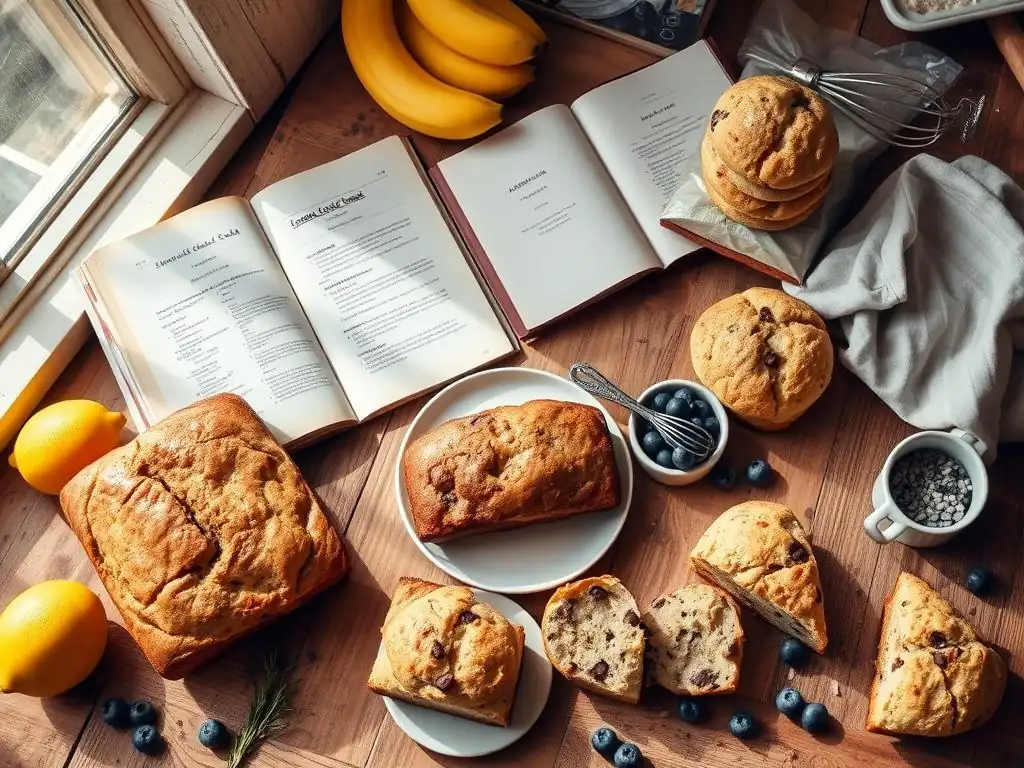
Welcome to BakeWithEase, where baking dreams become delicious realities! Are you ready to unlock the secrets of egg-free baking? This Ultimate Beginner's Guide dives deep into the world of egg-free baking, offering simple techniques, ingredient swaps, and expert tips that will transform your baking. Curious how to achieve perfect texture and flavor without eggs? Let's get started and discover the possibilities!
- Welcome to Egg-Free Baking with BakeWithEase
- Understanding Egg Replacers in Baking
- Essential Ingredients for Egg-Free Baking Success
- Egg-Free Baking Techniques for Beginners
- Delicious Egg-Free Baking Recipes to Get You Started
- Troubleshooting Common Egg-Free Baking Problems
- Advanced Egg-Free Baking Tips and Tricks
- Resources for Further Learning About Egg-Free Baking
- Embrace the World of Egg-Free Baking!
-
Frequently Asked Questions
- What is egg-free baking and why would someone choose to do it?
- What are some common egg substitutes that a beginner can use?
- Are there any specific ingredients I should avoid or be cautious of when starting egg-free baking?
- What are some easy egg-free recipes that are great for beginners?
- How can I troubleshoot common problems in egg-free baking, like dense or crumbly textures?
- Final Reflection: Unlocking the Delicious World of Egg-Free Baking
- Unlock Your Egg-Free Baking Potential!
Welcome to Egg-Free Baking with BakeWithEase
Discover the Joy of Baking Without Eggs
Embarking on the journey of egg-free baking opens up a world of delicious possibilities. Whether you're baking for someone with an egg allergy, adopting a vegan lifestyle, or simply looking to experiment with new techniques, learning to bake without eggs is a rewarding skill.
It challenges you to understand the fundamental roles eggs play in traditional recipes and find creative ways to replicate those functions using plant-based ingredients. This beginner egg-free baking guide is designed to equip you with the knowledge and confidence to successfully create everything from moist cakes to chewy cookies, proving that you don't need eggs to achieve fantastic results.
Beyond dietary needs, many bakers find joy in the innovation and problem-solving that comes with egg-free baking. It encourages a deeper understanding of how ingredients interact – how different flours absorb moisture, how leavening agents react, and how various fats contribute to texture. Mastering this niche can transform your baking repertoire, allowing you to cater to a wider audience and explore unique flavor combinations and ingredient profiles you might not have encountered otherwise.
Why Choose Egg-Free Baking?
Choosing egg-free baking is often driven by necessity, with egg allergies being among the most common food allergies, affecting approximately 1-2% of young children, although many outgrow them. For families managing this, knowing how to bake without eggs is essential for safety and inclusion, ensuring that celebratory treats or everyday snacks are accessible to everyone. A reliable beginner egg-free baking guide is invaluable in navigating these requirements safely and effectively.
Furthermore, many individuals opt for egg-free baking as part of a vegan diet or for ethical reasons related to animal welfare. Others choose it for perceived health benefits, such as reducing cholesterol intake. Regardless of the motivation, the demand for delicious, high-quality egg-free baked goods is growing. Learning to bake without eggs allows you to meet this demand, whether for personal enjoyment, baking for friends and family, or even starting a small business catering to specific dietary needs. It's a skill that enhances your versatility as a baker.
Understanding Egg Replacers in Baking
The Science Behind Egg Function in Baking
Eggs perform several crucial functions in traditional baking, acting as binders, leaveners, sources of moisture and fat, and contributors to color and flavor. As a binder, the protein in eggs coagulates when heated, helping to hold ingredients together and provide structure to baked goods like cakes and muffins. This structural role is particularly important in preventing crumbling.
In terms of leavening, whisked eggs incorporate air, which expands during baking, contributing to a light and airy texture, especially in recipes like sponges. The moisture and fat from the egg yolk add richness, tenderness, and help keep baked goods moist. Without eggs, recipes can become dry, dense, or crumbly if these functions aren't adequately replaced. Understanding these roles is the first step in successful beginner egg-free baking.
Popular Egg Substitute Options for Baking
Replacing eggs requires selecting substitutes that can mimic one or more of these functions. The best choice often depends on the specific recipe and the desired outcome. A good egg substitute guide for beginners will detail common options and their typical uses.
Applesauce as an Egg Replacement
Unsweetened applesauce is a popular egg substitute, typically used at a ratio of about 1/4 cup per egg. It primarily adds moisture and some binding due to its pectin content.
- Pros: Readily available, low in fat, adds moisture.
- Cons: Can add a slight apple flavor, may result in a denser, moister texture (sometimes gummy if too much is used). Best for muffins, quick breads, and some cakes where moisture is key.
Mashed Banana as an Egg Replacement
Similar to applesauce, ripe mashed banana (about 1/4 cup per egg) adds moisture and binding. It also contributes sweetness and a distinct banana flavor.
- Pros: Excellent binder, adds moisture and sweetness.
- Cons: Strong banana flavor that isn't suitable for all recipes, can make baked goods very dense. Works well in banana bread (obviously! ), muffins, and spice cakes where the flavor complements other ingredients.
Flaxseed Meal as an Egg Replacement
Often referred to as a "flax egg," this is made by whisking 1 tablespoon of flaxseed meal with 3 tablespoons of water and letting it sit for 5-10 minutes until it forms a gel-like consistency. This mixture replaces one egg.
- Pros: Good binder, adds fiber and healthy fats, neutral flavor (though texture can be slightly noticeable).
- Cons: Primarily a binder, doesn't provide leavening or richness. Best for items needing structure like cookies, muffins, and some quick breads.
Chia Seeds as an Egg Replacement
Similar to flax eggs, a "chia egg" is made with 1 tablespoon of chia seeds (whole or ground) and 3 tablespoons of water, left to gel for 5-10 minutes. This replaces one egg.
- Pros: Excellent binder, adds nutrients (omega-3s, fiber), relatively neutral flavor.
- Cons: Can leave small seed specks if not ground, mainly acts as a binder. Works well in similar applications to flax eggs, like cookies and muffins.
Commercial Egg Replacers: A Review
Various commercial egg replacer products are available, often made from starches (like potato or tapioca) and leavening agents. Popular brands include Ener-G Egg Replacer and Bob's Red Mill Egg Replacer.
- Pros: Convenient, designed specifically to mimic egg functions (often includes some leavening), generally flavorless.
- Cons: Can be more expensive, results vary by brand and recipe, may not perfectly replicate egg function in all applications (e.g., meringues). Follow package instructions carefully. Good for a beginner egg-free baking guide as they are often straightforward to use.
Choosing the Right Egg Substitute for Your Recipe
Selecting the appropriate egg substitute depends heavily on the primary role the egg plays in the original recipe. If the recipe relies heavily on eggs for structure and binding (like cookies or brownies), flax or chia eggs are often good choices. If the recipe needs moisture and a little binding (like muffins or quick breads), applesauce or banana can work, provided their flavor profile fits.
For recipes requiring significant leavening or a very light texture (like delicate cakes), a combination of replacers or a commercial blend might be necessary, often paired with additional leavening agents like baking powder. Consider the flavor, moisture level, and desired texture when making your selection.
Using the wrong substitute can lead to undesirable results, such as a gummy texture from too much fruit puree or a crumbly texture from using a binder where leavening was needed. Experimentation is key in beginner egg-free baking. Start with simple recipes and note how different substitutes affect the outcome.
Essential Ingredients for Egg-Free Baking Success
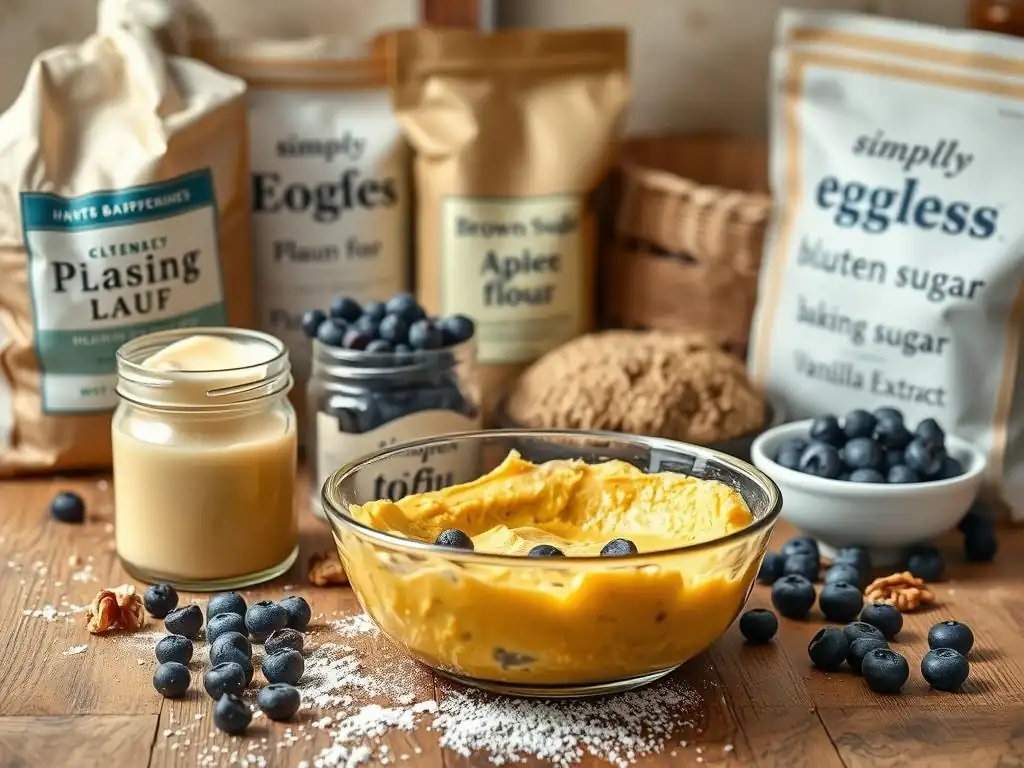
Flour Power: Selecting the Right Flour for Egg-Free Recipes
Choosing the correct flour is fundamental in any baking, and egg-free baking is no exception. All-purpose flour is a standard choice for many egg-free recipes, providing a good balance of protein and starch. However, egg-free batters can sometimes be denser than their traditional counterparts, so using a slightly lower protein flour or incorporating cake flour in delicate recipes can help achieve a lighter crumb.
For gluten-free egg-free baking, a high-quality all-purpose gluten-free blend is essential. These blends often contain a mix of rice flour, sorghum flour, tapioca starch, and potato starch, along with a binder like xanthan gum. Since eggs also act as binders, ensuring your gluten-free blend has adequate binding agents is crucial for preventing crumbly results in your beginner egg-free baking endeavors.
Leavening Agents: Baking Powder and Baking Soda in Egg-Free Baking
Leavening is perhaps the most critical function to replace in egg-free baking, especially for cakes and muffins. While eggs provide some leavening through trapped air, egg-free recipes rely heavily on chemical leaveners: baking powder and baking soda. Baking soda requires an acid (like vinegar, lemon juice, buttermilk alternative, or brown sugar) to activate and produce carbon dioxide gas, which creates lift.
Baking powder is a complete leavener, containing both an acid and a base, and reacts in two phases: once when mixed with liquid and again when heated in the oven. Egg-free recipes often require slightly increased amounts of baking powder or baking soda (or a combination) compared to traditional recipes to compensate for the lack of egg-based lift. A typical increase might be adding an extra teaspoon of baking powder per cup of flour, but this varies by recipe.
Sweeteners: Adding Moisture and Flavor without Eggs
Sweeteners like granulated sugar, brown sugar, maple syrup, or agave nectar do more than just add sweetness; they also contribute to moisture, tenderness, and browning in baked goods. In egg-free baking, where dryness can be a common issue, the choice of sweetener can play a significant role. Brown sugar, for instance, contains molasses which adds moisture and a chewy texture, making it excellent for egg-free cookies.
Liquid sweeteners like maple syrup or agave also add moisture and can affect the overall liquid balance of a recipe. When substituting granulated sugar with a liquid sweetener, you may need to slightly reduce other liquids in the recipe. The caramelization of sugars during baking also contributes to the golden-brown crust, which might differ slightly in appearance in egg-free bakes compared to traditional ones.
Fats and Oils: Achieving the Right Texture in Egg-Free Treats
Fats like butter, margarine, vegetable oil, and coconut oil are vital for tenderness, moisture, and richness. In egg-free baking, where eggs aren't providing fat and moisture, fats become even more important. Butter and margarine contribute flavor and structure (especially when creamed with sugar), while oils tend to make baked goods more moist and tender.
Choosing between solid fats (like butter or shortening) and liquid oils depends on the desired texture. Solid fats are preferred for flaky pastries or recipes where creaming is used to incorporate air, while liquid oils are excellent for moist cakes and muffins. Ensure you use the type of fat specified in a reliable egg-free baking beginner’s guide or recipe, as substituting indiscriminately can drastically alter the outcome. For vegan egg-free baking, use plant-based butters, margarines, or oils.
Egg-Free Baking Techniques for Beginners
Mastering the Mixing Method for Egg-Free Cakes
The mixing method significantly impacts the final texture of egg-free cakes. The "creaming method," where softened fat (like butter or margarine) is beaten with sugar until light and fluffy, is excellent for incorporating air and creating a tender crumb. This is followed by adding egg replacers (if they act like wet ingredients), then alternating dry and wet ingredients.
Alternatively, the "muffin method," where wet ingredients are mixed separately from dry ingredients and then combined quickly, is suitable for denser cakes and muffins. Overmixing is a common pitfall in egg-free baking, as it can develop gluten unnecessarily and lead to tough results. Mix only until ingredients are just combined, with perhaps a few streaks of flour remaining.
Tips for Achieving a Light and Fluffy Texture in Egg-Free Bakes
Achieving lightness without eggs requires attention to leavening and mixing. Ensure your baking powder and baking soda are fresh; these lose potency over time. Store them in airtight containers in a cool, dry place.
- Use the correct amount of leavening agents as specified in the recipe, potentially slightly increased for egg-free versions.
- Ensure there is an acid present to activate baking soda if used.
- Don't overmix the batter.
- Consider sifting dry ingredients to incorporate air before mixing.
- Using ingredients at room temperature (like milk alternatives or fat) helps them emulsify better, leading to a smoother batter and potentially lighter texture.
Preventing Dryness in Egg-Free Baked Goods
Dryness is a frequent challenge in egg-free baking because eggs contribute significant moisture and fat. Using the right egg substitute is key, with options like applesauce, banana, or yogurt alternatives adding substantial moisture.
- Increase the amount of liquid slightly if a recipe seems too dry (e.g., add a tablespoon or two more milk alternative).
- Add a source of fat, such as a bit more oil or melted butter, which adds richness and moisture.
- Include ingredients known for adding moisture, like pureed fruits or vegetables (pumpkin, sweet potato), applesauce, or dairy-free yogurt.
- Be careful not to overbake! Overbaking is a primary cause of dryness.
Adjusting Baking Times and Temperatures for Egg-Free Recipes
Egg-free baked goods can sometimes bake differently than their traditional counterparts. They might take slightly longer to set or brown differently. It's crucial to follow the temperature specified in the recipe but be prepared to adjust the baking time.
Start checking for doneness a few minutes before the recipe's suggested minimum time. Use the standard tests: a toothpick inserted into the center should come out clean (for cakes and muffins), or edges should be golden brown and centers set (for cookies). Ovens vary, so knowing your oven is helpful. If the tops are browning too quickly but the inside isn't done, you can loosely tent the baked good with foil.
Delicious Egg-Free Baking Recipes to Get You Started
Getting started with egg-free baking is easiest with reliable recipes designed specifically not to use eggs. Here are a few classic examples perfect for a beginner egg-free baking guide.
A simple egg-free chocolate chip cookie recipe often relies on a combination of plant-based butter or margarine, brown sugar for chewiness, and a binder like flax egg or a commercial replacer. The key is often getting the right balance of fat and flour to achieve that perfect chewy-on-the-inside, slightly crisp-on-the-outside texture. Many successful recipes use a slightly higher ratio of brown sugar to white sugar.
Egg-Free Vanilla Cake: A Simple and Versatile Base
An egg-free vanilla cake recipe typically uses a combination of chemical leaveners (baking powder and baking soda) activated by an acid like vinegar or lemon juice mixed with a plant-based milk (creating a 'buttermilk' effect). Oil is often preferred over solid fat for moisture, resulting in a tender crumb. This simple base is perfect for practicing mixing techniques and can be adapted with different frostings and flavors.
Egg-Free Banana Bread: A Moist and Flavorful Treat
Ripe mashed bananas are excellent egg replacers in banana bread, adding natural sweetness, moisture, and binding. Often, no other egg substitute is needed beyond the banana itself, making this an ideal recipe for beginners. Ensure your bananas are very ripe for best results.
Egg-Free Chocolate Cupcakes with Vegan Frosting
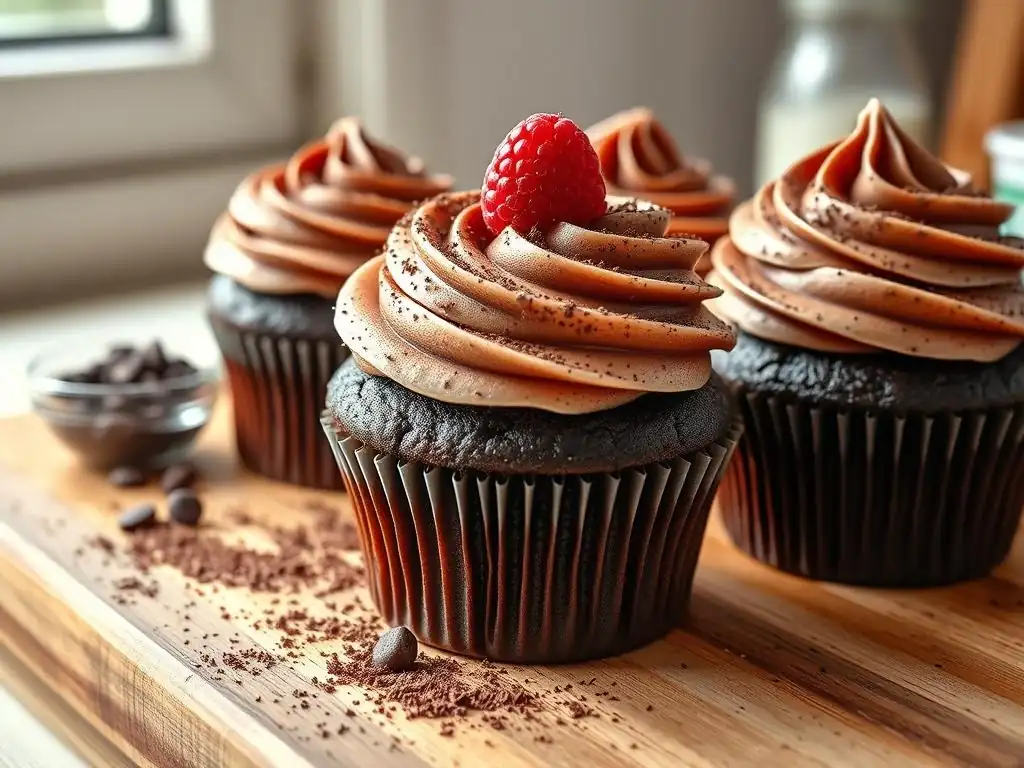
Rich egg-free chocolate cupcakes are achievable using cocoa powder, chemical leaveners, and a liquid egg substitute or simply relying on the structure provided by flour and fat combined with sufficient leavening. A simple vegan frosting can be made by creaming vegan butter or shortening with powdered sugar and a splash of plant-based milk and vanilla.
Egg-Free Blueberry Muffins
Egg-free blueberry muffins are similar to the vanilla cake base but often use the muffin mixing method. Relying on baking powder and baking soda for lift and potentially incorporating a little applesauce or yogurt alternative for moisture ensures a tender crumb packed with juicy blueberries. Don't overmix the batter!
Troubleshooting Common Egg-Free Baking Problems
Navigating egg-free baking comes with its unique set of challenges, but most common issues have straightforward solutions. This troubleshooting section is vital for any beginner egg-free baking guide.
Dense and Heavy Baked Goods: Identifying the Cause and Solution
Density is a common complaint in egg-free baking. This can be caused by several factors:
- Insufficient Leavening: The recipe didn't have enough baking powder/soda, or they weren't fresh.
- Overmixing: Developing too much gluten makes the texture tough and dense.
- Too Much Binder: Using excessive amounts of thick replacers like flax or chia eggs can weigh down the batter.
- Too Much Flour: An inaccurate measurement of flour can make the batter too stiff.
- Solution: Ensure leaveners are fresh and used in adequate amounts. Mix batters gently until just combined. Use appropriate amounts of binders based on reliable recipes. Measure flour accurately, preferably by weight (1 cup all-purpose flour is roughly 120-130 grams).
Dry and Crumbly Textures: How to Fix Them
Dryness is another frequent issue, often resulting in crumbly baked goods.
- Lack of Moisture/Fat: The egg substitute didn't provide enough moisture or fat, or the recipe was inherently low in these components for an egg-free version.
- Overbaking: Baking for too long at too high a temperature evaporates too much moisture.
- Too Much Flour: Similar to density, excess flour absorbs too much liquid.
- Solution: Incorporate moistening ingredients like applesauce, banana, yogurt, or extra oil/melted fat. Reduce baking time or temperature slightly if necessary, and check for doneness early. Ensure accurate flour measurement. Add a tablespoon or two of extra liquid (milk alternative, water) if the batter seems too dry before baking.
Sinking Cakes: Preventing Collapses in Egg-Free Baking
An egg-free cake that sinks in the middle is frustrating.
- Insufficient Structure: The egg replacer didn't provide enough binding, or there wasn't enough flour to support the rise.
- Too Much Leavening: Excessive leavening can cause the cake to rise too quickly and then collapse.
- Opening Oven Door Too Early: Sudden temperature changes can cause delicate structures to fall before they are set.
- Undercooking: The center hasn't fully set before being removed from the oven.
- Solution: Use a reliable egg replacer appropriate for cakes. Ensure the balance of flour and leavening is correct (follow trusted recipes). Avoid opening the oven door during the critical rising phase (usually the first 2/3 of the baking time). Always test for doneness in the center with a toothpick.
Gummy Textures: Causes and Remedies
A gummy or heavy texture can occur, especially in cakes and muffins.
- Too Much Moisture/Binder: Over-relying on moist, dense replacers like applesauce or banana, or using too much flax/chia gel.
- Overmixing: Overdeveloping gluten can lead to a tough, gummy texture.
- Undercooking: The starches haven't fully gelatinized, leaving a doughy, gummy center.
- Solution: Reduce the amount of very moist or dense binders, or combine them with other replacers. Ensure you are not overmixing the batter. Always bake until a toothpick comes out clean.
- [ ] Check leaveners are fresh.
- [ ] Measure ingredients accurately.
- [ ] Do not overmix batter.
- [ ] Avoid opening oven door during baking.
- [ ] Test for doneness properly.
Advanced Egg-Free Baking Tips and Tricks
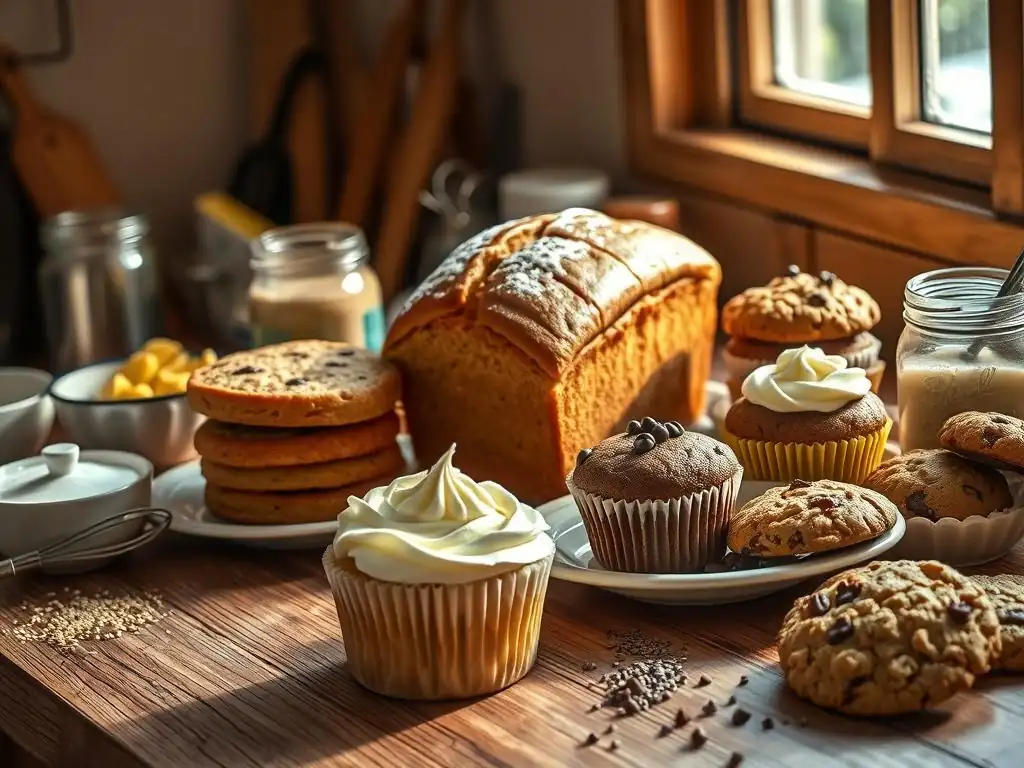
Once you've mastered the basics from this egg-free baking beginner’s guide, you can start exploring more complex techniques and recipes.
Experimenting with Flavors and Textures
Egg-free baking is a fantastic canvas for creativity. You can experiment with different flavor extracts, spices, citrus zests, and add-ins like nuts, seeds, dried fruits, or chocolate.
- Flavor Boosts: Use espresso powder in chocolate recipes to deepen the flavor, or add a touch of almond extract to vanilla bakes.
- Texture Enhancers: Incorporate ingredients like rolled oats for chewiness, chopped nuts for crunch, or shredded coconut for moisture and texture.
- Moisture & Flavor: Consider adding pureed cooked sweet potato or pumpkin to quick breads or muffins for extra moisture, binding, and a subtle flavor.
Creating Custom Egg-Free Recipes
While starting with existing egg-free recipes is wise, you can learn to adapt traditional recipes. This requires understanding the original recipe's structure and function.
- Analyze the Original: Identify the primary role of the egg(s) – binding, leavening, moisture, richness?
- Choose Replacer(s): Select substitutes that best mimic those functions. A single egg might be replaced by a flax egg for binding, while multiple eggs in a cake might need a combination of binder, moisture (like applesauce), and increased chemical leavening.
- Adjust Liquids: If using a liquid replacer (like fruit puree or commercial liquid replacer), slightly reduce other liquids. If using a dry replacer (like commercial powder mixed with water), ensure total liquid volume is appropriate. A common starting point is replacing each large egg (approx 50g) with ~1/4 cup (approx 60g) of replacer/liquid.
- Adjust Leavening: Often, a little extra baking powder or baking soda is needed, especially in cakes.
- Test and Tweak: Start with a small batch and be prepared to adjust subsequent attempts based on the results. Keep detailed notes!
Scaling Egg-Free Recipes Up or Down
Scaling recipes can be tricky, and egg-free recipes add another layer of complexity, particularly with egg substitutes.
- Small Adjustments First: When scaling, it's often better to make small incremental changes rather than doubling or tripling immediately.
- Replacer Ratios: Maintain the established ratios for egg replacers (e.g., still use 1 tbsp flax meal to 3 tbsp water per egg). When scaling up significantly, ensure the total volume of the replacer doesn't negatively impact the batter consistency.
- Leavening Adjustment: Leavening agents don't always scale linearly. You might not need to double the baking powder when doubling a recipe, as too much can cause issues. Start by increasing by 1.5 times and see.
- Baking Time/Temperature: Larger or smaller batches will require adjustments to baking time. A larger cake might need a slightly lower temperature and longer time to bake through evenly.
Resources for Further Learning About Egg-Free Baking
Continuing to learn and connect with other bakers is key to mastering egg-free baking.
Recommended Cookbooks and Websites for Egg-Free Recipes
Numerous excellent resources are available to expand your egg-free baking repertoire. Look for cookbooks specifically focused on vegan or egg-free baking from reputable authors. Websites dedicated to dietary baking or vegan cooking often have extensive, well-tested egg-free recipes. Seeking out resources that provide not just recipes but also explanations of why certain ingredients or techniques are used will deepen your understanding.
Joining the BakeWithEase Egg-Free Baking Community
Connecting with fellow bakers who are also exploring egg-free options can provide invaluable support, tips, and inspiration. Online forums, social media groups, or comment sections on sites like BakeWithEase.com allow you to ask questions, share successes and failures, and discover new recipes and techniques. Learning from the collective experience of a community is a powerful way to accelerate your skills in beginner egg-free baking and beyond.
Embrace the World of Egg-Free Baking!
Stepping into the world of egg-free baking is an exciting adventure filled with learning and delicious rewards. While it presents unique challenges compared to traditional baking, armed with the knowledge of egg functions, substitute options, essential ingredients, and key techniques outlined in this guide, you are well-equipped to start. Remember that baking is a science and an art – don't be afraid to experiment, learn from mistakes, and most importantly, have fun in the kitchen.
This beginner egg-free baking guide is just the starting point; practice and exploration will lead you to create incredible baked goods that everyone can enjoy. Happy baking!
Frequently Asked Questions
What is egg-free baking and why would someone choose to do it?
Egg-free baking is the art of baking without using eggs. People choose it due to allergies, dietary restrictions like veganism, or simply running out of eggs!
What are some common egg substitutes that a beginner can use?
Common substitutes include applesauce, mashed banana, flaxseed meal mixed with water, and commercial egg replacers. The best choice depends on the recipe.
Are there any specific ingredients I should avoid or be cautious of when starting egg-free baking?
Be mindful of ingredients that traditionally rely on eggs for structure, like meringues or soufflés. These require specialized techniques and substitutes.
What are some easy egg-free recipes that are great for beginners?
Simple recipes like chocolate chip cookies, muffins, or quick breads are a good starting point. Look for recipes specifically designed to be egg-free.
How can I troubleshoot common problems in egg-free baking, like dense or crumbly textures?
Ensure you're using the correct amount of egg substitute and that your ingredients are properly mixed. Adjusting liquid levels or adding a bit more baking powder can help.
Final Reflection: Unlocking the Delicious World of Egg-Free Baking
The demand for egg-free baking is not just a niche trend; it's a vital accessibility movement impacting millions. Whether driven by allergies, ethical choices, or simply a desire to expand culinary horizons, the ability to create delicious baked goods without eggs is empowering and increasingly important in our diverse food landscape.
The journey into egg-free baking, as explored in this guide, reveals a fascinating world of alternative ingredients and techniques. It's a testament to human ingenuity and our capacity to adapt and innovate in the kitchen. The process of learning to substitute eggs effectively is not just about creating a viable replacement; it's about understanding the fundamental roles eggs play in baking and finding creative solutions. The best recipes are those that inspire creativity and empower the cook.
This sentiment perfectly encapsulates the spirit of egg-free baking – it's about embracing the challenge and discovering new possibilities.
Now, it's your turn. Take the knowledge gained from this guide and experiment! Don't be afraid to try new recipes, adapt existing ones, and most importantly, enjoy the process of creating delicious and inclusive baked goods. The world of egg-free baking awaits, brimming with possibilities and the sweet reward of culinary success. Embrace the challenge, and you'll discover a whole new level of baking mastery.
Unlock Your Egg-Free Baking Potential!
Thanks for joining us on this egg-cellent journey into the world of egg-free baking! You’ve now got the tools and knowledge to create delicious treats without relying on eggs. Ready to put your newfound skills to the test?
- Bake your first egg-free masterpiece! Choose a recipe from the article and give it a try. Let us know how it goes!
- Share your egg-free creations with your friends and family – show off your baking prowess!
- Consider exploring other egg-replacement options beyond what we covered. What unusual ingredients might you try next?
What exciting egg-free recipe will you conquer first?