
Delivering Delight: Logistics for Getting Baked Goods to Customers

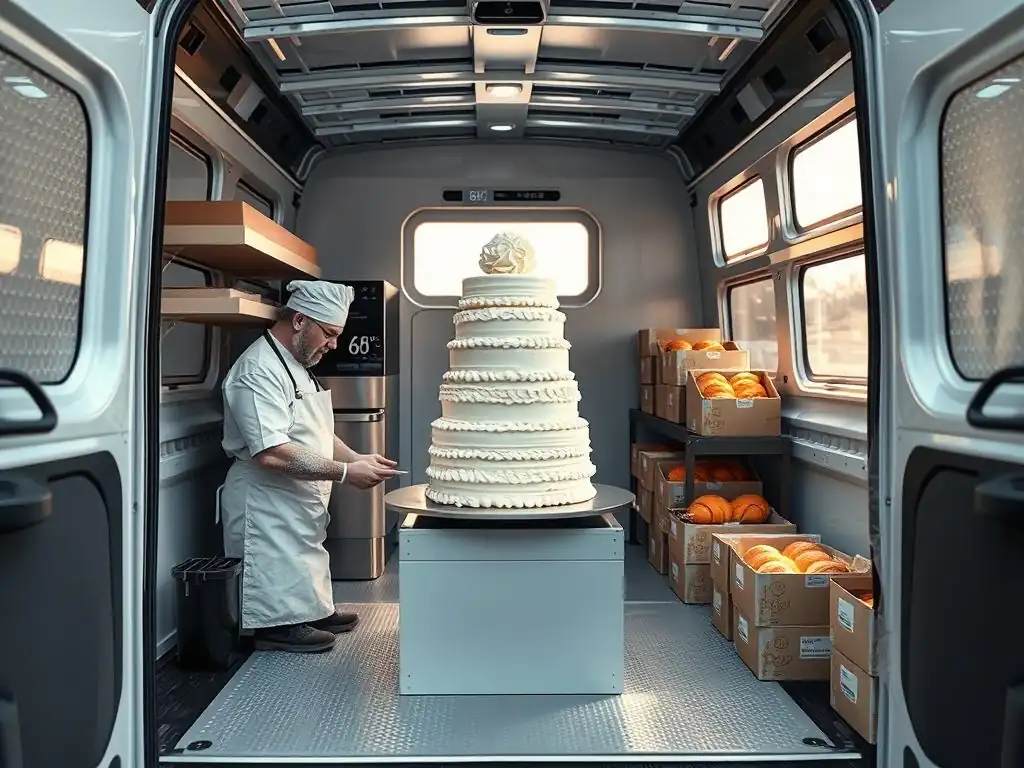
Welcome to BakeWithEase, your trusted companion in the delightful world of baking! Ready to turn your passion into profit? This week, we're diving into the crucial topic of Shipping baked goods safely. Discover the secrets to ensuring your delectable creations arrive fresh and intact, ready to be enjoyed. Ever wondered how to pack that delicate cake or those perfectly frosted cookies for a long journey? Read on to unlock the logistics of delivering delight and building a thriving home baking business!
- Starting a Home Bakery: Mastering Baked Goods Delivery
- Ensuring Safe Shipping of Baked Goods: An Overview
- Packaging Baked Goods for Optimal Freshness and Safety
- Choosing the Best Shipping Method for Your Baked Creations
- Temperature Control: Keeping Baked Goods Fresh During Transit
- Handling Delicate and Fragile Baked Goods
- Addressing Potential Shipping Challenges
- Legal Considerations for Shipping Food
- Sustainable Packaging and Shipping Options for Baked Goods
- Optimizing Shipping Costs for Your Home Bakery
- Customer Communication and Transparency
- Conclusion: Building a Successful Baked Goods Delivery Strategy
-
Frequently Asked Questions
- How do I choose the right packaging for shipping baked goods safely?
- What are the best shipping methods for baked goods to ensure freshness?
- How can I prevent baked goods from melting or spoiling during shipping, especially in warm weather?
- What kind of labeling should I use when shipping baked goods?
- What are some general tips for preparing baked goods for shipping to minimize damage?
- Final Reflection: The Sweet Science of Safe Delivery
- Unleash Your Inner Baker: Take the Next Step!
Starting a Home Bakery: Mastering Baked Goods Delivery
Opening a home bakery is a wonderfully rewarding endeavor, allowing you to share your passion for baking with others. While perfecting your recipes is crucial, mastering the logistics of getting your delicious creations from your kitchen to your customers' hands is equally vital. This involves everything from careful packaging to choosing the right shipping method, ensuring that every treat arrives in perfect condition.
Successfully navigating baked goods delivery builds customer trust and loyalty. Imagine a customer receiving a beautifully crafted cake or a box of delicate cookies that have been damaged or are no longer fresh during transit. This negative experience can quickly harm your home bakery's reputation, regardless of how delicious the product was originally. Conversely, consistent, safe, and timely delivery delights customers and encourages repeat business and positive word-of-mouth.
Ensuring Safe Shipping of Baked Goods: An Overview
Shipping baked goods safely is paramount for any home bakery looking to expand its reach beyond local pickup. It's not just about putting a cookie in a box; it's a comprehensive process involving careful planning, appropriate materials, and reliable partners. Understanding the nuances of shipping delicate, often perishable items is the foundation of a successful delivery strategy.
The process of shipping baked goods safely requires attention to detail at every step. From the moment your baked goods are ready to pack, you must consider factors like temperature, humidity, physical impact, and transit time. Each type of baked good presents unique challenges, meaning a one-size-fits-all approach is unlikely to succeed. Investing time and effort into understanding these variables will pay off by minimizing losses and maximizing customer satisfaction.
Why Safe Shipping is Crucial for Your Home Bakery
The reputation of your home bakery hinges significantly on the condition in which your products arrive. A single instance of damaged or stale baked goods can lead to negative reviews, social media complaints, and lost future orders. In the competitive world of online sales, maintaining a stellar reputation for reliability and quality is essential for growth and sustainability.
Furthermore, unsafely shipped baked goods can result in significant financial losses. Spoiled or damaged products require refunds or replacements, incurring additional costs for ingredients, labor, and shipping. Minimizing these incidents by prioritizing safe shipping practices directly impacts your profitability. For example, if 5% of your shipped orders arrive damaged due to poor packaging, that loss can quickly erode your profit margins, potentially turning a successful baking venture into a struggling one. Reducing this damage rate to below 1% through better logistics can significantly boost your bottom line.
Key Considerations for Baked Goods Delivery
When preparing to ship baked goods, several critical factors must influence your decisions. The inherent perishability of most baked items means transit time is a major concern. Baked goods containing dairy, fresh fruit, or delicate fillings have a much shorter shelf life and require faster shipping methods compared to sturdy cookies or certain types of bread.
Beyond perishability, consider the fragility of the baked goods. A meringue cookie, for instance, requires vastly different protection than a dense brownie. The destination distance also plays a role; shipping across a few states is less risky than shipping across the country, which increases both transit time and the likelihood of temperature fluctuations and physical handling. Finally, cost is always a factor, balancing the need for speed and safety with what customers are willing to pay for shipping.
Packaging Baked Goods for Optimal Freshness and Safety
Packaging is the first line of defense for your baked goods during transit. Effective packaging protects against physical damage, helps maintain freshness, and provides necessary insulation. Choosing the right materials and techniques is fundamental to shipping baked goods safely and ensuring they arrive as intended.
Think of packaging as an investment in your product's quality and your customer's experience. High-quality packaging might seem like an added expense, but it dramatically reduces the risk of damage and spoilage, ultimately saving you money on returns and replacements. It also contributes to the perceived value of your product, creating a positive unboxing experience for the customer.
Selecting the Right Packaging Materials for Different Baked Goods
The type of baked good dictates the specific packaging needs. Delicate items require more protective layers and sturdy containers, while less fragile items might need packaging focused primarily on maintaining freshness. Using materials appropriate for food contact is non-negotiable for hygiene and safety.
- Primary Packaging: This is the layer that directly touches the baked good (e.g., cellophane wraps, food-grade paper liners, individual boxes). It should be food-safe and help maintain freshness.
- Secondary Packaging: This layer contains the primary packaged items (e.g., a box holding individually wrapped cookies). It provides additional protection and organization.
- Tertiary Packaging: This is the outer shipping box and internal cushioning materials. Its main purpose is to protect the contents from external impacts during transit.
Packaging Cakes and Cupcakes for Shipping
Shipping cakes and cupcakes requires specialized packaging due to their fragility and often elaborate decorations. Sturdy, appropriately sized boxes are essential. For cakes, a box with an internal support system or a cake board secured to the box base prevents movement. Cupcakes benefit from inserts that hold each one in place, preventing them from shifting and damaging frosting or decorations.
Consider using boxes with built-in handles or reinforced corners for heavier cakes. The goal is to minimize any internal movement during handling and transport. For a multi-tiered cake, careful disassembly and packaging of individual tiers might be necessary, with clear instructions for reassembly provided to the customer. Using non-slip mats or a small amount of food-safe adhesive to secure the cake board within the box can be surprisingly effective.
Packaging Cookies and Brownies for Shipping
Cookies and brownies are generally more robust than cakes, but they still require careful packaging to prevent breakage and maintain freshness. Stacking them directly in a box can lead to crushing, especially for softer varieties. Layering with parchment paper or using individual cookie sleeves or small boxes within a larger container works well.
For extra protection, particularly for delicate cookies like shortbread or biscotti, consider packaging them in tins or rigid plastic containers before placing them in the shipping box. Brownies can often be shipped as a whole slab, tightly wrapped and placed in a sturdy box, or pre-cut and individually wrapped, then packed snugly to prevent movement. Using cushioning material around the tin or inner box adds another layer of security.
Packaging Breads and Pastries for Shipping
Breads vary greatly in fragility. A dense loaf of sourdough can withstand more handling than a delicate brioche or croissant. Breads should generally be wrapped to maintain freshness and prevent drying out, often in food-grade plastic bags or bread bags designed to prevent condensation.
Pastries like croissants, danishes, or turnovers are often flaky and easily crushed. Packaging them in individual boxes or placing them in compartments within a larger box is ideal. Avoid stacking delicate pastries directly on top of each other. Using tissue paper or crinkle paper around them in the box can help fill space and prevent shifting without adding significant weight or pressure.
Best Practices for Sealing and Protecting Your Baked Goods
Proper sealing is crucial to maintain freshness and protect against environmental factors like humidity or odors. Use strong, reliable packaging tape to securely close all seams of the outer shipping box. Reinforce corners and edges, especially for heavier packages.
Beyond the outer seal, consider internal protection. Use cushioning materials like bubble wrap, packing peanuts (biodegradable options are available! ), or crinkle paper to fill any voids in the shipping box. Ensure the baked goods or their inner containers are snug and cannot move freely. A simple test is to gently shake the box – if you hear significant shifting, you need more cushioning. Clearly label the box with "Fragile" and "Perishable" stickers to alert handlers.
Choosing the Best Shipping Method for Your Baked Creations
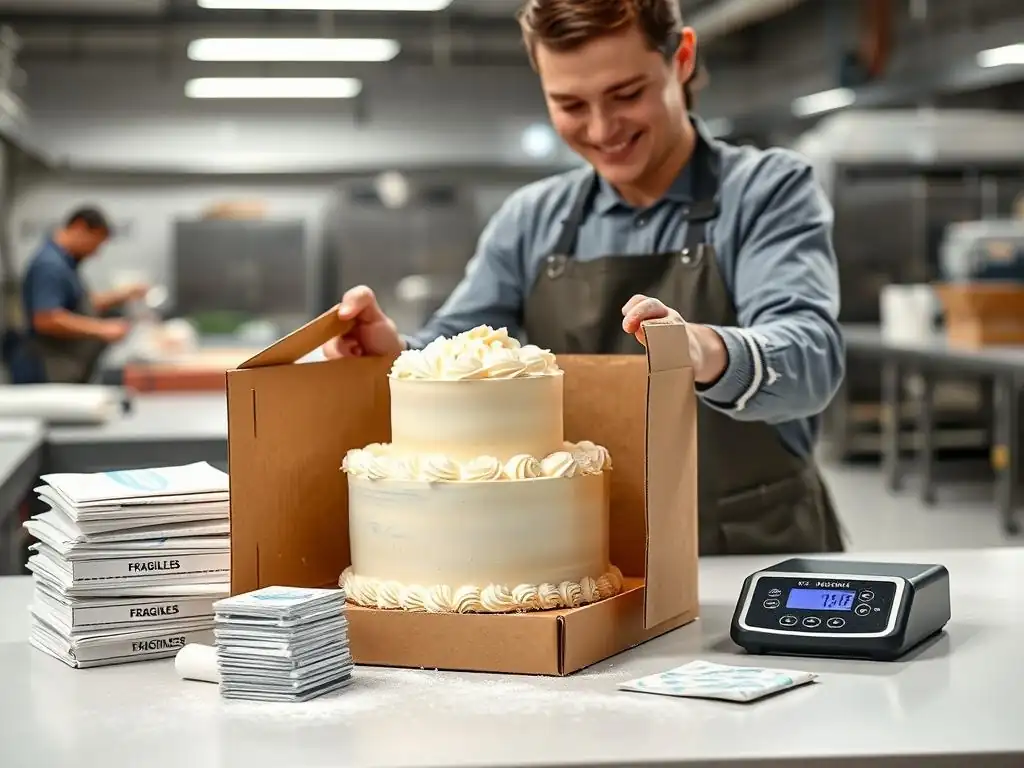
Selecting the right shipping method is a critical decision that impacts delivery speed, cost, and the likelihood of your baked goods arriving in good condition. It's a balance between getting your product to the customer quickly and affordably while minimizing the risk of damage or spoilage.
Different carriers offer various services, each with its own strengths and weaknesses for shipping baked goods safely. Understanding these options allows you to make informed choices based on the type of product you're sending, the destination, and your budget. Sometimes, a slightly more expensive option might be necessary to ensure the product arrives fresh and intact.
Understanding Shipping Options: Speed, Cost, and Reliability
Shipping options typically range from standard ground service to expedited overnight or 2-day air. The speed required for shipping baked goods depends heavily on their perishability. While ground shipping is the most economical, it might not be suitable for items with a short shelf life, especially over long distances.
Reliability is another key factor. You need a carrier with a track record of delivering packages on time and handling them with care. Compare delivery time estimates and consider potential delays, especially during peak seasons or due to weather. A carrier might offer a lower price, but if their on-time delivery rate is poor for the routes you use, it could lead to spoiled goods and unhappy customers.
Prioritizing Fast Shipping for Perishable Baked Goods
For baked goods that are highly perishable, such as those with fresh cream fillings, custards, or fresh fruit, fast shipping is non-negotiable. This usually means opting for overnight or 2-day air shipping. While significantly more expensive than ground, it drastically reduces the time the product spends in transit, minimizing the risk of spoilage.
As an example, shipping a cheesecake from California to New York via ground might take 5-7 days, almost guaranteeing spoilage. Shipping it via 2-day air, while potentially costing $50-$100+, ensures it arrives within 48 hours, making safe delivery possible with proper temperature control. Educating customers about the necessity and cost of expedited shipping for certain items is important for managing expectations.
Comparing Shipping Costs for Different Baked Goods
Shipping costs are influenced by package weight, dimensions, destination, and speed of service. Heavier or larger packages cost more to ship. As a home baker, you'll need to calculate these costs accurately to determine your pricing strategy or shipping fees.
A small box of cookies shipped via ground within your state might cost $8-$12. The same box shipped across the country via 2-day air could cost $30-$50+. Shipping a larger, heavier cake box can easily push costs higher, perhaps $20-$40 for ground within a limited zone, or $60-$150+ for expedited cross-country delivery. Factoring these variable costs into your product pricing or offering tiered shipping options is crucial for profitability.
Selecting the Right Carrier for Your Home Bakery
Several major carriers operate in the US, including USPS, UPS, and FedEx. Each has different pricing structures, service levels, and strengths. Researching their specific services and rates for your typical package sizes and destinations is necessary.
Consider factors beyond just the base price. Look at their track record for on-time delivery in your area, their policies on shipping perishable items, and their claim process for damaged goods. Some carriers might offer discounts for small businesses or have better service for residential deliveries. Reading reviews from other small businesses who ship similar items can provide valuable insights.
USPS: Strengths and Weaknesses for Baked Goods Shipping
The United States Postal Service (USPS) is often the most economical option, especially for lighter packages and shorter distances. They offer various services, including Priority Mail, which typically delivers within 1-3 business days across the US and can be a viable option for some baked goods, particularly those that are less perishable or shipped with adequate temperature control.
However, USPS can sometimes be less reliable regarding guaranteed delivery times compared to private carriers, and their tracking might be less detailed. While they handle a vast volume of packages, delicate items might be subject to rougher handling in their automated sorting systems. Their policies on shipping perishables require careful review, and temperature control options (like refrigerated trucks) are generally not available.
UPS: Strengths and Weaknesses for Baked Goods Shipping
UPS is known for its reliable tracking and generally consistent delivery times, especially for their expedited services like UPS 2nd Day Air or Next Day Air. They often handle heavier packages well and have robust systems for managing logistics. Their network is extensive, covering both residential and business addresses effectively.
The primary drawback of UPS is often cost; their services are typically more expensive than USPS, especially for ground shipping or lighter packages. However, for time-sensitive or valuable baked goods requiring fast, reliable shipping, UPS can be a worthwhile investment. They also offer specialized packaging services or advice that can be helpful for shipping delicate items.
Temperature Control: Keeping Baked Goods Fresh During Transit
Maintaining the correct temperature is vital when shipping baked goods, especially those containing dairy, eggs, or fresh fruit, which are susceptible to spoilage. Fluctuations in temperature during transit can ruin the texture, taste, and safety of your products. Effective temperature control is a key component of shipping baked goods safely.
Ignoring temperature control for perishable items is a recipe for disaster. Even baked goods that seem sturdy, like certain cakes, can degrade in quality or become unsafe if exposed to high temperatures for extended periods. Implementing appropriate cooling measures ensures your treats arrive in the same delicious condition they left your kitchen.
Insulated Packaging Solutions for Temperature-Sensitive Items
Insulated packaging creates a barrier against external temperature changes. Common options include insulated foam containers (like Styrofoam coolers), insulated liners made of materials like reflective foil and bubble wrap, or insulated cardboard boxes. The choice depends on the level of insulation needed, the size of the package, and budget.
Foam containers offer the best insulation but can be bulky and less environmentally friendly. Insulated liners are more flexible and can be used with standard shipping boxes. Combining an insulated liner with a sturdy outer box and coolant packs is a popular and effective method for shipping baked goods that require temperature control. For example, a 12x10x6 inch box lined with an insulated foil liner can maintain internal temperatures significantly better than a standard box for several hours.
Using Ice Packs and Coolants Safely and Effectively
Ice packs or gel coolants are essential for keeping the internal temperature of the package low. These are not regular ice cubes, which would melt and potentially damage the baked goods. Gel packs are designed to stay frozen or cold for longer and do not leak water as they thaw.
Place coolant packs strategically within the insulated packaging. They should be placed on top of and around the baked goods, not directly touching them unless they are wrapped to prevent condensation transfer. The number of ice packs needed depends on the size of the box, the external temperature, and the expected transit time. A general guideline might be 1-2 pounds of gel packs for every 5-10 pounds of product or box volume, especially for transit times exceeding 24 hours in warm weather. Always freeze gel packs completely before use.
Monitoring Temperature During Shipping
While you can't directly monitor the temperature inside a shipped package in real-time without specialized (and expensive) equipment, you can take steps to mitigate risks. Ship on cooler days if possible, or arrange for pickup/drop-off times that minimize exposure to extreme temperatures before the package enters the carrier's system.
Consider including a temperature indicator card inside the box for highly sensitive items. These cards change color if the temperature inside the package exceeds a certain threshold, providing feedback on whether the desired temperature was maintained. While this doesn't prevent spoilage, it offers valuable data for improving your shipping process and can inform decisions regarding refunds or replacements.
Handling Delicate and Fragile Baked Goods
Some baked goods are inherently more fragile than others. Think of macarons, meringue cookies, intricately decorated cakes, or flaky croissants. These require extra care during packaging and handling to prevent crushing, breakage, or smudging of decorations. Shipping baked goods safely means acknowledging their fragility.
Treating every delicate item as if it's made of glass is a good mindset. While carriers do their best, packages can be jostled, stacked, or even dropped. Your packaging must be robust enough to absorb these potential impacts and protect the vulnerable contents within.
Techniques for Preventing Crushing and Damage
Preventing crushing starts with selecting a sturdy outer box that is not easily compressed. Avoid using boxes that are too large, as this allows for excessive movement inside. Conversely, a box that's too small can lead to contents being squished. The box should be appropriately sized for the inner packaging and cushioning.
Inside the box, use materials that provide support and absorb shock. Crinkle paper, packing peanuts, or bubble wrap can fill empty spaces and create a buffer zone around the baked goods. For items like cookies, packing them snugly in layers separated by parchment or padding helps prevent them from rattling against each other and breaking. For cakes, internal supports or securing the base to the box are crucial.
Adding Extra Padding and Support
Adding sufficient padding is key to absorbing shocks during transit. Don't be afraid to use generous amounts of cushioning material, especially around the sides, top, and bottom of the inner packaging. The goal is to prevent the inner contents from making contact with the outer box walls if the box is bumped or dropped.
For items like cupcakes in an insert, placing crumpled paper or bubble wrap around the insert within the outer box adds stability. For a multi-tiered cake, padding each individually packaged tier generously and ensuring they fit snugly in the larger box prevents movement that could cause damage. Using stiff foam sheets can also provide excellent support and protection for flat items like cookie slabs.
Clearly Labeling Fragile Packages
While labeling doesn't guarantee gentle handling, it serves as a strong recommendation to carriers and handlers to treat the package with extra care. Use bright, prominent "Fragile" stickers on multiple sides of the box, including the top.
Adding labels like "Handle with Care," "Perishable," and arrows indicating "This Side Up" reinforces the message about the contents. While not foolproof, these visual cues can sometimes influence how the package is handled throughout the shipping process, contributing to shipping baked goods safely.
Addressing Potential Shipping Challenges
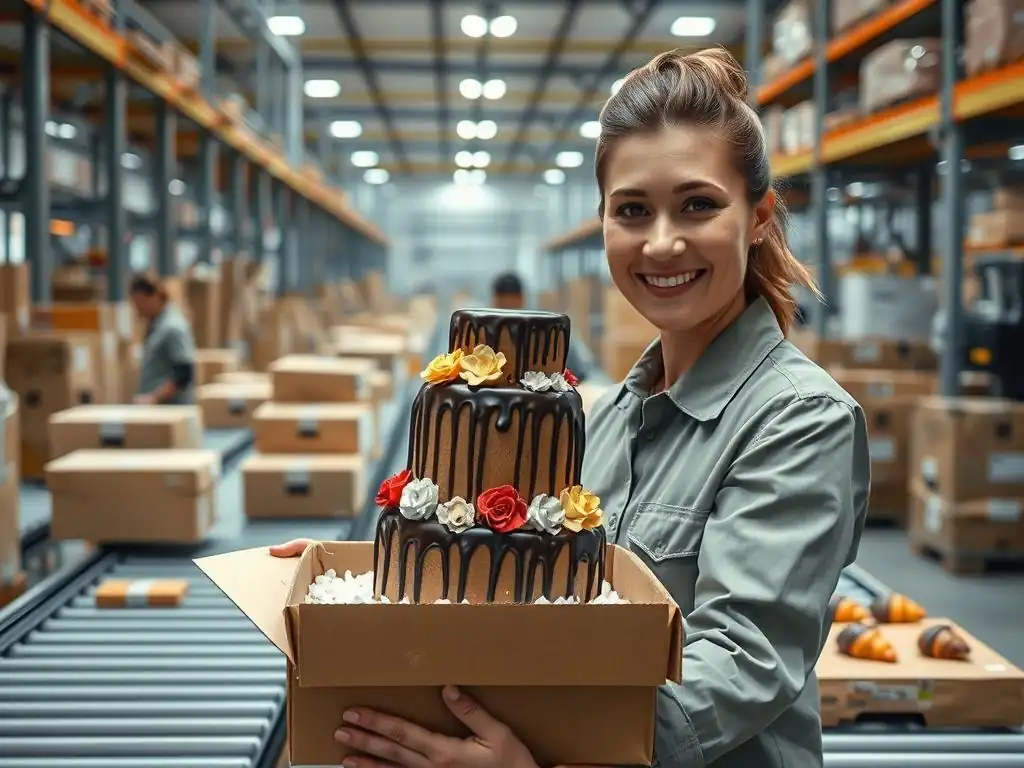
Even with the best planning, shipping challenges can arise. Delays, damage, or lost packages are possibilities you must be prepared to handle. Having a plan in place for these situations protects your business and helps maintain good customer relationships.
Proactive communication and clear policies are your best tools when problems occur. Customers are generally more understanding if they are kept informed and if you have a clear process for resolving issues like damaged shipments.
Dealing with Delays and Unexpected Issues
Shipping delays can happen due to weather, carrier sorting errors, or unforeseen circumstances. For perishable baked goods, a significant delay can mean the product arrives spoiled. Monitor tracking information closely, especially for time-sensitive shipments.
If you notice a delay that jeopardizes freshness, proactively contact the customer. Apologize for the inconvenience and explain the situation. Offer a solution, which might involve initiating a claim with the carrier, offering a refund, or reshipping the order. While frustrating, handling delays transparently builds trust. For example, if a 2-day shipment is delayed by a day and contains cheesecake, it might be unsalvageable, necessitating a refund or reshipment.
Customer complaints about damaged or spoiled goods must be addressed promptly and professionally. Ask for photos of the damaged packaging and contents – this is often required for filing claims with the carrier. Empathize with the customer's disappointment.
Have a clear policy for handling these complaints. Will you offer a full refund, a partial refund, or reship the order? Your policy should balance customer satisfaction with your business's sustainability. Often, offering a replacement or full refund for damaged or spoiled items is necessary to maintain your reputation, even if the carrier is ultimately responsible. Documenting every complaint and its resolution is important for tracking issues and identifying patterns.
Insurance and Liability for Shipped Baked Goods
Most carriers offer some level of insurance coverage for packages, often up to a certain value (e.g., $50 or $100) included in the shipping cost. For higher-value orders, purchasing additional insurance is highly recommended. This coverage can help recoup your costs if a package is lost or damaged by the carrier.
Understand the carrier's specific policies regarding perishable items and claims. Some carriers may have limitations or exclusions for perishables, especially if not packaged according to their guidelines. Read the fine print! While insurance doesn't prevent problems, it provides financial protection against losses due to carrier mishandling, which is crucial when shipping baked goods safely.
Legal Considerations for Shipping Food
Shipping food, even from a home bakery, involves legal responsibilities, primarily related to food safety and labeling. These regulations are in place to protect public health. As a home-based business, you must understand and comply with applicable laws at the federal, state, and potentially local levels.
Ignorance of food shipping laws is not a valid defense if something goes wrong. Taking the time to research and implement necessary safety measures and labeling practices is a fundamental part of operating legally and responsibly.
Understanding Food Safety Regulations
At the federal level in the US, the Food and Drug Administration (FDA) regulates food safety. While home bakeries may have different requirements than large commercial facilities, any food crossing state lines falls under FDA jurisdiction. This includes requirements for preventing contamination and ensuring food is not adulterated or misbranded.
States also have their own food safety regulations, often managed by the state's Department of Health or Agriculture. These regulations cover everything from kitchen requirements (even for home kitchens under cottage food laws) to handling, storage, and transportation. Ensure your baking and packaging practices meet these standards before you start shipping baked goods.
Labeling Requirements for Shipped Food
Proper labeling is legally required and crucial for customer information and safety. Labels should include:
- The name and address of your home bakery.
- The name of the food product.
- A complete list of ingredients, in descending order by weight.
- Major allergens (e.g., wheat, milk, eggs, soy, nuts) clearly identified.
- Net quantity of contents (weight or count).
- Nutrition information (though small businesses may be exempt depending on sales volume).
Additionally, for perishable items, include instructions for handling and storage, such as "Keep Refrigerated" or "Store in a Cool, Dry Place." Clear, accurate labeling is vital for shipping baked goods safely and legally.
Cottage Food Laws in California
Many states, including California, have specific "Cottage Food Laws" that allow certain non-potentially hazardous foods to be made and sold from a home kitchen. These laws often have specific requirements regarding what types of food can be sold, sales limits (e.g., California's Class A and Class B operations have different requirements and sales caps), labeling, and where products can be sold (e.g., direct to consumer, indirectly through retailers).
Crucially, cottage food laws often dictate whether you can ship products out of state. California's Class B operations, for instance, allow for wider distribution, including potentially shipping across state lines, but with stricter requirements like registration and potentially inspections. Class A operations may be limited to direct sales within the state. Understand your state's specific cottage food regulations thoroughly if you plan on shipping baked goods.
Sustainable Packaging and Shipping Options for Baked Goods
As consumers become more environmentally conscious, offering sustainable packaging and shipping options can be a significant advantage for your home bakery. It aligns with values of responsibility and can appeal to a specific customer base. While challenging with perishable goods, there are steps you can take.
Adopting sustainable practices isn't just good for the planet; it can also be good for business. Highlighting your use of eco-friendly materials or efforts to reduce your shipping footprint can differentiate your brand and resonate with customers who prefer supporting environmentally aware businesses.
Eco-Friendly Packaging Materials
Traditional packaging materials often include plastics and Styrofoam, which are difficult to recycle. Look for alternatives such as:
- Recycled cardboard boxes: Ensure they are sturdy enough for shipping baked goods safely.
- Biodegradable packing peanuts: Made from cornstarch or other plant-based materials, they dissolve in water.
- Paper-based cushioning: Crinkle paper, honeycomb paper wrap, or shredded cardboard.
- Compostable or recyclable food containers/wraps: Look for materials certified as compostable or made from post-consumer recycled content.
- Insulated liners made from recycled paper or compostable materials: While less common than foam, options are emerging.
While some eco-friendly options might be slightly more expensive upfront, their appeal to environmentally conscious customers can offset the cost.
Reducing Your Carbon Footprint in Shipping
Shipping inherently has a carbon footprint, but you can take steps to minimize it. Consolidating orders whenever possible reduces the number of shipments. Offering local pickup or delivery options eliminates the need for long-distance shipping entirely for nearby customers.
Consider using carriers that have publicly stated environmental goals or offset carbon emissions, although this can add to shipping costs. Optimizing your packaging to be as lightweight and compact as possible without sacrificing safety also reduces the fuel needed for transport. For instance, reducing a box size by an inch can sometimes impact shipping costs and environmental impact over many shipments.
Optimizing Shipping Costs for Your Home Bakery
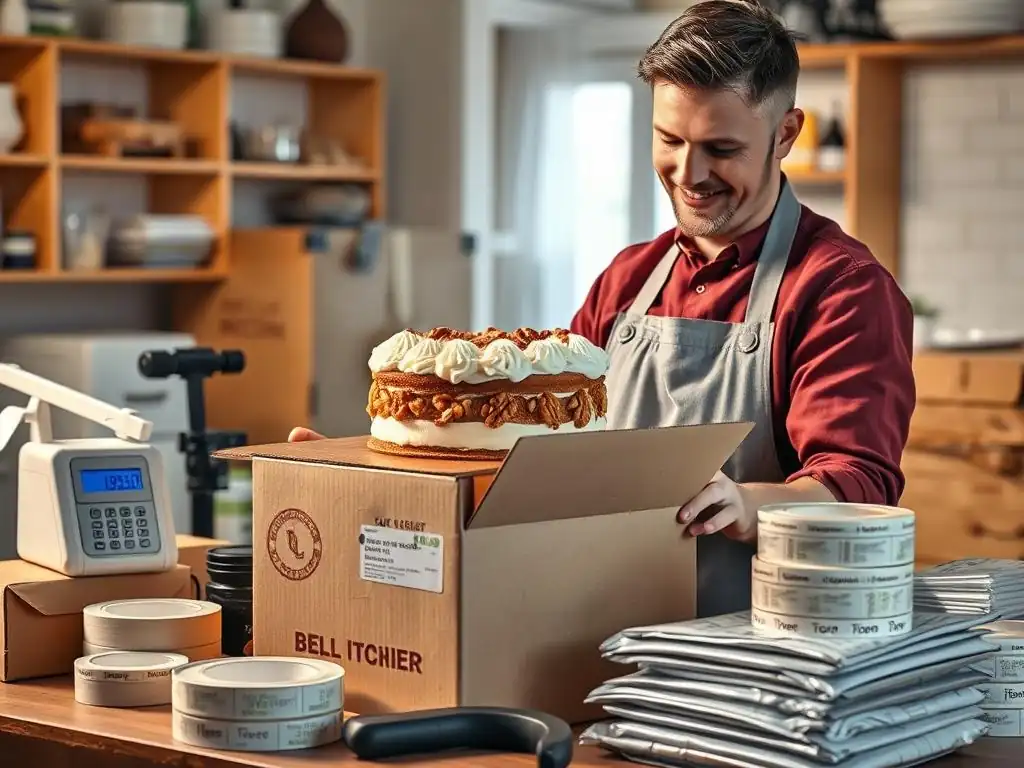
Shipping costs can be a significant expense for both you and your customers. Finding ways to optimize these costs without compromising the safety and quality of your baked goods is crucial for profitability and customer satisfaction. Strategies involve managing carrier rates, offering alternatives, and utilizing specific service options.
Balancing cost-effectiveness with the need for safe shipping baked goods is an ongoing challenge. Regularly review your shipping expenses and explore different options to ensure you're getting the best value for your needs.
Negotiating Rates with Shipping Carriers
As your home bakery grows and your shipping volume increases, you may gain leverage to negotiate better rates with carriers like UPS or FedEx. Even a small discount per package can add up significantly over time.
Contact carrier representatives to discuss your shipping volume and see if you qualify for small business discounts or custom pricing based on your typical package profile (size, weight, destinations). Be prepared to provide data on your average weekly or monthly shipping volume. USPS generally has less room for negotiation on standard services, but commercial rates are available through online shipping platforms.
Offering Local Delivery Options
For customers within a certain radius of your home bakery, offering local delivery can be a cost-effective and personal alternative to shipping. You can set a delivery fee based on distance or offer free delivery over a certain order value.
Local delivery eliminates packaging needs for long-distance shipping (like insulation and ice packs) and reduces transit time to minutes or hours, ensuring ultimate freshness. This is particularly attractive for delicate items like custom cakes. You can use your own vehicle, hire a local courier service, or utilize delivery platforms like DoorDash or Uber Eats for local food delivery, depending on their terms for home-based businesses.
Utilizing Flat Rate Shipping
Flat rate shipping, offered by carriers like USPS and UPS, can simplify pricing and sometimes offer cost savings, especially for heavier packages traveling long distances. With flat rate, the cost is based on the box size, not the weight (up to a certain limit) or destination zone.
If your baked goods fit well into standard flat rate boxes and are somewhat heavy for their size, this can be a good option. However, flat rate boxes might not always be the ideal shape or size for protecting certain baked goods, so evaluate carefully if your products fit securely and can be adequately cushioned within the available flat rate dimensions while still shipping baked goods safely.
Customer Communication and Transparency
Clear and proactive communication with your customers about shipping is just as important as the logistics themselves. Managing expectations regarding delivery times, costs, and the shipping process builds trust and reduces customer service issues.
Being transparent about how you ship, the effort you put into packaging, and what customers can expect helps them appreciate the value you provide. It also prepares them for potential scenarios, like needing to refrigerate items upon arrival.
Providing Tracking Information to Customers
Always provide customers with a tracking number as soon as the package ships. This allows them to monitor their order's progress and estimated delivery date. Most carriers offer email or SMS notification services that you can integrate into your order fulfillment process.
Timely tracking information empowers the customer and reduces inquiries about their order status. It also serves as proof of shipment and allows both you and the customer to identify potential delays or delivery issues early on.
Setting Expectations for Delivery Times
Be upfront about your shipping policies and estimated delivery times. On your website or order confirmation, clearly state:
- Processing time (how long it takes to bake and package the order).
- Shipping methods offered and their typical transit times (e.g., "Ground Shipping: 3-5 business days," "2-Day Air").
- Any days you do not ship (e.g., not shipping at the end of the week to avoid weekend transit delays for perishables).
- Factors that can affect delivery time (weather, holidays).
Managing these expectations prevents disappointment and frustration, especially when shipping baked goods safely where timing is critical.
Offering Shipping Insurance Options
Clearly state whether shipping insurance is included in your standard shipping fees and up to what value. For orders exceeding that value, offer customers the option to purchase additional insurance at their expense.
Explain what the insurance covers (typically loss or carrier-caused damage) and the process for filing a claim. While you hope it's never needed, offering and explaining insurance provides an extra layer of perceived security for the customer and covers potential losses for higher-value orders.
Conclusion: Building a Successful Baked Goods Delivery Strategy
Building a successful strategy for shipping baked goods safely involves more than just putting items in a box. It requires careful consideration of packaging materials, temperature control, carrier options, legal requirements, and clear customer communication. Each step in the process contributes to whether your delicious creations arrive fresh, intact, and ready to be enjoyed.
By prioritizing the safety and quality of your products during transit, you protect your home bakery's reputation, minimize costly issues like spoilage and damage, and build a loyal customer base who trusts you to deliver delight right to their door. Continuously reviewing and refining your baked goods delivery process will be key to scaling your business successfully.
Frequently Asked Questions
How do I choose the right packaging for shipping baked goods safely?
The right packaging is crucial. Opt for sturdy boxes and protective materials like bubble wrap or packing peanuts to prevent damage during transit. Consider insulated containers for temperature-sensitive items.
What are the best shipping methods for baked goods to ensure freshness?
Expedited shipping options, such as overnight or two-day delivery, are generally best to minimize transit time. This helps maintain the freshness and quality of your baked goods.
How can I prevent baked goods from melting or spoiling during shipping, especially in warm weather?
Use cold packs inside insulated containers to regulate temperature. Also, avoid shipping items that are highly susceptible to melting, like chocolate, during peak heat periods.
What kind of labeling should I use when shipping baked goods?
Clearly label the package as "Perishable" and "Fragile". Include your return address and the recipient's address. Also, consider adding a "Handle with Care" sticker.
What are some general tips for preparing baked goods for shipping to minimize damage?
Ensure baked goods are completely cooled before packing. Wrap items individually to prevent sticking or crushing. Fill any empty space in the box to prevent shifting during transit, using food-safe fillers.
Final Reflection: The Sweet Science of Safe Delivery
The art of delivering delectable baked goods isn't just about baking; it's about the entire journey from oven to eager customer. A perfectly crafted cake, cookie, or pie loses its charm if it arrives damaged or stale. This article highlighted the crucial role of logistics in ensuring that every delivery is a delightful experience, preserving the quality and integrity of these delicate treats.
The impact of safe shipping extends beyond simply satisfying customers; it's about building trust and brand loyalty. A positive delivery experience reinforces the perception of quality and care, transforming a one-time purchase into a lasting relationship. As the saying goes, The best things in life are worth waiting for, but the best baked goods are worth waiting for and arriving perfectly.
This principle underscores the importance of investing in proper packaging, temperature control, and efficient delivery systems, all of which contribute to a superior customer experience.
Now, consider your own approach to delivering delight. Whether you're a home baker selling your creations online or a large-scale bakery managing complex distribution networks, the principles discussed here apply. Take a moment to assess your current shipping practices. Are you prioritizing safety and quality? Could improvements in packaging, transportation, or communication enhance the customer experience? By embracing the sweet science of safe delivery, you're not just shipping baked goods; you're delivering joy, one perfectly preserved treat at a time.
Unleash Your Inner Baker: Take the Next Step!
Thanks for taking the time to explore the world of baking logistics with us! We hope you now feel empowered to deliver delicious treats with confidence. Ready to take your baking business to the next level?
- Craft your perfect delivery system: Consider the specific needs of your baked goods – temperature sensitivity, fragility, and distance – and create a step-by-step plan for delivery. This might involve investing in insulated bags, partnering with a local courier, or even creating a unique in-house delivery system.
- Share your delicious journey: Tell us about your favorite delivery method! Share your experiences and tips in the comments below – we'd love to hear from you and learn from your successes!
- Explore our community: Connect with fellow bakers on our forum (link removed as per instructions) and share ideas to enhance your delivery system further.
What's your biggest challenge when it comes to getting your baked goods to happy customers, and how do you plan to overcome it?