
The Home Baker's Business Plan: Your Blueprint for Growth


Welcome to BakeWithEase, your haven for all things baking! Ever dreamed of turning your passion for pastries into a thriving venture? Starting a home bakery is closer than you think. This guide provides a detailed business plan blueprint, designed to help you navigate the delicious journey from kitchen creation to entrepreneurial success. Intrigued? Discover the secrets to building your dream bakery, one perfectly baked treat at a time...
- The Home Baker's Business Plan: Your Blueprint for Growth on BakeWithEase
- Why You Need a Business Plan for Your Home Bakery
- Section 1: Executive Summary - Your Home Bakery's Overview
- Section 2: Company Description - Defining Your Home Bakery
- Section 3: Products and Services - What Will You Bake?
- Section 4: Market Analysis - Understanding the Baking Landscape
- Section 5: Marketing and Sales Strategy - Attracting Customers to Your Home Bakery
- Section 6: Operations Plan - Running Your Home Baking Business Efficiently
- Section 7: Management Team - Who's Running the Show?
- Section 8: Financial Plan - Show Me the Money!
- Section 9: Appendix - Supporting Documents
- Conclusion: Baking Your Way to Success with a Solid Business Plan
-
Frequently Asked Questions
- What are the first steps to take when starting a home bakery?
- How important is a business plan for a home bakery?
- What are some effective marketing strategies for a home bakery on a budget?
- What are the key ingredients for pricing my baked goods competitively?
- How can I ensure food safety and quality in my home bakery?
- Final Reflection: From Kitchen Passion to Flourishing Business
- Unleash Your Inner Baking Entrepreneur!
The Home Baker's Business Plan: Your Blueprint for Growth on BakeWithEase
A business plan is more than just a formal document; it's the roadmap for anyone serious about starting a home bakery. It forces you to think critically about every aspect of your venture, from the initial idea to scaling up. Without a clear plan, it's easy to get lost in the daily tasks and lose sight of your long-term goals. This blueprint helps you define your vision, understand your market, outline your operations, and project your finances, providing a solid foundation for success.
Creating this plan is a crucial first step in starting a home bakery. It serves as a guide for decision-making, helps you identify potential challenges before they arise, and clarifies the resources you'll need. Whether you're baking sourdough loaves, intricate custom cakes, or simple cookies, a well-thought-out business plan is essential for navigating the complexities of running a food-based business from your home kitchen and ensuring sustainable growth.
Why You Need a Business Plan for Your Home Bakery
The Importance of Planning Before Starting Your Home Bakery Business
Embarking on the journey of starting a home bakery requires more than just passion for baking; it demands careful planning. A comprehensive business plan compels you to formalize your ideas, moving from a hobby to a legitimate business endeavor. This planning phase involves researching regulations, understanding market demand, and outlining your production process, all of which are critical steps before you even sell your first baked good. Studies on small businesses often show that those with detailed plans are significantly more likely to succeed and grow compared to those without.
Moreover, planning helps you determine the feasibility of your home bakery business. For instance, you'll need to assess if your current kitchen space is adequate, if you have the necessary equipment, and if local cottage food laws permit the types of products you want to sell. This upfront effort, documented in your business plan, saves you time and potential legal headaches down the line. It's about laying a solid groundwork that supports not just the initial launch but also the future expansion of your home baking venture.
Avoiding Common Pitfalls: How a Business Plan Helps
Many aspiring home bakers face similar challenges, such as underestimating costs, overestimating demand, or failing to comply with regulations. A business plan acts as a preventative measure against these common pitfalls. By projecting your startup costs realistically, researching permits required for starting a home bakery in your area, and analyzing your target market's true needs, you can make informed decisions that mitigate risks. For example, a detailed expense budget can reveal hidden costs like packaging supplies or delivery fees that might otherwise be overlooked.
Furthermore, the process of writing the plan helps you identify weaknesses in your initial concept. Perhaps your pricing strategy isn't competitive, or your marketing approach isn't reaching the right customers. By documenting these areas, you can proactively develop solutions. A clear operational plan, for instance, helps prevent issues like ingredient shortages or production bottlenecks, ensuring you can fulfill orders efficiently and maintain product quality, which is vital for a home bakery's reputation.
Section 1: Executive Summary - Your Home Bakery's Overview
Defining Your Home Bakery's Mission and Vision
Your home bakery's mission statement should succinctly describe its purpose and what it aims to do. It's your "why." For example, a mission might be: "To provide busy families with delicious, wholesome, and convenient baked goods made with high-quality, locally sourced ingredients." This statement guides your decisions, from ingredient selection to product development and marketing. It should reflect the core values of your home baking business and resonate with your target audience.
The vision statement, on the other hand, paints a picture of your home bakery's future. Where do you see it in 5 or 10 years? This could involve expanding your product line, opening a small storefront, or becoming a recognized name for a specific type of baked good in your community. A vision like, "To be the most trusted source for artisanal sourdough bread and pastries in our city," provides a long-term goal to strive for, motivating your efforts as you build your business.
Key Highlights of Your Home Baking Business Plan
The executive summary is the first section of your business plan but is often written last. It provides a high-level overview of the entire document, highlighting the most important points. This is crucial because it's often the only section busy people (like potential investors, if you seek funding, or even just partners) will read thoroughly. It should briefly cover your company description, products, market analysis, marketing strategy, operations, management, and financial projections.
Think of the executive summary as an elevator pitch for your home bakery. It needs to be concise, compelling, and informative, summarizing the core strengths and opportunities of your business. For instance, you might mention your unique focus on allergen-free baking, your projected sales growth over the first three years (perhaps aiming for a 15-20% increase annually), or your plan to leverage local farmers markets for direct sales. It needs to capture the essence of your plan and make the reader want to learn more.
Section 2: Company Description - Defining Your Home Bakery

BakeWithEase's Target Audience: Who Are Your Customers?
Understanding your target audience is fundamental to starting a home bakery successfully. Are you aiming for busy professionals who need convenient breakfast pastries? Parents looking for custom cakes for birthdays? Health-conscious individuals seeking gluten-free or vegan options? Identifying your ideal customer helps you tailor your products, pricing, and marketing efforts effectively. For example, if your target is health-conscious consumers, your product descriptions might emphasize natural ingredients and nutritional benefits.
To define your audience, consider demographics like age, location, income level, and lifestyle. Psychographics are also important – what are their values, interests, and baking preferences? Are they willing to pay a premium for artisanal quality or convenience? Conducting simple market research, like surveys or conversations with potential customers in your community, can provide valuable insights. Knowing who you are baking for ensures your efforts are focused and resonate with those most likely to become loyal customers of your home baking business.
Unique Selling Proposition (USP): What Makes Your Home Bakery Special?
Your USP is what sets your home bakery apart from the competition. It's the unique benefit or characteristic that makes customers choose you over others. Is it a secret family recipe? A commitment to using only organic, locally sourced ingredients? Exceptional customer service? A focus on highly customized designs? Identifying your USP is critical for branding and marketing efforts when starting a home bakery. It needs to be something you can consistently deliver and that your target audience values.
Consider a home baker specializing in decorated sugar cookies. Their USP might be incredibly intricate, hand-painted designs that no one else in the area offers, or perhaps they use a specific, award-winning butter that makes their cookies exceptionally flavorful. Whatever it is, articulate it clearly. This USP will be a central theme in your marketing messages and should be evident in everything you do, from your packaging to your social media posts, helping you carve out a distinct identity in the market.
Legal Structure for Your Home Baking Business (Sole Proprietorship, LLC, etc.)
Choosing the right legal structure is a crucial step when starting a home bakery. The most common options for small businesses are Sole Proprietorship, Partnership, Limited Liability Company (LLC), and S-Corporation. A Sole Proprietorship is the simplest and least expensive to set up, essentially making you and the business one entity, but it offers no personal liability protection. This means your personal assets could be at risk if the business faces debts or lawsuits.
An LLC is a popular choice for home-based businesses because it provides liability protection, separating your personal assets from business liabilities. While slightly more complex and costly to establish than a sole proprietorship (often involving state filing fees ranging from $100 to $500 or more depending on the state), it offers significant peace of mind.
Partnerships involve two or more individuals sharing ownership and responsibilities, while S-Corps are more complex and often suitable for businesses planning significant growth or seeking investors. It's highly recommended to consult with a legal or financial advisor to determine the best structure for your specific home baking business goals and circumstances, as laws vary significantly by location.
Section 3: Products and Services - What Will You Bake?
Clearly defining your product line is essential for starting a home bakery. Will you focus on a niche, like gluten-free cupcakes, or offer a wider variety of baked goods? Your core offerings should align with your passion, skills, and market demand. Many home bakers start with a few signature items that they excel at, such as a famous chocolate chip cookie recipe or perfectly flaky croissants, before gradually expanding their menu. Consider what sells well, what you enjoy baking most, and what fits within your operational capacity.
Develop a specific menu with detailed descriptions of each item. For instance, instead of just "Chocolate Cake," specify "Decadent Dark Chocolate Layer Cake with Raspberry Filling and Ganache Frosting." This helps customers understand exactly what they are ordering. Decide on standard sizes or variations for your products. Will you offer cakes in 6-inch, 8-inch, and 10-inch sizes? Will bread loaves be standard size or mini? This structure helps streamline production and pricing for your home baking business.
Pricing Strategy for Your Home-Baked Goods
Pricing your baked goods correctly is vital for profitability. It's not just about covering the cost of ingredients; you need to account for labor, overhead (like utilities, packaging, and equipment wear), and your time. A common mistake for starting a home bakery is underpricing due to a lack of understanding of true costs or fear of not being competitive. Calculate your cost of goods sold (COGS) for each item, including all ingredients, packaging, and estimated utility usage per batch.
A simple formula is: (Cost of Ingredients + Cost of Labor + Overhead) x Markup Percentage = Price. Your markup percentage should ensure you are profitable. Many home bakers aim for a markup that results in a price that is 2.5 to 4 times their COGS, depending on the complexity and perceived value of the product. Research competitor pricing in your area for similar quality products, but don't simply match the lowest price.
Your unique selling proposition justifies your price. For example, if your ingredient costs for a cake are $15 and you estimate labor/overhead at $10, your total cost might be $25. Applying a 3x markup would suggest a price around $75.
Custom Orders and Catering Services
Offering custom orders can be a significant revenue stream for a home bakery, especially for items like celebration cakes, wedding favors, or specific dietary needs. Clearly define what kind of customization you offer and establish a clear process for handling these requests. This includes consultations, deposit requirements (often 50% upfront), pricing for complexity or special ingredients, and a timeline for completion. Custom orders typically command higher prices than standard menu items due to the extra labor and personalization involved.
Catering services, such as providing pastries for corporate meetings or desserts for events, represent another avenue for growth. Determine if your production capacity allows for larger batch orders. Create specific catering menus or packages, perhaps offering discounted pricing for bulk orders compared to individual retail prices. Ensure you have the necessary equipment and logistics for transporting larger quantities of baked goods safely and maintaining quality. This expansion requires careful planning within your home baking business framework.
Section 4: Market Analysis - Understanding the Baking Landscape
Identifying Your Target Market and Customer Demographics
As mentioned earlier, knowing your target market is crucial. For a home bakery, this often starts locally. Who lives in your neighborhood or town? What is their average income? What are their baking preferences? Are there many young families, retirees, or a large student population? Understanding these demographics helps you determine product demand. For example, a neighborhood with many young families might have high demand for birthday cakes and kid-friendly treats.
Go beyond demographics and think about psychographics. What motivates your potential customers' purchasing decisions? Are they prioritizing convenience, quality, unique flavors, or supporting local businesses? Are they active on social media? Do they attend local community events? This deeper understanding allows you to tailor your marketing messages and sales channels effectively. Conducting small focus groups or sending out online surveys can yield valuable data to refine your target market definition for your home baking business.
Competitor Analysis: Who Else is Baking in Your Area?
When starting a home bakery, it's vital to know who your competitors are. This includes other home bakers, local bakeries, grocery store bakeries, and even national chains that offer similar products. Identify their strengths and weaknesses. What do they sell? What are their prices like? How do they market themselves? What do customers say about them online? This analysis isn't about copying them but about identifying gaps in the market and understanding how you can differentiate your home baking business.
For instance, you might discover that local bakeries don't offer vegan options, or that other home bakers focus only on cookies, leaving an opportunity for specialty breads. Analyze their online presence – do they have a website, are they active on social media, and what kind of engagement do they get? Look at their pricing structure; are they high-end artisanal or budget-friendly? This competitive intelligence helps you position your home bakery effectively and refine your own offerings and pricing strategy.
Market Trends in the Home Baking Industry
The baking industry, even at the home-based level, is influenced by trends. Staying aware of these trends can help you keep your product line fresh and appealing. Current trends often include increased demand for healthier options (reduced sugar, whole grains), dietary-specific baking (gluten-free, vegan, keto), artisanal and craft baked goods, unique flavor combinations, and visually appealing, Instagrammable treats. Consumers are also showing growing interest in supporting local businesses and knowing the source of their ingredients.
Consider how these trends align with your passion and skills. Could you incorporate local fruits into seasonal tarts? Develop a line of naturally sweetened muffins? Offer sourdough starter kits alongside your bread? Integrating relevant trends can make your home bakery more attractive to potential customers and help you stay competitive. Researching food blogs, industry publications, and social media platforms like Pinterest and Instagram can provide insights into what's currently popular in the baking world.
Section 5: Marketing and Sales Strategy - Attracting Customers to Your Home Bakery
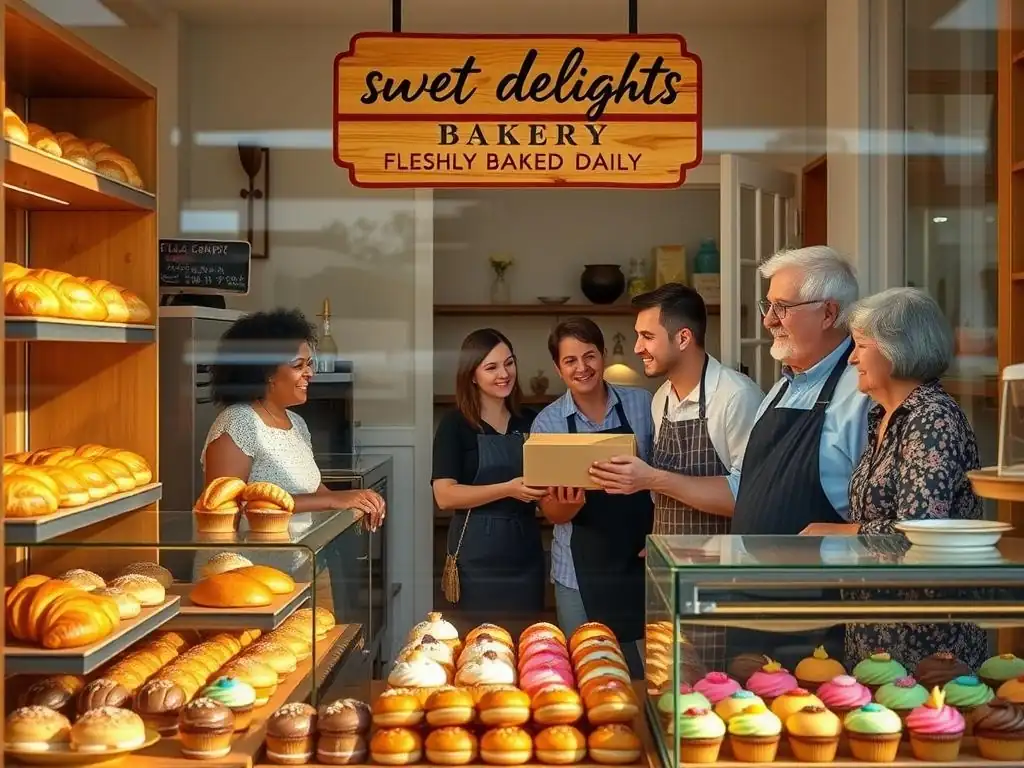
Branding Your Home Baking Business: Logo, Name, and Visual Identity
Your brand is more than just a logo; it's the overall impression your home bakery makes on customers. It should reflect your style, values, and target audience. Choose a memorable name that is easy to pronounce and ideally related to baking or your niche. Develop a visual identity that includes a logo, color palette, and typography that will be consistent across all your marketing materials, from business cards and packaging to your website and social media profiles.
A strong brand helps build recognition and trust. If you specialize in rustic, artisanal breads, your branding might use earthy tones and a hand-drawn logo. If your focus is on whimsical, colorful cupcakes, your brand identity should be bright and playful. Investing time in creating a cohesive brand from the outset is crucial for starting a home bakery that looks professional and attracts the right customers. Consider your packaging as part of your brand – it's the first physical interaction customers have with your product.
In today's digital age, an online presence is essential for a home bakery business. Even a simple website can serve as a digital storefront, showcasing your menu, pricing, contact information, and customer testimonials. Platforms like Shopify, Squarespace, or even Etsy can be used to set up online ordering systems, making it convenient for customers to purchase your baked goods. Ensure your website is mobile-friendly, as many customers will access it from their phones.
Social media is a powerful tool for home bakers. Platforms like Instagram and Facebook are highly visual and perfect for showcasing your beautiful creations. Post high-quality photos and videos of your baked goods, behind-the-scenes glimpses of your process, and engage with your followers. Use relevant hashtags (e.g., #homebaker #localbakery #[yourcity]food #customcakes) to increase visibility. Consider running targeted ads on social media to reach potential customers in your local area. Email marketing can also be effective for announcing specials or new products to repeat customers.
Local Marketing: Events, Partnerships, and Community Engagement
While online marketing is important, local engagement is key for a home bakery. Participate in local farmers markets, craft fairs, or food festivals. These events offer direct interaction with potential customers, allowing them to see, smell, and even sample your products. Collect email addresses for your marketing list. Networking with other local businesses can also lead to valuable partnerships. Could you supply pastries to a local coffee shop or collaborate with a florist for wedding packages?
Becoming an active part of your community helps build loyalty. Consider donating baked goods to local charity events or school functions (if permitted by regulations). Offer baking classes or demonstrations. Get listed in local online directories and community groups. Word-of-mouth marketing is incredibly powerful for food businesses, and building a strong local reputation through quality products and community involvement is invaluable for starting a home bakery with lasting success.
Sales Channels: Direct Sales, Farmers Markets, Local Shops
Determine the primary ways customers will purchase your baked goods. Direct sales from your home (with proper local permits and zoning compliance) can work for pre-orders or scheduled pickups. Farmers markets and local events are excellent for direct sales, allowing impulse purchases and face-to-face interaction. Setting up an online store for pickup or local delivery expands your reach.
Consider wholesale opportunities if your production capacity allows. Selling to local coffee shops, restaurants, or specialty grocery stores can provide a consistent revenue stream, although wholesale pricing will be lower than retail. Each sales channel has its own logistics and requirements. Selling at a farmers market, for example, requires setting up a booth and handling cash/card transactions, while wholesale requires consistent production volume and delivery schedules. Choose channels that align with your target market and operational capabilities when starting a home bakery.
Section 6: Operations Plan - Running Your Home Baking Business Efficiently
Home Bakery Equipment and Supplies Needed
Starting a home bakery requires specific equipment and supplies beyond what you might have for casual baking. While you can start with existing kitchen appliances, you may need to invest in commercial-grade mixers, ovens, proofing boxes, or additional refrigeration depending on your volume and product type. Other essentials include quality baking pans, measuring tools, cooling racks, storage containers, and packaging materials (boxes, bags, labels).
Create a detailed list of all necessary equipment and supplies, both those you already own and those you need to purchase. Research different brands and price points. For example, a commercial stand mixer might cost anywhere from $400 to over $1,000, while bulk packaging supplies could cost several hundred dollars initially. Factor in maintenance and potential repair costs. Having the right tools is crucial for maintaining consistency and efficiency in your home baking business operations.
Sourcing Ingredients: Finding Reliable Suppliers
The quality of your baked goods depends heavily on the quality of your ingredients. Identify reliable suppliers for flour, sugar, butter, eggs, flavorings, and any specialty items you need. Consider local sources like farmers markets for fresh produce or dairy, which can be a selling point for your home bakery. For dry goods and bulk items, explore restaurant supply stores or online wholesalers, which often offer better prices than standard grocery stores when buying larger quantities.
Establish relationships with your suppliers to ensure consistent availability and quality. Compare prices from different sources to manage costs effectively. Factor in delivery times and minimum order quantities when choosing suppliers. Maintaining a consistent supply chain is critical for meeting customer demand and avoiding last-upset customers due to unavailable ingredients. Track ingredient costs carefully, as they are a major expense for any home baking business.
Production Schedule and Workflow Optimization
Efficiently managing your time and production flow is vital when starting a home bakery. Develop a detailed production schedule that outlines when you will bake each item, considering preparation times, baking times, cooling times, and decorating/packaging times. Group similar tasks together (e.g., mixing all doughs on one day, baking all cakes on another) to save time and energy. Plan your workflow to minimize unnecessary steps and maximize efficiency in your kitchen space.
Consider using tools like calendars, checklists, or project management apps to stay organized. Factor in time for ingredient shopping, cleaning, and administrative tasks (like responding to inquiries or managing orders) in addition to actual baking time. A realistic production schedule helps you manage customer expectations regarding order fulfillment times and ensures you don't become overwhelmed, which is common when starting a home bakery.
Food Safety and Hygiene Practices for Home Bakers
Maintaining strict food safety and hygiene standards is non-negotiable for a home bakery business. Research and comply with all local, state, and federal cottage food laws and health department regulations. This typically includes requirements for kitchen sanitation, ingredient storage, labeling (including allergen information), and preventing cross-contamination. Some states require specific training or certifications, such as a Food Handler's Permit.
Implement rigorous cleaning procedures for all surfaces, equipment, and utensils. Store ingredients properly at correct temperatures. Use separate cutting boards and utensils for allergens. Wash hands frequently and wear appropriate attire (aprons, hair restraints). Keep pets out of the kitchen area during business operations. Documenting your food safety practices can be helpful and may be required by regulators. Prioritizing safety builds customer trust and is legally required for starting a home bakery.
Section 7: Management Team - Who's Running the Show?
Your Experience and Expertise as a Baker
In most home bakeries, the owner is the primary (or only) member of the management team. Detail your background, skills, and experience in baking. What is your passion? What are your signature skills or areas of expertise (e.g., intricate cake decorating, sourdough fermentation, pastry laminating)? Highlight any formal training, classes, or significant self-taught experience you have. This section establishes your credibility and demonstrates that you have the skills necessary to produce high-quality baked goods.
Also, consider skills beyond just baking, such as business management, marketing, sales, or customer service experience. Even if you don't have formal business training, highlighting relevant work experience or volunteer roles can demonstrate your capability to manage the non-baking aspects of your home bakery. Be honest about areas where you might need help or further development.
Any Partners or Employees and Their Roles
If you are starting a home bakery with a partner, or if you plan to hire employees (even part-time help for busy periods or deliveries), describe their roles and qualifications. For a partnership, clearly define responsibilities – who handles baking, who manages sales and marketing, who does the bookkeeping? If you have employees, what tasks will they perform? Will they assist with baking, packaging, deliveries, or customer service?
Outline the required skills and experience for any future hires. Define reporting structures and management responsibilities. Even if you don't plan to hire immediately, thinking about future staffing needs as part of your home baking business plan helps you prepare for growth and understand the associated costs (wages, taxes, etc. ).
Section 8: Financial Plan - Show Me the Money!

Startup Costs for Your Home Baking Business
Understanding your initial investment is critical for starting a home bakery. This section details all the expenses you'll incur before you make your first sale. Common startup costs include purchasing necessary equipment and supplies (mixers, pans, packaging), initial inventory of ingredients, legal fees for business registration and permits, marketing materials (website setup, business cards), and potentially kitchen modifications to meet regulations.
Estimate the cost of each item as accurately as possible. For example, a high-quality stand mixer might cost $300-$500, while initial bulk ingredients could be $200-$400 depending on your menu. Legal fees for an LLC might range from $100-$500. Total startup costs for a small home bakery can often range from $1,000 to $5,000, depending on existing equipment and planned scale. Create a detailed list and sum it up to get a clear picture of your initial financial needs.
Revenue Projections and Sales Forecasts
Projecting your future sales helps you understand your potential income and set goals for your home baking business. Start by estimating how many units of each product you realistically expect to sell per week or month. Base this on your market research, production capacity, and marketing efforts. For instance, you might project selling 10 custom cakes per month at an average price of $60, plus 50 dozen cookies at $20 per dozen.
Translate these unit sales into revenue projections (Units Sold x Price = Revenue). Create forecasts for the first 1-3 years, projecting monthly or quarterly sales. Be conservative in your initial projections, as building a customer base takes time. Consider seasonality – demand for cakes might spike around holidays or graduation season. Your sales forecast is a critical component of your financial plan when starting a home bakery.
Expense Budget and Cost Management
Beyond startup costs, you'll have ongoing operating expenses. Create a detailed budget outlining all recurring costs. These typically include ingredient costs (which will fluctuate based on sales volume), packaging costs, utilities (increased electricity/gas usage), marketing expenses, potential delivery costs, insurance premiums, and any fees for permits or licenses that need renewal.
Track your expenses meticulously to stay within budget and identify areas where you can potentially reduce costs without sacrificing quality. Regularly review your ingredient costs per item and adjust pricing if necessary due to fluctuating market prices. Effective cost management is crucial for maintaining profitability in your home baking business.
Funding Sources and Financial Projections
How will you finance your home bakery? Many home bakers start with personal savings. Other options include loans from friends or family, small business loans from banks or credit unions, or grants (though these are less common for very small businesses). Clearly state where your initial funding will come from and how much you need.
Based on your startup costs, revenue projections, and expense budget, create a comprehensive financial projection. This typically includes an income statement (profit and loss), cash flow statement, and balance sheet for the first few years. These projections demonstrate the financial viability of your home baking business and are essential if you seek external funding.
Break-Even Analysis: When Will Your Home Bakery Become Profitable?
A break-even analysis helps you determine the point at which your total revenue equals your total expenses, meaning your business is neither making a profit nor a loss. Understanding your break-even point is crucial for setting sales targets and evaluating the financial health of your home bakery. To calculate it, you need to separate your costs into fixed costs (those that don't change regardless of sales, like insurance) and variable costs (those that change with production volume, like ingredients and packaging).
The formula is: Fixed Costs / (Selling Price Per Unit - Variable Cost Per Unit) = Break-Even Point in Units. Or, using total revenue/costs: Fixed Costs / ((Total Revenue - Total Variable Costs) / Total Revenue) = Break-Even Point in Sales Dollars. For example, if your fixed costs are $500/month, your average product sells for $10, and the variable cost per unit is $4, your contribution margin per unit is $6.
Your break-even point in units would be $500 / $6 ≈ 84 units. This tells you how many items you need to sell each month just to cover your costs. Knowing this number is vital for setting realistic sales goals for your home baking business.
Section 9: Appendix - Supporting Documents
Include samples of your key recipes or a full detailed menu with descriptions and pricing. This provides concrete examples of the products you plan to sell and showcases your culinary skills.
Market Research Data
Include summaries or raw data from any market research you conducted, such as survey results, competitor analysis findings, or demographic information about your target area.
Permits and Licenses Required for Home Baking
List all the permits, licenses, and certifications required to legally operate your home bakery in your specific location. This might include a business license, cottage food operation permit, food handler's permit, and zoning approval.
Insurance Policies
Include details of any insurance policies you plan to obtain, such as general liability insurance, which is highly recommended for home-based food businesses to protect against potential claims.
Conclusion: Baking Your Way to Success with a Solid Business Plan
Starting a home bakery is an exciting venture that combines your passion for baking with the potential for a fulfilling and profitable business. While the aroma of fresh bread or the sight of beautifully decorated cakes might be your primary motivation, building a solid foundation requires diligent planning. The process of creating a comprehensive business plan forces you to think through every aspect of your operation, from defining your niche and understanding your customers to managing your finances and ensuring legal compliance.
This detailed blueprint for your home baking business is not just a document to file away; it's a living guide that you should revisit and update as your business grows and the market changes. By investing the time and effort upfront to develop a clear, realistic plan, you significantly increase your chances of navigating challenges successfully and achieving your goals. So, gather your ingredients, preheat your oven, and start crafting your business plan – it's the essential first step on your journey to baking your way to success.
Frequently Asked Questions
What are the first steps to take when starting a home bakery?
Begin by identifying your niche and developing a solid business plan. Also, research local regulations and obtain necessary permits to operate legally.
How important is a business plan for a home bakery?
A business plan is crucial as it outlines your financial projections, marketing strategies, and operational procedures. It serves as a roadmap for success.
What are some effective marketing strategies for a home bakery on a budget?
Leverage social media marketing, participate in local farmers' markets, and offer samples to potential customers. Word-of-mouth is also powerful!
What are the key ingredients for pricing my baked goods competitively?
Consider ingredient costs, labor involved, and market rates for similar products in your area. Don't undervalue your time and skill.
How can I ensure food safety and quality in my home bakery?
Maintain a clean and organized workspace, practice proper food handling techniques, and adhere to local health regulations.
Final Reflection: From Kitchen Passion to Flourishing Business
The dream of transforming a beloved hobby into a thriving enterprise is more attainable than many believe. This article has explored the crucial steps involved in building a successful home bakery business, from crafting a compelling business plan to navigating the complexities of food safety regulations. The path may seem daunting at first, but with careful planning and unwavering dedication, the rewards are immense.
The impact of home-based businesses, particularly in the food industry, is undeniable. They inject vibrancy into local economies, fostering community connections and offering unique, personalized products that larger corporations often cannot match. The best things in life are homemade.
This simple sentiment speaks volumes about the enduring appeal of handcrafted goods, and the home bakery embodies this spirit perfectly. The journey of building my own small business has taught me the importance of resilience, adaptability, and a genuine passion for what you do.
Now, it's your turn. Consider the seeds of your own entrepreneurial spirit. Do you have a culinary passion that burns bright? Are you ready to embrace the challenges and rewards of building something from the ground up? This article has provided the blueprint; now, it's time to craft your own unique masterpiece. Take the leap, trust your instincts, and bake your dreams into reality.
Unleash Your Inner Baking Entrepreneur!
Thanks for taking the time to explore the world of turning your baking passion into a profitable business! We hope you've gained valuable insights into crafting a winning business plan. Now, it's time to put your knowledge into action:
- Develop your first product line based on the ideas you generated: Start small, perhaps with 3-5 core offerings that reflect your unique baking style. This is the crucial first step towards launching your dream!
- Test your recipes on a small group of trusted friends and family for feedback and refine your product before going any further. Getting their genuine reactions is essential for success.
- Share your progress and ask for feedback in the BakeWithEase community forums. (this is a hypothetical forum) Connecting with other aspiring bakers can provide invaluable support and motivation along your journey.
Ready to transform your kitchen into a thriving business? What's the first recipe you'll perfect for your launch?