
Sourcing Ingredients Smartly for Your Home Baking Business


Welcome to BakeWithEase, your guide to unlocking baking brilliance!
Ready to transform your home baking into a thriving business? Discover the secrets to sourcing the best baking ingredients with our expert tips, ensuring quality and cost-effectiveness. Are you ready to elevate your creations and your profits? Let's get started!
- Best Baking Ingredients Sourcing Tips for Your Home Baking Business: A Flourishing Loaf Guide
- Understanding Your Baking Ingredient Needs
- Top Strategies for Sourcing Baking Ingredients Affordably
- Finding Reliable Baking Ingredient Suppliers
- Mastering Ingredient Storage and Handling
- Sourcing Specialty Baking Ingredients
- Negotiating Prices and Terms with Baking Ingredient Suppliers
- Utilizing Technology for Efficient Ingredient Sourcing
- Common Mistakes to Avoid When Sourcing Baking Ingredients
- Conclusion: Elevate Your Baking with Smart Ingredient Sourcing
-
Frequently Asked Questions
- What are the most important factors to consider when sourcing baking ingredients for a home business?
- Where can I find reliable suppliers for baking ingredients if I'm just starting out?
- How can I ensure the freshness of my baking ingredients when buying in bulk?
- What are some cost-saving strategies for sourcing baking ingredients without sacrificing quality?
- How important is organic certification when sourcing baking ingredients for my home business?
- Final Reflection: The Sweet Success of Sustainable Sourcing
- Level Up Your Baking Game: Source Smarter, Bake Better!
Best Baking Ingredients Sourcing Tips for Your Home Baking Business: A Flourishing Loaf Guide
Starting a home baking business is an exciting journey, filled with the aroma of fresh bread and sweet treats. However, turning your passion into a profitable venture requires more than just great recipes; it demands smart operational choices. One of the most critical aspects is mastering your baking ingredients sourcing tips. The quality and cost of your ingredients directly impact your product's taste, your business's profitability, and ultimately, your customers' satisfaction. Efficient sourcing is key to keeping costs down while maintaining the high standards your customers expect.
This guide will walk you through the essential strategies for sourcing the best baking ingredients for your home business. From understanding your specific needs to finding reliable suppliers and managing your inventory, we'll cover the practical steps to optimize your ingredient procurement. Implementing effective baking ingredients sourcing tips early on will set a strong foundation for growth and help you build a sustainable and successful home bakery.
Why Ingredient Sourcing Matters for Your Baking Business Success
The ingredients you use are the foundation of your baked goods. Using high-quality flour, fresh dairy, and flavorful extracts isn't just about making delicious treats; it's about building your brand's reputation. Customers will notice the difference between a cake made with premium chocolate and one made with a lower-quality substitute. Investing wisely in your raw materials ensures consistent taste and texture, which leads to repeat business and positive word-of-mouth referrals, crucial for a small home bakery.
Moreover, effective baking ingredients sourcing tips significantly impact your bottom line. Ingredients are often the largest variable cost for a baking business. By finding reliable, cost-effective sources and managing your purchasing efficiently, you can reduce expenses without compromising quality. For example, if flour constitutes 15% of your product cost, a 10% saving on flour sourcing translates directly into increased profit margins. Smart sourcing isn't just about finding the cheapest option; it's about finding the best value – the optimal balance of quality, price, and reliability.
Flourishing Loaf's Commitment to Quality Ingredients
At BakeWithEase, we understand that the heart of great baking lies in the ingredients. Our philosophy, which we share through our "Flourishing Loaf" guidance, emphasizes using the best possible components to create truly memorable baked goods. We believe that even the simplest recipe is elevated when made with care and quality materials. This commitment extends to advising our readers on implementing the best baking ingredients sourcing tips for their own ventures.
Our resources and articles are designed to help you navigate the complex world of ingredient procurement. We share insights gained from experienced bakers and industry professionals, providing actionable tips you can apply immediately. Whether you're trying to find sustainable vanilla beans or source affordable organic flour, our goal is to empower you with the knowledge to make informed decisions, ensuring your home baking business thrives on a foundation of quality and smart sourcing.
Understanding Your Baking Ingredient Needs
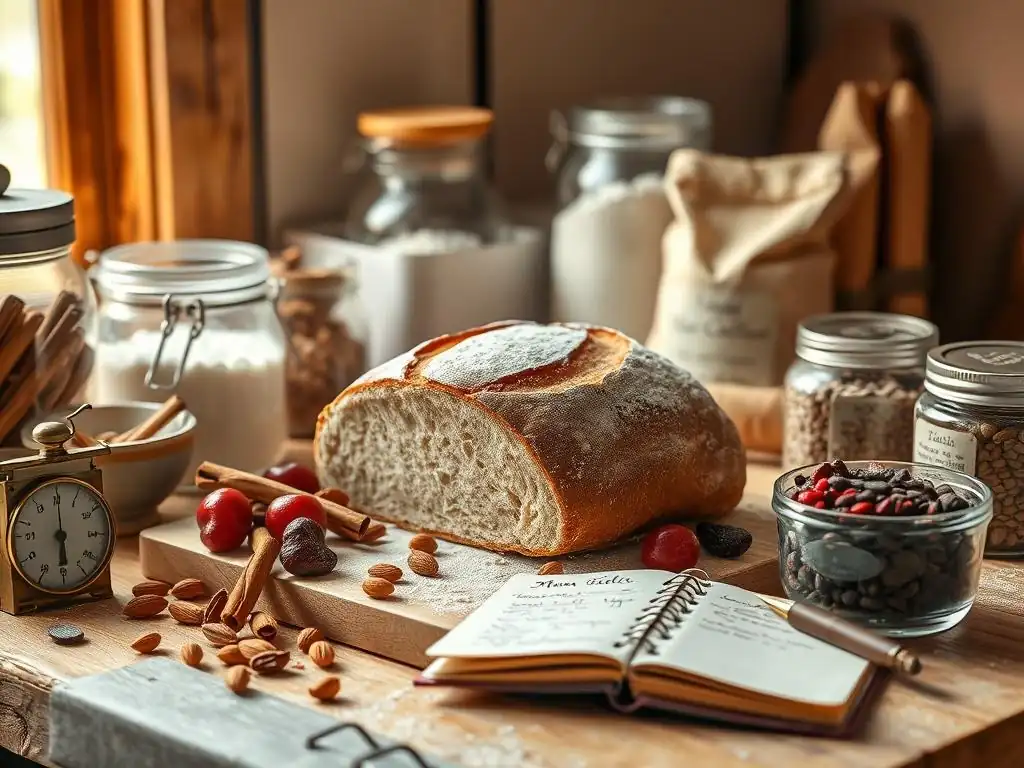
Before you can start sourcing, you need a clear picture of what you actually need. This involves a detailed look at your recipes and an honest assessment of your current and projected sales. Understanding your specific ingredient requirements is the first step in implementing effective baking ingredients sourcing tips. Without this clarity, you risk over-ordering perishable items, under-ordering essentials during busy periods, or simply not knowing where to find the specialized items that make your baked goods unique.
Taking the time to itemize everything you need, from common pantry staples like sugar and baking soda to more specific items like almond flour or specialty chocolate chips, provides a roadmap for your sourcing efforts. This detailed list will help you categorize ingredients based on their usage frequency, shelf life, and required quality level, making the sourcing process much more manageable and strategic.
Identifying Essential Baking Supplies for Your Signature Recipes
Your signature recipes are the backbone of your home baking business, and identifying the essential supplies for these items is paramount. Start by listing every ingredient required for your top 5-10 best-selling products. For instance, if your chocolate chip cookies are a hit, you'll need high-quality butter, sugar (granulated and brown), flour, eggs, vanilla extract, baking soda, salt, and, of course, chocolate chips. Break down the quantities needed per batch.
Consider the quality level required for each essential ingredient. Does your famous sourdough need a specific type of high-protein bread flour? Are your macarons dependent on finely ground almond flour? Documenting these specifics ensures you source ingredients that consistently meet your recipe's standards. For example, a baker specializing in artisanal bread might prioritize sourcing organic stone-ground flour from a local mill, even if it costs slightly more than conventional commercial flour, because the unique flavor profile is essential to their brand.
Forecasting Ingredient Demand for Efficient Baking Business Operations
Accurately forecasting your ingredient needs is a crucial baking ingredients sourcing tip that prevents waste and ensures you never run out during peak times. Base your initial forecasts on your projected sales or current order volume. If you anticipate selling 50 dozen cookies next week, calculate the total amount of each ingredient required for 60 dozen (adding a buffer). Look at past sales data if you have it; analyze trends for busy seasons like holidays (Christmas, Easter) or local events that might increase demand.
Beyond just quantity, consider the shelf life of each ingredient when forecasting. Perishables like fresh berries or dairy require more frequent, smaller orders, perhaps weekly or bi-weekly. Non-perishables like flour, sugar, and canned goods can be ordered in larger quantities less often, potentially monthly or quarterly, depending on storage capacity and usage rate. For example, a small home bakery might use around 25-30 kg of all-purpose flour per month during a moderately busy period, requiring a monthly order, while fresh eggs might need to be purchased every few days.
Top Strategies for Sourcing Baking Ingredients Affordably
Reducing ingredient costs without sacrificing quality is a constant goal for home baking businesses. Implementing smart baking ingredients sourcing tips can significantly impact your profitability. While retail grocery stores are convenient for small quantities, they are rarely cost-effective for business-scale purchasing. Exploring alternative sourcing methods is essential for managing expenses as your business grows.
Several strategies can help you acquire ingredients at better prices. These include buying in larger volumes, exploring wholesale options, and leveraging seasonal availability. Each method has its own set of advantages and requires careful consideration based on your specific needs, storage capabilities, and usage rates.
Buying in Bulk: A Cost-Benefit Analysis for Your Home Bakery
Purchasing ingredients in bulk is one of the most common and effective baking ingredients sourcing tips for reducing costs per unit. Items like flour, sugar, oats, nuts, and chocolate can often be bought in 10 kg, 25 kg, or even larger bags/containers at significantly lower prices than smaller retail packages. For instance, buying a 25 kg bag of all-purpose flour might cost 30-40% less per kilogram than buying five 5 kg bags from a supermarket.
However, bulk buying requires sufficient, proper storage space that is cool, dry, and pest-free. Perishable items or those with shorter shelf lives (like certain nuts or seeds which can go rancid) may not be suitable for bulk purchasing unless you have a very high turnover.
You also need to consider the initial cash outlay for a large purchase compared to buying smaller amounts more frequently. A small home baker using 5 kg of sugar a week might find buying a 25 kg bag every five weeks cost-effective, but buying a 50 kg bag might take too long to use, risking spoilage or tying up too much capital.
Exploring Wholesale Baking Supply Options
Wholesale suppliers specialize in selling goods in large quantities, typically to businesses. They are a prime resource for implementing effective baking ingredients sourcing tips. Wholesale prices are generally much lower than retail, as you're buying directly from distributors or manufacturers, cutting out the retail markup. You can find wholesalers specializing in baking ingredients, offering everything from various flours and sugars to professional-grade chocolate, extracts, and packaging supplies.
Accessing wholesale pricing often requires setting up an account, which may involve providing business registration details. Some wholesalers have minimum order requirements, either in dollar amount (e.g., $100-$500 minimum order) or quantity per item. Research local restaurant supply stores or dedicated baking ingredient wholesalers in your area. Online wholesale marketplaces also exist, offering a wide range of products delivered to your door. For example, a home baker regularly using 10 kg of butter a week could potentially save 20-30% by buying 20 kg blocks from a wholesaler compared to buying 1 kg packs from a grocery store.
Leveraging Seasonal Fruits for Cost Savings and Flavor
Incorporating seasonal fruits into your baked goods is a fantastic baking ingredients sourcing tip that offers both cost savings and superior flavor. When fruits are in season locally, they are typically more abundant, fresher, and significantly cheaper than when they are out of season or imported. Think about baking with fresh berries in the summer, apples and pumpkins in the fall, and citrus in the winter.
Using seasonal produce allows you to create special, limited-time offerings that excite customers. For example, a strawberry rhubarb pie in late spring or a peach cobbler in summer uses ingredients that might be half the price compared to buying them out of season. Buying directly from local farmers' markets can offer even better prices and incredibly fresh, high-quality fruit.
You can also buy seasonal fruits in bulk when they are cheap and preserve them (freezing, making jams, or purees) for use later in the year, locking in those cost savings and fresh flavors. A flat of local strawberries (around 8-10 lbs) might cost $20-$30 during peak season, while the same amount purchased out of season could easily cost $50-$80.
Finding Reliable Baking Ingredient Suppliers
Finding trustworthy suppliers is just as important as finding affordable ones when implementing the best baking ingredients sourcing tips. A reliable supplier ensures you receive consistent quality, timely deliveries, and accurate orders. Inconsistent ingredients can lead to variations in your final product, frustrating both you and your customers. Late or incorrect deliveries can disrupt your baking schedule and potentially cause you to miss order deadlines.
Investing time in researching and vetting potential suppliers pays off in the long run. You need partners who understand the needs of a small business and can grow with you. Consider factors beyond just price, such as their customer service, delivery options, minimum order requirements, and return policy.
Researching Local and Online Baking Ingredient Vendors
Begin your search by exploring both local and online options for baking ingredients sourcing tips. Local vendors might include wholesale bakeries that also sell ingredients, restaurant supply stores open to the public or registered businesses, local mills for flour, dairy farms, or farmers' markets. Buying locally can support your community, reduce transportation costs (if you pick up), and sometimes offer fresher products.
Online vendors provide access to a wider variety of specialty ingredients and can be convenient for bulk purchases delivered to your door. Look for online wholesalers specializing in baking supplies. Read reviews from other businesses if possible. Compare pricing, product ranges, shipping costs, and minimum order requirements between several vendors. Create a spreadsheet to track your findings. For instance, you might find a local dairy offers competitive pricing on butter and eggs, while an online supplier is best for specialty items like Tahitian vanilla beans or specific types of chocolate couverture.
Evaluating Supplier Quality and Consistency
Once you've identified potential suppliers, evaluate the quality and consistency of their products. Request samples if possible, especially for key ingredients like flour, chocolate, butter, or extracts. Bake test batches using ingredients from different suppliers to see which yields the best results in your specific recipes. Does the flour absorb liquid correctly? Does the chocolate melt smoothly and have a good flavor profile? Is the butter fresh and creamy?
Consistency is key. A supplier who delivers high-quality ingredients one week and lower quality the next is problematic. Ask potential suppliers about their quality control processes. Read testimonials or ask for references from other businesses they supply. A supplier who can provide detailed specifications or certificates of analysis for their ingredients (e.g., protein content of flour, cocoa percentage of chocolate) demonstrates a commitment to consistency. Aim for suppliers who can reliably provide the same quality ingredient batch after batch.
Building Relationships with Baking Ingredient Suppliers
Developing good relationships with your suppliers is a smart baking ingredients sourcing tip that can lead to numerous benefits. Treat your suppliers as partners in your business. Communicate clearly, pay invoices on time, and be respectful. A strong relationship can lead to better service, including advance notice of price changes, flexibility on delivery schedules when needed, or even access to samples of new products.
If you have a consistent order volume, you might be able to negotiate better pricing or terms over time. Suppliers value reliable customers. For example, if you consistently order 50 lbs of chocolate chips every month, a supplier might be willing to offer a small discount or more favorable payment terms (like net 30 instead of net 15) compared to a customer who orders sporadically. Building trust and open communication ensures that if issues arise (like a damaged shipment or a quality concern), they can be resolved quickly and effectively.
Mastering Ingredient Storage and Handling
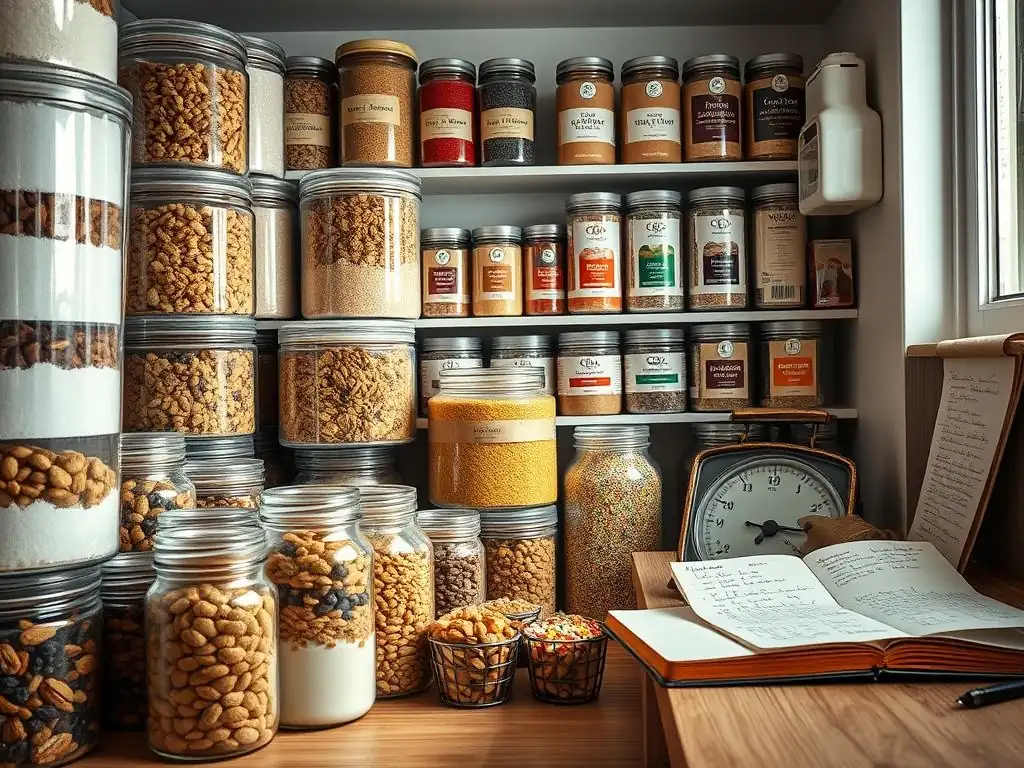
Proper storage and handling of your baking ingredients are non-negotiable baking ingredients sourcing tips for maintaining quality, preventing waste, and ensuring food safety. Even the highest quality ingredients will degrade if stored incorrectly, leading to poor baking results and potentially costing you money due to spoilage. Proper storage extends the shelf life of your ingredients and protects them from pests, moisture, and temperature fluctuations.
Each type of ingredient has specific storage requirements. Dry goods, dairy, eggs, and sensitive items like chocolate all need different environments to stay fresh and safe to use. Implementing strict storage protocols is essential for any home baking business aiming for consistency and efficiency.
Best Practices for Storing Flour, Sugar, and Other Dry Ingredients
Dry ingredients like flour, sugar, baking soda, baking powder, cornstarch, and grains are susceptible to moisture, pests, and absorbing odors. The best baking ingredients sourcing tips for storing these items involve keeping them in airtight containers in a cool, dark, and dry place. Temperature fluctuations can cause condensation, leading to clumping or spoilage. Ideal storage temperatures are typically between 50-70°F (10-21°C).
Transferring bulk ingredients from their original bags into food-grade plastic bins or buckets with airtight lids is highly recommended. This protects against moisture and pests like flour beetles. Label containers clearly with the ingredient name and the date of purchase or date received. For example, a 25 kg bag of flour, once opened, should be stored in an airtight bin and ideally used within 6-12 months depending on the type of flour and storage conditions. Sugars generally have a longer shelf life if kept dry.
Proper Refrigeration Techniques for Dairy and Eggs
Dairy products (butter, milk, cream cheese, buttermilk) and eggs require refrigeration to prevent bacterial growth and spoilage. Store these items in the coldest part of your refrigerator, typically the back, where the temperature is most stable. The ideal refrigerator temperature is 35-40°F (1.7-4°C). Avoid storing milk or cream in the refrigerator door, as temperatures fluctuate more there.
Butter should be wrapped tightly or stored in an airtight container to prevent it from absorbing odors from other foods. Eggs should be kept in their original carton, which helps protect them and prevents them from drying out. Follow the "first in, first out" (FIFO) rule for all refrigerated items: use older stock before newer stock. Check expiration dates regularly. Unsalted butter typically lasts about 1-2 months in the fridge, while eggs can last 3-5 weeks.
Preventing Spoilage and Maintaining Ingredient Freshness
Preventing spoilage is a critical baking ingredients sourcing tip that directly impacts your profit margins. Beyond proper storage temperatures and airtight containers, regular inventory checks are essential. Monitor expiration dates and the quality of stored ingredients. Discard anything that looks, smells, or tastes off. A small amount of spoiled ingredient can ruin an entire batch of baked goods.
Keep your storage areas clean and organized. Wipe up spills immediately. Rotate stock using the FIFO method. For ingredients that you buy in bulk but use slowly, consider freezing portions (e.g., nuts, certain flours, butter). Ensure containers are sealed properly before freezing to prevent freezer burn. For example, if you buy a 5 lb bag of pecans, but only use 1 lb per month, freezing the remaining 4 lbs in airtight bags or containers will keep them fresh for up to a year, preventing them from going rancid at room temperature.
Sourcing Specialty Baking Ingredients
As your home baking business grows and you expand your repertoire, you'll likely need to source specialty ingredients that go beyond basic pantry staples. These might include high-quality chocolates, specific types of nuts, exotic spices, or ingredients for dietary needs like gluten-free flours. Finding reliable sources for these items is another layer of effective baking ingredients sourcing tips.
Specialty ingredients can often be more expensive and harder to find than common ones. Researching dedicated suppliers for these items is crucial. Their quality can significantly impact the final product, especially if they are a prominent flavor component in your recipe.
Finding High-Quality Chocolate for Baking
For many bakers, chocolate is a key ingredient, and its quality makes a significant difference. High-quality baking chocolate, often called couverture, contains a higher percentage of cocoa butter, which gives it a smoother texture and richer flavor compared to standard chocolate chips or confectionery coatings. Sourcing the best baking ingredients sourcing tips for chocolate involve looking for suppliers who offer reputable brands known for their quality and consistency (e.g., Callebaut, Valrhona, Guittard).
You can find high-quality chocolate from several sources:
- Specialty baking supply stores: These often carry a range of professional-grade chocolates.
- Online chocolate suppliers: Many websites specialize in selling couverture and other fine chocolates in various formats (callets, blocks, fèves). Buying in larger quantities (1 kg bags or more) usually offers better pricing per pound than smaller bars from grocery stores. For example, a 1 kg bag of Callebaut 811 dark chocolate callets might cost around $20-$25, whereas buying the equivalent amount in 4 oz bars from a retail store could cost upwards of $40-$50.
- Wholesale distributors: Some general food wholesalers or specific confectionery wholesalers carry bulk chocolate options.
Sourcing Organic and Gluten-Free Baking Ingredients
Meeting the needs of customers with dietary restrictions or preferences requires sourcing specific ingredients like organic flours, sugars, dairy, or gluten-free flour blends and starches. Implementing baking ingredients sourcing tips for these categories means finding suppliers who specialize in or carry certified organic and gluten-free products.
Look for suppliers who are certified organic themselves or who clearly label and guarantee the organic status of their ingredients. For gluten-free items, preventing cross-contamination is paramount. Source ingredients that are certified gluten-free, meaning they have been tested and meet the required standards (often less than 20 parts per million of gluten).
Dedicated gluten-free suppliers or sections in wholesale catalogs are good places to start. Prices for organic and gluten-free ingredients are often higher than conventional alternatives; for example, organic all-purpose flour might cost $2-$3 per pound retail, while conventional might be $1-$1.50. Sourcing these in bulk or wholesale can help mitigate the cost difference.
Exploring Unique and Exotic Baking Flavors
To make your baked goods stand out, you might want to incorporate unique or exotic flavors like pure vanilla bean paste, saffron, cardamom, rosewater, matcha powder, or specific fruit purees. These ingredients are often used in smaller quantities but have a significant impact on the final product's taste and aroma. Finding reliable sources for these requires specific baking ingredients sourcing tips.
Specialty spice shops, ethnic grocery stores, or online retailers specializing in gourmet or international food items are good places to find these. Quality varies greatly for items like vanilla or saffron, and it's worth paying more for a high-quality product that delivers intense flavor. For example, a small bottle (2-4 oz) of pure vanilla extract from a reputable source might cost $10-$20, while imitation vanilla is significantly cheaper but lacks complexity. Similarly, high-quality saffron threads are expensive (potentially $15-$30 per gram) but provide a unique color and flavor that cannot be replicated.
Negotiating Prices and Terms with Baking Ingredient Suppliers
As your business grows and your order volume increases, you gain leverage to negotiate better prices and terms with your suppliers. Effective negotiation is a key baking ingredients sourcing tip for improving your profitability. While you might start by accepting standard pricing, building a relationship and demonstrating consistent business can open the door to more favorable arrangements.
Negotiation isn't just about getting the lowest price per unit; it also involves discussing payment terms, delivery options, and minimum order quantities. A successful negotiation results in terms that are mutually beneficial and sustainable for both your business and the supplier.
Strategies for Obtaining Competitive Pricing
To obtain competitive pricing, start by doing your homework. Get quotes from multiple suppliers for the same ingredients. Know the market rate for the quality level you require. When approaching a supplier for negotiation, highlight your consistent order history (if you have one) or your projected volume. For example, if you've been ordering 10 kg of sugar monthly and are now ready to commit to 50 kg every two months, you have a strong case for a lower per-kg price.
Be prepared to discuss your needs and how their product fits into your business. Sometimes, suppliers are willing to offer a small discount (e.g., 2-5%) for larger orders or a commitment to purchase a certain volume over a period (e.g., "If I buy 500 kg of flour this quarter, can we get a slightly lower price?"). Don't be afraid to ask if there are volume discounts or tiered pricing structures available.
Understanding Payment Terms and Delivery Options
Beyond the unit price, understanding and negotiating payment terms and delivery options are vital baking ingredients sourcing tips. Standard payment terms might be "Net 15" (payment due 15 days after the invoice date) or "Net 30." Longer payment terms (like Net 30 or Net 45) can significantly help your cash flow, allowing you to sell your baked goods and collect payment before you have to pay for the ingredients used to make them.
Discuss delivery options and costs. Does the supplier offer free delivery above a certain order threshold? What are the delivery days and times? Can they accommodate specific delivery instructions?
Delivery costs can add up, so factoring these into your total ingredient cost is essential. If a supplier's unit price is slightly lower but their delivery fee is high, picking up the ingredients yourself (if feasible) might be more cost-effective. For instance, a supplier might offer flour at $0.50/lb but charge a $25 delivery fee, while another charges $0.55/lb with free delivery on orders over $100. Depending on your order size, the latter might be cheaper overall.
Securing Favorable Payment Terms
Securing favorable payment terms, such as Net 30 or Net 45, is a valuable outcome of effective baking ingredients sourcing tips negotiation. This requires building trust with your supplier and demonstrating reliability. Start by consistently paying invoices on time under their standard terms. After establishing a positive payment history (perhaps 6-12 months), you can approach them to request extended terms.
Explain how slightly longer terms would benefit your cash flow as a growing small business. Suppliers are more likely to agree if they are confident you will pay reliably. Some suppliers might require a credit check or a personal guarantee before extending terms. Having Net 30 terms on a $500 weekly ingredient order means you have an extra $1500 available in cash flow compared to Net 15 terms, which can be reinvested in the business or cover other operating expenses.
Utilizing Technology for Efficient Ingredient Sourcing

In today's digital age, technology can be a powerful tool for optimizing your baking ingredients sourcing tips. From tracking inventory to finding new suppliers and managing orders, various technological solutions can streamline your processes, save time, and reduce errors. You don't need complex, expensive systems to benefit; even simple tools can make a significant difference.
Leveraging technology helps you stay organized, make data-driven decisions about purchasing, and manage your relationships with suppliers more effectively. This allows you to spend less time on administrative tasks and more time doing what you love – baking!
Inventory Management Software for Baking Supplies
Inventory management software can revolutionize your baking ingredients sourcing tips by giving you real-time visibility into your stock levels. This prevents over-ordering (reducing waste and storage needs) and under-ordering (avoiding stockouts that halt production). Simple, affordable options exist for small businesses, or you can even use robust spreadsheet software as a starting point.
Features to look for include tracking quantities of each ingredient, setting low-stock alerts to reorder before you run out, monitoring expiration dates, and tracking ingredient costs per batch. Some software can even integrate with your sales data to help forecast future ingredient needs based on projected orders. For example, if the system shows you have only 5 kg of sugar left and your alert is set for 10 kg, you get a notification prompting you to place an order, ensuring you don't run out unexpectedly during a busy baking day.
Online Marketplaces for Baking Ingredients
Online marketplaces dedicated to wholesale or specialty food and baking ingredients offer a convenient way to implement baking ingredients sourcing tips. Platforms exist where multiple suppliers list their products, allowing you to compare prices and availability in one place. This can be especially useful for finding niche or specialty ingredients that are hard to source locally.
Using online marketplaces expands your reach beyond local suppliers and potentially offers competitive pricing due to increased competition among vendors on the platform. However, be mindful of shipping costs, which can vary significantly. Read reviews of suppliers on the platform to gauge their reliability and product quality. Some platforms might specialize in specific categories, like organic goods or international ingredients.
Utilizing Spreadsheet Software for Ingredient Tracking
For home bakers just starting out or those who prefer a low-cost solution, spreadsheet software (like Google Sheets, Excel, or LibreOffice Calc) is an excellent tool for managing inventory and implementing baking ingredients sourcing tips. You can create a simple system to track ingredient names, current stock levels, unit costs, suppliers, reorder points, and expiration dates.
A basic spreadsheet can include columns for:
- Ingredient Name
- Current Stock (e.g., kg, lbs, units)
- Unit of Measure
- Supplier
- Cost per Unit
- Last Order Date
- Expiration Date
- Minimum Stock Level (Reorder Point)
- Notes (e.g., "organic," "gluten-free")
By regularly updating this spreadsheet (e.g., weekly), you can easily see what needs to be reordered, track your ingredient expenses, and monitor stock freshness. It provides a visual overview that is simple yet effective for managing your ingredient procurement.
Common Mistakes to Avoid When Sourcing Baking Ingredients
Even with the best intentions, it's easy to make mistakes when navigating the world of baking ingredients sourcing tips, especially when you're focused on the demands of baking and running a business. Being aware of common pitfalls can help you avoid costly errors, reduce waste, and maintain the quality and consistency of your products.
Avoiding these mistakes requires attention to detail, careful planning, and a willingness to prioritize smart sourcing practices alongside your baking passion. Learning from the experiences of others can save you time, money, and frustration in your own home baking journey.
Overlooking Quality for Price
One of the most tempting mistakes is prioritizing the lowest possible price over ingredient quality. While cost savings are important, using inferior ingredients can negatively impact the taste, texture, and appearance of your baked goods. Customers will notice, and it can damage your brand's reputation. A slightly cheaper flour might have inconsistent protein levels, leading to unpredictable results, or low-quality chocolate might taste waxy or burnt.
Instead of just looking at the price tag, consider the value – the balance between quality and cost. Sometimes paying a little more for a key ingredient, like high-quality butter or pure vanilla extract, is worth it because it significantly enhances the final product and justifies a higher price point for your baked goods. Implement baking ingredients sourcing tips that focus on finding the best quality within your budget, rather than simply finding the cheapest option available.
Failing to Properly Store Ingredients
As discussed earlier, improper storage is a major cause of ingredient spoilage and degradation. A common mistake is neglecting to transfer ingredients from their original packaging to airtight containers, leaving them vulnerable to moisture, pests, and oxidation. Storing ingredients in areas that are too warm, humid, or exposed to direct sunlight can also quickly ruin them. Forgetting the "first in, first out" (FIFO) rule leads to older stock sitting unused and eventually expiring.
Failing to properly store ingredients doesn't just mean throwing away spoiled goods; it means you've wasted the money you spent purchasing them. It also risks using degraded ingredients that compromise the quality of your baked items, potentially leading to dissatisfied customers. Invest in appropriate storage containers and establish clear storage protocols as essential baking ingredients sourcing tips.
Neglecting to Research Suppliers
Another common mistake is not thoroughly researching potential suppliers before committing to purchasing from them. Relying solely on the first supplier you find or choosing one based only on price without checking their reliability, consistency, or customer service can lead to problems down the line. Issues like late deliveries, inconsistent ingredient quality, or poor communication can disrupt your business operations and cause stress.
Take the time to research supplier reviews, ask for references, and ideally, place a small test order before committing to large volumes. Evaluate their responsiveness and willingness to answer your questions. A supplier who is difficult to communicate with during the sourcing phase will likely be difficult to work with when issues arise. Thorough research is a fundamental baking ingredients sourcing tip for building a reliable supply chain for your home bakery.
Conclusion: Elevate Your Baking with Smart Ingredient Sourcing
Mastering the art of baking ingredients sourcing tips is a cornerstone of running a successful home baking business. It's a continuous process of learning, researching, and optimizing. By taking a strategic approach to where you buy your ingredients, how you store them, and how you manage your inventory, you can significantly impact your business's profitability, efficiency, and the consistent quality of your delicious baked goods.
Remember that smart sourcing is about finding the best value – the right balance of quality, price, and reliability from your suppliers. Implementing the strategies discussed, from understanding your needs and exploring wholesale options to utilizing technology and avoiding common mistakes, will set your home bakery up for long-term success and allow your "Flourishing Loaf" to truly thrive.
Key Takeaways for Successful Ingredient Procurement
Here are the essential baking ingredients sourcing tips to remember:
- Know Your Needs: Accurately identify essential ingredients for your signature recipes and forecast demand based on sales.
- Explore Options: Look beyond retail stores to bulk suppliers, wholesalers, and local producers for better pricing and quality.
- Prioritize Quality: Never compromise on the quality of key ingredients; it's the foundation of your product and brand.
- Vet Suppliers: Research potential vendors for reliability, consistency, and service before committing.
- Store Properly: Implement strict storage protocols to prevent spoilage and maintain freshness, using airtight containers and temperature control.
- Negotiate Terms: As your volume grows, negotiate prices, payment terms, and delivery options with trusted suppliers.
- Use Technology: Leverage spreadsheets or inventory software to track stock, costs, and reorder points efficiently.
- Avoid Pitfalls: Be mindful of common mistakes like overlooking quality for price or neglecting proper storage.
Flourishing Loaf Resources for Home Baking Businesses
At BakeWithEase, we are dedicated to helping your home baking business flourish. Our "Flourishing Loaf" section offers a wealth of resources designed specifically for home bakers like you.
You can find detailed guides on various aspects of running your business, including:
- In-depth ingredient spotlights on specific types of flour, chocolate, and other essentials.
- Tips for scaling up your recipes for larger production batches.
- Advice on packaging and presentation for your baked goods.
- Financial planning basics for home bakeries, including cost calculation and pricing strategies.
- Marketing your home baking business effectively.
We continually update our resources to provide you with the most relevant and helpful baking ingredients sourcing tips and business advice. We encourage you to explore these resources as you build and grow your successful home bakery.
Frequently Asked Questions
What are the most important factors to consider when sourcing baking ingredients for a home business?
The most crucial factors are quality, price, and reliability of the supplier. Balancing these three ensures you get the best value without compromising your products.
Where can I find reliable suppliers for baking ingredients if I'm just starting out?
Start by exploring local farmers' markets, wholesale suppliers, and online distributors specializing in baking goods. Research reviews and compare prices before committing.
How can I ensure the freshness of my baking ingredients when buying in bulk?
Proper storage is key. Use airtight containers, control temperature and humidity, and rotate your stock frequently to use older ingredients first.
What are some cost-saving strategies for sourcing baking ingredients without sacrificing quality?
Consider buying in bulk when appropriate, negotiating prices with suppliers, and substituting ingredients where possible without affecting the final product significantly.
How important is organic certification when sourcing baking ingredients for my home business?
The importance depends on your target market and brand. If you're catering to health-conscious customers, organic certification is crucial and can be a selling point, but it will likely increase costs.
Final Reflection: The Sweet Success of Sustainable Sourcing
The future of home baking businesses hinges on the quality and ethical sourcing of ingredients. A commitment to responsible procurement isn't just a trend; it's a cornerstone of building a thriving and reputable brand in today's increasingly conscious marketplace. Consumers are demanding transparency and sustainability, and those who meet this demand will reap the rewards.
The journey of sourcing the perfect ingredients has profoundly shaped my understanding of the interconnectedness of food systems. It's not just about finding the best flour; it's about supporting local farmers, minimizing environmental impact, and ensuring fair labor practices. This process has underscored the importance of building strong relationships with suppliers, fostering trust, and understanding the story behind each ingredient. The best things in life are not things; they are people and experiences.
This quote resonates deeply as I reflect on the personal connections forged through responsible sourcing.
Now, it's your turn. Consider the ingredients you use in your own baking. Where do they come from? What impact does your sourcing have on the environment and the communities involved? By consciously choosing suppliers who align with your values, you not only elevate the quality of your products but also contribute to a more sustainable and ethical food system. Embrace the opportunity to build a business that is both profitable and purposeful – a business that leaves a sweet taste in the mouths of your customers and a positive impact on the world.
Level Up Your Baking Game: Source Smarter, Bake Better!
Thanks for taking the time to learn how to source ingredients effectively for your home baking business! We hope you gained valuable insights into securing top-quality ingredients without breaking the bank. Now, it's time to put that knowledge into action.
- Prioritize your top 3 ingredient suppliers: Make a list and reach out to them today to discuss pricing and availability. This is your most crucial step to securing consistent, high-quality ingredients.
- Explore local farmer's markets for seasonal specials: Discover unique ingredients and build relationships with local producers. You might even find some amazing deals!
- Share this article with fellow bakers: Spread the knowledge and help others in your baking community source ingredients smarter. Let's elevate the home baking business together!
What's the one ingredient you're most excited to source better and why? Let's hear your thoughts in the comments below!