
Flavor Profiles: Understanding Your Baking Spices

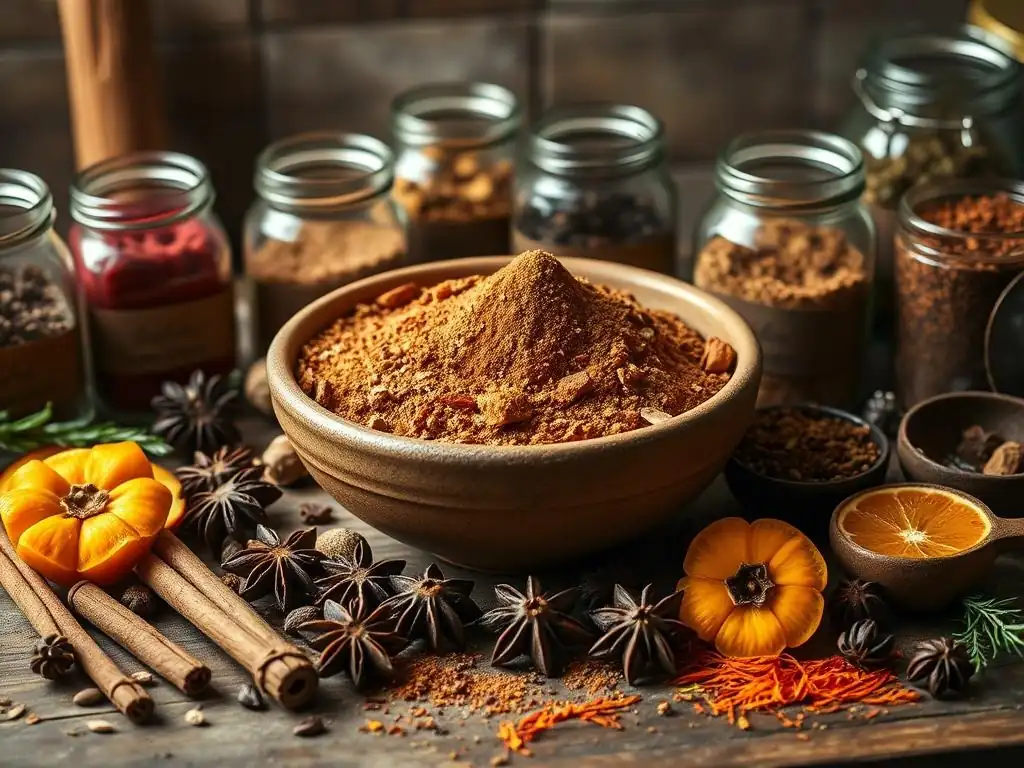
Welcome to BakeWithEase, your kitchen companion for all things baking! Ever wondered how to elevate your baked goods from simply delicious to utterly irresistible? This week, we're diving deep into the fascinating world of baking spice flavor combinations. Unlock the secrets to creating unforgettable flavor profiles and discover how seemingly simple spices can transform your pastries, breads, and more. Get ready to tantalize your taste buds and revolutionize your baking – let's get started!
- Baking Spice Profiles: Enhancing Your Baked Goods
- Elevate Your Baking: Unlocking Flavor Combinations with Spices
- Why Understanding Baking Spice Flavors is Key to Baking Success
- The Essential Baking Spices: A Flavor Guide
- Exploring Baking Spice Combinations: Recipe Inspiration
- Crafting Your Own Signature Spice Blends
- Optimizing Spice Storage and Freshness
- Beyond the Core: Exploring Less Common Spices
- Mastering Spice Combinations: Achieving Exceptional Flavor
-
Frequently Asked Questions
- What are some good baking spice flavor combinations for beginners?
- How do I know which baking spice flavor combinations will work well together?
- Can I use baking spice flavor combinations in different types of baked goods?
- What are some less common, more adventurous baking spice flavor combinations?
- How can I best store my baking spices to preserve their flavor and potency for baking spice flavor combinations?
- Final Reflection: The Symphony of Spices in Your Kitchen
- Unlock Your Baking Potential: Spice Up Your Next Creation!
Baking Spice Profiles: Enhancing Your Baked Goods
Elevate Your Baking: Unlocking Flavor Combinations with Spices
Spices are the unsung heroes of the baking world, capable of transforming simple ingredients into extraordinary treats. They add depth, warmth, aroma, and character that go far beyond just sweetness. Understanding how different spices interact and complement each other is a fundamental skill for any baker looking to move past basic recipes and create truly memorable baked goods. It's not just about adding a dash of cinnamon; it's about intentionally building a complex and harmonious flavor profile.
Exploring the vast possibilities of baking spice flavor combinations opens up a new dimension in your kitchen. Whether you're aiming for a comforting classic like apple pie or an adventurous new creation, the right blend of spices can make all the difference. This guide will walk you through the essential spices, how to combine them effectively, and even how to craft your own signature blends to elevate your baking to new heights.
Why Understanding Baking Spice Flavors is Key to Baking Success
Enhancing Your Baking: The Flavor Power of Spices
Spices contribute significantly to the overall sensory experience of baked goods, influencing taste, aroma, and even texture perception. They contain volatile oils and compounds that react during baking, releasing complex fragrances and flavors. For instance, the eugenol in cloves provides a pungent, warming note, while the cinnamaldehyde in cinnamon offers sweetness and warmth.
A study published in the Journal of Agricultural and Food Chemistry highlighted how these compounds are released differently based on baking temperature and time, affecting the final flavor profile. Adding spices isn't merely about masking flavors; it's about introducing new layers of complexity that can elevate a plain cake or cookie into something truly special.
Consider a simple sugar cookie dough. Without spices, it's primarily sweet and buttery. Introduce a mix of cinnamon, nutmeg, and ginger – common baking spice flavor combinations – and suddenly you have a cookie with warmth, depth, and a comforting aroma. This transformation demonstrates the power of spices to enhance and define the character of baked goods. Using fresh, high-quality spices is crucial, as their potency directly impacts the intensity and nuance of the final flavor. Stale spices, having lost many of their volatile oils, will contribute very little to your baking.
Avoiding Flavor Imbalances: Mastering Spice Profiles
Using spices effectively in baking requires understanding their individual strengths and how they interact. An imbalance can easily overpower other delicate flavors or create an unpleasant harshness. For example, while cloves offer intense warmth, using too much can result in a medicinal or numbing sensation. Similarly, excessive ginger might introduce an overwhelming heat or bitterness. Mastering baking spice flavor combinations involves learning the typical intensity of each spice and how much is appropriate for different types of baked goods and overall flavor goals.
A common pitfall is simply adding random spices without considering their profile. A highly aromatic spice like cardamom, if paired incorrectly or used too liberally, can dominate everything else. Conversely, too little of a mild spice like ground coriander might get lost entirely.
Learning to balance the warming spices (cinnamon, ginger, cloves) with the more aromatic or earthy ones (nutmeg, cardamom, allspice) is key. This often involves starting with smaller amounts and tasting (if possible, during mixing or after baking) to adjust. Many recipes provide ratios, offering a good starting point, but personal preference and the freshness of your spices will necessitate adjustments over time.
The Essential Baking Spices: A Flavor Guide
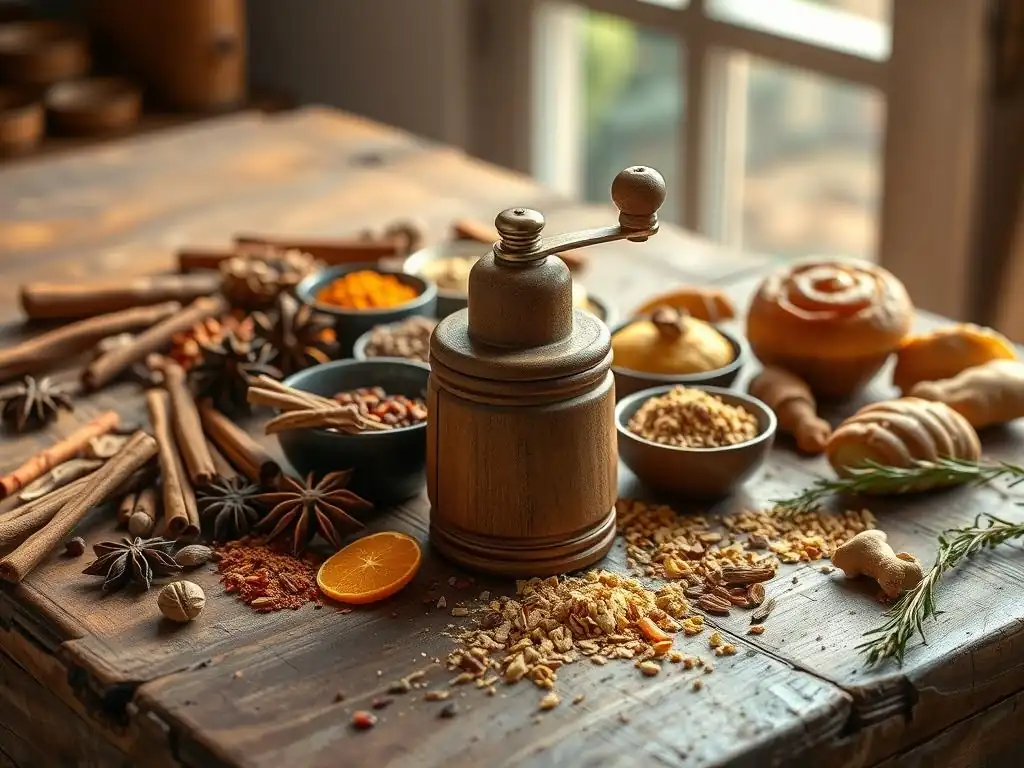
Cinnamon: Warmth and Versatility
Cinnamon is arguably the most ubiquitous baking spice, cherished for its sweet, warm, and slightly woody flavor. It comes primarily in two varieties: Ceylon (often called "true" cinnamon), which is milder and more complex with citrusy notes, and Cassia, which is stronger, spicier, and more commonly found in North America.
Cassia contains higher levels of coumarin, a compound that can be harmful in large quantities, though typical baking uses are generally safe. The versatility of cinnamon is unmatched; it pairs well with fruits like apples and pears, complements chocolate, and is a staple in countless bread, cake, and cookie recipes.
Its flavor profile makes it a foundational element in many common baking spice flavor combinations, such as those found in pumpkin pie spice or gingerbread mixes. A standard apple pie filling often uses between 1 to 2 teaspoons of ground cinnamon per 6-8 medium apples, demonstrating its ability to provide significant flavor without overwhelming the fruit. Beyond ground form, cinnamon sticks can be steeped in liquids (milk, cream) used in baking to infuse a more subtle, nuanced flavor, perfect for custards or rice puddings.
Nutmeg: Aromatic and Earthy Depth
Nutmeg offers a sweet, warm, and slightly nutty flavor with subtle earthy undertones. It is best used freshly grated from a whole nutmeg seed, as the pre-ground version loses its volatile oils and potency quickly. Just a small amount of freshly grated nutmeg can add significant depth to baked goods. It pairs wonderfully with dairy, eggs, and fruits like pears and peaches, and is a classic addition to custards, eggnogs, and spice cakes.
In baked goods, nutmeg provides a counterpoint to sweeter flavors and adds complexity to spice blends. For example, a typical spice cookie recipe might use half the amount of nutmeg compared to cinnamon (e.g., 1 teaspoon cinnamon, 0.5 teaspoon nutmeg) to ensure its distinct flavor comes through without dominating. It's also a key component in béchamel sauce, highlighting its ability to bridge sweet and savory applications, a useful trait for bakers experimenting with less traditional pastries or fillings.
Ginger: Zesty and Spicy Warmth
Ginger provides a distinctive warm, pungent, and slightly peppery flavor with a hint of sweetness. It's available in several forms for baking: fresh, ground, crystallized, and candied. Ground ginger is most common in spice blends for cakes, cookies, and gingerbread, offering concentrated heat. Fresh ginger, with its brighter, more zesty flavor, is sometimes used in syrups or purees for glazes or infusions, though less frequently than ground in standard recipes.
Ginger's warming properties make it essential in cold-weather baking. A classic gingerbread recipe might call for 1-2 teaspoons of ground ginger per cup of flour, alongside other warming spices, to achieve its characteristic spicy kick. It pairs exceptionally well with molasses, brown sugar, and citrus fruits. While it provides heat, ginger's flavor is complex, adding a lively note that cuts through richness and sweetness, making it a vital part of many compelling baking spice flavor combinations.
Allspice: A Complex Blend of Flavors
Allspice, despite its name, is a single spice – the dried, unripe berry of the Pimenta dioica tree. Its flavor is often described as a combination of cinnamon, nutmeg, and cloves, hence the name. This inherent blend of warming and aromatic notes makes it incredibly useful in baking, providing complexity with a single ingredient. It's available both whole and ground; ground is most commonly used in recipes.
Allspice is particularly popular in Caribbean and Middle Eastern baking, but it's also a staple in many Western spice blends, including pumpkin pie spice and fruitcake mixes. It pairs well with fruits, especially berries and apples, and is excellent in gingerbread, spice cookies, and muffins. Due to its composite flavor, it can sometimes be used as a convenient substitute for a mix of cinnamon, nutmeg, and cloves, though the exact proportions and nuances won't be identical. A recipe might call for 0.5 to 1 teaspoon of ground allspice alongside cinnamon and nutmeg for a rich, multi-layered flavor.
Cloves: Intense and Pungent Aroma
Cloves are the dried flower buds of an evergreen tree, known for their intensely pungent, sweet, and slightly bitter flavor. They are one of the most potent spices and must be used sparingly to avoid overpowering other flavors. The active compound, eugenol, is responsible for their strong aroma and slight numbing sensation. Cloves are available whole or ground; ground cloves are typically used in baking.
Due to their strength, cloves are often used in small quantities within baking spice flavor combinations. A spice blend might use only a quarter or half the amount of ground cloves compared to cinnamon or ginger. They pair wonderfully with apples, pears, and citrus fruits, and are essential in gingerbread, pumpkin pie, and mulled spices. Whole cloves can be used to infuse liquids or stud fruits before baking, providing a more subtle release of flavor than the ground form.
Cardamom: Exotic and Aromatic
Cardamom offers a highly aromatic, complex flavor profile with notes of citrus, eucalyptus, and floral sweetness. It's a staple in Scandinavian and Indian baking. Green cardamom pods are the most common variety used in baking; black cardamom has a smokier flavor and is less frequently used in sweet applications. For the best flavor, it's recommended to grind whole cardamom pods (seeds inside) just before use, as the flavor dissipates quickly.
Cardamom pairs beautifully with coffee, chocolate, citrus, and nuts. It adds an exotic touch to breads, cakes, cookies, and pastries. In Swedish baking, cardamom is often used generously, such as 1-2 teaspoons of ground cardamom in a batch of cinnamon rolls, adding a bright, warm counterpoint to the cinnamon. Its unique profile makes it a fantastic ingredient for developing sophisticated baking spice flavor combinations that stand out from the usual.
Exploring Baking Spice Combinations: Recipe Inspiration
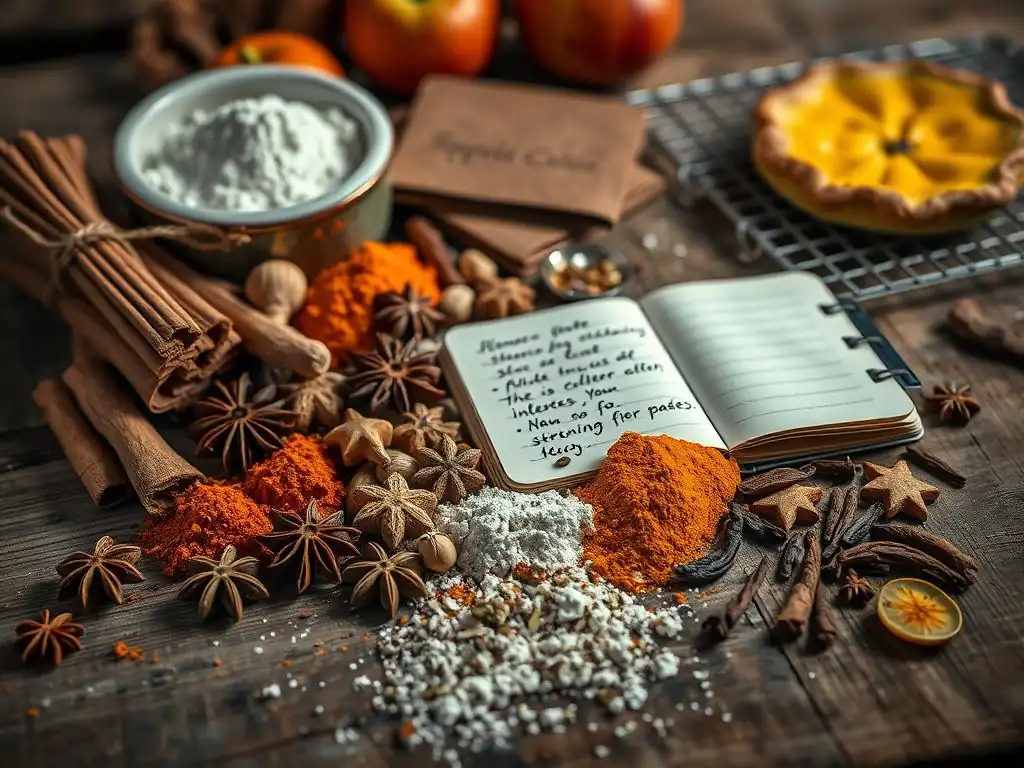
Classic Spice Pairings: Reliable and Delicious
Mastering classic baking spice flavor combinations is a great starting point for any baker. These pairings are beloved for a reason – they consistently produce delicious results and form the foundation of many traditional recipes. Understanding these basics provides a framework for later experimentation with more unique blends.
Here are some timeless pairings that every baker should know:
- Cinnamon and Apple
- Ginger and Molasses
- Cardamom and Coffee
- Nutmeg and Custard/Dairy
- Allspice and Pumpkin/Squash
These combinations have stood the test of time because their flavor profiles inherently complement each other, enhancing the overall taste experience of the baked good.
Cinnamon and Apple: A Timeless Combination
The pairing of cinnamon and apple is perhaps the most iconic in baking. The warm, sweet notes of cinnamon perfectly complement the tartness and natural sweetness of cooked apples. This combination is the heart of countless desserts, from simple baked apples to complex pies and tarts. The volatile compounds in cinnamon, particularly cinnamaldehyde, react beautifully with the sugars and acids in apples during baking, creating a comforting aroma and flavor.
A typical apple pie filling for a standard 9-inch pie might use 1.5 teaspoons of ground cinnamon. Sometimes, a pinch of nutmeg or allspice is added to this classic baking spice flavor combination to add a touch more complexity, but cinnamon remains the star. This pairing is so reliable that it's often the first spice combination new bakers learn, providing a foundation for understanding how spices interact with fruit.
Ginger and Molasses: A Rich and Warm Pairing
The combination of ginger and molasses is fundamental to gingerbread in all its forms – cookies, cakes, and loaves. Molasses, a byproduct of sugar refining, provides deep, slightly bitter sweetness and moisture, while ginger adds its characteristic warmth and spice. This pairing creates a rich, dark, and intensely flavorful profile that is particularly popular during cooler months.
A classic gingerbread cookie recipe might use 1-2 teaspoons of ground ginger alongside 0.5-1 teaspoon of other spices like cinnamon and cloves, combined with 1/4 to 1/2 cup of molasses. The amount of ginger dictates the level of 'heat' in the final product. This baking spice flavor combination demonstrates how a strong, distinct spice like ginger can be balanced and enhanced by a equally robust ingredient like molasses, resulting in a harmonious and deeply satisfying flavor.
Cardamom and Coffee: An Aromatic Delight
While perhaps less common in mainstream Western baking than cinnamon-apple, the pairing of cardamom and coffee is a beloved tradition in many cultures, particularly in the Middle East and Scandinavia. Cardamom's bright, citrusy, and slightly floral notes provide a beautiful aromatic contrast to the rich, often slightly bitter flavor of coffee. This combination can be found in coffee cakes, cookies meant to be served with coffee, or even directly in coffee-flavored baked goods.
Incorporating this baking spice flavor combination might involve adding 0.5 to 1 teaspoon of ground cardamom to a coffee cake batter or using cardamom-infused coffee as a liquid component in a chocolate cake. The result is an elevated flavor profile that is both comforting and unexpectedly sophisticated. This pairing highlights how spices can complement not just primary ingredients like fruit or sugar, but also other flavorings like chocolate or coffee.
Unique Spice Blends: Expanding Flavor Possibilities
Moving beyond the classics allows for exciting experimentation with baking spice flavor combinations. By understanding the characteristics of individual spices, you can create unique blends that add a signature touch to your baked goods. These blends often involve combining spices from different flavor categories (warming, aromatic, pungent) in unexpected ways.
Here are a few examples of less common, yet delicious, baking spice flavor combinations:
- Allspice and Orange Zest
- Nutmeg and Maple Syrup
- Cardamom and Rosewater
- Ginger and Lemon Verbena
- Cinnamon and Black Pepper
These combinations offer opportunities to create novel flavor experiences that can surprise and delight.
Allspice and Orange: A Citrus Infusion
The inherent complexity of allspice, with its notes of cinnamon, nutmeg, and clove, makes it a natural partner for citrus flavors. Pairing allspice with orange zest or orange extract creates a vibrant and aromatic baking spice flavor combination. The bright, slightly tart notes of orange cut through the warmth of the allspice, resulting in a balanced and uplifting flavor.
This blend works wonderfully in cakes, muffins, and cookies. For example, adding 0.5 teaspoon of ground allspice and the zest of one orange to a standard pound cake batter can transform it into a fragrant, sophisticated dessert. The allspice provides a warm, comforting base, while the orange adds a layer of freshness and brightness. This combination is particularly good with dark chocolate or cranberries.
Nutmeg and Maple: A Sweet and Nutty Blend
Nutmeg's warm, nutty, and slightly earthy profile is a perfect match for the deep, caramel-like sweetness of maple syrup. This baking spice flavor combination evokes cozy, autumnal feelings and works beautifully in pancakes, waffles, muffins, and quick breads. The subtle spice of nutmeg enhances the rich flavor of maple without overpowering it.
In a recipe calling for maple syrup, adding a pinch (around 1/8 to 1/4 teaspoon) of freshly grated nutmeg can significantly enhance the overall flavor. For instance, maple-nutmeg glazed donuts or a maple-nutmeg spiced loaf cake benefit greatly from this pairing. The nutmeg adds depth and a hint of spice that elevates the simple sweetness of maple, creating a more complex and satisfying taste.
Cardamom and Rose: An Elegant Floral Pairing
This is a more adventurous, yet incredibly elegant, baking spice flavor combination. Cardamom's aromatic, slightly citrusy notes pair surprisingly well with the delicate, floral aroma of rosewater. This combination is popular in Middle Eastern and Indian sweets, adding a touch of sophistication and exoticism.
Using this blend requires a light hand with the rosewater, which can easily become soapy if overdone. A recipe might call for 0.5 teaspoon of ground cardamom and just a few drops (perhaps 1/4 to 1/2 teaspoon) of high-quality rosewater in a cake or cookie dough. This pairing works well with pistachios, almonds, and white chocolate. The cardamom provides warmth and complexity, while the rose adds a subtle, perfumed elegance, creating a memorable and unique flavor experience.
Crafting Your Own Signature Spice Blends
Developing your own baking spice flavor combinations allows for ultimate customization and can lead to truly unique baked goods. It's a process of experimentation, tasting, and adjusting proportions until you find a blend that perfectly suits your palate and the specific recipe you're working on.
Understanding Spice Ratios for Flavor Harmony
Creating harmonious baking spice flavor combinations involves understanding the relative strengths of different spices and using appropriate ratios. As a general guideline, cinnamon is often used in the largest quantity in blends, forming the base. Spices like ginger, nutmeg, and allspice are typically used in slightly smaller amounts, providing secondary layers of flavor. Potent spices like cloves and cardamom are used in the smallest quantities, acting as accents.
Consider a common "pumpkin pie spice" blend as an example of typical ratios:
- 4 parts Ground Cinnamon
- 2 parts Ground Ginger
- 2 parts Ground Nutmeg
- 1 part Ground Allspice
- 0.5 parts Ground Cloves
This ratio ensures that the intense flavors of cloves and allspice don't overwhelm the milder, foundational cinnamon and the warming ginger/nutmeg. Starting with established ratios like this and then adjusting based on your preference is a practical approach to crafting your own baking spice flavor combinations.
Experimenting with Proportions for Unique Profiles
Once you understand basic ratios, the fun begins with experimentation. Want a spicier gingerbread? Increase the ratio of ginger and perhaps add a pinch of black pepper. Prefer a more aromatic spice cake? Increase the cardamom or nutmeg compared to the warming spices. This iterative process of mixing small batches, smelling, and even tasting a tiny amount (though baking changes flavors!) is key.
Try creating a small batch, perhaps just a few tablespoons total, using a starting ratio. Bake a simple test batch of plain sugar cookies or muffins using this blend (e.g., 1-2 teaspoons of your blend per cup of flour). Note the dominant flavors, the aroma, and the overall balance. Then, adjust the ratios in your blend – add more of one spice, less of another – and test again. This hands-on approach is the best way to learn how different proportions impact the final baking spice flavor combinations.
Documenting Your Custom Spice Blend Recipes
As you experiment and develop blends you love, it's crucial to document your recipes. Note the exact quantities of each spice used, the total yield of the blend, and perhaps even the date you created it. This allows you to recreate successful baking spice flavor combinations and refine them further over time.
A simple system works best. You could use a small notebook or a digital document. For each blend, list:
- Name of the blend (e.g., "Holiday Cookie Spice," "Morning Muffin Blend")
- Date created
- Ingredients and their precise measurements (e.g., 2 Tbsp Cinnamon, 1 Tbsp Ginger, 1 tsp Cloves)
- Total yield (e.g., Makes 4 Tbsp)
- Notes on flavor profile (e.g., "Warm, slightly peppery")
- Suggested uses (e.g., "Good in molasses cookies")
- Results of test bakes (e.g., "Could use a little more ginger")
Maintaining these records is invaluable for consistently achieving great baking spice flavor combinations and building a repertoire of custom blends.
Optimizing Spice Storage and Freshness
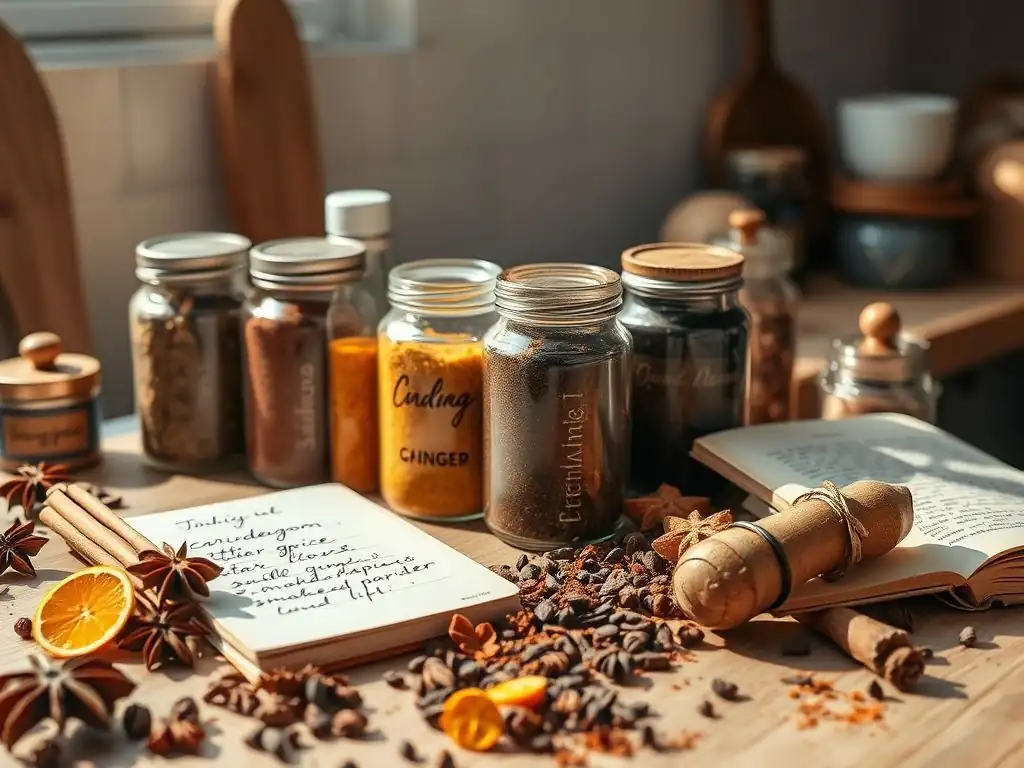
Even the best baking spice flavor combinations will fall flat if made with stale spices. Proper storage is essential to maintaining the potency and vibrant flavor of your spices. Spices lose their volatile oils and aroma over time, particularly when exposed to light, heat, air, and moisture.
Best Practices for Storing Baking Spices
To keep your baking spices fresh for as long as possible, store them in airtight containers. Glass jars with tight-fitting lids or metal tins are ideal. Avoid plastic containers, as they can sometimes absorb or impart odors. Keep the containers in a cool, dark place, away from the stove, oven, and direct sunlight. A pantry or cupboard is much better than a spice rack positioned above the range.
Grinding whole spices just before use yields the most intense flavor, but if you buy pre-ground spices, purchase them in small quantities that you will use relatively quickly. While ground spices don't spoil in a way that makes them unsafe to eat, their flavor degrades significantly. Whole spices retain their potency much longer than ground ones.
Identifying Signs of Spice Degradation
It's important to be able to tell when your spices are past their prime. The most obvious sign is a lack of aroma and flavor. When you open a container of ground spice, it should have a noticeable, strong smell. If the aroma is faint or nonexistent, the flavor will likely be equally weak in your baking.
Another test is the "rub test." Place a small amount of ground spice in the palm of your hand and rub it gently with your finger. You should release a burst of aroma. If you don't smell much, it's time to replace it. For whole spices, a visual inspection can sometimes reveal dullness or fading color, and grinding a piece should release a strong fragrance. Don't rely on expiration dates alone; your senses are the best judge of a spice's freshness.
Extending the Shelf Life of Your Spices
While you can't make spices last forever, proper storage significantly extends their useful life. Whole spices, when stored correctly, can remain potent for up to 3-4 years. Ground spices, however, typically lose most of their peak flavor within 6 months to 1 year. Specialty ground spices, like paprika or chili powder, may lose potency even faster, sometimes within 3-6 months.
Purchasing whole versions of frequently used spices like nutmeg, cinnamon sticks (which you can grind in a coffee grinder reserved for spices), and cardamom pods, and grinding them as needed, is the best way to ensure vibrant baking spice flavor combinations. For less frequently used spices or those difficult to grind at home (like cloves), buy the smallest size container available. Regularly checking your spice collection for freshness and replacing old jars ensures your baked goods always have the best possible flavor.
Beyond the Core: Exploring Less Common Spices
While the core spices are essential, venturing into less common options can add truly unique dimensions to your baking spice flavor combinations. These spices might require a bit more experimentation, but they can offer exciting new profiles.
Star Anise: A Licorice-Like Aroma
Star anise is a beautiful, star-shaped spice with a strong, distinct licorice-like flavor derived from anethole, the same compound found in anise seed. It is intensely aromatic and sweet, often used whole to infuse liquids or ground in spice blends, though a light hand is needed due to its potency.
In baking, star anise pairs well with fruits like apples, pears, and plums, and can add an interesting twist to chocolate or caramel flavors. A single pod can be steeped in milk or cream for a custard or sauce, or a tiny pinch of ground star anise (consider starting with just 1/8 teaspoon for a whole cake) can be added to warming baking spice flavor combinations to introduce a complex, sweet-licorice note. It's a key ingredient in Chinese Five Spice powder, which can sometimes be adapted for adventurous baking.
Mace: A Delicate Nutmeg Variation
Mace is the lacy, reddish covering (the aril) of the nutmeg seed. Its flavor is similar to nutmeg but is generally considered more delicate, sweeter, and less pungent, with subtle floral or citrusy undertones. Like nutmeg, it is best used freshly ground from whole blades (called "blades" or "arils").
Mace can be used anywhere nutmeg is used, offering a slightly different nuance. It pairs well with dairy, eggs, and light fruits. In some traditional recipes, mace is preferred for lighter cakes, custards, or fruit tarts where the bolder flavor of nutmeg might be too strong. Using mace instead of nutmeg in a sugar cookie or a simple pound cake allows its subtle, sweet aroma to shine, providing a refined twist on classic baking spice flavor combinations.
Grains of Paradise: A Peppery and Citrusy Spice
Grains of Paradise are the seeds of a plant in the ginger family, offering a complex flavor that combines notes of black pepper, citrus, and cardamom, with a warming pungency similar to ginger. They are typically ground just before use.
This spice can add a surprising kick and aromatic brightness to baked goods. It works well in recipes featuring citrus, ginger, or chocolate. Adding a small amount (perhaps 1/4 teaspoon) of freshly ground grains of paradise to a ginger cookie recipe can enhance the ginger flavor while adding peppery warmth and citrusy sparkle. It's an excellent ingredient for experimenting with baking spice flavor combinations that aim for complexity and a hint of unexpected heat.
Mastering Spice Combinations: Achieving Exceptional Flavor
Mastering baking spice flavor combinations is an ongoing journey of learning and experimentation. It involves understanding the individual personalities of different spices, how they interact in various ratios, and how they complement the other ingredients in your baked goods.
- Start with classic pairings to build confidence.
- Always use fresh, high-quality spices.
- Taste and adjust as you go, whenever possible.
- Don't be afraid to experiment with less common spices.
- Document your successful blends and learning experiences.
By paying attention to the nuances of spice flavors and intentionally crafting your blends, you can elevate your baking from good to exceptional, creating baked goods that are not only delicious but also rich in complex, memorable flavors.
Frequently Asked Questions
What are some good baking spice flavor combinations for beginners?
Start with simple pairings like cinnamon and nutmeg, or ginger and cloves. These are classic combinations that are easy to work with and provide a warm, comforting flavor. Don't be afraid to experiment!
How do I know which baking spice flavor combinations will work well together?
Consider the flavor profiles of individual spices. Do they have similar notes (warm, spicy, sweet)? Look for combinations that complement each other, or use a spice wheel for guidance.
Can I use baking spice flavor combinations in different types of baked goods?
Absolutely! Many combinations work across various recipes. For example, cardamom and rose are great in cakes and cookies. The key is to adjust the spice quantities to suit the specific recipe.
What are some less common, more adventurous baking spice flavor combinations?
Consider combinations like chili powder and chocolate, or black pepper and strawberry. These unexpected pairings can create complex and unique flavor experiences.
How can I best store my baking spices to preserve their flavor and potency for baking spice flavor combinations?
Store spices in airtight containers, away from direct sunlight and heat. This will help maintain their essential oils and ensure they remain potent for longer, leading to better flavor in your baked goods.
Final Reflection: The Symphony of Spices in Your Kitchen
Understanding the nuances of baking spices is not merely a culinary pursuit; it's a journey into the heart of flavor creation. The combinations explored in this article are more than just recipes; they are blueprints for unlocking a world of aromatic possibilities, directly impacting the sensory experience of your baked goods and ultimately, your enjoyment of them. This knowledge empowers you to move beyond pre-packaged mixes and into the realm of truly personalized baking.
The influence of spices on our cultural and culinary landscapes is profound and enduring. From the cinnamon-laced warmth of holiday traditions to the exotic allure of cardamom in global cuisines, spices have woven themselves into the fabric of our shared human experience. The spice trade was the engine of exploration, the catalyst for empires, and the source of untold wealth and power.
This quote highlights not only the historical significance of spices, but also their enduring power to connect us across cultures and generations, enriching our lives through taste and tradition.
Now, consider your own baking journey. What new flavor combinations will you explore? Will you experiment with unexpected pairings, pushing the boundaries of your culinary creativity? Perhaps you'll delve deeper into the history and origins of your favorite spices, enriching your understanding and appreciation. I encourage you to embrace the power of spice, to experiment fearlessly, and to discover the unique symphony of flavors that awaits you in your kitchen. The possibilities are as limitless as your imagination.
Unlock Your Baking Potential: Spice Up Your Next Creation!
Thanks for exploring the fascinating world of baking spices with us! We hope you now feel more confident in understanding the unique flavor profiles that elevate your baking. Ready to put your newfound knowledge into practice?
- Experiment with a new spice blend: Try substituting one of your usual spices with a new one you learned about today. What surprising flavors can you create?
- Share your baking adventures: Tell us about your spice explorations on our social media channels – we'd love to see your creations!
- Leave a comment below and share your favorite spice combination – what makes it special to you?
So, what delicious spice-infused treat will you bake next?