
From Pod to Pour: How Vanilla Transforms from Bean to Extract

Welcome to BakeWithEase, your guide to confident and delicious baking!
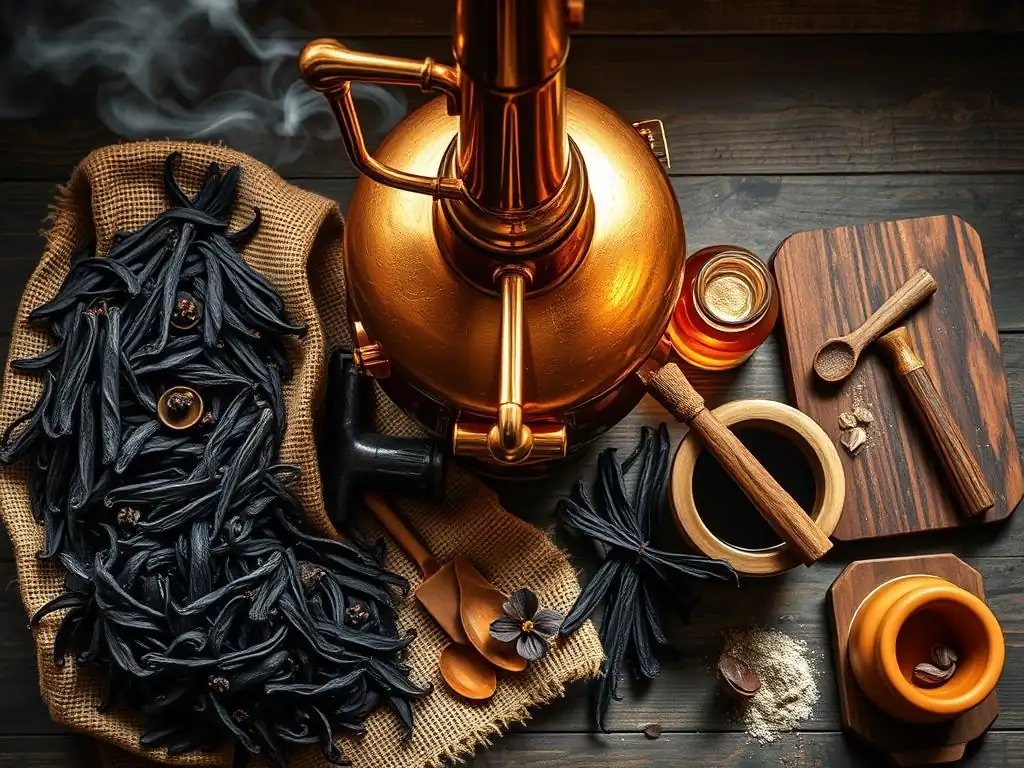
Ever wondered how that tiny, fragrant pod transforms into the liquid gold that elevates your desserts? In this Ingredient Deep Dive, we unravel the mystery of vanilla. Discover the secrets behind crafting your own vanilla bean extract recipe and unlock a world of flavor you never knew existed. Ready to ditch the store-bought stuff and create something truly special? Let's get baking!
- From Bean to Bottle: Crafting Vanilla Extract at Home
- Unveiling the Journey of Vanilla: From Orchid to Liquid Gold
- The Vanilla Bean: Origin and Cultivation
- Crafting Your Own Vanilla Bean Extract: A Step-by-Step Guide
- Why Make Your Own Vanilla Bean Extract?
- Using Your Vanilla Bean Extract
- Troubleshooting Your Homemade Vanilla Bean Extract
- Beyond Extract: Other Uses for Vanilla Beans
- Mastering Vanilla: Elevating Your Culinary Creations
- Frequently Asked Questions
- Final Reflection: The Enduring Allure of Vanilla, From Bean to Cup
- Unlock the Secrets of Vanilla: Craft Your Own Extract!
From Bean to Bottle: Crafting Vanilla Extract at Home
Unveiling the Journey of Vanilla: From Orchid to Liquid Gold
Vanilla, the beloved flavor that graces everything from cookies to custards, has a fascinating journey before it reaches your kitchen. It begins as a delicate orchid flower, Vanilla planifolia, which must be hand-pollinated within a short window, typically just a few hours on the day it blooms. This labor-intensive process is one reason why real vanilla is a premium ingredient.
After pollination, the flower develops into a green bean-like pod over several months. This green pod holds none of the characteristic vanilla aroma or flavor we know and love. The magic happens during a complex curing process, which involves drying, sweating, and conditioning the beans over weeks or even months. It is this meticulous transformation that develops the over 250 aromatic compounds responsible for vanilla's rich, complex profile, turning the humble green pod into the fragrant brown bean ready to become your homemade vanilla extract.
The Vanilla Bean: Origin and Cultivation
The cultivation of vanilla is concentrated in specific tropical regions around the world, each contributing unique characteristics to the final bean. The plant thrives in hot, humid climates, often grown on trellises or trees in shaded environments. The process, from planting to harvesting, can take several years, and the delicate nature of the orchid's pollination means human intervention is crucial for a successful crop.
Once harvested, the green beans undergo the vital curing process. This typically involves a brief hot water treatment (often called "killing"), followed by alternating periods of sun-drying and wrapping the beans to sweat. This carefully managed process reduces moisture content and allows the complex flavor molecules to develop. The curing can take anywhere from a few weeks to several months, depending on the method and climate, before the beans are graded and ready for sale, or to be transformed into a delicious vanilla bean extract recipe.
Sourcing Vanilla Beans: Madagascar, Mexico, and Beyond
When you're ready to make your own vanilla bean extract, sourcing quality beans is the first critical step. The origin of the bean significantly influences its flavor profile. Madagascar, specifically the Bourbon island group (including Reunion and Comoros), is the most famous source, producing beans known for their classic, creamy, sweet flavor with notes of caramel. These Vanilla planifolia beans are often referred to as Bourbon vanilla.
Mexico, the birthplace of the vanilla orchid, produces beans with a smoky, spicy character, often described as having hints of clove and nutmeg. Tahitian vanilla ( Vanilla tahitensis), primarily grown in French Polynesia, has a more floral, cherry-like aroma and is plumper and contains more oil than the Bourbon variety. Other regions like Uganda, Papua New Guinea, and Indonesia also produce vanilla beans with distinct characteristics, offering a range of flavors for your homemade vanilla bean extract recipe.
Understanding Vanilla Bean Varieties: Bourbon, Tahitian, Mexican
Exploring the different varieties of vanilla beans opens up a world of subtle flavor nuances that can dramatically impact your homemade vanilla extract. Bourbon vanilla, predominantly from Madagascar, is the industry standard, cherished for its high vanillin content and smooth, universally appealing flavor. It's the workhorse for many baking applications and provides the classic taste most people associate with vanilla.
Tahitian vanilla, while visually different (often shorter, plumper), offers a distinctly floral and fruity profile. Its aroma is complex, sometimes described as having notes of cherry, anise, and even red wine. Mexican vanilla, on the other hand, brings warmth and spice, lending itself well to chocolate and savory dishes. Understanding these differences allows you to select the perfect bean variety to customize your vanilla bean extract recipe to your specific taste preferences.
The Curing Process: Developing Vanilla's Signature Aroma
The transformation of a green, odorless vanilla pod into a fragrant, dark brown bean is entirely due to the curing process. Immediately after harvesting, the beans are "killed" by dipping them in hot water (around 140-150°F or 60-65°C) for a short period, typically just a few minutes. This stops the ripening process and initiates enzymatic activity crucial for flavor development.
Following the killing step, the beans undergo a meticulous cycle of sun-drying during the day and sweating (wrapping them in cloth or blankets to retain heat and moisture) overnight. This process continues for several weeks, slowly reducing the bean's moisture content from around 60-70% down to 25-30%. This controlled drying and sweating allows enzymes within the bean to break down glycosides, releasing aromatic compounds, most notably vanillin, and developing the complex flavor profile essential for a high-quality vanilla bean extract recipe.
Crafting Your Own Vanilla Bean Extract: A Step-by-Step Guide
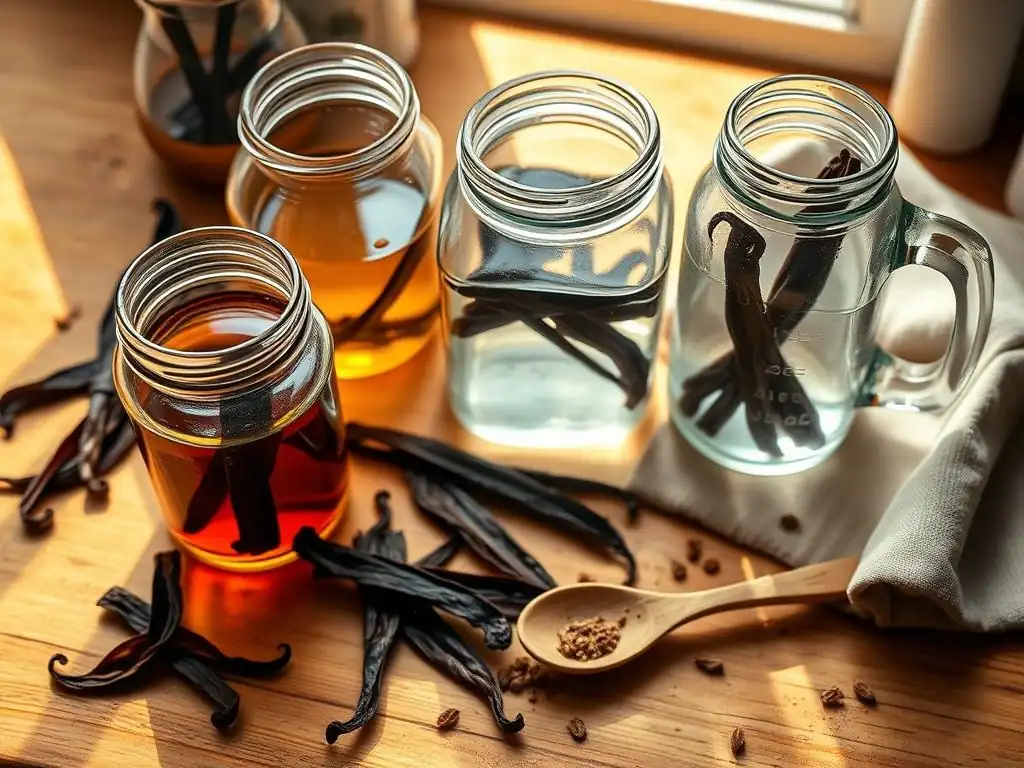
Making your own vanilla bean extract is a rewarding process that yields a superior product compared to many store-bought versions. It requires minimal ingredients and equipment, but a good dose of patience! The resulting extract will be rich, complex, and free from artificial additives, making it a perfect base for all your baking endeavors.
This simple vanilla bean extract recipe allows you to control the quality of your ingredients and customize the flavor by choosing different bean varieties. While it takes time for the flavors to fully develop, the hands-on effort is minimal, making it an accessible project for any home baker looking to elevate their ingredients.
What You Need: Ingredients and Equipment
To embark on your vanilla bean extract recipe journey, you'll need just a few key items. The most important ingredient is, of course, high-quality vanilla beans. Aim for about 1 ounce (roughly 6-10 beans, depending on size and moisture content) per 8 ounces of alcohol. The second essential ingredient is the alcohol itself, typically an 80-proof (40% alcohol by volume) spirit.
You will also need clean, airtight glass bottles or jars to hold your extract while it infuses and for storage. Dark glass bottles are preferred as they help protect the extract from light, which can degrade the flavor over time. A sharp knife or razor blade and a cutting board will be needed for preparing the beans.
Vanilla Bean Extract Recipe: Detailed Instructions
Here is a straightforward vanilla bean extract recipe to get you started. Remember that the key to a great extract is time, so plan ahead!
- Ingredients:
- 1 ounce (approx. 6-10) high-quality vanilla beans (e.g., Bourbon, Tahitian, Mexican)
- 8 ounces (1 cup) 80-proof spirit (vodka, bourbon, rum, or brandy)
- Equipment:
- Clean, airtight glass bottle or jar (8 oz capacity or larger)
- Sharp knife or razor blade
- Cutting board
Preparing the Vanilla Beans: Slicing and Scraping Techniques
Properly preparing your vanilla beans is crucial for maximizing the flavor extraction in your vanilla bean extract recipe. The goal is to expose as much of the bean's surface area and the tiny seeds (vanilla caviar) as possible to the alcohol.
- Place a vanilla bean on a cutting board.
- Using a sharp knife or razor blade, make a lengthwise slit down the center of the bean, from just below the stem to the tip. Do not cut all the way through; you want to create a split that opens like a book.
- If desired, you can then use the back of your knife or a small spoon to gently scrape out the tiny, paste-like seeds from the inside of the bean. These seeds, often called "vanilla caviar," contain a significant amount of flavor.
- Place both the scraped-out seeds and the split bean pod directly into your clean glass bottle or jar. Repeat with the remaining beans.
Choosing the Right Alcohol: Vodka, Bourbon, or Rum?
The choice of alcohol is a key decision in your vanilla bean extract recipe, as it will influence the final flavor profile. The standard choice is vodka because of its neutral taste, which allows the pure flavor of the vanilla bean to shine through without interference. This is ideal if you want a classic vanilla extract.
However, using other spirits can add delightful complexity. Bourbon, for instance, imparts warm, caramel, and oak notes that pair wonderfully with vanilla, especially in baked goods like cookies and cakes. Rum can add sweetness and molasses undertones, while brandy might lend fruity or floral notes depending on the type. Ensure the alcohol is at least 80-proof (40% alcohol by volume), as this alcohol content is efficient at extracting the flavor compounds from the beans and also acts as a natural preservative.
Infusion Time: Patience for Optimal Flavor
Once the vanilla beans and alcohol are combined in the bottle, the infusion process begins. This is where patience is truly a virtue for your vanilla bean extract recipe. While you might start to notice a change in color and aroma within a few weeks, the flavor needs much longer to fully develop.
A minimum infusion time of 6-8 weeks is often recommended before using the extract, but for truly rich, deep vanilla flavor, aiming for 6-12 months (or even longer) is ideal. During this time, store the bottle in a cool, dark place, and give it a gentle shake periodically (once a week or so) to help distribute the flavors. The longer it infuses, the more robust and complex your homemade vanilla extract will become.
Storing Your Homemade Vanilla Extract: Maximizing Shelf Life
Proper storage is essential to maintain the quality and maximize the shelf life of your homemade vanilla bean extract. Once bottled, store the extract in a cool, dark place, away from direct sunlight and heat. A pantry or cupboard is ideal. As mentioned earlier, using dark glass bottles can help protect the extract from light degradation.
Because the extract is made with high-proof alcohol, it has an incredibly long shelf life, essentially indefinite if stored correctly. The alcohol acts as a preservative, preventing spoilage. As you use the extract, you can "top off" the bottle with more alcohol, and if the beans are still submerged, they will continue to infuse, essentially creating a perpetual vanilla extract supply. Over time, you may need to add a new bean or two as the original ones become exhausted of flavor.
Why Make Your Own Vanilla Bean Extract?
Making your own vanilla bean extract offers numerous advantages over purchasing commercially produced versions. Beyond the simple satisfaction of a DIY project, you gain control, quality, and often, significant cost savings in the long run. It's an investment in future baking success.
The process itself is straightforward, requiring minimal active time once the initial setup is complete. The primary ingredient, vanilla beans, can be sourced from various origins, allowing you to tailor the flavor profile to your preferences. This level of customization is simply not possible with standard store-bought extracts.
Superior Flavor Profile: Homemade vs. Store-Bought
One of the most compelling reasons to follow a vanilla bean extract recipe at home is the resulting flavor. Many commercial extracts, particularly the less expensive ones, are made with lower-quality beans or use quicker extraction methods that don't fully capture the bean's complexity. Some may even contain added sugars, corn syrup, or artificial flavors and colors.
Homemade extract, especially when made with good quality beans and allowed to infuse for many months, develops a depth and richness of flavor that is simply unmatched. You get the pure, nuanced taste of real vanilla, with all its subtle floral, woody, or spicy undertones, depending on the bean variety used. This difference is particularly noticeable in recipes where vanilla is a primary flavor component.
Cost Savings: A Long-Term Perspective
While the initial cost of purchasing quality vanilla beans might seem high, making your own extract can lead to significant cost savings over time, especially if you are a frequent baker. A small bottle of high-quality pure vanilla extract from the store can be quite expensive.
When you make a batch of vanilla bean extract at home using an 80-proof spirit and 1 ounce of beans, you get a substantial amount of extract that will last a long time. Furthermore, as you use the extract, you can often replenish the alcohol in the bottle, effectively getting multiple "batches" from the same set of beans over several years, making the per-use cost dramatically lower than buying new bottles of extract repeatedly.
Control Over Ingredients: Quality and Purity
Making your own vanilla bean extract gives you complete control over the ingredients used. You select the specific origin and grade of vanilla beans, ensuring you start with a high-quality source. You also choose the alcohol, opting for a spirit free from additives or impurities you might want to avoid.
This level of control guarantees that your homemade extract is pure vanilla extract, free from artificial flavors, colors, or sweeteners often found in commercially produced extracts. For those with dietary restrictions, allergies, or simply a preference for natural ingredients, this purity is a significant benefit. You know exactly what is in your bottle of vanilla bean extract.
Using Your Vanilla Bean Extract
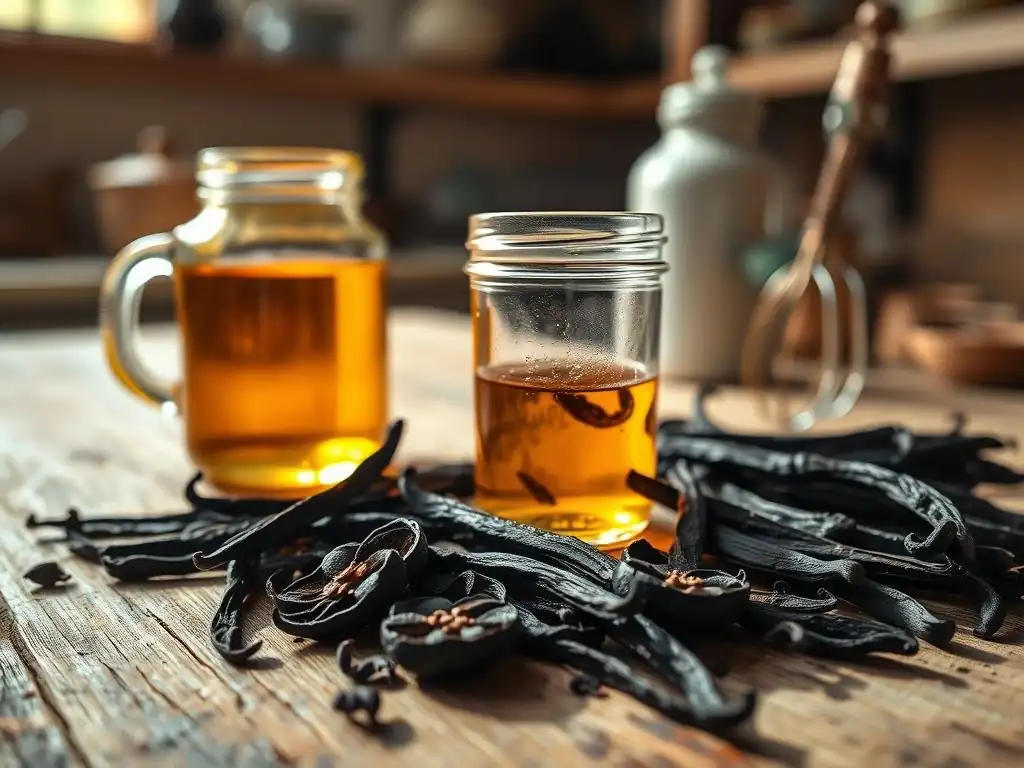
Once your homemade vanilla bean extract has reached its desired maturity, it's ready to elevate your baking and cooking. Using your own extract adds a personal touch and a depth of flavor that store-bought versions often lack.
Whether you're whipping up a batch of classic sugar cookies, making a rich vanilla custard, or adding a splash to your morning coffee, your homemade extract will make a noticeable difference. Its rich aroma and complex flavor profile will enhance any recipe it touches.
Vanilla Extract Dosage: Achieving Perfect Flavor
Using the correct amount of vanilla extract is key to achieving the perfect balance of flavors in your recipes. As a general guideline for most baking applications, the standard dosage is often around 1 teaspoon of vanilla extract per cup of flour or per 1-2 cups of liquid in custards and sauces.
However, with homemade vanilla bean extract, especially if it has been infusing for a long time, the flavor can be quite concentrated. You might find that you need slightly less than the amount called for in a recipe that was written for standard commercial extract. It's always a good idea to taste your batter or dough (where safe) and adjust the vanilla amount as needed. For delicate flavors, start with a little less and add more if desired.
Vanilla Extract Substitutions: Alternatives When Needed
While your goal might be to use your beautiful homemade vanilla bean extract, sometimes you might run out or a recipe might specifically call for an alternative. Understanding common vanilla substitutions is helpful. Vanilla bean paste is an excellent substitute, offering intense flavor and the visual appeal of vanilla seeds. Use an equal amount of paste for extract.
Another option is vanilla powder, which is made from dried and ground vanilla beans. Vanilla powder is more concentrated than extract, so you'll typically use about half the amount called for extract. For recipes where vanilla is not the dominant flavor, artificial vanilla extract can be used, though the flavor will be less nuanced. In a pinch, you could also use a small amount of a different flavoring that complements the recipe, like almond extract or a citrus zest, though this will change the overall flavor profile significantly.
Vanilla Extract Recipe Variations: Infusing with Other Flavors
Your basic vanilla bean extract recipe is just the beginning! Once you're comfortable with the process, you can experiment with infusing your extract with other complementary flavors to create unique extracts. This is a fantastic way to add a personal twist to your baking ingredients.
Consider adding a cinnamon stick, a few cardamom pods, orange peel (ensure it's organic and free of pesticides), or even a star anise pod to your jar along with the vanilla beans and alcohol. These additions will infuse into the extract over time, creating complex, layered flavors perfect for specific recipes. For example, a vanilla-cinnamon extract would be wonderful in apple pies or snickerdoodles. Always ensure any added ingredients are clean and dry before adding them to the alcohol.
Troubleshooting Your Homemade Vanilla Bean Extract
While making vanilla bean extract is generally straightforward, you might encounter a few issues along the way. Don't worry, most common problems are easily addressed, ensuring you end up with a high-quality product.
Understanding potential pitfalls, like weak flavor or cloudiness, allows you to take corrective measures and improve the outcome of your vanilla bean extract recipe. Patience and proper technique are your best allies in this process.
Common Issues and Solutions: Weak Flavor, Cloudiness, Sediment
A common issue with homemade vanilla bean extract is weak flavor, especially if you try to use it too soon.
- Weak Flavor: The most likely culprit is insufficient infusion time. Simply let it sit longer! Ensure you used enough beans for the amount of alcohol (roughly 1 oz beans per 8 oz alcohol is a good ratio). If the beans were low quality or dry, they may not have much flavor to give. Try adding a fresh, plump bean or two and letting it infuse for several more months.
- Cloudiness: Slight cloudiness is often normal, especially if you included a lot of the vanilla bean seeds (caviar). This is usually just fine sediment. If the cloudiness seems excessive or develops unexpectedly, ensure your bottle and alcohol were clean. As long as there's no off odor, it's likely harmless sediment.
- Sediment: It is completely normal to have sediment settle at the bottom of your bottle, particularly from the vanilla bean seeds. You can simply shake the bottle before use to redistribute it, or if you prefer a clearer extract, you can carefully pour the extract off the sediment or strain it through a fine-mesh sieve or coffee filter before bottling (though straining may remove some flavor compounds).
Ensuring Safety: Proper Storage and Handling
Safety is paramount when making and storing your homemade vanilla bean extract. Always start with clean, sterilized glass bottles or jars to prevent any microbial contamination. Wash them thoroughly with hot soapy water or run them through a dishwasher's sanitizing cycle.
Use food-grade alcohol (like vodka or other spirits intended for consumption) that is at least 80-proof (40% ABV). This alcohol content is sufficient to prevent the growth of harmful bacteria or mold. Store the finished extract in airtight containers in a cool, dark place. Do not store homemade extract in plastic containers for long periods, as the alcohol can potentially degrade some plastics. With proper cleaning and storage, your vanilla bean extract should be safe and last indefinitely.
Beyond Extract: Other Uses for Vanilla Beans
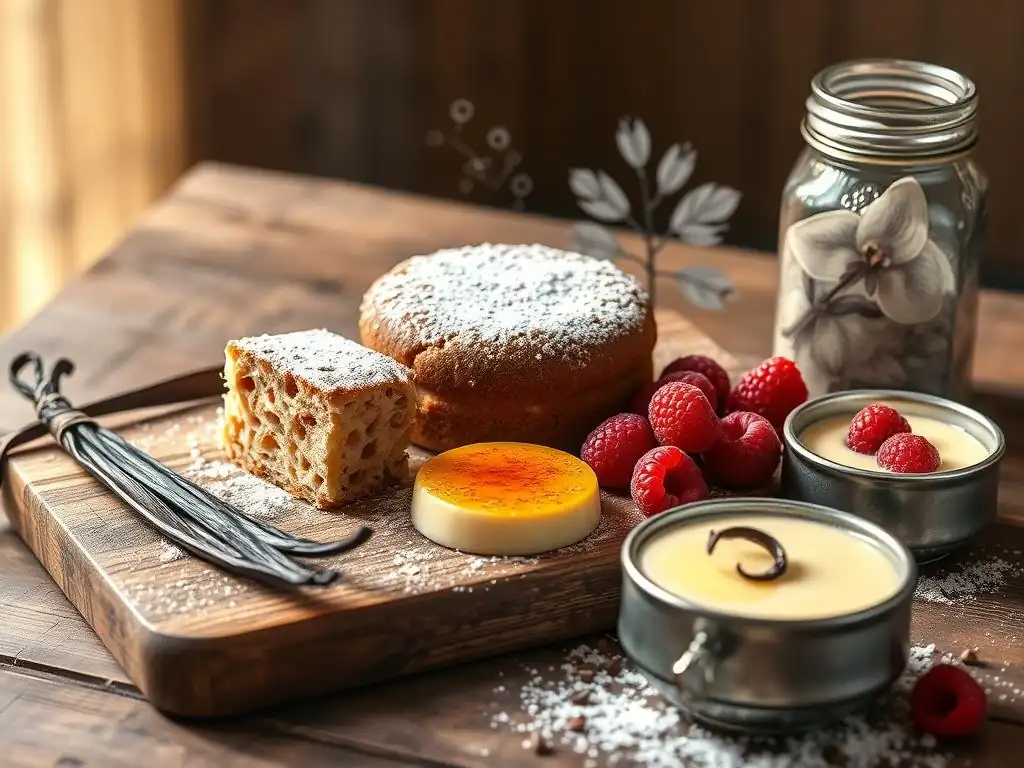
While making vanilla bean extract is a popular way to use vanilla beans, the beans themselves are versatile ingredients that can be used in many other forms. Exploring these options allows you to utilize every bit of the precious vanilla bean and add intense flavor to different types of recipes.
From pastes that offer the visual appeal of seeds to infused sugars and concentrated powders, there are numerous ways to incorporate the magic of vanilla into your culinary creations without solely relying on liquid extract. These alternative forms can sometimes be preferable depending on the desired texture, intensity, or application.
Vanilla Bean Paste: A Versatile Ingredient
Vanilla bean paste is a fantastic alternative to vanilla extract in many baking applications. It's typically a thick, syrupy mixture made from concentrated vanilla extract and the scraped seeds (caviar) of the vanilla bean, often with a natural thickener like guar gum.
The main advantage of vanilla bean paste is that it provides both intense vanilla flavor and the visual evidence of real vanilla seeds dispersed throughout your finished product, like custards, ice cream, or panna cotta. It's generally used in a 1:1 ratio as a substitute for vanilla extract, offering a richer, more complex flavor profile and that coveted speckled appearance.
Vanilla Sugar: Infusing Sweetness
Vanilla sugar is a simple yet effective way to infuse the subtle flavor of vanilla into your everyday baking and beverages. It's incredibly easy to make at home using spent vanilla beans (beans that have already been used to make extract) or fresh ones.
Simply bury a few whole or chopped vanilla beans (or even just the scraped pods) in a jar of granulated sugar. Seal the jar and let it sit for at least a week, shaking occasionally. The sugar will absorb the vanilla's aroma and flavor over time. You can use this vanilla-infused sugar anywhere you would use regular sugar, adding a delicate hint of vanilla to coffee, tea, whipped cream, or baked goods. Keep replenishing the sugar as you use it.
Vanilla Bean Powder: Concentrated Essence
Vanilla bean powder is perhaps the most concentrated form of vanilla, made by finely grinding whole, dried vanilla beans. Because it's a dry ingredient, it's excellent for applications where you don't want to add liquid, such as spice rubs, dry mixes, or dusting over desserts.
Vanilla powder offers a pure, intense vanilla flavor without the alcohol base of extract. It's significantly more potent than extract, so you only need a small amount (typically half or less of the extract called for). Ensure the powder you purchase is 100% ground vanilla bean with no additives. It's a versatile ingredient for adding a powerful punch of vanilla flavor.
Mastering Vanilla: Elevating Your Culinary Creations
Understanding vanilla, from its origin to its various forms, empowers you to use this incredible ingredient to its full potential. Making your own vanilla bean extract is a significant step towards mastering vanilla and bringing unparalleled flavor to your kitchen.
By controlling the quality of your beans and the infusion process, you create a foundational ingredient that will enhance countless recipes. Don't be afraid to experiment with different bean origins and infusion techniques to discover your personal favorite vanilla profile.
Exploring Advanced Vanilla Flavors: Infusions and Blends
Beyond the simple vanilla bean extract recipe, the world of vanilla offers opportunities for advanced flavor exploration. Consider creating extracts using blends of different vanilla bean varieties – perhaps a mix of creamy Bourbon and floral Tahitian for a complex profile.
You can also experiment with infusing vanilla into other mediums beyond alcohol, such as oils or syrups, for specific culinary uses. Creating vanilla-infused simple syrup, for example, is perfect for cocktails or moistening cakes. Exploring these advanced techniques allows you to unlock even more nuanced flavors from this remarkable spice.
Vanilla and Cooking Techniques: Tips and Tricks
Using vanilla effectively in cooking and baking involves more than just adding a teaspoon of extract. The form of vanilla you choose can impact the final result. For applications where heat is involved, like baking or making custards, adding vanilla towards the end of the cooking process can help preserve its delicate aromatic compounds, which can evaporate when heated for too long.
When using whole vanilla beans or paste, ensure the seeds are well distributed throughout the mixture for even flavor. For recipes that don't involve heat, like whipped cream or frostings, extract or paste can be added directly. Remember that homemade vanilla bean extract is potent, so start with the recommended amount and adjust to taste, allowing the pure vanilla flavor to shine without overpowering other ingredients.
Conclusion: Embrace the Flavor of Homemade Vanilla Extract
Making your own vanilla bean extract is a rewarding journey that connects you more deeply with this extraordinary spice. From understanding the meticulous cultivation and curing of the bean to patiently waiting for the flavors to meld in your bottle, the process is an act of culinary dedication.
The result is a superior ingredient – a rich, complex, and pure vanilla extract that will transform your baked goods and culinary creations. By following a simple vanilla bean extract recipe and embracing the process, you unlock a level of flavor quality that is difficult to achieve with store-bought options. So, gather your beans, choose your spirit, and embark on the path to homemade vanilla excellence. Your taste buds, and everyone you bake for, will thank you.
Frequently Asked Questions
What is vanilla bean extract and why should I make my own?
Vanilla bean extract is a flavoring agent derived from vanilla beans, typically steeped in alcohol. Making your own ensures pure vanilla flavor and avoids additives found in some commercial extracts.
What type of alcohol is best for making vanilla bean extract?
Generally, vodka is recommended because it's neutral in flavor and allows the vanilla to shine. However, bourbon or rum can be used for a slightly different flavor profile.
How long does it take to make vanilla bean extract?
A good vanilla bean extract typically requires a minimum of 8 weeks to properly infuse. For optimal flavor, you can let it steep for up to a year.
What kind of vanilla beans are best for making extract?
While various types work, Madagascar Bourbon vanilla beans are a popular choice due to their rich, creamy flavor. Tahitian vanilla beans offer a more floral and fruity flavor.
How do I store my homemade vanilla bean extract?
Store your extract in a dark glass bottle in a cool, dark place, away from direct sunlight. This helps to preserve its flavor and potency for a longer period.
Final Reflection: The Enduring Allure of Vanilla, From Bean to Cup
The journey from humble bean to fragrant extract reveals not just a culinary process, but a testament to the enduring power of simple ingredients. The seemingly straightforward transformation of vanilla beans into extract belies a complex history, a delicate process, and a surprisingly potent impact on our culinary landscape. Understanding this journey allows us to appreciate the depth of flavor and the artistry involved in creating truly exceptional dishes.
The pervasive influence of vanilla in our kitchens and beyond is a testament to its versatility and inherent appeal. It's more than just a flavor; it's a symbol of comfort, warmth, and a connection to traditional baking and cooking methods. As we've explored the process, from curing to extraction, we've uncovered a rich history and a surprising amount of nuance. Vanilla is the queen of flavors,
as some chefs have proclaimed, and its reign shows no sign of ending. This simple ingredient holds a powerful place in our collective culinary consciousness, shaping our memories and experiences through its comforting aroma and delightful taste.
Now, consider your own relationship with vanilla. Think about the recipes you cherish that feature this remarkable ingredient. What memories, emotions, and sensory experiences are evoked by its familiar scent? Perhaps this exploration has inspired you to experiment with different vanilla extracts, to source higher-quality beans, or even to try your hand at making your own extract. Embrace the journey from bean to pour – the possibilities are as endless as the applications of this timeless flavor.
Unlock the Secrets of Vanilla: Craft Your Own Extract!
Thanks for exploring the fascinating journey of vanilla, from bean to extract! You now have the knowledge to appreciate this exquisite flavor even more deeply. Ready to take your baking to the next level?
- Craft your own vanilla extract: This is the most rewarding step! The process, while requiring patience, will result in an unparalleled flavor profile you won't find in stores. Think of the satisfaction!
- Share your vanilla journey: Show off your homemade extract (and the delicious creations it flavors!) on social media using #BakeWithEaseVanilla. Let's inspire other bakers!
- Explore our Vanilla-Inspired Recipes: Dive deeper into the world of vanilla with our collection of delightful recipes featuring this aromatic ingredient.
What unique vanilla-infused treat will you create first?