
Vanilla Bean vs. Extract: Best Uses in Cakes, Cookies, Custards & More

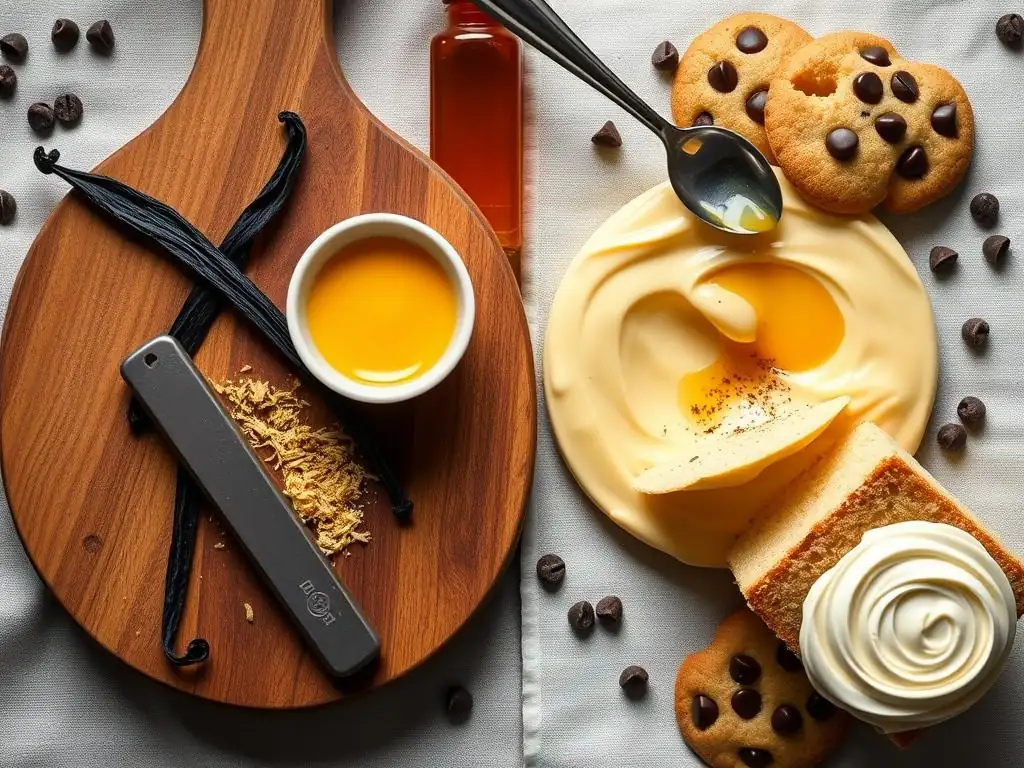
Welcome to BakeWithEase, your trusted guide to baking bliss! Ever wondered if using a vanilla bean truly makes a difference compared to extract? Prepare to unlock the secrets of this beloved ingredient in our latest article. We'll explore the nuances of vanilla bean vs. extract, revealing when to splurge and when extract will do the trick, ensuring your cakes, cookies, custards, and more reach their full flavor potential. Intrigued? Let's dive in!
- Understanding Vanilla: A Baker's Essential Ingredient
- Vanilla Bean: The Purest Form of Vanilla Flavor
- Vanilla Extract: Convenience and Versatility in Baking
- Vanilla Bean vs. Extract: A Detailed Comparison
- Recipes Highlighting Vanilla Bean and Extract
- Choosing the Right Vanilla: Considerations for Your Baking Project
- Tips and Tricks for Maximizing Vanilla Flavor in Your Baked Goods
- Conclusion: Mastering Vanilla in Your Baking Journey
-
Frequently Asked Questions
- What is the main difference between using vanilla bean and vanilla extract in baking?
- When is it best to use a vanilla bean instead of vanilla extract?
- Can I substitute vanilla extract for vanilla bean in any recipe?
- How should I store vanilla beans to keep them fresh?
- Is vanilla extract always a cheaper option than vanilla bean?
- Final Reflection: The Sweet Science of Vanilla
- Unleash Your Inner Baker: Master Vanilla's Magic!
Understanding Vanilla: A Baker's Essential Ingredient
Exploring the World of Vanilla in Baking
Vanilla is often called the "soul" of baking, and for good reason. Its complex aroma and flavor add depth, warmth, and sweetness to everything from simple sugar cookies to elaborate multi-layered cakes. While many recipes call for just a teaspoon or two, this seemingly small amount can dramatically transform the overall taste experience, balancing other flavors like chocolate or fruit, and providing a comforting, familiar note that is universally loved. The quality and form of vanilla you choose can significantly impact the final outcome of your baked goods.
Beyond its primary role as a flavor enhancer, vanilla also contributes to the overall sensory experience of baking. The scent of vanilla wafting from the oven is one of the most evocative aromas in the kitchen. Understanding the nuances between different forms of vanilla, particularly the difference between vanilla bean vs extract, empowers bakers to make informed choices that elevate their creations. Whether you're a beginner tackling your first batch of brownies or a seasoned pro perfecting a French pastry, a deep dive into vanilla is a worthwhile endeavor.
The Two Main Forms: Vanilla Bean and Vanilla Extract
When we talk about vanilla in baking, we are primarily referring to two main forms derived from the cured pods of the vanilla orchid: the vanilla bean itself and vanilla extract. Each offers a distinct profile and set of advantages, making them suitable for different applications. The vanilla bean is the most direct expression of the plant's flavor, containing thousands of tiny seeds, often called "caviar," which are packed with intense aroma and flavor compounds.
Vanilla extract, on the other hand, is a liquid made by macerating vanilla beans in alcohol and water. This process extracts the flavor compounds into a liquid form, making it convenient and easy to incorporate into batters and doughs. The choice between using a vanilla bean vs extract often comes down to the desired intensity, texture (the presence of the tiny black seeds), cost, and convenience for a specific recipe. Both have their place in a baker's pantry, and knowing when and how to use each is key to mastering vanilla flavor.
Vanilla Bean: The Purest Form of Vanilla Flavor
What is a Vanilla Bean? Origin and Characteristics
A vanilla bean is the fruit pod of the Vanilla orchid, most commonly Vanilla planifolia. These orchids are native to Mexico, but today, the majority of vanilla beans are cultivated in tropical regions around the world, with Madagascar, Tahiti, and Mexico being the most renowned sources. The beans are harvested while still green and then undergo a complex curing process that can take several months, developing their characteristic dark color, pliable texture, and incredibly rich aroma. A high-quality vanilla bean should be plump, moist, and oily, not dry or brittle.
Inside the cured vanilla bean pod are millions of tiny, black seeds, often referred to as vanilla caviar. These seeds, along with the pod itself, contain the vast majority of the flavor compounds, including vanillin, which is the primary aromatic component, but also hundreds of other trace compounds that contribute to the bean's complex and nuanced flavor profile. Different origins yield beans with slightly different characteristics; for instance, Madagascar vanilla is known for its classic, creamy sweetness, while Tahitian vanilla often has floral or fruity notes.
Flavor Profile: The Unique Taste of Vanilla Beans
The flavor of a true vanilla bean is far more complex and layered than that of simple vanillin. While vanillin provides the characteristic sweet, creamy note we associate with vanilla, the bean contains over 200 other volatile organic compounds that contribute to its depth. These compounds can introduce subtle notes of caramel, chocolate, smoke, fruit, or flowers, depending on the bean's origin and curing process. This complexity gives baked goods made with vanilla beans a richer, more authentic, and often more enduring flavor.
Using vanilla bean in your baking also adds a visual element with the speckles of black caviar distributed throughout the finished product. These tiny seeds are a visual marker of quality and indicate that real vanilla bean was used. The flavor intensity is also higher and more pervasive than extract in certain applications, particularly those that are not heavily cooked, allowing the delicate nuances of the bean's profile to shine through.
Best Uses for Vanilla Beans in Baking
Vanilla Bean in Cakes: Vanilla Bean Cheesecake, Vanilla Bean Pound Cake
Vanilla beans are exceptional in cakes where vanilla is the star flavor, such as a classic vanilla bean pound cake or a luxurious vanilla bean cheesecake. In these recipes, the subtle complexities of the bean aren't overshadowed by other strong flavors. Incorporating the seeds and sometimes even infusing the milk or cream with the scraped pod imparts a deep, foundational vanilla flavor that permeates the entire cake, providing a superior taste compared to using only extract.
For a vanilla bean cheesecake, scraping the seeds from one or two beans (depending on size) and adding them directly to the cream cheese mixture ensures that every bite carries that unmistakable, pure vanilla taste and the pleasant visual of the black specks. Similarly, in a vanilla bean pound cake, infusing the milk or buttermilk with a split bean before adding it to the batter allows the flavor to distribute evenly and deeply into the cake crumb as it bakes.
Vanilla Bean in Custards and Creams: Elevating the Flavor
Custards, panna cotta, crème brûlée, and pastry cream are arguably where vanilla beans truly shine. These dairy-based preparations provide an ideal medium for the vanilla flavor to infuse and bloom. The heat gently coaxes the flavor compounds from the beans into the milk or cream, creating an incredibly rich and aromatic base. The little black seeds dispersed throughout the custard also add a delightful visual appeal, signaling the use of high-quality ingredients.
When making a classic crème brûlée, splitting a vanilla bean and scraping the seeds into the cream (along with the pod) before heating allows for maximum flavor extraction. This infused cream is then strained before being mixed with egg yolks and sugar, resulting in a silky-smooth custard with an intense, pure vanilla profile. The same technique works wonders for pastry cream or panna cotta, resulting in a depth of flavor that vanilla extract alone often cannot replicate.
Other Baking Applications: Vanilla Bean Ice Cream, Vanilla Bean Panna Cotta
Vanilla bean is a crucial ingredient in achieving truly exceptional homemade ice cream. The cold temperature of ice cream can mute some flavors, but the robust profile of vanilla bean stands up beautifully, providing a rich, creamy vanilla base that is a world away from ice cream made with only extract. The visible vanilla seeds are also a hallmark of premium vanilla bean ice cream.
Panna cotta, a simple Italian dessert made from sweetened cream thickened with gelatin, is another perfect canvas for vanilla bean. Just like with custards, infusing the cream with a split vanilla bean brings a pure, delicate vanilla flavor that complements the dessert's smooth texture. Using vanilla bean in these applications ensures a sophisticated and authentic vanilla experience.
How to Use Vanilla Beans: A Step-by-Step Guide
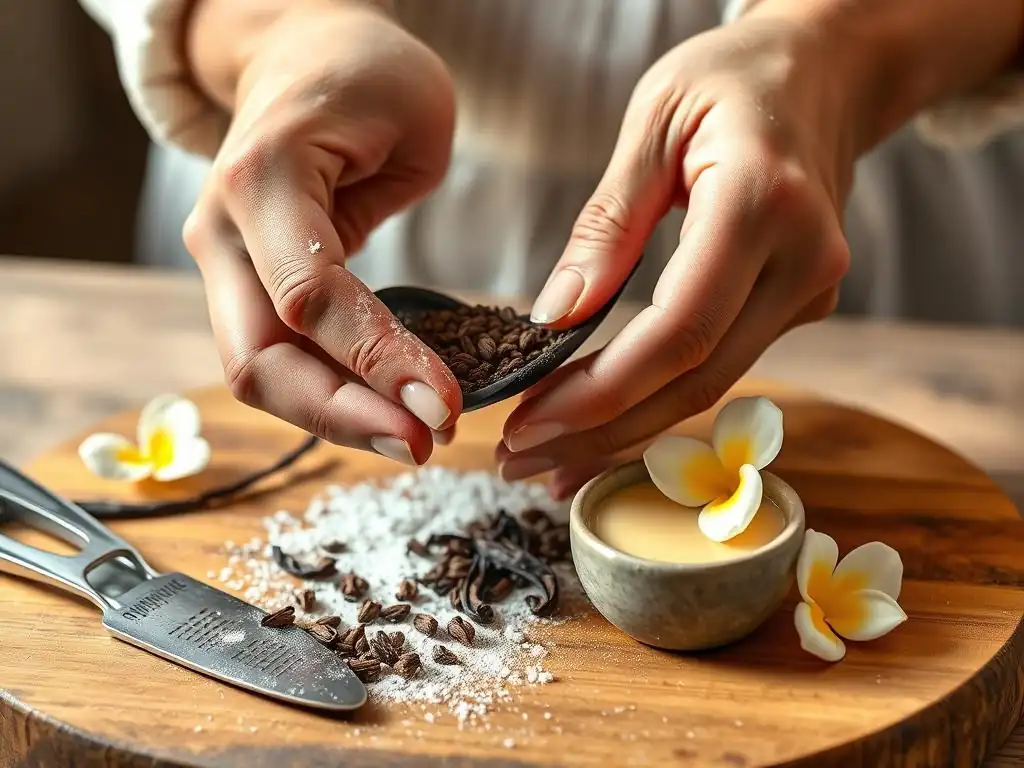
Slicing and Scraping Vanilla Beans
Using a vanilla bean starts with preparing the pod. Lay the bean flat on a clean cutting surface. Using a sharp paring knife, make a lengthwise slit down the entire length of the bean, being careful not to cut all the way through the other side. You want to open it up like a book.
Once split, open the bean and use the back of your knife or a small spoon to gently scrape down each half from top to bottom. This action collects the tiny, moist vanilla seeds, often called "vanilla caviar." These seeds are where much of the flavor is concentrated. The scraped pod still retains significant flavor and can be used for infusion.
Infusing Vanilla Bean Flavor: Infusing Milk or Cream
A common way to extract the maximum flavor from vanilla beans, especially the pod, is through infusion in a liquid, typically milk or cream, which is then heated. After scraping the seeds, add both the seeds and the scraped pod to your liquid. Gently heat the mixture over medium heat, bringing it just to a simmer.
Once it reaches a simmer, remove it from the heat, cover, and let it steep for at least 15-30 minutes, or even longer for a more intense flavor. Some recipes even recommend letting it steep overnight in the refrigerator. Before using the infused liquid, remove and discard the vanilla pod (or save it to make vanilla sugar!). The seeds will remain in the liquid, adding both flavor and visual appeal to your final product.
Storing Vanilla Beans for Optimal Freshness
Proper storage is crucial for preserving the quality and moisture of expensive vanilla beans. They should be stored in an airtight container, away from direct light and heat. A glass tube with a tight-fitting stopper or a small, airtight jar are ideal. Avoid refrigerating vanilla beans, as this can dry them out and potentially cause mold due to condensation.
If stored correctly, high-quality vanilla beans can remain plump and fragrant for several months, sometimes even up to a year. If they start to dry out, you can sometimes revive them slightly by placing them in a jar with a tablespoon of rum or vodka for a few days, though they may not fully regain their original moisture. Regularly check your stored beans to ensure they remain pliable and free from mold.
Vanilla Extract: Convenience and Versatility in Baking
What is Vanilla Extract? Production and Types
Vanilla extract is a liquid flavoring made by steeping vanilla beans in a solution of alcohol and water. According to the U.S. Food and Drug Administration (FDA) standards, pure vanilla extract must contain at least 35% alcohol by volume and be made from at least 13.35 ounces of vanilla beans per gallon. The alcohol acts as a solvent, extracting the flavor compounds from the beans. This process typically takes several months to achieve a rich, flavorful extract.
There are various types of vanilla extract available. Pure vanilla extract is made solely from vanilla beans, alcohol, and water. Imitation vanilla extract, on the other hand, is made from synthetic vanillin, which is often derived from lignin (a component of wood pulp) or other sources. While imitation vanilla provides a basic vanilla note, it lacks the complexity and depth of flavor found in pure extract or vanilla beans because it contains only vanillin, not the hundreds of other compounds present in the natural bean.
Flavor Profile: Understanding Different Vanilla Extract Qualities
The flavor profile of pure vanilla extract is primarily dominated by vanillin, giving it a classic sweet, creamy vanilla taste. However, high-quality pure extracts, especially those made from specific bean origins (like Madagascar Bourbon, Tahitian, or Mexican), will also carry some of the subtle undertones characteristic of those beans, though less pronounced than when using the whole bean. The alcohol base also contributes to how the flavor is released and perceived in baked goods.
Imitation vanilla extract, while significantly less expensive, offers a much flatter, one-dimensional flavor. It tastes predominantly of simple vanillin and often has a slightly chemical or artificial aftertaste compared to pure extract. While it can provide a basic vanilla flavor for recipes where vanilla is not the main focus or where other strong flavors will dominate, it cannot replicate the rich, nuanced taste achieved with pure vanilla or vanilla beans.
Pure Vanilla Extract vs. Imitation Vanilla Extract
The key difference between pure vanilla extract and imitation vanilla extract lies in their source and complexity. Pure extract is a natural product derived directly from vanilla beans, containing a full spectrum of flavor compounds. Its flavor is rich, complex, and develops beautifully when baked, although some delicate notes can dissipate at high temperatures.
Imitation vanilla extract is a synthetic product containing primarily vanillin. It is significantly cheaper to produce but lacks the depth, aroma, and subtlety of pure extract. While it provides a basic vanilla flavor, it often tastes artificial and can leave an unpleasant aftertaste. For most baking applications where vanilla flavor is important, investing in pure vanilla extract is highly recommended for a superior result.
Best Uses for Vanilla Extract in Baking
Vanilla Extract in Cookies: Enhancing Flavor and Aroma
Vanilla extract is a staple in cookie recipes, from classic chocolate chip to sugar cookies. Its convenient liquid form makes it easy to measure and mix evenly into doughs. Adding a teaspoon or two of pure vanilla extract enhances the overall flavor profile of cookies, complementing ingredients like chocolate, butter, and sugar, and contributing to that irresistible baked goods aroma that fills the kitchen.
In cookie dough, the vanilla flavor develops as the cookies bake. While some volatile compounds might evaporate, the core vanillin and other components contribute significantly to the final taste and smell. For recipes like chocolate chip cookies, vanilla extract is often preferred over vanilla bean because the chocolate is the dominant flavor, and the extract provides a consistent, reliable vanilla background without the visual distraction of seeds.
Vanilla Extract in Quick Breads and Muffins
Quick breads and muffins benefit greatly from the addition of vanilla extract. Like cookies, these baked goods are often mixed quickly, and the liquid extract disperses easily throughout the batter. Vanilla extract adds warmth and depth, enhancing the flavors of fruits, spices, or chocolate commonly used in these recipes.
For example, in a banana bread or blueberry muffin recipe, a teaspoon or two of pure vanilla extract elevates the fruit flavors and adds a comforting, sweet undertone. It's a simple addition that makes a noticeable difference in the overall taste and aroma of the finished product. The convenience of extract also makes it ideal for these less formal, everyday bakes.
Vanilla Extract in Frostings and Glazes
Vanilla extract is an essential ingredient in most frostings, icings, and glazes. Since these are often not subjected to high heat, the delicate flavor compounds in the extract are preserved. Vanilla extract adds sweetness, creaminess, and a signature vanilla flavor that balances the richness of butter and sugar.
In a buttercream frosting, vanilla extract is crucial for providing classic vanilla flavor. Adding it towards the end of the mixing process ensures its volatile compounds remain potent. Similarly, a simple glaze made with powdered sugar and milk is vastly improved by a splash of vanilla extract, giving it a more complex and appealing sweetness. For glazes where a clear finish is desired, extract is preferred over vanilla bean which would leave visible seeds.
How to Use Vanilla Extract: Dosage and Application Tips
Using vanilla extract is straightforward due to its liquid form. It's typically added along with the other wet ingredients in a recipe, such as eggs, milk, or melted butter. Recipes usually specify the amount in teaspoons or tablespoons. A common guideline is that one whole vanilla bean is roughly equivalent to 1 to 3 teaspoons of vanilla extract, though this can vary based on the bean's size and quality and the extract's concentration.
To maximize the flavor of vanilla extract, especially in recipes that are baked at high temperatures, consider adding part of the extract during the initial mixing and reserving a small amount to stir in just before the final bake. This helps preserve some of the more volatile aromatic compounds. In uncooked applications like frostings or whipped cream, add the extract towards the end of mixing to ensure its full flavor potential is captured.
Storing Vanilla Extract Properly to Preserve Flavor
Proper storage is key to maintaining the quality and potency of pure vanilla extract. It should be stored in a cool, dark place, away from direct sunlight and heat sources. A pantry or cupboard is ideal. The original dark glass bottle it often comes in helps protect it from light degradation. Ensure the cap is tightly sealed after each use to prevent evaporation of the alcohol base and loss of flavor.
Unlike vanilla beans, pure vanilla extract does not need to be refrigerated. In fact, refrigeration can sometimes cause cloudiness, although this doesn't affect the flavor. If stored correctly, pure vanilla extract has a remarkably long shelf life. While the flavor might subtly change over many years, a well-stored bottle can remain potent for 2-3 years, sometimes even longer, making it a convenient ingredient to keep on hand.
Vanilla Bean vs. Extract: A Detailed Comparison
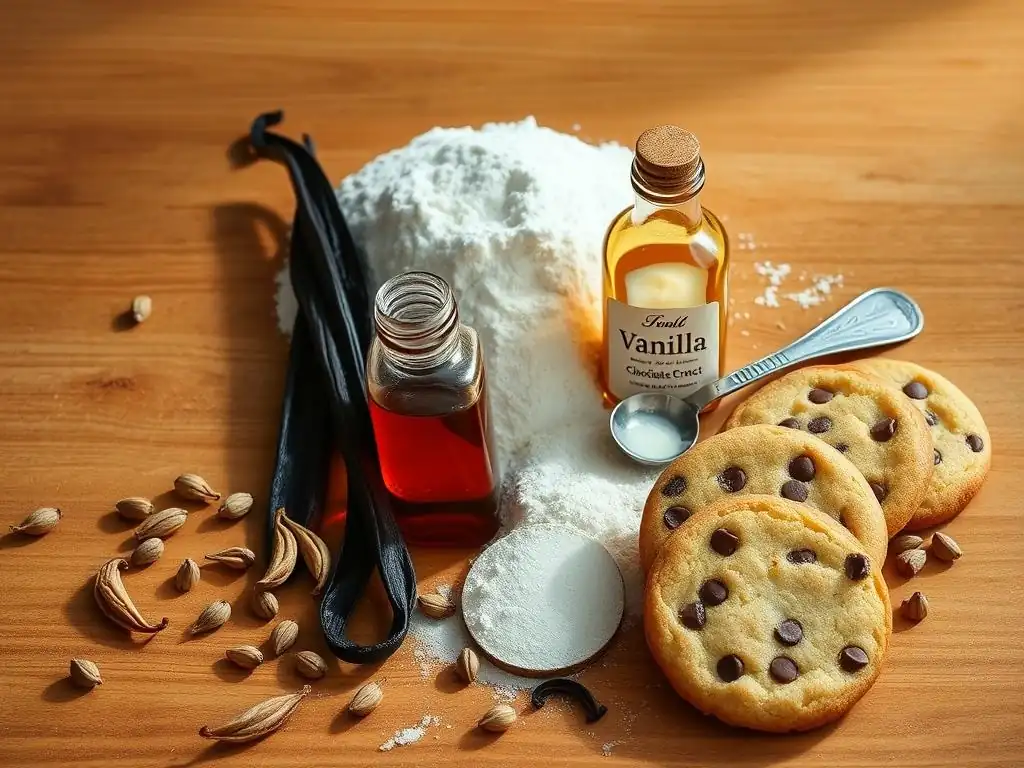
Flavor Intensity and Complexity: Comparing Taste Profiles
When comparing vanilla bean vs extract, the most significant difference lies in flavor intensity and complexity. A high-quality vanilla bean offers the most authentic and nuanced vanilla flavor. It contains hundreds of aromatic compounds that create a rich, multi-layered taste profile with subtle undertones beyond just sweetness. This makes it ideal for recipes where vanilla is the primary flavor and you want that pure, unmistakable taste.
Pure vanilla extract, while still providing a good vanilla flavor, is less complex than the bean. It's primarily dominated by vanillin, with some secondary notes depending on the bean source used in its production. Its flavor is more straightforward but still far superior to imitation vanilla. In recipes where vanilla is not the star or where other strong flavors are present, the subtle complexities of the bean can get lost, making pure extract a perfectly suitable and often more practical choice.
Cost Analysis: Vanilla Bean vs. Vanilla Extract
Cost is a major factor when deciding between vanilla bean vs extract. Vanilla beans are considerably more expensive per unit than vanilla extract. A single high-quality vanilla bean can cost anywhere from $5 to $10 or more, especially if purchased individually. A small bottle (perhaps 2 ounces) of pure vanilla extract might cost between $10 and $20, depending on the brand and quality.
However, when considering cost, it's helpful to think about the yield. One vanilla bean is roughly equivalent to 1 to 3 teaspoons of extract. If a recipe calls for 2 teaspoons of extract (which is about 1/3 ounce), the cost of the extract used is perhaps $2-4. Using a whole bean might cost $5-10. So, for a single recipe, using a bean is often more expensive. Over time, if you use vanilla frequently in recipes that only require small amounts of extract, a bottle of extract can be more cost-effective than constantly buying individual beans.
Availability and Shelf Life: Considerations for Bakers
Vanilla extract is widely available in most grocery stores, making it a convenient pantry staple. Pure vanilla extract can be found in the baking aisle of virtually any supermarket. High-quality vanilla beans, however, can be harder to source. While some larger supermarkets carry them, you might need to visit specialty spice shops, gourmet food stores, or order them online to find plump, fresh beans from specific origins.
In terms of shelf life, pure vanilla extract is incredibly stable when stored correctly, lasting for several years. Vanilla beans, while also having a decent shelf life (several months to a year) if stored properly in an airtight container, are more prone to drying out or developing mold if not kept in ideal conditions. This makes extract a more "set it and forget it" ingredient for long-term storage.
Ease of Use: Which is More Convenient?
Vanilla extract is undeniably more convenient to use than vanilla bean. It's a liquid that can be easily measured and stirred directly into batters, doughs, or liquids. There's no preparation required other than measuring the desired amount. This ease of use makes it the go-to choice for everyday baking recipes.
Using a vanilla bean requires a few extra steps: slicing the bean open, scraping out the seeds, and potentially infusing the pod in a liquid. While these steps are not difficult, they add a bit more time and effort compared to simply pouring extract from a bottle. For recipes where time is of the essence or where precise measurement of a liquid is preferred, extract holds the advantage in terms of convenience.
Recipes Highlighting Vanilla Bean and Extract
Vanilla Bean Crème brûlée
Choosing the Right Vanilla: Considerations for Your Baking Project
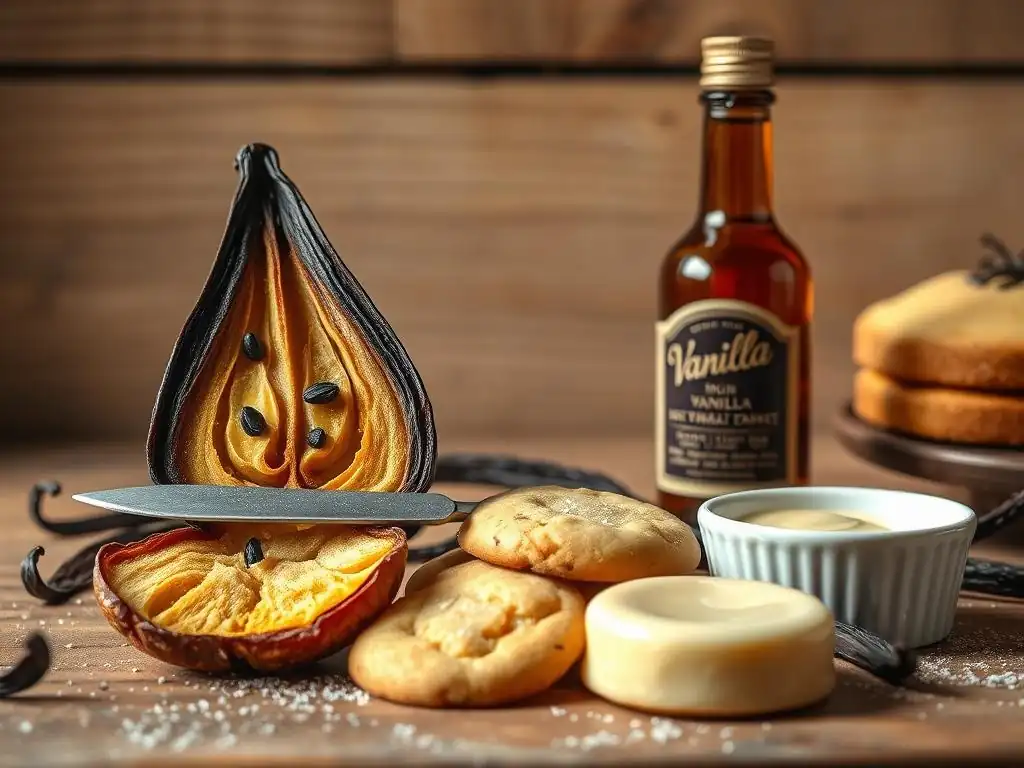
When to Splurge on Vanilla Bean
Splurging on a vanilla bean is most worthwhile when vanilla is the star flavor of your dessert. Recipes like panna cotta, crème brûlée, vanilla bean ice cream, custards, and delicate vanilla cakes or cheesecakes are perfect candidates. In these applications, the nuanced, complex flavor and the visual appeal of the tiny black seeds truly shine and make a significant difference in the final quality compared to using extract.
Consider using a vanilla bean when the recipe involves infusing a liquid (like milk or cream) with vanilla, as this method effectively extracts the flavor from both the seeds and the pod. If you're making a special occasion dessert or want to achieve the most authentic and gourmet vanilla flavor possible, the investment in a vanilla bean is usually justified by the superior result. It's about prioritizing pure, unadulterated vanilla taste.
When Vanilla Extract is the Best Choice
Vanilla extract is the workhorse of the baking pantry for good reason. It's the best choice for the vast majority of everyday baking projects due to its convenience, ease of use, and versatility. For recipes where vanilla is a supporting player rather than the main event, such as most cookies, brownies, muffins, quick breads, or chocolate cakes, pure vanilla extract provides sufficient flavor without the higher cost or extra steps of using a bean.
It's also the preferred choice for frostings, glazes, and whipped cream, especially when you want a smooth texture without visible seeds. When baking at high temperatures, some of the delicate notes of vanilla bean can be lost anyway, making pure extract a perfectly adequate and more economical option. For consistent, reliable vanilla flavor in a wide range of recipes, vanilla extract is the practical and effective solution.
Factors to Consider: Recipe, Budget, and Flavor Preference
When deciding between vanilla bean vs extract, consider three main factors: the recipe itself, your budget, and your personal flavor preference. Does the recipe heavily feature vanilla, or is it one of many flavors? If vanilla is central, a bean will yield a more profound taste. What is your budget for ingredients? Vanilla beans are significantly more expensive per use than extract.
Finally, consider your desired flavor intensity and complexity. If you seek the purest, most complex vanilla taste with visible seeds, opt for the bean. If convenience, consistency, and a classic vanilla flavor are your priorities, pure extract is likely the better fit. There's no single "right" answer; the best vanilla choice depends on the specific context of your baking project.
Tips and Tricks for Maximizing Vanilla Flavor in Your Baked Goods
Enhancing Vanilla Flavor: Vanilla Sugar, Vanilla Paste
Beyond beans and extract, other vanilla products can help maximize flavor. Vanilla sugar is easy to make by burying a used (or fresh) vanilla bean pod in a jar of granulated sugar. Over time, the sugar absorbs the vanilla aroma and flavor, creating a fragrant sweetener perfect for sprinkling on pastries, using in tea, or incorporating into recipes. It's a great way to get extra mileage from a scraped bean pod.
Vanilla paste is another excellent option, offering a concentrated flavor and the visual appeal of vanilla bean seeds in a convenient, spoonable form. It's made from vanilla extract and vanilla bean seeds, often thickened with a natural gum. Vanilla paste can often be substituted 1:1 for vanilla extract in recipes and is particularly good in applications where you want intense flavor and visible seeds without the process of scraping a bean.
Avoiding Common Mistakes When Using Vanilla
One common mistake when using vanilla extract is adding it too early in recipes that involve a lot of cooking or high heat. While some flavor will always bake in, adding a portion of the extract towards the end of mixing or after baking (in frostings or glazes) helps preserve its aromatic compounds. Another mistake is using imitation vanilla when a recipe truly relies on the depth of pure vanilla flavor; the result will be noticeably different and less satisfying.
When using vanilla beans, ensure they are fresh and pliable for optimal flavor extraction. Dry, brittle beans will yield much less flavor. Also, don't discard the scraped pod immediately if your recipe involves heating a liquid; infusing the pod adds significant flavor. Lastly, remember the general substitution guideline (1 bean ≈ 1-3 tsp extract) but be prepared to adjust based on the specific bean or extract quality and your desired intensity.
Conclusion: Mastering Vanilla in Your Baking Journey
Recap of Vanilla Bean and Extract Uses
We've explored the two primary forms of vanilla used in baking: the pure, complex vanilla bean and the convenient, versatile vanilla extract. Vanilla beans, with their rich flavor profile and characteristic seeds, are best suited for applications where vanilla is the star, such as custards, panna cotta, ice cream, and delicate cakes, allowing their full depth to be appreciated. They offer the most authentic and nuanced vanilla experience.
Vanilla extract, particularly pure vanilla extract, is ideal for everyday baking – cookies, muffins, quick breads, frostings, and recipes where vanilla plays a supporting role. Its ease of use, wide availability, and long shelf life make it a pantry essential. While less complex than the bean, pure extract still delivers a reliable and delicious vanilla flavor that elevates countless baked goods. The choice between vanilla bean vs extract ultimately depends on the specific recipe and desired outcome.
Elevate Your Baking with the Perfect Vanilla Choice
Understanding the unique characteristics and best uses of both vanilla bean and vanilla extract empowers you to make informed decisions in your baking. Don't feel pressured to use expensive vanilla beans in every recipe; pure extract is perfectly wonderful for many applications. Conversely, for those special desserts where vanilla truly shines, investing in a quality bean can transform a good recipe into an extraordinary one.
Experiment with both forms to discover your preferences and see how they impact different recipes. Consider using vanilla paste or vanilla sugar as additional tools in your vanilla arsenal. By thoughtfully selecting the right type of vanilla for each baking project, you can consistently achieve delicious results and truly elevate the flavor of your homemade treats. Happy baking!
Frequently Asked Questions
What is the main difference between using vanilla bean and vanilla extract in baking?
The primary difference lies in the source of flavor. Vanilla beans provide a more complex and nuanced flavor, while vanilla extract offers a concentrated and convenient alternative.
When is it best to use a vanilla bean instead of vanilla extract?
Vanilla beans are best used when you want to showcase the vanilla flavor as a star ingredient, such as in custards, ice cream, or recipes where you can see the specks of vanilla.
Can I substitute vanilla extract for vanilla bean in any recipe?
While you can substitute vanilla extract for vanilla bean, the flavor will be different. As a general guideline, use 1 teaspoon of vanilla extract per inch of vanilla bean.
How should I store vanilla beans to keep them fresh?
Store vanilla beans in an airtight container in a cool, dark place. Some people also store them in a jar with a bit of alcohol to prevent them from drying out.
Is vanilla extract always a cheaper option than vanilla bean?
Generally, yes, vanilla extract is more cost-effective than using whole vanilla beans. However, the quality of the extract can significantly impact the price and flavor.
Final Reflection: The Sweet Science of Vanilla
The subtle nuances between vanilla bean and extract are more than just a culinary curiosity; they represent a profound understanding of flavor complexity and its impact on our sensory experience. Choosing between the two isn't simply a matter of preference; it's about mastering the art of baking and understanding how each ingredient contributes to the overall success of a recipe. This understanding, once grasped, elevates the entire baking process from a simple task to a creative endeavor.
The enduring appeal of vanilla, in all its forms, speaks volumes about our collective desire for comfort and familiarity. Yet, within that familiarity lies a world of unexplored potential. The journey through bean versus extract has highlighted the surprising depth of flavor profiles available, even within such a seemingly simple ingredient. As the renowned chef Julia Child once said, Find something you're passionate about and keep tremendously interested in it.
This passion for understanding the subtle differences between vanilla bean and extract has enriched my own baking, and I hope it has done the same for you.
Now, consider your own baking repertoire. Will you continue to rely on the convenience of extract, or will you embrace the challenge—and the reward—of working with the whole vanilla bean? The choice is yours, but remember the knowledge gained here. Experiment, explore, and discover the unique magic that each form of vanilla can bring to your creations. Let the subtle dance of flavor guide you, and may your next baked good be the most delicious yet.
Unleash Your Inner Baker: Master Vanilla's Magic!
Thanks for joining us on this vanilla-infused journey! We hope you now feel confident in choosing the perfect vanilla for your baking masterpieces. Ready to put your newfound knowledge to the test?
- Whip up your dream dessert: Choose a recipe from your favorite cookbook (or browse online!) and experiment with either vanilla bean paste or extract – notice the subtle differences in flavor and aroma. This is your chance to discover your personal preference.
- Share your baking triumph: Post a photo of your creation on social media and tag us! Let's inspire each other with delicious vanilla-infused treats. (#BakeWithEase #VanillaMaster)
- Dive deeper into vanilla's world: Explore our other articles on BakeWithEase.com (we have some amazing tips on other baking techniques!) to further elevate your baking skills.
What exciting vanilla-based creation will you bake first? Let us know in the comments below!