
Creating a Stiff Sourdough Starter (Levain): Uses and Benefits

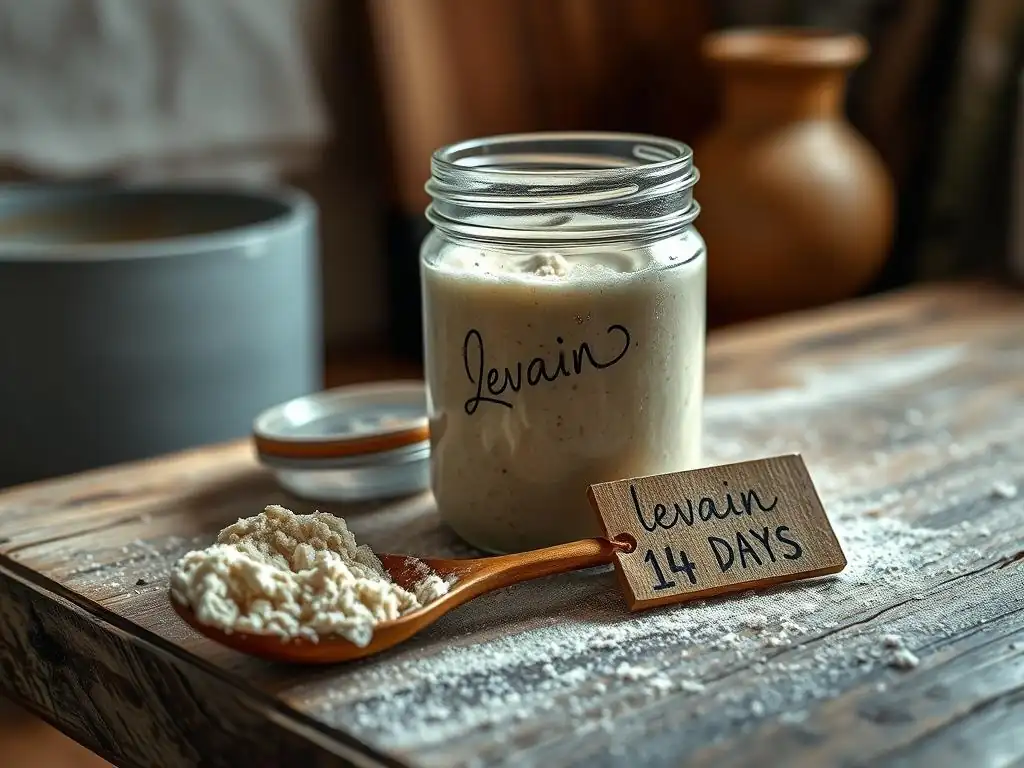
Welcome to BakeWithEase, your companion on the delightful journey of baking! Are you ready to unlock the secrets of a perfectly stiff sourdough starter? This article dives deep into creating a robust levain, exploring its unique uses and the surprising benefits it brings to your bread. Prepare to elevate your sourdough game – let's get baking!
- Creating a Stiff Sourdough Starter (Levain): Uses and Benefits for Baking
- Understanding Stiff Sourdough Starter: An Introduction to Levain
- The Stiff Sourdough Starter Recipe: A Step-by-Step Guide
- Using Your Stiff Sourdough Starter: Baking Applications
- Benefits of Using a Stiff Sourdough Starter (Levain)
- Maintaining Your Stiff Sourdough Starter: Long-Term Care
- Advanced Techniques with Stiff Sourdough Starter (Levain)
- Stiff Sourdough Starter Recipe Variations: Exploring Different Ratios
- Mastering the Art of Stiff Sourdough Baking: Tips and Tricks
-
Frequently Asked Questions
- What exactly is a stiff sourdough starter, and how does it differ from a liquid starter?
- What are the main benefits of using a stiff sourdough starter compared to a more common liquid sourdough starter?
- Can I convert my existing liquid sourdough starter into a stiff sourdough starter? If so, how?
- What types of recipes are best suited for using a stiff sourdough starter?
- How often should I feed my stiff sourdough starter, and what is the best way to store it?
- Final Reflection: The Enduring Power of a Stiff Starter
- Unleash Your Inner Baker: Start Your Sourdough Journey Today!
Creating a Stiff Sourdough Starter (Levain): Uses and Benefits for Baking
Understanding Stiff Sourdough Starter: An Introduction to Levain
What is a Stiff Sourdough Starter (Levain)? Defining the Key Characteristics
A stiff sourdough starter, often referred to as a levain in professional baking circles, is a type of sourdough culture maintained at a significantly lower hydration level than the more common liquid starters. While a typical liquid starter might be fed at a 100% hydration ratio (equal parts flour and water by weight), a stiff starter usually falls within the 50-70% hydration range. This lower water content results in a much thicker, dough-like consistency that can be kneaded or folded, unlike the pourable or batter-like texture of a liquid starter.
The key characteristics of a stiff sourdough starter include its firm texture, slower fermentation rate compared to high-hydration starters, and a generally milder, less acidic flavor profile. This is because the lower water content creates a less favorable environment for the Lactobacillus bacteria that produce lactic and acetic acids, while still allowing the yeasts to thrive and produce carbon dioxide. This balance often leads to a more balanced tang in the final baked goods.
Stiff Starter vs. Liquid Starter: Key Differences and Applications
The primary difference between a stiff sourdough starter and a liquid one lies in their hydration levels and resulting consistency. A liquid starter, typically at 100% hydration, is easy to stir and pour, ferments more quickly due to the higher water availability, and tends to produce more acetic acid, contributing a sharper tang. It's excellent for general-purpose sourdough baking and is often easier for beginners to manage daily feedings.
In contrast, a stiff sourdough starter (50-70% hydration) is firm, ferments more slowly and predictably, and promotes lactic acid production over acetic acid, leading to a mellower flavor. This type of starter is particularly favored for enriched doughs like brioche, challah, and especially holiday breads such as panettone and stollen, where its structure and milder acidity complement the high fat and sugar content. The slower fermentation also allows for longer bulk proofs, which can contribute to complex flavors.
Why Choose a Stiff Starter? Advantages for Specific Baking Needs
Choosing to use a stiff sourdough starter recipe offers distinct advantages, particularly when working with specific types of dough or aiming for certain flavor profiles. Its lower hydration contributes significant structure to dough, making it easier to handle, especially for doughs that are inherently soft or enriched. The firmer consistency integrates well into kneading processes and helps develop gluten early in the fermentation cycle.
Furthermore, the slower, more controlled fermentation of a stiff levain is ideal for doughs requiring long proofing times, such as those left overnight or over a day or two. This extended fermentation allows for deeper flavor development without the risk of the starter peaking and collapsing too quickly. The milder acidity also prevents the excessive tang that might overpower the delicate flavors in enriched doughs. Using a stiff sourdough starter recipe can elevate your baking, providing improved structure, predictable fermentation, and nuanced flavor.
The Stiff Sourdough Starter Recipe: A Step-by-Step Guide
Ingredients for Your Stiff Sourdough Starter Recipe
Creating a stiff sourdough starter requires just two basic ingredients: flour and water. The type of flour is crucial; while all-purpose or bread flour works, using a small percentage of whole wheat or rye flour (say, 10-20%) in the initial stages can help kickstart microbial activity due to the higher nutrient content in the bran. Filtered or non-chlorinated water is essential, as chlorine can inhibit the growth of beneficial microbes.
The ratios are key to a stiff sourdough starter recipe. A common starting point is a 60% hydration ratio, meaning for every 100 grams of flour, you use 60 grams of water. You'll also need a small amount of mature, active liquid sourdough starter to inoculate your stiff starter, typically starting with a 1:1:0.6 ratio (1 part liquid starter, 1 part flour, 0.6 parts water by weight). For example, starting with 20g liquid starter, you'd add 20g flour and 12g water.
Equipment You'll Need to Create a Stiff Levain
You don't need much specialized equipment to make a stiff sourdough starter, but a few items are helpful for accuracy and observation. A digital kitchen scale is indispensable for precise measurements of flour and water by weight, which is critical for maintaining the correct hydration level. A clean, transparent container, such as a glass jar or a straight-sided plastic container, is ideal for mixing and observing the starter's activity and rise.
Other useful tools include a sturdy spoon or spatula for mixing the stiff dough, a container lid or plastic wrap to cover the jar loosely (allowing gases to escape but preventing drying), and a thermometer to monitor ambient temperature, as temperature significantly impacts fermentation speed. Having a small rubber spatula or dough scraper can also help with handling the stiff, sticky dough during feeding.
Step-by-Step Instructions: Building Your Stiff Starter from Scratch
Building a healthy stiff sourdough starter (or levain) takes patience and consistent feeding over several days. This process involves combining a small amount of existing active starter with fresh flour and water at the target stiff hydration ratio. The goal is to encourage the microorganisms from the mature starter to colonize and ferment the new flour and water mixture, gradually building a strong, active culture.
The basic principle is to mix the specified amounts of existing starter, flour, and water until well combined, forming a thick, shaggy dough. This dough is then left to ferment at room temperature until it shows signs of activity, typically doubling in size and becoming bubbly. Subsequent feedings involve discarding a portion of the ripe starter and feeding the remainder with fresh flour and water at the same stiff ratio, repeating the process daily or twice daily depending on activity and temperature.
Day 1: Initial Mixing and First Fermentation
On day 1, you'll prepare the initial mix for your stiff sourdough starter recipe. Begin by weighing out your mature, active liquid starter, fresh flour, and water according to your chosen stiff hydration ratio (e.g., 1:1:0.6 starter:flour:water). In a clean bowl or jar, combine the mature starter and water, mixing until the starter is dispersed. Add the flour and mix thoroughly with a spoon or your hands until a cohesive, stiff dough forms. It will be quite firm and might require some kneading or folding to fully incorporate the ingredients.
Transfer the stiff dough to your clean container. Pat the top smooth and mark the initial level, perhaps with a rubber band or marker on the outside of the jar, to track its rise. Cover the container loosely to prevent the starter from drying out but allowing fermentation gases to escape. Leave the starter at room temperature (ideally between 70-78°F or 21-26°C) for its first fermentation cycle, typically 12-24 hours, depending on the temperature and the strength of your initial starter. You are looking for signs of activity like small bubbles and a slight increase in volume.
Day 2-7: Feeding and Observing the Stiff Sourdough Starter
From day 2 onwards, you will establish a regular feeding routine for your stiff sourdough starter. The goal is to feed it before it fully peaks and collapses, providing fresh nutrients for the microbes. Typically, you will discard a portion of the starter (keeping only a small amount, say 20-30 grams) and feed the remainder with fresh flour and water at the target stiff hydration ratio. For example, take 25g of the starter and mix it with 25g flour and 15g water (for 60% hydration).
Mix the new feed thoroughly until a stiff dough forms, place it in a clean container, mark the level, and let it ferment at room temperature. Initially, feeding once every 24 hours might be sufficient, but as the starter becomes more active, you may need to feed it every 12 hours. Observe the starter's activity closely – it should rise, become bubbly, and smell pleasantly yeasty and slightly acidic. Consistency in feeding times and temperature is key to building a strong, reliable stiff sourdough starter.
Signs of a Healthy and Active Stiff Levain
Knowing what to look for is crucial to determining if your stiff sourdough starter is healthy and ready to use in a stiff sourdough starter recipe. A healthy stiff levain should show consistent, predictable activity after feeding. Within several hours (the exact time depends on temperature and feeding ratio), it should begin to visibly increase in volume, often doubling or even tripling from its original size.
Beyond volume increase, look for signs of fermentation within the dough itself. The surface and interior should be riddled with small bubbles. When you cut into it or stretch it gently, you should see an open, web-like structure. The aroma should be pleasant – yeasty with a mild, clean acidity, not overwhelmingly sour or off-putting. A ripe, active stiff starter should also feel light and airy for its density when handled gently.
Troubleshooting Your Stiff Starter: Common Issues and Solutions
Even with careful attention, you might encounter issues when developing or maintaining your stiff sourdough starter. Patience and observation are key to troubleshooting. Most problems stem from temperature fluctuations, inconsistent feeding, or using chlorinated water. Don't get discouraged; most issues are fixable with minor adjustments to your routine.
One common issue is a starter that seems sluggish or isn't rising as expected. This can often be addressed by adjusting the feeding ratio, increasing the frequency of feedings, or finding a warmer spot for fermentation. Unpleasant odors or mold, though less common with stiff starters due to lower water content, indicate contamination or neglect and usually require discarding the affected portion and potentially starting over or reviving from a small healthy core.
My Stiff Starter Isn't Rising: What Could Be Wrong?
If your stiff sourdough starter isn't rising or showing much activity, several factors could be at play. The most frequent culprit is temperature; if your kitchen is too cool (below 70°F or 21°C), the microbial activity will be significantly slowed. Try moving the starter to a warmer location, like near a warm appliance (but not on a hot surface), or using a proofing box or oven with the light on (checking the temperature to ensure it doesn't get too hot, aiming for 75-80°F or 24-27°C).
Another common reason is inconsistent or incorrect feeding. Ensure you are accurately weighing your ingredients and feeding regularly, ideally when the starter is just past its peak. Using chlorinated water can also inhibit activity; switch to filtered or bottled water. Sometimes, the starter just needs more time to establish a robust microbial population; continue feeding patiently, and it should eventually become more vigorous.
Dealing with Mold or Unpleasant Odors
Mold is a serious issue for any sourdough starter, including a stiff sourdough starter. If you see any fuzzy, colored spots (green, black, pink, etc.) on the surface or sides of your starter, you must discard the entire batch immediately. Mold spores can penetrate deep into the starter, and it's not safe to use. Always use clean containers and utensils to minimize the risk of contamination.
Unpleasant odors, such as a strong smell of acetone (nail polish remover) or a rotten smell, usually indicate an imbalance in the microbial population or that the starter is hungry and producing off-flavors. A faint acetone smell when the starter is past its peak is somewhat normal, but a strong, persistent odor is not.
Try feeding the starter more frequently (e.g., twice a day) to reduce the build-up of waste products. If the odor is very foul or sulfuric, it might indicate contamination, and it's safer to discard and start fresh or revive from a small, healthy portion if possible.
Using Your Stiff Sourdough Starter: Baking Applications

Baking Bread with a Stiff Levain: Achieving Optimal Results
Using a stiff sourdough starter recipe for everyday bread baking offers unique benefits, particularly for dough structure and handling. When incorporated into a bread dough, the lower hydration of the levain means you introduce less water initially, allowing for better control over the final dough hydration. This can be especially helpful when working with high-hydration doughs, where adding more liquid starter might make the dough too slack.
A stiff levain also contributes significant strength to the dough matrix. Its inherent structure helps support the gluten network, leading to dough that is often easier to shape and holds its form better during proofing and baking. This can result in bread with excellent oven spring and a desirable open crumb structure. Many bakers report that using a stiff starter leads to a more predictable rise and a consistent loaf shape.
Stiff Starter Recipes: Beyond Bread – Panettone and Stollen
While excellent for standard bread, the stiff sourdough starter truly shines in enriched doughs, particularly traditional holiday bakes like panettone and stollen. These doughs are notoriously rich with butter, eggs, sugar, and often dried fruits and nuts, which can weigh down the dough and inhibit fermentation. A stiff starter provides the necessary leavening power and structural support to lift such heavy doughs.
The lower acidity of a stiff levain is also crucial for these recipes. The high sugar content in panettone and stollen can accelerate fermentation and potentially lead to an overly sour flavor if a high-acid liquid starter is used. The milder lactic acid profile of a stiff starter complements the sweet, rich flavors without adding an overpowering tang. A well-maintained stiff sourdough starter is considered indispensable by many bakers for achieving the authentic texture and flavor of these celebratory breads.
Converting Liquid Starter Recipes to Stiff Starter Recipes: A Practical Guide
Converting a recipe designed for a liquid (100% hydration) sourdough starter to use a stiff (e.g., 60% hydration) starter requires careful calculation to maintain the overall hydration of the final dough. The key is to account for the different amounts of flour and water contributed by the starter. A 100g liquid starter contains 50g flour and 50g water, while a 100g 60% hydration stiff starter contains approximately 62.5g flour and 37.5g water (100g total / 1.6 hydration ratio = 62.5g flour; 100g total - 62.5g flour = 37.5g water).
Let's say a recipe calls for 100g of 100% hydration starter. This adds 50g flour and 50g water to the dough. If you want to use 100g of 60% hydration stiff starter instead (which adds 62.5g flour and 37.5g water), you've added 12.5g more flour and 12.5g less water than the original recipe intended.
To compensate, you would need to reduce the amount of flour in the main dough by 12.5g and increase the amount of water by 12.5g. This ensures the total flour and water content, and thus the final dough hydration, remains the same as the original recipe.
Benefits of Using a Stiff Sourdough Starter (Levain)
Enhanced Flavor Development: The Impact of Stiff Starter on Sourdough Taste
One of the most celebrated benefits of using a stiff sourdough starter recipe is its positive impact on the flavor profile of baked goods. The lower hydration environment favors the production of lactic acid over acetic acid by the Lactobacillus bacteria. Lactic acid tends to contribute a milder, rounder, and less vinegary tang compared to the sharper, more pungent flavor of acetic acid.
This shift in acid balance results in a more complex and nuanced flavor in the final bread or pastry. The tang is present but less dominant, allowing the subtle notes of the fermented flour and the characteristics of the specific flour type to shine through. For enriched doughs, this milder acidity is crucial as it doesn't compete with or overpower the sweetness and richness provided by butter, eggs, and sugar.
Improved Dough Strength and Structure: Benefits for Gluten Development
The inherent firmness of a stiff sourdough starter directly translates to improved dough strength and structure in the final mix. Because the levain itself is a low-hydration dough, it contributes a significant amount of already hydrated flour and developed gluten structure to the main dough from the outset. This initial structure helps kickstart gluten development during the mixing process.
Furthermore, the stiff nature of the levain seems to influence the overall rheology of the dough, making it more manageable and less prone to becoming overly slack, especially during long fermentation periods. This improved structure contributes to better oven spring, helping the loaf expand upwards during baking, and can lead to a more desirable open crumb structure with larger, more irregular holes, which is often sought after in artisan sourdough breads.
Longer Shelf Life and Preservation: Storing Your Stiff Starter Effectively
A significant advantage of maintaining a stiff sourdough starter is its resilience and longer shelf life compared to liquid starters, particularly when stored in the refrigerator. The lower water activity in the stiff dough creates a less hospitable environment for spoilage microorganisms and slows down the metabolic rate of the sourdough microbes themselves.
When stored in the refrigerator at temperatures around 38-40°F (3-4°C), a well-fed stiff starter can typically be kept for 1-2 weeks, sometimes even longer, between feedings without significant degradation. This reduced feeding frequency makes it much easier to manage for home bakers who don't bake daily. The stiff consistency also makes it less prone to developing a layer of hooch (alcohol and water separation) on top, which is common with neglected liquid starters.
Maintaining Your Stiff Sourdough Starter: Long-Term Care
Feeding Schedule for an Active Stiff Starter
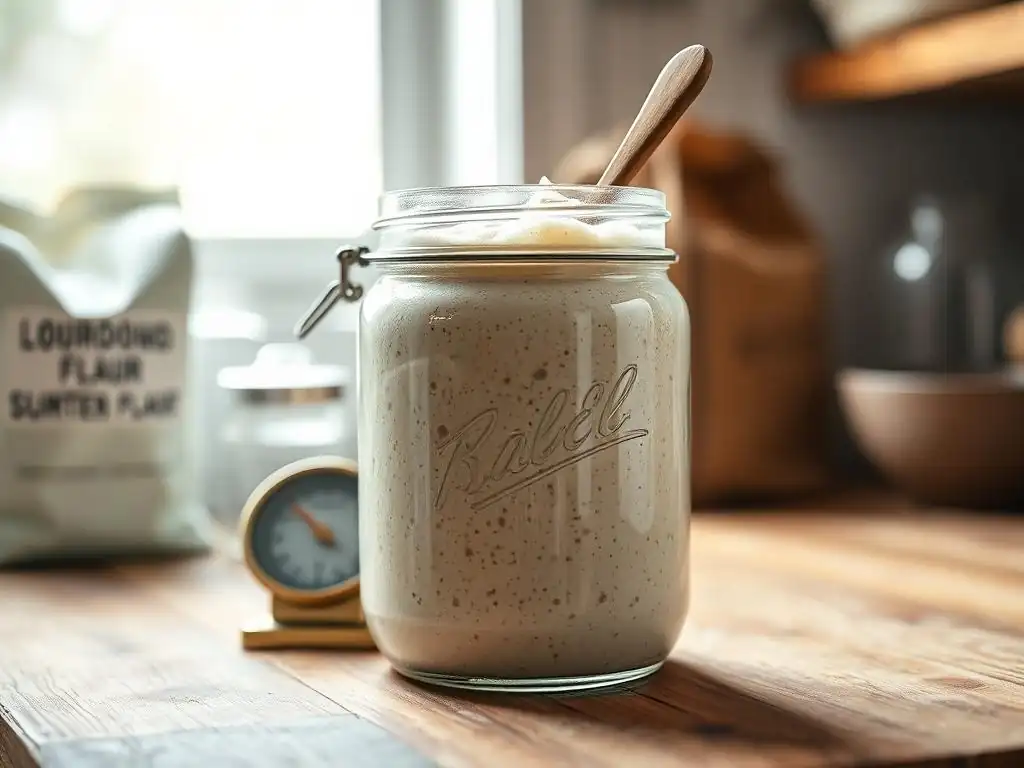
Maintaining an active stiff sourdough starter requires a consistent feeding schedule tailored to how you store it. If kept at room temperature (around 70-78°F or 21-26°C), a stiff starter is typically fed once or twice daily. Twice daily feeding is usually necessary if the temperature is consistently warm or if you are using a higher feeding ratio (more flour/water per starter). The goal is to feed it when it has peaked or is just beginning to show signs of deflating, indicating it has consumed most of the available nutrients.
For starters stored in the refrigerator, the feeding frequency is drastically reduced. A stiff starter can usually be fed once every 1-2 weeks when chilled. Before refrigerating, it's best to feed it when it's active but not fully peaked, then place it directly into the fridge. When you want to bake, you'll need to revive it with one or more feedings at room temperature until it's consistently active again.
Storing Your Stiff Starter in the Refrigerator
Storing a stiff sourdough starter recipe component in the refrigerator is a practical way to manage it for bakers who don't bake every day. After feeding your starter and allowing it to sit at room temperature for perhaps 1-2 hours (just until you see the first signs of activity, but well before it peaks), transfer it to a clean container and place it in the refrigerator. The cold temperature significantly slows down fermentation.
Use a container that allows for some expansion, but is not airtight, as the starter will still produce a small amount of gas. A container with a loosely fitting lid or a jar with plastic wrap secured by a rubber band works well. Label the container with the date of the last feeding to help you keep track. When properly stored in the fridge, your stiff levain should remain viable for at least a week, often two.
Reviving a Stiff Starter After Refrigeration: A Step-by-Step Guide
Reviving a stiff sourdough starter after refrigeration is a straightforward process that typically takes 1-2 feedings to get it back to full activity.
- Take the starter out: Remove your stiff starter from the refrigerator.
- Discard: Discard a portion of the chilled starter, leaving a manageable amount (e.g., 20-30 grams).
- Feed: Feed the remaining starter with fresh flour and water at your usual stiff hydration ratio (e.g., 1:1:0.6 starter:flour:water by weight). Mix thoroughly to form a stiff dough.
- Ferment at room temperature: Place the fed starter in a clean container, mark the level, and let it ferment at room temperature (70-78°F or 21-26°C).
- Observe and potentially repeat: After 12-24 hours, observe the starter. It should show signs of activity (some rise, bubbles). If it's not yet doubling or tripling predictably within 6-12 hours after feeding, perform another feeding (discarding again and feeding the remainder) until it is consistently active and predictable.
Advanced Techniques with Stiff Sourdough Starter (Levain)
Using Stiff Starter for Different Types of Flours: Rye and Spelt
A stiff sourdough starter recipe can be adapted to use different types of flour, which can significantly impact flavor and fermentation characteristics. While many bakers start with bread flour or all-purpose flour, incorporating or switching to flours like rye or spelt is a common advanced technique. Rye flour is particularly rich in nutrients and enzymes, often leading to a very active starter, even at stiff hydration levels. A stiff rye starter can contribute a deep, earthy flavor and is excellent for rye bread or as a small addition to wheat doughs.
Spelt flour behaves differently from modern wheat and can produce a slightly stickier stiff starter. It ferments relatively quickly and imparts a sweet, nutty flavor. When working with non-wheat flours like rye or spelt in your stiff levain, you might find that the texture and rise are different from a wheat-based starter. It's often helpful to maintain separate starters for different flour types if you use them regularly, or you can transition a portion of your main stiff starter by feeding it exclusively with the new flour for several cycles.
Adjusting Hydration Levels in Your Stiff Starter for Specific Recipes
While a typical stiff sourdough starter recipe is maintained at 50-70% hydration, advanced bakers often adjust this range slightly for specific baking goals or recipes. For instance, a slightly higher hydration stiff starter (closer to 70%) might be used for doughs where you want a bit more microbial activity or a slightly softer starter texture that integrates more easily. This still provides more structure than a 100% hydration starter but is less dense than a 50% hydration version.
Conversely, a very low-hydration stiff starter (e.g., 50% or even slightly lower) is incredibly firm and ferments very slowly. This can be beneficial for extremely long, slow fermentation periods or for doughs where you need maximum structural support from the levain. Experimenting with hydration levels within the stiff range allows you to fine-tune the starter's properties to match the demands of different recipes and desired outcomes.
Experimenting with Different Fermentation Temperatures for Unique Flavors
Temperature is one of the most powerful levers for influencing the flavor profile of your stiff sourdough starter and, consequently, your baked goods. Fermenting your stiff levain at different temperatures encourages different microbial populations to thrive, altering the balance of acids produced. Warmer temperatures (above 75°F or 24°C) tend to favor yeast activity and lactic acid production, leading to a faster rise and a milder, rounder tang.
Cooler temperatures (65-70°F or 18-21°C) slow down yeast activity relative to bacterial activity and can encourage more acetic acid production, resulting in a sharper, more vinegary tang. However, stiff starters at lower temperatures still produce less acetic acid than liquid starters at the same temperature. Experimenting with maintaining your stiff sourdough starter at different ambient temperatures during its peak fermentation phase before use can help you discover how to control and manipulate the flavor profile for different types of bread.
Stiff Sourdough Starter Recipe Variations: Exploring Different Ratios
High-Hydration Stiff Starter: When and How to Use It
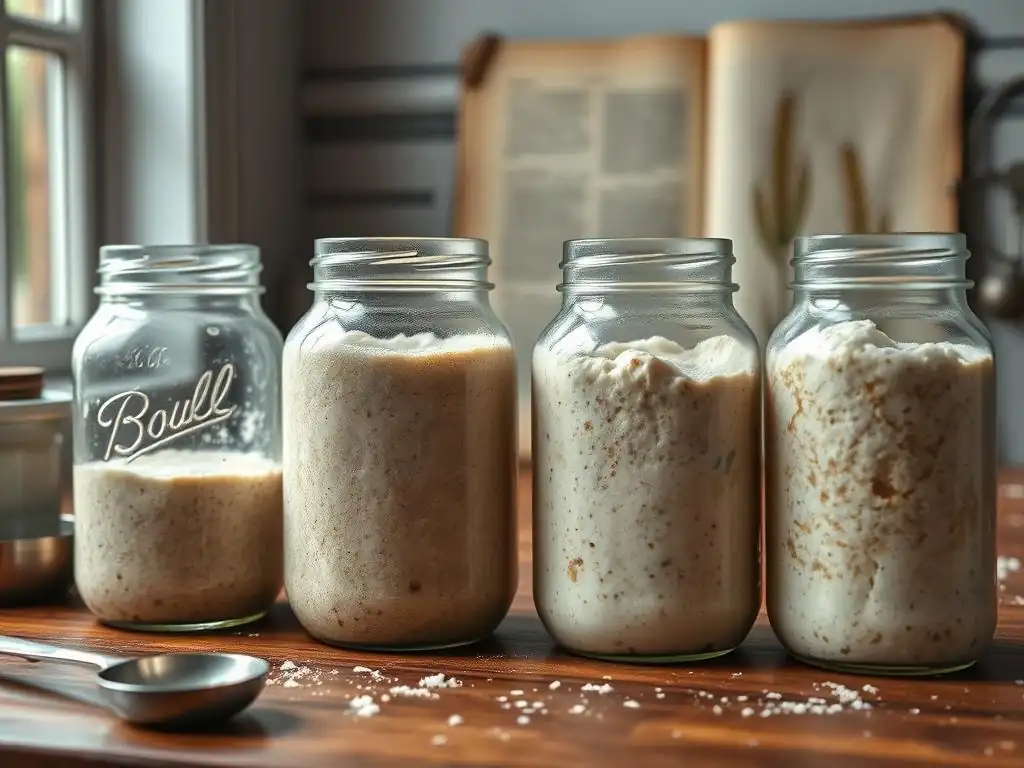
While "stiff" implies lower hydration, there's a range within this category. A "high-hydration" stiff starter might be considered one at the upper end of the stiff range, perhaps 65-70% hydration. This variation is less firm than a 50% hydration starter but still significantly thicker than a 100% liquid starter. It combines some of the structure benefits of a stiff starter with slightly faster fermentation due to the increased water content compared to lower-hydration versions.
Using a 65-70% hydration stiff starter can be beneficial when you want a balance between structure and activity. It's often easier to mix into dough than a very firm starter and can be a good choice for doughs that aren't extremely rich but still benefit from the milder acidity and structural contribution of a stiff levain. It's created and maintained using the same principles as other stiff starters, simply adjusting the water weight relative to the flour.
Low-Hydration Stiff Starter: Benefits and Applications
A low-hydration stiff starter, typically at 50-55% hydration, is a very firm, almost dough-like mass. This is where the term "pasta madre" (mother dough) often comes into play in Italian baking, particularly for traditional panettone. The extremely low water content results in very slow, controlled fermentation and strongly favors lactic acid production, yielding a very mild, sweet aroma and flavor with minimal tang.
The benefits of such a low-hydration stiff starter are primarily related to its structural contribution and flavor profile. It provides maximum support for very rich, heavy doughs like panettone, helping them achieve incredible volume and an airy texture despite the high fat and sugar content. The slow, mild fermentation is also crucial for developing the complex, non-sour flavors desired in these specific bakes. Maintaining such a low-hydration starter often requires specific techniques, like frequent kneading or rolling, to redistribute nutrients and manage the very firm consistency.
Mastering the Art of Stiff Sourdough Baking: Tips and Tricks
Achieving Consistent Results with Your Stiff Levain
Consistency is key to successful sourdough baking, and this starts with a consistent stiff sourdough starter recipe and routine. To achieve predictable results, always weigh your ingredients accurately for feedings. Use water and flour at consistent temperatures if possible, or at least be aware of how temperature fluctuations affect fermentation speed. Maintaining your starter in a location with a relatively stable temperature will also help.
Pay close attention to the starter's peak activity. Learning to recognize when your stiff starter is perfectly ripe and ready to use in a recipe is crucial. Factors like the time it takes to double or triple after feeding, the appearance of bubbles, and the aroma are all indicators. Using your starter at the same stage of ripeness for each bake will help ensure consistent leavening and flavor development in your dough.
Common Mistakes to Avoid When Using a Stiff Sourdough Starter
Several common mistakes can hinder your success when working with a stiff sourdough starter. One is inconsistent feeding – skipping feedings or feeding at irregular intervals can weaken the starter. Another is using it before it's fully active; an unripe starter won't provide adequate leavening. Conversely, letting it go too far past its peak can also result in weaker leavening power and potentially off-flavors.
Using chlorinated water or insufficient or incorrect flour can also cause problems. Ensure you are using non-chlorinated water and the correct type and weight of flour for your stiff sourdough starter recipe. Finally, underestimating the impact of temperature is a frequent error; remember that a few degrees difference can significantly alter fermentation speed. Be patient, observe your starter, and adjust your routine as needed.
Resources for Further Learning About Stiff Starter Baking
To truly master the art of using a stiff sourdough starter recipe, consider exploring resources from experienced bakers who specialize in this area. Many books and websites dedicated to advanced sourdough techniques delve specifically into the nuances of stiff levains, particularly in the context of enriched doughs like panettone and other traditional European pastries.
Look for detailed guides on maintaining stiff starters at different hydration levels, techniques for incorporating them into various dough types, and recipes specifically formulated for stiff levain. Online forums and communities focused on sourdough baking are also invaluable resources for asking questions, sharing experiences, and learning from others who are passionate about working with a stiff sourdough starter.
Frequently Asked Questions
What exactly is a stiff sourdough starter, and how does it differ from a liquid starter?
A stiff starter, also known as a levain, is a sourdough starter with a lower hydration level (typically around 50-60%). This contrasts with a liquid starter, which has equal parts flour and water.
What are the main benefits of using a stiff sourdough starter compared to a more common liquid sourdough starter?
Stiff starters often result in improved dough strength and enhanced flavor development. They also tend to be more tolerant of neglect and temperature fluctuations than liquid starters.
Can I convert my existing liquid sourdough starter into a stiff sourdough starter? If so, how?
Yes, you can! Simply adjust the flour-to-water ratio during feeding. Gradually reduce the water until you achieve the desired consistency, typically a dough-like texture.
What types of recipes are best suited for using a stiff sourdough starter?
Stiff starters excel in recipes requiring high dough strength, like panettone, croissants, and certain types of bread. They also work well in recipes where a tangy flavor is desired.
How often should I feed my stiff sourdough starter, and what is the best way to store it?
Feeding frequency depends on storage. At room temperature, feed daily. For longer storage, keep it in the fridge and feed it weekly or bi-weekly, allowing it to warm up before feeding.
Final Reflection: The Enduring Power of a Stiff Starter
The quest for the perfect sourdough loaf begins, not in the oven, but in the humble jar where a stiff sourdough starter thrives. This seemingly simple mixture of flour and water holds the key to unlocking incredible flavor and texture, a testament to the enduring power of traditional baking methods in our increasingly fast-paced world. The benefits extend beyond just a superior loaf; it's about connecting with a process that has been perfected over centuries.
The journey of creating and maintaining a stiff starter is a journey of patience and observation, mirroring the slow, deliberate pace of life that often feels lost in modern society. It's a tangible link to the past, a reminder of the simple pleasures found in nurturing something living and watching it flourish. The best things in life are not things.
This sentiment rings true when considering the satisfaction derived from tending to a thriving starter, far exceeding the fleeting pleasure of a purchased loaf. The process itself becomes a meditative practice, a quiet counterpoint to the constant demands of daily life.
Now, as you embark on your own sourdough journey, remember the lessons learned here. Don't be afraid to experiment, to adjust the hydration, to observe the subtle changes in your starter's activity. Embrace the imperfections, for it is in these imperfections that the unique character of your sourdough will emerge. Let the process of creating a stiff starter be a source of both culinary delight and personal growth, a reminder that the most rewarding endeavors often require patience, attention, and a deep appreciation for the simple things. Go forth and bake!
Unleash Your Inner Baker: Start Your Sourdough Journey Today!
Thanks for taking the time to explore the world of sourdough starters! We hope you now feel confident in your ability to create and maintain a healthy, bubbly levain. Ready to put your new knowledge into action?
- Craft your own starter: Follow our guide and start mixing your ingredients today! You'll be surprised how easy it is to bring this living culture to life.
- Share your sourdough success: Post a picture of your bubbly starter on social media – we'd love to see your progress! Use #BakeWithEaseSourdough to connect with our community.
- Bake your first sourdough loaf: Once your starter is ready, why not challenge yourself to bake a simple sourdough loaf? You might be surprised how rewarding the entire process is!
What unique flavors will you create with your very own sourdough starter?