
The Elegant Ring: Creating ParisBrest at Home

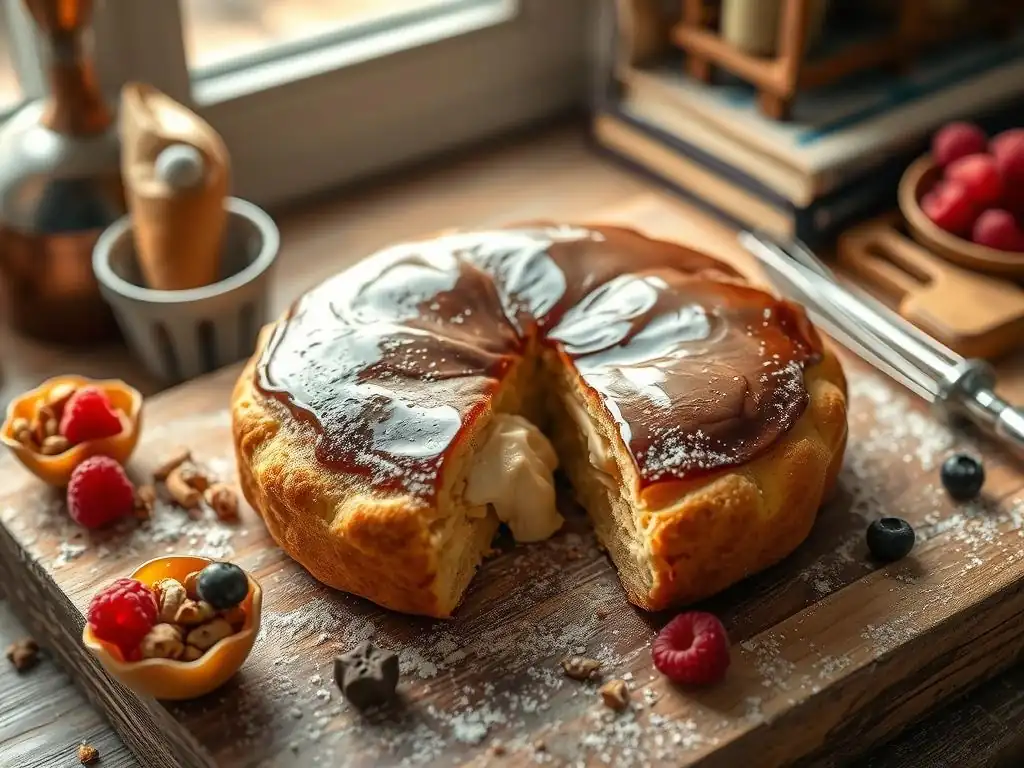
Welcome to BakeWithEase, your friendly guide to the wonderful world of baking! Ever dreamed of mastering the art of French pastry? Our Paris Brest recipe beginner guide unlocks the secrets to creating this elegant ring of choux pastry, filled with luscious praline cream. Prepare to be amazed at how achievable this classic dessert can be, even if you're just starting out! Intrigued? Let's get baking and discover the secrets to a truly unforgettable Parisian treat.
- Paris-Brest: A Beginner's Guide to the Classic French Pastry
- Understanding Paris-Brest
- Mastering Choux Pastry
- Paris-Brest Recipe: Baking the Ring
- Hazelnut Praline Cream Filling
- Assembling the Paris-Brest
- Tips and Tricks
- Baking Triumph
- Frequently Asked Questions
- Final Reflection: The Enduring Allure of the Paris-Brest
- Unleash Your Inner Pâtissier: Master the Paris-Brest!
Paris-Brest: A Beginner's Guide to the Classic French Pastry
Understanding Paris-Brest
What is Paris-Brest?
The Paris-Brest is a magnificent French pastry, instantly recognizable by its distinctive ring shape. It's crafted from baked choux pastry (pâte à choux), sliced horizontally, and filled generously with a rich, nutty praline-flavored cream. The pastry's origin dates back to 1891, created by pastry chef Louis Durand to commemorate the Paris-Brest-Paris bicycle race. Its circular form was designed to resemble a bicycle wheel, a nod to the enduring cycling event that inspired it.
This elegant dessert quickly gained popularity throughout France and beyond, becoming a staple in patisseries. While its appearance might seem complex, especially when aiming for that perfect golden ring and generous filling, tackling a Paris Brest recipe beginner guide breaks it down into manageable steps. The combination of light, airy choux pastry and the luscious, sweet praline cream offers a delightful contrast in textures and flavors that is truly unforgettable.
Why Bake Paris-Brest?
Baking a Paris-Brest at home is a rewarding challenge that elevates your baking skills, particularly your mastery of choux pastry. It's a fantastic way to impress friends and family with a classic French dessert that looks sophisticated but is surprisingly accessible with the right guidance. Following a Paris Brest recipe beginner guide allows you to understand the fundamentals of creating pâte à choux, a versatile base for many pastries like éclairs and profiteroles.
Beyond skill development, the sheer joy of biting into a freshly baked Paris-Brest filled with homemade praline cream is unparalleled. You control the quality of ingredients, the intensity of the praline flavor, and the amount of filling – often far more generous than store-bought versions! It’s a celebration of textures and flavors, from the slightly crisp exterior of the choux to the soft interior and the smooth, nutty cream, making it a perfect project for a special occasion or simply to treat yourself.
Mastering Choux Pastry
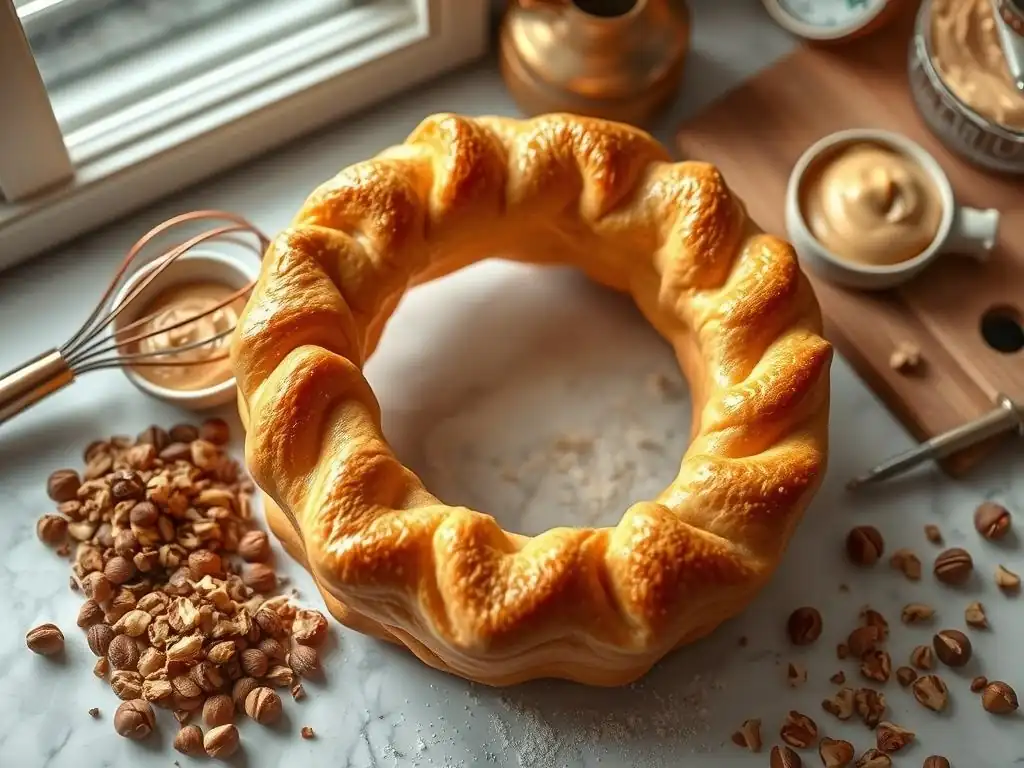
Choux Pastry Ingredients
Creating perfect choux pastry requires just a few basic ingredients: water, butter, flour, eggs, and a pinch of salt and sugar. The magic happens through a specific technique involving cooking the dough twice. Typically, a recipe for a moderate batch might call for around 250ml of water or milk, 100-125g of unsalted butter, 150g of all-purpose flour, and 4-5 large eggs, plus small amounts of salt and sugar to enhance flavor and structure.
The quality of your ingredients matters. Using good quality butter with a higher fat content (around 80% or more) helps create a richer, more stable dough. The flour should be standard all-purpose flour; avoid self-rising flour. The eggs are crucial for leavening; they add moisture and protein that help the pastry puff up in the oven. Ensure your eggs are at room temperature for easier incorporation into the warm dough.
Step-by-Step Choux Pastry Guide
Making choux pastry involves cooking the dough on the stovetop before baking. Start by combining water (or milk), butter, salt, and sugar in a saucepan. Bring this mixture to a rolling boil, ensuring the butter is completely melted. Once boiling, remove the pan from the heat and quickly add all the flour at once. Stir vigorously with a wooden spoon until the mixture comes together to form a cohesive ball.
Return the pan to low heat and continue to cook the dough, stirring constantly, for 1-2 minutes. This step, known as desséchage, dries out the dough, which is essential for achieving a light, airy interior later. A slight film should form on the bottom of the pan.
Transfer the dough to a mixing bowl (or stand mixer) and let it cool for a few minutes until it's warm, but not hot enough to cook the eggs. Gradually beat in the eggs, one at a time, ensuring each egg is fully incorporated before adding the next. The final dough should be smooth, glossy, and thick enough to hold its shape when piped, but soft enough to fall slowly from a spoon in a 'V' shape.
Here’s a quick summary:
- [ ] Boil liquid, butter, salt, sugar.
- [ ] Add flour off heat, stir to combine.
- [ ] Cook on low heat for 1-2 minutes ( desséchage).
- [ ] Cool dough slightly.
- [ ] Beat in eggs one by one until smooth and glossy.
Troubleshooting Choux Pastry
Even when following a Paris Brest recipe beginner guide, choux pastry can sometimes be tricky. If your dough is too wet after adding the eggs, it won't hold its shape when piped and may collapse in the oven. This often happens if the eggs are too large or if too many were added. Unfortunately, it's difficult to fix an overly wet dough; it's often best to start over, perhaps weighing your ingredients precisely.
Conversely, if the dough is too dry, it won't puff up properly. This could be due to insufficient liquid, too much flour, or not enough eggs. Ensure your measurements are accurate, especially the flour. Also, make sure you perform the desséchage step for the correct amount of time; overcooking can dry it out too much. If the dough seems too stiff when adding the last egg, you might need just a partial egg to reach the correct consistency. The goal is that 'V' shape consistency mentioned earlier.
Paris-Brest Recipe: Baking the Ring
Ingredients (Pâte à Choux)
For a standard 8-10 inch Paris-Brest ring, you'll need the following approximate quantities for the choux pastry:
- 250 ml Water
- 100 g Unsalted butter, cut into cubes
- 1/2 tsp Salt
- 1 tsp Sugar
- 150 g All-purpose flour, sifted
- 4-5 Large eggs (around 200-250g total weight), at room temperature
These amounts are typical for a single large ring or several smaller ones. Using butter adds richness, while the small amounts of salt and sugar balance the flavor and aid in browning. Sifting the flour helps prevent lumps, ensuring a smooth dough. The number of eggs can vary slightly depending on their size and the humidity, so it's best to add the last egg gradually until the desired consistency is reached.
Baking Temperature and Timing
Proper baking temperature and timing are crucial for achieving a well-risen, hollow choux ring. Preheat your oven to a relatively high temperature, typically around 200-220°C (400-425°F). The initial high heat provides a burst of steam from the moisture in the dough, causing the pastry to puff up rapidly. Bake at this temperature for about 15-20 minutes, or until the pastries are well-risen and starting to turn golden.
After the initial rise, lower the oven temperature to around 180°C (350°F) and continue baking for another 15-20 minutes, or until the pastries are deeply golden brown and feel light when lifted. This lower temperature allows the choux to dry out and crisp up, preventing them from collapsing once cooled. It's important not to open the oven door during the first 20 minutes of baking, as this can cause the pastries to deflate. A total baking time of 35-45 minutes is common for a large ring.
Piping Techniques
Piping the choux pastry into a ring shape is essential for the Paris-Brest. Use a large piping bag fitted with a large plain round tip (about 1 cm or 1/2 inch diameter) or a large star tip (like an Ateco 826 or 829) for a more decorative finish. On a baking sheet lined with parchment paper, draw a circle template (about 8-10 inches in diameter) on the underside of the parchment.
Pipe the choux dough following the circle template. For a sturdy ring, pipe three concentric circles side-by-side that touch each other: one in the center, one outside it, and one inside it. This creates a robust base that won't spread too much and will hold its shape during baking and filling. Alternatively, you can pipe a single thick ring. Before baking, you can lightly brush the top with egg wash for extra shine and sprinkle with sliced almonds for classic decoration.
Hazelnut Praline Cream Filling
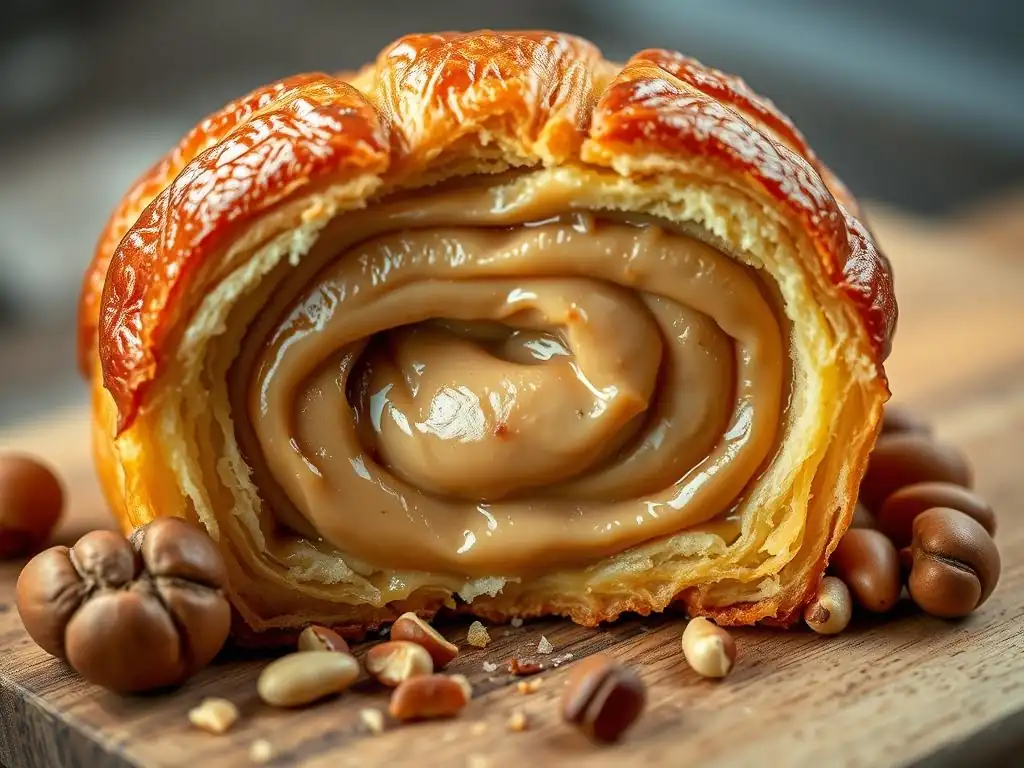
Making Homemade Hazelnut Praline
Homemade praline is the heart of the Paris-Brest filling and adds that signature nutty depth. It involves caramelizing sugar and then blending it with toasted nuts, typically hazelnuts. To make it, toast about 150-200g of whole hazelnuts in the oven at 180°C (350°F) for 10-15 minutes until fragrant and their skins loosen. Rub them in a clean towel to remove most of the skins.
Meanwhile, melt 150-200g of granulated sugar in a saucepan over medium heat without stirring initially. Once it starts to melt, swirl the pan gently. Continue cooking until the sugar turns into a rich amber-colored caramel. Be careful not to burn it! Pour the hot caramel over the toasted hazelnuts spread on a silicone mat or parchment paper. Let it cool completely and harden into a brittle. Once cooled, break the brittle into pieces and process it in a food processor until it becomes a smooth, flowing paste. This paste is your homemade praline.
Praline Cream Recipe
The classic filling for Paris-Brest is a praline mousseline or a praline buttercream. A mousseline is essentially a pastry cream enriched with butter and praline paste. For a delicious praline cream, you'll need ingredients like milk (around 500ml), egg yolks (4-6), sugar (100-150g), cornstarch or flour (40-50g), vanilla, butter (150-200g, softened), and your homemade praline paste (100-150g).
First, make a standard pastry cream by heating the milk with vanilla. Whisk egg yolks and sugar until pale, then whisk in cornstarch or flour. Temper the egg mixture with some hot milk, then pour it back into the saucepan and cook over medium heat, stirring constantly, until thickened.
Remove from heat, stir in about half of the softened butter, and let it cool completely, covered with plastic wrap touching the surface to prevent a skin. Once cool, whip the remaining softened butter until pale and fluffy. Gradually beat in the cooled pastry cream and then the praline paste until you have a smooth, luscious cream.
Variations on Praline Cream
While hazelnut is traditional, you can explore variations on the praline cream. Almond praline is a popular alternative, made by caramelizing sugar with toasted almonds instead of hazelnuts. This gives a slightly different, perhaps more delicate, nutty flavor profile. You could even combine hazelnuts and almonds for a mixed nut praline.
For a richer, less traditional cream, consider adding a small amount of high-quality chocolate (milk or dark) melted and stirred into the warm pastry cream before cooling. This creates a chocolate-praline fusion. Another idea is to lighten the cream slightly by folding in a small amount of whipped cream after incorporating the butter and praline paste, resulting in a praline diplomat cream. These variations allow you to put your own spin on the classic Paris Brest recipe beginner guide.
Assembling the Paris-Brest
Cutting and Filling
Once your baked choux ring is completely cooled, it's time for assembly. Using a sharp serrated knife, carefully slice the ring horizontally through the middle, creating a top and a bottom half. The goal is a clean cut that allows you to separate the two halves without crushing the delicate choux structure. Take your time with this step to ensure an even split.
The bottom half will serve as the base for the generous layer of praline cream. The top half will be placed back on top after filling. Ensure both halves are fully cooled before cutting and filling; warm choux will cause the cream to melt. A completely cooled pastry is key to a successful assembly process when following any Paris Brest recipe beginner guide.
Cream Distribution
The praline cream is typically piped onto the bottom half of the choux ring. Using a piping bag fitted with a large star tip (the same one used for piping the choux works well, or a slightly larger one like an Ateco 869), pipe swirls of the praline cream onto the bottom ring. Start from the outer edge and work your way inwards, covering the entire surface generously.
Aim for a high, luscious layer of cream. Don't be shy with the filling – the contrast between the airy choux and the rich cream is what makes Paris-Brest so special. The star tip creates beautiful ridges that hold their shape and add to the visual appeal of the finished pastry. Ensure the cream is evenly distributed so every bite is filled with delicious praline flavor.
Decoration
After piping the cream, carefully place the top half of the choux ring back onto the cream-covered base. Press down gently to secure it, but avoid pressing too hard, which could squish the cream out the sides. The traditional decoration for Paris-Brest is a dusting of powdered sugar and a sprinkle of sliced or crushed toasted almonds over the top lid.
For a more elaborate finish, you can pipe small rosettes or swirls of leftover praline cream on top of the ring before dusting with sugar. Alternatively, you can drizzle a little extra melted praline paste or some caramel sauce over the top. The sliced almonds add a pleasant crunch and reinforce the nutty theme. Remember, even simple decoration like a dusting of sugar completes the classic look of this elegant pastry.
Tips and Tricks
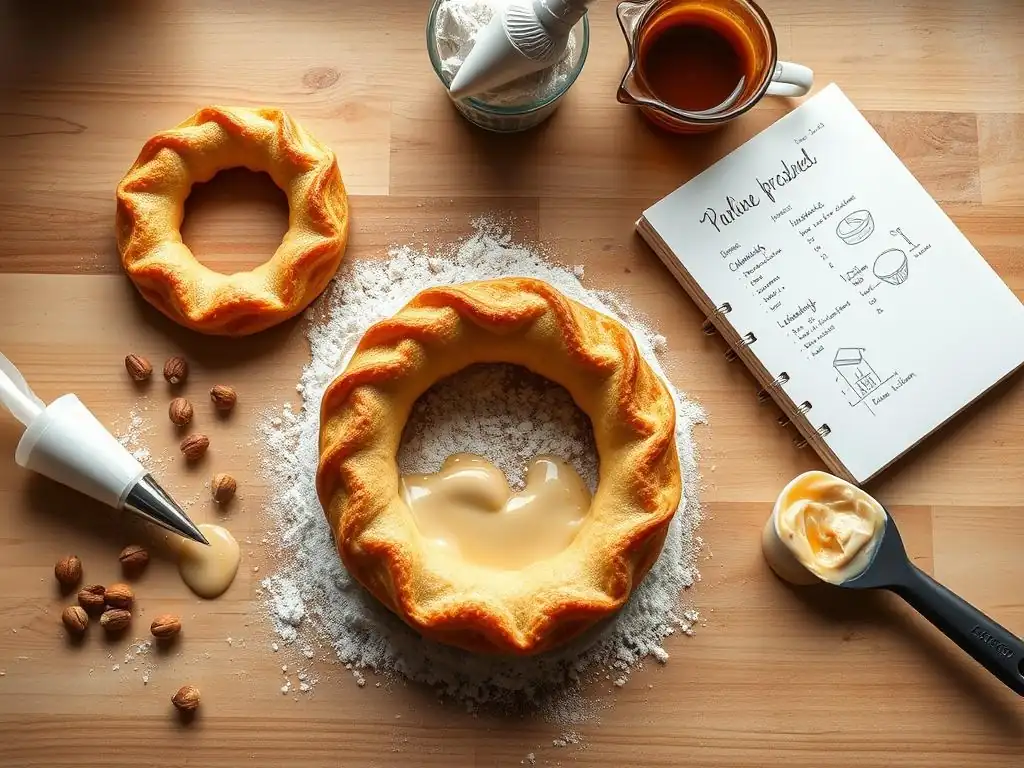
Presentation Techniques
Making your Paris-Brest look as good as it tastes is part of the fun. Ensure your choux ring is evenly shaped before baking by drawing a clear template on your parchment paper. After baking and cooling, a clean cut is essential for a neat appearance. When piping the cream, aim for uniform swirls that fill the ring generously but don't spill over the sides excessively.
A light dusting of powdered sugar just before serving adds a professional touch. Use a small sieve for an even coating. If using almonds, toast them lightly for enhanced flavor and crunch. Serve the Paris-Brest whole on a cake stand for a dramatic presentation before slicing it at the table. For individual servings, cut slices with a sharp serrated knife, wiping the knife clean between cuts for neat portions.
Storing Paris-Brest
Paris-Brest is best enjoyed the day it is made, as the choux pastry is freshest and the cream is at its optimal texture. The choux can soften over time as it absorbs moisture from the cream. However, if you need to store it, wrap the assembled Paris-Brest loosely in plastic wrap or place it in an airtight container.
Store the pastry in the refrigerator due to the cream filling. It will keep reasonably well for 1-2 days, though the choux may lose some of its crispness. If you've baked the choux ring in advance but haven't filled it, the unfilled choux can be stored in an airtight container at room temperature for a day or two, or frozen for longer storage. Re-crisp frozen or stored unfilled choux in a warm oven (around 180°C/350°F) for 5-10 minutes before filling.
Variations for Different Occasions
While the classic hazelnut praline Paris-Brest is perfect for many occasions, you can adapt it for different celebrations. For a summer treat, fill the ring with a lighter cream like a diplomat cream flavored with fresh berries or a lemon curd lightened with whipped cream. A chocolate pastry cream or a coffee-flavored cream could be lovely for a dinner party.
Consider decorating with seasonal fruits, chocolate shavings, or different types of nuts depending on the theme. For smaller gatherings or individual desserts, pipe smaller rings or even individual choux puffs (profiteroles) and fill them with the praline cream. This allows you to serve a deconstructed or mini version of the classic Paris Brest recipe beginner guide creation.
Baking Triumph
Celebrate Your Achievement
Congratulations! You've successfully navigated the steps of a classic Paris Brest recipe beginner guide and created this stunning French pastry. Take a moment to appreciate the beautiful ring you've baked and the rich praline cream you've prepared. Baking is a journey, and mastering something like choux pastry and assembly is a significant milestone.
Share your creation with pride! The effort and care you've put into making this elegant dessert will undoubtedly be appreciated by anyone lucky enough to taste it. It's a testament to your growing skills and dedication in the kitchen. Enjoy the delicious reward of your hard work.
Further Baking Adventures
Now that you've conquered the Paris-Brest, your choux pastry skills are honed and ready for new challenges! The same pâte à choux recipe can be used for a variety of other delightful pastries. Try making classic éclairs, filled with pastry cream or chocolate cream and topped with glaze.
Consider making profiteroles, small choux puffs often filled with ice cream or cream and drizzled with chocolate sauce. You could also explore savory applications for choux, like gougères (cheese puffs). Each new choux creation builds upon the techniques you've learned with the Paris-Brest, opening up a world of delicious possibilities in your baking journey.
Frequently Asked Questions
What is a Paris-Brest?
A Paris-Brest is a classic French pastry shaped like a wheel, made of choux pastry and filled with a praline flavored cream. It is often dusted with powdered sugar and topped with almonds.
Is the Paris-Brest recipe beginner-friendly?
While it looks impressive, our Paris-Brest recipe is designed with beginners in mind. The step-by-step guide breaks down each stage, from making the choux pastry to creating the praline cream.
What are the key ingredients needed for a Paris-Brest?
The essential ingredients include butter, water, flour, eggs for the choux pastry and pralines, cream, butter, and sugar for the praline cream. Our recipe provides a complete list with easy-to-find ingredients.
What makes BakeWithEase's Paris-Brest recipe different?
Our recipe focuses on simplifying the process without compromising on the authentic flavor. We provide clear instructions and troubleshooting tips to ensure your success.
How do I store a Paris-Brest?
The best way to store a Paris-Brest is in the refrigerator. It's recommended to consume it within 1-2 days for the best texture, as the choux pastry can soften over time.
Final Reflection: The Enduring Allure of the Paris-Brest
The seemingly simple act of creating a Paris-Brest at home transcends mere baking; it's a journey into French pastry tradition and a testament to the power of meticulous technique. This beginner's guide aimed to demystify the process, proving that even this elegant ring of choux pastry and praline cream is achievable for home bakers of all skill levels. The detailed steps, coupled with troubleshooting tips, were designed to empower you to conquer this iconic dessert.
The enduring appeal of the Paris-Brest lies not just in its exquisite taste, but in the story it tells. It's a reminder of the artistry and patience involved in creating something truly special. The best things in life are worth waiting for,
and this sentiment perfectly encapsulates the rewarding experience of crafting a Paris-Brest. From the delicate puffing of the choux to the smooth, rich cream filling, each step contributes to a final product that is both visually stunning and incredibly delicious. This recipe, therefore, is more than just instructions; it's a pathway to connecting with a rich culinary heritage.
Now, I invite you to consider your own culinary journey. Perhaps this Paris-Brest was your first foray into the world of French pastries, or maybe it was a chance to revisit a beloved classic. Regardless, I hope this guide has inspired you to embrace the challenge, to trust in your abilities, and to savor the sweet rewards of your efforts.
Don't be afraid to experiment, to adapt, and to share your creations with those you love. The true elegance of the Paris-Brest, and indeed of all baking, lies in the joy it brings – both in the making and the sharing.
Unleash Your Inner Pâtissier: Master the Paris-Brest!
Thanks for joining us on this delightful journey into the world of the Paris-Brest! We hope you've gained a newfound appreciation for this elegant pastry and the satisfying process of creating it. Now it's time to put your newfound skills to the test!
- Bake your own masterpiece! Try out the recipe today – you might be surprised at how easy it is to create this stunning treat. Don't be afraid to experiment with different flavors and fillings!
- Share your creation! Post a picture of your Paris-Brest on social media and tag us – we'd love to see your beautiful bakes!
- Explore other classic French pastries: Expand your baking repertoire by checking out our other tutorials on BakeWithEase.com (we won't tell anyone if you make a few more! ).
So, what delectable twist will you add to your very own Paris-Brest?