
Savory Delights: Making Cheesy Gougères

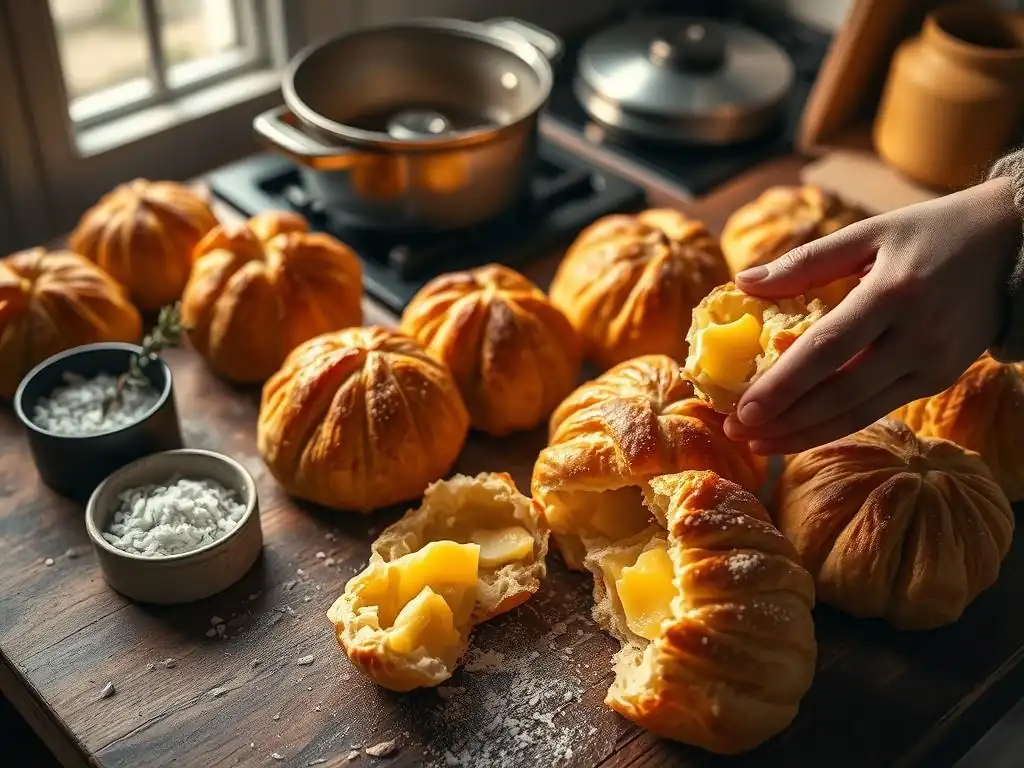
Welcome to BakeWithEase, your trusted companion in the delicious world of baking! Ever wondered how to effortlessly create those light-as-air, cheesy puffs that everyone raves about? Get ready to unlock the secrets with our guide to a cheesy gougères recipe easy enough for any intermediate baker. Discover the simple steps and satisfying results that will elevate your baking game and leave your friends begging for more. Intrigued? Let's get baking!
- Savory Delights: Making Gruyère Gougères with Sally's Baking Addiction
- Introduction to Gruyère Gougères: A Sally's Baking Addiction Choux Pastry Creation
- Mastering the Gruyère Gougères Recipe: An Easy Step-by-Step Guide
- Tips and Tricks for Perfect Gruyère Gougères Every Time
- Storing and Reheating Your Sally's Baking Addiction Gougères
- Enjoy Your Homemade Gruyère Gougères!
- Frequently Asked Questions
- Final Reflection: The Enduring Charm of the Cheesy Gougère
- Unleash Your Inner Baker: Craft the Perfect Gougère!
Savory Delights: Making Gruyère Gougères with Sally's Baking Addiction
Introduction to Gruyère Gougères: A Sally's Baking Addiction Choux Pastry Creation
What are Gougères? Exploring this Savory French Pastry
Gougères are delightful, savory cheese puffs made from choux pastry (pâte à choux). Originating from the Burgundy region of France, they are typically flavored with cheese, most commonly Gruyère, but other hard cheeses can also be used. These light, airy pastries have a slightly crisp exterior and a hollow, tender interior, making them a perfect snack, appetizer, or accompaniment to soups and salads. They are a wonderful example of how a simple dough can transform into something elegant and incredibly flavorful.
The magic of gougères lies in the choux pastry itself. When baked, the high moisture content in the dough turns to steam, causing the pastry to puff up dramatically. This process creates that signature hollow center. Adding cheese infuses the pastry with a rich, savory depth that complements the light texture. A classic cheesy gougères recipe easy to follow truly showcases the versatility and charm of French baking, proving that sophisticated results can be achieved with approachable techniques.
Why Bake Gougères? Discover the Ease and Flavor
Baking gougères is a rewarding experience that delivers impressive results with surprisingly little fuss, making it an excellent choice for those seeking a cheesy gougères recipe easy to master. The basic choux pastry dough comes together quickly on the stovetop before eggs are beaten in, forming a smooth, pipeable consistency. Integrating grated cheese at this stage ensures even distribution of flavor throughout each puff. The process is far less intimidating than many other pastry types, requiring no yeast, no lamination, and minimal kneading.
Beyond their relative ease of preparation, gougères are simply delicious. The combination of buttery choux pastry and sharp, nutty Gruyère cheese is absolutely addictive. They are best enjoyed warm from the oven, when the cheese is slightly melted and the pastry is at its puffiest. Serving homemade gougères adds a touch of simple elegance to any gathering, and guests are always delighted by these warm, cheesy bites. It's a go-to savory treat that proves a simple cheesy gougères recipe easy to execute can yield truly gourmet results.
Mastering the Gruyère Gougères Recipe: An Easy Step-by-Step Guide
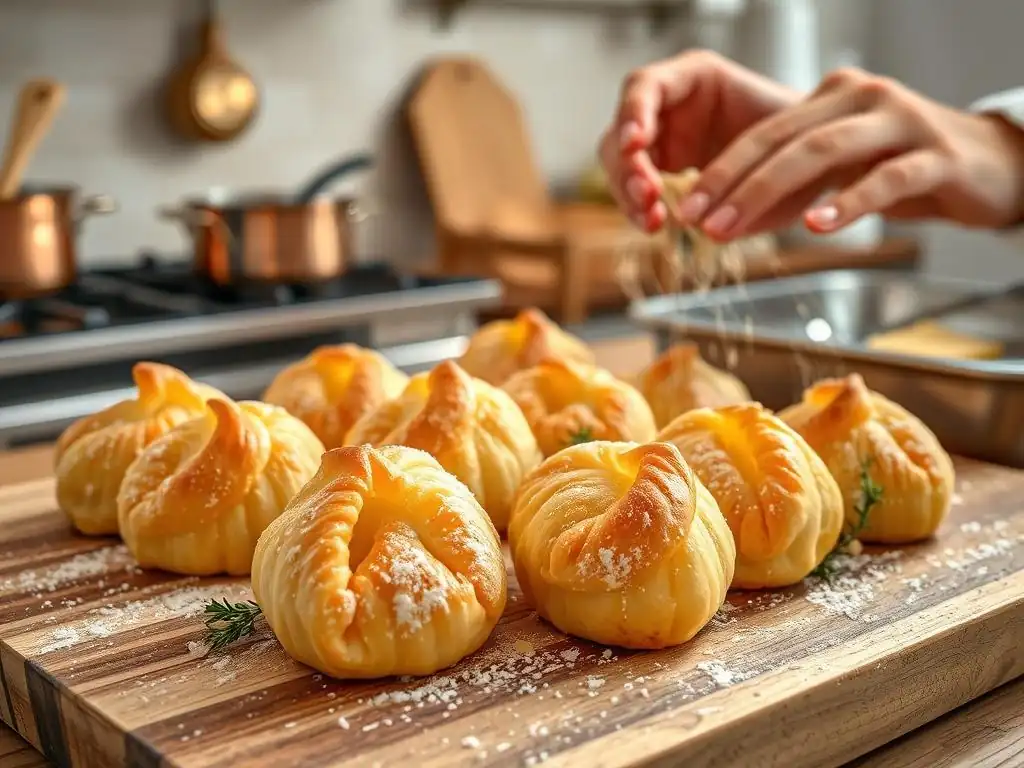
Gathering Your Ingredients for the Perfect Gougères
Successful baking begins with having all your ingredients measured and ready before you start. For a reliable cheesy gougères recipe easy to follow, precision is key, especially with choux pastry. You'll need standard pantry staples like water, butter, salt, and flour, plus eggs to create the choux dough's structure and richness. The star ingredient, of course, is the cheese, typically Gruyère, which should be finely grated for optimal distribution and melting within the dough.
- Water
- Unsalted butter
- Salt
- All-purpose flour
- Large eggs
- Gruyère cheese, finely grated
- Pinch of black pepper (optional)
- Pinch of nutmeg (optional)
Essential Ingredients for Gruyère Gougères (Sally's Baking Addiction Approved)
Focusing on quality ingredients is paramount for the best flavor and texture in your Gruyère gougères. Using unsalted butter allows you to control the salt level precisely. Fresh, large eggs are crucial as they provide the necessary structure and richness to the choux pastry, enabling it to puff up correctly. For the cheese, authentic Gruyère offers a complex, nutty flavor that pairs beautifully with the pastry, though other hard, flavorful cheeses can be substituted.
Ensure your Gruyère is finely grated; about 1 cup (approximately 100-115 grams) is a good starting point for a standard batch size, providing plenty of cheesy flavor without making the dough too heavy. Having ingredients at room temperature (especially the eggs) can also help them incorporate more smoothly into the warm dough. This careful selection and preparation of ingredients sets the stage for a successful and easy cheesy gougères recipe.
Step 1: Preparing the Choux Pastry (Pâte à Choux)
The Foundation of Delicious Gougères
The heart of any gougère is the pâte à choux, a versatile dough used for both sweet and savory applications. Unlike typical doughs, choux pastry relies on a cooking process on the stovetop before baking. This initial cooking gelatinizes the starch in the flour, allowing it to absorb more liquid and fat. This absorption is critical because it creates a stable structure capable of trapping steam during baking, which is what causes the dramatic puff. Mastering this step is fundamental to achieving light and airy gougères.
The process starts with heating liquid and fat together until boiling. Once boiling, the flour is added all at once and stirred vigorously. This creates a thick paste that pulls away from the sides of the pan. Continuing to cook this paste for a minute or two helps dry it out slightly, which is important for the dough's capacity to absorb the eggs later without becoming too wet. This drying step, often referred to as dessécher, develops the foundation needed for a successful cheesy gougères recipe easy to handle and bake.
Combining Water, Butter, and Flour: The Initial Steps
Begin by combining the water, cubed unsalted butter, and salt in a medium saucepan over medium heat. Stir occasionally until the butter is completely melted and the mixture comes to a rolling boil. The standard ratio is often around 1 part butter to 2 parts water or milk, with flour added in a quantity slightly less than the liquid volume, but precise measurements are key for consistency. For example, using 1/2 cup (120ml) water and 1/4 cup (57g) butter is common for a smaller batch.
Once the liquid is boiling, remove the pan from the heat immediately and add all the measured flour at once. Stir vigorously with a wooden spoon or heatproof spatula. The mixture will quickly come together to form a thick dough ball.
Return the pan to low heat and continue to cook and stir the dough for about 1 to 2 minutes, pressing it against the bottom and sides of the pan. You should see a thin film form on the bottom of the pan, indicating the dough has dried sufficiently. This step is essential for creating the proper structure for your cheesy gougères recipe easy to pipe and bake.
Incorporating Eggs for a Smooth Choux Pastry
After cooking the dough on the stovetop, transfer it to a mixing bowl or the bowl of a stand mixer fitted with the paddle attachment. Let it cool for a few minutes until it is warm but no longer piping hot. If it's too hot, it will cook the eggs. Once slightly cooled, add the eggs one at a time, mixing thoroughly after each addition until it is fully incorporated before adding the next. It might look like the dough is separating at first, but keep mixing; it will eventually come together into a smooth, glossy dough.
The number of eggs needed can vary slightly depending on the flour used and how much the dough dried out on the stovetop. You're looking for a specific consistency: the dough should be smooth, thick, and glossy. When lifted with a spoon or spatula, it should form a soft peak and slowly fall back, or if you run your finger through it, the channel should hold its shape without the dough immediately flowing back together.
This consistency is often called the "bird's beak" or "ribbon" stage and is perfect for a cheesy gougères recipe easy to pipe or spoon. Typically, 2-3 large eggs are sufficient for a batch using 1/2 cup flour.
Step 2: Adding Cheese and Seasoning
Choosing the Best Cheese for your Gougères
While Gruyère is the traditional and highly recommended cheese for gougères due to its nutty, complex flavor and excellent melting properties, you have options. A high-quality sharp cheddar can provide a bolder, tangier profile. Aged Parmesan or Pecorino Romano can add a salty, umami depth, often used in combination with other cheeses. The key is to use a hard or semi-hard cheese that is flavorful and melts well. Avoid soft or overly moist cheeses, as they can make the dough greasy or heavy.
When selecting cheese for your cheesy gougères recipe easy to make, consider the overall flavor profile you want. A blend of Gruyère and a little Parmesan is a popular choice that offers both nuttiness and sharp saltiness. Ensure the cheese is finely grated; this helps it distribute evenly throughout the dough and melt properly during baking. Using about 1 to 1.5 cups of finely grated cheese per batch provides a good balance of cheesy flavor without compromising the pastry's ability to puff.
Mixing Cheese and Seasoning into the Choux Dough
Once your choux pastry has reached the correct consistency after adding the eggs, it's time to incorporate the cheese and any desired seasonings. Add the finely grated Gruyère (or your chosen cheese blend) directly into the warm choux dough. Gently fold or mix the cheese into the dough using a spatula or the mixer on low speed until it is evenly distributed. Avoid overmixing at this stage, as you just want the cheese incorporated.
This is also when you can add optional seasonings to enhance the flavor of your cheesy gougères recipe easy to customize. A pinch of freshly grated nutmeg is a classic addition that complements the Gruyère beautifully. A dash of black pepper adds a subtle bite.
Some recipes include a pinch of cayenne pepper for a little heat or dried herbs like chives or thyme for an aromatic touch. Taste a tiny bit of the dough (before baking!) to ensure the seasoning level is to your liking, keeping in mind the flavor will intensify slightly as the cheese melts and bakes.
Step 3: Shaping and Baking the Gougères
Piping or Spooning the Gougères onto a Baking Sheet
There are two main ways to shape your gougères: piping or spooning. Piping creates uniform, professional-looking puffs. Fit a piping bag with a large round tip (like a Wilton 1A or similar) or simply cut a hole in the corner of a sturdy zip-top bag. Fill the bag with the cheesy choux dough and pipe rounds or mounds onto a baking sheet lined with parchment paper. Leave about 1.5 to 2 inches of space between each gougère to allow for expansion during baking.
If you don't have a piping bag, spooning the dough is perfectly acceptable and still yields delicious results. Use two spoons to scoop mounds of dough onto the prepared baking sheet. You can gently shape them into rough rounds with the spoons if desired. Aim for consistent sizes so they bake evenly. Whether piping or spooning, using parchment paper is highly recommended as it prevents sticking and makes cleanup a breeze, contributing to a truly easy cheesy gougères recipe experience.
Baking Gougères to Golden Perfection: Time and Temperature
Baking gougères involves using two different temperatures to achieve the perfect puff and crisp exterior. Preheat your oven to a relatively high temperature, typically around 400°F (200°C). Place the baking sheet with the shaped gougères into the preheated oven. This initial high heat creates a burst of steam from the dough, causing the gougères to rise rapidly. Bake at this temperature for about 10-15 minutes, until they have puffed up significantly and started to turn golden brown.
After the initial high-heat baking, reduce the oven temperature to a lower setting, usually around 350°F (175°C), without opening the oven door if possible. Continue baking for another 10-15 minutes, or until the gougères are deeply golden brown and feel light when lifted. Baking at this lower temperature allows the interiors to dry out and set, preventing them from collapsing after cooling.
The total baking time is typically between 20-30 minutes, depending on the size of your gougères and your oven. The deep golden color is your indicator that they are fully cooked and will hold their shape, completing your successful cheesy gougères recipe easy bake.
Step 4: Cooling and Serving Your Gruyère Gougères
Letting Gougères Cool Properly
While gougères are best served warm, they do benefit from a brief cooling period after coming out of the oven. Immediately after removing them from the oven, you can gently poke a small hole in the side of each gougère with a toothpick or sharp knife. This allows some of the steam trapped inside to escape, which helps prevent the interiors from becoming soggy and ensures they maintain their crisp exterior. This step is particularly helpful for larger gougères.
Transfer the baked gougères to a wire cooling rack placed over a baking sheet. Let them cool on the rack for just 5-10 minutes. This short cooling time allows them to firm up slightly while still retaining their warmth. They should feel very light for their size. Avoid letting them cool completely on the solid baking sheet, as condensation can form underneath and make the bottoms soggy. A proper cool-down on a rack is a small but important step for the perfect texture in your cheesy gougères recipe easy to enjoy.
Serving Suggestions and Pairing Ideas
Gruyère gougères are incredibly versatile and can be served in many ways. They are traditionally enjoyed as an apéritif, a savory bite to accompany drinks before a meal. Serve them warm in a basket or on a platter. Their rich, cheesy flavor pairs wonderfully with a glass of white wine, such as a crisp Sauvignon Blanc or a buttery Chardonnay, or even a light-bodied red like Pinot Noir. For a non-alcoholic option, sparkling cider or even just water works well.
Beyond appetizers, gougères make an excellent accompaniment to meals. Serve them alongside a simple green salad, a bowl of warm soup (like French onion or tomato soup), or use them as a bread substitute with stews or casseroles. They can also be split and filled with savory fillings like smoked salmon dip, chicken salad, or herb cream cheese for a more substantial bite. Their light, airy texture and savory depth make them a welcome addition to almost any savory spread, highlighting the adaptability of a cheesy gougères recipe easy to incorporate into various culinary contexts.
Tips and Tricks for Perfect Gruyère Gougères Every Time
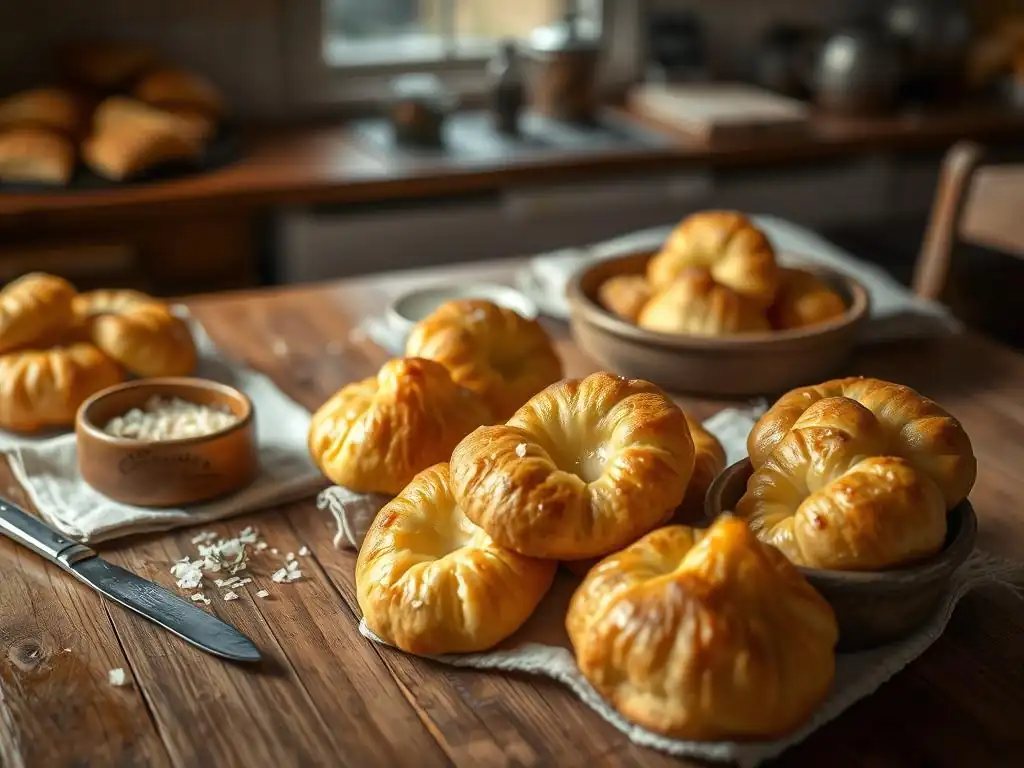
Troubleshooting Common Gougères Baking Issues
Even with an easy cheesy gougères recipe, baking can sometimes present challenges. One common issue is gougères that don't puff up properly. This can often be traced back to the choux pastry preparation. Ensure the dough was cooked on the stovetop long enough to dry it out sufficiently (the film on the bottom of the pan is a good indicator). Also, make sure your eggs were added one at a time and fully incorporated, and that the dough reached the correct consistency (the ribbon stage). Using cold eggs can sometimes make incorporation difficult.
Another reason for poor puffing can be the oven temperature or opening the oven door too early. The initial high heat is crucial for steam creation and lift. If the oven temperature is too low or fluctuates, the dough might not puff. Opening the oven door during the first 15-20 minutes can cause the sudden release of steam and a drop in temperature, leading to deflated gougères. Trust the baking time and avoid peeking until they are significantly puffed and starting to color.
Gougères Not Puffed Up? Find out why.
If your gougères came out flat or didn't puff much, revisit the choux pastry process. Was the butter/water mixture at a rolling boil when you added the flour? Adding flour before it boils means there isn't enough steam potential. Did you cook the dough on the stovetop for 1-2 minutes until a film formed? This drying step is vital for the dough's structure. If the dough is too wet, it won't hold its shape or puff properly. This often happens if the eggs weren't fully incorporated, or if too many eggs were added.
Consider the oven temperature and door discipline as well. An oven that isn't fully preheated or one that loses heat quickly when the door is opened will hinder the necessary steam expansion. Ensure your oven is calibrated and resist the urge to check on them too soon. The cheese type and quantity can also play a small role; using too much cheese or a cheese with high moisture content can weigh down the dough. Stick to the recommended amount of hard, finely grated cheese for the best results with your cheesy gougères recipe easy to troubleshoot.
Gougères Too Flat? Solutions for Flatter Gougères
Gougères that are too flat, even after some puffing, often indicate that the interior hasn't dried out and set properly. This typically happens if the baking time at the lower temperature was too short, or if the initial high temperature wasn't sufficient to create a strong shell. If your gougères puff but then deflate or flatten significantly upon cooling, it's a sign the structure wasn't fully baked through.
To prevent flat gougères, ensure they are baked until they are a deep golden brown color and feel very light. Don't be afraid to bake them longer at the lower temperature (350°F/175°C) if they don't seem fully set.
Poking a small hole in each gougère immediately after removing them from the oven can also help release steam and prevent deflation. If you consistently get flat results, try slightly reducing the amount of liquid or adding a tiny bit more flour (just a tablespoon or two) to the initial dough mix to make it slightly stiffer, ensuring your cheesy gougères recipe easy efforts result in airy puffs.
Variations on the Classic Gruyère Gougères Recipe
Adding Herbs and Spices for Extra Flavor
While classic Gruyère gougères are delicious on their own, adding herbs and spices can introduce exciting new flavor dimensions. Finely chopped fresh herbs like chives, parsley, or thyme can be folded into the dough along with the cheese. About 1-2 tablespoons of fresh herbs usually suffice for a standard batch. Dried herbs can also be used, though in smaller quantities (around 1-2 teaspoons), as their flavor is more concentrated.
Beyond herbs, consider spices. A pinch of cayenne pepper or smoked paprika can add warmth and a subtle smokiness. A touch of Dijon mustard (about a teaspoon) mixed into the wet ingredients or dough can provide a tangy complexity that pairs wonderfully with cheese. Experimenting with these additions allows you to personalize your cheesy gougères recipe easy to adapt to your taste preferences or the meal you're pairing them with.
Exploring Different Cheese Combinations for Unique Gougères
The world of cheese offers endless possibilities for varying your gougères. While Gruyère is traditional, don't be limited. Try using a sharp aged cheddar for a more robust, tangy flavor. A blend of half Gruyère and half Parmesan Reggiano offers a sophisticated nutty and salty profile. For a richer taste, consider adding a small amount of grated Comté or even Emmental.
You could also venture into slightly less traditional cheeses. Smoked cheddar adds a unique twist. A mix of provolone and mozzarella could create a milder, stretchier interior (though be mindful of moisture). The key is to use cheeses that are relatively hard and flavorful. Using approximately 100-150 grams (about 1 to 1.5 cups) of finely grated cheese per batch ensures plenty of flavor and good texture for your cheesy gougères recipe easy to customize with various cheese pairings.
Storing and Reheating Your Sally's Baking Addiction Gougères
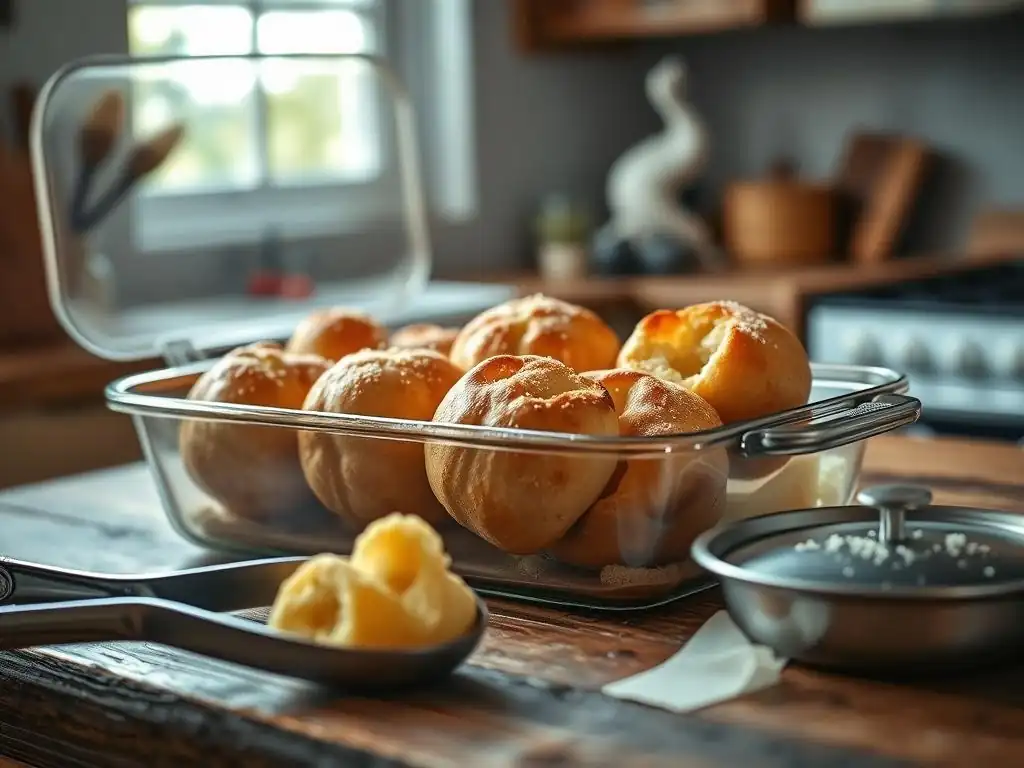
How to Store Freshly Baked Gougères
Gougères are undoubtedly best enjoyed warm from the oven, but leftovers can be stored. Once they have cooled completely (to room temperature), place them in an airtight container. Store the container at room temperature if you plan to eat them within a day or two. For longer storage, they can be kept in the refrigerator for up to 3-4 days.
For even longer storage, gougères freeze exceptionally well. Once completely cooled, arrange them in a single layer on a baking sheet and freeze until solid, about 1-2 hours. Then, transfer the frozen gougères to a freezer-safe bag or container. They can be stored in the freezer for up to 2-3 months. Proper storage ensures you can enjoy your cheesy gougères recipe easy to reheat whenever a craving strikes.
Reheating Gougères for Optimal Taste and Texture
Reheating is the key to bringing leftover gougères back to their near-fresh glory. Avoid using a microwave, as this will make them soft and chewy rather than crisp. The best method is to reheat them in the oven or a toaster oven. Preheat your oven to a moderate temperature, around 300-325°F (150-160°C).
Place the gougères directly on a baking sheet (no need for parchment paper unless you prefer). If reheating from the refrigerator, bake for about 5-8 minutes. If reheating from frozen, you can bake them directly from frozen; they will take slightly longer, typically 10-15 minutes. You're looking for them to be heated through and the exterior to crisp up again. This simple reheating process ensures your cheesy gougères recipe easy to make yields delightful results even days later.
Enjoy Your Homemade Gruyère Gougères!
You've successfully made a batch of delicious, airy Gruyère gougères following this cheesy gougères recipe easy guide. Whether you serve them as an elegant appetizer, a simple snack, or alongside a meal, they are sure to impress with their delicate texture and rich, cheesy flavor. Take a moment to appreciate the baking process and the wonderful result.
Baking is a joy, and sharing your creations makes it even better! If this cheesy gougères recipe easy approach worked for you, consider sharing photos of your beautiful gougères. Connecting with other bakers and celebrating successes, whether inspired by a favorite source like Sally's Baking Addiction or your own kitchen experiments, adds to the fun. Enjoy every bite of your homemade savory cheese puffs!
Frequently Asked Questions
What exactly are cheesy gougères?
Cheesy gougères are savory baked cheese puffs made from pâte à choux dough. They are often served as appetizers or snacks and are known for their light and airy texture.
Are gougères difficult to make at home?
While they might seem intimidating, gougères are surprisingly easy to make with a good recipe and clear instructions. The pâte à choux dough is the key, but it only requires a few simple ingredients.
What kind of cheese is best for cheesy gougères?
Gruyère cheese is a classic choice for gougères, offering a rich and nutty flavor. However, other cheeses like cheddar, Parmesan, or even a blend can be used to create different flavor profiles.
Can I make gougères ahead of time?
Yes, you can prepare the pâte à choux dough in advance and store it in the refrigerator for up to 24 hours. You can also bake the gougères and freeze them for later, reheating them when ready to serve.
Where can I find an easy cheesy gougères recipe?
BakeWithEase.com offers a simple and straightforward cheesy gougères recipe suitable for bakers of all levels. It includes step-by-step instructions and easy-to-find ingredients for perfect results every time.
Final Reflection: The Enduring Charm of the Cheesy Gougère
The seemingly simple act of crafting a cheesy gougère transcends mere culinary creation; it's a journey into the heart of French pastry, accessible and rewarding for all. This recipe, designed for ease and deliciousness, proves that even the most elegant dishes can be within reach of the home cook. The satisfying crunch, the airy interior, the irresistible cheesy pull – these are the hallmarks of a perfectly executed gougère, and a testament to the power of simple, quality ingredients.
The enduring appeal of the gougère lies not only in its taste but also in its versatility. It's a blank canvas for culinary creativity, adaptable to various cheeses, herbs, and even additions like ham or bacon. It's a dish that effortlessly bridges the gap between casual snack and sophisticated appetizer, proving that culinary excellence doesn't require hours of painstaking work. The best things in life are simple,
a sentiment perfectly embodied by this delightful pastry. Its ability to transform a simple gathering into a memorable occasion speaks volumes about the power of food to connect us.
Now, I invite you to embrace the challenge, to gather your ingredients, and to embark on your own gougère adventure. Don't be intimidated by the seemingly complex process; allow yourself to be guided by the simple steps outlined in this recipe. The reward? Not just a delicious treat, but a newfound confidence in your culinary abilities and the satisfaction of creating something truly special. So, preheat your oven, gather your friends, and prepare to be amazed by the magic of the cheesy gougère.
Unleash Your Inner Baker: Craft the Perfect Gougère!
Thanks for joining us on this cheesy journey! We hope you now feel confident in tackling the art of the gougère. Ready to take your baking skills to the next level?
- Master the Gougère: Try making your own batch today! Experiment with different cheeses and herbs to find your perfect flavor combination.
- Share your creations: Post a picture of your gougères on social media and tag us – we'd love to see your culinary masterpieces!
- Explore other classic French pastries: Dive into our recipe collection for more delightful baking adventures.
What unique cheese blend will you try in your next batch of gougères?