
Classic Fills: Perfect Pastry Cream for Your Choux Creations

Welcome to BakeWithEase, your culinary companion on the journey to baking bliss!
Ever dreamt of crafting delectable pastries that rival those in your favorite patisserie? Dive into our world of baking secrets and unlock the secrets to success. Today, we're focusing on a cornerstone of classic desserts: perfect pastry cream. Intrigued? Our article, "Classic Fills: Perfect Pastry Cream for Your Choux Creations" will guide you through easy pastry cream recipes that will elevate your choux pastries, tarts, and more. Discover the simple techniques that transform basic ingredients into a velvety, luscious filling. Ready to create pastry magic? Let's get baking!
- Introduction to Pastry Cream: The Heart of Choux Pastry
- Understanding the Key Ingredients for Classic Pastry Cream
- Classic Pastry Cream Recipe: Step-by-Step Guide
- Troubleshooting Common Pastry Cream Problems
- Flavor Variations for Your Pastry Cream
- Assembling Your Choux Creations with Pastry Cream
- Tips and Tricks for the Best Pastry Cream
- Conclusion: Mastering Classic Pastry Cream Recipes for Choux
-
Frequently Asked Questions
- What makes a pastry cream recipe "easy" according to BakeWithEase?
- Can I use pastry cream for fillings other than choux pastry?
- What are some common mistakes to avoid when making pastry cream?
- How do I store leftover pastry cream to keep it fresh?
- Can I flavor my pastry cream beyond the classic vanilla?
- Final Reflection: Mastering the Art of the Perfect Pastry Cream
- Unlock Your Inner Pastry Chef: Master the Art of Choux Cream!
Introduction to Pastry Cream: The Heart of Choux Pastry
Why Pastry Cream is Essential for Choux
Pastry cream, also known as Crème Pâtissière, is far more than just a filling; it is the soul of many classic choux pastry creations. Its rich, creamy texture and delicate sweetness provide the perfect counterpoint to the light, airy shell of choux dough. Without a well-made pastry cream, éclairs, cream puffs, and other choux delights would lack their signature moist interior and luscious flavor profile. Mastering easy pastry cream recipes is a fundamental skill for anyone looking to excel in baking these delicate treats.
The structural integrity and sensory experience of a choux pastry are significantly enhanced by the quality of the pastry cream. A properly cooked cream sets firmly enough to hold its shape within the hollow shell, preventing sogginess while still being smooth enough to pipe beautifully. It acts as a binder, bringing together the crisp exterior and the often-added toppings like chocolate glaze or powdered sugar. For instance, a standard éclair measuring about 5-6 inches typically holds around 1.5 to 2 ounces of pastry cream, and the success of that éclair hinges almost entirely on the cream's consistency and taste.
What Makes a Perfect Pastry Cream?
A truly perfect pastry cream strikes a delicate balance between richness, sweetness, and texture. It should be incredibly smooth, without any graininess or lumps, and possess a consistency that is thick enough to stand up in a piped filling but still yielding and creamy on the palate. The flavor should be clean and pronounced, typically vanilla-forward in its classic form, without tasting overly eggy or starchy. Achieving this ideal result, even with easy pastry cream recipes, requires careful attention to detail during the cooking process.
The hallmark of an excellent pastry cream is its ability to remain stable when chilled and hold its shape when piped, yet melt sensuously in the mouth. Imagine biting into a cream puff; the crisp shell gives way to a cool, velvety filling that coats your tongue.
This luxurious mouthfeel is a direct result of the proper ratio of egg yolks, sugar, and starch cooked together until the proteins and starches are fully hydrated and thickened. A batch made with, say, 6 egg yolks and 1/2 cup of cornstarch in roughly 2 cups of milk, when cooked correctly, will yield about 3-4 cups of this ideal, luscious cream.
Understanding the Key Ingredients for Classic Pastry Cream
Essential Ingredients for Classic Pastry Cream
Creating a classic pastry cream relies on a surprisingly simple list of core ingredients. These include milk, sugar, egg yolks, a starch-based thickener (most commonly cornstarch), and a flavoring agent like vanilla. While the list is short, the quality of each component and their precise measurements are crucial for achieving the desired silky texture and rich flavor that defines this foundational cream. Many easy pastry cream recipes highlight these key components.
Beyond the absolute basics, some recipes might call for butter added at the end for extra richness and sheen, or a pinch of salt to balance the sweetness. However, the fundamental structure and flavor come from the interaction of milk, sugar, egg yolks, and starch when heated.
Understanding the role each plays is key to not only following a recipe but also troubleshooting if something goes wrong. A typical recipe designed to fill about 12-15 standard éclairs might use around 2 cups of milk, 1/2 to 3/4 cup of sugar, 6 to 8 large egg yolks, and 1/4 to 1/2 cup of cornstarch.
The Role of Each Ingredient in Pastry Cream
Milk: Choosing Your Liquid Base
Milk serves as the primary liquid base for pastry cream, providing the necessary medium for the starch to hydrate and the ingredients to cook together. The type of milk used significantly impacts the final richness and texture. Whole milk, with its higher fat content (around 3.5%), yields a creamier, more luxurious result compared to lower-fat options. Using whole milk contributes to a smoother mouthfeel and a slightly richer flavor profile, which is highly desirable in classic French pastry.
While whole milk is traditional and recommended for the best results, you can use 2% milk, though the final cream might be slightly less rich. Skim milk is generally not recommended as it lacks the fat needed for optimal texture and flavor. Some professional recipes even incorporate a portion of heavy cream alongside milk for an exceptionally decadent pastry cream, boosting the fat content to potentially 5-6% or higher in the liquid base, resulting in an even silkier finish.
Sugar: Sweetening Your Pastry Cream
Sugar in pastry cream does more than just provide sweetness; it also plays a vital role in the cream's structure and texture. Granulated sugar is the standard choice. When sugar is whisked with egg yolks, it helps to tenderize the egg proteins, preventing them from curdling too quickly when heated and contributing to a smoother final product. This initial whisking step, often referred to as blanching the yolks, is essential for achieving a light, creamy base before cooking.
The amount of sugar can be adjusted slightly based on preference, but it's important not to reduce it too drastically, as it affects the texture as well as sweetness. A typical ratio might be around 1 part sugar to 2 parts egg yolks by weight. For example, if using 6 egg yolks (approx. 100-120g), you might use 100-150g of sugar. The sugar also helps to slightly lower the freezing point of the cream, which can be a factor if considering freezing leftover pastry cream.
Egg Yolks: Providing Structure and Richness
Egg yolks are fundamental to classic pastry cream, contributing significantly to its richness, color, and thickening power. Yolks contain lecithin, a natural emulsifier that helps create a smooth, stable mixture, and proteins that coagulate when heated, contributing to the cream's structure. The vibrant yellow hue of the yolks also gives the pastry cream its characteristic pale yellow color. Using fresh, high-quality egg yolks is key for both flavor and structure.
A standard recipe often calls for 6 to 8 large egg yolks per 2 cups of milk. Using only yolks (and no whole eggs) results in a richer, more tender cream compared to recipes that include whole eggs, which can make the cream slightly firmer due to the added egg whites. The fat content in the yolks (approximately 30-35% fat by weight) is crucial for the luxurious mouthfeel. The protein in the yolks (around 16% by weight) works alongside the starch to create the thickened structure.
Cornstarch: Thickening Agent
Cornstarch is the most common and reliable thickening agent used in easy pastry cream recipes. It consists of long chains of glucose molecules that, when heated in a liquid, absorb moisture and swell, causing the liquid to thicken into a gel-like consistency. Cornstarch provides a clean, neutral flavor and produces a translucent, glossy finish compared to flour, which can sometimes leave a slightly opaque or floury taste if not cooked out properly.
The amount of cornstarch determines the final thickness of the cream. For a pourable sauce-like consistency, you might use less, perhaps 1/4 cup per 2 cups of milk. For a firm, pipeable cream suitable for filling choux, 1/3 to 1/2 cup is typically needed. It's crucial to ensure the cream is cooked long enough after it thickens – usually bubbling vigorously for at least 1-2 minutes – to fully hydrate the starch granules and remove any raw starch flavor.
Vanilla Extract: Adding Flavor and Aroma
Vanilla is the classic flavoring for pastry cream, providing a warm, aromatic depth that complements the richness of the other ingredients. High-quality pure vanilla extract is essential for the best flavor. Alternatively, you can infuse the milk with a split vanilla bean or a teaspoon of vanilla bean paste for a more intense and visually appealing result (those little black specks signify authentic vanilla! ).
Adding the vanilla extract is typically done at the end of the cooking process or just after taking the cream off the heat to preserve its delicate aroma, as prolonged heating can diminish its potency. If using a vanilla bean, it's usually steeped in the milk as it heats and then removed before tempering the yolks. The amount of vanilla can be adjusted, but about 1-2 teaspoons of extract per 2 cups of milk provides a noticeable, pleasant flavor without being overwhelming.
Classic Pastry Cream Recipe: Step-by-Step Guide
Preparing Your Ingredients and Equipment
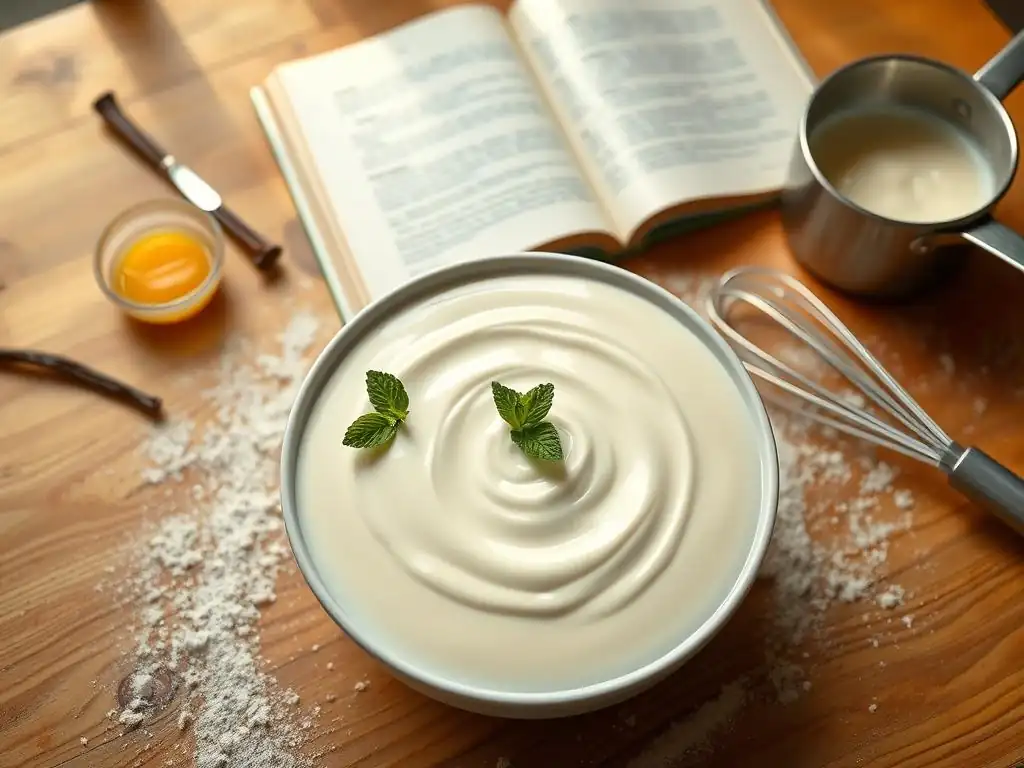
Before you begin making your classic pastry cream, it's crucial to have all your ingredients measured out and your equipment ready. This includes a medium-sized heavy-bottomed saucepan, a whisk, a heatproof bowl, a fine-mesh sieve (optional but recommended for ultimate smoothness), and plastic wrap. Using a heavy-bottomed pan helps distribute heat more evenly and reduces the risk of scorching the bottom of the cream as it thickens. Accuracy in measuring is paramount for consistent results, especially with the cornstarch and sugar.
Ensure your egg yolks are separated cleanly from the whites. Having everything prepped allows you to move smoothly through the cooking process, which is important because pastry cream requires constant attention once it's on the heat. A standard recipe might require measuring out 2 cups of whole milk, separating 6 large egg yolks, measuring 1/2 cup of granulated sugar, and 1/3 cup of cornstarch. Place the sieve over the heatproof bowl so it's ready for straining the finished cream.
Step 1: Infusing the Milk with Vanilla
Begin by pouring the milk into your heavy-bottomed saucepan. If using a vanilla bean or vanilla bean paste, add it to the cold milk now. Gently heat the milk over medium heat, stirring occasionally, until it just reaches a simmer – you'll see small bubbles forming around the edges of the pan. Be careful not to let it boil over. This step helps warm the milk and infuse it with the vanilla flavor.
Once the milk is simmering, remove the pan from the heat. If you used a vanilla bean, scrape out the seeds and stir them into the milk, then discard the pod. If using vanilla extract, you will add this later. Allowing the milk to sit off the heat for a few minutes after simmering can deepen the vanilla infusion if using a bean or paste.
Step 2: Whisking the Egg Yolks and Sugar
While the milk is heating, combine the egg yolks and sugar in your heatproof bowl. Whisk them together immediately and vigorously until the mixture becomes pale yellow and slightly thickened. This process, known as blanching or ribboning, takes about 2-3 minutes of continuous whisking. The sugar helps break down the yolks, preventing a grainy texture.
Next, whisk the cornstarch into the egg yolk and sugar mixture until it is completely incorporated and no lumps remain. The mixture will become a thick, pale paste. Ensure the cornstarch is fully mixed in; any dry pockets will result in lumps in the final pastry cream. This yolk-sugar-cornstarch mixture is the base that will thicken the milk.
Step 3: Tempering the Egg Mixture
Tempering is a crucial step to prevent the egg yolks from scrambling when combined with the hot milk. While continuously whisking the egg yolk mixture, slowly pour about half of the hot milk into the bowl in a thin, steady stream. Whisk constantly as you pour. This gradually raises the temperature of the egg yolks without cooking them.
Once about half the milk is incorporated, the egg mixture will be warm and more liquid. This tempered mixture can now be safely added back to the saucepan with the remaining hot milk. Whisking continuously during tempering is key to ensuring the eggs emulsify smoothly rather than cooking into solid bits.
Step 4: Cooking the Pastry Cream to Perfection
Pour the tempered egg mixture back into the saucepan containing the rest of the hot milk. Place the saucepan back over medium heat. Now, you must whisk constantly and vigorously, reaching into all corners of the pan, especially the bottom, to prevent sticking and scorching. The mixture will initially be thin.
After a few minutes, you will feel the mixture start to thicken. Continue whisking as it gets progressively thicker. Bring the cream to a boil, and continue to boil, whisking vigorously, for 1 to 2 minutes. This boiling step is absolutely essential to ensure the cornstarch fully activates and thickens the cream to its maximum potential, preventing a runny cream and cooking out any starchy flavor. The temperature should reach around 195°F to 205°F (90°C to 96°C) during this boiling phase.
Step 5: Cooling and Storing Your Pastry Cream
Immediately remove the cooked pastry cream from the heat. If desired, strain it through a fine-mesh sieve into your clean heatproof bowl to remove any potential lumps or bits of cooked egg. This step contributes significantly to achieving a super smooth texture. If using vanilla extract, stir it in now.
To cool the pastry cream rapidly and prevent bacterial growth, place the bowl over an ice bath or transfer the cream to a shallow container. Stir occasionally until the initial heat dissipates. Once it has cooled slightly, cover the surface of the cream directly with plastic wrap, pressing it down so it touches the entire surface. This prevents a skin from forming. Refrigerate the cream for at least 2-3 hours, or preferably until thoroughly chilled and set, before using. Properly stored in the refrigerator, it will last for 3-4 days.
Troubleshooting Common Pastry Cream Problems
Lumpy Pastry Cream: Causes and Solutions
Lumps in pastry cream are a common frustration but usually preventable. The primary causes are often insufficient whisking during the cooking process, especially in the corners of the pan where the cream can stick and overcook, or not properly incorporating the cornstarch into the egg mixture initially. Sometimes, cooked bits of egg can form if the tempering step wasn't done slowly enough or the milk was too hot when added.
If you end up with a lumpy cream, don't despair! The easiest fix is to immediately strain the hot pastry cream through a fine-mesh sieve into a clean bowl, pressing it through with a spatula or whisk. For particularly stubborn lumps, you can even carefully process the warm cream using an immersion blender or transfer it to a regular blender for a few seconds to smooth it out, being cautious of the heat.
Thin or Runny Pastry Cream: Fixing the Consistency
A runny pastry cream is typically the result of undercooking. The cornstarch needs to reach a specific temperature (above 195°F or 90°C) and boil for at least a minute or two to fully activate its thickening power. Incorrect ingredient ratios, such as too little cornstarch or egg yolks, can also contribute to a thin consistency, although undercooking is the more frequent culprit in easy pastry cream recipes.
To fix a thin cream, return it to the saucepan over medium heat. In a separate small bowl, whisk together a tablespoon or two of cornstarch with an equal amount of cold milk or water to create a slurry. Once the cream in the pan is hot and you are whisking constantly, slowly drizzle in the cornstarch slurry. Continue to whisk and bring the cream back to a boil, boiling for 1-2 minutes until it thickens properly. If the issue was ingredient ratio, you might need to add a bit more slurry until the desired consistency is reached.
Scorched Pastry Cream: Prevention Tips
Scorched pastry cream is identifiable by brown bits at the bottom of the pan and an unpleasant burnt taste. This happens when the cream sticks to the bottom of the pan and overheats due to being cooked over heat that is too high or not being stirred constantly and thoroughly. Using a thin-bottomed pan exacerbates this problem as heat is concentrated in one spot.
Prevention is the best cure for scorched pastry cream. Always use a heavy-bottomed saucepan, which distributes heat more evenly. Cook the cream over medium heat – never high heat – and whisk constantly from the moment it goes back on the stove until it's finished cooking, paying special attention to the bottom and edges of the pan.
If you detect scorching, immediately remove the pan from the heat and transfer the unscorched portion of the cream to a clean bowl, being careful not to scrape the bottom of the pan. While you can't remove the burnt flavor from the affected cream, you might save the majority of the batch this way.
Flavor Variations for Your Pastry Cream
Chocolate Pastry Cream: A Decadent Twist
Transforming classic pastry cream into a rich chocolate version is incredibly simple and adds a decadent layer of flavor perfect for chocolate éclairs or tarts. The key is to incorporate high-quality chocolate after the pastry cream has finished cooking. Using bittersweet or semi-sweet chocolate (around 60-70% cocoa solids) provides a deep chocolate flavor without being overly sweet.
Once your classic pastry cream is cooked and removed from the heat, immediately whisk in finely chopped chocolate. For every 2 cups of finished pastry cream, you might add 4 to 6 ounces (115-170g) of chocolate. The residual heat of the cream will melt the chocolate. Continue whisking until the chocolate is completely smooth and fully incorporated, resulting in a glossy, dark brown cream. Strain through a sieve if necessary, then cool and chill as usual.
Coffee Pastry Cream: An Aromatic Delight
For coffee lovers, infusing pastry cream with the robust flavor of coffee creates a sophisticated filling ideal for coffee éclairs or opera cake layers. There are a couple of ways to achieve this, either by using instant coffee or coffee extract, or by infusing the milk with coffee beans. Using instant espresso powder often yields the most consistent and intense flavor.
One method is to dissolve 1 to 2 tablespoons of instant espresso powder directly into the hot milk before tempering the egg yolks. Alternatively, you can add a tablespoon or two of coffee extract at the end, along with the vanilla (if using). For a subtle infusion, you could steep about 1/4 cup of lightly crushed coffee beans in the milk as it heats, straining them out before tempering. This method provides a more nuanced coffee aroma.
Lemon Pastry Cream: Adding Zest and Freshness
Adding citrus zest brings a bright, fresh counterpoint to the richness of pastry cream. Lemon pastry cream is particularly delightful, offering a tangy flavor that cuts through sweetness. This variation is excellent for tarts, lemon meringue éclairs, or simply piped into choux puffs.
The best way to infuse lemon flavor is by adding lemon zest to the milk at the beginning. Use a microplane to zest 1 to 2 lemons (about 1-2 tablespoons of zest), being careful to only get the yellow part and avoid the bitter white pith. Add the zest to the cold milk and heat as usual, allowing the citrus oils to infuse into the milk.
Strain the milk to remove the zest before tempering the yolks. You can optionally whisk in a tablespoon of fresh lemon juice after the cream is cooked and slightly cooled, but be cautious as too much acid can curdle the cream if it's too hot.
Raspberry Pastry Cream
Incorporating fruit puree into pastry cream adds vibrant color and fruity flavor. Raspberry pastry cream is a popular choice, pairing wonderfully with chocolate or simply standing alone in choux pastries. The key is to use a concentrated fruit flavor source.
Prepare a smooth raspberry puree by blending fresh or frozen raspberries and then straining it through a fine-mesh sieve to remove the seeds. Reduce the puree slightly over low heat to concentrate the flavor and remove excess moisture. Once your classic pastry cream is cooked and slightly cooled (but still warm), whisk in about 1/4 to 1/2 cup of the cooled, reduced raspberry puree per 2 cups of pastry cream. The amount can be adjusted based on desired flavor intensity. Be sure the puree isn't too watery, as this can thin the cream.
Assembling Your Choux Creations with Pastry Cream
Filling Éclairs with Pastry Cream
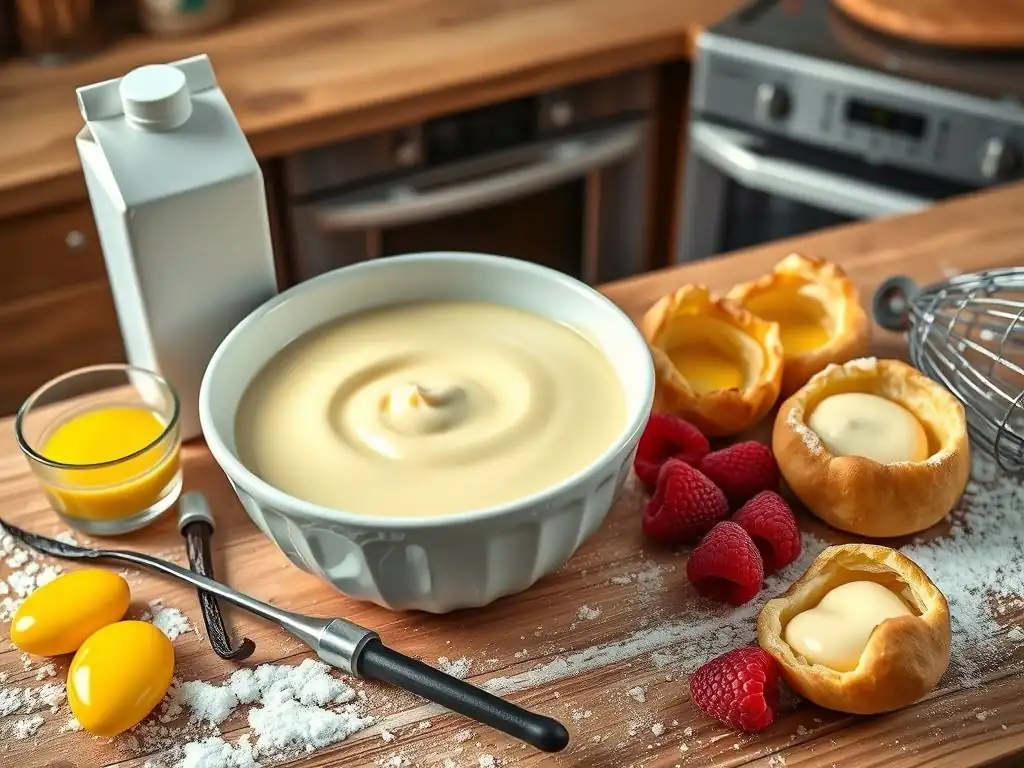
Filling éclairs with pastry cream requires a piping bag fitted with a plain or star tip. Once the éclairs are baked and cooled, you typically make 2-3 small holes in the bottom or side of each éclair using a sharp knife or piping tip. Alternatively, you can slice the éclair horizontally through the middle.
Pipe the chilled pastry cream into the holes until the éclair feels heavy and full. If slicing, simply spoon or pipe the cream generously onto the bottom half before replacing the top. A standard 5-inch éclair will typically hold about 1.5 to 2 ounces of cream, meaning a batch yielding 3 cups of cream could fill roughly 24-30 éclairs.
Cream Puffs: The Classic Pastry Cream Filling
Cream puffs (Profiteroles) are perhaps the most iconic use for classic pastry cream. Once the choux puffs are baked, cooled, and have a hollow center, they are ready for filling. You can either make a small hole in the bottom or side and pipe the cream in, or slice the puff in half horizontally.
Piping the cream into the puff through a small hole keeps the classic round shape intact. If slicing, you can fill the bottom half generously and then place the top back on, often dusting with powdered sugar or drizzling with chocolate sauce. A medium-sized cream puff (about 2-3 inches in diameter) can easily hold 1 to 1.5 ounces of creamy filling.
Using Pastry Cream in Paris-Brest
The Paris-Brest is a famous French pastry made from choux dough shaped into a ring, sliced horizontally, and traditionally filled with praline-flavored crème mousseline (pastry cream enriched with butter). While the classic uses mousseline, a simple, well-made pastry cream is also a delicious filling option, offering a lighter alternative.
To fill a Paris-Brest ring with pastry cream, slice the cooled choux ring in half horizontally. Use a piping bag fitted with a star tip to pipe generous swirls of chilled pastry cream onto the bottom half of the ring. Ensure the cream is piped high enough to be visible and appealing when the top half is placed back on. A large Paris-Brest ring (8-10 inches in diameter) can require a substantial amount of cream, potentially using 2-3 cups of filling for a single pastry.
Filling Gougères with Pastry Cream
While Gougères are savory choux puffs traditionally filled with cheese, a sweet variation can be made and filled with pastry cream, especially smaller ones served as delicate bites. These sweet Gougères might omit the cheese from the dough and perhaps include a pinch of sugar.
To fill sweet Gougères, once baked and cooled, make a small hole in the bottom of each puff. Use a piping bag with a small tip to pipe chilled pastry cream inside until the puff feels sufficiently weighted. Since Gougères are typically smaller than standard cream puffs (often 1-2 inches), they will hold less cream, perhaps 0.5 to 1 ounce each, making them perfect for a light, sweet bite filled with delicious, easy pastry cream.
Tips and Tricks for the Best Pastry Cream
Achieving a Smooth and Silky Texture
The key to a perfectly smooth and silky pastry cream lies in several steps executed correctly. First, ensure your cornstarch is thoroughly mixed with the egg yolks and sugar into a lump-free paste before adding the hot milk. Second, temper the egg mixture slowly and whisk constantly to avoid scrambling. Third, and perhaps most importantly, whisk vigorously and continuously while the cream is cooking, paying close attention to the bottom and edges of the pan.
Finally, straining the cooked cream through a fine-mesh sieve is a highly recommended step to catch any small lumps that may have formed despite your best efforts. Once strained, covering the cream immediately with plastic wrap pressed directly onto the surface prevents a skin from forming as it cools, which can introduce lumps when stirred in later. Chilling the cream thoroughly also allows it to set properly and develop its smooth texture.
Storing Pastry Cream for Optimal Freshness
Proper storage is essential for maintaining the quality and safety of pastry cream. Once the cream is cooked and has cooled slightly (but is still warm), transfer it to a clean container. Immediately press a layer of plastic wrap directly onto the surface of the cream, ensuring there are no air pockets between the cream and the wrap. This prevents the formation of a rubbery skin and protects the cream from absorbing odors from the refrigerator.
Refrigerate the covered pastry cream until it is completely chilled and set, which usually takes at least 2-3 hours. Before using, give the chilled cream a quick whisk to restore its smooth consistency, as it will firm up considerably upon chilling. Stored correctly in an airtight container in the refrigerator with the plastic wrap barrier, classic pastry cream is best used within 3 to 4 days for optimal freshness and safety.
Freezing Pastry Cream: Considerations
While it is technically possible to freeze pastry cream, it's important to note that the texture may change upon thawing. Starch-thickened creams can sometimes become slightly watery or grainy after freezing due to the breakdown of the starch molecules when ice crystals form and then melt. This effect can be more pronounced in creams made with cornstarch compared to those made with flour or modified starches.
If you plan to freeze pastry cream, ensure it is cooled completely before transferring it to a freezer-safe container, again pressing plastic wrap directly onto the surface. It can typically be frozen for up to 1-2 months. When ready to use, thaw it slowly in the refrigerator overnight.
After thawing, you may need to whisk it vigorously or even briefly blend it to try and restore some of its original smoothness. Be prepared for a slightly different texture, which might be best suited for applications where texture is less critical, such as a filling layered within a cake rather than a piped filling for delicate choux.
Conclusion: Mastering Classic Pastry Cream Recipes for Choux
Mastering the art of making classic pastry cream is a rewarding step in your baking journey, particularly if you enjoy creating choux pastries. While the process involves careful steps like tempering and vigilant whisking, the ingredients are simple and the technique is entirely achievable for home bakers. Embracing easy pastry cream recipes opens up a world of possibilities for filling éclairs, cream puffs, and other delightful treats.
With practice, you'll develop an intuition for when the cream is perfectly cooked and how to achieve that signature smooth, luscious texture. Remember the importance of quality ingredients, precise measurements, and attentive cooking. Once you have a reliable classic recipe down, feel free to experiment with the suggested flavor variations to personalize your choux creations. Enjoy the process and the delicious results of your homemade, creamy fillings!
Frequently Asked Questions
What makes a pastry cream recipe "easy" according to BakeWithEase?
An "easy" recipe likely focuses on simple steps, readily available ingredients, and clear instructions, making it accessible for beginners.
Can I use pastry cream for fillings other than choux pastry?
Yes, absolutely! Pastry cream is versatile and can be used in tarts, cakes, and as a filling for donuts or other desserts.
What are some common mistakes to avoid when making pastry cream?
Common mistakes include scorching the milk, not whisking constantly, and failing to temper the eggs properly.
How do I store leftover pastry cream to keep it fresh?
Store leftover pastry cream in an airtight container in the refrigerator for up to 3 days. Covering the surface with plastic wrap prevents a skin from forming.
Can I flavor my pastry cream beyond the classic vanilla?
Definitely! You can infuse it with citrus zest, chocolate, coffee extract, or your favorite liqueurs for different flavor profiles.
Final Reflection: Mastering the Art of the Perfect Pastry Cream
The pursuit of the perfect pastry cream is not merely a culinary quest; it's a journey into the heart of classic baking, a testament to the enduring power of simple ingredients transformed by skillful technique. Today, in a world of instant gratification and pre-made mixes, taking the time to craft a truly exceptional pastry cream feels revolutionary. It's a reminder that sometimes, the most rewarding experiences come from embracing the process, from understanding the nuances of each ingredient, and from the satisfaction of creating something beautiful and delicious from scratch.
The influence of classic pastry techniques, like making a flawless pastry cream, extends far beyond the kitchen. It speaks to a deeper appreciation for tradition, for the legacy of culinary knowledge passed down through generations. It's a connection to a time when food was more than sustenance; it was an art form, a celebration of skill and creativity. The simplest things are often the most beautiful,
a sentiment that perfectly encapsulates the elegance and satisfaction of a well-made pastry cream. This simple recipe, passed down and perfected over time, continues to inspire bakers of all levels, reminding us of the enduring power of classic techniques.
Now, consider your own culinary journey. Have you ever felt the satisfaction of mastering a seemingly simple recipe? I encourage you to embrace the challenge of making your own pastry cream. Don't be intimidated by the process; instead, see it as an opportunity to connect with the history of baking, to hone your skills, and to create something truly special.
The reward? Not just a delicious filling for your choux creations, but a deeper appreciation for the art of baking and the enduring power of tradition. So, gather your ingredients, put on your apron, and embark on your own pastry cream adventure. The perfect cream awaits.
Unlock Your Inner Pastry Chef: Master the Art of Choux Cream!
Thanks for joining us on this creamy journey! We hope you now feel confident in crafting the perfect pastry cream for your choux creations. Ready to take your baking to the next level?
- Whip up a batch of this classic pastry cream today! Use our recipe as a starting point and experiment with different flavor combinations.
- Share your delicious results with us! Post a picture of your choux creations on social media using #BakeWithEaseChoux.
- Explore other BakeWithEase recipes for even more inspiration – let's build a community of baking enthusiasts!
What surprising flavor will you add to your next batch of pastry cream?