
Why You Must Never Open the Oven Door Too Early (for Choux Success)

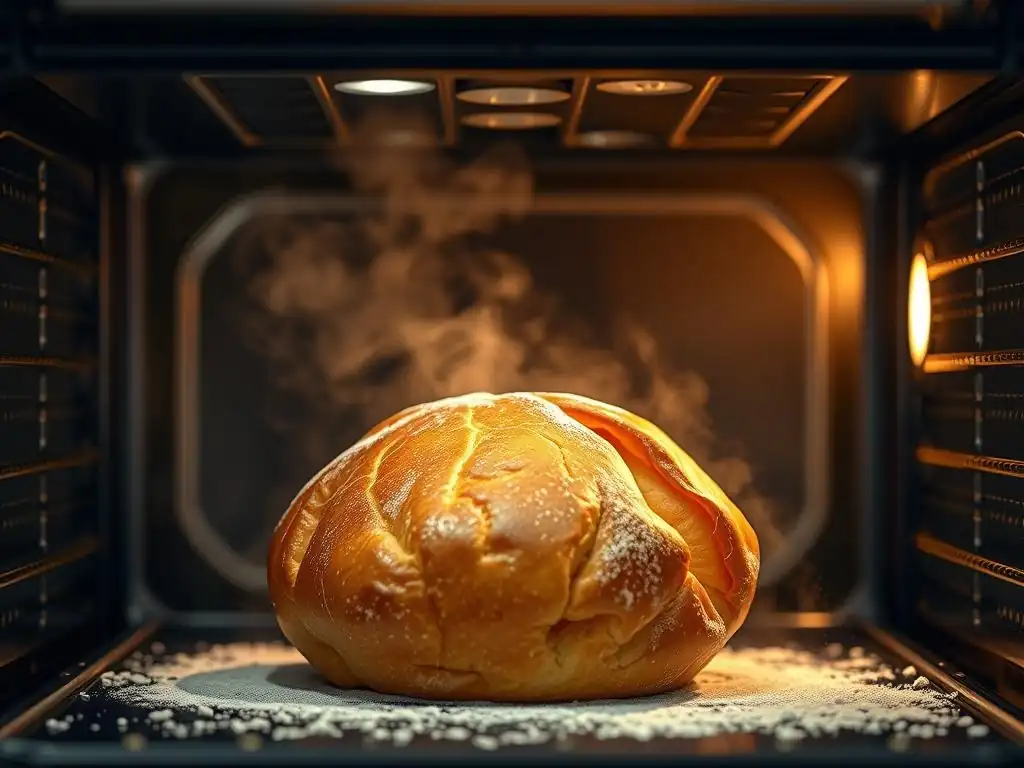
Welcome to BakeWithEase, your trusted companion in the delightful world of baking! Ever wondered if that peek inside the oven is actually ruining your masterpiece? This time, we're diving deep into a crucial (and often overlooked) baking rule: why you must never open the oven door too early, especially when aiming for that perfect choux pastry. Discover the secrets to baking success and avoid common pitfalls that even seasoned bakers sometimes stumble upon. Are you ready to unlock the key to consistently flawless results? Let's explore!
- The Importance of Maintaining Oven Temperature for Choux Pastry Success
- Mastering Choux Pastry: Understanding Temperature Control
- The Critical Role of Oven Temperature in Choux Pastry
- Understanding the Science Behind Choux Pastry's Rise
- The Devastating Consequences of Temperature Fluctuations
- Visual and Tactile Cues: Knowing When Your Choux is Ready
- Troubleshooting Choux Pastry: Preventing Temperature-Related Issues
- Best Practices for Perfect Choux: Patience is Key
- Advanced Choux Pastry Techniques: Optimizing Oven Performance
- Salvaging Slightly Collapsed Choux (Limited Success)
- Conclusion: Patience and Precision for Choux Pastry Success
-
Frequently Asked Questions
- Why is opening the oven door too early bad when baking choux pastry?
- How can I tell if my choux pastry is done without opening the oven door?
- What happens if I accidentally open the oven door too early?
- What temperature should my oven be for baking choux pastry?
- What if my choux pastry is browning too quickly before it's cooked through?
- Final Reflection: The Patience of Perfect Pâtisserie
- Unlock the Secrets to Perfect Choux Pastry!
The Importance of Maintaining Oven Temperature for Choux Pastry Success
Mastering Choux Pastry: Understanding Temperature Control
Choux pastry, known in French as pâte à choux, is a versatile dough used for delightful treats like éclairs, cream puffs (profiteroles), and gougères. Its magic lies in its ability to puff up dramatically during baking, creating a hollow interior perfect for filling. Achieving this signature puff requires precise technique, and perhaps the most critical factor after mixing the dough correctly is managing the oven environment. Understanding how temperature affects this delicate dough is paramount to avoiding common pitfalls like collapse or flatness.
Baking choux pastry isn't just about heat; it's about the control of that heat throughout the baking process. Typically, choux is baked using a two-stage temperature method: an initial blast of high heat followed by a longer period at a lower temperature. This controlled heat profile is what coaxes the dough to expand rapidly and then allows its structure to set and dry out properly. Any disruption, especially an early oven door opening, can throw this delicate balance off, leading to disappointment.
The Critical Role of Oven Temperature in Choux Pastry
Maintaining a consistent and correct oven temperature is non-negotiable for successful choux pastry. The transformation from a thick paste on a baking sheet to a light, airy shell is entirely dependent on the heat inside your oven. Without the right thermal energy, the crucial physical and chemical reactions needed for the characteristic puff simply won't occur effectively.
The oven's temperature dictates the rate at which moisture in the dough turns to steam, how quickly the gluten structure develops, and how the proteins and starches set. A temperature that is too low won't generate enough steam, while one that's too high can brown the exterior too quickly before the interior has a chance to fully expand and set. Both scenarios can result in less-than-ideal pastries.
How Heat Affects Choux Pastry Expansion
The primary driver of choux pastry's expansion is steam. When the dough is placed in a hot oven, the water content rapidly heats up, turning into steam. This steam is trapped within the dough's elastic structure, causing it to balloon outwards. The higher the initial temperature (often around 400-425°F or 200-220°C), the more rapid and forceful this steam generation is, leading to significant puff. Studies on dough expansion show that internal temperatures reaching above 100°C (212°F) are necessary for water to convert to steam and exert significant pressure.
This rapid expansion phase is incredibly sensitive. If the oven temperature drops significantly during this critical stage, the steam pressure inside the dough can decrease, and the dough's structure, which is still developing and not yet set, may not be strong enough to hold its shape. This often happens with an early oven door opening, allowing cool air to rush in and lower the ambient temperature.
Why Consistent Temperature is Key for Perfect Choux
Consistency in temperature is vital throughout the entire baking process, not just the initial expansion. After the initial high-heat puff, the temperature is typically lowered (often to 350-375°F or 175-190°C). This lower temperature allows the pastry to continue baking, drying out the interior and firming up the outer shell without burning. This drying process is crucial for preventing the choux from collapsing once it cools.
Fluctuations, especially a sudden drop caused by an early oven door opening, can prevent the interior from drying adequately. The pastry might look golden and puffed, but the sudden introduction of cooler air and the loss of radiant heat disrupt the setting process. A pastry that hasn't fully set internally will lack the structural integrity needed to maintain its expanded form, leading to deflation as it cools.
Understanding the Science Behind Choux Pastry's Rise
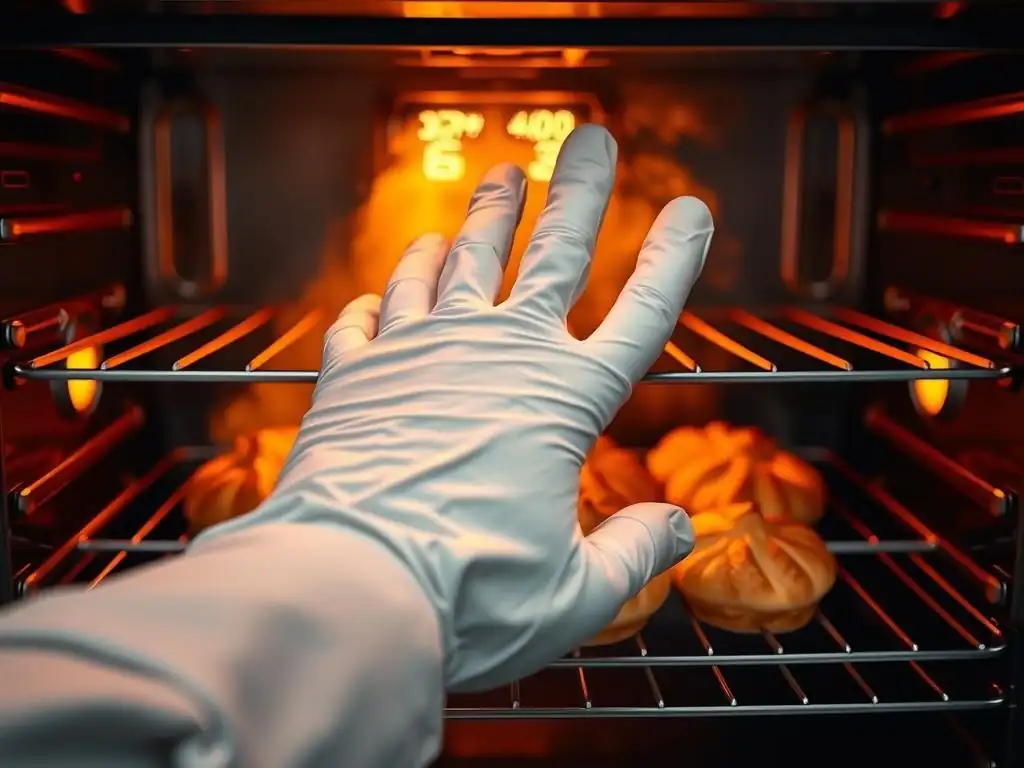
The seemingly magical rise of choux pastry is a fascinating interplay of physics and chemistry. It starts with the initial cooking of the flour, water/milk, butter, and salt mixture on the stovetop, which gelatinizes the starch and creates a thick, cohesive paste. Adding eggs then provides elasticity and richness, forming a network capable of trapping steam.
When this dough hits the hot oven, the moisture within quickly vaporizes. This trapped steam is the primary leavening agent. Simultaneously, the heat causes the proteins (from eggs and flour) and starches to coagulate and set, forming the rigid structure that holds the pastry's shape once the steam dissipates slightly.
The Steam Power: The Secret to Light and Airy Choux
As mentioned, steam is the powerhouse behind choux pastry's signature hollow interior. Imagine the water in the dough transforming into gas, expanding dramatically in volume – by a factor of over 1,600 times at standard atmospheric pressure! This immense pressure pushes against the pliable dough walls, causing them to expand outwards.
The rate and extent of this expansion are directly proportional to the oven's temperature and the moisture content of the dough. A very hot oven creates steam rapidly, maximizing the initial puff. If you interrupt this process with an early oven door opening, you release the heat and steam pressure, potentially halting or reversing the expansion before the structure is strong enough to hold.
Gluten Development and the Importance of Initial High Heat
While steam is the primary leavener, the gluten developed in the flour plays a crucial supporting role. During the stovetop cooking and subsequent mixing with eggs, gluten strands form, providing the dough with elasticity and strength. This elastic network is what allows the dough to stretch and expand under the pressure of the steam without tearing.
The initial high heat in the oven also contributes to the rapid setting of this gluten structure, along with the egg proteins and gelatinized starch. This quick setting is essential for the pastry to "freeze" in its expanded state. Without sufficient initial heat and an undisturbed environment, the gluten and protein network may not set quickly enough, making the pastry vulnerable to collapse, especially if subjected to an early oven door opening.
The Devastating Consequences of Temperature Fluctuations
Temperature fluctuations are the nemesis of choux pastry. Unlike some baked goods that are forgiving of minor temperature swings, choux requires a stable environment to execute its specific rise-and-set process. The most common cause of a detrimental temperature drop is, unequivocally, opening the oven door prematurely.
Even a brief early oven door opening can lower the internal oven temperature by 50°F (about 10°C) or more, depending on the oven and the ambient room temperature. This sudden influx of cooler air immediately impacts the delicate pastries, which are in a critical phase of expansion and setting.
Choux Pastry Collapse: The Inevitable Result
The most visible and heartbreaking consequence of an early oven door opening is pastry collapse. This happens because the sudden drop in temperature reduces the internal steam pressure and slows down the setting of the dough's structure (gluten, protein, starch). If the structure hasn't fully set when this occurs, it can no longer support the expanded shape.
The once-proudly puffed pastries deflate, often sinking significantly or even flattening entirely. They might still be edible, but they won't have the desired hollow interior or the light, airy texture. This collapse is a direct result of interrupting the precise thermal conditions required for the pastry to set its shape.
Why Reaching Minimum Internal Temperature is Vital
For choux pastry to be properly baked and set, it needs to reach a sufficient internal temperature. While external appearance (golden brown color) is a good indicator, the internal structure must also be firm. The drying-out phase at the lower temperature is crucial for this. The pastry needs enough time at temperature for the internal moisture to dissipate and the structure to solidify.
If you succumb to an early oven door opening and remove the choux before it has reached this point, the interior will likely still be moist and soft. As the pastry cools, the remaining internal moisture and the unset structure will cause it to contract and collapse. Think of it like taking a soufflé out too early – the principle is similar. The pastry needs to be baked until the internal temperature allows the structure to hold independently.
Visual and Tactile Cues: Knowing When Your Choux is Ready
Resisting the urge to open the oven door too early requires knowing what to look for without opening it, and understanding the cues that indicate doneness. While recipes provide time guidelines, individual ovens vary, so visual cues are essential.
Once the initial high-heat phase is complete and the temperature has been lowered, you can start observing. Choux pastry is typically baked for a total time ranging from 25 to 45 minutes, depending on the size of the pastries. During the later stages, observation becomes key.
Recognizing the Golden Brown Color Indication
A primary visual cue for choux pastry readiness is its color. Properly baked choux should be a deep, even golden brown. This color indicates that the exterior has caramelized and dried out sufficiently. Pastries that are pale or only lightly golden are likely underbaked and prone to collapse.
Look for a rich, uniform color across the entire surface, including the sides. If the tops are brown but the sides are pale, they might need a few more minutes to ensure the entire structure is set. This deep golden hue is a strong signal that the pastry has spent enough time in the oven at the correct temperature to develop a stable crust.
The Importance of a Firm Structure Before Handling
Beyond color, the pastry needs to feel firm and light. While you can't feel them in the oven, you can infer their firmness from their appearance and the baking time. They should look substantial and hollow, not dense or heavy.
A key test, once you believe they are ready (and only after the recommended baking time has passed! ), is to gently tap the bottom of one pastry with a spoon. It should sound hollow. Some bakers even recommend turning the oven off, propping the door open slightly (using a wooden spoon), and letting the choux sit in the cooling oven for 10-15 minutes. This gradual cooling helps prevent collapse by allowing the internal structure to firm up further, mitigating the risk associated with an early oven door opening after the bake time is complete.
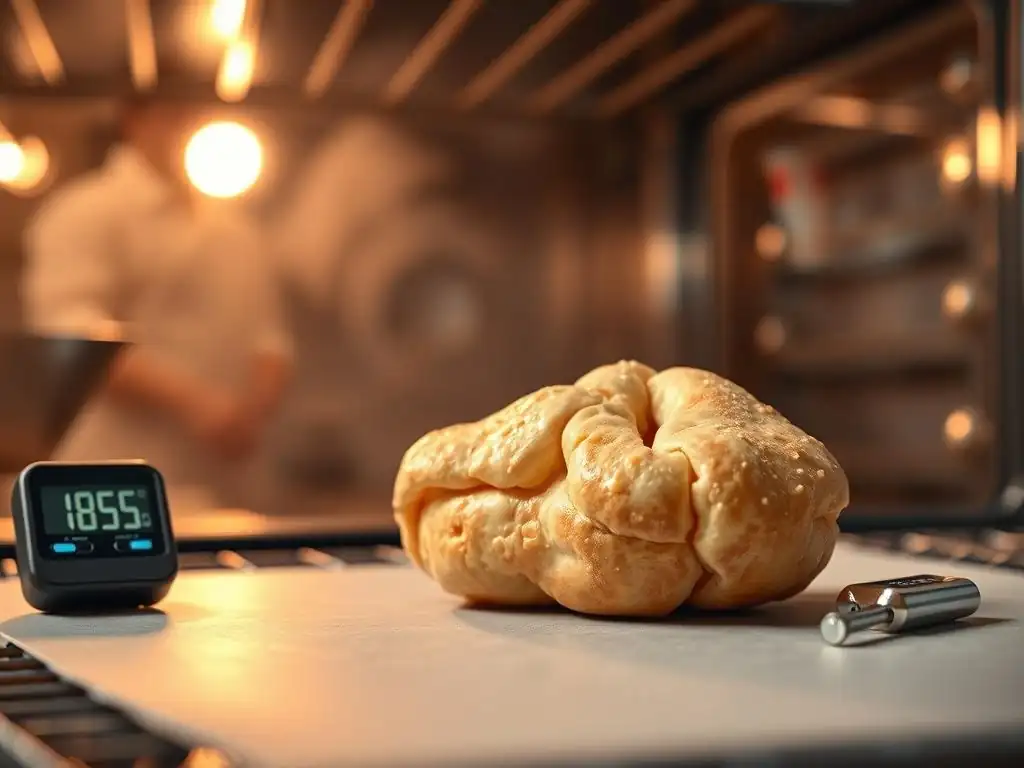
Prevention is always better than cure when it comes to choux pastry and temperature issues. By taking proactive steps, you can significantly reduce the risk of collapse and ensure a successful bake.
Most temperature-related problems stem from an inaccurate oven or an unstable baking environment. Addressing these factors before you even pipe the dough is crucial for consistent results batch after batch.
Oven Temperature Calibration: Ensuring Accuracy
Oven temperatures can be notoriously inaccurate, sometimes off by as much as 50°F (about 10°C). Relying solely on your oven's dial or digital display can lead to significant issues. Investing in an inexpensive oven thermometer is one of the best things you can do for your baking.
Place the thermometer in your oven and preheat it to the required temperature. Check the thermometer reading to see if it matches the oven setting. If there's a discrepancy, you'll know how much to adjust your oven setting to achieve the actual desired temperature. For example, if your oven reads 375°F but the thermometer says 350°F, you know you need to set your oven to 400°F to reach the target 375°F. This simple step eliminates a major variable that can lead to an early oven door opening due to perceived underbaking.
Avoiding Drafts: Maintaining a Stable Baking Environment
Your oven is a microclimate, and like any climate, it can be affected by external conditions. Drafts from open windows, doors, or even air conditioning vents can introduce cooler air around the oven, potentially affecting its internal temperature stability.
Ensure your kitchen environment is relatively stable while the choux is baking. Close windows and doors to prevent drafts that could interfere with the oven's ability to maintain a consistent temperature. While a well-sealed oven door should prevent most external air from entering, drafts can still impact the oven's heating elements' cycles and overall performance.
Recipe Adherence: Sticking to the Baking Time and Temperature
Recipes provide baking times and temperatures for a reason – they are developed to ensure the pastry has enough time at the correct heat to expand and set properly. While ovens vary, recipe guidelines are the best starting point.
Resist the temptation to shorten the baking time or frequently check on the pastries, especially during the first 15-20 minutes. An early oven door opening before the structure has set is the most common cause of failure. Trust the recipe's timing, monitor the pastries visually through the oven window, and only consider opening the door after the minimum bake time specified in the recipe has passed and they appear golden brown.
Best Practices for Perfect Choux: Patience is Key
Baking choux pastry requires patience. The dough is quick to make, but the baking process demands a hands-off approach for a significant period. Learning to trust the process and the visual cues is essential.
Avoid hovering around the oven or constantly checking. Each time the door is opened, heat is lost, and the baking environment is disrupted. This disruption is particularly detrimental during the initial puffing phase.
Tips for Monitoring Choux Pastry Without Opening the Door
Utilize your oven light and window! Most modern ovens have a light that can be turned on to view the contents without opening the door. This is your best friend when baking choux.
Observe the pastries through the window. Watch them puff up and gradually turn golden brown. Learn to recognize the signs of proper development. If your oven window is dirty, clean it before you start baking so you have a clear view. Some bakers even use a small flashlight held up to the window for a better look.
The "Oven Light Peek": The Safest Way to Assess Doneness
The "oven light peek" is the recommended method for checking on your choux until the final stages of baking. This allows you to monitor their progress – confirming they are puffing, turning golden, and not burning – without altering the crucial internal oven temperature.
Only after the recipe's minimum baking time has elapsed, and the pastries look golden brown through the window, should you consider a quick, brief opening (if necessary for a final check like the hollow tap test). But ideally, you should be able to judge readiness primarily by color and shape visible through the door. Any early oven door opening before this point significantly increases the risk of collapse.
Advanced Choux Pastry Techniques: Optimizing Oven Performance
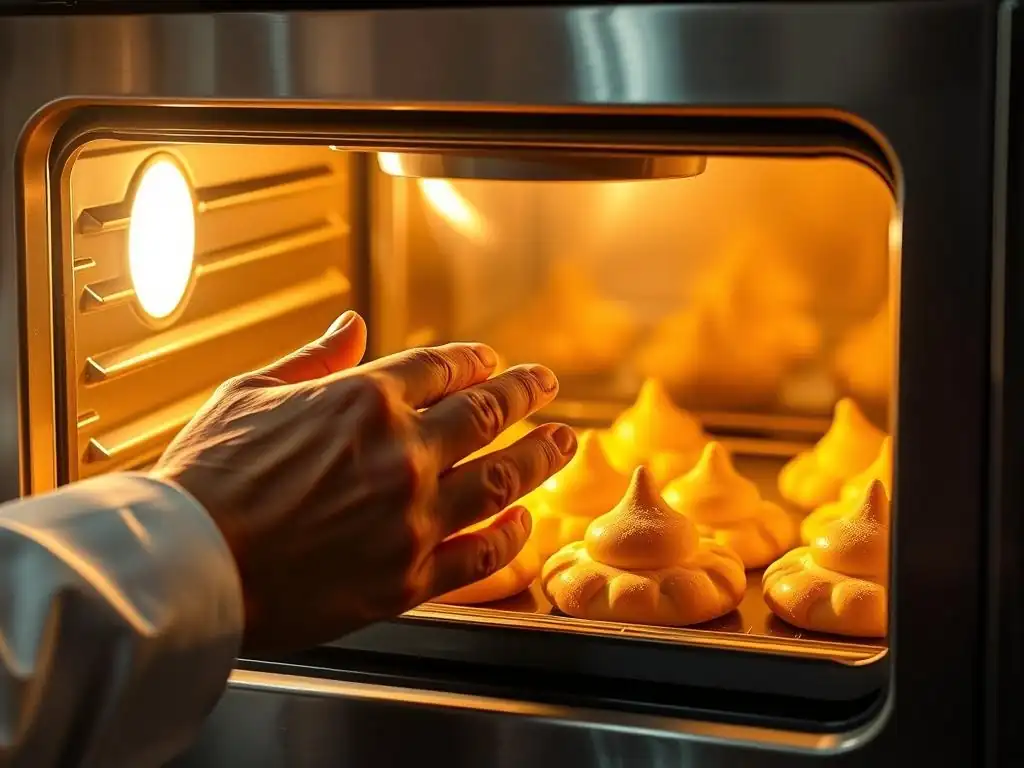
Beyond the basic principles, a few advanced techniques can help optimize your oven's performance for choux pastry, leading to more consistent and successful results.
These techniques focus on ensuring even heat distribution and choosing the best oven setting for the job, further minimizing temperature variables that could be exacerbated by an early oven door opening.
Using a Baking Stone or Steel for Even Heat Distribution
Placing a baking stone or steel on the rack below your choux can help regulate oven temperature and provide a burst of radiant heat from underneath. This can contribute to a more even and powerful initial puff.
Preheat the stone or steel along with the oven for at least 30-60 minutes to ensure it's fully heated. The thermal mass of the stone/steel helps stabilize the oven temperature, making it less susceptible to minor fluctuations and providing consistent heat to the baking sheet placed above it. This added stability can help mitigate issues even if there's a brief, unavoidable temperature dip.
Convection vs. Conventional Oven Settings for Choux
Most choux pastry recipes are written for conventional ovens (no fan). However, a convection setting (fan-assisted) can be beneficial for choux, as it circulates hot air, leading to faster, more even browning and drying. This can help ensure the pastry dries out sufficiently to prevent collapse.
If using a convection oven, you may need to reduce the temperature by 25°F (about 15°C) and potentially shorten the baking time slightly. The circulating air also helps wick away moisture, which is excellent for developing a crisp crust and dry interior. Experiment with your oven to see which setting works best, always keeping in mind that consistent heat is paramount, regardless of the setting, and an early oven door opening is still detrimental.
Salvaging Slightly Collapsed Choux (Limited Success)
Sometimes, despite your best efforts, a batch of choux pastry might slightly collapse, perhaps due to a brief early oven door opening or slightly underbaking. Can they be salvaged? Sometimes, but success is limited, and they may not achieve their full potential.
The key is to identify the issue quickly and attempt to correct it before the pastries cool completely and the structure hardens in its collapsed state.
Increasing Oven Temperature Briefly (Proceed with Caution)
If you notice slight deflation during the baking process (but only after the initial puff and temperature reduction phases), you might be able to increase the oven temperature back up slightly (e.g., back to the higher initial temperature for just 5-10 minutes). The idea is to try and generate a little more steam and rapid setting heat.
However, this is a risky maneuver. If the pastry structure is already too weak, the increased heat might cause them to burn before they re-puff. This technique requires careful monitoring and is not guaranteed to work. It's often better to ensure they bake long enough at the lower temperature to dry out, even if slightly deflated, than to risk burning them.
Learning from Mistakes: Improving Your Choux Baking Skills
Even if a batch doesn't turn out perfectly, it's a learning opportunity. Analyze what might have gone wrong. Was the oven temperature accurate? Did you open the door too early? Was the dough consistency right?
Keep notes about your baking process, including oven temperatures (verified with a thermometer), baking times, and observations. Each batch provides valuable data. By understanding the impact of factors like an early oven door opening or insufficient baking time, you can adjust your technique for future attempts. Mastery comes through practice and learning from every bake.
Conclusion: Patience and Precision for Choux Pastry Success
Achieving perfect choux pastry is a rewarding baking milestone. While the ingredients are simple, the technique demands precision, particularly when it comes to managing the oven environment. The most critical rule to remember is the importance of maintaining a consistent temperature throughout the bake.
Resisting the urge to check on your pastries with an early oven door opening is perhaps the single biggest factor in preventing collapse and ensuring that beautiful, hollow interior. Trust your oven thermometer, rely on visual cues through the oven window, and have patience. By respecting the science behind the steam-driven puff and allowing the pastry ample time to set in a stable thermal environment, you'll be well on your way to mastering choux pastry and creating those delightful, airy shells perfect for filling. Happy baking!
Frequently Asked Questions
Why is opening the oven door too early bad when baking choux pastry?
Opening the oven door too early causes a sudden drop in temperature. This temperature shock can cause the choux pastry to collapse, resulting in flat and dense pastries instead of light and airy ones.
How can I tell if my choux pastry is done without opening the oven door?
Look for a deep golden brown color and a firm, slightly dry texture. The pastry should also appear well-puffed and stable, indicating it has set properly.
What happens if I accidentally open the oven door too early?
If you accidentally open the door, quickly close it and immediately increase the oven temperature by a small amount (around 10-15 degrees Fahrenheit) to try and compensate for the lost heat.
What temperature should my oven be for baking choux pastry?
Generally, choux pastry is baked at a high temperature initially (around 400-425°F) to encourage rapid expansion, then the temperature is lowered to around 350-375°F to finish baking and dry out the inside.
What if my choux pastry is browning too quickly before it's cooked through?
If the pastry is browning too fast, you can tent it loosely with foil to prevent further browning without significantly affecting the oven temperature. This allows the inside to cook properly without burning the outside.
Final Reflection: The Patience of Perfect Pâtisserie
The seemingly simple act of baking choux pastry reveals a profound truth about achieving excellence: patience is paramount. A premature peek into the oven, a fleeting moment of impatience, can ruin hours of careful preparation and leave you with deflated, disappointing results. This isn't just about choux; it's a metaphor for life's endeavors.
The delicate balance required to create perfectly puffed choux mirrors the fragility of many pursuits. The temptation to rush, to check for progress too soon, is ever-present. We live in a culture of instant gratification, where immediate results are often prioritized over the slow, deliberate process of growth and refinement. The greatest things are done by a series of small things brought together.
– Vincent van Gogh. This quote resonates deeply with the meticulous nature of choux baking and the broader lessons it teaches about achieving mastery in any field.
Consider the impact of this seemingly small act – opening the oven door too early – on the final product. It's a powerful reminder that true success often requires resisting the urge to prematurely judge our progress. You, the baker, hold the power to cultivate the patience needed to achieve your culinary goals, and by extension, to approach other challenges in your life with the same mindful dedication.
Don't let impatience steal the joy of a perfectly risen choux puff, or the satisfaction of a job well done. Embrace the process, trust the timing, and savor the rewards of patience.
Unlock the Secrets to Perfect Choux Pastry!
Thanks for taking the time to learn about the crucial role of oven temperature in achieving flawlessly puffed choux pastry! You've now armed yourself with knowledge that will elevate your baking game. Ready to put your new skills into action?
- Bake a batch of choux today! Use your newfound knowledge to perfect your favourite choux recipe – éclairs, cream puffs, or profiteroles – and prepare for a delicious reward.
- Share your choux creations! Post photos of your baking triumphs on social media and tag us – we'd love to see your results!
- Explore other BakeWithEase articles for more baking tips and tricks! We're confident you'll find many more ways to improve your baking.
So, what delicious choux pastry adventure will you embark on first?