
Savory Herb Gougères Recipe: A Flavorful Twist

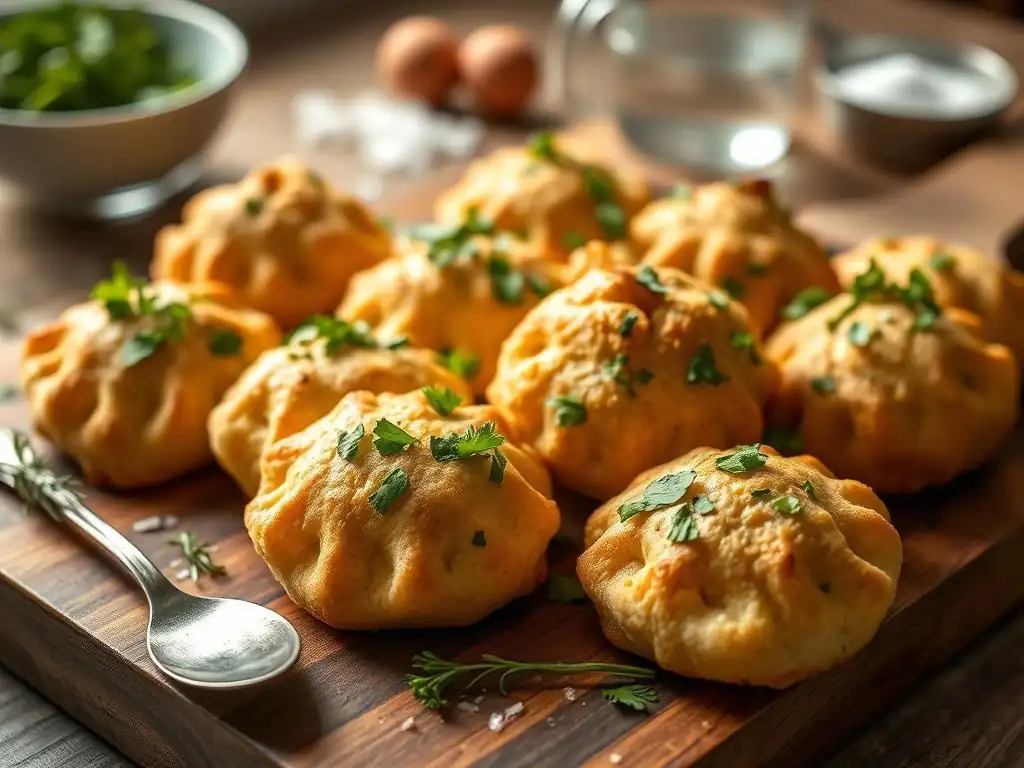
Welcome to BakeWithEase, where effortless baking becomes a delicious reality! Ever wondered how to create those delicate, cheesy puffs that seem straight out of a Parisian bakery? Dive into our "Savory Herb Gougères Recipe: A Flavorful Twist" and discover how easy it is to master this surprisingly simple treat. Unlock the secrets to achieving perfectly risen gougères with a burst of herbaceous flavor and embark on a baking adventure that will impress your friends and family. Ready to elevate your baking skills? Let's get started!
- Introduction to Savory Herb Gougères: An Easy Baking Delight
- Mastering the Choux Pastry for Herb Gougères
- Savory Herb Gougères Recipe: Step-by-Step Instructions
- Tips and Tricks for Perfect Savory Herb Gougères
- Savory Herb Gougères Variations and Serving Suggestions
- Troubleshooting Your Savory Herb Gougères Recipe
- Conclusion: Enjoying Your Homemade Savory Herb Gougères
-
Frequently Asked Questions
- What exactly are gougères, and why are they considered a "flavorful twist" in this recipe?
- Is the Savory Herb Gougères Recipe really easy, even for a beginner baker?
- Can I substitute the herbs listed in the Savory Herb Gougères Recipe with other herbs, and will it affect the outcome?
- What is pâte à choux, and what makes it so important in making successful gougères?
- Besides serving them as appetizers, are there other ways to enjoy these Savory Herb Gougères?
- Final Reflection: The Enduring Allure of the Simple Gougère
- Unleash Your Inner Pâtissier: Make These Gougères Today!
Introduction to Savory Herb Gougères: An Easy Baking Delight
What are Gougères and Why This Savory Herb Version?
Gougères are delightful, airy cheese puffs made from choux pastry, originating from the Burgundy region of France. Traditionally flavored with Gruyère or Comté cheese, they are known for their light, hollow interior and slightly crisp exterior. They make a wonderful appetizer or accompaniment to soups and stews. The magic lies in the simplicity of the dough, which relies on steam to puff up dramatically in the oven.
While classic cheese gougères are wonderful, introducing savory herbs adds a fresh, aromatic dimension that elevates this simple pastry. A savory herb gougères recipe allows for creative variations using ingredients you likely have on hand, making it a versatile and approachable baking project. This version is particularly appealing for those looking for an easy way to add a touch of elegance to their table without complex techniques.
BakeWithEase's Take on the Classic Gougère Recipe
At BakeWithEase, we believe baking should be enjoyable and accessible to everyone, and this savory herb gougères recipe embodies that philosophy. Our approach simplifies the traditional method slightly while ensuring perfect results every time. We focus on clear, step-by-step instructions that guide you through creating the perfect choux pastry and incorporating just the right amount of savory herbs for maximum flavor.
This easy savory herb gougères recipe is designed to build your confidence with choux pastry, a fundamental technique in baking. Whether you're new to this type of dough or looking for a reliable, flavorful recipe, our guide will help you achieve beautiful, puffed gougères that are sure to impress. It's a forgiving dough once you understand the basics, and the reward is a batch of warm, fragrant puffs ready to be devoured.
Mastering the Choux Pastry for Herb Gougères
Understanding Choux Pastry: The Foundation of Perfect Gougères
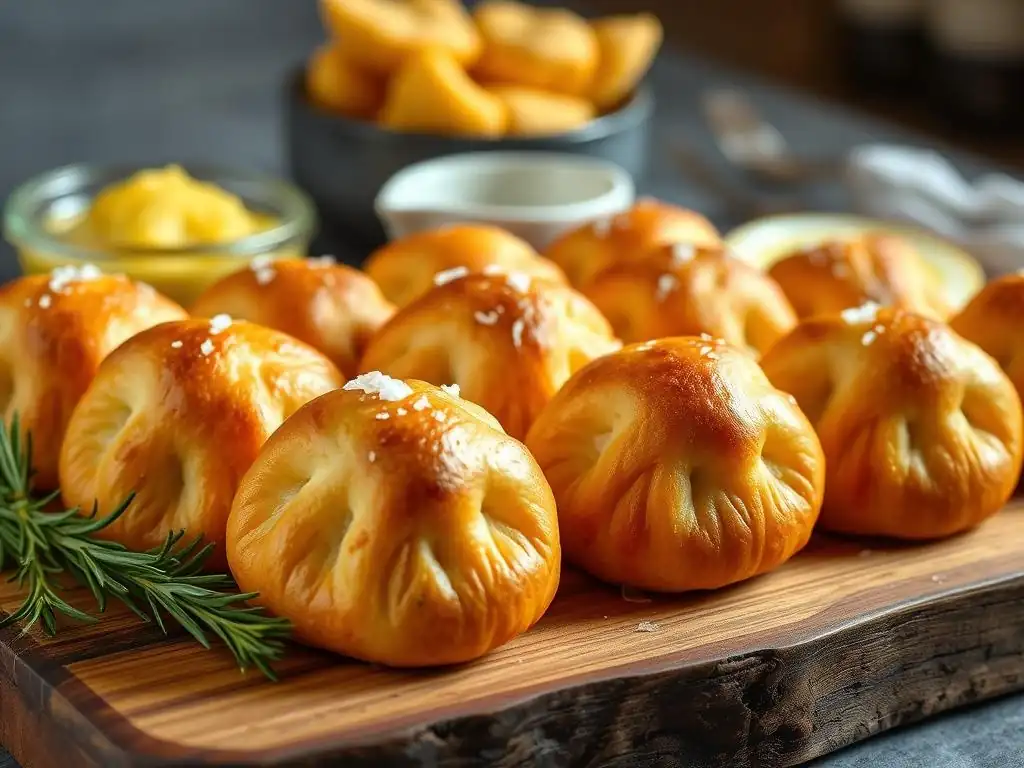
Choux pastry, or pâte à choux, is unique because it's cooked twice: first on the stovetop and then in the oven. This initial cooking step gelatinizes the starch in the flour, allowing the dough to absorb a large amount of moisture. When baked at a high temperature, this moisture turns to steam, which dramatically puffs up the pastry, creating that characteristic hollow interior.
Mastering choux pastry is less about innate talent and more about following a few key principles regarding temperature and consistency. The dough needs to be cooked long enough on the stovetop to form a film on the bottom of the pan and pull away from the sides, indicating sufficient moisture has evaporated. Adding eggs one at a time, ensuring each is fully incorporated before adding the next, is also crucial for achieving the correct texture – a smooth, pipeable dough that holds its shape.
Key Ingredients for a Flavorful Savory Herb Gougères Recipe
The success of your savory herb gougères recipe hinges on the quality and proportion of a few simple ingredients. Water or milk, butter, flour, eggs, cheese, and of course, the savory herbs, are the building blocks. While the ratios are important for the structure, the flavor comes from the butter, cheese, and the careful selection of herbs.
Using fresh, high-quality ingredients will significantly impact the final taste. For instance, a good European-style butter with a higher fat content can contribute to a richer flavor and better texture. Similarly, opting for freshly grated cheese rather than pre-shredded cheese avoids anti-caking agents that can affect melting and texture.
High-Quality Flour for Light and Airy Gougères
For choux pastry, most standard all-purpose flour works well. The key is the protein content, which typically falls between 10-12% for all-purpose flour in many regions. This protein develops gluten, which provides the structure needed for the pastry to hold its shape as it expands from the steam during baking.
Using a bleached or unbleached all-purpose flour from a reputable brand is generally sufficient for a successful savory herb gougères recipe. Avoid using flours with very low protein content, like cake flour (typically 7-8%), as they may not provide enough structure for the gougères to puff properly. Conversely, very high-protein flours, like bread flour (12-14%+), can make the dough too tough.
The Importance of Butter in Choux Pastry
Butter serves multiple critical roles in choux pastry. It provides fat, which contributes to the richness and tenderness of the pastry. When melted with the liquid (water or milk), it helps create an emulsion that is then incorporated into the flour. As the pastry bakes, the fat also helps create a tender crumb structure and contributes to the golden-brown color of the exterior.
Using unsalted butter is recommended, as it gives you control over the overall saltiness of your savory herb gougères. Most recipes call for a significant amount of butter relative to the flour and liquid, often around a 1:1 ratio with the liquid by weight or volume. This fat content is essential for the texture and flavor of the finished gougère.
Choosing the Right Herbs for Your Gougères
The "savory herb" part of this savory herb gougères recipe is where you can truly customize your creation. Fresh herbs generally provide the most vibrant flavor and aroma. Classic choices include chives, parsley, dill, thyme, and rosemary. A mix of finely chopped herbs often works best, combining softer herbs like chives and parsley with more potent ones like thyme or rosemary in smaller quantities.
Consider the flavor profiles that pair well with cheese. Chives offer a mild oniony note, parsley is fresh and slightly peppery, dill is bright and tangy, and thyme and rosemary provide earthy, woody undertones. For approximately 1 cup of dough, you might use 2-3 tablespoons of a finely chopped herb mixture, adjusting based on the potency of the herbs and your personal preference. Dried herbs can be used in a pinch, but use about one-third the amount of fresh herbs as their flavor is more concentrated.
Savory Herb Gougères Recipe: Step-by-Step Instructions
Step 1: Preparing the Choux Pastry Dough
The first step is creating the cooked flour paste that forms the base of your choux pastry. This involves bringing liquid and fat to a boil, adding flour, and stirring vigorously until a dough forms and cooks slightly. This process is crucial for developing the structure needed for the gougères to puff.
Ensure all your ingredients are measured accurately before you begin. Having everything ready prevents delays during the cooking process, where timing and continuous stirring are important. Using a sturdy saucepan and a wooden spoon or heatproof spatula will make the stirring easier.
Melting the Butter and Water
Combine the water (or milk) and butter in a saucepan over medium heat. Add a pinch of salt here as well. Heat the mixture just until the butter is completely melted and the liquid comes to a rolling boil. It's important to reach a boil quickly and efficiently to ensure the correct temperature for adding the flour.
For a standard batch yielding roughly 20-24 gougères, you might start with approximately 1 cup (240ml) of water or milk and 1/2 cup (113g) of unsalted butter. Bring this mixture to a strong boil, ensuring the butter is fully melted before adding the flour all at once.
Incorporating the Flour
Once the liquid and butter are boiling, remove the pan from the heat immediately and add all the measured flour at once. For the liquid and butter amount above, this would be about 1 cup (120g) of all-purpose flour. Quickly and vigorously stir with your wooden spoon or spatula.
The mixture will look lumpy at first, but keep stirring. The flour will absorb the liquid rapidly, and the mixture will come together to form a cohesive dough ball. This should happen within about 30 seconds of adding the flour.
Cooking the Dough: Achieving the Right Consistency
Return the pan with the dough ball to medium-low heat. Continue to cook the dough, stirring constantly and pressing it against the sides and bottom of the pan. This step, often called drying out the dough, is critical. Cook it for approximately 2-3 minutes.
You'll know the dough is ready when a thin film develops on the bottom of the pan, and the dough itself looks smooth and pulls away cleanly from the sides. It should resemble a thick paste and feel slightly dry to the touch. Over-cooking can make the dough too stiff, while under-cooking leaves too much moisture, which can result in gougères that don't puff properly.
Step 2: Adding the Eggs and Herbs
After the dough is cooked on the stovetop, it needs to cool slightly before the eggs are added. Eggs are essential for providing the structure and lift in choux pastry; they emulsify the fat and liquid and provide moisture that turns to steam during baking. The herbs and cheese are also incorporated at this stage.
Adding the eggs correctly is arguably the most crucial part of the process. The dough must not be too hot, or the eggs will scramble. Adding them one by one allows you to control the consistency of the dough, ensuring it reaches the correct, pipeable state.
Cooling the Dough Slightly
Transfer the cooked dough from the hot saucepan to a clean bowl. This stops the cooking process and allows the dough to cool down. Spread the dough up the sides of the bowl slightly to increase the surface area and speed up cooling.
Let the dough cool for about 5-10 minutes, or until it's warm to the touch but not hot. You should be able to comfortably touch it with your finger. If you have a stand mixer with a paddle attachment, you can transfer the dough there and mix on low speed for a few minutes to cool it down faster.
Incorporating the Eggs One at a Time
This step requires patience. Break your first egg into a small bowl to ensure no shell fragments, then add it to the slightly cooled dough. Mix vigorously, either by hand with a sturdy spoon or spatula, or using a stand mixer on medium speed. The dough will look curdled and separated at first – this is normal.
Keep mixing. The dough will gradually come back together and become smooth and cohesive. Only when the first egg is completely incorporated should you add the second egg. Repeat this process, adding eggs one at a time, mixing fully after each addition.
The number of eggs needed can vary slightly depending on the size of the eggs and how much the dough was dried out on the stovetop. You'll know you've added enough eggs when the dough is smooth, glossy, and falls from a spoon or spatula in a thick "V" or "ribbon" shape. If you lift the spatula, the dough should hang and then slowly drop off, leaving a trail. For the quantities mentioned earlier (1 cup flour), this usually takes 3-4 large eggs.
Mixing in Your Favorite Savory Herbs
Once the eggs are fully incorporated and the dough has the correct consistency, it's time to add the flavorings. Stir in your finely grated cheese (like Gruyère, Parmesan, or a mix) and the finely chopped savory herbs. For the batch size mentioned, about 1/2 cup (50g) of grated cheese and 2-3 tablespoons of mixed fresh herbs is a good starting point.
Mix gently until the cheese and herbs are evenly distributed throughout the dough. Be careful not to overmix at this stage, as you don't want to develop too much gluten, which could make the gougères tough. A few quick folds or turns with a spatula are usually sufficient. This completes the dough for your savory herb gougères recipe easy to pipe and bake.
Step 3: Shaping and Baking the Gougères
Shaping the gougères is straightforward, and baking is where the magic happens as they puff up. Proper oven temperature and baking time are crucial for achieving light, hollow interiors and a firm exterior that won't collapse upon cooling.
Preheating your oven correctly is vital. Many choux pastry recipes call for starting at a higher temperature to create an initial burst of steam, then lowering the temperature to cook the interior through without burning the exterior.
Piping or Spooning the Dough onto Baking Sheets
Line baking sheets with parchment paper. You can pipe the dough using a piping bag fitted with a large round tip or simply use two spoons to dollop mounds of dough onto the prepared sheets. For uniform size, piping is recommended. Aim for mounds approximately 1 to 1.5 inches in diameter.
Leave sufficient space between each gougère, as they will expand considerably during baking – they can double or even triple in size. About 2 inches of space is a good rule of thumb. If using spoons, try to make the tops as smooth as possible to encourage even rising.
Baking at the Correct Temperature
Place the baking sheets in a preheated oven. A common technique for choux pastry is to start baking at a high temperature, such as 400°F (200°C), for the first 10-15 minutes. This high heat generates steam rapidly, causing the gougères to puff quickly.
After the initial high-heat period, reduce the oven temperature to a lower setting, typically around 375°F (190°C), and continue baking for another 15-25 minutes. Crucially, do not open the oven door during the first 20-25 minutes of baking. Opening the door releases the steam and can cause the gougères to collapse.
Achieving a Golden Brown and Puffed Gougère
Continue baking at the lower temperature until the gougères are deeply golden brown and feel light and hollow when lifted. The deep color is important; pale gougères often mean they are not cooked through and will deflate as they cool. The total baking time will vary depending on the size of your gougères and your oven, but it's typically between 25-40 minutes.
Once they are golden and firm, turn off the oven and prop the door open slightly (using a wooden spoon handle, for example). Leave the gougères in the cooling oven for another 5-10 minutes. This allows them to dry out slightly and further prevents collapsing. Transfer them to a wire rack to cool completely before serving.
Tips and Tricks for Perfect Savory Herb Gougères
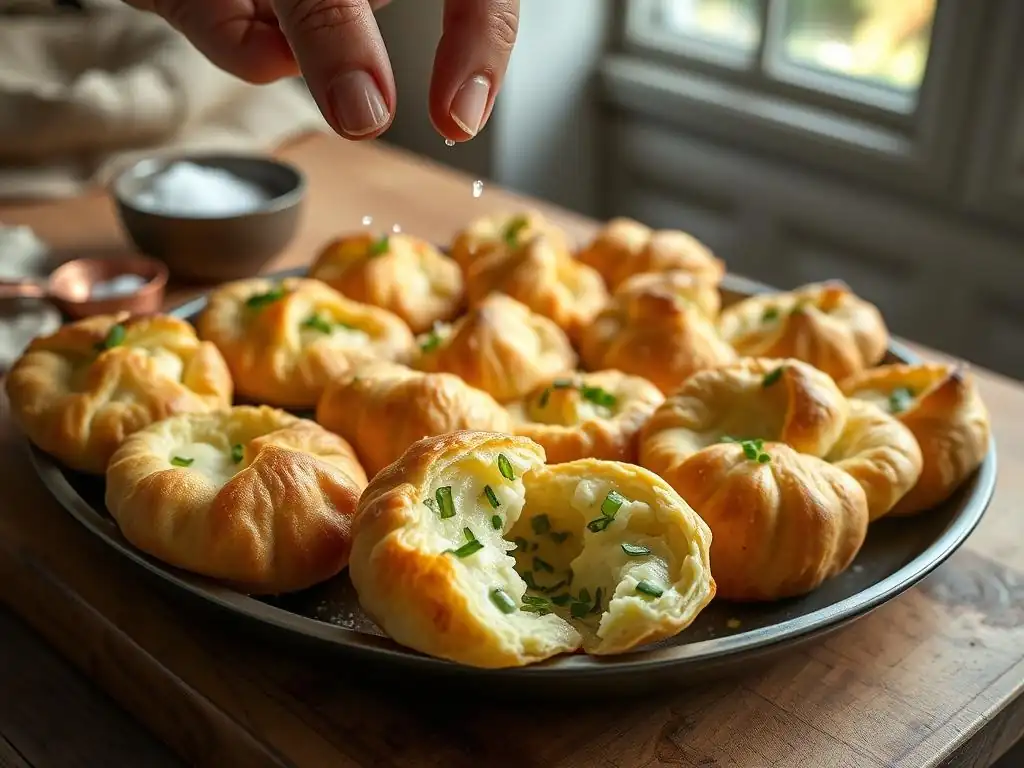
Achieving perfect gougères every time comes down to understanding the dough and the baking process. Even following an easy savory herb gougères recipe can have pitfalls, but they are easily avoided with a few key tips.
Attention to detail at each stage, from cooking the dough on the stovetop to the final minutes in the oven, makes a significant difference in the outcome. Don't rush the process, especially the cooling and egg-incorporation steps.
Avoiding Common Gougère Baking Mistakes
One of the most common mistakes is not cooking the dough long enough on the stovetop. This leaves too much moisture, resulting in gougères that don't puff well or collapse easily. Ensure that film forms on the bottom of the pan. Another mistake is adding eggs to dough that is too hot, which can partially cook the eggs and affect the texture.
Adding too many eggs is also a frequent issue, leading to a dough that is too wet and won't hold its shape, resulting in flat gougères. Conversely, too few eggs make the dough too stiff, limiting its ability to expand. Always add the last egg gradually, checking the consistency. Finally, opening the oven door too early is a guaranteed way to deflate your beautiful puffs. Resist the urge to peek!
Ensuring a Puffed and Hollow Gougère
The key to a well-puffed, hollow gougère lies in the balance of moisture in the dough and the steam generated during baking. Properly drying out the dough on the stovetop ensures there's enough structure to hold the steam. Adding the correct amount of eggs provides the necessary moisture.
Baking at a high initial temperature creates the steam needed for the dramatic puff. Lowering the temperature allows the interior to cook and set without burning the exterior. Leaving the gougères in the cooling oven helps the shells firm up, reducing the chance of collapse as they cool fully.
Storing and Reheating Your Herb Gougères
Savory herb gougères are best enjoyed warm, shortly after baking. Their texture is at its peak when fresh. However, they can be stored and reheated. Store cooled gougères in an airtight container at room temperature for a day or two, or in the refrigerator for up to 3-4 days.
To reheat and restore their crispness, place them on a baking sheet and warm them in a preheated oven at 350°F (175°C) for 5-10 minutes until heated through and the exterior is crisp again. You can also freeze baked gougères for longer storage. Freeze them on a baking sheet until solid, then transfer to a freezer-safe bag or container for up to 1-2 months. Reheat from frozen in a 350°F (175°C) oven for 10-15 minutes.
Savory Herb Gougères Variations and Serving Suggestions
While the base savory herb gougères recipe easy to follow is delicious on its own, one of its great strengths is its adaptability. You can easily switch up the herbs and cheese to create different flavor profiles.
The mild, slightly nutty flavor of Gruyère is traditional, but experimenting with other cheeses opens up a world of possibilities. Similarly, the choice of herbs can dramatically change the character of the gougères, making them suitable for different occasions or pairings.
Exploring Different Herb Combinations
Instead of a mixed herb blend, focus on single herbs or specific combinations. For example, a savory herb gougères recipe featuring only chives and a sharp cheddar cheese offers a distinct flavor from one using thyme and goat cheese. Consider pairing herbs with cheeses that complement them.
Here are a few ideas for herb combinations (approximate quantities per batch):
- Chives and Parsley (2 tbsp chives, 1 tbsp parsley) - Classic, fresh, mild.
- Rosemary and Thyme (1 tbsp finely chopped rosemary, 1 tbsp thyme leaves) - Earthy, robust. Use sparingly as rosemary can be strong.
- Dill and Lemon Zest (2 tbsp dill, zest of half a lemon) - Bright, tangy. Pairs well with goat cheese.
- Sage and Onion Powder (2 tbsp chopped sage, 1 tsp onion powder) - Hearty, savory.
Cheese Variations for Added Flavor
Beyond Gruyère, many cheeses work wonderfully in a savory herb gougères recipe. The key is using a cheese that melts well and has a good flavor. Avoid very soft, high-moisture cheeses like fresh mozzarella, which can make the dough too wet.
Popular cheese choices include:
- Cheddar: Sharp or extra-sharp cheddar adds a familiar, tangy flavor. Use about 1/2 cup grated.
- Parmesan: Finely grated Parmesan (Parmigiano Reggiano) offers a salty, umami punch. Can be used alone or mixed with other cheeses, perhaps 1/4 cup.
- Comté: Similar to Gruyère, offering nutty and slightly sweet notes. Use about 1/2 cup grated.
- Goat Cheese: Crumbled goat cheese adds a tangy, creamy element. Add about 1/4 - 1/3 cup crumbled cheese at the same time as the herbs.
- Smoked Gouda: Adds a smoky depth. Use about 1/2 cup grated.
Serving Suggestions for Savory Herb Gougères
Savory herb gougères are incredibly versatile. They can serve as an elegant appetizer, a sophisticated snack, or a delightful accompaniment to a meal. Their light, airy texture makes them less filling than traditional bread, perfect for complementing richer dishes.
Serve them warm for the best texture and flavor. They are particularly good when served alongside something liquid, allowing them to soak up some of the flavors.
Pairing Gougères with Soups and Salads
Gougères are a fantastic substitute for bread rolls when serving soups or salads. Their savory flavor and airy texture make them a perfect match for creamy soups like tomato or mushroom, or lighter broths.
Consider these pairings:
*   Creamy Tomato Soup with Cheddar & Chive Gougères
*   French Onion Soup with Gruyère & Thyme Gougères
*   Simple Green Salad with vinaigrette, served with Parmesan & Rosemary Gougères
*   Butternut Squash Soup with Sage & Smoked Gouda Gougères
Serving them warm alongside a steaming bowl of soup is incredibly comforting.
Serving Gougères as Appetizers
Served on their own or with a simple dip, savory herb gougères make an impressive yet easy appetizer for guests. Arrange them on a platter shortly after baking. Their inviting aroma and golden appearance are very appealing.
You can serve them plain, or offer a dipping sauce like a flavored aioli, a simple marinara, or even just good quality olive oil for dipping. For a slightly more elaborate presentation, you could fill cooled gougères with a savory filling like herbed cream cheese or a light chicken salad, though typically gougères are served unfilled.
Troubleshooting Your Savory Herb Gougères Recipe
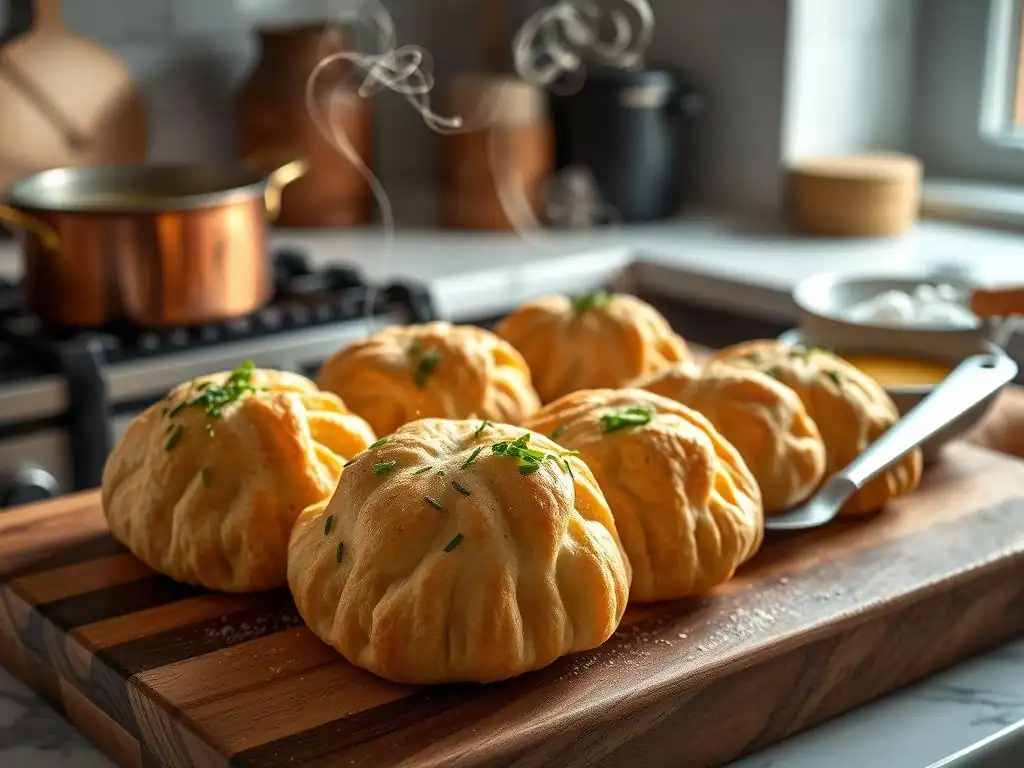
Even with an easy savory herb gougères recipe, baking can sometimes present challenges. Don't be discouraged if your first batch isn't perfect. Understanding common issues and their solutions will help you improve with each attempt.
Most problems with gougères relate to the dough consistency or the baking process. By carefully reviewing the steps where things might have gone wrong, you can often pinpoint the cause and adjust for your next batch.
Gougères Didn't Puff Up: Possible Causes and Solutions
This is perhaps the most common issue with choux pastry. If your gougères came out flat or only slightly risen, several factors could be at play. The most likely culprits relate to the dough consistency or insufficient steam during baking.
Check these potential causes:
- Dough too wet: Not cooked long enough on the stovetop, or too many eggs were added. The dough should hold a stiff "V" shape when lifted.
- Dough too stiff: Not enough eggs added. The dough should be smooth and glossy, not paste-like after eggs are incorporated.
- Oven not hot enough: The initial high heat is crucial for steam generation. Ensure your oven is accurately calibrated and fully preheated.
- Opening the oven door too early: Releasing steam before the structure is set will cause collapse.
If the dough was too wet, you might try adding a tablespoon or two of flour when incorporating the last egg, though this is difficult to correct after the fact. If too stiff, try adding half an egg yolk mixed with a tiny bit of water. Ensure your oven temperature is correct and resist opening the door during the critical puffing phase.
Dough Too Runny or Too Thick: Adjusting the Consistency
Getting the dough consistency just right is key to a successful savory herb gougères recipe easy or otherwise. The goal is a smooth, pipeable dough that is neither too stiff nor too slack. It should reluctantly fall from a spoon.
If your dough is too runny after adding the eggs, it means you've added too much liquid (from eggs or insufficient stovetop cooking). This is hard to fix perfectly, but you could try adding a tablespoon of flour mixed with a teaspoon of cornstarch, stirring vigorously, though this often doesn't fully correct the texture. Prevention is key: cook the dough properly on the stovetop and add eggs gradually, stopping when the desired consistency is reached.
If the dough is too thick and stiff after adding the eggs, it likely means you didn't add enough eggs, or the dough was overcooked on the stovetop. You can try beating another egg and adding it gradually, a little at a time, mixing thoroughly until the dough reaches the correct consistency. This is easier to fix than dough that is too wet. Remember, the dough should be smooth and glossy, not dry or clumpy, before adding the herbs and cheese.
Conclusion: Enjoying Your Homemade Savory Herb Gougères
Baking savory herb gougères is a rewarding experience that yields delicious results. Starting with a simple dough and watching it transform into airy, flavorful puffs is one of the small joys of baking. This easy savory herb gougères recipe provides a solid foundation for mastering choux pastry and exploring various flavor combinations.
Whether you choose a classic Gruyère and chive pairing or venture into more adventurous herb and cheese mixes, the process is straightforward and the outcome is consistently delightful. Share them warm with friends and family, pair them with your favorite soup, or simply enjoy them as a satisfying snack.
The Joy of Baking with Ease: Sharing Your Gougère Creations
At BakeWithEase, our goal is to make baking approachable and fun. This savory herb gougères recipe is a perfect example of how a seemingly fancy pastry is entirely achievable for bakers of all levels. The sense of accomplishment you feel when you pull a tray of perfectly puffed, golden gougères from the oven is truly special.
Don't hesitate to experiment once you're comfortable with the basic technique. Try adding a pinch of cayenne pepper for a little heat, or different types of cheese like smoked paprika cheddar. Sharing your homemade savory herb gougères is a wonderful way to connect with others and spread the joy of baking. Happy baking!
Frequently Asked Questions
What exactly are gougères, and why are they considered a "flavorful twist" in this recipe?
Gougères are savory cheese puffs made from pâte à choux dough. This recipe adds a "flavorful twist" by incorporating fresh herbs like thyme and rosemary, enhancing the traditional cheese flavor.
Is the Savory Herb Gougères Recipe really easy, even for a beginner baker?
Yes! The recipe from BakeWithEase emphasizes simplicity and clear instructions, making it accessible for beginners. The step-by-step guide ensures easy replication of the process.
Can I substitute the herbs listed in the Savory Herb Gougères Recipe with other herbs, and will it affect the outcome?
Absolutely! You can substitute with herbs like chives or parsley. While it won't significantly affect the structure, the flavor profile will change depending on the herbs you choose.
What is pâte à choux, and what makes it so important in making successful gougères?
Pâte à choux is a light pastry dough used for cream puffs, éclairs, and gougères. It's crucial because its high moisture content creates steam during baking, causing the puffs to rise and become hollow.
Besides serving them as appetizers, are there other ways to enjoy these Savory Herb Gougères?
Yes, they can be served as a side dish with soup or salad, or even filled with savory fillings like cream cheese or ham salad for a more substantial snack. Their versatility makes them a great addition to any meal.
Final Reflection: The Enduring Allure of the Simple Gougère
The humble gougère, traditionally a simple cheese puff, has proven remarkably adaptable, offering a canvas for culinary creativity and a gateway to effortless elegance. This recipe, designed for ease and infused with the vibrant notes of savory herbs, demonstrates that sophisticated flavors can be achieved without complex techniques. The simplicity of the recipe belies the impressive results, making it perfect for both novice bakers and seasoned chefs seeking a quick yet impressive appetizer.
The impact of this seemingly small recipe extends beyond the immediate satisfaction of a delicious bite. It speaks to a larger cultural shift towards valuing accessible, high-quality food experiences. The desire for flavorful, yet easy-to-prepare dishes reflects a busy modern lifestyle, where time is a precious commodity. Cooking is at its best a form of magic, transforming simple ingredients into something extraordinary.
This sentiment perfectly encapsulates the transformative power of this recipe, elevating everyday ingredients into something truly special.
Now, I invite you to consider the possibilities. Don't be afraid to experiment! Try substituting your favorite herbs, cheeses, or even adding a touch of spice. This recipe is a springboard for your own culinary adventures. Embrace the simplicity, savor the flavors, and share the joy of creating something delicious with those you love. The enduring appeal of the gougère lies not only in its taste, but in its ability to connect us through the shared experience of cooking and enjoying good food.
Here's a Call to Action (CTA) tailored to the provided information:
Unleash Your Inner Pâtissier: Make These Gougères Today!
Thanks for taking the time to explore this savory herb gougères recipe! We hope you've discovered a delicious new addition to your baking repertoire. Ready to bring these delightful puffs to life?
- Bake a batch of gougères: Follow the recipe and impress your friends and family with these surprisingly easy-to-make savory treats! Don't forget to experiment with different herbs to find your perfect blend.
- Share your creation: Post a picture of your gougères on social media and tag us! We'd love to see your culinary masterpiece. Use #BakeWithEaseGougères to join the conversation.
- Explore more savory recipes: Dive into our extensive collection of savory baked goods on BakeWithEase.com – you might just find your new favorite recipe!
Ready to embark on this flavorful baking adventure? What unique herb combination will you try first?