
The Importance of Ingredient Quality in French Baking

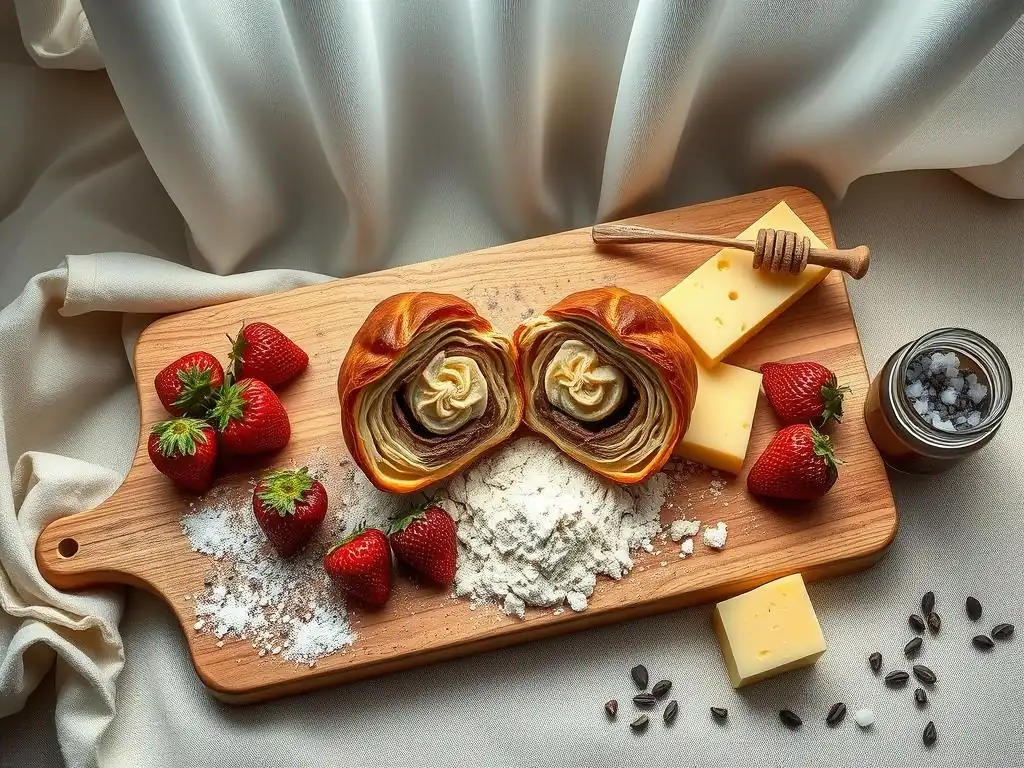
Welcome to BakeWithEase, your passport to the delightful world of baking! Ever wondered what truly elevates a simple pastry into a magnifique masterpiece? This week, we delve into the crucial role of high-quality French baking ingredients and how they unlock authentic flavor and texture. Discover why sourcing the right flour, butter, and chocolate can transform your creations from ordinary to extraordinary. Intrigued? Let's explore the secrets to French baking success, one ingredient at a time!
- Why High-Quality Ingredients Matter for Home Bakers
- The Foundation of Flavor: Understanding Key Baking Ingredients
- How Ingredient Quality Impacts the Texture and Appearance of French Baked Goods
- Key Ingredients and Their Impact on Specific French Baking Recipes
- Identifying and Selecting High-Quality French Baking Ingredients
- The Cost-Benefit Analysis: Investing in Premium Baking Ingredients
- Common Mistakes When Choosing French Baking Ingredients and How to Avoid Them
- Elevate Your French Baking with High-Quality Ingredients: A Summary
-
Frequently Asked Questions
- What makes French baking ingredients "high quality" according to BakeWithEase?
- Why is using high-quality ingredients particularly important in French baking?
- Where can I reliably source high-quality French baking ingredients?
- Does using high-quality ingredients automatically guarantee perfect French pastries?
- Are there specific French ingredients that are always worth investing in high-quality versions of?
- Final Reflection: The Enduring Legacy of Quality in French Baking
- Unlock the Secrets of Exquisite French Baking
Why High-Quality Ingredients Matter for Home Bakers
This article explores the critical role that ingredient quality plays in achieving exceptional results in French baking. Discover why using premium ingredients is essential for creating authentic and delicious pastries, breads, and other French delicacies.
French baking is renowned globally for its delicate textures, rich flavors, and beautiful appearance. Achieving these characteristics often hinges on more than just mastering complex techniques; it fundamentally relies on the quality of the ingredients used. For home bakers aspiring to recreate authentic French patisserie or boulangerie items, selecting high-quality French baking ingredients is not just a preference, but a necessity. The subtle differences in fat content in butter, protein levels in flour, or freshness of eggs can dramatically alter the outcome of your bakes.
When you invest in superior ingredients, you are essentially building your bake on a stronger foundation. Think of a classic croissant: its flaky layers and rich flavor are directly tied to the quality and handling of the butter. Similarly, a crusty baguette owes its structure and crumb to the right kind of flour and minimal, high-quality yeast. Using highquality French baking ingredients ensures that your efforts in technique are rewarded with results that are closer to the benchmark of classic French baking, making your baking journey more rewarding and your finished products truly stand out.
The Foundation of Flavor: Understanding Key Baking Ingredients
The Importance of European-Style Butter in French Pastries
European-style butter is a cornerstone of French pastry making, distinct primarily for its higher fat content compared to many standard North American or other varieties. While typical butter might contain around 80% fat, European butter often boasts 82% or even 83% fat. This seemingly small difference has a significant impact: the lower water content and higher fat content result in a richer flavor and contribute significantly to the texture of baked goods.
In recipes like croissants, puff pastry, or brioche, this higher fat content is crucial. The fat creates steam during baking, which helps separate layers in laminated doughs, leading to that signature flaky texture. Furthermore, the milk solids in the butter caramelize, enhancing flavor and contributing to the golden-brown crust. Using butter with insufficient fat can lead to doughs that are harder to work with, less flaky, and ultimately, less flavorful, undermining the essence of French pastry.
The Significance of Bread Flour in French Bread Baking
French bread, like the iconic baguette, relies on flour with specific protein characteristics to develop its structure and chew. While all-purpose flour might work for some recipes, traditional French bread often benefits from flour with a moderate to high protein content, typically ranging from 11% to 13%. This protein forms gluten when kneaded and hydrated, creating the elastic network that traps gases produced by yeast, allowing the bread to rise and develop its characteristic open crumb structure.
Using flour with the correct protein level is essential for achieving the desired chewiness and crust in French bread. A lower protein flour might result in a flatter loaf with a tighter crumb, lacking the airy interior and robust crust that defines a great baguette. Conversely, using flour that's too high in protein (like some strong bread flours intended for high-hydration doughs) might make the dough too tough if not handled correctly. Selecting flour specified for bread making or understanding the protein content is key to authentic results.
The Role of Fresh Eggs in French Baking: Quality and Emulsification
Eggs play multiple vital roles in French baking, from providing structure and richness to acting as a leavening agent and emulsifier. The freshness and quality of eggs directly affect their performance in these roles. Fresh eggs have tighter whites and richer yolks, which contribute to better structure and a more vibrant color in batters and doughs. The emulsifying properties of the lecithin in egg yolks are particularly important for creating smooth, stable mixtures like custards, brioche dough, and batters.
Using fresh, high-quality eggs ensures optimal emulsification, preventing separation in custards like crème anglaise or crème pâtissière. In enriched doughs like brioche, the fat from the yolks adds tenderness and flavor, while the protein contributes to structure. Stale eggs may not emulsify as effectively, leading to grainy textures or unstable mixtures. For delicate items like macarons, the protein structure in fresh egg whites is paramount for achieving stable meringue and smooth shells.
How Ingredient Quality Impacts the Texture and Appearance of French Baked Goods
Achieving a Light and Airy Texture with High-Quality Flour and Butter
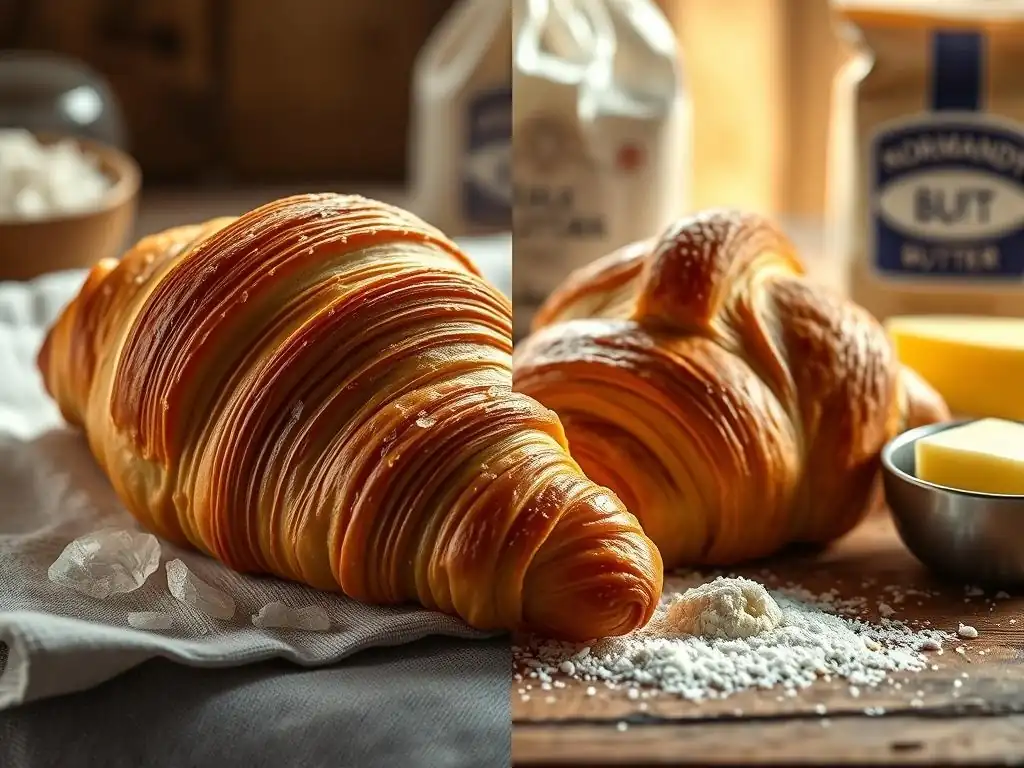
The desired light and airy texture in many French baked goods, from croissants to madeleines, is heavily influenced by the quality of flour and butter. High-quality bread flour with the right protein content allows for the development of a strong, elastic gluten network capable of trapping fermentation gases, resulting in a well-risen, open crumb in breads and enriched doughs. For pastries, a moderately lower protein flour might be preferred to ensure tenderness while still providing enough structure.
High-fat European-style butter is critical for creating air pockets and separation in doughs. In laminated doughs, layers of butter are folded between layers of dough. As the butter melts during baking, its high fat content (and lower water content) produces steam, which forces the layers of dough apart, creating hundreds of thin, flaky strata. This process, known as lamination, is impossible to execute effectively without butter of the correct quality and consistency, directly impacting the final texture.
The Golden-Brown Crust: How Ingredients Contribute to Beautiful French Baking
A hallmark of exceptional French baking is the beautiful golden-brown crust found on everything from baguettes to tarts and pastries. This desirable color and often crisp texture are direct results of chemical reactions that occur during baking, primarily the Maillard reaction and caramelization, both of which are influenced by ingredient quality. Sugars and proteins in the dough and on the surface react under heat to create complex flavors and the appealing brown hue.
Ingredients like milk, butter, and eggs, common in many French recipes, contribute sugars and proteins that enhance these browning reactions. The lactose in milk, the milk solids in butter, and the proteins in eggs all caramelize and participate in the Maillard reaction at high temperatures. Using rich, high-quality ingredients provides more of these browning precursors, leading to a deeper, more even golden crust compared to using ingredients with lower solid content or freshness.
Key Ingredients and Their Impact on Specific French Baking Recipes
The Secret to Macarons: Fine Almond Flour and its Impact on Smooth Shells
Macarons are notoriously finicky, and the quality of the almond flour is perhaps the most critical factor for achieving those coveted smooth, delicate shells. Macaron recipes typically call for "superfine" or "extra fine" blanched almond flour. This means the almonds have been skinned (blanched) and ground into an incredibly fine powder, almost like confectioners' sugar, but without the added starch.
Using coarse almond flour or almond meal (which includes the skins) will result in gritty, bumpy macaron shells that lack the signature smooth finish. The fine texture allows the almond flour to incorporate seamlessly into the meringue batter, creating a homogenous mixture that bakes into a shell with a delicate, crisp exterior and a slightly chewy interior. Sifting the almond flour (even if it's labeled superfine) is a common step to remove any larger particles, further ensuring the smooth surface required for perfect macarons.
Croissant Perfection: The Importance of Butter's Fat Content in Lamination
Achieving the hundreds of paper-thin, flaky layers in a classic French croissant is a direct consequence of proper lamination, which relies almost entirely on the quality and handling of the butter. As discussed, European-style butter with its high fat content (around 82%) and pliability is ideal. This specific fat content ensures that the butter remains relatively solid and workable during the folding process, creating distinct layers between the dough.
During baking, the high fat content means there is less water to turn into steam too quickly, allowing the layers to separate gently and evenly. Butter with a lower fat content contains more water, which can boil and potentially rupture the delicate dough layers, resulting in a less defined, less flaky structure. The pliability of the butter is also key; it must be firm enough to form layers but flexible enough not to break during rolling and folding, a balance best found in high-quality, high-fat butter.
Mastering Crème Pâtissière: Vanilla Bean vs. Extract and the Impact on Flavor
Crème Pâtissière, or pastry cream, is a fundamental component in many French desserts, from tarts to éclairs. While vanilla extract is a common flavoring, using a real vanilla bean elevates the flavor profile significantly. A high-quality vanilla bean contains thousands of flavor compounds beyond just vanillin, offering a more complex, nuanced, and richer vanilla taste.
Scraping the tiny black seeds from half or a whole vanilla bean and infusing them (along with the pod) into the milk or cream base for the pastry cream imparts a depth of flavor that extract simply cannot replicate. While pure vanilla extract made from real vanilla beans is a good second choice, imitation vanilla extract will result in a flat, one-dimensional flavor.
The visual appeal of the speckled cream from the vanilla bean seeds also adds to the authenticity and perceived quality of the finished dessert. Investing in good vanilla beans is investing in superior flavor for your creams and custards.
Identifying and Selecting High-Quality French Baking Ingredients
Tips for Sourcing Authentic European-Style Butter with High Fat Content
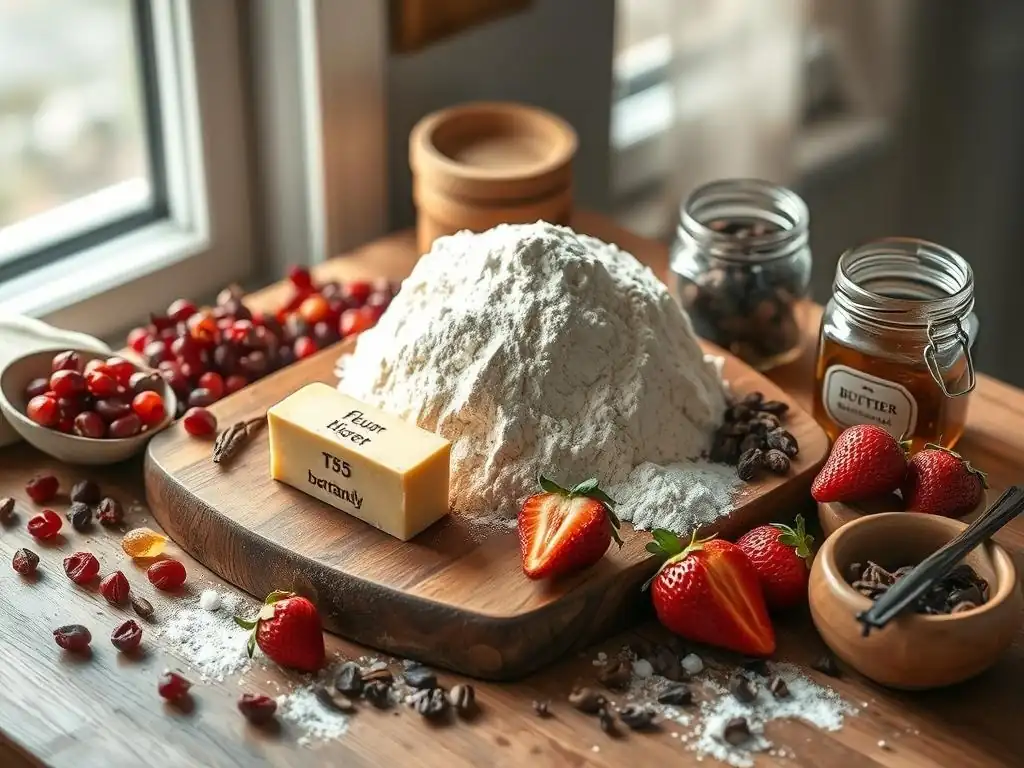
When seeking high-quality French baking ingredients, especially butter for pastries, look for labels that specify "European-style butter" or mention a fat content of 82% or higher. Many specialty grocery stores and even some larger supermarkets now carry these types of butter. Brands imported from France or other European countries are a good starting point, but several domestic producers also make excellent European-style butters.
Check the ingredient list and nutritional information on the packaging to confirm the fat percentage. Beyond the percentage, consider the brand's reputation and whether the butter is cultured. Cultured butter has a slightly tangy flavor due to added bacterial cultures before churning, which adds another layer of complexity often desired in traditional French baking. Look for butter made from high-quality cream, as this contributes to better flavor and texture.
Choosing the Right Flour for Different French Baking Applications: Protein Content
Selecting the right flour is crucial for specific French baking projects. For crusty breads like baguettes or pain de campagne, a bread flour with a protein content between 11% and 13% is generally recommended. This provides enough gluten potential for structure and chew. Some recipes might even specify French flour types like T55 or T65, which correspond to specific ash and protein content levels. While difficult to source outside of France, understanding their characteristics helps in finding suitable substitutes.
For tender pastries like brioche or choux pastry, an all-purpose flour with a protein content around 10-11% can often work well, though some bakers prefer a slightly stronger flour even for these. For delicate cakes or tarts, a lower protein cake flour or pastry flour (8-10% protein) might be ideal for tenderness. Always check the protein percentage on the nutrition label when selecting your flour, as this is a key indicator of its baking properties.
Understanding the Benefits of Using Fresh, Locally Sourced Eggs
Using fresh eggs is beneficial across all baking, but particularly important when egg structure and emulsification are key, as in many French preparations. Fresh eggs tend to have stronger whites that whip up better for meringues and soufflés, and their yolks are more effective emulsifiers for custards and sauces. While the term "locally sourced" doesn't automatically guarantee freshness, eggs from local farms often have a shorter journey from hen to kitchen, increasing the likelihood of receiving very fresh product.
Look for eggs with clean, uncracked shells. If possible, check the "packed by" date on the carton; a more recent date indicates fresher eggs. Some sources suggest that the bloom (a natural protective coating on the shell) is intact on very fresh eggs, though this isn't always visible after processing. Ultimately, fresh eggs provide optimal performance in terms of volume, structure, and emulsification, contributing to superior texture and appearance in your high-quality French baking.
Comparing the Price of All-Purpose vs. Bread Flour and the Resulting Dough Strength
Investing in high-quality French baking ingredients often means paying a premium compared to standard supermarket staples. Consider flour: a kilogram of standard all-purpose flour might cost around $1-2, while a kilogram of high-quality bread flour or specialty French-style flour could range from $3-6 or more. This price difference might seem significant, but when baking bread, the resulting dough strength and ability to develop a strong gluten network directly impact the loaf's volume, texture, and crust – key characteristics of authentic French bread.
For a single loaf of bread using perhaps 500g of flour, the cost difference might only be $1-2. However, the improvement in the finished product – a better rise, a more open crumb, and a chewier crust – can be substantial. For passionate home bakers seeking to replicate specific French results, this small additional cost per bake is often a worthwhile investment for the noticeable improvement in quality and authenticity.
Evaluating the Overall Value of Superior Flavor and Texture
Beyond just dough strength or flakiness, the overall value of using high-quality French baking ingredients lies in the superior flavor and texture they impart. Ingredients like high-fat butter, real vanilla beans, or finely ground almond flour contribute richer, more complex tastes and mouthfeels that cheaper alternatives simply cannot match. While premium ingredients cost more upfront, the amount used in a typical home baking recipe is often relatively small.
For example, a small jar of high-quality vanilla beans might cost $10-20, but a single bean can flavor several batches of pastry cream or custard. The cost per serving becomes quite reasonable when considering the significant enhancement in flavor. Similarly, while a block of European butter costs more than standard butter, the amount needed for a batch of croissants or brioche is fixed, and the resulting flakiness and richness are incomparably better. The enjoyment derived from a truly exceptional bake, achieved with high-quality ingredients, often justifies the increased expenditure for those serious about mastering French techniques.
Common Mistakes When Choosing French Baking Ingredients and How to Avoid Them
Misunderstanding Flour Types and Their Uses: All-Purpose vs. Bread Flour
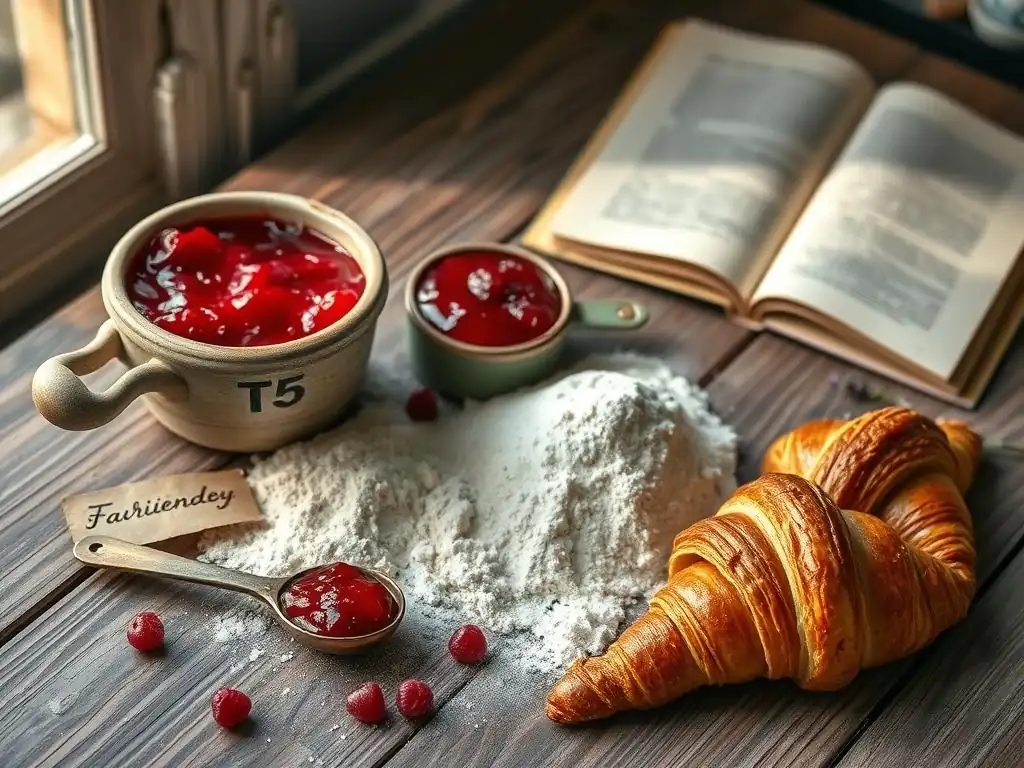
One frequent pitfall when attempting French baking is using the wrong type of flour, particularly confusing all-purpose flour with bread flour. While all-purpose flour (typically 10-12% protein) is versatile, it may not have enough protein to develop the robust gluten structure needed for crusty French breads like baguettes (often requiring 11-13% protein). Conversely, using a very high-protein bread flour for delicate pastries might result in tough textures.
To avoid this, always check the protein content on the flour package. If a recipe calls for bread flour for a baguette, use a flour within the 11-13% protein range. If it calls for a softer flour for a cake or pastry, an all-purpose or pastry flour might be more appropriate. Don't assume all flours labeled "all-purpose" are identical; protein content can vary by brand and region. Reading the label and understanding the intended function of the flour in the specific French recipe is key.
Ignoring the Importance of Butter Fat Content and its Effect on Flakiness
Another common error is overlooking the fat content of butter, especially when making laminated doughs like puff pastry or croissants. Many standard butters contain around 80% fat and 18-20% water and milk solids, while European-style butter typically has 82% or more fat and less water. Using standard butter in recipes designed for high-fat butter will negatively impact the final texture.
The higher water content in standard butter can make the dough sticky and difficult to laminate cleanly. Crucially, during baking, the excess water turns to steam too rapidly and aggressively, potentially breaking the delicate dough layers instead of gently separating them. This results in less rise and fewer distinct, flaky layers. Always seek out butter with at least 82% fat for best results in laminated pastries. If only lower-fat butter is available, some adjustments might be necessary, but the ideal outcome is best achieved with high-quality, high-fat butter.
Elevate Your French Baking with High-Quality Ingredients: A Summary
Recap of Key Takeaways and Recommendations for Ingredient Selection
Mastering French baking at home is an achievable goal, and a fundamental step is recognizing the importance of high-quality French baking ingredients. We've seen how specific ingredients like European-style butter (high fat content), bread flour (appropriate protein level), fresh eggs, and superfine almond flour directly influence the flavor, texture, and appearance of classic French items. Using premium ingredients provides a solid foundation for your techniques to shine, leading to more authentic and delicious results.
Key recommendations include: prioritizing butter with 82%+ fat for pastries, selecting flour based on its protein content for different applications (higher for bread, potentially lower for cakes/pastries), using the freshest eggs possible for optimal emulsification and structure, and sourcing specific items like superfine almond flour for delicate recipes like macarons. While premium ingredients may cost more, the enhanced outcome often justifies the investment for those serious about elevating their baking.
Encouragement to Experiment with Different Brands and Types of Butter and Flour
Don't be afraid to experiment! The world of high-quality French baking ingredients offers many options. Try different brands of European-style butter to see which one you prefer for flavor and handling. Similarly, explore various types of bread flour or specialty flours available to understand how they impact your loaves' crumb and crust.
Keeping notes on which ingredients worked best for specific recipes can be incredibly helpful. This journey of discovering and utilizing high-quality ingredients is part of the joy of baking. By paying attention to the details and investing wisely in your ingredients, you are well on your way to creating truly exceptional French baked goods in your own kitchen. Happy baking!
Frequently Asked Questions
What makes French baking ingredients "high quality" according to BakeWithEase?
High-quality French baking ingredients generally refer to those with superior flavor profiles, reliable consistency, and authentic origins, leading to better baked goods.
Why is using high-quality ingredients particularly important in French baking?
French baking often emphasizes delicate flavors and precise techniques. High-quality ingredients ensure that these nuances shine through in the final product.
Where can I reliably source high-quality French baking ingredients?
BakeWithEase recommends exploring specialty food stores, online retailers specializing in French products, or even importing directly from reputable French suppliers.
Does using high-quality ingredients automatically guarantee perfect French pastries?
No, while ingredient quality is crucial, proper technique and careful execution are equally important for achieving perfect French pastries.
Are there specific French ingredients that are always worth investing in high-quality versions of?
Yes, ingredients like French butter, French flour, and French chocolate are generally considered worth the investment due to their superior flavor and texture.
Final Reflection: The Enduring Legacy of Quality in French Baking
The pursuit of high-quality French baking ingredients isn't merely a culinary pursuit; it's a commitment to preserving a rich cultural heritage and ensuring the future of exceptional taste. The subtle nuances of flavor, the delicate textures, and the overall sensory experience of truly great French pastries are inextricably linked to the quality of their foundational ingredients. Ignoring this fundamental truth is to diminish the very essence of what makes French baking so revered.
The impact of ingredient quality extends far beyond the immediate satisfaction of a perfectly crafted croissant or a melt-in-your-mouth macaron. It speaks to a deeper appreciation for tradition, craftsmanship, and the interconnectedness of food, culture, and community. The quality of ingredients is the foundation of good cooking, and good cooking is the foundation of a happy life.
While I don't know the exact origin of this quote, its sentiment perfectly encapsulates the enduring importance of this topic. The dedication to sourcing the finest butter, flour, and sugars isn't just about achieving technical perfection; it's about honoring the generations of bakers who have perfected these techniques and recipes.
Now, consider your own baking. What ingredients do you prioritize? Do you take the time to source the best possible flour, or do you settle for convenience? I challenge you to reflect on your own approach to baking and to consider the transformative power of elevating the quality of your ingredients. Even small changes can lead to significant improvements in taste and texture, bringing you closer to the magic of authentic French baking. Embrace the journey of discovery, experiment with different ingredients, and savor the rewards of your commitment to quality. The taste of excellence awaits.
Unlock the Secrets of Exquisite French Baking
Thanks for joining us on this journey into the heart of French baking! We hope you now appreciate the profound impact ingredient quality has on your final product. Ready to elevate your baking game?
- Bake your own masterpiece! Try substituting just one ingredient in your favorite French pastry recipe with a higher-quality alternative—note the difference.
- Explore local farmers' markets to discover the freshest, most flavorful ingredients in your area.
- Share your baking triumphs (and challenges!) with our community on social media using #BakeWithEaseQuality.
What unique ingredient are you most excited to source for your next French baking adventure?