
Simple Vanilla Bean Custard: A Decadent Dessert

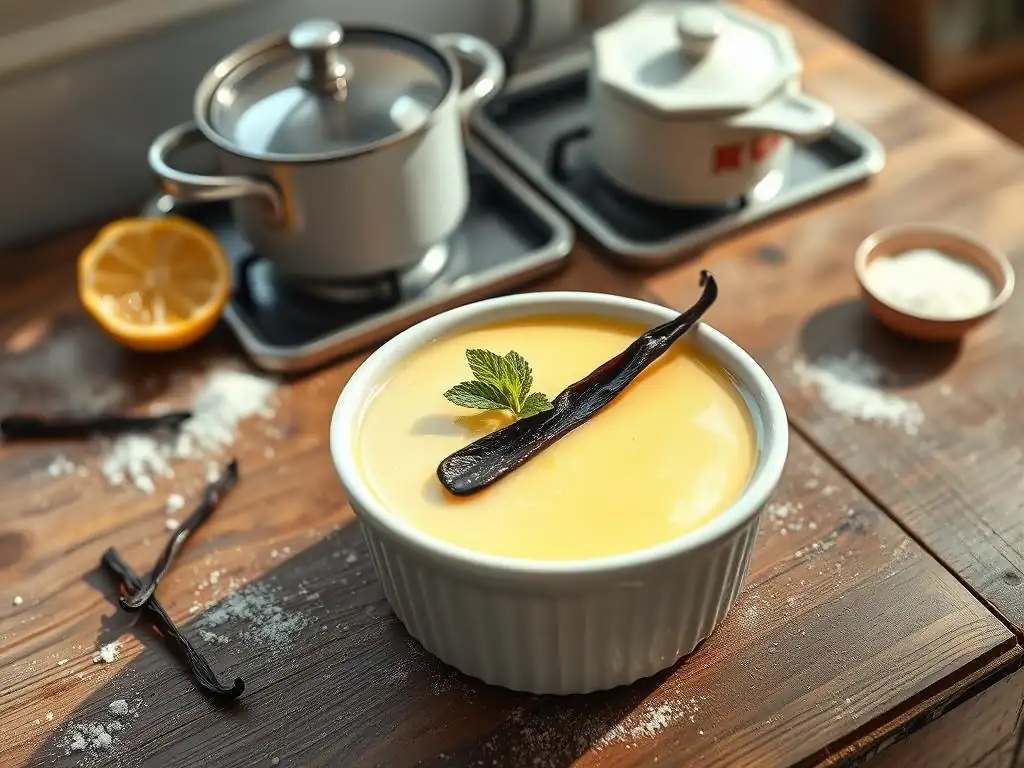
Welcome to BakeWithEase, where delightful desserts become effortlessly achievable! Ever dreamed of creating a luscious, melt-in-your-mouth custard that tastes like it came straight from a Parisian patisserie? Our easy vanilla bean custard recipe is the perfect place to start. Discover the secrets to a silky-smooth texture and intensely flavorful experience – and prepare to be amazed at how simple it is to create this classic treat. Ready to unlock the magic?
- Introduction to Simple Vanilla Bean Custard
- Mastering the Basics: Ingredients for Simple Vanilla Bean Custard
- Step-by-Step Guide: Making Your Simple Vanilla Bean Custard
- Tips and Tricks for the Best Simple Vanilla Bean Custard
- Serving Suggestions: Presenting Your Simple Vanilla Bean Custard
- Troubleshooting Common Custard Problems
- Vanilla Bean Custard: Recipe Variations and Adaptations
- Storing and Enjoying Your Homemade Custard
- Conclusion: Enjoy the Simplicity of Homemade Simple Vanilla Bean Custard
-
Frequently Asked Questions
- How easy is the Simple Vanilla Bean Custard recipe from BakeWithEase.com to make?
- What makes this vanilla bean custard recipe from BakeWithEase.com different from others?
- What are the key ingredients needed for BakeWithEase's Easy Vanilla Bean Custard?
- Can I substitute any ingredients in the BakeWithEase Simple Vanilla Bean Custard recipe?
- How long does it take to prepare and bake the Easy Vanilla Bean Custard from BakeWithEase.com?
- Final Reflection: The Enduring Allure of Simple Perfection
- Unlock Your Inner Pastry Chef: Master the Art of Custard!
Introduction to Simple Vanilla Bean Custard
Simple vanilla bean custard is a timeless dessert that embodies pure comfort and elegance. Its rich, creamy texture and the intoxicating aroma of real vanilla make it a favorite across generations and cultures. Unlike complex pastries that require precise layering or delicate folding, an easy vanilla bean custard recipe focuses on simple ingredients and straightforward technique, making it accessible even for novice bakers. The beauty lies in its simplicity, allowing the quality of the base ingredients, especially the vanilla, to truly shine.
Crafting a perfect simple vanilla bean custard involves gentle heating and careful stirring to transform basic dairy, eggs, sugar, and vanilla into a smooth, luscious dessert. This foundational recipe can be served warm or chilled, on its own, or as a versatile base for countless other desserts like tarts, trifles, or ice cream. Mastering this easy vanilla bean custard recipe opens up a world of possibilities in your home baking repertoire, proving that sometimes, the most decadent treats are the simplest ones.
Why This Simple Vanilla Bean Custard Recipe is a Crowd-Pleaser
This simple vanilla bean custard recipe consistently wins hearts because it delivers maximum flavor with minimal fuss. It avoids complicated steps, relying instead on clear instructions and readily available ingredients. For example, a typical batch requiring just 6 egg yolks, 2 cups of milk, and 1 vanilla bean can yield enough rich custard for 4-6 servings, making it ideal for a small family dessert or a gathering with friends. The process often takes less than 30 minutes of active cooking time, followed by chilling.
Furthermore, the use of a real vanilla bean, rather than extract, infuses the custard with hundreds of aromatic compounds, resulting in a deeper, more complex flavor profile that artificial vanilla simply cannot replicate. This commitment to authentic flavor, combined with the creamy, melt-in-your-mouth texture achieved through careful cooking, elevates this simple dessert to something truly special that everyone enjoys. It's a classic for a reason, and this easy vanilla bean custard recipe ensures success every time.
The Appeal of Creamy Custards: Rich and Comforting
Creamy custards hold a unique place in the dessert world, offering a soothing, luxurious experience that appeals to almost everyone. Their smooth texture and rich, milky base provide a comforting counterpoint to crispier or more acidic desserts. A well-made vanilla bean custard, for instance, coats the palate with a velvety richness that is both satisfying and indulgent. This sensory pleasure is often linked to feelings of nostalgia and warmth, reminiscent of homemade desserts from childhood.
Beyond the emotional connection, the appeal also lies in their versatility. Custards can be baked (like crème brûlée) or stirred on the stovetop (like pastry cream or crème anglaise). The easy vanilla bean custard recipe we're discussing is a stovetop variety, known for its pourable or spoonable consistency depending on how much it's thickened.
This adaptability allows it to be enjoyed simply in a bowl, poured over fruit, or used as a filling, making it a foundational skill for any home baker. The inherent richness from egg yolks and dairy provides a depth of flavor that is both simple and profoundly delicious.
Mastering the Basics: Ingredients for Simple Vanilla Bean Custard
Creating a superb simple vanilla bean custard starts with understanding the role of each key ingredient. While the list is short – dairy, egg yolks, sugar, and vanilla – their quality and how they interact are crucial. Using whole milk or a combination of milk and heavy cream provides the necessary fat content for richness and a smooth texture. Fresh, large egg yolks are essential for thickening and contributing to the custard's golden hue and silky mouthfeel. Granulated sugar sweetens and helps stabilize the egg proteins.
The star ingredient is, of course, the vanilla bean. A single high-quality vanilla bean, split and scraped, delivers a depth of flavor far superior to extract. Look for plump, moist beans, often from Madagascar, Tahiti, or Mexico, as these offer distinct aroma profiles. Approximately 1 vanilla bean is typically sufficient for 2 cups of dairy. Using these core ingredients in the right proportions and handling them correctly is the foundation of a truly easy vanilla bean custard recipe.
Vanilla Beans: The Key to Authentic Flavor
The magic of a truly memorable simple vanilla bean custard lies in the vanilla bean itself. Unlike vanilla extract, which is made by steeping vanilla beans in alcohol, a whole bean contains a complex array of volatile organic compounds in addition to vanillin. These compounds contribute nuanced floral, fruity, or smoky notes depending on the bean's origin. For example, a plump Madagascar vanilla bean often imparts classic, creamy, sweet notes, while a Tahitian bean might offer more floral or cherry-like undertones.
To use a vanilla bean for your easy vanilla bean custard recipe, you typically slice it lengthwise with a sharp paring knife and scrape out the tiny, fragrant seeds (often called "vanilla caviar") using the back of the knife. Both the seeds and the scraped pod are usually steeped in the warm dairy to fully infuse the flavor.
After heating, the pod is discarded, leaving behind the beautiful speckles of vanilla seeds throughout the custard, a visual hallmark of authentic vanilla bean goodness. Using a high-quality bean, which can cost anywhere from $5 to $10 per bean depending on type and source, is a worthwhile investment for the unparalleled flavor it imparts to your simple vanilla bean custard.
Dairy and Eggs: Creating Creamy Body
While the header mentions butter and flour, the body of an easy vanilla bean custard recipe relies heavily on dairy and eggs to achieve its signature creamy body and structure. The dairy component, typically whole milk or a blend of milk and heavy cream, provides the liquid base and contributes fat for richness and smoothness. Using full-fat dairy is recommended for the best texture, as lower-fat options can result in a thinner, less luxurious custard. A standard recipe might call for 2 cups (approximately 470ml) of whole milk or a mix of 1 cup milk and 1 cup cream.
Egg yolks are the primary thickener in this simple vanilla bean custard. The proteins in the yolks coagulate when heated gently, transforming the liquid dairy into a thickened, spoonable consistency. The number of yolks is crucial for texture; too few will result in a runny custard, while too many can make it overly thick or even rubbery.
A common ratio for a rich but not overly stiff custard is 6-8 large egg yolks per 2 cups of dairy. These yolks also lend a beautiful pale yellow color to the finished product. Careful, slow heating prevents the eggs from scrambling, which is key to a smooth custard.
Sugar: Balancing Sweetness and Structure
Sugar plays a vital role in an easy vanilla bean custard recipe, not just for sweetness but also for its interaction with the egg proteins. Granulated sugar is most commonly used. It sweetens the custard and helps tenderize the egg proteins, preventing them from becoming tough or rubbery as they coagulate during heating. The amount of sugar can be adjusted slightly to taste, but a typical range is between 1/4 cup (about 50g) and 1/2 cup (about 100g) per 2 cups of dairy and 6-8 egg yolks.
Beyond sweetness and texture, sugar also slightly raises the temperature at which the egg proteins coagulate, giving you a little more leeway during the cooking process. This makes an easy vanilla bean custard recipe more forgiving. While other sweeteners like honey or maple syrup could be used, they would significantly alter the flavor profile and potentially the texture. For a classic simple vanilla bean custard, granulated sugar is the standard choice, contributing clean sweetness that allows the vanilla flavor to dominate.
Step-by-Step Guide: Making Your Simple Vanilla Bean Custard

Making a simple vanilla bean custard is a rewarding process that involves a few key steps to ensure a smooth, creamy result. The general method involves heating the dairy, infusing the vanilla, whisking egg yolks and sugar, tempering the eggs with the warm dairy, and then gently cooking the mixture until thickened. Patience and gentle heat are your best friends here. This easy vanilla bean custard recipe emphasizes technique over complexity.
Following a step-by-step approach helps break down the process into manageable parts. Typical steps include preparing the vanilla bean, heating the milk and sugar, whisking yolks, tempering, cooking the mixture, and finally chilling. Each stage is important for achieving the desired consistency and flavor. For instance, properly tempering the eggs prevents them from cooking too quickly and scrambling, a common pitfall for beginners.
Preparing the Custard Base: Heating the Dairy
While the header mentions tart crust preparation, the initial step for an easy vanilla bean custard recipe focuses on preparing the dairy base. This involves gently heating the milk or cream (or both) with the sugar and the scraped vanilla bean seeds and pod. Pour the dairy into a medium saucepan. Add the sugar and the vanilla bean seeds and pod. Place the saucepan over medium heat.
Heat the mixture gently, stirring occasionally, until the sugar is dissolved and the dairy is just steaming around the edges, but not boiling. This usually takes about 5-8 minutes. Boiling the dairy can negatively impact the flavor and texture of the finished custard. Once heated, remove the saucepan from the heat and let it sit for about 10-15 minutes to allow the vanilla flavor to fully infuse from the pod into the warm milk. This infusion step is crucial for developing that deep vanilla flavor characteristic of a simple vanilla bean custard.
Making the Custard: Achieving Creamy Perfection
This step is where the magic happens in your easy vanilla bean custard recipe – transforming the flavored dairy and egg mixture into a rich, thick custard. After the vanilla has steeped and you've tempered your egg yolks with some of the warm dairy (whisking a small amount of hot milk into the yolks to gently raise their temperature), you'll pour the tempered egg mixture back into the saucepan with the remaining warm dairy. Return the saucepan to low or medium-low heat.
Now, the most critical part: stirring constantly. Use a wooden spoon or heatproof spatula to stir the mixture, scraping the bottom and sides of the pan, until it thickens enough to coat the back of the spoon. This means when you draw your finger across the back of the spoon, the line holds without the custard running back into it.
This usually occurs when the custard reaches a temperature of around 170-175°F (77-79°C). Do not let it boil, as this will curdle the eggs. This stage typically takes 8-15 minutes, depending on the heat level and the quantity of custard.
Cooking the Custard: Achieving the Right Consistency
Achieving the perfect, smooth consistency is the goal when cooking your simple vanilla bean custard. As mentioned, this involves cooking the mixture over low to medium-low heat while stirring continuously. The thickening process is gradual, and it's easy to overcook, leading to a grainy or scrambled texture. The target temperature range of 170-175°F (77-79°C) is where the egg proteins have coagulated just enough to thicken the custard but haven't tightened up to the point of curdling.
Using an instant-read thermometer is the most reliable way to ensure you hit the right temperature, especially when you're new to making an easy vanilla bean custard recipe. If you don't have a thermometer, rely on the spoon-coating test. Once it coats the back of the spoon, immediately remove the custard from the heat. Some recipes also recommend pouring the finished custard through a fine-mesh sieve immediately after cooking to catch any small bits of cooked egg or vanilla bean pod fragments, ensuring an incredibly smooth final product.
Chilling the Custard: Setting and Flavor Development
While the header refers to creating meringue, the next crucial step for your simple vanilla bean custard after cooking is chilling it. Chilling allows the custard to finish setting and for the flavors to meld and deepen. Once the custard is cooked to the desired thickness, remove the vanilla bean pod (if you left it in), and immediately pour the hot custard into a clean bowl or individual serving dishes.
To prevent a skin from forming on the surface, press a piece of plastic wrap directly onto the surface of the hot custard. This creates a seal that keeps the top moist. Allow the custard to cool at room temperature for about 20-30 minutes before transferring it to the refrigerator.
Chill the custard for at least 2-4 hours, or preferably until completely cold and set. The chilling process thickens the custard further as it cools, resulting in that wonderfully spoonable or pourable consistency depending on the recipe's intended use. A well-chilled simple vanilla bean custard is incredibly refreshing and allows the pure vanilla flavor to truly shine.
Serving the Custard: Enjoying the Decadence
This final step, adapting the meringue torching idea, is all about preparing your simple vanilla bean custard for serving and enjoying its decadent richness. Once the custard is fully chilled and set, remove the plastic wrap. If it's in a large bowl, you can spoon it into individual dishes. If it was chilled in serving dishes, they are ready to go.
You can serve the easy vanilla bean custard as is, letting its inherent flavor and texture speak for themselves. Or, you can add simple garnishes to enhance the experience. A few fresh berries, a drizzle of caramel sauce, or a sprinkle of toasted nuts can add complementary flavors and textures. The cold, creamy custard is a perfect base for warm fruit compotes or can be used as a pouring sauce over cakes or pies. The beauty of this simple dessert is its versatility in presentation and pairing.
Tips and Tricks for the Best Simple Vanilla Bean Custard
Achieving a consistently perfect simple vanilla bean custard is easy once you know a few key tips. Paying attention to temperature is paramount; avoiding boiling the dairy and gently cooking the custard prevents scorching and scrambling. Using fresh ingredients, particularly high-quality vanilla beans and fresh eggs, makes a noticeable difference in the final flavor. Don't rush the process – gentle heat and patient stirring are essential for a smooth texture.
Another critical tip for an easy vanilla bean custard recipe is proper straining and chilling. Straining ensures a silky-smooth finish by removing any small lumps. Chilling allows the custard to set properly and for the flavors to fully develop. Following these simple guidelines will help you create a delicious, creamy vanilla bean custard every time.
Achieving a Smooth Custard: Straining Techniques
Achieving a perfectly smooth simple vanilla bean custard is a hallmark of a well-made dessert, and straining is a key technique to ensure this. Even with careful cooking, sometimes tiny bits of cooked egg can form, or small fragments of the vanilla bean pod might remain. Straining removes these imperfections, resulting in a luxurious, silky texture that melts in your mouth.
Immediately after cooking the custard and removing it from the heat, place a fine-mesh sieve over a clean bowl or your desired serving dishes. Pour the hot custard through the sieve. You can gently press any thicker bits through with a spoon or spatula if needed, but generally, the smooth custard will pass through easily, leaving behind any unwanted solids in the sieve. This simple step adds only a minute or two to the process but makes a significant difference in the final texture of your easy vanilla bean custard recipe.
Preventing Curdling: Temperature Control
While the header relates to meringue stabilization, preventing curdling is a major concern when making a simple vanilla bean custard. Curdling occurs when the egg proteins overheat and coagulate too tightly, resulting in a grainy, lumpy texture instead of a smooth one. This is typically caused by cooking the custard over heat that is too high or cooking it for too long.
The key to preventing curdling in your easy vanilla bean custard recipe is gentle, consistent heat and constant stirring. Cook the custard over low to medium-low heat. Stir continuously with a spoon or spatula, making sure to scrape the bottom and sides of the pan where the custard is hottest. Using a thermometer to ensure the custard doesn't go above 175°F (79°C) is the most foolproof method. If you see any signs of slight curdling (small grainy bits), immediately remove the pan from the heat and whisk vigorously, or even try passing it through a fine-mesh sieve immediately.
Serving Suggestions: Presenting Your Simple Vanilla Bean Custard
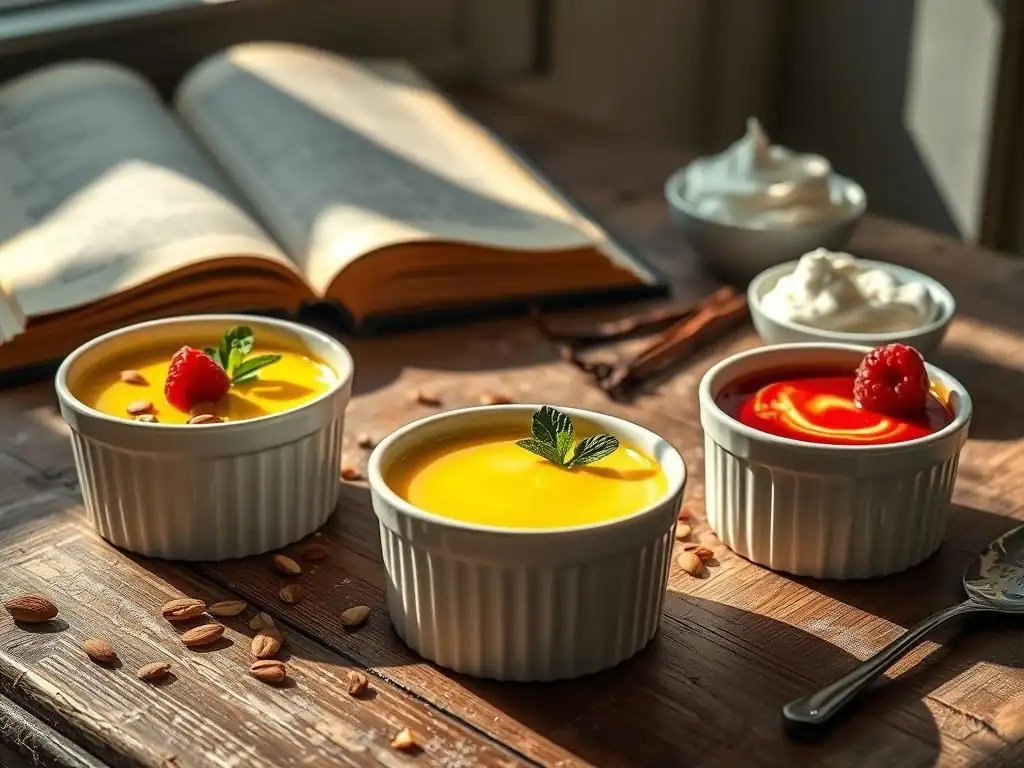
Presenting your simple vanilla bean custard beautifully enhances the dessert experience. While delicious on its own, a few simple additions can elevate its visual appeal and offer complementary flavors and textures. Consider serving it in elegant glasses, small bowls, or even teacups for a charming touch. The creamy, pale yellow color speckled with vanilla seeds is inherently appealing.
Think about temperature contrast and flavor pairings. A chilled easy vanilla bean custard is wonderfully refreshing, especially when paired with warm elements like a berry compote or a drizzle of hot fudge. Conversely, a warm custard (like crème anglaise) is a classic sauce for cold desserts like ice cream or fruit tarts.
Classic Pairings: Berries, Caramel, and More
Simple vanilla bean custard is incredibly versatile and pairs beautifully with a variety of classic dessert components. Fresh berries are a natural match; their slight acidity and freshness cut through the richness of the custard. Think vibrant raspberries, sweet strawberries, or plump blueberries. A handful of mixed berries adds color and a burst of flavor.
Another beloved pairing is caramel. A drizzle of homemade or store-bought caramel sauce over a chilled simple vanilla bean custard adds a layer of deep, sweet complexity. Other delicious additions include a dollop of freshly whipped cream, a sprinkle of toasted nuts (like slivered almonds or chopped pistachios), or even shaved chocolate. These simple additions enhance the easy vanilla bean custard recipe without overshadowing its delicate vanilla flavor.
Creative Garnishes: Elevating the Visual Appeal
Beyond classic pairings, getting a little creative with garnishes can make your simple vanilla bean custard look as good as it tastes. Consider edible flowers for a touch of elegance, a mint sprig for a pop of color, or a dusting of powdered sugar or cocoa powder using a stencil for a decorative pattern.
For a more textural garnish, try crushed cookies (like shortbread or amaretti), granola, or candied nuts. A swirl of fruit puree or a few dots of balsamic glaze can add both visual interest and a tangy counterpoint. Even just showcasing the beautiful vanilla bean speckles by serving it in a clear glass dish is a form of visual optimization for your easy vanilla bean custard recipe.
Making it a Dessert Experience: Serve with a Complementary Drink
Transforming a simple vanilla bean custard into a full dessert experience involves considering what to drink alongside it. The creamy, rich nature of the custard pairs well with beverages that offer a contrasting element, such as acidity, bubbles, or complementary sweetness.
A light, slightly sweet dessert wine like Moscato d'Asti or a late-harvest Riesling can complement the sweetness without being overly heavy. For non-alcoholic options, a sparkling cider, a light fruit juice, or even a perfectly brewed cup of tea or coffee can be lovely. The goal is to enhance the enjoyment of the simple vanilla bean custard, not overpower its delicate flavors.
Troubleshooting Common Custard Problems
Even with an easy vanilla bean custard recipe, occasionally things don't go perfectly. Knowing how to troubleshoot common issues can save your dessert and boost your confidence. The most frequent problems involve texture: custard that is too thin or too thick, or has a grainy, curdled appearance. These issues are almost always related to temperature and cooking time.
Don't despair if your first attempt isn't absolutely perfect. Understanding the science behind thickening (egg protein coagulation) and the role of temperature will help you identify and fix problems. Most issues with a simple vanilla bean custard can be salvaged or prevented with careful attention during the cooking phase.
Dealing with Curdled Custard: Solutions for a Smooth Finish
Dealing with curdled custard is a common issue if the mixture gets too hot. You'll notice small, grainy bits forming, indicating the egg proteins have tightened too much. While it's difficult to get a perfectly smooth texture back once it's significantly curdled, you can often improve it.
Immediately remove the custard from the heat. Transfer it to a clean bowl set over an ice bath to stop the cooking process rapidly. Whisk vigorously, or use an immersion blender, to try and break down the small curds. The most effective method is often to pass the warm custard through a very fine-mesh sieve, pressing gently with a spoon. This will remove the larger curdled pieces, leaving behind a smoother (though perhaps slightly thinner) custard. For future batches of your easy vanilla bean custard recipe, remember to cook over lower heat and stir constantly.
Runny Custard: How to Thicken it Up
If your simple vanilla bean custard is still too runny after cooking and chilling, it means the egg proteins didn't coagulate enough. This is usually because it didn't reach the target temperature range (170-175°F / 77-79°C) or wasn't cooked for quite long enough.
To fix a runny custard, you'll need to gently cook it further. Pour the custard back into a clean saucepan. Heat it over low heat, stirring constantly, just as you did before. Use a thermometer to monitor the temperature and continue cooking until it reaches the desired 170-175°F range and coats the back of a spoon. Be extra careful this time not to overheat it and cause curdling. This second cooking attempt for your easy vanilla bean custard recipe should help it thicken properly once it chills again.
Vanilla Bean Custard: Recipe Variations and Adaptations
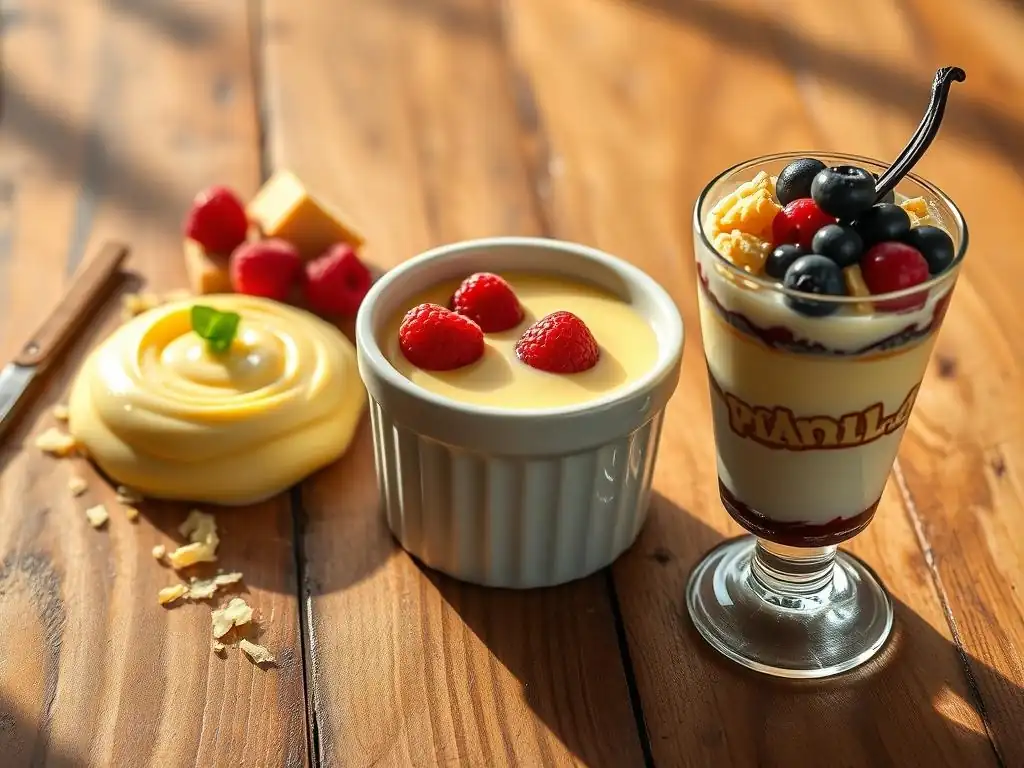
The basic simple vanilla bean custard recipe is a fantastic starting point, but it also lends itself beautifully to variations and adaptations. By changing a few ingredients or adding flavorings, you can create a whole new dessert experience. This versatility is part of what makes mastering an easy vanilla bean custard recipe so valuable for home bakers.
Variations can include adjusting the richness by changing the dairy ratio, incorporating different flavors, or making the recipe suitable for dietary restrictions. Exploring these adaptations allows you to customize the classic dessert to your liking or to suit specific occasions.
Dairy-Free Custard: A Dietary-Friendly Option
For those with dairy sensitivities or following a vegan diet, adapting a simple vanilla bean custard recipe to be dairy-free is possible. This typically involves substituting the milk and cream with plant-based alternatives like full-fat coconut milk, almond milk, soy milk, or cashew milk. Each substitute will impart a slightly different flavor.
Thickening dairy-free custards usually requires a different approach since they lack the natural fat and protein structure of dairy and eggs. Thickeners like cornstarch, arrowroot powder, or agar-agar are commonly used. A recipe might call for 2-3 tablespoons of cornstarch per 2 cups of plant milk, cooked until thickened. While the texture and flavor will differ from a traditional easy vanilla bean custard recipe, a well-made dairy-free version can still be wonderfully creamy and satisfying, especially when infused with real vanilla bean.
Chocolate Custard: Adding a Rich Twist
Adding chocolate is a decadent way to vary your simple vanilla bean custard. This transforms the classic vanilla flavor into a rich, chocolatey treat. To make chocolate custard, you typically add chopped bittersweet or semi-sweet chocolate to the hot custard base after it has finished cooking and been strained.
The residual heat from the custard melts the chocolate. You then whisk until the chocolate is completely smooth and incorporated. The amount of chocolate can vary, but starting with about 4-6 ounces (115-170g) of chopped chocolate per batch of custard is a good starting point for a rich flavor. This easy vanilla bean custard recipe variation results in a deeply flavored, smooth chocolate dessert that is perfect on its own or as a filling.
Other Flavors: Coffee Custard, Coconut Custard
The versatility of the simple vanilla bean custard base allows for numerous other flavor infusions. For a coffee-flavored custard, you can either steep coffee beans in the warm dairy along with the vanilla bean or dissolve instant espresso powder in the warm milk. About 1-2 tablespoons of espresso powder per 2 cups of dairy provides a noticeable coffee flavor.
For a tropical twist, substitute some or all of the milk/cream with full-fat coconut milk. This will add a distinct coconut flavor and a slightly different texture. Other possibilities include infusing citrus zest (like orange or lemon peel) into the dairy, adding spices like cinnamon or cardamom, or even incorporating liqueurs after the custard has cooled slightly. An easy vanilla bean custard recipe truly is a canvas for flavor exploration.
Storing and Enjoying Your Homemade Custard
Proper storage is key to keeping your simple vanilla bean custard fresh and delicious for as long as possible. Because it contains dairy and eggs, it is a perishable item and needs to be kept chilled. Always store custard in the refrigerator.
Ensure the custard is stored in an airtight container or covered tightly with plastic wrap pressed directly onto the surface to prevent a skin from forming and to keep it from absorbing odors from the refrigerator. Proper storage maintains the creamy texture and prevents spoilage, allowing you to enjoy your delicious homemade custard for several days.
Proper Storage Techniques for Optimal Freshness
To maintain the best quality and freshness of your simple vanilla bean custard, always store it in the refrigerator below 40°F (4°C). As soon as the custard has cooled slightly at room temperature, transfer it to its storage container. Press plastic wrap directly onto the surface of the custard before sealing the container with a lid.
This direct contact prevents a skin from forming, which can be rubbery and unpleasant. Storing it in an airtight container also protects it from drying out and from picking up any strong smells from other foods in the fridge. Following these simple storage techniques ensures your easy vanilla bean custard recipe stays wonderfully creamy and flavorful.
Shelf Life Considerations
A homemade simple vanilla bean custard, properly stored in an airtight container in the refrigerator, typically has a shelf life of 3 to 4 days. While it might technically be safe to eat for slightly longer, the quality in terms of flavor and texture begins to decline after this period.
It's always best to consume it within this timeframe for the most enjoyable experience. If you notice any off smells, discoloration, or signs of spoilage, it's safest to discard it. Planning to use or serve your easy vanilla bean custard recipe within a few days of making it ensures you get to enjoy its decadent qualities at their peak.
Conclusion: Enjoy the Simplicity of Homemade Simple Vanilla Bean Custard
Mastering a simple vanilla bean custard recipe is a rewarding step for any home baker. It demystifies a classic dessert, proving that elegant results can be achieved with just a few basic ingredients and careful technique. The process, while requiring attention to detail like temperature control and constant stirring, is fundamentally straightforward and yields a dessert far superior to anything store-bought.
From the luxurious texture to the pure, intoxicating aroma of real vanilla bean, this easy vanilla bean custard recipe delivers a truly decadent experience. It's a versatile foundation for countless other desserts and a delightful treat enjoyed simply on its own. Embrace the process, savor the aroma, and enjoy the rich, creamy reward of your homemade simple vanilla bean custard.
Reaffirming the Ease and Elegance of This Decadent Dessert
This simple vanilla bean custard recipe truly embodies both ease and elegance. It requires no special equipment beyond basic kitchen tools like a saucepan, whisk, and bowl. The ingredients are readily available. Despite its simplicity, the resulting dessert feels incredibly luxurious and refined, thanks to the pure flavor of the vanilla bean and the silky texture achieved through careful cooking.
It's a dessert that is equally appropriate for a casual weeknight treat or a special occasion. The ability to create such a rich, flavorful, and elegant dessert with such an easy vanilla bean custard recipe is a testament to the power of simple, quality ingredients and a little bit of patient technique. We encourage you to try this recipe and discover the simple pleasure of homemade vanilla bean custard.
Frequently Asked Questions
How easy is the Simple Vanilla Bean Custard recipe from BakeWithEase.com to make?
The recipe is designed for ease of execution, making it accessible to bakers of all skill levels. The instructions are clear and concise, ensuring a successful custard every time.
What makes this vanilla bean custard recipe from BakeWithEase.com different from others?
This recipe focuses on simplicity and quality ingredients, highlighting the pure flavor of vanilla bean. It provides step-by-step guidance to avoid common custard-making pitfalls.
What are the key ingredients needed for BakeWithEase's Easy Vanilla Bean Custard?
You'll need vanilla bean, heavy cream, milk, sugar, and egg yolks. The recipe emphasizes using fresh, high-quality ingredients for the best results.
Can I substitute any ingredients in the BakeWithEase Simple Vanilla Bean Custard recipe?
While substitutions are possible, using the recommended ingredients ensures the intended flavor and texture. For example, using vanilla extract instead of a bean will alter the taste profile.
How long does it take to prepare and bake the Easy Vanilla Bean Custard from BakeWithEase.com?
Preparation time is minimal, around 15 minutes. Baking time varies slightly depending on your oven, but typically takes around 40-50 minutes to achieve the perfect set.
Final Reflection: The Enduring Allure of Simple Perfection
The seemingly simple act of crafting a perfect vanilla bean custard speaks volumes about the power of mindful creation and the enduring appeal of classic desserts. In a world obsessed with complex culinary techniques and elaborate presentations, this recipe reminds us that true decadence can be found in the purity of simple, high-quality ingredients and meticulous attention to detail. The ease of preparation, detailed in this guide, only enhances its appeal, making it accessible to both novice and experienced bakers alike.
The enduring influence of vanilla bean custard extends far beyond its deliciousness; it represents a connection to culinary traditions passed down through generations. The comforting aroma, the velvety smooth texture, the subtle sweetness – these sensory experiences evoke feelings of nostalgia and warmth. The simplest things are often the most beautiful,
a sentiment perfectly captured by this humble yet exquisite dessert. It's a testament to the power of simplicity and a reminder that sometimes, the most rewarding experiences are the ones that require the least amount of fuss.
Now, I invite you to consider the possibilities. Don't just bake this custard; experience it. Savor each spoonful, reflecting on the journey from simple ingredients to a culinary masterpiece. Let this recipe be a reminder that even in the midst of a busy life, there's always time to create something beautiful and delicious, something that nourishes not just the body, but the soul. Go forth and create your own perfect vanilla bean custard – and share the joy!
Unlock Your Inner Pastry Chef: Master the Art of Custard!
Thanks for joining us on this delicious journey into the world of creamy, dreamy vanilla bean custard! We hope you’ve picked up some valuable tips and tricks. Ready to take your baking skills to the next level?
- Whip up your own batch of custard today! Use the recipe as a springboard – experiment with different flavorings or try it in a different dessert.
- Share your custard creations! Tag us on social media – we’d love to see your beautiful results.
- Challenge yourself: Try making a crème brûlée or a pastry cream using your newfound custard expertise!
What unique twist will you add to your perfect vanilla bean custard? Let us know in the comments!