
Fudgy, Chewy, or Cakey? Bake Your Perfect Brownies

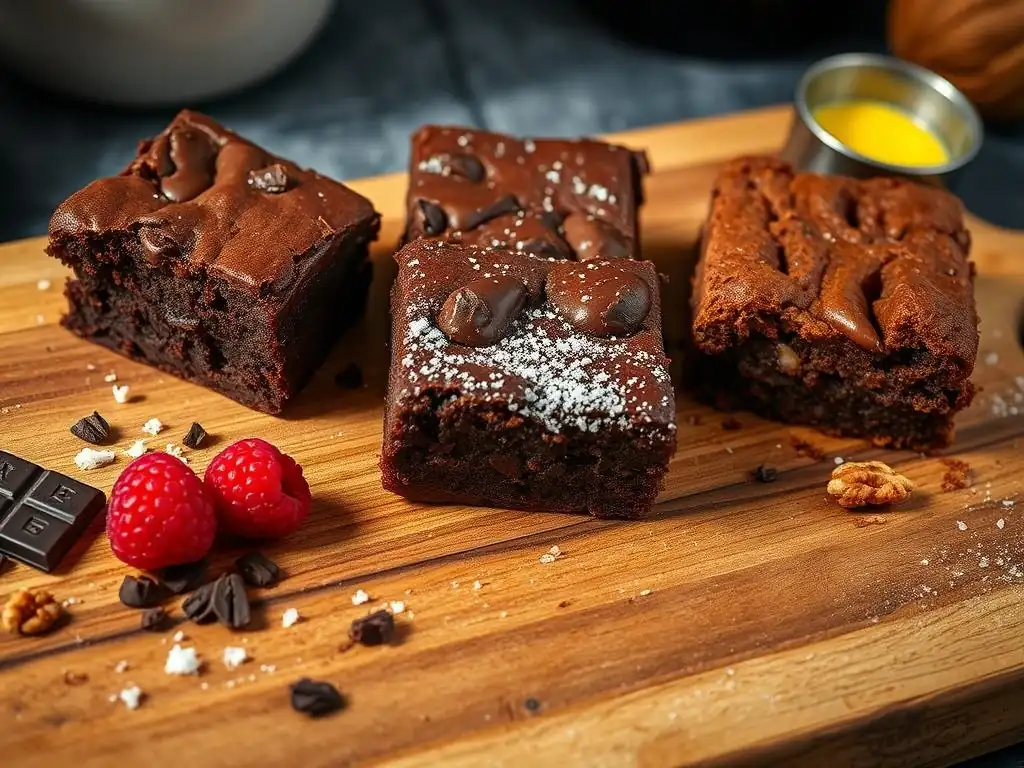
Welcome to BakeWithEase, your companion on the delicious journey of baking! Ever wondered how to achieve perfect fudgy brownies, especially if you're just starting out? Unlock the secrets to our irresistible fudgy brownie recipe for beginners and discover the simple steps to baking success. Prepare to indulge in a chocolatey adventure that's easier than you think – let's get baking!
- Mastering Brownie Textures: Fudgy, Chewy, and Cakey
- Understanding Brownie Textures
- Fudgy Brownie Recipe: A Dark Chocolate Delight
- Chewy Brownie Recipe: A Balanced Chocolate Experience
- Cakey Brownie Recipe: A Light and Delicate Treat
- Brownie Baking Troubleshooting: Preventing Common Issues
- Enhancing Your Brownies: Add-Ins and Flavor Combinations
- Serving and Storing Brownies
-
Frequently Asked Questions
- What makes a brownie fudgy versus cakey?
- Can I use different types of chocolate in the fudgy brownie recipe for a different flavor?
- What are some common mistakes beginners make when baking fudgy brownies?
- Is it necessary to chill the brownie batter before baking for the fudgy brownie recipe?
- How do I store leftover fudgy brownies to keep them fresh?
- Final Reflection: The Enduring Allure of the Perfect Brownie
- Unlock Your Brownie Bliss: Bake the Perfect Batch Today!
Mastering Brownie Textures: Fudgy, Chewy, and Cakey
Understanding Brownie Textures
Brownies are a beloved baked treat, but their texture can vary dramatically, from intensely rich and dense to light and airy. Understanding the fundamental differences between fudgy, chewy, and cakey brownies is the first step to baking your perfect batch. These variations aren't just random outcomes; they are the result of careful control over ingredients, ratios, and baking techniques. The amount of fat, sugar, flour, eggs, and leavening agents, as well as the baking time and temperature, all play crucial roles in determining the final texture of your brownie.
The desired texture often dictates the ingredient ratios used in a recipe. For instance, a recipe aiming for fudgy brownies will typically have a higher fat-to-flour ratio and rely heavily on melted chocolate or cocoa powder for structure and richness. Conversely, a cakey brownie recipe will often incorporate more flour and rely on chemical leaveners like baking powder to achieve its lighter crumb. Recognizing these foundational principles allows bakers to not only follow a recipe but also understand why certain ingredients and steps are used, enabling them to troubleshoot or even adapt recipes to their preference.
Achieving Fudgy Brownies: The Science of Rich Chocolate
Fudgy brownies are characterized by their dense, moist, and intensely chocolatey interior, often resembling fudge more than cake. This texture is primarily achieved by minimizing flour and leavening agents while maximizing fat and chocolate content. A typical fudgy brownie recipe might use a ratio of fat (butter and chocolate combined) that is equal to or even greater than the weight of the flour. The high proportion of melted chocolate, rather than just cocoa powder, is key as it contributes cocoa butter, adding to the richness and dense structure.
The science behind the fudgy texture lies in the reduced gluten development and the high concentration of non-flour solids (chocolate, sugar). Less flour means less protein to form gluten strands, which are responsible for creating the airy, open structure found in cakes. The significant amount of fat also inhibits gluten formation by coating the flour particles.
Furthermore, the higher sugar content contributes to moisture retention and a tender crumb, while baking them just enough (or even slightly underbaking) ensures they remain incredibly moist and dense once cooled. For beginners aiming for that decadent fudgy brownie, focusing on these ingredient ratios and avoiding overbaking is paramount.
Creating Chewy Brownies: The Role of Gluten and Moisture
Chewy brownies strike a balance between fudgy and cakey, offering a satisfying resistance when bitten into. This texture is often achieved by a combination of specific ingredient ratios and baking techniques that promote controlled gluten development and manage moisture. Recipes for chewy brownies often use a slightly higher proportion of flour compared to fudgy versions, allowing for some gluten network to form. The type of sugar used also matters; a mix of granulated sugar and brown sugar is common, with brown sugar contributing moisture and chewiness due to its molasses content.
Furthermore, techniques like melting butter rather than creaming it with sugar can affect chewiness. Melted butter coats flour particles more thoroughly, initially inhibiting some gluten development, but the overall structure relies on the gluten formed from the balanced flour content. Eggs also play a role; using a combination of whole eggs and an extra egg yolk is a common strategy.
The extra yolk adds fat and richness, while the protein from the egg whites contributes to structure and chewiness. Baking chewy brownies typically involves a slightly longer baking time than fudgy ones, allowing the edges to set while the center remains moist.
Baking Cakey Brownies: Leavening and Air Incorporation
Cakey brownies are the closest relative to traditional cake, featuring a lighter, more open crumb structure. This texture is primarily achieved through a higher proportion of flour and the significant use of chemical leaveners, typically baking powder, and sometimes baking soda.
These leavening agents create carbon dioxide gas during baking, which expands and causes the batter to rise, resulting in a less dense, more airy texture similar to a standard cake. Creaming butter and sugar together is also a common technique in cakey brownie recipes, as it incorporates air into the batter early on, further contributing to the lift and tender crumb.
The ingredient ratios in cakey brownies lean towards more flour and less fat (specifically, less melted chocolate or cocoa butter) compared to their fudgy or chewy counterparts. This higher flour content provides the necessary structure to support the air pockets created by the leaveners and creaming process. Eggs are crucial for structure as well, and sometimes an extra egg white is added to promote a drier, more cake-like crumb. Baking cakey brownies generally requires baking them until a toothpick inserted into the center comes out clean, indicating they are fully set and have developed their characteristic crumb structure.
Fudgy Brownie Recipe: A Dark Chocolate Delight
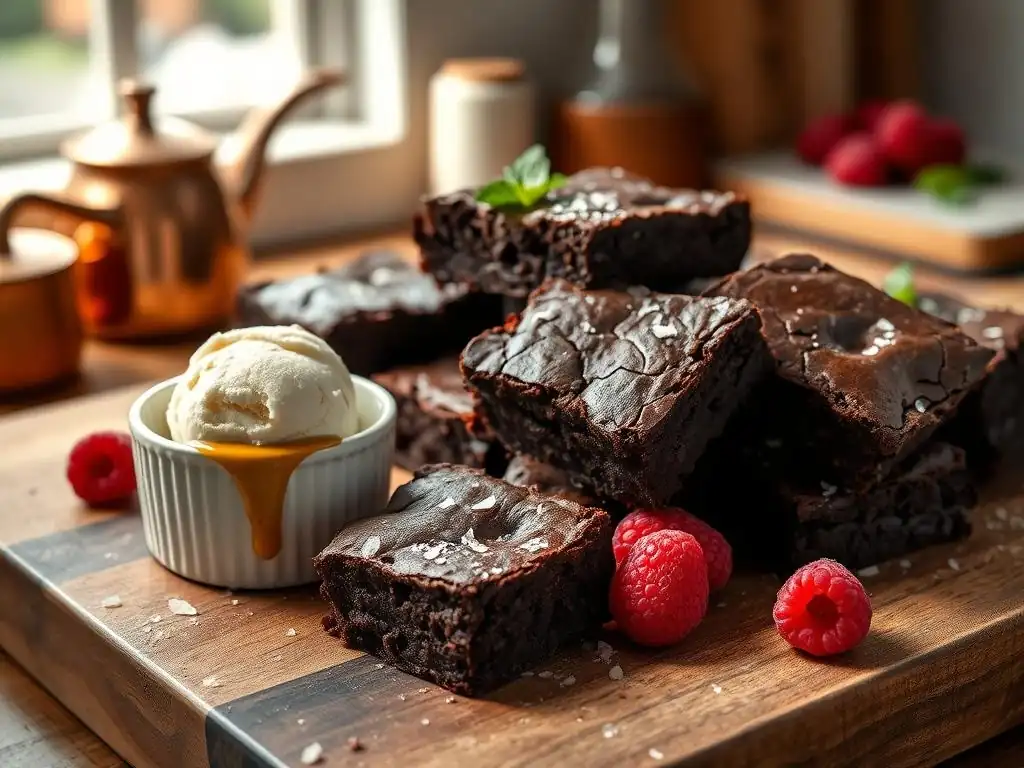
For those seeking the ultimate in rich, dense chocolate indulgence, a fudgy brownie is the answer. This type of brownie prioritizes intense chocolate flavor and a melt-in-your-mouth texture over a light, airy crumb. It's often the goal for many home bakers, especially beginners, as the appeal of a truly fudgy result is undeniable. Mastering a fudgy brownie recipe for beginners involves understanding the simple science described earlier: high fat, high chocolate, low flour, and minimal leavening.
This section provides a guide to creating intensely fudgy brownies, focusing on the key ingredients and techniques that deliver that sought-after texture. We'll outline the typical components and then walk through the steps, highlighting the critical points that ensure your brownies turn out perfectly dense and moist, not dry or crumbly. If you're new to baking and want to make a spectacular chocolate dessert, this fudgy brownie recipe for beginners is a fantastic starting point.
Ingredients for Intense Fudgy Brownies
Achieving intense fudginess starts with the right foundation of ingredients, focusing on quality and quantity. A classic fudgy brownie recipe for beginners often calls for a significant amount of chocolate, typically using both melted unsweetened or bittersweet chocolate and cocoa powder for layered depth of flavor and richness. Butter is the primary fat, providing moisture and contributing to the dense texture. Granulated sugar is common, sometimes with a touch of brown sugar for added moisture.
Other essential components include eggs (often more yolks than whites relative to a cake recipe) for richness and binding, a small amount of flour for structure (often just enough to hold it together), a pinch of salt to enhance the chocolate flavor, and vanilla extract for aroma. Leavening agents like baking powder are either used in very small amounts or omitted entirely to prevent the brownies from rising too much and becoming cakey.
For a standard 8x8 inch pan, you might expect to use around 8-10 ounces of chocolate, 1 cup (2 sticks) of butter, 1.5-2 cups of sugar, 3-4 large eggs, and only about 1 cup of flour.
Step-by-Step: Baking Rich Fudgy Brownies
Baking rich fudgy brownies involves a straightforward process that minimizes mixing and focuses on gentle handling to avoid developing too much gluten. The typical steps begin with melting the chocolate and butter together. This can be done gently over a double boiler or carefully in a microwave, stirring frequently until smooth. Once melted and slightly cooled, sugar is usually stirred in.
Next, the eggs are whisked in one at a time, followed by vanilla extract. It's important not to over-whisk the eggs, as excessive air incorporation can lead to a less dense texture. Finally, the dry ingredients (flour, cocoa powder if using, salt) are gently folded into the wet ingredients until just combined.
Lumps of flour are acceptable; overmixing is the enemy of fudginess. The batter is then poured into a prepared baking pan (often lined with parchment paper for easy removal) and baked at a moderate temperature, typically around 325°F to 350°F (160°C to 175°C), until the edges are set but the center still looks slightly moist and maybe even a bit wobbly.
Tips for Maximizing Fudgy Texture
To truly master that desirable fudgy texture, especially if you're a beginner tackling your first fudgy brownie recipe, a few key tips can make all the difference. First, use high-quality chocolate; the better the chocolate, the richer and more intense the flavor and the smoother the texture. Resist the urge to add extra flour, even if the batter seems wet; this high-fat, low-flour ratio is what creates the fudginess.
Second, pay close attention to baking time. Fudgy brownies are best when slightly underbaked. When testing for doneness, the edges should be set, but a toothpick inserted into the center should come out with moist crumbs attached, not clean like a cake. Overbaking is the most common mistake that turns fudgy brownies dry and cakey.
Cooling is also crucial; allow the brownies to cool completely in the pan before cutting. As they cool, the residual heat continues to cook them gently, and the structure sets, resulting in that dense, fudgy consistency. For a truly decadent result, chilling the cooled brownies in the refrigerator for an hour or two before cutting can enhance the fudginess.
Chewy Brownie Recipe: A Balanced Chocolate Experience
Chewy brownies offer a delightful contrast of textures – a slightly crispy edge giving way to a dense, moist, and pleasantly resistant interior. They are a popular choice for those who find fudgy brownies a bit too rich and cakey ones too dry. Crafting chewy brownies involves manipulating the balance of ingredients, particularly flour and fat, and employing techniques that encourage a specific type of structure development during baking.
This guide provides the framework for a classic chewy brownie recipe. We will detail the typical ingredients used and the baking process, emphasizing the steps and conditions that contribute to that perfect chew. While perhaps not the first texture a beginner might target compared to the popular fudgy brownie recipe beginners often seek, understanding how to achieve chewiness adds another dimension to your baking skills.
Ingredients for Perfectly Chewy Brownies
Creating perfectly chewy brownies relies on a careful balance of ingredients. A common approach involves using melted butter (which helps create a denser, chewier texture than creamed butter) combined with a mix of granulated sugar and brown sugar. The molasses in brown sugar adds moisture and contributes significantly to the chewiness. Flour content is higher than in fudgy brownies but lower than in cakey ones, providing enough structure without becoming bread-like.
Eggs are crucial, often using a combination of whole eggs and an extra egg yolk to add richness and promote chewiness. Cocoa powder is the primary source of chocolate flavor in many chewy recipes, though some may include a small amount of melted chocolate.
Leavening (baking powder or baking soda) is typically used sparingly, just enough to provide a slight lift without creating a fully cakey crumb. For an 8x8 inch pan, you might use around 1 cup (2 sticks) of melted butter, 1.5 cups of a sugar mix (e.g., 1 cup granulated, 0.5 cup brown), 2 large eggs plus 1 egg yolk, and about 1.5 cups of flour.
Baking Instructions: Creating Chewy Brownies
Baking chewy brownies involves steps that build structure and manage moisture effectively. Begin by melting the butter, then stir in both granulated and brown sugars. This mixture is often heated gently for a minute or two and stirred vigorously, which helps dissolve the sugar and contributes to a glossy, chewy texture. Once slightly cooled, whisk in the eggs and the extra egg yolk, followed by vanilla extract.
In a separate bowl, whisk together the dry ingredients: flour, cocoa powder, salt, and a small amount of baking powder if the recipe calls for it. Gradually add the dry ingredients to the wet ingredients, mixing until just combined. As with fudgy brownies, avoid overmixing. Pour the batter into a prepared pan and bake at a moderate temperature, typically around 350°F (175°C). The baking time is usually longer than for fudgy brownies, often 25-30 minutes for an 8x8 inch pan, until the edges are set and the center is mostly set but still looks moist.
Achieving Optimal Chewiness: Baking and Cooling Techniques
Optimizing chewiness goes beyond just ingredient ratios; baking temperature and time are critical. Baking at a moderate temperature (around 350°F/175°C) allows the edges to set and develop a slight crispness while the interior cooks through to a dense, chewy state. Testing for doneness is key: a toothpick inserted near the edge should come out clean, but one inserted in the center should still have moist crumbs attached, similar to fudgy, but perhaps slightly less "wet."
Cooling methods also impact chewiness. Allowing the brownies to cool completely in the pan is essential. As they cool, moisture redistributes, and the structure firms up, enhancing the chewy texture. Some bakers even advocate for chilling chewy brownies after cooling to fully set the structure and enhance the chew. Cutting cooled brownies with a sharp knife also ensures clean slices without squishing the dense, chewy interior.
Cakey Brownie Recipe: A Light and Delicate Treat
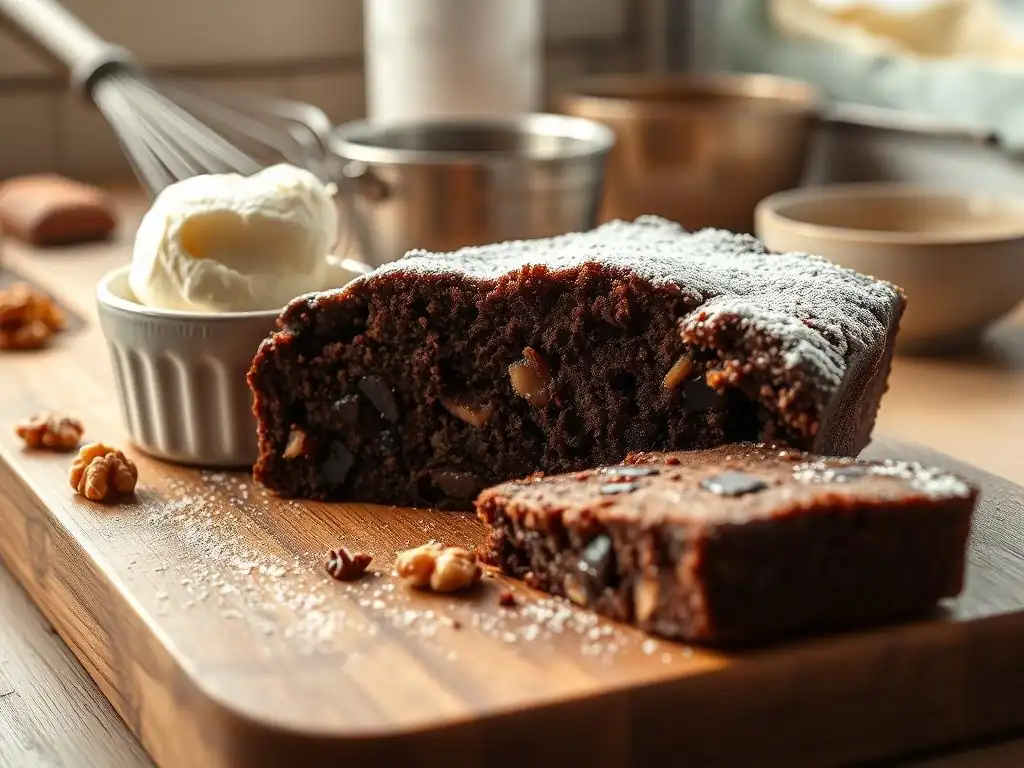
Cakey brownies offer a lighter, more delicate alternative to their denser counterparts. They resemble a rich chocolate cake and appeal to those who prefer a softer, less intense dessert. Achieving this texture involves techniques and ingredients that promote aeration and structure, moving away from the high-fat, low-structure approach of fudgy brownies.
This section outlines how to bake cakey brownies, detailing the ingredients that provide lift and structure, and the baking process that encourages a cake-like crumb. While the focus for many beginners might be a fudgy brownie recipe, understanding the principles behind cakey brownies expands your baking repertoire and allows you to cater to different preferences.
Ingredients for Soft Cakey Brownies
Soft, cakey brownies rely on a higher proportion of flour and the use of leavening agents to achieve their signature crumb. The fat source is often butter, which is creamed with sugar rather than melted. This creaming process incorporates air, contributing to the batter's lift. Sugar content is balanced, often using granulated sugar.
Flour is a primary component, providing the structure needed to hold the air pockets created by leavening. Chemical leaveners, such as baking powder (usually 1-2 teaspoons per cup of flour), are essential for generating the gas that makes the brownies rise. Eggs are crucial for both structure and moisture, and some recipes might call for an extra egg white to contribute to a drier, more open crumb.
Cocoa powder is the typical source of chocolate flavor, rather than large amounts of melted chocolate. For an 8x8 inch pan, you might use around 0.5-0.75 cups (1-1.5 sticks) of butter, 1.5-2 cups of sugar, 2 large eggs (possibly plus an extra white), 1.5-2 cups of flour, and 1-2 teaspoons of baking powder.
Baking Instructions: Creating Cakey Brownies
Baking cakey brownies follows a method similar to baking a standard cake, focusing on aeration and proper development of the gluten structure. Begin by creaming the softened butter with the sugar until light and fluffy. This step is crucial for incorporating air, which contributes to the cakey texture. Beat in the eggs one at a time, ensuring each is fully incorporated before adding the next, and adding vanilla extract.
In a separate bowl, whisk together the dry ingredients: flour, cocoa powder, baking powder, and salt. Gradually add the dry ingredients to the wet mixture, alternating with a liquid like milk or buttermilk if the recipe calls for it, starting and ending with the dry ingredients. Mix until just combined; overmixing can develop tough gluten strands. Pour the batter into a prepared pan and bake at a moderate temperature, typically 350°F (175°C), until a toothpick inserted into the center comes out clean.
Achieving the Ideal Cakey Texture
To ensure your brownies turn out perfectly cakey, focus on two main aspects: proper leavening activation and baking until fully set. Ensure your baking powder is fresh, as its effectiveness diminishes over time, impacting the brownies' rise. Accurate measurement of flour and leavening is also key; too little flour results in a denser texture, while too much leavening can lead to a crumbly result.
Baking temperature and time are important for developing the cakey crumb. Baking at 350°F (175°C) is standard, allowing the leaveners to work effectively and the structure to set. Bake until a toothpick inserted into the center comes out clean or with only a few dry crumbs attached. Unlike fudgy or chewy brownies, a clean toothpick indicates doneness for a cakey texture. Cooling completely in the pan is still recommended, but the structure is less dependent on chilling for setting compared to fudgy types.
Brownie Baking Troubleshooting: Preventing Common Issues
Even with a great recipe, baking brownies can sometimes present challenges. Understanding common issues and how to address them is part of becoming a confident baker, whether you're trying a fudgy brownie recipe beginners often attempt or tackling a more complex variation. Most problems relate to texture – brownies that are too dry, too gooey, or unexpectedly cakey.
Identifying the likely cause of the issue is the first step to fixing it in future batches. Often, the problem stems from ingredient ratios, mixing technique, or, most commonly, baking time and temperature. Learning to recognize the signs of under- or overbaking is crucial for consistent results across all brownie textures.
Addressing Dry Brownies
If your brownies turn out dry and crumbly, the most likely culprit is overbaking. Baking for too long or at too high a temperature evaporates too much moisture, resulting in a dry texture. This is particularly a risk when aiming for fudgy or chewy brownies, which rely on residual moisture for their texture.
- Solution: Reduce baking time and/or oven temperature in future attempts. Start checking for doneness a few minutes earlier than the recipe suggests. Learn the visual cues for the desired texture (e.g., set edges, slightly wobbly center for fudgy/chewy; clean toothpick for cakey) rather than relying solely on time. Ensure your oven temperature is accurate; an oven thermometer can help identify if your oven runs hot. Using the correct amount of fat and sugar as specified in the recipe is also vital, as these contribute significantly to moisture.
Correcting Gooey Brownies
While slightly underbaked is desirable for fudgy brownies, excessively gooey or raw centers indicate underbaking. This can happen if the baking time is too short, the oven temperature is too low, or if using a pan size different from the recipe (a larger pan might require less time, a smaller, deeper pan more time).
- Solution: Increase baking time or slightly increase oven temperature. If the edges are browning too quickly while the center is still raw, loosely tent the pan with aluminum foil to protect the edges and allow the center to continue baking. Ensure your oven is preheated properly. For very deep brownies, a lower temperature for a longer time can help ensure the center cooks through without overbaking the edges. Using room temperature ingredients can also promote even baking.
Avoiding Overly Cakey Brownies
Sometimes, even when following a recipe intended for fudgy or chewy brownies, they turn out cakey. This often points to too much flour, too much leavening, overmixing the batter, or incorporating too much air during the mixing process.
- Solution: Carefully measure your flour using the spoon-and-level method to avoid adding too much. Double-check the recipe for leavening agents; some fudgy or chewy recipes use none or only a tiny pinch. Avoid overmixing the batter once the dry ingredients are added; mix only until just combined. If the recipe involves melting butter and chocolate, stick to that method rather than creaming, which incorporates more air. Ensure you are using the correct type and quantity of eggs specified, as extra egg whites can contribute to a cakey texture.
Enhancing Your Brownies: Add-Ins and Flavor Combinations
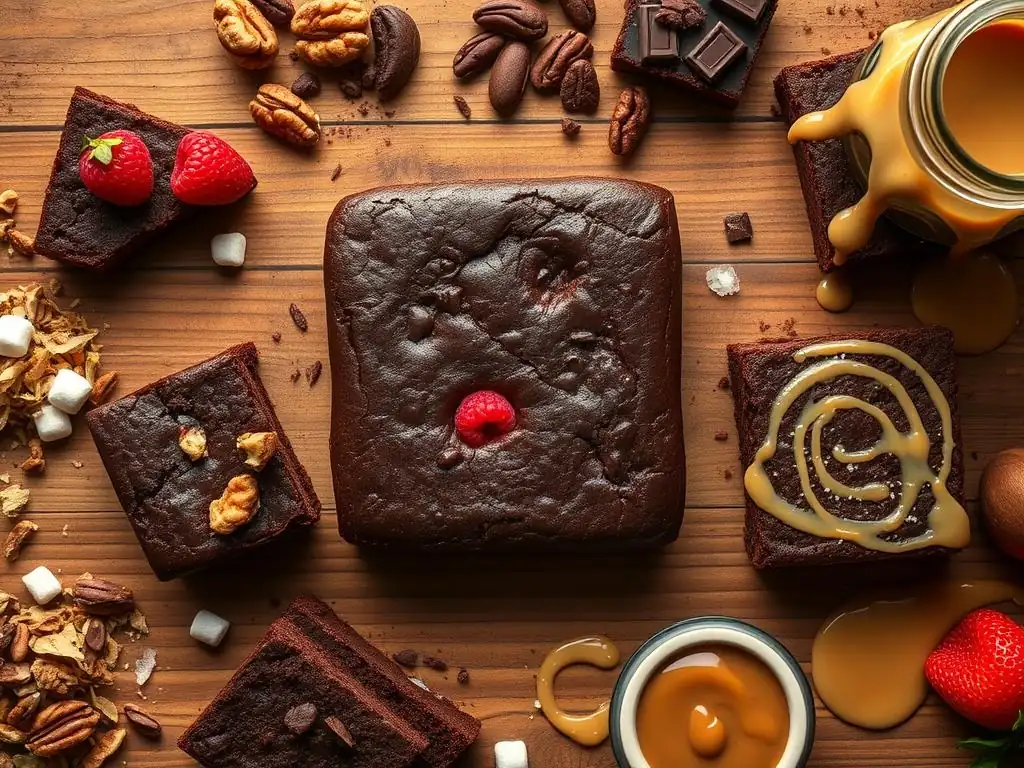
Once you've mastered the basic textures, exploring add-ins and flavor combinations can elevate your brownies from delicious to extraordinary. Whether you've successfully baked a fudgy brownie recipe beginners adore or perfected your chewy or cakey version, these additions allow for endless creativity and personalization.
From classic nuts and chocolate chunks to more adventurous swirls and infusions, add-ins can introduce new textures, intensify chocolate flavor, or bring entirely new dimensions to your bake. They also offer a simple way to adapt a basic recipe to suit different tastes and occasions.
Incorporating Nuts, Chocolate Chunks, and Swirls
Adding components like nuts, chocolate chunks, or swirls introduces delightful textural and flavor contrasts. Walnuts and pecans are classic choices, providing a satisfying crunch that plays well against a soft or chewy brownie interior. They can be folded directly into the batter or sprinkled on top before baking. A typical addition might be 1/2 to 1 cup of chopped nuts for an 8x8 inch pan.
Chocolate chunks or chips, especially if they are larger or of a different chocolate type (like white chocolate in dark chocolate brownies), create pockets of melted or semi-melted chocolate, adding intense flavor and a gooey texture variation. Using about 1 cup of chunks is common. Swirls, such as caramel, peanut butter, or cream cheese, are added by dolloping the mixture onto the batter in the pan and swirling gently with a knife or skewer. This creates beautiful patterns and integrates complementary flavors throughout the brownie.
Exploring Chocolate Varieties for Diverse Flavors
The type of chocolate used significantly impacts the flavor profile of your brownies. Using bittersweet or unsweetened chocolate results in a deep, intense, less sweet chocolate flavor, ideal for fudgy brownies where chocolate is the star. Semi-sweet chocolate provides a classic, balanced chocolate taste.
For a sweeter, milder chocolate flavor, milk chocolate can be used, though it contains more sugar and less cocoa solids, potentially affecting texture if substituted directly in large quantities in recipes designed for darker chocolate. White chocolate, technically not chocolate but cocoa butter, sugar, and milk solids, offers a sweet, creamy contrast, perfect for swirls or chunks in dark chocolate brownies. Experimenting with different cocoa percentages (e.g., 60%, 70%, 85% cacao) in bittersweet or unsweetened chocolate can also fine-tune the intensity of the chocolate flavor.
Infusing Brownies with Coffee, Espresso, or Salted Caramel
Beyond solid add-ins, infusing your brownie batter with liquids or pastes can introduce complex flavor layers. Coffee or espresso is a natural partner to chocolate, enhancing its depth. Strong brewed coffee or espresso can sometimes replace a small amount of liquid in a recipe, or espresso powder can be added directly to the dry ingredients (e.g., 1-2 teaspoons per batch).
Salted caramel is another popular infusion. A thick caramel sauce, often homemade or high-quality store-bought, can be swirled into the batter before baking. The salt in the caramel brightens and contrasts with the sweetness of the chocolate. Other flavor infusions include a touch of peppermint extract for mint chocolate brownies, orange zest for a citrusy note, or a swirl of raspberry jam for fruity brightness.
Serving and Storing Brownies
Once your brownies are baked and cooled to perfection, how you cut, serve, and store them can impact their enjoyment. Proper handling ensures they maintain their ideal texture and flavor. Whether they are fudgy, chewy, or cakey, a little care goes a long way in preserving their deliciousness.
Presentation matters too, especially if serving to guests. Simple techniques can make your homemade brownies look as good as they taste. And knowing how to store them correctly ensures you can savor every last piece without them drying out or losing their appeal.
Cutting and Plating Techniques
Cutting brownies cleanly can sometimes be a challenge, especially with very fudgy or gooey textures. Allow the brownies to cool completely in the pan before cutting. For the cleanest cuts, chill the cooled brownies in the refrigerator for at least 30 minutes, or even an hour or two, before slicing. This firms them up and reduces crumbling or sticking.
Use a large, sharp knife, preferably one that is non-serrated. For the neatest squares, wipe the knife clean with a damp cloth after each cut. Plating can be simple: arrange squares on a plate, perhaps dusting with a little powdered sugar or cocoa powder. For an elevated presentation, serve individual brownies with a scoop of ice cream, a drizzle of chocolate sauce, or a dollop of whipped cream.
Maintaining Freshness Through Proper Storage
Proper storage is key to keeping brownies fresh and maintaining their texture. Once completely cooled, store brownies in an airtight container at room temperature. Layering them between sheets of parchment paper can prevent sticking if stacking. Stored this way, they typically stay fresh for 3-4 days.
If you need to store them longer, brownies can be refrigerated in an airtight container for up to a week. The cold can make fudgy brownies even denser and chewier, which some people prefer. For longer storage, brownies freeze exceptionally well. Wrap individual squares tightly in plastic wrap, then place them in a freezer-safe bag or container. Frozen brownies can last for 2-3 months. Thaw them at room temperature or gently warm them in a microwave or oven.
Serving Suggestions: Pairings and Presentation
Brownies are delicious on their own, but they pair beautifully with various accompaniments. A classic pairing is with a glass of cold milk or a cup of coffee or tea. The bitterness of coffee complements the sweetness of chocolate wonderfully.
For a dessert experience, serving brownies warm with a scoop of vanilla ice cream creates a delightful hot-and-cold contrast, with the ice cream melting slightly into the warm brownie. A drizzle of chocolate sauce, caramel sauce, or a sprinkle of sea salt can add an extra touch of flavor and visual appeal. Consider serving different brownie textures side-by-side to let people compare and find their favorite!
Frequently Asked Questions
What makes a brownie fudgy versus cakey?
The ratio of fat to flour is crucial. More fat, often from butter or chocolate, results in a fudgy brownie. Less fat and more flour creates a cakey texture.
Can I use different types of chocolate in the fudgy brownie recipe for a different flavor?
Yes, absolutely! Experimenting with different chocolates, like dark chocolate or milk chocolate, will definitely alter the flavor profile. Just be mindful of the sugar content of each type.
What are some common mistakes beginners make when baking fudgy brownies?
Overbaking is a frequent issue, as it can lead to dry brownies. Also, using the wrong pan size can affect the baking time and texture. Always check for doneness with a toothpick.
Is it necessary to chill the brownie batter before baking for the fudgy brownie recipe?
While not always essential, chilling the batter for at least 30 minutes can enhance the fudgy texture. This allows the fat to solidify, preventing the brownies from spreading too thin.
How do I store leftover fudgy brownies to keep them fresh?
Store leftover brownies in an airtight container at room temperature for up to 3 days. You can also freeze them for longer storage; just wrap them individually to prevent freezer burn.
Final Reflection: The Enduring Allure of the Perfect Brownie
The journey to the perfect brownie is, ultimately, a journey of personal preference. From the intensely fudgy depths to the delightfully cakey heights, the world of brownies offers a spectrum of textures and tastes that cater to every palate. But beyond the simple act of baking, understanding the science behind achieving your ideal brownie unlocks a deeper appreciation for the culinary arts and the power of precise ingredients.
The quest for the perfect brownie transcends mere recipe following; it's a reflection of our individual desires and the comfort we find in familiar tastes. The brownie, in its seemingly simple form, has become a cultural icon, a symbol of celebration and comfort. A brownie is a little bit of heaven on earth.
– Unknown. This simple statement speaks volumes about the emotional connection we forge with this seemingly simple dessert. The enduring popularity of the brownie, its adaptability to various dietary needs and preferences, and its ability to evoke strong nostalgic feelings all contribute to its continued reign as a beloved treat.
Now, armed with the knowledge gleaned from this exploration of brownie baking, I invite you to embark on your own culinary adventure. Don't be afraid to experiment, to tweak the ratios, to embrace the occasional mishap. The true reward lies not just in the perfectly baked square, but in the journey of discovery, the satisfaction of creating something delicious, and the joy of sharing it with those you love. So, go forth, bake your perfect brownie, and savor every delicious bite!
Unlock Your Brownie Bliss: Bake the Perfect Batch Today!
Thanks for joining us on this delicious journey into the world of brownies! We hope you now have the confidence to create the perfectly textured treat, no matter your preferred style. Ready to put your new skills to the test?
- Bake your dream brownies today! Grab your ingredients and let's get baking. Try out one of the recipes mentioned in the article, or experiment with your own variations!
- Share your brownie masterpiece! Snap a picture and post it on social media using #BakeWithEaseBrownies. Let's see your fudgy, chewy, or cakey creations!
- Explore more delicious baking recipes on our website. We've got plenty of sweet treats waiting for you!
So, what incredible brownie flavor and texture are you going to create first? Let's hear about it in the comments!