
Storing Leftover Fruit Pie: Keep it Fresh

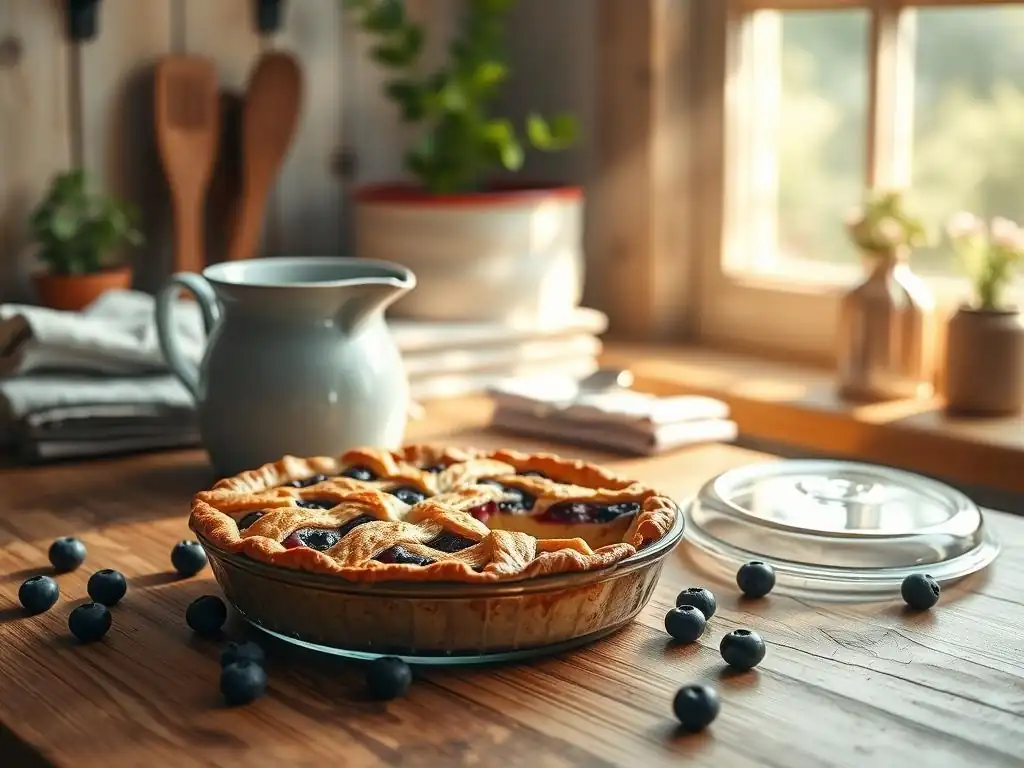
Welcome to BakeWithEase.com, your haven for all things baking! Discover the secrets to creating delectable treats with our easy-to-follow recipes and expert advice. Ever wondered how to keep that perfectly baked fruit pie tasting just as good the next day? Our latest article dives into essential fruit pie storage tips, ensuring your delicious creations stay fresh and flavorful. Get ready to unlock the secrets to preserving your pastry masterpieces and say goodbye to soggy bottoms! Read on to learn more!
- Storing Homemade Apple Pie: Keep it Fresh | BakeWithEase
- Introduction: Preserving Your Perfect Apple Pie
- Understanding Apple Pie Spoilage: What Makes Pie Go Bad?
- Apple Pie Storage Methods: Keeping Your Pie Delicious Longer
- Essential Apple Pie Storage Tips for Optimal Freshness
- Troubleshooting Common Apple Pie Storage Problems
- Conclusion: Enjoying Fresh Apple Pie Every Time
- Frequently Asked Questions
- Final Reflection: The Sweet Science of Pie Preservation
- Unlock Your Pie's Potential: Keep it Delicious!
Storing Homemade Apple Pie: Keep it Fresh | BakeWithEase
Introduction: Preserving Your Perfect Apple Pie
You’ve just pulled a beautiful, bubbling apple pie from the oven. The aroma fills your kitchen, and you enjoy a warm slice. But what about the rest? Storing leftover fruit pie correctly is key to enjoying its deliciousness for as long as possible and ensuring food safety. A little knowledge about how to properly store your homemade creation can make all the difference, preventing sogginess, dryness, and spoilage.
Understanding Apple Pie Spoilage: What Makes Pie Go Bad?
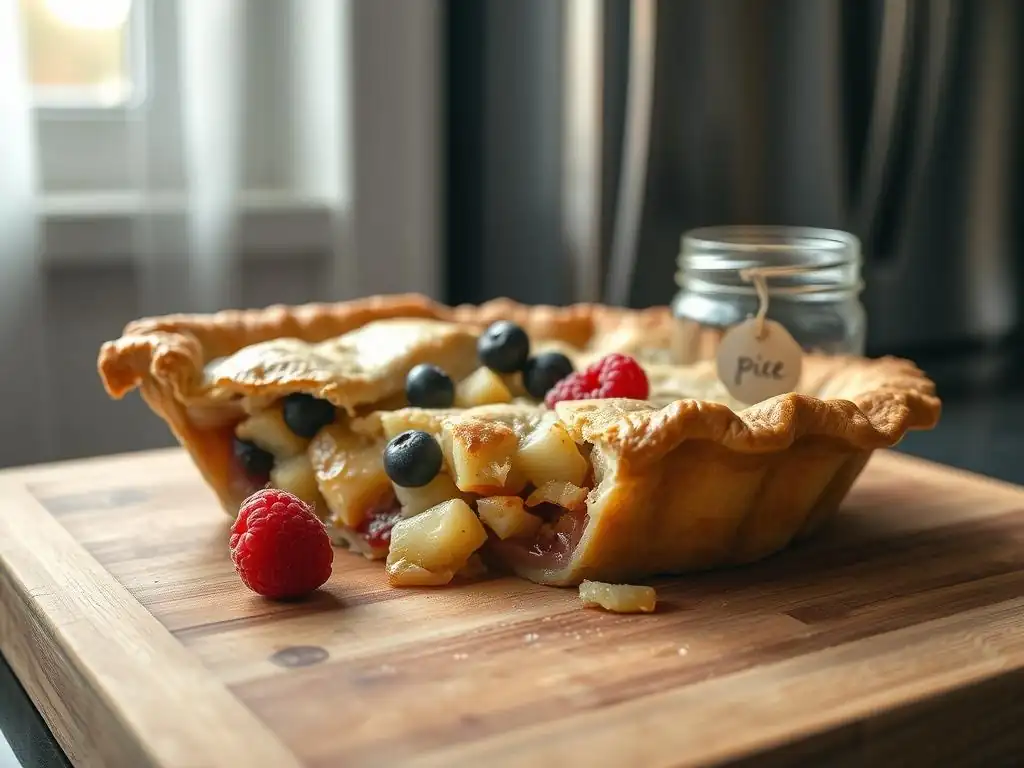
Even the most perfect apple pie won't last forever. Several factors contribute to its eventual decline in quality and safety. Understanding these elements helps you implement the best fruit pie storage tips to extend its life. The combination of moisture from the filling, exposure to air, and temperature all play significant roles in how quickly your pie begins to spoil.
Factors Affecting Apple Pie Freshness
The primary factors influencing how long your apple pie stays fresh are moisture content, air exposure, and temperature. Apple pie filling contains a significant amount of water released from the fruit as it cooks. This moisture can migrate to the crust, making it soggy over time.
Exposure to air leads to oxidation, which can affect the flavor and texture of both the crust and the filling, potentially causing the crust to dry out or the apples to darken. Temperature is perhaps the most critical factor; warmer temperatures accelerate bacterial growth, significantly reducing the safe storage time for any fruit pie. For instance, leaving a pie out at typical room temperature (around 70°F or 21°C) allows bacteria to multiply rapidly after just a couple of hours.
Another factor is the ingredients used in the pie. While the high sugar content in apple pie filling can act as a mild preservative, it's not enough to make the pie shelf-stable indefinitely, especially if the recipe includes dairy or eggs (though traditional apple pie often doesn't). The acidity of the apples helps somewhat, but the overall moisture and carbohydrate levels provide a hospitable environment for microbial growth if not stored properly. Understanding these elements is the first step in mastering effective fruit pie storage tips for your homemade creations.
Identifying Signs of Spoiled Apple Pie
Knowing how to spot a spoiled apple pie is crucial for food safety. The most obvious sign of spoilage is the presence of visible mold, which can appear as fuzzy spots of various colors, including white, green, or black, often on the crust or surface of the filling.
Another clear indicator is an off or unpleasant smell; a fresh apple pie smells sweet and spicy, while a spoiled one might have a sour, musty, or yeasty odor. The texture can also change significantly; the crust might become excessively soft and slimy in areas, or the filling might seem unusually mushy or separated.
Even without visible mold or a strong odor, if the pie has been left at unsafe temperatures for too long (e.g., over two hours at room temperature), it should be discarded due to potential bacterial growth that you cannot see or smell. When in doubt, it's always best to err on the side of caution. If your apple pie looks or smells suspicious, or if you're unsure about its storage history, it's safer to discard it rather than risk getting sick. These simple checks are vital fruit pie storage tips for ensuring the safety of your leftovers.
Apple Pie Storage Methods: Keeping Your Pie Delicious Longer
Once your apple pie has cooled, choosing the right storage method is paramount. The best approach depends largely on how soon you plan to finish it. Different techniques offer varying levels of preservation, from short-term enjoyment at room temperature to long-term freezing solutions. Implementing the correct fruit pie storage tips right after baking will help maintain that wonderful homemade quality.
Room Temperature Storage: When is it Safe?
According to food safety guidelines, perishable foods, including most fruit pies, should not be left at room temperature for more than two hours. This is because temperatures between 40°F and 140°F (4°C and 60°C) are considered the "danger zone" where bacteria multiply rapidly. While some very specific fruit pies with high sugar/acid ratios and no dairy or eggs might technically be safe slightly longer, it's generally recommended to refrigerate apple pie after it has completely cooled to ensure safety and preserve quality. Leaving it out overnight, for example, is typically not advised.
If you do plan to serve slices within a couple of hours of cooling, cover the pie loosely with foil or plastic wrap to protect it from dust and pests. However, for any storage beyond this brief window, refrigeration is the necessary next step. Relying solely on room temperature storage for more than a few hours significantly increases the risk of spoilage and potential foodborne illness, overriding any other careful fruit pie storage tips you might follow.
Refrigerating Apple Pie: The Best Way to Maintain Freshness
Refrigeration is the most recommended method for storing homemade apple pie to keep it fresh for several days. Storing the pie at temperatures below 40°F (4°C) significantly slows down bacterial growth and helps preserve the texture and flavor of both the crust and the filling. Properly stored in the refrigerator, an apple pie can typically last for 3 to 5 days while maintaining good quality. This is a staple among effective fruit pie storage tips for short to medium-term preservation.
Proper Cooling Before Refrigeration
Before placing your apple pie in the refrigerator, it is absolutely essential that it cools completely to room temperature. Placing a warm or hot pie directly into the fridge can raise the internal temperature of the refrigerator, potentially putting other foods at risk. It also creates condensation within the pie container, which can make the bottom crust excessively soggy. Allow the pie to cool on a wire rack for at least 2-4 hours, or until the pie dish feels cool to the touch. Ensure it is uncovered during this initial cooling period to allow steam to escape.
How to Wrap Apple Pie for Refrigeration: Preventing a Soggy Crust
To prevent your apple pie from drying out or absorbing odors in the refrigerator, proper wrapping is key. Once completely cool, you can wrap the entire pie tightly in plastic wrap, then add a layer of aluminum foil for extra protection. Alternatively, and often preferably, store individual slices or the whole pie (if space allows) in an airtight container.
Using an airtight container is particularly effective at preventing moisture loss and keeping the crust from becoming rubbery. Avoid simply covering it loosely with foil, as this allows too much air circulation, which can dry out the crust and filling over time. These wrapping techniques are essential fruit pie storage tips for maintaining quality.
Reheating Refrigerated Apple Pie: Restoring the Texture
Reheating refrigerated apple pie can help restore some of its original warmth and crispness. For the best results, avoid the microwave, which tends to make the crust soggy. Instead, preheat your oven to a moderate temperature, around 300-350°F (150-175°C).
Place slices on a baking sheet or put the whole pie back in its dish (if oven-safe) and warm for about 10-15 minutes for slices, or 20-30 minutes for a whole pie, until heated through. This gentle heating method helps to re-crisp the crust and warm the filling without overcooking it. An air fryer can also work well for individual slices, often taking only 3-7 minutes at a similar temperature.
Freezing Apple Pie: Long-Term Storage Solutions
If you won't be able to finish your apple pie within a few days, freezing is an excellent option for long-term storage. Freezing halts microbial activity and significantly extends the shelf life while preserving much of the quality. A properly frozen apple pie can maintain good quality for about 3 to 4 months, although it can remain safe to eat for longer (the quality might just decline). This method is a fantastic way to save homemade pie for future enjoyment and is a top recommendation among fruit pie storage tips for extended periods.
Preparing Apple Pie for Freezing
For freezing a whole baked apple pie, first ensure it is completely cooled, just as you would for refrigeration. Then, wrap it very securely to prevent freezer burn. Start with several layers of plastic wrap, ensuring there are no gaps. Follow this with a layer of heavy-duty aluminum foil or place the wrapped pie inside a freezer-safe bag or container.
This double-layer protection is crucial for keeping air out. For freezing individual slices, wrap each slice tightly in plastic wrap and then foil, or place them in a single layer in an airtight container with parchment paper between layers. Label the package with the contents ("Apple Pie") and the date to easily track its freezer life.
Thawing Frozen Apple Pie: Maintaining Quality
Thawing a frozen apple pie correctly helps preserve its texture and prevent a watery filling. The safest and recommended method is to thaw the pie slowly in the refrigerator. Transfer the wrapped frozen pie to the refrigerator and let it thaw overnight, which typically takes about 6-12 hours for a whole pie, or a few hours for slices. Avoid thawing at room temperature, as this can lead to condensation and potential bacterial growth on the surface as it warms up. Once thawed, the pie should be treated like a fresh pie and consumed within 3-5 days.
Baking Frozen Apple Pie: A Convenient Option
One of the great benefits of freezing apple pie is the option to bake it directly from frozen. This is especially convenient if you froze an unbaked pie, but it also works for baked pies you want to serve warm and fresh. For a whole baked pie being reheated from frozen, remove all the wrapping and place it on a baking sheet.
Tent it loosely with foil to prevent the crust from burning. Bake in a preheated oven at a lower temperature, such as 350°F (175°C), for a longer time than usual – often 45-60 minutes or until the center is heated through. Baking from frozen helps crisp up the crust nicely.
Essential Apple Pie Storage Tips for Optimal Freshness
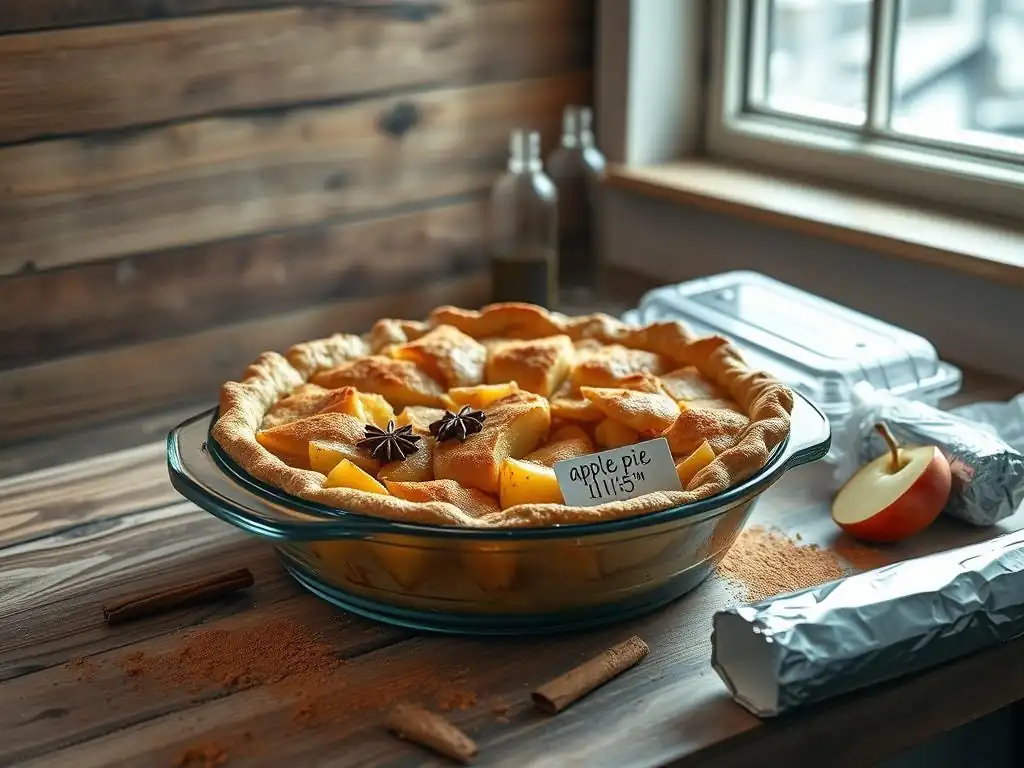
Beyond the specific methods of refrigeration and freezing, several general fruit pie storage tips can help maximize the freshness and quality of your homemade apple pie. These small practices can make a big difference in preventing common issues like sogginess or dryness and ensuring that every slice is as enjoyable as the first. Paying attention to the details of how you store your pie is just as important as the storage temperature itself.
Use Airtight Containers for Enhanced Protection
Using airtight containers is one of the most effective fruit pie storage tips. Whether you are refrigerating or freezing, storing your apple pie (or slices) in a container with a tight-fitting lid provides superior protection compared to just wrapping. Airtight containers minimize exposure to air, which reduces oxidation and prevents the crust from drying out or becoming stale.
They also create a barrier against absorbing odors from other foods in the refrigerator, such as onions, garlic, or leftovers, ensuring your pie retains its pure apple and spice flavor. Glass or high-quality plastic containers work well, provided they are appropriately sized for the pie or slices.
Avoid Storing Near Strong-Smelling Foods
This tip goes hand-in-hand with using airtight containers but is worth emphasizing. Refrigerators can harbor a variety of strong odors from different foods. Pies, particularly those with buttery crusts, can easily absorb these smells if not properly sealed. Storing your wrapped or containerized apple pie away from pungent items like leftover curries, cut onions, or strong cheeses will help maintain its intended taste. Even with good wrapping, proximity can sometimes allow subtle odor transfer over extended periods. Being mindful of where you place your pie in the fridge is a simple yet effective fruit pie storage tip.
Label and Date Your Stored Apple Pie
Always label your stored apple pie with the date it was made or stored. This simple step is invaluable, especially when using the freezer, as it helps you keep track of how long the pie has been stored and ensures you consume it within the recommended timeframe for best quality. A piece of masking tape and a marker will suffice.
Write the contents (e.g., "Apple Pie") and the date (e.g., "Made 10/27" or "Frozen 10/27"). This practice eliminates guesswork and reduces the chances of keeping pie past its prime, making it one of the most practical fruit pie storage tips for managing your baked goods.
Consider the Filling: Adjust Storage Accordingly
While these tips are generally applicable, consider the specific nature of your apple pie filling. A very juicy filling might be more prone to making the bottom crust soggy during storage compared to a thicker, more set filling.
While storage methods like refrigeration and proper wrapping help mitigate this, recognize that pies with wetter fillings might show signs of quality degradation (like a softer bottom crust) slightly sooner than those with firmer fillings, even when stored correctly. If you know your filling is particularly moist, focusing on thorough cooling before storage and using an airtight container becomes even more critical among your fruit pie storage tips.
Troubleshooting Common Apple Pie Storage Problems
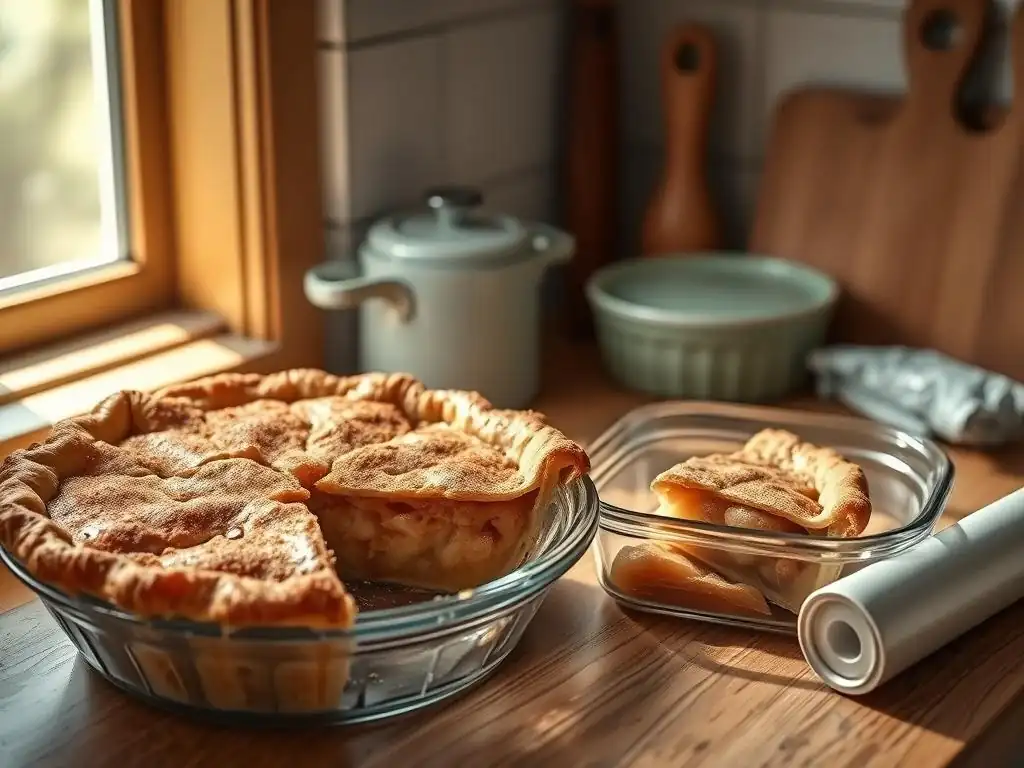
Even with the best fruit pie storage tips, you might occasionally encounter common issues like a soggy crust or a watery filling after storage. Don't despair! There are often ways to address these problems and still enjoy your delicious homemade pie. A little knowledge about troubleshooting can save your leftovers and make them much more appealing.
Preventing a Soggy Crust During Storage
A soggy bottom crust is a common frustration after storing apple pie, especially in the refrigerator. It occurs when moisture from the filling migrates into the crust.
The best prevention is to ensure the pie is completely cooled before storing and to use airtight containers or wrap it very tightly to prevent condensation and excess moisture absorption from the air. If you do end up with a slightly soggy crust after storage, reheating slices in a conventional oven or air fryer (around 300-350°F or 150-175°C for 10-15 minutes) can often help to re-crisp it significantly, making the texture much more enjoyable.
Dealing with a Watery Filling After Storage
Sometimes, even after cooling and storage, the apple pie filling might seem more watery than it was initially. This can happen if the filling wasn't thickened enough during baking or if the apples released more liquid during storage. While you can't easily thicken a baked pie's filling, you can still enjoy it.
Serve the pie slightly warm, which can make the texture less noticeable. You can also serve it with accompaniments like whipped cream, ice cream, or custard, which complement the pie and make the filling's consistency less of a focus. For future pies, ensure you use enough thickener (like flour, cornstarch, or tapioca starch) and allow the pie to cool completely before cutting, as this helps the filling set properly.
Reviving a Dry Apple Pie After Storage
While sogginess is more common, sometimes the top crust or edges of the pie can become a bit dry or hard, particularly if not wrapped tightly enough. If your apple pie seems a little dry after storage, gently warming it can help soften the crust slightly.
As mentioned before, reheating in a low oven is a good method. Serving the warmed pie with a moist topping like a scoop of vanilla ice cream, a dollop of whipped cream, or a drizzle of warm caramel sauce is another excellent way to add moisture and richness, making the dry areas less noticeable and the overall experience more pleasurable.
Conclusion: Enjoying Fresh Apple Pie Every Time
Mastering the art of storing leftover fruit pie, particularly your wonderful homemade apple pie, is just as important as perfecting the baking itself. By understanding what causes spoilage, choosing the right storage method—whether it's short-term refrigeration or longer-term freezing—and following key fruit pie storage tips like using airtight containers and labeling, you can significantly extend the life and quality of your delicious creation. Don't let those precious leftovers go to waste! With these techniques, you can ensure that every slice of your apple pie is enjoyed at its best, anytime you crave a taste of homemade goodness.
Frequently Asked Questions
How long can I safely store a fruit pie at room temperature?
Fruit pies are best stored at room temperature for only 1-2 days. After that, bacteria can grow, making the pie unsafe to eat.
What's the best way to store fruit pie in the refrigerator?
Cover the pie loosely with plastic wrap or foil, or place it in an airtight container. Refrigeration can extend its shelf life to 3-4 days.
Can I freeze leftover fruit pie, and if so, how?
Yes, you can! Wrap the pie tightly in plastic wrap and then foil, or place it in a freezer-safe container. Frozen pie can last for 2-3 months.
Will storing my fruit pie in the refrigerator affect its crust?
Refrigeration can sometimes make the crust a bit soggy. To minimize this, ensure the pie is completely cooled before refrigerating and consider using a crisp-crust recipe.
How do I reheat a frozen fruit pie to make it taste fresh again?
Thaw the pie in the refrigerator overnight. Reheat in a preheated oven at 350°F (175°C) for about 15-20 minutes, or until warmed through. This will help revive the crust.
Final Reflection: The Sweet Science of Pie Preservation
The art of storing leftover fruit pie isn't just about preventing waste; it's about extending the joy of a perfectly baked treat. A seemingly simple task, preserving the deliciousness of a homemade (or store-bought!) fruit pie speaks volumes about our appreciation for both culinary craftsmanship and mindful consumption. In a world increasingly focused on sustainability and reducing food waste, mastering the techniques discussed in this article becomes more relevant than ever.
The impact of knowing how to properly store fruit pie extends beyond the individual. It's about savoring the fruits (pun intended!) of our labor, whether that's the time spent baking or the money spent purchasing a delectable dessert. The simple act of preserving a pie speaks to a larger cultural shift towards valuing experiences and minimizing waste. As the old adage goes, Waste not, want not,
and this principle applies beautifully to the delicate art of pie preservation. The ability to enjoy a slice of happiness for days after baking is a small victory in the larger battle against food waste.
Now, I invite you to consider your own approach to pie storage. Think about the pies you've enjoyed, the moments shared around a slice, and the potential for extending those moments with proper preservation techniques. Take what you've learned here, experiment with different methods, and find the perfect balance between convenience and maintaining the peak freshness of your beloved fruit pie. Let the sweet science of pie preservation enhance your baking journey and bring even more joy to your table.
Unlock Your Pie's Potential: Keep it Delicious!
Thanks for taking the time to learn how to keep your fruit pie fresh and delicious! You've now got the secrets to preventing those sad, soggy slices. Ready to put your newfound knowledge into action?
- Master the art of proper pie storage: Experiment with different techniques from the article – airtight containers, freezer bags, or even a simple covering – and find what works best for your pie. This is your chance to become a pie preservation pro!
- Share your pie-saving wisdom: Tell your friends and family about your newly acquired skills! They'll thank you for it (and maybe even share some of their delicious pies with you! ).
- Challenge yourself: Try making a new pie recipe and use your newfound storage knowledge to keep it at its best for longer! What creative pie variations will you explore?
Ready to tackle that leftover pie? What's your favorite way to ensure maximum pie deliciousness?