
Using Spring Ingredients: Easy & Delicious Baking Ideas

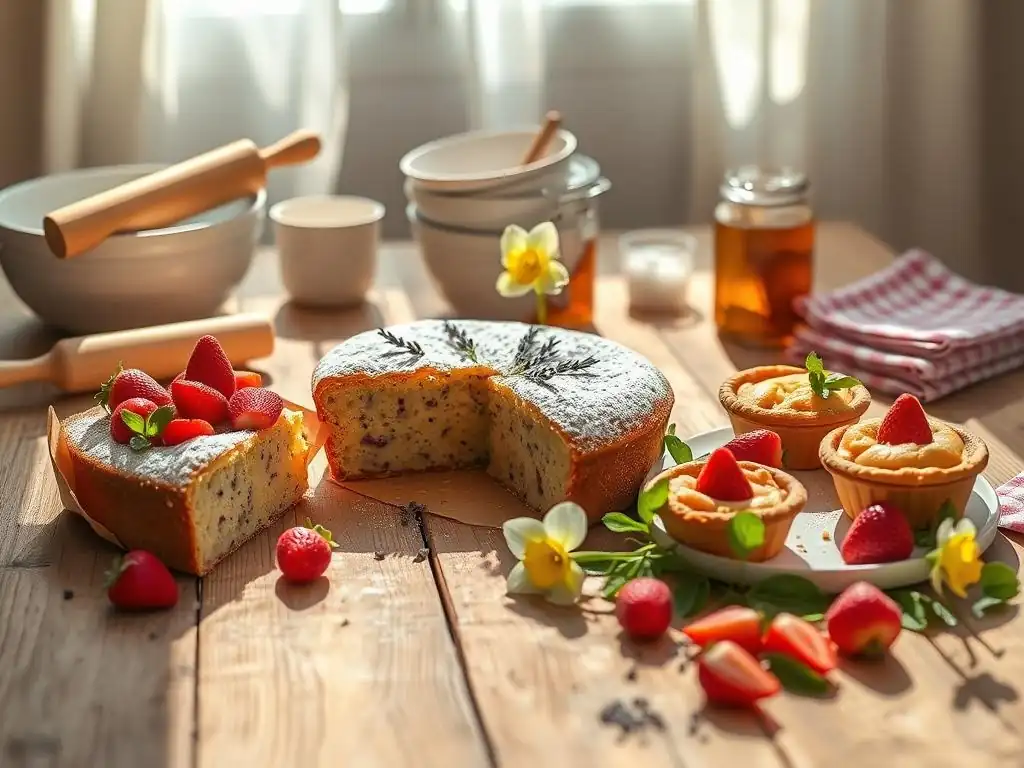
Welcome to BakeWithEase!
Discover the vibrant flavors of the season with our collection of spring baking recipes. Ready to transform fresh, seasonal ingredients into delectable treats? We're diving into easy and delicious ideas perfect for brightening up your kitchen and delighting your taste buds. Let's explore the world of spring baking recipes easy and create something truly special together – your next baking adventure starts here!
- Spring Baking: Fresh & Flavorful Recipes
- Introduction to Spring Baking
- Fruit-Forward Spring Baking
- Savory Spring Baking
- Quick Spring Baking
- Spring Baking Essentials
- Elevating Spring Baking
- Conclusion: Enjoy Spring Baking
-
Frequently Asked Questions
- What makes a baking recipe "easy" for Spring?
- Where can I find Spring baking recipes on BakeWithEase.com?
- What are some typical Spring ingredients used in baking?
- Are there specific techniques I should know for Spring baking?
- Is BakeWithEase.com suitable for beginner bakers looking for Spring recipes?
- Final Reflection: Savor the Season, Savor the Simplicity
- Unleash Your Inner Baker: Spring Baking Awaits!
Spring Baking: Fresh & Flavorful Recipes
Introduction to Spring Baking
Embrace Seasonal Flavors
As the days grow longer and warmer, spring arrives, bringing with it a vibrant palette of fresh ingredients perfect for baking. Shifting from the hearty spices and root vegetables of winter to the light, bright flavors of spring produce offers a wonderful opportunity to refresh your baking repertoire. Think of the delicate sweetness of strawberries, the tartness of rhubarb, the zesty punch of citrus, and the subtle earthiness of early greens.
These ingredients not only taste incredible but also lend beautiful colors and aromas to your baked goods. Exploring easy spring baking recipes allows you to harness the best of the season and create delightful treats that capture the essence of renewal.
Incorporating seasonal produce often means working with ingredients at their peak freshness and flavor. This can significantly elevate the taste of your pies, cakes, muffins, and more. For instance, a strawberry picked in late spring will have a far more intense sweetness than one available out of season. Similarly, the vibrant green of fresh asparagus adds both flavor and visual appeal to savory bakes. Focusing on simple spring baking ideas that highlight these natural flavors is key to creating truly memorable desserts and pastries that are both delicious and relatively effortless to prepare.
Your Guide to Springtime Treats
Baking in spring is all about celebrating freshness and ease. This guide is designed to help you discover a variety of easy spring baking recipes that utilize the season's bounty, from sweet fruit-filled delights to savory tarts perfect for brunch or a light meal. We'll explore simple techniques and provide tips to ensure your springtime bakes are successful and enjoyable, whether you're a beginner or looking for new inspiration.
Whether you're craving a classic strawberry rhubarb pie or something a little different like a lemon poppy seed loaf, this guide offers a range of delicious spring treats. We'll cover everything from handling delicate berries to working with seasonal vegetables in pastries. Get ready to fill your kitchen with the delightful aromas of easy and delicious spring baking recipes that are sure to impress your friends and family.
Fruit-Forward Spring Baking
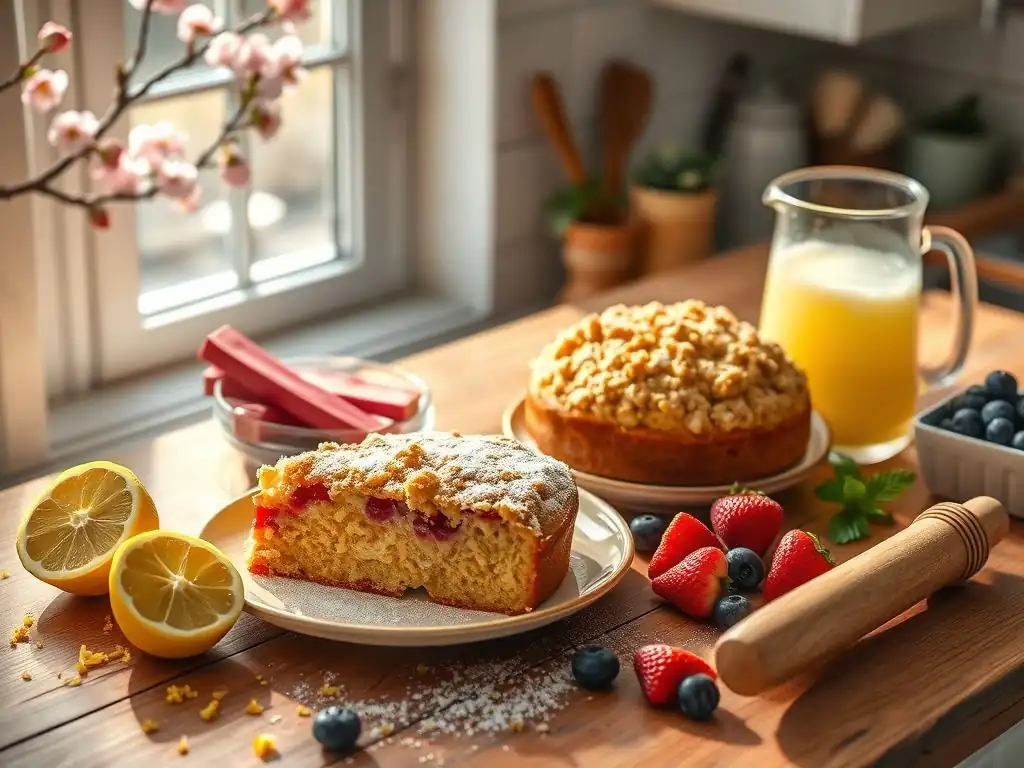
Strawberry Rhubarb Pie: A Taste of Spring
Strawberry rhubarb pie is a quintessential springtime dessert, perfectly balancing the sweetness of strawberries with the tartness of rhubarb. This classic combination signals the transition from cooler weather to warmer days. A typical filling might use a ratio of roughly 2 parts strawberries to 1 part rhubarb, often requiring about 5-6 cups of mixed fruit for a standard 9-inch pie.
The key to a great filling is finding the right balance of sugar (usually 3/4 to 1 cup, depending on fruit sweetness) and a thickener like flour, cornstarch, or tapioca (typically 1/4 cup). Baking this pie usually involves starting at a higher temperature, like 400°F (200°C), for the first 15-20 minutes to set the crust, then reducing it to 375°F (190°C) for another 30-40 minutes until the crust is golden and the filling is bubbling thickly.
Achieving the perfect texture in the filling is crucial. If the filling is too runny, the pie can be difficult to slice and the bottom crust may become soggy. Using a reliable thickener and allowing the pie to cool completely for several hours (or even overnight) are essential steps. For a slightly elevated flavor, a pinch of cinnamon or a splash of vanilla extract can be added to the fruit mixture. This easy spring baking recipe is a beloved tradition for many, offering a comforting and flavorful dessert that truly captures the essence of the season's harvest.
Achieving the Perfect Pie Crust
A perfect pie crust is the foundation of a great pie. For a double-crust fruit pie like strawberry rhubarb, a flaky, tender crust is desired. This is typically achieved by using cold ingredients, particularly cold butter or shortening cut into the flour until the mixture resembles coarse crumbs with some pea-sized pieces remaining.
Using ice water to bind the dough helps keep the fat solid, which creates steam pockets during baking, resulting in flakiness. For a 9-inch pie, a standard recipe often calls for about 2 1/2 cups of all-purpose flour and 1 cup (2 sticks) of cold, unsalted butter.
Overworking the dough is a common pitfall that leads to a tough crust. After adding the water, the dough should be mixed just until it comes together, then divided, flattened into discs, wrapped, and chilled for at least 30 minutes. This chilling period relaxes the gluten and makes the dough easier to roll. When rolling, work on a lightly floured surface, turning the dough frequently to prevent sticking. Baking the pie at the correct temperature ensures the crust browns nicely and becomes crisp, providing a delightful contrast to the soft, warm fruit filling.
Raspberry Lemon Cake: Zesty and Sweet
Raspberry lemon cake is a delightful celebration of bright, tangy flavors, making it a perfect easy spring baking recipe. The combination of tart raspberries and fragrant lemon zest and juice creates a refreshing taste that feels light and airy.
A typical recipe for a standard loaf cake or 8-inch round cake might use the zest and juice of two medium lemons and incorporate about 1 cup of fresh or frozen raspberries into the batter. The structure of the cake often relies on the creaming method, beating softened butter (around 1/2 cup) with sugar (around 1 1/4 cups) until light and fluffy, which incorporates air for a tender crumb.
To ensure a moist cake, many recipes incorporate ingredients like buttermilk, sour cream, or yogurt (often 1/2 cup to 3/4 cup). These acidic components react with baking soda (if used) to provide lift and contribute to tenderness. Gentle mixing after adding the dry ingredients and folding in the delicate raspberries prevents toughness.
Baking is usually done at around 350°F (175°C) for 45-60 minutes for a loaf cake or 30-40 minutes for layers, until a toothpick inserted into the center comes out clean. A simple lemon glaze made from powdered sugar and lemon juice drizzled over the cooled cake adds an extra layer of citrusy sweetness.
Tips for a Moist Raspberry Lemon Cake
Achieving a moist and tender crumb is key to a successful raspberry lemon cake. One crucial tip is to use room temperature ingredients, especially eggs and dairy, as they emulsify better with the butter and sugar, creating a smoother batter. Overmixing the batter after adding the flour can develop the gluten too much, resulting in a tough cake, so mix just until the dry ingredients are incorporated. Using buttermilk or yogurt adds not only moisture but also a slight tang that complements the lemon and raspberries beautifully.
When adding raspberries, especially frozen ones, toss them gently with a tablespoon of flour before folding them into the batter. This helps prevent them from sinking to the bottom of the cake during baking. Be careful not to overbake; test for doneness using a toothpick. The cake is ready when the toothpick comes out with a few moist crumbs attached, not completely clean. Allowing the cake to cool slightly in the pan before transferring it to a wire rack also helps retain moisture.
Blueberry Scones: A Simple Spring Breakfast
Blueberry scones are a delightful and simple spring baking idea, perfect for breakfast or a light afternoon tea. They require minimal effort and highlight the sweet burst of fresh blueberries. A basic scone recipe typically involves cutting cold butter (around 1/2 cup or 1 stick) into a mixture of flour (about 2 cups), sugar (1/4 cup), baking powder (1-2 teaspoons), and salt. The mixture should resemble coarse meal with some small lumps of butter.
Adding cold liquid, such as heavy cream, milk, or buttermilk (about 3/4 to 1 cup), just until the dough comes together is crucial. Overmixing will develop gluten and result in tough scones. Blueberries (about 1 cup) are gently folded in at the end.
The dough is then typically shaped into a circle or rectangle, cut into wedges or squares, brushed with cream or milk, and sometimes sprinkled with sugar. Baking is usually done at a relatively high temperature, like 400-425°F (200-220°C), for 15-20 minutes until golden brown and well-risen. This high heat helps the butter create steam, contributing to flakiness.
Baking Fluffy Blueberry Scones
The secret to fluffy scones lies in handling the dough minimally and keeping ingredients cold. Using very cold butter, cut into small pieces or grated, and quickly working it into the dry ingredients ensures pockets of fat remain. When these melt in the hot oven, they create steam, pushing the layers of dough apart for a flaky texture. Similarly, using cold liquid and mixing just until the dough barely comes together prevents gluten development, which results in a tender crumb.
Do not knead scone dough like bread dough. Gently patting or pressing the dough into shape is sufficient. Cutting the scones with a sharp knife or bench scraper gives them clean edges, which helps them rise evenly. Baking on a preheated baking sheet can also give them a better lift. Serving warm, perhaps with a pat of butter or a dollop of clotted cream, enhances their simple, delicious appeal, making them a favorite easy spring baking recipe.
Savory Spring Baking
Asparagus Tart with Parmesan
Savory tarts make for excellent light meals or appetizers, and an asparagus tart with Parmesan is a perfect example of easy spring baking utilizing seasonal vegetables. This tart typically features a base of flaky pastry or puff pastry, topped with blanched or roasted asparagus spears, often laid over a creamy base like ricotta or goat cheese, and finished with generous amounts of grated Parmesan cheese. For a standard 9-inch tart, you might use about 1-1.5 pounds of fresh asparagus.
The base layer often involves blind-baking the pastry crust partially or fully, depending on the recipe, to prevent a soggy bottom. The filling can be a simple mixture of eggs, cream, salt, and pepper, poured over the cheese and vegetables, or just the cheese mixture topped with asparagus. Baking is typically done at 375-400°F (190-200°C) for 20-30 minutes, until the filling is set and the crust is golden brown. The nutty flavor of Parmesan complements the slight bitterness and sweetness of the asparagus beautifully.
Creating a Crispy Tart Crust
A crispy tart crust is essential for a successful savory tart, providing a sturdy and flavorful base for the filling. Whether using a traditional shortcrust pastry or store-bought puff pastry, ensuring it's properly baked is key. For shortcrust, blind baking is often recommended: line the pastry shell with parchment paper, fill with pie weights or dried beans, and bake for about 15-20 minutes at 375°F (190°C). Then, remove the weights and paper and bake for another 5-10 minutes until the base is dry and lightly colored.
If using puff pastry, ensure it's thawed correctly according to package directions. Rolling it out slightly and pricking the base all over with a fork before adding the filling helps prevent it from puffing up too much in the center. Baking at the correct temperature allows the pastry to crisp up around the edges while the base supports the filling. Using a tart pan with a removable bottom makes serving much easier and helps maintain the tart's shape.
Spinach and Feta Hand Pies
Spinach and feta hand pies are a delightful and portable savory spring baking idea, perfect for picnics, lunches, or snacks. Inspired by Spanikopita, these individual pies feature a flavorful filling of sautéed spinach, crumbled feta cheese, often mixed with herbs like dill or mint, and sometimes onion or garlic. The filling is enclosed in flaky pastry, typically phyllo dough or puff pastry. For about 8-10 hand pies, you might use 10-12 sheets of phyllo or 1-2 sheets of puff pastry, and a filling made with 10 oz of fresh spinach and 4-6 oz of feta.
If using phyllo dough, brushing each layer generously with melted butter or olive oil before layering and filling is crucial for achieving flakiness. The filling is placed on one end, and the dough is folded over into triangles, squares, or rectangles. Puff pastry can be cut into squares, filled, and folded into triangles or rectangles, with the edges sealed with a fork. Baking is usually done at 375-400°F (190-200°C) for 20-30 minutes until the pastry is golden brown and crispy. These easy spring baking recipes offer a delicious way to enjoy seasonal greens.
Making Flaky Hand Pies
Achieving flaky layers in hand pies relies heavily on the type of pastry used and how it's handled. Phyllo dough, made of very thin sheets, becomes incredibly crisp and flaky when brushed with fat and layered. Using enough melted butter or oil between each layer is essential; skimping on the fat will result in dry, brittle pastry. Keeping the unused phyllo covered with a damp cloth while working prevents it from drying out.
When using puff pastry, ensure it is cold but pliable enough to work with. The layers of butter within the dough are what create the puff and flakiness when they melt and steam in the oven. Sealing the edges of the hand pies properly, whether by crimping with a fork or pressing firmly, prevents the filling from leaking out during baking. Baking at a relatively high temperature allows the pastry to puff up quickly and crisp before the filling has a chance to make it soggy.
Spring Vegetable Frittata
While technically more of an egg dish, a frittata baked in a skillet or oven-safe dish can certainly be considered a simple and versatile savory spring baking recipe. It's an excellent way to use a variety of fresh spring vegetables like asparagus, peas, spinach, leeks, and spring onions. A basic frittata uses eggs (typically 6-8 for a 10-inch skillet), often mixed with a splash of milk or cream, salt, and pepper. The vegetables are usually pre-cooked slightly before being added to the egg mixture in the pan.
The process often starts on the stovetop, cooking the vegetables and then pouring the egg mixture over them. Once the edges begin to set, the skillet is transferred to the oven to finish baking. Baking at 350-375°F (175-190°C) for 20-30 minutes allows the center to set and the top to become lightly golden. Cheese, such as goat cheese, feta, or Gruyère, is a common addition, sprinkled over the vegetables before adding the eggs or mixed into the egg mixture.
Achieving a Light and Airy Frittata
To achieve a light and airy frittata, proper whisking of the eggs is important, but not to the extent of creating a meringue; simply whisking until the yolks and whites are combined and slightly frothy is sufficient. Adding a small amount of milk, cream, or even ricotta cheese to the egg mixture can contribute to a softer texture. Avoiding overcooking is crucial; the frittata should be set but still look slightly moist in the very center when it comes out of the oven, as it will continue to cook from residual heat.
Using an oven-safe, non-stick skillet or a well-seasoned cast iron pan helps prevent sticking. Pre-cooking the vegetables slightly before adding the eggs ensures they are tender without releasing too much moisture into the frittata during baking. Baking in the oven ensures even cooking throughout, unlike stovetop-only frittatas which can be browned on the bottom but undercooked on top. This makes it an easy spring baking recipe for brunch or a light dinner.
Quick Spring Baking
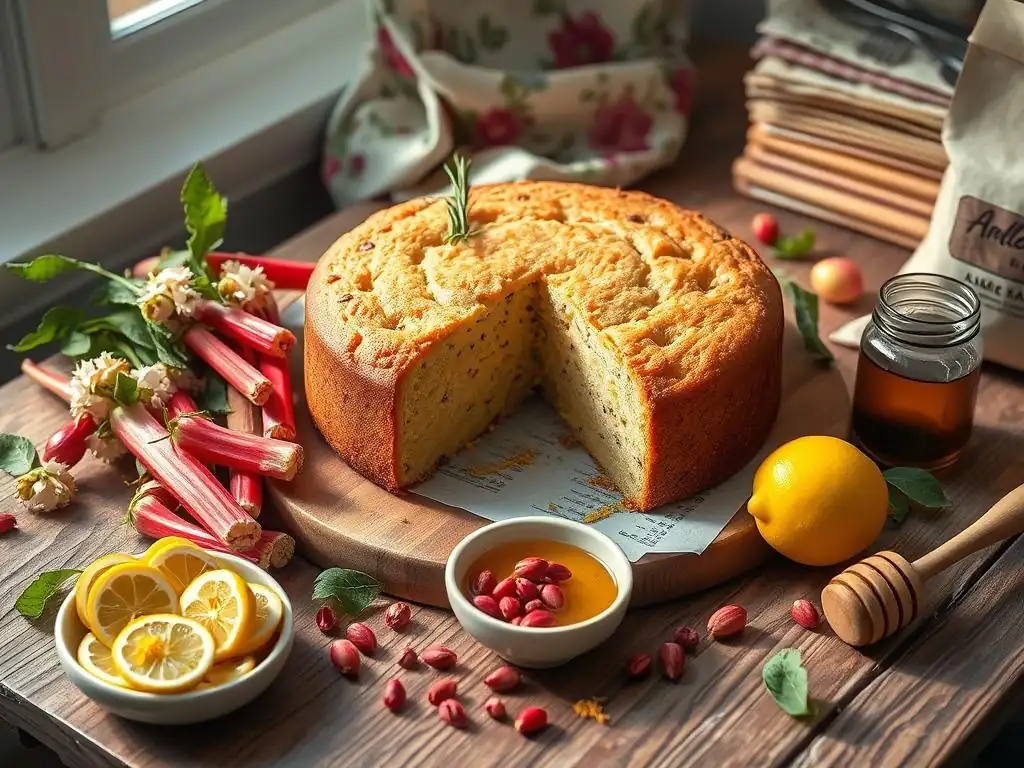
Lemon Poppy Seed Loaf: A Bright and Easy Bake
A lemon poppy seed loaf is a classic quick bread that embodies the bright, fresh flavors of spring, making it an ideal easy spring baking recipe. It's straightforward to make, often using the simple "muffin method" or "creaming method." A standard recipe for a 9x5 inch loaf pan typically uses about 1 1/2 cups of flour, 1 cup of sugar, 1/2 cup of butter or oil, 2 eggs, 1/2 cup of dairy (like milk or yogurt), the zest and juice of one or two lemons, and 1-2 tablespoons of poppy seeds.
The wet ingredients are combined, the dry ingredients are combined separately, and then the two are mixed together just until combined, with the poppy seeds folded in. Baking is usually done at 350°F (175°C) for 45-60 minutes, or until a toothpick inserted into the center comes out clean. A simple glaze made from powdered sugar and lemon juice is often drizzled over the cooled loaf, adding extra moisture and intense lemon flavor. This loaf is perfect for breakfast, a snack, or dessert.
Simple Steps for a Delicious Loaf
Making a delicious lemon poppy seed loaf is quite simple following a few key steps. First, ensure all ingredients, especially eggs and dairy, are at room temperature for better emulsification. Zest the lemons directly into the sugar and rub them together with your fingers; this releases the oils in the zest and infuses the sugar with intense lemon flavor before mixing with other ingredients.
Do not overmix the batter once the wet and dry ingredients are combined; mixing until just combined prevents the development of tough gluten strands. Filling the loaf pan about two-thirds full allows for proper rising. Baking time is approximate, so checking with a toothpick is the most reliable way to determine doneness.
Allowing the loaf to cool in the pan for 10-15 minutes before transferring to a wire rack prevents it from breaking. Glazing while the loaf is still slightly warm allows some of the glaze to soak in, adding extra moisture and flavor, making this one of the best easy spring baking recipes.
Lavender shortbread cookies offer a delicate and aromatic twist on a classic, bringing a unique floral note to easy spring baking recipes. These cookies are incredibly simple, typically requiring only butter, sugar, flour, and culinary lavender. A basic recipe might use 1 cup of unsalted butter, 1/2 cup of powdered sugar, 2 cups of all-purpose flour, and 1-2 teaspoons of dried culinary lavender buds. The key is using high-quality butter and culinary-grade lavender, which is specifically grown for cooking and has a sweeter, less soapy flavor than ornamental varieties.
The process usually involves creaming the softened butter with the sugar until light and fluffy, then mixing in the flour and lavender until just combined to form a dough. The dough is often pressed into a pan, rolled out and cut into shapes, or formed into a log and sliced. Baking is typically done at a low temperature, around 300-325°F (150-160°C), for 15-20 minutes, or until the edges are lightly golden but the center is still pale. Baking at a low temperature ensures the cookies bake through without browning too much, maintaining their delicate texture.
Baking Tender Shortbread Cookies
Achieving the characteristic tender, crumbly texture of shortbread relies on the high ratio of butter to flour and minimal handling of the dough. Using softened butter, but not melted, is important for creaming. Mixing the flour in gently, just until the dough comes together, prevents the formation of gluten, which would make the cookies tough. Some recipes omit eggs entirely, contributing to the crumbly texture.
Chilling the dough before baking helps the cookies hold their shape and promotes a more even bake. If pressing into a pan, chill the pan with the dough. If rolling and cutting, chill the dough disc before rolling and chill the cut shapes before baking. Baking at a low temperature allows the butter to melt slowly and coat the flour particles, inhibiting gluten development further and resulting in that signature melt-in-your-mouth texture.
Mini Berry Galettes: Rustic and Charming
Mini berry galettes are a wonderfully rustic and charming easy spring baking recipe. They are essentially freeform pies, requiring less precision than a traditional pie but delivering just as much flavor. They are perfect for showcasing small amounts of various spring berries like strawberries, raspberries, blueberries, and blackberries. For 4-6 mini galettes (about 6-7 inches in diameter), you might use one batch of pie dough (enough for a single 9-inch crust) and about 2-3 cups of mixed berries, tossed with 1/4 cup sugar and 1-2 tablespoons of flour or cornstarch.
The process involves rolling out small circles of pie dough, placing the berry filling in the center, and then folding the edges of the dough up and over the filling, leaving the center exposed. The edges are often brushed with egg wash and sprinkled with sugar for a golden, crisp finish. Baking is typically done at 400°F (200°C) for 25-35 minutes, until the crust is golden brown and the filling is bubbling. Their imperfect, freeform shape is part of their appeal.
Making Individual Berry Galettes
Making individual berry galettes is simpler than a full pie and allows for charming, rustic presentation. Start with a good, flaky pie dough. After chilling, divide the dough into portions (e.g., 4-6) and roll each portion into a rough circle about 7-8 inches in diameter. Don't worry about perfect edges; the rustic look is part of the charm.
Prepare the berry filling by gently tossing the berries with sugar and a thickener. Add the filling to the center of each dough circle, leaving a border of about 1.5 to 2 inches. Carefully fold the dough border up and over the filling, pleating it as you go. Brush the folded edges with an egg wash (egg mixed with a splash of water or milk) and sprinkle with coarse sugar for texture and sparkle. Baking them on a parchment-lined baking sheet makes for easy cleanup.
Spring Baking Essentials
Sourcing Fresh Spring Produce
Sourcing fresh spring produce is fundamental to creating the best easy spring baking recipes. The flavor and quality of your baked goods are directly influenced by the ingredients you use. Visiting local farmers' markets is an excellent way to find peak-season produce like vibrant rhubarb, sweet strawberries, tender asparagus, and bursting peas. Farmers can often tell you when and where the produce was harvested, ensuring maximum freshness. Look for fruits and vegetables that are firm, brightly colored, and free from blemishes.
If a farmers' market isn't accessible, choose produce from your grocery store with care. Consider organic options if possible, especially for berries which can absorb pesticides easily. Pay attention to seasonality guides, often available online or in stores, to know what's truly in season in your region. For instance, while strawberries might be available year-round, their peak season in many areas is late spring to early summer. Using produce at its peak not only enhances flavor but can also mean better value.
Baking with Seasonal Ingredients
Baking with seasonal ingredients requires understanding their unique characteristics. For example, fresh spring berries are delicate and high in moisture; they may require a bit more thickener in pies or tarts compared to frozen berries. Rhubarb is quite tart and needs a good amount of sugar to balance its flavor. Early spring vegetables like asparagus and spinach are tender and cook quickly, so they often only need a brief sauté or blanch before being added to savory bakes.
Adapting your techniques slightly based on the ingredient can make a big difference. For instance, when folding delicate berries into cake batter, do so gently to avoid crushing them. When using leafy greens in a savory tart, wilt them first to remove excess moisture. Paying attention to the water content and sweetness/tartness of seasonal produce will help you adjust sugar and thickener amounts in your easy spring baking recipes for optimal results.
Adapting Recipes for Spring
Adapting existing recipes to incorporate spring ingredients is a fun way to explore easy spring baking ideas. Many basic recipes for muffins, quick breads, scones, and tarts can be easily modified. A standard blueberry muffin recipe can become a strawberry-rhubarb muffin by adjusting the fruit proportions and potentially adding a touch more sugar. A basic quiche recipe is easily transformed into a spring vegetable quiche by adding blanched asparagus, peas, and sautéed leeks.
When adapting, consider the flavor profiles. Bright, citrusy flavors like lemon and orange pair well with many spring fruits. Fresh herbs like mint, basil, dill, and chives can enhance both sweet and savory spring bakes. Experiment with substituting fruits or vegetables in your favorite base recipes, adjusting sugar and thickener as needed, and considering complementary flavors. This approach makes creating a variety of delicious spring treats accessible and enjoyable.
Elevating Spring Baking

Infusing Flavors with Fresh Herbs
Infusing flavors with fresh herbs can elevate your easy spring baking recipes to new heights, adding complexity and aroma beyond simple fruit or vegetable flavors. Culinary lavender is a popular choice for shortbread and other sweet treats, offering a unique floral note. Mint pairs beautifully with berries and chocolate. Basil can be surprisingly good in strawberry-based desserts. Savory bakes benefit greatly from herbs like chives, dill, parsley, and tarragon, which complement spring vegetables like asparagus, peas, and spinach.
To use herbs in baking, finely chop fresh herbs and add them directly to batters, doughs, or fillings. For a more subtle infusion, you can steep herbs in warm milk or cream before adding the liquid to your recipe, or infuse sugar by storing it with herb sprigs for a few days. For example, infusing sugar with lemon verbena or mint before making a simple cake or cookie dough adds a fragrant layer of flavor. Start with small amounts, as fresh herbs can be potent, and adjust to your taste.
Decorating with Spring Colors
Decorating your baked goods with spring colors enhances their visual appeal and celebrates the season. Think of the soft pastels and vibrant greens and pinks found in nature during springtime. Natural decorations like fresh berries, edible flowers (such as violets, pansies, or borage), and delicate sprigs of fresh mint can turn a simple cake or tart into a springtime masterpiece. For example, arranging fresh raspberries and thinly sliced strawberries on top of a tart or cake before serving adds beautiful color and freshness.
Beyond fresh produce, you can use colored glazes, icings, or sprinkles in spring hues. A simple lemon glaze can be tinted pale yellow or green with natural food coloring. Using a piping bag to add swirls of green-tinted cream cheese frosting to cupcakes or adding pastel-colored sprinkles can instantly give them a spring theme. Even a simple dusting of powdered sugar over a dark berry galette provides a lovely contrast reminiscent of late spring frost.
Creating Spring-Themed Desserts
Creating spring-themed desserts goes beyond just using seasonal ingredients; it involves presentation and concept. Think about classic spring occasions like Easter or Mother's Day and the imagery associated with them – flowers, nests, eggs, bunnies, chicks. You can adapt easy spring baking recipes to fit these themes. For example, cupcakes can be decorated to look like bird's nests using shredded coconut tinted green for grass and chocolate eggs. Cookies can be cut into flower or bunny shapes and decorated with pastel icing.
Layer cakes can feature light, airy sponges and fillings like lemon curd or berry mousse. Pavlovas topped with whipped cream and fresh spring berries are inherently light and springy. Even simple loaf cakes can be decorated with a glaze and fresh flowers. Focusing on light textures, bright flavors, and cheerful colors helps create delicious spring treats that are not only tasty but also festive and fun.
Conclusion: Enjoy Spring Baking
Spring baking is a delightful way to welcome the season's bounty into your kitchen. From sweet fruit pies and zesty cakes to savory tarts and simple quick breads, the range of easy spring baking recipes allows everyone to enjoy the flavors of renewal. By focusing on fresh, seasonal ingredients and simple techniques, you can create delicious treats that are perfect for any occasion, from a casual breakfast to a festive gathering. Embrace the vibrant colors and fresh aromas that spring offers and let them inspire your baking adventures.
Baking is a rewarding activity, and springtime provides ample inspiration. We hope this guide has given you plenty of simple spring baking ideas to get started. Don't be afraid to experiment with different fruits, vegetables, and herbs. The best part of making easy spring baking recipes is sharing the results.
We love seeing what our community bakes! Once you've tried some of these easy spring baking recipes or come up with your own delicious spring treats, share them with us. Tag us on social media or leave a comment on our website. Sharing your successes and even your learning experiences helps inspire others to get into the kitchen. What's your favorite spring ingredient to bake with? Have you tried a new twist on a classic like strawberry rhubarb pie or lemon poppy seed loaf? Let us know! Happy Spring Baking!
Frequently Asked Questions
What makes a baking recipe "easy" for Spring?
An "easy" Spring baking recipe, according to BakeWithEase, uses readily available seasonal ingredients and provides clear, step-by-step instructions suitable for bakers of all skill levels.
Where can I find Spring baking recipes on BakeWithEase.com?
BakeWithEase.com offers a variety of Spring baking recipes across different categories like pastries, breads, cakes, and cookies. Look for articles specifically tagged with "Spring" or using seasonal fruits and vegetables.
What are some typical Spring ingredients used in baking?
Typical Spring baking ingredients include fresh fruits like strawberries, rhubarb, and blueberries, as well as herbs like mint and lemon balm. These add vibrant flavors and colors.
Are there specific techniques I should know for Spring baking?
While no specific techniques are exclusive to Spring, focus on using fresh, high-quality ingredients and avoiding over-baking to retain moisture in lighter Spring desserts.
Is BakeWithEase.com suitable for beginner bakers looking for Spring recipes?
Yes! BakeWithEase.com is designed for all levels, with simple recipes and detailed guides perfect for beginners wanting to try their hand at Spring baking.
Final Reflection: Savor the Season, Savor the Simplicity
The vibrant hues and fresh flavors of spring are more than just a seasonal change; they're a delicious invitation to embrace simpler, lighter baking. This article has explored a range of easy-to-follow recipes that celebrate the bounty of spring ingredients, proving that delightful baking doesn't require hours of complicated techniques or obscure ingredients.
The influence of seasonal baking on our cultural landscape is profound. It's a connection to the earth's rhythms, a celebration of renewal, and a way to share joy with loved ones. Baking is at its heart a labor of love. When you bake for someone, you're giving them a piece of yourself.
This sentiment perfectly captures the essence of spring baking – a time for creating comforting treats and fostering connections through shared experiences. The simple act of baking a lemon poppy seed muffin or a strawberry rhubarb crumble becomes a ritual, a small act of self-care and generosity.
Now, as you close this article, I encourage you to consider the power of simple pleasures. Don't be intimidated by elaborate recipes; embrace the beauty of fresh, seasonal ingredients and the satisfaction of creating something delicious with your own hands. This spring, let the aroma of freshly baked goods fill your home, and share the joy with those you cherish. Let the simplicity of spring baking inspire you to create your own unique culinary adventures.
Unleash Your Inner Baker: Spring Baking Awaits!
Thanks for taking the time to explore the delightful world of spring baking with us! We hope you've discovered some delicious inspiration and easy recipes to brighten your kitchen. Ready to get baking?
- Dive into our recipe collection: Find even more spring-inspired treats on our website. We've got everything from delicate cakes to vibrant cookies – something to satisfy every sweet tooth!
- Share your creations: Show us your baking masterpieces! Tag us on social media with #BakeWithEaseSpring and let's inspire each other.
- Experiment with a new flavor combination: Try swapping out a familiar ingredient for a spring-fresh alternative – what unexpected delight will you discover?
What exciting spring-inspired recipe will you bake first? Let us know in the comments!