
The Flavor Profile Powerhouse: Baking with Pure Maple Syrup

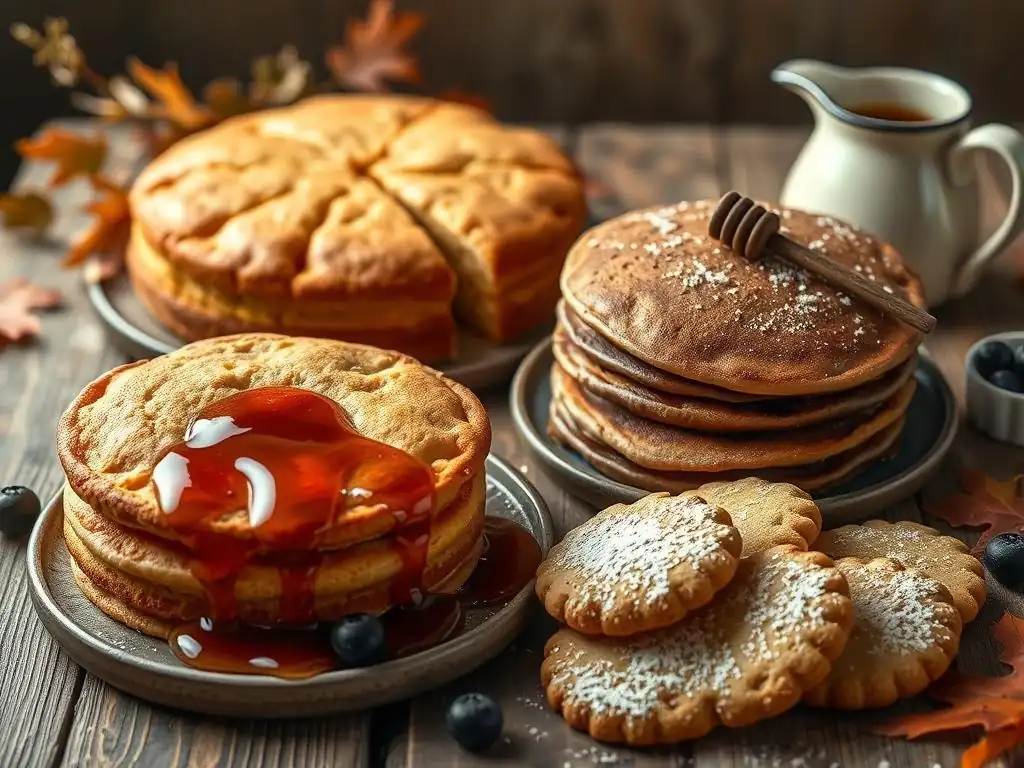
Welcome to BakeWithEase, your guide to unlocking the delicious world of baking! Ever wondered how a single ingredient can transform your favorite treats? Get ready to discover the secrets of using pure maple syrup in baking. This article explores pure maple syrup baking recipes and unveils how this natural sweetener elevates flavor profiles to a whole new level. Prepare to be amazed by the depth and complexity it brings to your creations – let's get baking!
- Unlocking Baking Magic: Mastering Pure Maple Syrup Baking Recipes
- Baking Essentials: Products to Enhance Your Maple Syrup Creations
- How-To: Three Delicious Pure Maple Syrup Baking Recipes
- Maximizing Flavor: Tips & Tricks for Baking with Maple Syrup
- Troubleshooting: Common Issues When Baking with Maple Syrup (and How to Fix Them)
- Exploring Advanced Maple Syrup Baking Techniques
- Beyond Recipes: The Sustainable Source of Pure Maple Syrup
- Conclusion: Embrace the Versatility of Pure Maple Syrup in Your Baking
-
Frequently Asked Questions
- What makes pure maple syrup a good ingredient for baking?
- Can I substitute pure maple syrup for granulated sugar in any recipe?
- Are all maple syrups the same for baking purposes?
- Where can I find reliable pure maple syrup baking recipes?
- Does baking with pure maple syrup affect the shelf life of the final product?
- Final Reflection: The Enduring Sweetness of Pure Maple Syrup
- Unlock Your Inner Pastry Chef: Elevate Your Baking Today!
Unlocking Baking Magic: Mastering Pure Maple Syrup Baking Recipes
Why Choose Pure Maple Syrup for Baking? Beyond Simple Sweetness
Pure maple syrup offers a complex sweetness that granulated sugar simply can't match. It brings subtle notes of caramel, vanilla, and sometimes even a hint of coffee or spice, depending on its grade. This depth of flavor enhances baked goods, adding richness and warmth without being cloyingly sweet. Unlike refined sugars, maple syrup contains trace minerals like manganese and zinc, though the nutritional impact in typical baking quantities is modest. Its liquid form also contributes moisture, which can affect the texture of your bakes, often leading to softer, more tender results in many pure maple syrup baking recipes.
Beyond flavor, choosing pure maple syrup aligns with a desire for less processed ingredients. Produced by concentrating the sap of maple trees, it undergoes minimal processing compared to white sugar. This natural origin appeals to many home bakers looking for alternatives to standard sweeteners. Incorporating maple syrup into your repertoire opens up a world of possibilities for creating unique and delicious treats, from moist muffins to rich pies and decadent glazes, making pure maple syrup baking recipes a popular choice.
Understanding Maple Syrup Grades: Finding the Perfect Flavor Profile for Your Baking
Maple syrup is graded based primarily on color and flavor intensity. The current grading system used in the United States and Canada classifies syrup into four categories: Golden Color with Delicate Taste, Amber Color with Rich Taste, Dark Color with Robust Taste, and Very Dark Color with Strong Taste. Golden, the lightest, has a subtle, delicate flavor, perfect for drizzling or in bakes where you want a hint of maple without overpowering other flavors. Amber offers a classic, rich maple flavor, making it versatile for a wide range of pure maple syrup baking recipes, from cookies to cakes.
Dark and Very Dark grades possess progressively stronger, more intense maple flavors. Dark is excellent for recipes where maple is the star, like maple-glazed nuts or robust baked goods.
Very Dark, often previously labeled as "Grade B," has the most potent flavor and is ideal for applications where its distinct taste needs to cut through other ingredients, such as in marinades or sauces, or in deeply flavored baked goods like gingerbread or dark chocolate cakes where a strong maple note is desired. Experimenting with different grades in your pure maple syrup baking recipes allows you to fine-tune the final flavor profile.
Baking Essentials: Products to Enhance Your Maple Syrup Creations
When selecting pure maple syrup for baking, quality matters. Brands like Runamok Maple and Butternut Mountain Farm are known for their high-quality, pure products. Runamok Maple, often praised for its innovative infused and smoked syrups, also offers exceptional single-origin and organic pure maple syrup. Their Sugarmaker's Cut, an Amber grade, provides a beautifully balanced rich flavor that performs wonderfully in pure maple syrup baking recipes, adding a classic maple sweetness without being too aggressive.
Butternut Mountain Farm, a large family-owned producer in Vermont, offers a range of grades with consistent quality. Their Amber Rich Taste syrup is a staple for many bakers due to its reliable flavor profile and accessibility. Comparing it to Runamok's Amber, you might find Butternut Mountain Farm's to be slightly more straightforward and traditionally "maple," while Runamok might have subtle nuances depending on the specific batch or origin. Both are excellent choices for elevating your pure maple syrup baking recipes, and trying both can help you discover your personal preference.
Essential Baking Tools for Maple Syrup Recipes: Stainless Steel Measuring Spoons & Silicone Baking Mats
Accurate measurement is crucial in baking, especially when substituting liquid sweeteners like maple syrup for dry sugar. Stainless steel measuring spoons are invaluable as they allow for precise measurement of smaller liquid volumes and are durable and easy to clean, resisting stains and odors from sticky syrups. Using a proper set ensures you get the exact amount specified in your pure maple syrup baking recipes, which is key to managing the added moisture maple syrup introduces.
Silicone baking mats, such as those from Silpat or similar brands, are another essential tool for working with pure maple syrup baking recipes. Maple syrup can become quite sticky and even caramelize slightly at high temperatures, potentially causing baked goods or glazes to adhere to pans. A silicone mat provides a non-stick surface, ensuring easy release of cookies, scones, or glazed items, and simplifies cleanup significantly. They also promote even baking and can extend the life of your baking sheets.
How-To: Three Delicious Pure Maple Syrup Baking Recipes
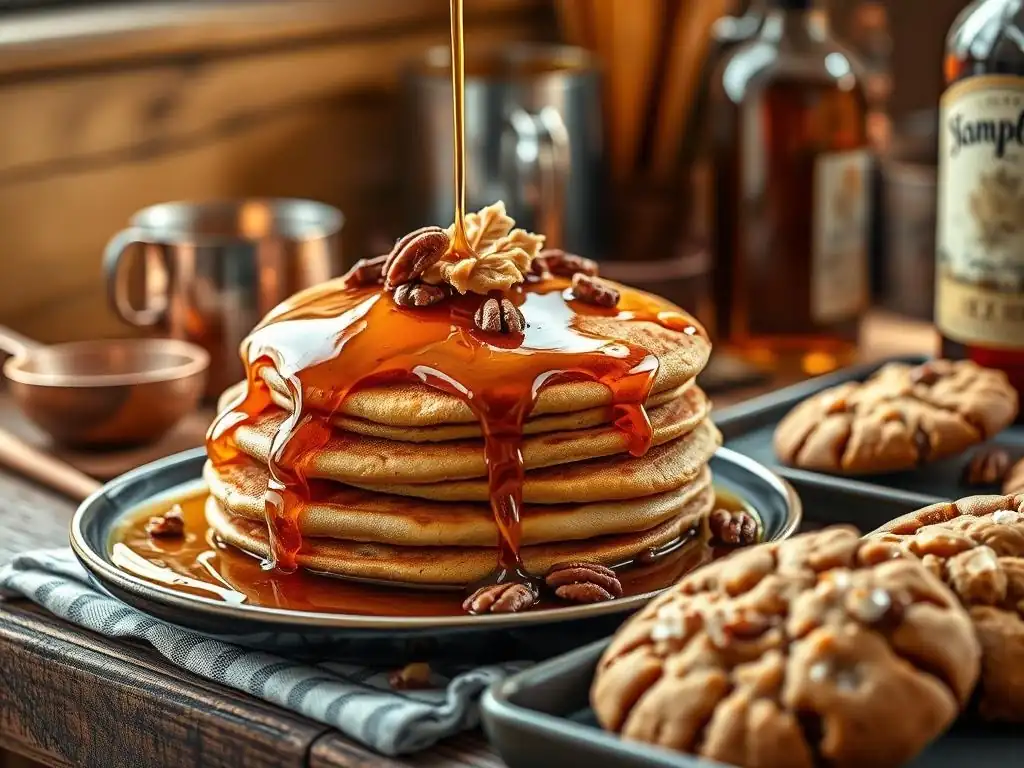
Recipe 1: Maple Syrup Glazed Donuts: A Step-by-Step Guide
These baked donuts are soft, moist, and finished with a simple, yet flavorful, pure maple syrup glaze. Perfect for a weekend treat! This recipe uses a combination of classic and specific ingredients to ensure delicious results in your pure maple syrup baking recipes collection.
Ingredients: Featuring Bob's Red Mill All-Purpose Flour & Kirkland Signature Maple Syrup
- 1 ½ cups Bob's Red Mill All-Purpose Flour
- ¾ cup granulated sugar
- 2 teaspoons baking powder
- ¼ teaspoon baking soda
- ¼ teaspoon salt
- 1 large egg
- ¾ cup milk
- 2 tablespoons unsalted butter, melted
- 1 teaspoon vanilla extract
- For the Glaze: ½ cup Kirkland Signature Maple Syrup (Amber or Dark recommended), 1 cup powdered sugar, 2 tablespoons milk
Step-by-Step Instructions & Monetizable Product Integration: Wilton Donut Pan Recommendation
- Preheat your oven to 350°F (175°C). Lightly grease a Wilton Donut Pan. Using a quality pan like this ensures your donuts bake evenly and release cleanly, a key step in pure maple syrup baking recipes for perfect presentation.
- In a large bowl, whisk together the Bob's Red Mill All-Purpose Flour, granulated sugar, baking powder, baking soda, and salt.
- In a separate medium bowl, whisk together the egg, milk, melted butter, and vanilla extract.
- Pour the wet ingredients into the dry ingredients and stir until just combined. Be careful not to overmix.
- Spoon or pipe the batter into the prepared Wilton Donut Pan cavities, filling each about two-thirds full.
- Bake for 12-15 minutes, or until a toothpick inserted comes out clean and the edges are lightly golden.
- Let the donuts cool in the pan for 5 minutes before transferring them to a wire rack to cool completely.
- While the donuts cool, prepare the glaze: In a small bowl, whisk together the Kirkland Signature Maple Syrup, powdered sugar, and 2 tablespoons milk until smooth. Add more milk a teaspoon at a time if needed to reach desired consistency.
- Once the donuts are cool, dip the top of each donut into the glaze. Let excess glaze drip off, then place back on the wire rack to set. Enjoy these delightful pure maple syrup baking recipes creations!
Recipe 2: Pure Maple Syrup Pecan Pie: A Classic Twist
Elevate a classic pecan pie with the rich, complex flavor of pure maple syrup. This version is less overwhelmingly sweet than corn syrup-based pies and highlights the nutty pecans beautifully. It's one of those pure maple syrup baking recipes that becomes an instant family favorite.
Ingredients: Showcasing Diamond Walnuts & King Arthur Baking Company's Unbleached Bread Flour
- 1 pre-made or homemade pie crust (using King Arthur Baking Company's Unbleached Bread Flour for a flaky crust is recommended if making from scratch)
- 1 ½ cups Diamond Walnuts (pecans are traditional, but Diamond Walnuts add a delightful twist)
- ¾ cup pure maple syrup (Amber or Dark grade)
- ½ cup packed light brown sugar
- ⅓ cup unsalted butter, melted
- 2 large eggs
- 1 teaspoon vanilla extract
- ¼ teaspoon salt
Step-by-Step Instructions & Monetizable Product Integration: Pyrex Pie Dish Recommendation & OXO Good Grips Pastry Blender
- Preheat your oven to 350°F (175°C). Fit the pie crust into a Pyrex Pie Dish. Pyrex dishes are known for even heat distribution, crucial for pure maple syrup baking recipes like pies to prevent a soggy bottom. Crimp the edges decoratively. If making homemade crust with King Arthur Baking Company's flour, an OXO Good Grips Pastry Blender can help cut in the butter for that perfect flaky texture.
- Scatter the Diamond Walnuts evenly over the bottom of the pie crust.
- In a medium bowl, whisk together the pure maple syrup, brown sugar, melted butter, eggs, vanilla extract, and salt until well combined.
- Carefully pour the filling mixture over the nuts in the pie crust.
- Bake for 40-50 minutes, or until the center is just set (it should jiggle slightly like jelly, not liquid). If the crust edges start to brown too quickly, cover them loosely with foil.
- Let the pie cool completely on a wire rack before slicing and serving. This cooling step is vital for the filling to fully set in pure maple syrup baking recipes like this pie.
Recipe 3: Maple Syrup and Oat Scones: A Breakfast Delight
These scones are tender, slightly sweet, and studded with hearty oats, making them perfect for breakfast or a tea-time treat. Using quality ingredients like Quaker Oats and Organic Valley butter enhances their flavor and texture. These are simple yet satisfying pure maple syrup baking recipes.
Ingredients: Highlighting Quaker Old Fashioned Oats & Organic Valley Butter
- 2 cups all-purpose flour
- ½ cup Quaker Old Fashioned Oats
- ¼ cup granulated sugar
- 2 teaspoons baking powder
- ½ teaspoon salt
- ½ cup (1 stick) cold Organic Valley Butter, cut into small cubes
- ½ cup pure maple syrup (Amber or Dark grade)
- ⅓ cup milk
- 1 large egg
Step-by-Step Instructions & Monetizable Product Integration: USA Pan Scone Pan Recommendation & Wilton Cooling Rack
- Preheat your oven to 400°F (200°C). Lightly grease a USA Pan Scone Pan or line a baking sheet with parchment paper. A USA Pan provides excellent heat conductivity for evenly baked scones, a great aid for pure maple syrup baking recipes.
- In a large bowl, whisk together the flour, Quaker Old Fashioned Oats, sugar, baking powder, and salt.
- Cut in the cold Organic Valley Butter using a pastry blender or your fingers until the mixture resembles coarse crumbs.
- In a separate small bowl, whisk together the pure maple syrup, milk, and egg.
- Pour the wet ingredients into the dry ingredients and stir until just combined. Do not overmix; the dough should be slightly shaggy.
- If using a USA Pan Scone Pan, divide the dough evenly into the cavities. If using a baking sheet, turn the dough out onto a lightly floured surface, gently pat into a 1-inch thick circle, and cut into 8 wedges.
- Place scones on the prepared pan or baking sheet.
- Bake for 15-18 minutes, or until golden brown and a toothpick inserted into the center comes out clean.
- Transfer the scones to a Wilton Cooling Rack to cool slightly before serving. A reliable cooling rack is essential for letting air circulate, preventing soggy bottoms in these pure maple syrup baking recipes.
Maximizing Flavor: Tips & Tricks for Baking with Maple Syrup
Adjusting Liquid Ratios: How to Balance Maple Syrup's Moisture Content
When substituting pure maple syrup for granulated sugar in pure maple syrup baking recipes, you're introducing a significant amount of liquid. Granulated sugar is dry, while maple syrup is approximately 33% water.
A common guideline when replacing sugar cup-for-cup with maple syrup is to reduce the total liquid in the recipe by about 2 to 4 tablespoons for every cup of maple syrup used. For example, if a recipe calls for 1 cup of sugar and 1 cup of milk, and you swap the sugar for 1 cup of maple syrup, you might reduce the milk to ¾ cup or a little less.
Ignoring this adjustment can lead to batters or doughs that are too wet, resulting in baked goods that are dense, heavy, or have a gummy texture. The exact adjustment needed will depend on the specific recipe and other ingredients, like flour type and fat content. Start with a smaller reduction and observe the dough consistency. For some pure maple syrup baking recipes, like those with robust flours or lots of dry ingredients, less adjustment might be necessary.
Temperature Considerations: Baking with Maple Syrup to Avoid Burning
Pure maple syrup contains natural sugars that caramelize and burn at lower temperatures than sucrose (table sugar). This means baked goods made with maple syrup are more susceptible to burning, especially on the surface or edges, before the interior is fully cooked. To counteract this, it's often recommended to slightly lower your oven temperature when using maple syrup as the primary sweetener in pure maple syrup baking recipes.
Reducing the oven temperature by about 25°F (around 15°C) from the original recipe's specification is a good starting point. For instance, if a recipe calls for 350°F, try baking at 325°F. You may also need to increase the baking time slightly to ensure the interior cooks through. Keeping an eye on the edges and covering the top loosely with foil if it's browning too quickly can also help achieve an evenly baked result without burnt edges in your pure maple syrup baking recipes.
Enhancing Maple Syrup Flavor: Complementary Spices and Extracts (McCormick Pure Vanilla Extract)
The rich flavor of pure maple syrup pairs beautifully with a variety of spices and extracts, which can further enhance its profile in pure maple syrup baking recipes. Classic pairings include cinnamon, nutmeg, cloves, and ginger, which accentuate the syrup's warmth and depth. A pinch of cardamom can add an unexpected, sophisticated note.
Vanilla is another excellent partner for maple syrup. Using a quality extract like McCormick Pure Vanilla Extract can amplify the subtle vanilla undertones already present in good maple syrup, adding another layer of aromatic sweetness without competing with the maple flavor. Consider adding a teaspoon or two of McCormick Pure Vanilla Extract to your maple-sweetened batters or glazes. Other extracts like almond extract or even a hint of bourbon extract can also create interesting flavor combinations in your pure maple syrup baking recipes.
Troubleshooting: Common Issues When Baking with Maple Syrup (and How to Fix Them)
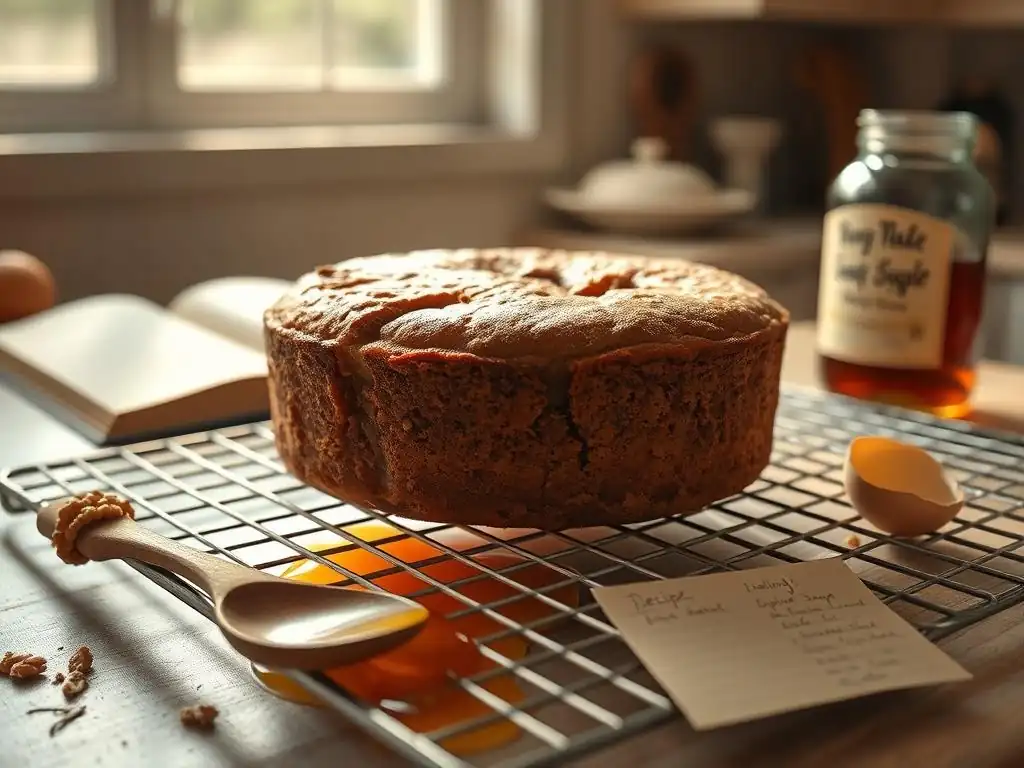
Soggy Bottoms: Preventing Moisture Issues in Maple Syrup Baked Goods
One of the most common challenges when adapting pure maple syrup baking recipes is dealing with the added moisture. Maple syrup's liquid content can lead to soggy bottoms, especially in pies, tarts, or muffins. This happens when the bottom crust or base absorbs too much liquid from the filling or batter before it sets.
To combat soggy bottoms, ensure you adjust the liquid content elsewhere in the recipe as discussed earlier. Pre-baking (or blind baking) pie crusts partially before adding the maple filling can create a barrier against moisture absorption. For muffins or cakes, ensuring your oven temperature is accurate and baking thoroughly until a skewer comes out clean is crucial. Using a reliable pan that conducts heat well, like a Pyrex Pie Dish or a USA Pan, can also help ensure the bottom bakes through properly in your pure maple syrup baking recipes.
Uneven Baking: Ensuring Consistent Results with Maple Syrup Recipes
Uneven baking can occur in pure maple syrup baking recipes due to the syrup's lower burning point and its effect on batter consistency. Some areas might brown too quickly while others remain undercooked. This can be frustrating, but several steps can help achieve more consistent results.
Lowering the oven temperature slightly and potentially increasing the baking time can help the interior cook at the same rate as the exterior browns. Rotating your baking pan halfway through the baking time ensures that all sides are exposed to the oven's heat evenly, which is particularly important if your oven has hot spots.
Using silicone baking mats can also contribute to more even heat distribution on the bottom of baked goods. Checking for doneness with a toothpick in the center of the thickest part of the bake, rather than relying solely on visual cues, is essential for ensuring consistency in pure maple syrup baking recipes.
Exploring Advanced Maple Syrup Baking Techniques
Making Maple Syrup Buttercream Frosting: Elevate Your Cakes & Cupcakes
Pure maple syrup can be used to create a decadent and flavorful buttercream frosting. Instead of using granulated sugar or powdered sugar as the sole sweetener, a reduction of pure maple syrup is often incorporated into a standard buttercream base (butter, powdered sugar, and sometimes milk or cream). The maple syrup is typically heated and slightly thickened before being added to the whipped butter and powdered sugar mixture. This results in a frosting with a nuanced maple flavor that complements cakes, cupcakes, and other desserts beautifully, adding a new dimension to your pure maple syrup baking recipes repertoire.
Creating Maple Syrup Caramel: A Decadent Topping for Desserts
Unlike traditional caramel made from granulated sugar and water or cream, maple syrup caramel is made by simply heating pure maple syrup until it reaches the caramel stage. Because maple syrup contains water, it will first boil and reduce, concentrating the sugars. As it reaches higher temperatures (around 240-250°F for a soft caramel, or higher for a firmer set), the sugars caramelize, developing a rich, complex flavor. This easy caramel is fantastic drizzled over ice cream, tarts, or incorporated into other pure maple syrup baking recipes as a filling or topping.
Infusing Maple Syrup with Flavors: Experimenting with Spices and Herbs
For an extra layer of flavor in your pure maple syrup baking recipes, consider infusing your maple syrup beforehand. Gently heating pure maple syrup with spices like cinnamon sticks, star anise, or cloves, or even fresh herbs like rosemary or thyme, can impart subtle, aromatic notes. Allow the spices or herbs to steep in the warm syrup for a period, then strain them out. This infused syrup can then be used in batters, glazes, or fillings, adding a unique twist to your standard pure maple syrup baking recipes.
Beyond Recipes: The Sustainable Source of Pure Maple Syrup
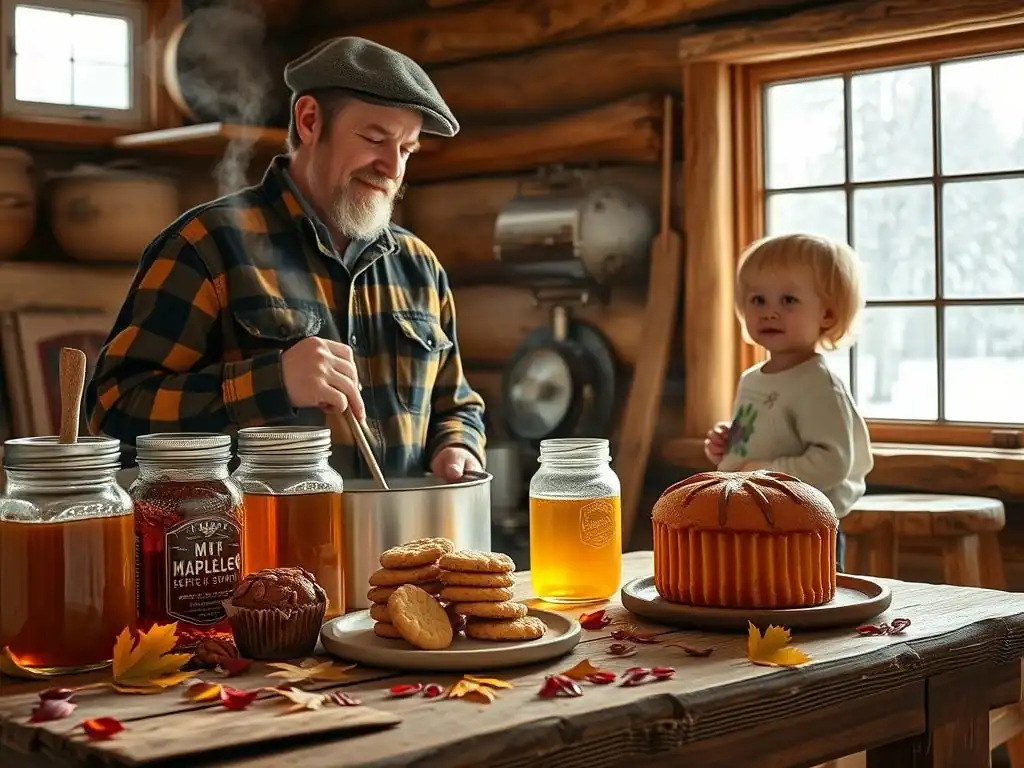
Supporting Sustainable Maple Syrup Producers
Choosing pure maple syrup often means supporting sustainable agricultural practices. Many maple syrup farms are committed to forest health and responsible tapping methods that ensure the long-term vitality of the maple trees and the surrounding ecosystem. Sustainable producers often employ techniques that minimize environmental impact, manage forest diversity, and ensure fair labor practices. By purchasing from producers who prioritize sustainability, you contribute to the preservation of maple forests and the traditional craft of sugaring, making your pure maple syrup baking recipes not just delicious, but also environmentally conscious.
Understanding the Maple Syrup Tapping Process
The production of pure maple syrup is a fascinating natural process. It begins in late winter or early spring when temperatures fluctuate around the freezing point – below freezing at night and above freezing during the day. This temperature swing creates pressure within the maple trees, causing the sap to flow.
Small holes, typically no more than 1.5 inches deep and less than an inch in diameter, are drilled into the trees (usually those at least 10 inches in diameter). Spouts (taps) are inserted into these holes, and the clear, slightly sweet sap drips out.
This sap, which is only about 2-3% sugar, is then collected, traditionally in buckets or via a network of tubing, and transported to a sugarhouse. There, it is boiled in large evaporators to remove excess water, concentrating the sugars and flavors until it reaches the required density and becomes pure maple syrup, a labor-intensive process that results in the liquid gold used in pure maple syrup baking recipes.
Conclusion: Embrace the Versatility of Pure Maple Syrup in Your Baking
Pure maple syrup is far more than just a pancake topping; it's a sophisticated sweetener that can transform your baking. Its unique flavor profile adds depth and warmth to everything from simple cookies to elaborate pies and glazes. By understanding maple syrup grades, making simple adjustments for its liquid content, and experimenting with complementary flavors, you can unlock a world of delicious pure maple syrup baking recipes. Embrace this natural, flavorful ingredient and discover the richness it brings to your homemade treats. Happy baking with pure maple syrup!
Frequently Asked Questions
What makes pure maple syrup a good ingredient for baking?
Pure maple syrup adds a unique flavor complexity and natural sweetness to baked goods, unlike refined sugars. It also contributes to a moist and tender texture.
Can I substitute pure maple syrup for granulated sugar in any recipe?
While possible, a direct substitution isn't always recommended. You'll likely need to adjust the liquid content and baking time, as maple syrup is a liquid sweetener.
Are all maple syrups the same for baking purposes?
No, the grade of maple syrup (e.g., golden, amber, dark) affects its flavor intensity. Darker grades have a stronger maple flavor and are often preferred for baking.
Where can I find reliable pure maple syrup baking recipes?
Resources like BakeWithEase.com offer step-by-step guides and easy-to-follow recipes specifically designed for using pure maple syrup in various baked goods.
Does baking with pure maple syrup affect the shelf life of the final product?
Baked goods made with pure maple syrup may have a slightly longer shelf life due to its humectant properties, which help retain moisture. However, proper storage is still crucial.
Final Reflection: The Enduring Sweetness of Pure Maple Syrup
The resurgence of interest in pure maple syrup extends far beyond a simple culinary trend; it represents a growing appreciation for authentic, natural ingredients and the unique flavors they bring to our kitchens. This renewed focus on quality and provenance is transforming the way we bake, moving away from artificial sweeteners and embracing the complex, nuanced sweetness of the maple tree.
The journey from simple pancake topping to sophisticated baking ingredient highlights the versatility and depth of pure maple syrup. Its impact on the culinary landscape is undeniable, influencing everything from classic recipes to innovative creations. The best things in life are simple,
a common saying, rings especially true when considering the pure, unadulterated sweetness of maple syrup and its ability to elevate even the simplest of baked goods. Its rich history and connection to nature add another layer of appeal, enriching the experience beyond mere taste.
Now, consider your own baking. What new possibilities does the unique flavor profile of pure maple syrup unlock for you? Will you experiment with substituting it in your favorite recipes, or perhaps embark on a journey to discover entirely new creations? Embrace the challenge, explore the possibilities, and savor the delicious results. The world of pure maple syrup baking awaits your culinary exploration.
Unlock Your Inner Pastry Chef: Elevate Your Baking Today!
Thanks for exploring the delicious world of baking with pure maple syrup! We hope you've discovered some inspiring new ways to add depth and complexity to your favorite recipes. Ready to put your newfound knowledge into practice?
- Bake your dream dessert: Try out one of the recipes mentioned in the article – or create your own maple masterpiece! Let your creativity flow!
- Share your sugary success: Post a picture of your maple-infused creation on social media and tag #BakeWithEaseMaple. We’d love to see your culinary creations!
- Dive deeper into maple: Explore our website for even more delicious maple syrup recipes and baking tips.
What unique maple-infused treat will you bake next? Let us know in the comments!