
Baking with Honey: Traditional Eastern European Sweets

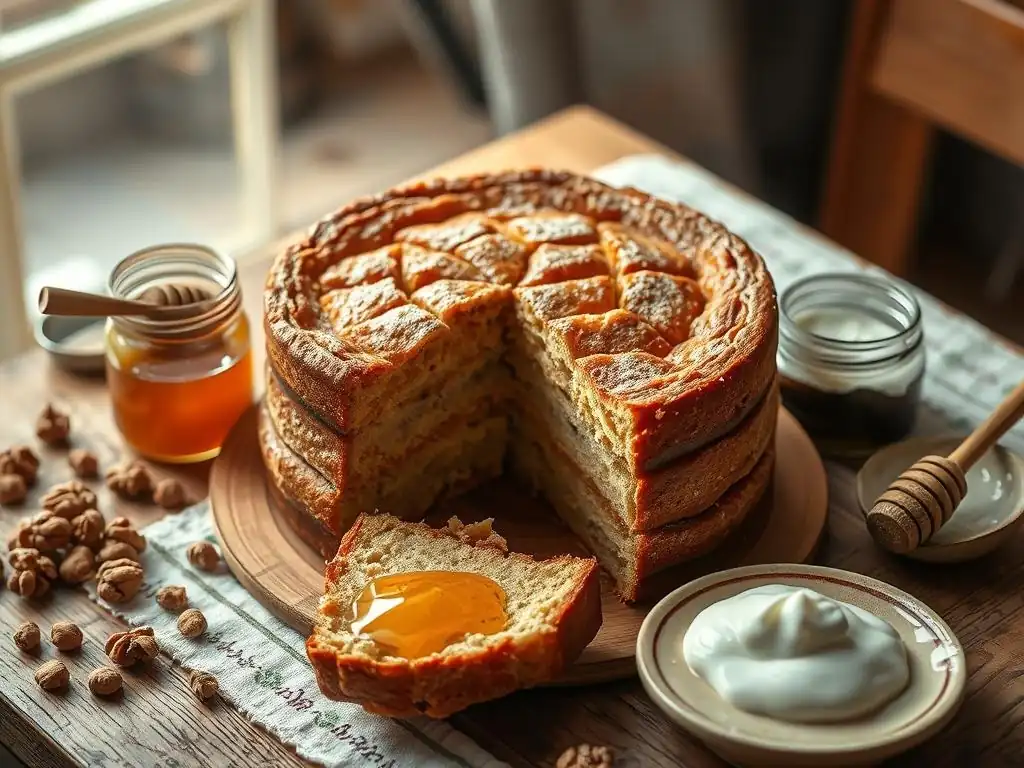
Welcome to BakeWithEase!
Uncover the secrets to creating delectable treats with our simple recipes and expert guidance. Are you ready to embark on a flavorful journey into the heart of Eastern European baking? Today, we're diving into the golden goodness of a classic – our Honey Cake Recipe Easy. But that's just the beginning! Discover the rich traditions and delightful variations waiting to be explored within our collection of regional and cultural baking masterpieces. Intrigued? Let's get started and unlock the magic of baking!
- Baking with Honey: Exploring Eastern European Traditions
- The Sweetness of Eastern European Baking: A Honey-Infused Journey
- Understanding Honey in Eastern European Baking
- Medovik: A Classic Layered Honey Cake
- Beyond Medovik: Other Honey-Sweetened Eastern European Treats
- Baking Tips for Honey-Based Recipes
- Honey Cake Variations: Flavor Exploration
- Baking Tips for Honey-Based Recipes
- Troubleshooting Common Issues
- Serving and Enjoying Your Honey Bakes
-
Frequently Asked Questions
- What makes the Honey Cake recipe on BakeWithEase.com "easy"?
- Does the "Honey cake recipe easy" on BakeWithEase.com require special equipment?
- Is the Honey Cake recipe on BakeWithEase.com a traditional Eastern European recipe?
- Can I substitute ingredients in the "Honey cake recipe easy" on BakeWithEase.com?
- How long does it take to bake the Honey Cake using the BakeWithEase.com recipe?
- Final Reflection: The Enduring Sweetness of Tradition
- Unlock the Sweet Secrets of Eastern Europe!
Baking with Honey: Exploring Eastern European Traditions
The Sweetness of Eastern European Baking: A Honey-Infused Journey
Eastern European baking traditions are rich and diverse, often featuring comforting, hearty ingredients. Among these, honey stands out as a star player, lending its unique sweetness, moisture, and complex aroma to a myriad of beloved desserts and breads.
From the multi-layered majesty of Medovik to simple, spiced cookies, honey weaves its way through the culinary history of the region, offering more than just sweetness – it provides depth of flavor and a tender texture that's hard to replicate. Exploring these recipes offers a delightful journey into the past, connecting us to generations of bakers who understood the magic of this golden liquid.
This article delves into the fascinating world of honey in Eastern European baking. We'll uncover its historical significance, explore different types of honey and their impact on flavor, and provide insights into creating classic treats. Whether you're seeking an easy honey cake recipe or want to master the techniques behind traditional pastries, understanding the role of honey is key. Get ready to discover how this humble ingredient transforms simple flour, eggs, and butter into unforgettable culinary experiences, perfect for sharing with family and friends.
Understanding Honey in Eastern European Baking
Honey's Role: Sweetener, Flavor, and Preservative
Honey in Eastern European baking serves a multifaceted purpose that goes far beyond mere sweetness. Historically, before refined sugar became widely accessible and affordable, honey was the primary sweetener, especially in rural areas. Its concentration of natural sugars, primarily fructose and glucose, provides significant sweetness, often requiring less volume than granulated sugar to achieve a similar level of perceived sweetness, depending on the honey type.
Beyond sweetness, honey imparts distinct flavors depending on the floral source. Buckwheat honey, for instance, offers a robust, slightly malty flavor profile, while acacia honey is mild and floral. These unique notes contribute significantly to the overall taste of a baked good, giving it character that plain sugar cannot. Moreover, honey is a humectant, meaning it attracts and retains moisture. This property is crucial in many traditional recipes, particularly those designed for long storage, as it helps keep cakes and cookies moist and tender over time, acting as a natural preservative alongside spices.
Historical Use of Honey in Eastern European Cuisine
The use of honey in Eastern European cuisine dates back centuries, predating the widespread availability of sugar. It was a valuable commodity, often used in celebratory foods and religious rituals. Monasteries were significant producers of honey and mead, contributing to its integration into festive baking. For example, gingerbread (like Polish Piernik or Russian Pryanik) often relied heavily on honey not only for sweetness but also for its preservative qualities, allowing large batches to be made ahead of holidays like Christmas and stored for weeks or even months.
Historical recipe books and oral traditions show honey being incorporated into everything from simple bread doughs for added richness to complex layered cakes. In regions like Ukraine and Russia, honey was central to dishes served during Maslenitsa (Pancake Week) or Easter.
Specific figures are hard to pinpoint precisely across vast historical periods, but estimates suggest that before the 18th or 19th century, the proportion of honey to sugar used in sweet baked goods could be as high as 80-90% in many households, gradually shifting as sugar production increased. Its status as a natural, often locally sourced sweetener made it an indispensable part of the culinary heritage.
Honey Varieties and Their Flavor Profiles in Baking
The choice of honey significantly impacts the final flavor of a baked good. Eastern Europe boasts a variety of floral sources that yield distinct types of honey, each with its own characteristics. Linden honey, common in Poland and Russia, is light in color with a fresh, slightly minty or balsamic aroma, excellent for delicate cakes where you don't want the honey flavor to overwhelm other ingredients. Buckwheat honey, often dark and intensely flavored, is popular for darker, spiced gingerbreads (Piernik or Pryanik) where its robust, slightly bitter notes complement spices like ginger, cloves, and cinnamon.
Acacia honey, widely produced in Hungary and other parts of the region, is very light in color and has a mild, floral, and slightly vanilla-like flavor. It's a versatile choice, suitable for many recipes, including a classic easy honey cake recipe, as it provides sweetness without a dominant flavor profile. Sunflower honey, common in Ukraine and parts of Russia, is golden-yellow with a slightly fruity taste. Using a blend of honeys is also common, allowing bakers to create unique flavor combinations. Experimenting with different local honeys is a key part of exploring the authentic tastes of Eastern European baking.
Medovik: A Classic Layered Honey Cake
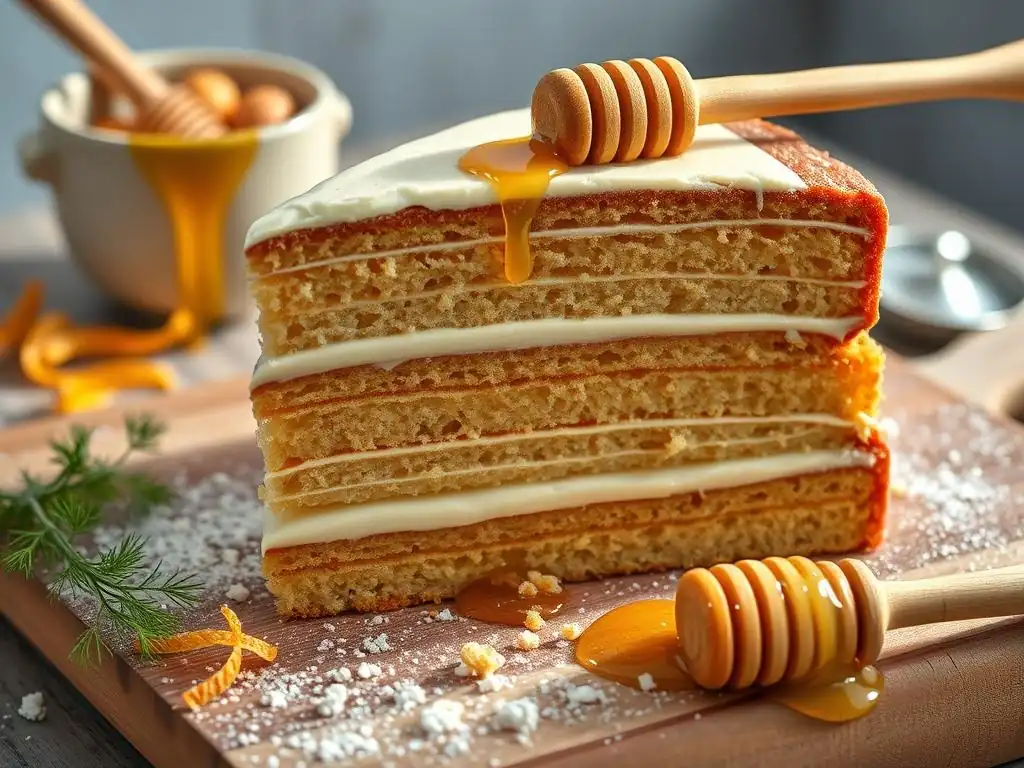
Medovik, or Russian Honey Cake, is perhaps the most iconic honey-based dessert from Eastern Europe. This magnificent cake is known for its numerous thin, tender honey-flavored layers and a creamy, often sour cream-based frosting. Its popularity spans across Russia, Ukraine, Belarus, and other neighboring countries, where it's a staple for celebrations and family gatherings. The creation of Medovik is often attributed to a chef in the service of Empress Elizabeth Alexeievna in the 19th century, who disliked honey but was reportedly won over by this specific cake.
Creating a Medovik is a labor of love, involving rolling out and baking many thin layers and then allowing the assembled cake to rest for a significant period (often 12-24 hours) in the refrigerator. This resting time is crucial as it allows the moisture from the frosting to soften the firm honey layers, transforming the cake into a tender, melt-in-your-mouth dessert.
While traditional recipes can be time-consuming due to the sheer number of layers (sometimes 10-15 or more), many modern adaptations offer an easy honey cake recipe approach by reducing the number of layers or simplifying the process, making this delicious cake accessible to home bakers.
Exploring the Layers of Medovik
The signature characteristic of Medovik is its numerous thin layers. These layers are made from a dough enriched with honey, butter, and often eggs, leavened with baking soda (which reacts with the honey and heat to create lift and a characteristic color). The dough is typically rolled out very thinly, often to just 1-2 mm thickness, and baked quickly until golden brown and slightly crisp. The number of layers can vary, but traditionally, a large cake might have 8 to 10 layers, while smaller versions might have 5 or 6.
The thickness and baking time of the layers are critical. Baking them too long results in brittle layers that won't soften properly, while underbaking can lead to a gummy texture. Once baked and cooled, the layers are spread generously with a creamy frosting. The interaction between the slightly firm, honey-infused cake layers and the moist, tangy frosting during the resting period is what gives Medovik its unique texture. The layers absorb moisture and meld together, creating a cohesive yet distinct structure.
Medovik Recipe: A Step-by-Step Guide
Making a Medovik, while requiring patience, can be approached with an easy honey cake recipe mindset if broken down into manageable steps. The process generally involves preparing the honey dough, rolling and baking the layers, making the frosting, and assembling the cake.
**Basic Easy Honey Cake Recipe (Medovik Style)**

**Ingredients:**
*   **For the Dough:**
    *   ~100g (about 1/3 cup) Honey (use a mild-flavored one like acacia or linden)
    *   ~100g (about 7 tbsp) Unsalted Butter
    *   2 large Eggs
    *   ~150g (about 3/4 cup) Granulated Sugar (adjust slightly based on honey sweetness)
    *   1 tsp Baking Soda
    *   ~400-500g (about 3.5-4 cups) All-Purpose Flour, plus more for dusting
*   **For the Frosting:**
    *   ~500g (about 2 cups) Sour Cream (full fat, at least 18% fat content is best)
    *   ~100-150g (about 1/2 - 3/4 cup) Powdered Sugar (to taste)
    *   1 tsp Vanilla Extract (optional)

**Equipment:**
*   Medium saucepan
*   Mixing bowls
*   Whisk
*   Rolling pin
*   Parchment paper
*   Baking sheets
*   Round cake pan or plate (for cutting layers)
*   Offset spatula
*   Plastic wrap
Baking the Honey Cake Layers: Techniques for Success
The dough for Medovik layers is typically made using a double boiler method. Combine honey, butter, and sugar in a heatproof bowl set over a pot of simmering water. Stir until everything is melted and combined. Whisk in the eggs one at a time, ensuring the mixture isn't too hot to scramble them. Then, whisk in the baking soda; the mixture will likely foam up. Remove from heat and gradually stir in the flour until a soft, slightly sticky dough forms. Let it cool slightly until it's workable but still warm.
Divide the dough into equal portions (e.g., 6-8 portions for a standard cake). On a floured surface or between two sheets of parchment paper, roll each portion very thinly into a circle, roughly the size of your desired cake diameter (e.g., 20-23 cm or about 8-9 inches). Use a cake pan or plate as a guide to cut out a neat circle. Bake the layers on parchment-lined baking sheets in a preheated oven (around 180°C or 350°F) for just 3-5 minutes per layer, or until golden brown and slightly firm. Save the scraps – they'll be used for decoration!
Preparing the Sour Cream Frosting: Achieving the Right Consistency
The traditional frosting for Medovik is a simple sour cream frosting. It relies on high-fat sour cream for richness and stability. In a bowl, whisk together the cold sour cream, powdered sugar, and vanilla extract (if using) until smooth and creamy. Avoid over-whipping, as sour cream can become runny. Some variations add condensed milk or a mix of sour cream and condensed milk for a sweeter, richer frosting. The key is to use cold, full-fat sour cream straight from the refrigerator.
The consistency should be thick enough to spread easily but not so stiff that it tears the delicate cake layers. If your sour cream is too thin, you can try draining it through cheesecloth set over a sieve in the refrigerator for a few hours to remove excess liquid. Alternatively, some recipes use a cooked custard base mixed with butter or sour cream, but the simple sour cream frosting is classic and provides a crucial tangy counterpoint to the sweet honey layers.
Assembling and Decorating the Medovik
To assemble the cake, place the first cooled honey layer on your serving plate. Spread a generous amount of sour cream frosting evenly over the layer, going all the way to the edges. Place the next layer on top and repeat the process, stacking all the layers. Use a generous amount of frosting between layers – you'll use a significant portion of it here. Once all layers are stacked, use the remaining frosting to cover the top and sides of the cake smoothly.
For decoration, the reserved baked dough scraps are crumbled into fine crumbs. These crumbs are then pressed onto the sides and top of the cake, completely covering the frosting. This traditional decoration provides texture and uses up the scraps efficiently. Some variations might add chopped nuts (especially walnuts) or a drizzle of honey. Once decorated, the Medovik must be refrigerated for at least 12-24 hours. This resting period is non-negotiable for achieving the signature tender texture as the layers absorb moisture from the frosting.
Beyond Medovik: Other Honey-Sweetened Eastern European Treats
While Medovik reigns supreme, Eastern European baking offers many other delightful treats that feature honey prominently. These range from spiced holiday cakes designed for longevity to simple, rustic cookies. Exploring these recipes reveals the versatility of honey and its deep roots in the region's culinary heritage, showcasing how different cultures within Eastern Europe utilize this ingredient in unique ways.
These diverse honey-based recipes offer a glimpse into the regional variations and historical context of baking in Eastern Europe. They often incorporate local spices, nuts, and fruits, creating a wide spectrum of flavors and textures, from the dense, chewy texture of some gingerbreads to the light crispness of certain cookies.
Polish Gingerbread (Piernik): A Spiced Holiday Cake
Polish Piernik is a classic example of how honey and spices are combined to create a rich, dark, and aromatic cake, traditionally associated with Christmas and other holidays. Unlike many cakes, Piernik dough is often made months in advance (sometimes even a year!) and left to mature in a cool place. This aging process allows the flavors to meld and deepen, and the dough becomes more pliable. The main ingredients typically include a large amount of honey, butter, flour, eggs, and a generous blend of spices like cinnamon, cloves, ginger, nutmeg, and allspice.
After the aging period, the dough is baked into various forms – large loaves, layered cakes with fruit or jam fillings, or cut-out cookies. The high honey content (often 1 cup or more per standard loaf recipe) acts as a natural preservative, contributing to its long shelf life. A classic layered Piernik might feature plum jam or marmalade between layers, often finished with a chocolate glaze. The texture is typically dense and moist, becoming even more tender over time.
Ukrainian Medivnyk refers to a variety of honey-sweetened cookies, often simpler and quicker to make than elaborate cakes. These cookies range from soft and chewy to slightly crisp, depending on the recipe and baking time. Common ingredients include honey, flour, eggs, sugar, butter or oil, and often spices like cinnamon or ginger. Some versions might incorporate nuts or dried fruit.
A simple Medivnyk recipe might involve heating honey and sugar, mixing in butter, then adding eggs, flour, and baking soda. The dough is often rolled out and cut into shapes or simply dropped onto baking sheets. These cookies are popular throughout the year but are especially enjoyed during holidays. Their relatively quick preparation and the use of readily available ingredients make them a staple in Ukrainian home baking, offering a comforting, sweet bite.
Russian Honey Spice Cake (Pryanik): Variations and Fillings
Russian Pryanik is a broad category of traditional sweet baked goods, often translated as gingerbread or spice cake, where honey is a central ingredient. Pryaniki come in countless shapes, sizes, and textures across Russia. The name "pryanik" is derived from the Russian word "pryany" meaning "spiced," highlighting the importance of spices alongside honey.
Common Pryanik recipes include ingredients like honey, rye or wheat flour, eggs, butter or oil, and a mix of spices (often including cinnamon, cloves, cardamom, and ginger). Some famous regional varieties include Tula Pryanik, which is a large, often rectangular, filled gingerbread cookie, typically stamped with an intricate design and filled with jam or condensed milk.
Another type is the smaller, softer Moscow Pryanik. The amount and type of honey, the flour used, and the spice blend vary significantly, leading to a wide array of textures and flavors, from soft, bread-like cakes to firmer, cookie-like treats, all bound by the warmth of honey and spices.
Baking Tips for Honey-Based Recipes
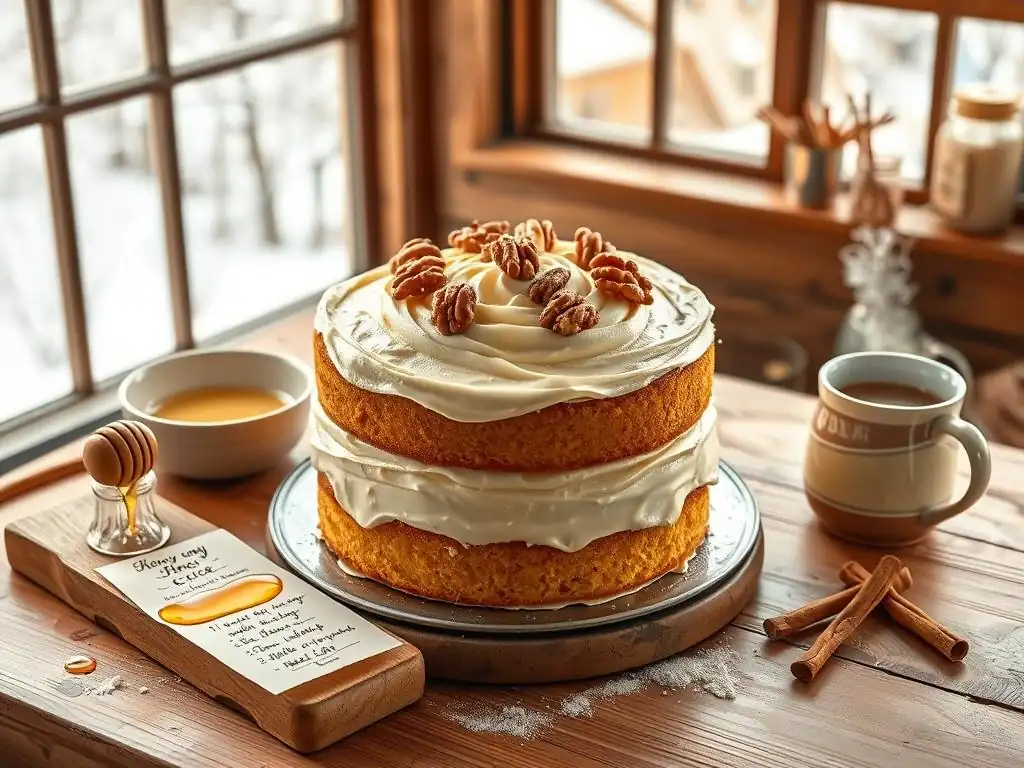
Working with honey in baking presents some unique considerations compared to using granulated sugar. Honey is a liquid, it's sweeter by volume than sugar, and its humectant properties can affect texture and moisture. Understanding these nuances is key to achieving successful results when baking Eastern European honey treats or adapting any easy honey cake recipe.
Mastering these tips will help you navigate the unique properties of honey in baking. It's about understanding how honey contributes not just sweetness, but also moisture, color, and flavor intensity, allowing you to control these elements for the best possible outcome in your honey-infused creations.
Selecting the Best Honey for Your Needs
The type of honey you choose significantly impacts the flavor of your baked goods. For delicate cakes like Medovik or lighter cookies, a mild-flavored honey like acacia, clover, or linden is often preferred. These honeys provide sweetness without overpowering the other flavors. Approximately 100-150 grams (roughly 1/3 to 1/2 cup) of mild honey is often used in a standard easy honey cake recipe for an 8-9 inch cake.
For darker, more robustly spiced recipes like Piernik or Pryanik, a stronger-flavored honey such as buckwheat or forest honey can be excellent choices. Their intense, sometimes slightly bitter notes complement the rich spices. Using too strong a honey in a mild recipe can result in an unbalanced flavor. Consider the primary flavor profile you want – subtle sweetness and moisture or a distinct honey character – when selecting your honey.
Balancing Moisture: Honey's Impact on Recipes
Honey is a humectant, meaning it draws and retains moisture. This is why honey cakes and cookies often stay moist and tender for longer than those made solely with sugar. However, this property also means you may need to adjust liquid levels in recipes when substituting honey for sugar. As a general rule, when substituting honey for granulated sugar, use about 2/3 to 3/4 cup of honey for every cup of sugar called for, and reduce the amount of other liquids in the recipe by about 1/4 cup.
The high fructose content in honey also causes baked goods to brown faster. You may need to reduce your oven temperature by about 10-15°C (25°F) when baking with significant amounts of honey to prevent the outside from burning before the inside is cooked through. Approximately 50-75 grams of honey per 200 grams of flour in a dough can noticeably increase browning speed compared to a sugar-only recipe. Monitoring your bake closely is essential.
Storing Honey Baked Goods to Maintain Freshness
Thanks to honey's natural humectant properties, baked goods made with honey tend to stay fresh and moist for longer periods compared to those made primarily with granulated sugar. This is particularly true for dense cakes like Medovik or spiced gingerbreads like Piernik. A well-made Medovik, properly wrapped and refrigerated, can remain delicious for 5-7 days or even longer, with its texture actually improving over the first day or two as the layers soften.
To maximize freshness, store honey cakes and cookies in an airtight container at room temperature or in the refrigerator, depending on the recipe (Medovik requires refrigeration due to the sour cream frosting). Spiced honey gingerbreads that are meant for long storage (like some traditional Piernik) can be stored in a cool, dry place, wrapped tightly, and can last for weeks or even months, becoming softer and more flavorful over time. Avoid exposing them to air, which can dry them out.
Honey Cake Variations: Flavor Exploration
While the classic Medovik with sour cream frosting is beloved, the concept of a honey cake is incredibly versatile. Eastern European bakers have developed numerous variations by incorporating different ingredients to add new dimensions of flavor and texture. These variations often reflect regional availability of ingredients or simply creative interpretations of the core idea, making a honey cake recipe a fantastic canvas for experimentation.
Exploring these variations shows how the foundation of a honey cake can be adapted to different tastes and occasions. Adding ingredients like chocolate, nuts, or fruit creates entirely new flavor profiles while still benefiting from the unique qualities that honey brings to the bake – moisture, depth of flavor, and a tender crumb.
Chocolate Honey Cake: A Rich Indulgence
Adding chocolate to a honey cake creates a decadent twist on the classic. This can be achieved by incorporating cocoa powder into the cake layers or the frosting, or by adding melted chocolate. A chocolate honey cake recipe might involve replacing a portion of the flour with cocoa powder (e.g., substituting 30-50 grams of flour with cocoa per 400 grams of flour) in the honey dough. The resulting layers are darker and possess a subtle chocolate flavor that pairs beautifully with the honey.
Alternatively, a chocolate ganache or a chocolate-infused butter or sour cream frosting can be used between the layers or as a glaze. The slightly bitter notes of dark chocolate provide a wonderful contrast to the sweetness of the honey. This variation is particularly popular for those who enjoy richer desserts and offers a modern take on a traditional easy honey cake recipe.
Walnut Honey Cake: Adding Nutty Depth
Nuts, especially walnuts, are a common addition to many Eastern European baked goods, and honey cakes are no exception. Chopped walnuts can be incorporated directly into the honey cake batter, providing texture and a rich, earthy flavor that complements the honey. Approximately 50-100 grams of finely chopped walnuts can be added to the dough for a standard 8-9 inch cake recipe.
Walnuts are also frequently used in the frosting or as a decoration for honey cakes. A frosting made with condensed milk and butter can have chopped walnuts mixed in, creating a nutty, creamy filling. Alternatively, the cake can be decorated by pressing chopped or ground walnuts onto the sides and top, similar to how cake crumbs are used for Medovik. The combination of sweet honey and savory nuts is a classic pairing that adds complexity and satisfaction.
Spiced Apple Honey Cake: A Seasonal Favorite
Combining honey with seasonal fruits like apples and warming spices creates a comforting and flavorful honey cake, often enjoyed in the autumn. This variation might involve adding grated or finely diced apples directly into the honey cake batter, or layering thinly sliced apples between the cake layers before baking (though this is less common for thin-layered cakes like Medovik and more suited for thicker cake batters).
Spices such as cinnamon, nutmeg, and allspice pair exceptionally well with both apples and honey. A spiced apple honey cake recipe might include 1-2 teaspoons of ground cinnamon and a pinch of nutmeg added to the cake batter. The moisture from the apples helps keep the cake incredibly tender, while the spices enhance the warmth of the honey flavor. This variation offers a delicious seasonal twist on a classic, perfect for using up a harvest of apples.
Baking Tips for Honey-Based Recipes
Working with honey in baking requires a slightly different approach than using granulated sugar. Honey is a liquid, it's sweeter by volume than sugar, and its humectant properties can affect texture and moisture. Understanding these nuances is key to achieving successful results when baking Eastern European honey treats or adapting any easy honey cake recipe.
Mastering these tips will help you navigate the unique properties of honey in baking. It's about understanding how honey contributes not just sweetness, but also moisture, color, and flavor intensity, allowing you to control these elements for the best possible outcome in your honey-infused creations.
Selecting the Best Honey for Your Needs
The type of honey you choose significantly impacts the flavor of your baked goods. For delicate cakes like Medovik or lighter cookies, a mild-flavored honey like acacia, clover, or linden is often preferred. These honeys provide sweetness without overpowering the other flavors. Approximately 100-150 grams (roughly 1/3 to 1/2 cup) of mild honey is often used in a standard easy honey cake recipe for an 8-9 inch cake.
For darker, more robustly spiced recipes like Piernik or Pryanik, a stronger-flavored honey such as buckwheat or forest honey can be excellent choices. Their intense, sometimes slightly bitter notes complement the rich spices. Using too strong a honey in a mild recipe can result in an unbalanced flavor. Consider the primary flavor profile you want – subtle sweetness and moisture or a distinct honey character – when selecting your honey.
Balancing Moisture: Honey's Impact on Recipes
Honey is a humectant, meaning it draws and retains moisture. This is why honey cakes and cookies often stay moist and tender for longer than those made solely with sugar. However, this property also means you may need to adjust liquid levels in recipes when substituting honey for sugar. As a general rule, when substituting honey for granulated sugar, use about 2/3 to 3/4 cup of honey for every cup of sugar called for, and reduce the amount of other liquids in the recipe by about 1/4 cup.
The high fructose content in honey also causes baked goods to brown faster. You may need to reduce your oven temperature by about 10-15°C (25°F) when baking with significant amounts of honey to prevent the outside from burning before the inside is cooked through. Approximately 50-75 grams of honey per 200 grams of flour in a dough can noticeably increase browning speed compared to a sugar-only recipe. Monitoring your bake closely is essential.
Storing Honey Baked Goods to Maintain Freshness
Thanks to honey's natural humectant properties, baked goods made with honey tend to stay fresh and moist for longer periods compared to those made primarily with granulated sugar. This is particularly true for dense cakes like Medovik or spiced gingerbreads like Piernik. A well-made Medovik, properly wrapped and refrigerated, can remain delicious for 5-7 days or even longer, with its texture actually improving over the first day or two as the layers soften.
To maximize freshness, store honey cakes and cookies in an airtight container at room temperature or in the refrigerator, depending on the recipe (Medovik requires refrigeration due to the sour cream frosting). Spiced honey gingerbreads that are meant for long storage (like some traditional Piernik) can be stored in a cool, dry place, wrapped tightly, and can last for weeks or even months, becoming softer and more flavorful over time. Avoid exposing them to air, which can dry them out.
Troubleshooting Common Issues
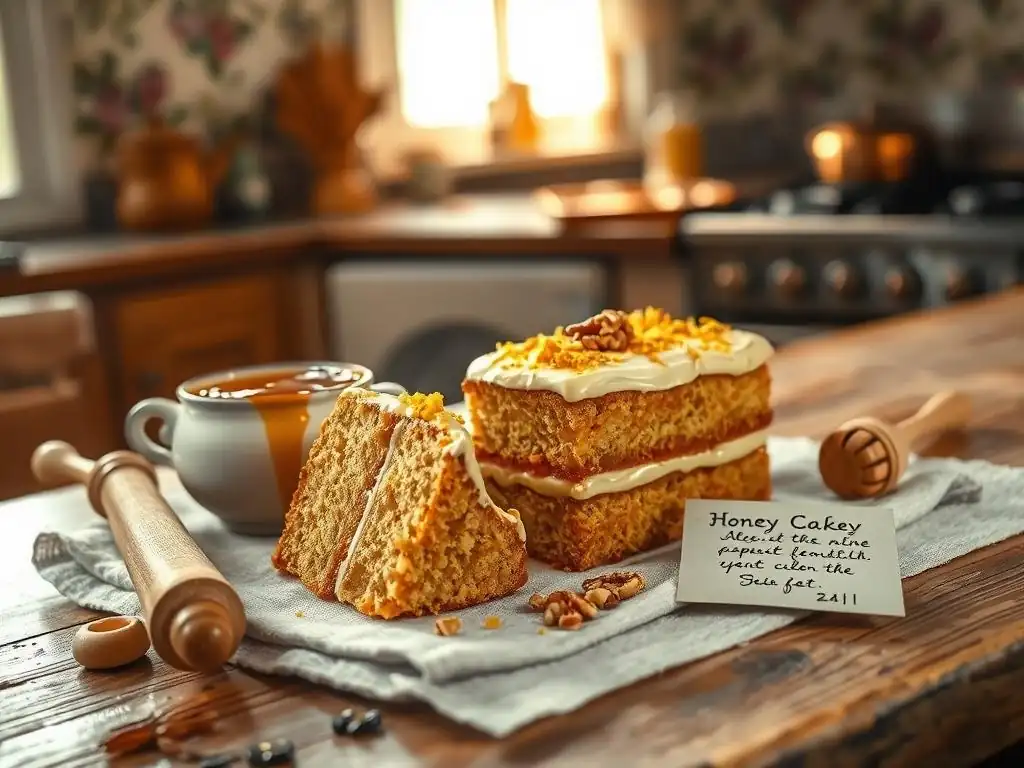
Even with an easy honey cake recipe, baking can sometimes present challenges. Understanding common pitfalls when working with honey and how to address them is crucial for consistently achieving delicious results. While honey adds wonderful qualities, its unique properties can sometimes lead to unexpected textures or outcomes if not managed correctly.
By being aware of these potential issues and knowing how to troubleshoot them, you can confidently tackle any honey cake recipe. Often, slight adjustments to technique or ingredient ratios can make a significant difference in the final texture and appearance of your bake.
Preventing a Dense or Gummy Texture
A common issue with honey cakes, particularly those with a high honey content, can be a dense or even gummy texture. This can happen if too much liquid is in the recipe (either from the honey itself or other sources), if the leavening agent isn't sufficient, or if the cake is underbaked. Honey's humectant nature means it holds onto moisture effectively, which is great for keeping things moist but can lead to gumminess if the structure isn't light enough.
Ensure you are using the correct amount of flour and not overmixing the dough, which can develop gluten excessively, leading to toughness. For recipes like Medovik, ensuring the baking soda is properly activated (often by heating it with the honey/butter mixture) is key for creating air pockets. If adapting a recipe, remember to slightly reduce other liquids when adding honey. Baking the layers/cake fully until a skewer comes out clean is also vital; underbaking is a major cause of gumminess.
Achieving the Ideal Cake Crumb
The ideal crumb for a honey cake varies by type – Medovik layers should be slightly firm but soften beautifully, while a Pryanik might be dense yet tender. Achieving the right crumb depends on several factors: the ratio of ingredients, the mixing method, and the baking process. For layered cakes like Medovik, the thinness of the layers (aiming for 1-2 mm thickness) and the quick, hot bake are critical for creating layers that will absorb the frosting correctly.
For thicker honey cakes, ensuring ingredients are at the right temperature (often room temperature for butter and eggs) and creaming butter and sugar/honey properly helps incorporate air for a lighter crumb. Avoid overmixing once flour is added. The type of flour also matters; using cake flour or a mix with a lower protein content can result in a more tender crumb compared to high-protein bread flour.
Addressing Honey Crystallization
Honey is a supersaturated sugar solution, and over time, it's natural for glucose to separate and form crystals, causing the honey to thicken or become grainy. While crystallized honey is perfectly fine to eat and use, its texture can be problematic in baking where a smooth, liquid honey is needed for even distribution in batter or dough.
If your honey has crystallized, you can easily reliquefy it by gently heating it. Place the honey jar (with the lid slightly loosened or removed if plastic) in a bowl of warm water (not boiling) and let it sit until the crystals dissolve and the honey returns to a smooth, liquid state. Avoid microwaving or heating honey directly over high heat, as this can damage its flavor and beneficial properties. Store honey at room temperature, not in the refrigerator, to slow down the crystallization process.
Serving and Enjoying Your Honey Bakes
After the effort of baking, the final step is enjoying your delicious Eastern European honey creation! Whether it's a majestic Medovik or simple honey cookies, how you serve and pair your bake can enhance the experience. Traditional customs often dictate specific accompaniments, adding another layer to the cultural richness of these desserts.
Sharing these honey-infused treats is a central part of the tradition. They are perfect for gatherings, holidays, or simply enjoying a quiet moment with a warm drink. The unique flavors and comforting textures make them memorable desserts.
Beverage Pairings for Honey Cakes
Honey cakes, with their rich, often spiced flavors, pair wonderfully with a variety of beverages. For a classic combination, strong black tea is a popular choice throughout Eastern Europe. The slight bitterness and warmth of the tea cut through the sweetness of the cake and complement the honey and spices. Coffee is another excellent pairing, especially with richer, chocolate or nutty honey cakes.
For something a bit different, consider pairing with a glass of milk or a traditional fermented milk drink like kefir or ryazhenka, which offers a tangy contrast to the sweetness. Dessert wines, particularly those with notes of fruit or spice, can also be a sophisticated accompaniment. For a non-alcoholic option, a spiced apple cider or a compote made from dried fruits (like uzvar in Ukraine) can echo the flavors within the cake.
Traditional Serving Customs
In many Eastern European cultures, cakes, especially celebratory ones like Medovik or holiday Piernik, are served as the centerpiece of the dessert course. They are often brought out whole to be admired before being sliced and served. For Medovik, the presentation of the many layers revealed when sliced is part of its appeal.
Serving sizes can vary, but a moderate slice is typical, as these cakes can be quite rich. It's common to serve the cake alongside the chosen beverage, allowing guests to enjoy the combination. For holiday cookies like Pryaniki, they might be offered from a decorative plate or basket, enjoyed as a snack with tea throughout the day. The act of sharing these homemade treats is deeply embedded in the hospitality of the region.
Presentation Ideas for Honey Desserts
While traditional decorations like Medovik crumbs are classic, there are many ways to enhance the visual appeal of honey desserts. For a Medovik, ensuring the crumb coating is even and complete creates a neat, rustic look. You can use a stencil to dust the top with powdered sugar or cocoa powder before applying crumbs, or create patterns in the crumbs themselves.
For other honey cakes or loaves, a simple dusting of powdered sugar, a drizzle of melted chocolate or a honey glaze, or a scattering of chopped nuts can add elegance. Spiced honey cookies can be decorated with simple icing patterns or left plain to showcase their rustic charm. Serving slices of layered cakes on individual plates, perhaps with a dollop of sour cream or a sprig of mint, can elevate the presentation. Highlighting the golden-brown color achieved through honey is often key to showcasing its presence in the bake.
Frequently Asked Questions
What makes the Honey Cake recipe on BakeWithEase.com "easy"?
The BakeWithEase Honey Cake recipe prioritizes simple instructions and easily accessible ingredients, making it suitable for beginners. The recipe also includes clear, step-by-step guides to ensure success.
Does the "Honey cake recipe easy" on BakeWithEase.com require special equipment?
No, the recipe is designed to be accessible. It uses standard kitchen equipment like mixing bowls, measuring cups, and a baking pan, avoiding the need for specialized tools.
Is the Honey Cake recipe on BakeWithEase.com a traditional Eastern European recipe?
Yes, the recipe draws inspiration from traditional Eastern European baking techniques and flavors, emphasizing the use of honey as a key ingredient for sweetness and moisture.
Can I substitute ingredients in the "Honey cake recipe easy" on BakeWithEase.com?
While the recipe is designed for optimal results, some substitutions are possible. However, altering key ingredients like honey or flour might impact the final texture and flavor. Consult the website for substitution suggestions.
How long does it take to bake the Honey Cake using the BakeWithEase.com recipe?
The BakeWithEase "Honey cake recipe easy" typically requires around 45-60 minutes of baking time, plus preparation. Total time will depend on your oven and baking experience.
Final Reflection: The Enduring Sweetness of Tradition
The simple act of baking a honey cake connects us to generations past, a testament to the enduring power of culinary traditions. While the internet offers a dizzying array of recipes, the comforting familiarity of a honey cake, passed down through families and across borders, remains a potent symbol of heritage and shared experience. The ease of making these cakes, as highlighted in this article, only amplifies their appeal, making them accessible to a wider audience and ensuring their continued relevance in our modern kitchens.
The exploration of Eastern European honey cake recipes has been a journey not just through culinary techniques, but also through the rich tapestry of cultural history. These recipes, often passed down orally, represent more than just a list of ingredients; they are keepers of stories, memories, and a sense of belonging. Food is symbolic of love when words are inadequate.
- Alan D. Wolfelt. This quote perfectly encapsulates the emotional weight these simple cakes carry, transcending mere sustenance to become expressions of love, care, and connection.
Now, I invite you to embrace the sweetness of tradition. Try your hand at one of the recipes shared here, and as you bake, consider the history woven into each ingredient, each step. Share your creations with loved ones, and perhaps even pass on the recipe, ensuring that the enduring sweetness of these honey cakes continues to warm hearts and connect generations for years to come. Let the simple act of baking become a bridge to the past, a celebration of the present, and a promise for the future.
Unlock the Sweet Secrets of Eastern Europe!
Thanks for joining us on this delicious journey through the world of honey-based Eastern European baking! We hope you've gained a new appreciation for the rich flavors and traditions involved. Ready to put your newfound knowledge to the practice?
- Try your hand at one of the recipes: Choose your favorite from the article and let's see those baking skills shine! Consider starting with the simpler recipes first and slowly working your way up.
- Share your creations: Post a picture of your finished masterpiece on social media using #BakeWithEaseHoney. We'd love to see your baking adventures!
- Explore other traditional baking styles: Dive deeper into our archives for more regional baking inspiration—who knows what delicious discoveries await?
What unique honey-infused twist will you add to your next baking project?