
Delicious Polish Makowiec (Poppy Seed Roll) Made Simple

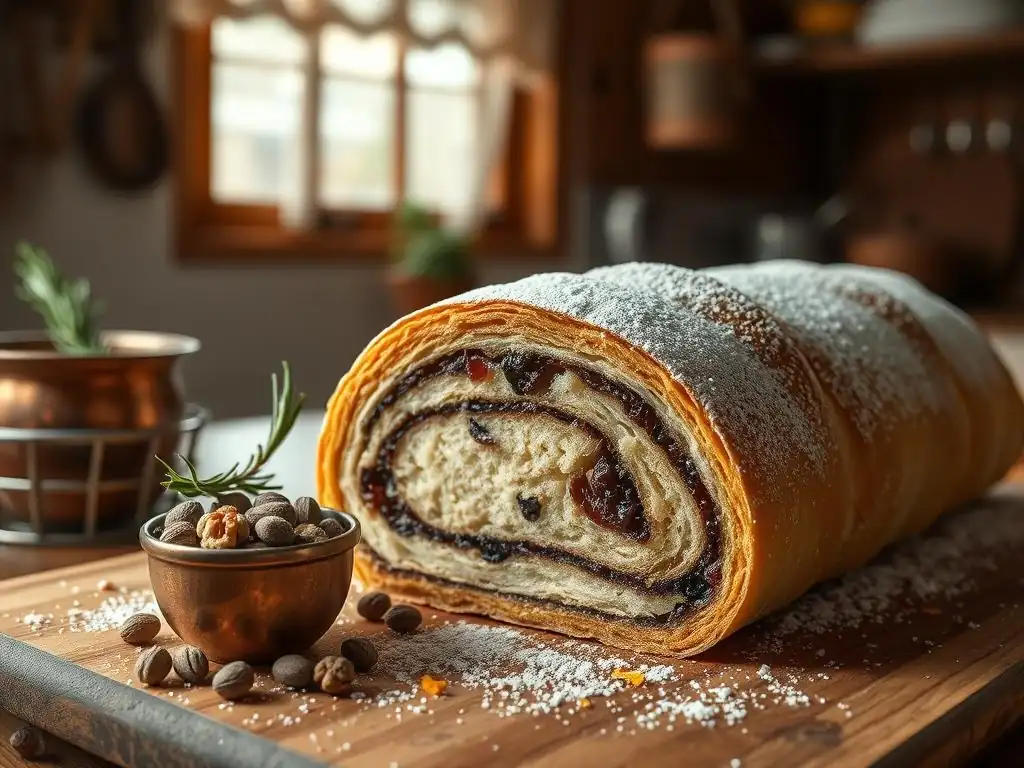
Welcome to BakeWithEase, where delicious baking becomes effortlessly achievable! Ever dreamed of creating authentic, culturally-rich treats? You're in the right place. Today, we're demystifying a beloved Eastern European classic. Discover our secrets for an Easy Polish poppy seed recipe and unlock the flavors of Makowiec. Ready to bake a masterpiece? Let's get started and see how surprisingly simple this traditional delight can be!
- Authentic Polish Makowiec (Poppy Seed Roll) Recipe
- Bake Traditional Makowiec: A Polish Christmas Delight
- Understanding Makowiec: A Deep Dive into This Polish Poppy Seed Cake
- Traditional Polish Poppy Seed Recipe: Ingredients for Success
- Step-by-Step Guide to Baking Authentic Makowiec
- Tips for a Perfect Polish Poppy Seed Roll
- Storing and Serving Your Homemade Makowiec
- Common Makowiec Baking Challenges and Solutions
- Makowiec Recipe: Celebrate Polish Baking Traditions
- Frequently Asked Questions
- Final Reflection: The Enduring Charm of Simple Pleasures
- Unleash Your Inner Baker: Make Makowiec Today!
Authentic Polish Makowiec (Poppy Seed Roll) Recipe
Bake Traditional Makowiec: A Polish Christmas Delight
Welcome to BakeWithEase, where we demystify traditional baking to bring delicious, authentic flavors right into your kitchen. Today, we're diving into the heart of Polish festive baking with a classic: Makowiec, the beloved poppy seed roll. This sweet, yeast-leavened bread filled with a rich, dense poppy seed paste is a staple on Polish tables, especially during Christmas and Easter.
While its intricate appearance might seem daunting, our goal is to provide an easy Polish poppy seed recipe that breaks down each step, making this traditional treat accessible and enjoyable for bakers of all skill levels. Forget store-bought; the aroma of freshly baked Makowiec filling your home is an experience like no other.
Baking Makowiec is more than just following an easy Polish poppy seed recipe; it's about connecting with a rich cultural heritage. The process, from preparing the dough to spreading the dark, sweet poppy seed filling and carefully rolling the loaf, is a labor of love often shared across generations.
Our guide is designed to empower you to recreate this experience, ensuring your Makowiec turns out beautifully, with a tender crumb and a flavorful, moist filling. We'll walk you through everything, ensuring that even if this is your first time attempting a traditional Polish poppy seed recipe, you'll achieve fantastic results that will impress your family and friends.
Understanding Makowiec: A Deep Dive into This Polish Poppy Seed Cake
Makowiec, pronounced roughly "mah-KOH-vyets," is a cherished part of Polish culinary identity. It's essentially a sweet dough rolled around a rich filling primarily made from ground poppy seeds, often enhanced with honey, nuts, dried fruit, and citrus zest. Once rolled, it's baked until golden brown, then typically glazed with icing and sometimes sprinkled with more poppy seeds or candied orange peel. The contrast between the soft, slightly sweet dough and the intensely flavored, slightly chewy filling is what makes Makowiec so uniquely delicious and a must-have during major holidays.
While variations exist across regions and families, the core components of a traditional Makowiec remain consistent: a tender yeast dough and a substantial poppy seed filling. This easy Polish poppy seed recipe focuses on achieving that perfect balance, providing clear instructions that simplify potentially complex steps. We aim to give you the confidence to tackle this classic, resulting in a poppy seed roll that not only tastes authentic but also looks impressive, ready to take center stage at your next festive gathering.
The Significance of Makowiec in Polish Christmas Traditions
Makowiec holds a particularly special place during Wigilia, the traditional Polish Christmas Eve supper. It is one of the twelve dishes served, each symbolizing something important. The poppy seeds themselves carry symbolic meaning, often associated with prosperity and abundance for the coming year. Including Makowiec on the Christmas table is a way to ensure good fortune and health. The act of baking and sharing this sweet roll is deeply intertwined with family traditions, creating lasting memories around the festive season.
For many Poles, the aroma of Makowiec baking is synonymous with Christmas preparations. Families often bake multiple rolls to share with neighbors and friends, extending the spirit of generosity. The process itself is often a family affair, with different members taking on tasks like grinding the poppy seeds, kneading the dough, or rolling the logs. This easy Polish poppy seed recipe aims to bring that warmth and tradition into your home, allowing you to participate in this meaningful cultural practice, regardless of your background.
Why This Makowiec Recipe Replicates Grandma's Baking
Our easy Polish poppy seed recipe is designed to capture the authentic taste and texture of the Makowiec many Poles remember from their childhoods, often baked by their grandmothers (Babcia). Traditional recipes often rely on time-tested techniques and carefully balanced ingredients to achieve a moist, flavorful filling and a tender, never-dry dough. We've researched and tested various methods to bring you a recipe that simplifies the process without compromising on authenticity.
Unlike some modern shortcuts, this recipe utilizes methods like properly soaking and grinding the poppy seeds for maximum flavor and texture, just as Babcia would. We provide clear guidance on dough handling to ensure a soft, pliable base that bakes up beautifully. Our filling proportions are generous, ensuring every slice is packed with that signature poppy seed goodness. This easy Polish poppy seed recipe is your reliable guide to recreating that cherished homemade taste, proving that traditional baking can indeed be straightforward and rewarding.
Traditional Polish Poppy Seed Recipe: Ingredients for Success

Crafting a delicious Makowiec starts with selecting the right ingredients. Both the filling and the dough require specific components to achieve the desired texture and flavor profile. Using fresh, quality ingredients makes a significant difference in the final outcome of your easy Polish poppy seed recipe. Pay attention to the details, from the type of flour to the freshness of your yeast and poppy seeds.
We've carefully selected the ingredients and their proportions in this easy Polish poppy seed recipe to ensure optimal results. The list might seem extensive, but each item plays a crucial role in creating the perfect balance of sweetness, richness, and texture that defines a classic Makowiec. Gathering all your ingredients before you begin will make the baking process smoother and more enjoyable.
Essential Ingredients for the Poppy Seed Filling
The heart of any Makowiec is its rich, dark poppy seed filling. Achieving the right consistency and flavor is key. The primary ingredient, of course, is poppy seeds. You'll need a substantial amount, typically around 1 to 1.5 cups (or approximately 150-200 grams) per roll, depending on how thick you like your filling. These need to be finely ground after soaking to create a smooth paste.
Other essential components include a sweetener, traditionally honey or sugar, providing moisture and sweetness. Many recipes call for about 1/2 cup (around 100 grams) of sugar or honey, adjustable to taste. Butter, often around 1/4 cup (about 50 grams), adds richness and helps bind the filling.
Flavor enhancers like chopped nuts (walnuts or almonds are common, about 1/4 cup or 25 grams), raisins or other dried fruit (around 1/4 cup or 30 grams), and citrus zest (from half an orange or lemon) are crucial for depth of flavor. Some recipes also include a touch of rum or vanilla extract for extra aroma.
Dough Ingredients for a Tender Makowiec
The dough for Makowiec is a sweet, enriched yeast dough, similar to brioche but typically less rich. It needs to be tender and elastic enough to roll thinly without tearing. The base ingredients include all-purpose flour (typically around 2 to 2.5 cups or 300-350 grams), warm milk (around 1/2 cup or 120ml) to activate the yeast, and granulated sugar (about 1/4 cup or 50 grams) to feed the yeast and sweeten the dough slightly.
Crucially, you'll need active dry or instant yeast (usually one standard packet, about 7 grams or 2 1/4 teaspoons) for leavening. Eggs (one whole egg and perhaps an egg yolk for richness) provide structure and tenderness. Butter (around 1/4 cup or 50 grams), softened, adds richness and helps create a soft crumb. A pinch of salt (about 1/2 teaspoon) balances the sweetness, and sometimes a touch of vanilla extract or lemon zest is added for flavor. Using room temperature ingredients, especially the eggs and milk, helps with yeast activity and dough development in this easy Polish poppy seed recipe.
Step-by-Step Guide to Baking Authentic Makowiec
Baking Makowiec involves several distinct stages, each requiring care and attention. Following these steps systematically will ensure your success with this easy Polish poppy seed recipe. Don't rush the process, especially the dough rising times, as these are crucial for a light and airy texture that contrasts beautifully with the dense filling.
This detailed guide breaks down each phase, from preparing the star ingredient – the poppy seeds – to the final bake. We'll provide helpful tips along the way to avoid common pitfalls and ensure your Makowiec turns out perfectly rolled and baked, ready to be enjoyed. Get your ingredients ready and let's begin this rewarding baking journey.
Preparing the Poppy Seed Filling: Soaking and Grinding the Poppy Seeds
The first crucial step for the filling is preparing the poppy seeds themselves. Traditional methods involve soaking the seeds to soften them before grinding. Place the measured poppy seeds in a saucepan, cover them with milk or water (about 1.5 to 2 cups or 350-470ml), and bring to a gentle simmer. Simmer for about 15-20 minutes, stirring occasionally, until the seeds have absorbed most of the liquid and are plump and soft. Drain any excess liquid thoroughly using a fine-mesh sieve lined with cheesecloth if necessary.
Once drained and slightly cooled, the seeds must be ground to release their flavor and create a paste-like consistency. A traditional poppy seed grinder is ideal, but a high-quality electric spice or coffee grinder can work, grinding in small batches. Alternatively, a food processor can be used, though it might not achieve as fine a texture. Grind the seeds until a relatively smooth, slightly oily paste forms.
Then, combine the ground poppy seeds in a bowl with the melted butter, sweetener (honey or sugar), chopped nuts, dried fruit, and citrus zest. Mix thoroughly to create a cohesive, spreadable filling. Let it cool completely before using.
Making the Sweet Yeast Dough: Proofing and Kneading Techniques
Start by activating the yeast. In a small bowl, combine the warm milk (around 105-115°F or 40-46°C) with a pinch of sugar and the yeast. Let it sit for 5-10 minutes until it becomes foamy, indicating the yeast is active. In a large mixing bowl, whisk together the flour, remaining sugar, and salt. Add the activated yeast mixture, eggs, and softened butter to the dry ingredients.
Mix with a wooden spoon or in a stand mixer with a dough hook until a shaggy dough forms. Turn the dough out onto a lightly floured surface and knead for 8-10 minutes, or mix in the stand mixer for 6-8 minutes, until the dough is smooth, elastic, and no longer sticky. It should pass the windowpane test (you can stretch a small piece thinly enough to see light through it without tearing).
Place the kneaded dough in a lightly oiled bowl, cover it with plastic wrap or a clean kitchen towel, and let it rise in a warm place for 1 to 1.5 hours, or until it has doubled in size. This first rise is crucial for developing flavor and texture in your easy Polish poppy seed recipe dough.
Assembling and Rolling the Makowiec: Achieving a Tight and Even Roll
Once the dough has doubled, gently punch it down to release the air. Turn the dough out onto a lightly floured surface. Divide the dough into the number of rolls you plan to make (this recipe typically yields one large roll or two smaller ones). Take one portion of dough and roll it out into a rectangle, approximately 12-14 inches (30-35 cm) wide and 14-16 inches (35-40 cm) long, about 1/8 inch (3-4 mm) thick. Aim for an even thickness across the entire rectangle.
Spread the cooled poppy seed filling evenly over the rolled-out dough, leaving a border of about 1 inch (2.5 cm) along one long edge and the two short edges. The border on the opposite long edge should be slightly wider, maybe 1.5-2 inches (4-5 cm). Starting from the long edge with the narrower border, carefully and tightly roll the dough into a log. As you roll, try to keep the log even in thickness.
When you reach the end, pinch the seam tightly to seal it. Pinch and tuck in the ends to prevent filling from leaking during baking. A tight, even roll is key to getting those beautiful swirls when sliced, a hallmark of a well-made easy Polish poppy seed recipe.
Baking Your Makowiec to a Rich Golden Brown
Preheat your oven to 350°F (175°C). Carefully transfer the rolled Makowiec seam-side down onto a baking sheet lined with parchment paper. If making two smaller rolls, place them side-by-side, leaving some space between them. To prevent the roll from splitting too much during baking, you can gently prick the top of the roll in several places with a skewer or fork. This allows steam to escape.
Bake for 35-50 minutes, depending on the size and thickness of your roll(s). The Makowiec is done when it is a rich golden brown on top and sounds hollow when tapped on the bottom. An internal temperature of around 190-200°F (88-93°C) indicates it is fully baked. If the top starts browning too quickly, you can loosely tent it with aluminum foil. Remove from the oven and let it cool completely on the baking sheet or a wire rack before glazing or slicing. Cooling is essential; slicing while hot can cause the filling to ooze out.
Tips for a Perfect Polish Poppy Seed Roll

Achieving a truly perfect Makowiec involves paying attention to a few key details. While our guide makes it an easy Polish poppy seed recipe, these extra tips can elevate your results from good to exceptional. From managing the filling consistency to preventing common baking issues, these insights will help you bake with confidence.
Remember that baking is both a science and an art. Don't be discouraged if your first attempt isn't absolutely flawless. Each bake is a learning experience. These tips are based on common challenges and how to effectively address them, helping you master this traditional Polish poppy seed recipe.
Achieving the Ideal Poppy Seed Filling Sweetness and Moisture
The filling is the star, and its texture and flavor are paramount. The ideal filling should be moist but not wet, sweet but not cloyingly so, and spreadable. After simmering and grinding the poppy seeds, ensure you drain them very well. Excess moisture can lead to a soggy bottom crust or cause the roll to split. If your filling seems too dry after mixing in the other ingredients, you can add a tablespoon or two of milk or melted butter until it reaches a good spreading consistency.
Taste the filling before spreading it. While traditional recipes provide guidance, personal preference for sweetness varies. If you prefer it sweeter, stir in a bit more sugar or honey. The flavor enhancers like nuts, fruit, and zest are crucial; don't skimp on them as they add complexity and balance the richness of the poppy seeds. A well-balanced filling makes all the difference in an easy Polish poppy seed recipe.
Preventing Cracks and Splits During Baking
One common issue with Makowiec is cracking or splitting during baking. This often happens if the roll is too tightly rolled, if the dough is not elastic enough, or if steam builds up inside without a way to escape. Ensuring your dough is well-kneaded and has had sufficient rising time contributes to elasticity, allowing it to expand gently in the oven.
Pricking the top of the roll with a skewer or fork before baking is a simple yet effective technique to allow steam to escape, significantly reducing the chance of large cracks. Prick about 6-8 times along the top. Also, ensure the dough is rolled out thinly enough – a thick dough can resist expansion, leading to splits. If a crack does appear, don't worry; it's common in homemade rolls and doesn't affect the taste. It's part of the rustic charm of a traditional Polish poppy seed recipe.
Ensuring a Moist and Flavorful Makowiec Every Time
A dry Makowiec is disappointing. This can be caused by overbaking, a dry filling, or insufficient fat in the dough. To ensure moisture and flavor, start with the filling: make sure it's adequately moist and rich with butter or honey. Don't be afraid to add a bit more if it feels dry.
For the dough, ensure you use the correct amount of fat (butter) and don't compensate by adding too much extra flour during kneading or rolling. A slightly sticky dough is better than a dry one before the first rise. During baking, avoid overbaking. Use the visual cues (golden brown color) and the internal temperature check (190-200°F or 88-93°C) to determine doneness accurately. Baking just until done, rather than longer, will keep the crumb tender and moist in your easy Polish poppy seed recipe.
Storing and Serving Your Homemade Makowiec
Once your beautiful Makowiec has cooled, the next step is storing it properly to maintain its freshness and serving it in a way that highlights its delicious flavors. Proper storage ensures you can enjoy your hard work for several days.
How you slice and present your Makowiec can also enhance the experience. While it's delicious on its own, a few simple additions can make serving this traditional Polish poppy seed recipe even more special.
Best Practices for Storing Makowiec
Makowiec keeps remarkably well due to its dense filling and enriched dough. Once completely cooled, the best way to store it is wrapped tightly in plastic wrap, then placed in an airtight container or a resealable plastic bag. This prevents it from drying out. Stored this way at room temperature, it will stay fresh for 3-4 days.
For longer storage, Makowiec freezes exceptionally well. Wrap cooled Makowiec first in plastic wrap, then in aluminum foil or place it in a freezer-safe bag. It can be frozen for up to 2-3 months. To thaw, simply place the wrapped Makowiec at room temperature for several hours or overnight. Avoid refrigerating Makowiec as it can dry out the dough. Following these storage tips ensures you can enjoy your easy Polish poppy seed recipe creation over an extended period.
Serving Suggestions: Complementing the Flavors of Your Poppy Seed Cake
Makowiec is traditionally served sliced into rounds, showcasing the beautiful spiral of dough and filling. It's often enjoyed with a cup of tea or coffee, especially during festive gatherings. The rich, slightly bitter notes of the poppy seeds pair wonderfully with hot beverages.
For an extra touch, you can dust the cooled Makowiec with powdered sugar or drizzle it with a simple glaze made from powdered sugar and a little lemon juice or milk. The glaze adds a touch more sweetness and a pleasant visual appeal. While not traditionally served with sauces or creams, a small dollop of whipped cream or a light vanilla sauce could offer a modern twist, though many purists prefer to enjoy the distinct flavor of the poppy seed filling on its own.
Common Makowiec Baking Challenges and Solutions
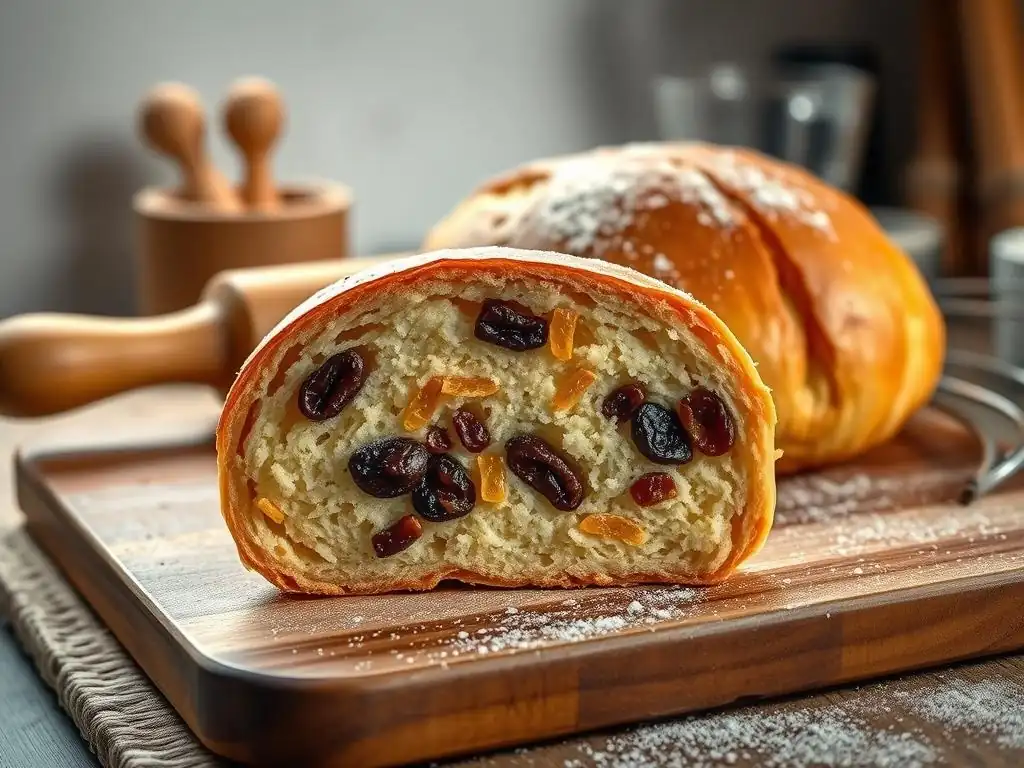
Even with an easy Polish poppy seed recipe, baking can sometimes present challenges. Knowing how to troubleshoot common issues can save your bake and help you learn for next time. From problems with the dough rising to issues with the filling, there are often simple solutions.
Don't be discouraged if something doesn't go exactly as planned. Baking is a skill that improves with practice. Here are some common hurdles faced when baking Makowiec and practical ways to overcome them, making your next attempt at this traditional Polish poppy seed recipe even more successful.
Addressing a Dry Makowiec: Hydration Strategies
If your baked Makowiec turns out dry, the issue likely stems from either the dough or the filling being too dry, or overbaking. For the dough, ensure you're not adding too much flour during kneading or rolling. The dough should be soft and slightly pliable. If it feels stiff, you might need a touch more liquid (milk or a bit of water) during the initial mixing stage.
For the filling, as mentioned earlier, it should be moist but not wet. If your ground poppy seeds seem dry, adding a bit more melted butter or honey to the filling mixture before spreading can help. During baking, always check for doneness using both visual cues and potentially an internal thermometer to avoid overcooking, which dries out both the dough and the filling. Baking just until the target temperature is reached is crucial for a moist result from your easy Polish poppy seed recipe.
Preventing Filling Leakage: Sealing Techniques
Filling leakage is a frustrating issue that can happen if the roll isn't sealed properly. The key is to ensure the seam along the bottom of the roll is pinched tightly closed after rolling. Use your fingers to press the dough edges together firmly along the entire length.
Equally important is sealing the ends. Pinch and tuck the dough ends underneath the roll before placing it on the baking sheet. This creates a barrier that helps contain the filling during expansion in the oven. While some minor leakage is possible, especially if the filling is very generous or moist, careful sealing significantly minimizes it, preserving the integrity and appearance of your easy Polish poppy seed recipe roll.
Troubleshooting Dough Rising Issues: Yeast Activation
If your dough isn't rising properly, the most common culprit is inactive or dead yeast. Ensure your yeast is fresh; check the expiration date on the package. The temperature of the liquid used to activate the yeast is also critical – it should be warm (105-115°F or 40-46°C), not hot, as hot liquid will kill the yeast.
Make sure your rising environment is warm and draft-free. A slightly warm oven (turned off, with the light on) or a warm spot in your kitchen works well. Give the dough sufficient time to double in size during the first rise, which typically takes 1 to 1.5 hours depending on the temperature. Patience is key; don't rush the rising process, as it's essential for the texture of your easy Polish poppy seed recipe dough.
Makowiec Recipe: Celebrate Polish Baking Traditions
Frequently Asked Questions
What makes this Polish Makowiec recipe "easy"?
This recipe focuses on simplified steps and readily available ingredients, eliminating complex techniques often found in traditional Makowiec recipes. It’s designed to be beginner-friendly.
What is the key ingredient that defines a Polish Makowiec?
The defining ingredient is undoubtedly the poppy seed filling, which is traditionally prepared with ground poppy seeds, honey, and other flavorings like nuts and dried fruit.
Can I substitute any ingredients in this Makowiec recipe?
While we recommend following the recipe for the best results, some substitutions are possible. For example, you could use different nuts in the filling or alternative dried fruits. However, changing the poppy seed quantity is not advised.
How long does it take to make this Easy Polish Poppy Seed Roll?
The total time, including preparation and baking, is approximately 2-3 hours. This includes allowing time for the dough to rise and the roll to cool.
How should I store leftover Polish Makowiec?
Store your Makowiec in an airtight container at room temperature for up to 3 days or in the refrigerator for up to a week. You can also freeze slices for longer storage.
Final Reflection: The Enduring Charm of Simple Pleasures
The humble poppy seed roll, a seemingly simple pastry, holds within it a rich tapestry of tradition and connection. Its ease of preparation belies the profound comfort and joy it brings, a testament to the power of simple pleasures in a complex world. This recipe, designed for accessibility, aims to bring this cherished tradition to a wider audience, reminding us of the enduring appeal of homemade goodness.
Making this makowiec wasn't just about following a recipe; it was about reconnecting with the warmth and love often associated with family gatherings and cherished memories. The rhythmic kneading of the dough, the fragrant steam rising from the oven – these sensory experiences evoked a powerful sense of nostalgia, reminding me of the importance of slowing down and appreciating the simple acts of creation and sharing. Food is symbolic of love when words are inadequate.
- Alan D. Wolfelt
Now, I invite you to embark on your own makowiec journey. Don't be intimidated by the seemingly long list of ingredients; the process is surprisingly straightforward. More importantly, allow yourself to be present during the making, to savor the aromas, and to appreciate the satisfaction of creating something delicious and meaningful with your own hands. The result will be more than just a poppy seed roll; it will be a testament to your own ability to connect with tradition, create something beautiful, and share a piece of your heart with others.
Unleash Your Inner Baker: Make Makowiec Today!
Thanks for taking the time to explore the world of Polish baking with us! We hope you now feel confident in tackling this delicious Makowiec recipe. Ready to roll up your sleeves and get baking?
- Bake your own Makowiec: Use the recipe from the article as your guide, and don't be afraid to experiment with variations! This is your chance to create a truly special treat.
- Share your Makowiec masterpiece: Post a picture of your creation on social media and tag us – we'd love to see your baking prowess!
- Try a twist: Experiment with adding dried fruits, nuts, or even a hint of citrus zest to your filling for a unique flavor profile.
What unexpected ingredient will you add to your next Makowiec to elevate it to the next level?