
Your First Eastern European Yeast Bread: A Simple Guide

Welcome to BakeWithEase!
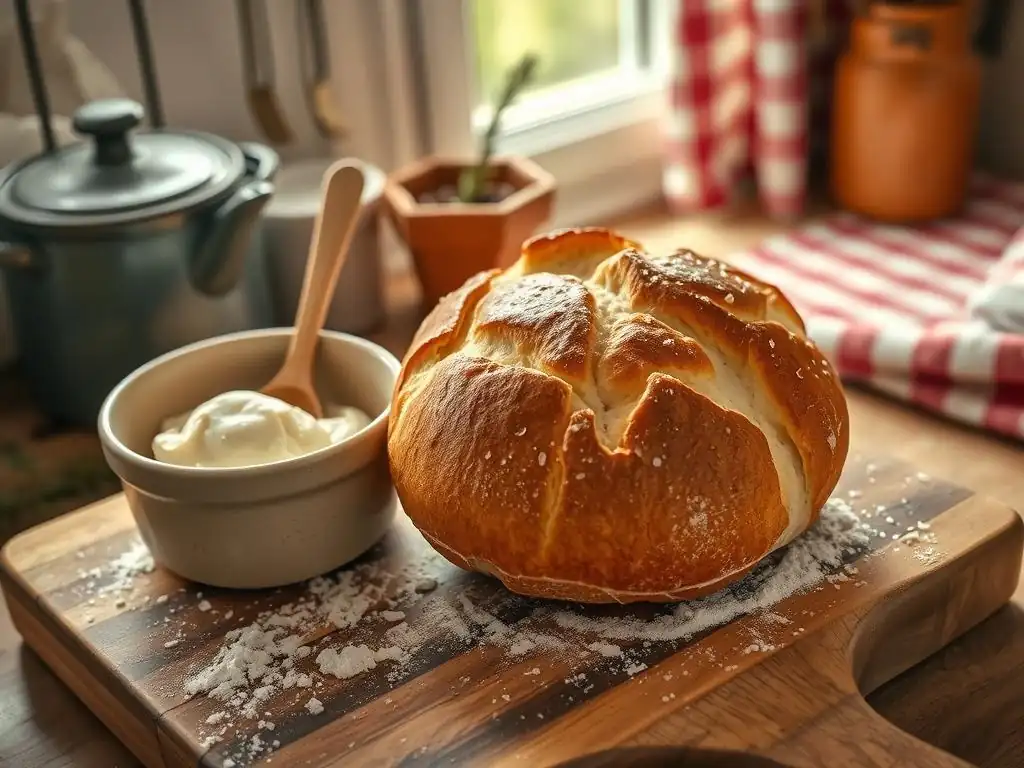
Ever dreamt of filling your kitchen with the warm, comforting aroma of freshly baked bread? You've come to the right place. Unlock the secrets of traditional baking with our simple guides and delicious recipes. Today, embark on a culinary journey with us as we explore the surprisingly easy Eastern European yeast bread – a staple that's easier to master than you think. Curious to see just how simple it can be? Let's get baking!
- Homemade Rye Bread: A Beginner's Guide
- Bake Authentic Rye Bread at Home
- Understanding Rye Bread
- Step-by-Step Guide to Making Simple Rye Bread
- Recipe: A Basic Rye Bread
- Tips and Tricks for Baking Perfect Rye Bread
- Enjoying Your Homemade Rye Bread
- Exploring More Rye Bread Recipes
-
Frequently Asked Questions
- What makes Eastern European yeast bread easy to bake for beginners?
- Can I substitute ingredients in the Easy Eastern European Yeast Bread recipe?
- How long does it typically take to make Easy Eastern European Yeast Bread from start to finish?
- What are some common variations of Easy Eastern European Yeast Bread that I can try after mastering the basic recipe?
- How do I store Easy Eastern European Yeast Bread to keep it fresh?
- Final Reflection: The Enduring Magic of Eastern European Yeast Bread
- Unleash Your Inner Baker: Master the Art of Eastern European Yeast Bread!
Homemade Rye Bread: A Beginner's Guide
Bake Authentic Rye Bread at Home
Discover the Joy of Rye Baking with Bake at Home
Embarking on your first easy eastern european yeast bread journey is a rewarding experience, and starting with a simple rye loaf is a fantastic choice. There's a unique satisfaction that comes from transforming basic ingredients into a fragrant, hearty bread right in your own kitchen. Unlike some more complex sourdoughs, a yeast-leavened rye bread offers a more predictable process, making it ideal for newcomers to Eastern European baking techniques.
The aroma of fresh rye bread baking is distinct and comforting, a scent deeply embedded in the culinary traditions of Eastern Europe. Mastering this easy eastern european yeast bread allows you to connect with centuries of baking history. Imagine slicing into a warm loaf you made yourself, its rich flavor profile ready to be enjoyed with your favorite toppings. It's an achievable goal for any home baker looking to expand their skills beyond standard wheat loaves.
Understanding Rye Bread
What Makes Rye Bread Unique?
Rye bread stands apart from wheat bread primarily due to the characteristics of rye flour itself. Rye contains less gluten-forming protein compared to wheat. While it does have some gluten, it also contains pentosans, water-soluble fibers that become gummy when wet. This combination results in a dough that is stickier and less elastic than wheat dough, leading to a denser crumb structure in the finished bread.
Furthermore, rye flour imparts a distinctive, slightly sour or earthy flavor profile that varies depending on the type of rye used. This unique taste is a hallmark of many easy eastern european yeast bread varieties. The lower gluten content means rye bread doesn't achieve the same airy volume as white wheat bread, but its dense texture and robust flavor make it incredibly satisfying and often provide a longer shelf life.
Key Ingredients for Authentic Rye Bread
Creating an authentic easy eastern european yeast bread like a simple rye loaf relies on a few core ingredients, each playing a vital role in the final outcome. Understanding these components is key to success, especially when working with rye's unique properties. Beyond the flour and yeast, you'll typically need water, salt, and often a sweetener like molasses or honey, which adds depth of color and flavor characteristic of many Eastern European loaves.
Specific additions, like caraway seeds, are often considered essential for that signature Eastern European rye taste. These seeds, along with ingredients like onion or dill, contribute significantly to the bread's aroma and flavor profile, moving it beyond just a simple bread into a cultural experience. Using good quality ingredients, even in this easy eastern european yeast bread, makes a noticeable difference.
The Importance of Rye Flour Type
Rye flour comes in several varieties, each milled to a different degree, impacting the bread's color, texture, and flavor. Light rye flour is the most refined, containing less bran and germ, resulting in a lighter color and milder flavor, similar to white wheat flour. Medium rye flour contains more of the rye kernel and is a good starting point for an easy eastern european yeast bread as it balances flavor and manageability.
Dark rye flour includes most of the bran and germ, yielding a darker, more intensely flavored, and denser loaf. Pumpernickel flour is the coarsest grind of dark rye. For a beginner's easy eastern european yeast bread, using light or medium rye flour, perhaps mixed with some bread flour, is often recommended. This blend makes the dough easier to handle while still providing that characteristic rye flavor.
Yeast Selection for Optimal Flavor
For an easy eastern european yeast bread recipe, active dry yeast or instant yeast are the most common and reliable choices for beginners. Active dry yeast requires activation in warm water before being added to the dry ingredients, a simple step that ensures the yeast is alive and ready to work. This adds a few minutes to the process but provides visual confirmation that your yeast is viable.
Instant yeast, on the other hand, can typically be mixed directly with the dry ingredients, simplifying the process slightly. Both types rely on feeding on sugars in the dough to produce carbon dioxide gas, which causes the bread to rise. Using fresh yeast is crucial; expired yeast is a common culprit for loaves that don't rise. Storing yeast properly, often in the refrigerator or freezer, helps maintain its potency for your easy eastern european yeast bread.
Step-by-Step Guide to Making Simple Rye Bread
Preparing the Dough: A Beginner-Friendly Approach
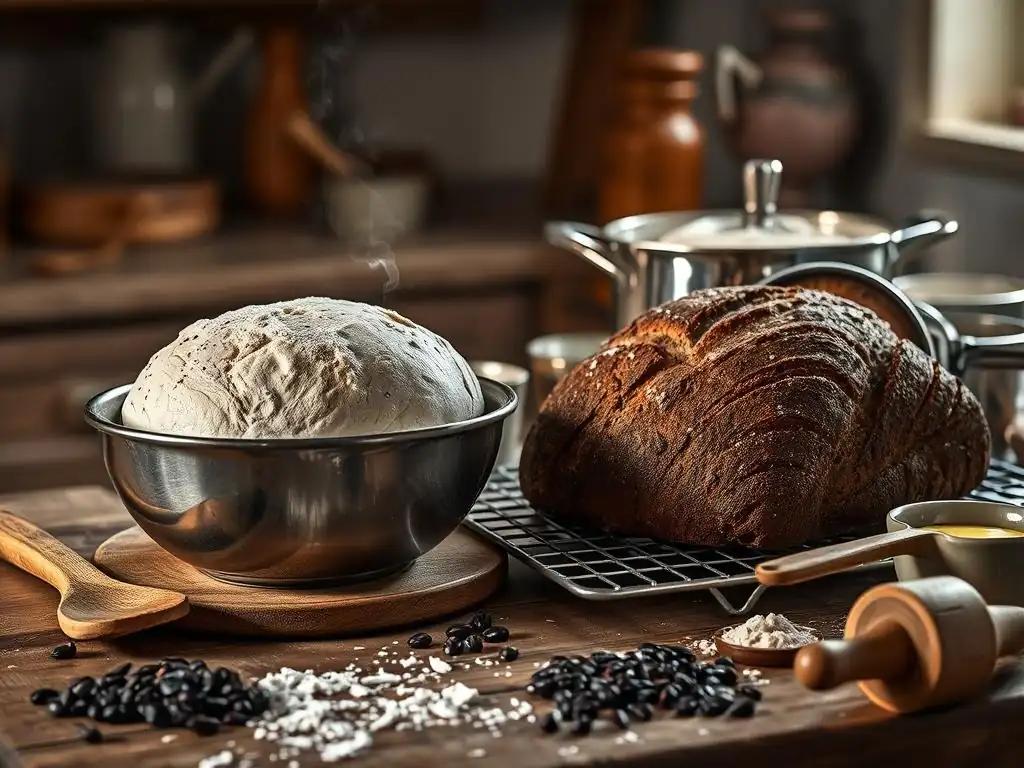
Making the dough for an easy eastern european yeast bread like simple rye is straightforward, even for novice bakers. The process involves combining the activated yeast with wet and dry ingredients, followed by mixing. Unlike wheat dough which requires extensive kneading to develop gluten, rye dough needs less manipulation. The focus is on ensuring all ingredients are well combined and the unique hydration properties of rye flour are managed.
A key aspect of preparing this easy eastern european yeast bread dough is understanding its consistency. Rye dough will feel different from wheat dough – it's stickier and less elastic. Don't be tempted to add too much extra flour during mixing, as this will result in a dry, dense loaf. Aim for a shaggy, slightly sticky dough that just pulls away from the sides of the bowl if using a mixer.
Activating the Yeast: A Simple Method
If you are using active dry yeast for your easy eastern european yeast bread, activation is a necessary first step. Measure out the warm water specified in your recipe – typically between 105°F and 115°F (40°C to 46°C). Water that is too hot can kill the yeast, while water that is too cool won't activate it effectively. Add the yeast and a pinch of sugar (the yeast's food) to the warm water.
Let the mixture sit for about 5-10 minutes. You should see a foamy layer form on the surface. This foam is a clear indicator that your yeast is active and alive, ready to leaven your easy eastern european yeast bread. If no foam appears, your yeast is likely dead, and you'll need to start over with fresh yeast. This simple test saves you the disappointment of a flat loaf later on.
Mixing the Dough: Achieving the Right Consistency
Mixing the dough for an easy eastern european yeast bread requires bringing together the activated yeast mixture (or water and instant yeast) with the flours, salt, and any other dry ingredients like caraway seeds. You can do this by hand with a sturdy spoon or in a stand mixer fitted with a dough hook. Start on a low speed or mix gently by hand to combine everything.
As you mix, you'll notice the dough is quite sticky due to the rye flour. This is normal! Continue mixing for the time specified in your recipe, typically just a few minutes, until a cohesive dough forms. It won't be smooth and elastic like wheat dough. Resist the urge to add excessive amounts of flour; a light dusting on your hands or work surface later is usually sufficient if needed for handling this easy eastern european yeast bread.
First Rise: Letting the Dough Develop Flavor
The first rise, or bulk fermentation, is a crucial stage for developing flavor in your easy eastern european yeast bread. After mixing, the dough is placed in a lightly oiled bowl, covered, and left to rise in a warm, draft-free place. An ideal temperature is around 75-80°F (24-27°C). This allows the yeast to produce carbon dioxide, causing the dough to expand, and also encourages the development of beneficial acids that contribute to the bread's characteristic flavor.
While wheat dough often doubles in size during the first rise, rye dough, especially those with a high percentage of rye flour, may not expand as dramatically. Look for a noticeable increase in volume, perhaps 50-75%, and a slightly puffy appearance. The duration of the first rise for an easy eastern european yeast bread can vary widely based on temperature and yeast activity, but often takes between 60 to 90 minutes.
Shaping Your Rye Bread
Eastern European rye breads come in various shapes, but for an easy eastern european yeast bread beginner, round (boule) or oval (batard) loaves are the most accessible. Traditional techniques often involve minimal handling of the sticky rye dough. Flour or wet hands are commonly used to manage the dough's stickiness during shaping, as adding too much flour can toughen the crust.
The goal of shaping your easy eastern european yeast bread is to create some surface tension on the dough ball. This tension helps the loaf hold its shape during the final rise and in the oven, contributing to a better structure. While not as critical as with high-gluten wheat dough, giving the rye loaf a basic shape helps it bake evenly and achieve a pleasing form.
Round Loaf Shaping Instructions
To shape your easy eastern european yeast bread into a simple round loaf, gently turn the dough out onto a lightly floured or moistened work surface after its first rise. Avoid deflating it completely. Gently pull the edges of the dough towards the center, tucking them underneath to create a taut surface on top. Rotate the dough as you do this, working your way around the ball.
Once you have a roughly round shape with a smooth top and tucked-under seams on the bottom, you can cup your hands around the dough and gently pull it towards you across the surface a few times. This motion helps tighten the outer skin, creating the necessary tension for your easy eastern european yeast bread. Place the shaped loaf seam-side down for its final rise.
Baking Your Rye Bread to Golden Perfection
Proper oven temperature is crucial for baking your easy eastern european yeast bread to achieve the right internal structure and crust development. Most simple rye bread recipes call for a preheated oven temperature between 375°F and 400°F (190°C to 200°C). Ensure your oven is fully preheated for at least 15-20 minutes before baking.
The baking time for a medium-sized easy eastern european yeast bread loaf is typically between 30 and 45 minutes. The best way to determine if your bread is done is by checking its internal temperature. A fully baked rye loaf should register between 195°F and 205°F (90°C to 96°C) when tested with an instant-read thermometer inserted into the center of the loaf.
Achieving a Perfect Crust: Tips and Tricks
A good crust is essential for a satisfying easy eastern european yeast bread. To help the crust develop properly and prevent it from hardening too quickly, creating steam in your oven is highly effective. You can achieve this by placing a metal pan on the bottom rack of your oven while it preheats and carefully pouring about a cup of hot water into it just as you put the bread in. Close the oven door quickly to trap the steam.
Alternatively, you can lightly mist the surface of the loaf with water from a spray bottle a couple of times during the first 10-15 minutes of baking. Baking your easy eastern european yeast bread on a preheated baking stone or steel also helps create a crispier bottom crust by transferring heat efficiently to the base of the loaf.
Recipe: A Basic Rye Bread
Ingredients List for Simple Rye Bread
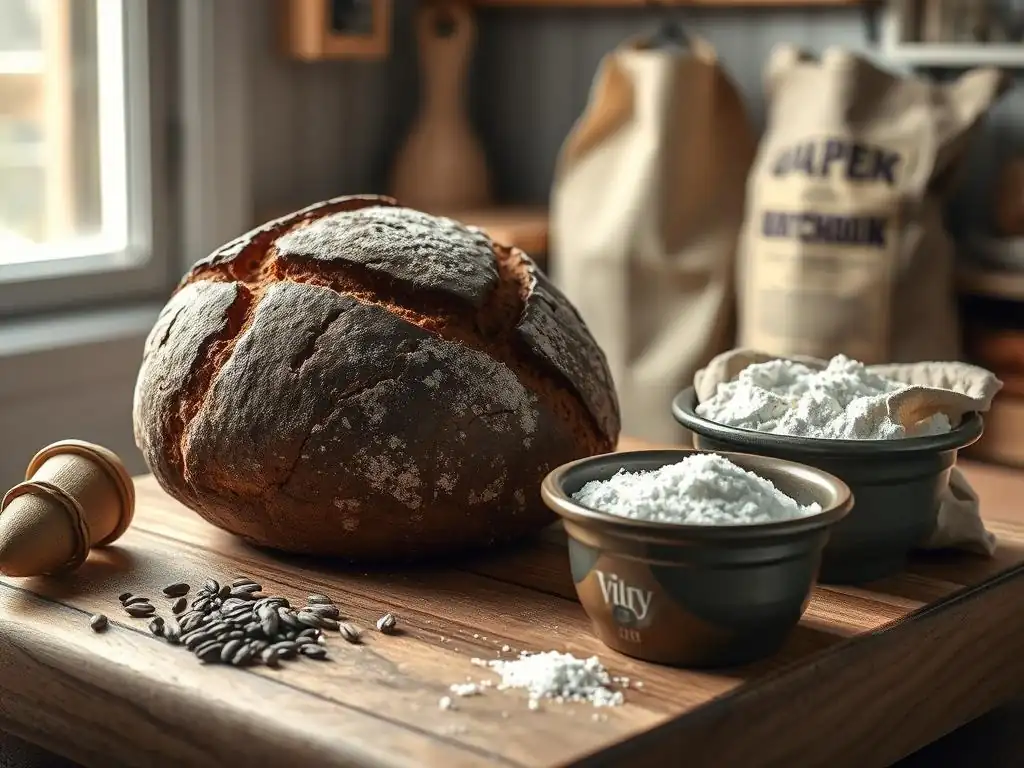
This recipe yields one small loaf of easy eastern european yeast bread, perfect for beginners.
- 1 ½ cups warm water (105-115°F or 40-46°C)
- 1 teaspoon active dry yeast
- 1 teaspoon sugar (optional, for yeast activation)
- 1 ½ cups medium rye flour
- 1 cup bread flour (or all-purpose flour)
- 1 teaspoon salt
- 1 tablespoon molasses or dark syrup (optional, for color and flavor)
- 1-2 teaspoons caraway seeds (optional)
- Cornmeal or flour for dusting
Detailed Baking Instructions
- Activate Yeast: In a large mixing bowl, combine the warm water, yeast, and sugar (if using). Let stand for 5-10 minutes until foamy.
- Mix Dough: Add the rye flour, bread flour, salt, molasses (if using), and caraway seeds (if using) to the yeast mixture. Mix with a sturdy spoon or a stand mixer with a dough hook until a shaggy, cohesive dough forms. Mix for an additional 2-3 minutes. The dough will be sticky – this is correct for an easy eastern european yeast bread with rye.
- First Rise: Lightly grease a clean bowl with oil. Transfer the dough to the bowl, turning to coat. Cover the bowl with plastic wrap or a clean kitchen towel. Let rise in a warm place (75-80°F or 24-27°C) for 60-90 minutes, or until noticeably increased in size (it may not double).
- Shape Loaf: Gently turn the dough out onto a lightly floured or moistened surface. Shape into a round or oval loaf using the techniques described earlier for your easy eastern european yeast bread.
- Second Rise: Place the shaped loaf on a baking sheet lined with parchment paper and dusted with cornmeal or flour. Cover loosely with plastic wrap or a light towel. Let rise for another 30-45 minutes, or until slightly puffy. Preheat your oven to 400°F (200°C) during the last 15-20 minutes of this rise, placing a steam pan on the bottom rack if desired.
- Bake: Score the top of the loaf with a sharp knife or razor blade (optional, but helps control oven spring). Carefully place the loaf in the preheated oven. If using a steam pan, add hot water to it now. Bake for 30-40 minutes, or until the internal temperature reaches 195-205°F (90-96°C) and the crust is golden brown.
- Cool: Transfer the easy eastern european yeast bread to a wire rack and let cool completely before slicing. This is important for rye bread, as slicing while warm can make the crumb gummy.
Tips and Tricks for Baking Perfect Rye Bread
Troubleshooting Common Baking Issues
Even with an easy eastern european yeast bread recipe, sometimes things don't go exactly as planned. Knowing how to identify and fix common issues will build your confidence and improve your results over time. Don't be discouraged by imperfect loaves; each bake is a learning opportunity that helps you understand the nuances of working with rye flour.
Troubleshooting involves looking at each stage of the process, from ingredient preparation to baking. Did the yeast activate properly? Was the dough too wet or too dry? Was the rising environment warm enough? Did the oven maintain a consistent temperature? Addressing these questions can help you pinpoint the cause of a baking problem with your easy eastern european yeast bread.
Dough Not Rising?
One of the most common issues when baking easy eastern european yeast bread is insufficient rise. The primary reason for this is inactive yeast. Ensure your yeast is fresh and was properly activated in warm water (105-115°F / 40-46°C) if using active dry yeast. Water that is too hot will kill the yeast; too cold, it won't activate.
Other factors contributing to poor rise include a cold rising environment – yeast is most active in warm temperatures (75-80°F / 24-27°C). Too much salt in the recipe can also inhibit yeast activity, as salt controls fermentation. Ensure you're using the correct amount of salt and mixing it thoroughly with the flour before adding the wet ingredients and yeast.
Bread Too Dense?
A dense crumb is typical for rye bread compared to wheat, but excessive density can indicate an issue. This often happens if the dough for your easy eastern european yeast bread was too dry (not enough liquid), which prevents the yeast from working efficiently and the dough from expanding properly during rising. Ensure you measure liquids and flours accurately.
Another cause of dense rye bread is insufficient rising time. While rye dough may not double, it still needs time to develop gases. Rushing the bulk fermentation or final proof can result in a heavy loaf. Finally, slicing the bread before it has cooled completely can make the crumb seem gummy and dense; always allow rye bread to cool thoroughly on a wire rack.
Crust Too Dark?
If the crust of your easy eastern european yeast bread is getting too dark before the interior is fully baked, the oven temperature might be too high, or the loaf is baking for too long. Ovens can sometimes run hotter than the setting indicates; using an oven thermometer can help verify accuracy.
If the crust is browning too quickly, you can loosely tent the loaf with aluminum foil during the last part of the baking time. If your recipe includes sugar or molasses, these ingredients can also contribute to faster browning. Ensure you are baking until the internal temperature is correct (195-205°F / 90-96°C), adjusting time or temperature downwards slightly if needed on subsequent bakes of your easy eastern european yeast bread.
Flavor Variations and Add-ins
The versatility of an easy eastern european yeast bread like rye allows for exciting flavor variations, catering to both sweet and savory preferences. While a basic rye loaf is delicious on its own, incorporating different ingredients can transform its character. For a savory twist, consider adding ingredients like dried dill, chopped onion, or even cheese to the dough.
On the sweeter side, additions such as raisins, dried cranberries, or chopped nuts are popular in some Eastern European rye breads. A touch of cocoa powder or brewed coffee can also enhance the color and add subtle depth to the flavor profile, pairing well with the inherent notes of the rye flour in your easy eastern european yeast bread.
Incorporating Traditional Rye Flavors (Caraway Seeds, Molasses)
Caraway seeds are perhaps the most iconic addition to Eastern European rye bread, offering a distinctive pungent, slightly anise-like flavor. Adding 1-2 teaspoons of whole or crushed caraway seeds to the dough mixture before kneading will infuse your easy eastern european yeast bread with this classic taste. The amount can be adjusted based on personal preference.
Molasses or dark syrups are also traditional additions, contributing a deep brown color, moisture, and a slightly sweet, rich flavor that complements the rye. Adding 1-2 tablespoons of molasses per loaf not only enhances the taste but also helps keep the bread moist and contributes to a beautiful, dark crust. These simple additions elevate a basic rye loaf into a truly traditional easy eastern european yeast bread.
Enjoying Your Homemade Rye Bread
Serving Suggestions and Traditional Pairings
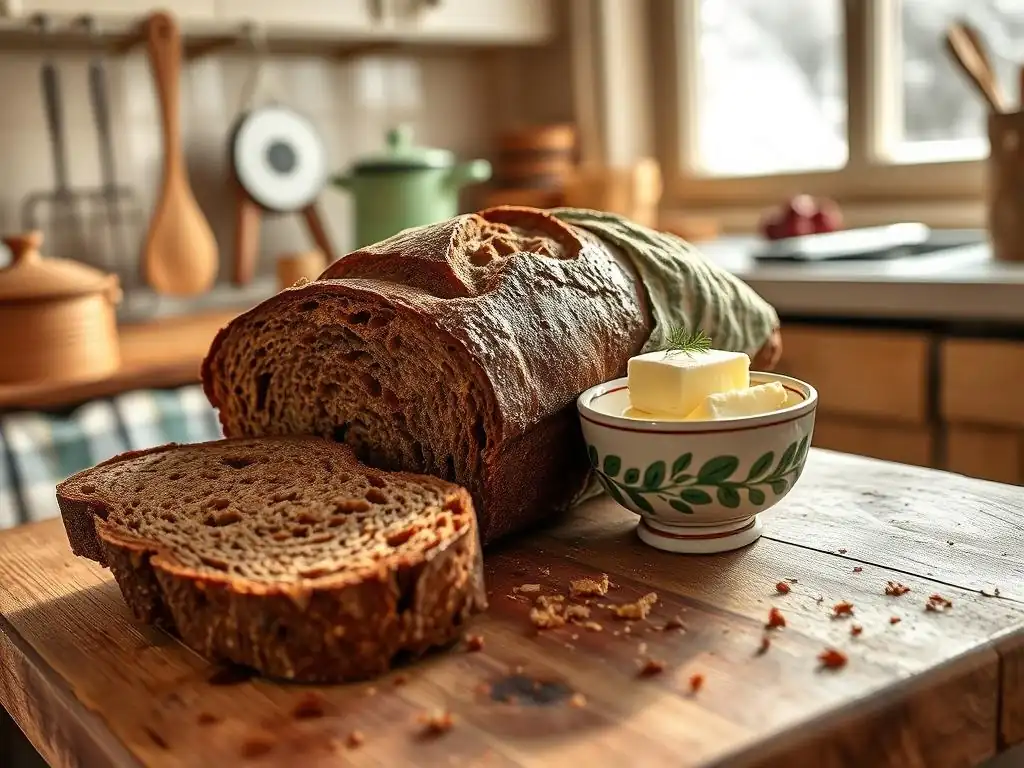
Your freshly baked easy eastern european yeast bread is ready to be enjoyed! Its hearty texture and robust flavor make it a perfect companion for a variety of foods. Simple pairings like butter, cream cheese, or a good quality cheese are classic. The bread's density holds up well to spreads and toppings.
In Eastern Europe, rye bread is often paired with savory items such as smoked fish, pickled herring, cold cuts, or various pates and spreads. It's also excellent served alongside hearty soups and stews, where its sturdy crumb can soak up broth and its flavor complements the rich dishes. Enjoying your easy eastern european yeast bread with traditional accompaniments enhances the cultural experience.
Storing Your Bread for Maximum Freshness
Proper storage is key to keeping your easy eastern european yeast bread fresh and delicious for as long as possible. Once the loaf has cooled completely on a wire rack, store it at room temperature. Avoid refrigeration, as this can actually cause bread to stale faster due to a process called starch retrogradation.
A bread box is an excellent option for storing rye bread, providing a dark, cool, and slightly humid environment. Alternatively, you can wrap the cooled loaf tightly in plastic wrap or place it in a sealed plastic bag. Stored properly, a simple rye easy eastern european yeast bread can stay fresh for 2-4 days. For longer storage, slice the cooled loaf and freeze the slices or the whole loaf tightly wrapped; it will keep well for several months.
Exploring More Rye Bread Recipes
Beyond Basic Rye Bread: Expanding Your Baking Repertoire
Once you've successfully baked your first easy eastern european yeast bread like this simple rye loaf, you might feel inspired to explore the wider world of rye baking. Eastern European cuisine features numerous variations, from lighter loaves with a mix of wheat and rye to dense, dark pumpernickels made with coarse rye flour and often containing ingredients like malt or sourdough starter.
Experimenting with different percentages of rye flour, trying out various leavening methods (like incorporating a rye sourdough starter), or adding different seeds, grains, or fruits can lead to exciting new discoveries. Each type of rye bread offers a unique challenge and reward, allowing you to deepen your understanding of this fascinating grain and expand your skills as a baker of easy eastern european yeast bread and beyond.
Frequently Asked Questions
What makes Eastern European yeast bread easy to bake for beginners?
The simplicity of the ingredients and the straightforward kneading process outlined in our guide makes it easy. We focus on basic techniques and readily available ingredients.
Can I substitute ingredients in the Easy Eastern European Yeast Bread recipe?
While we recommend sticking to the recipe for best results, you can often substitute different types of flour like whole wheat. However, this may affect the texture.
How long does it typically take to make Easy Eastern European Yeast Bread from start to finish?
From mixing the dough to pulling a warm loaf from the oven, expect the process to take around 3-4 hours, including proofing time.
What are some common variations of Easy Eastern European Yeast Bread that I can try after mastering the basic recipe?
After mastering the basic recipe, consider adding raisins, nuts, or seeds to the dough. You could also brush the top with an egg wash for a golden crust.
How do I store Easy Eastern European Yeast Bread to keep it fresh?
Store your bread in an airtight container at room temperature for up to 3 days. You can also freeze it for longer storage.
Final Reflection: The Enduring Magic of Eastern European Yeast Bread
The simple act of baking a loaf of yeast bread connects us to generations past, a tradition that remains remarkably relevant in our fast-paced modern world. More than just a recipe, it's a journey into history, a testament to the enduring power of simple ingredients transformed by time and skill. This seemingly humble process offers a profound connection to heritage and a satisfying sense of accomplishment rarely found in our instant-gratification culture.
The aroma of freshly baked bread, a scent deeply ingrained in the cultural memory of Eastern Europe, evokes feelings of warmth, comfort, and belonging. It's a sensory experience that transcends language and borders, a shared heritage that unites diverse communities. Bread is the staff of life,
a proverb often heard, truly encapsulates the significance of this staple food, not just as sustenance, but as a symbol of nourishment for body and soul. The simple act of making it, as this guide demonstrates, allows us to participate in this rich tradition, fostering a deeper appreciation for the culinary arts and the history they embody.
Now, I invite you to roll up your sleeves, gather your ingredients, and embark on your own baking adventure. Don't be intimidated by the process; embrace the challenge, savor the experience, and allow the warmth of the oven and the aroma of freshly baked bread to fill your home with the comforting magic of Eastern European tradition.
The result will be more than just a delicious loaf; it will be a tangible connection to history, a testament to your own capabilities, and a delicious reward for your efforts. Let the simple act of baking become a source of joy and connection.
Unleash Your Inner Baker: Master the Art of Eastern European Yeast Bread!
Thanks for joining us on this delicious journey into the world of Eastern European yeast bread! We hope you've gained valuable insights and a newfound appreciation for this rich baking tradition. Ready to put your newfound knowledge to the test?
- Bake your first loaf: We encourage you to try the recipe from the article today! Even a small step will get you closer to mastering this beautiful craft. Remember, practice makes perfect!
- Share your baking journey: Post a picture of your finished loaf on social media and tag us – we'd love to see your creations! Use #BakeWithEaseEasternEuropeanBread.
- Explore further: Dive deeper into the world of yeast breads by searching for variations of this recipe or exploring other regional styles on our website.
What unique twist will you add to your first Eastern European yeast bread? Share your ideas in the comments below!