
Eastern European Christmas Baking: MustTry Recipes

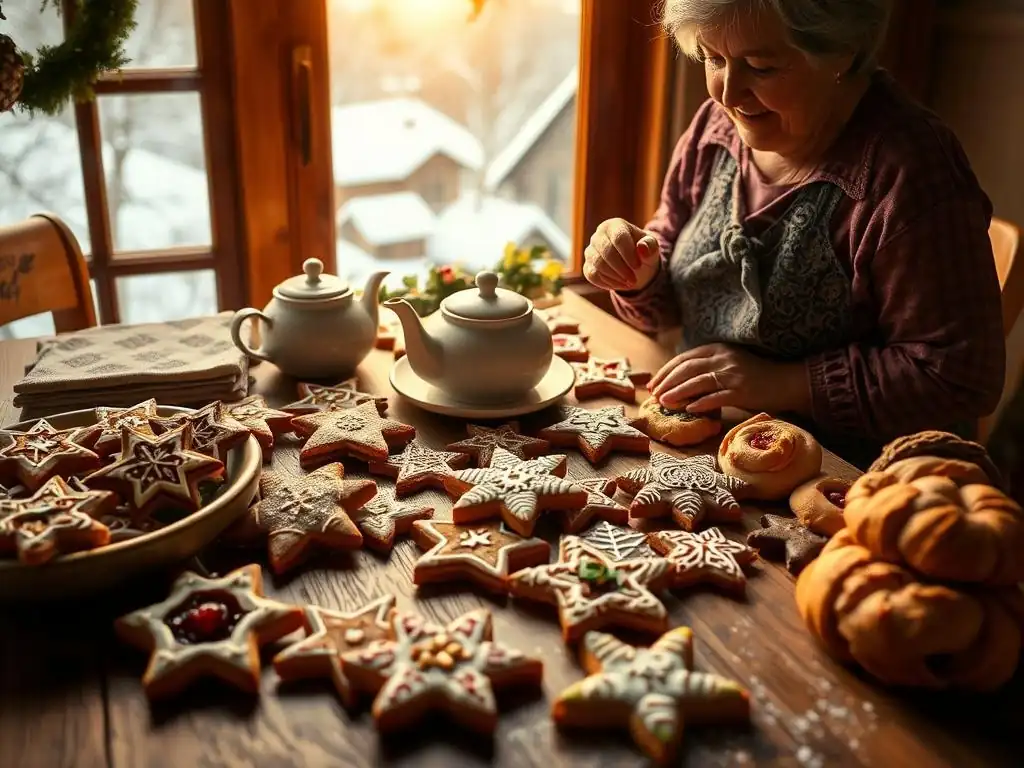
Welcome to BakeWithEase, your kitchen companion for unlocking baking brilliance! Ready to journey beyond the standard holiday fare? This year, we invite you to explore the enchanting world of Eastern European Christmas cookies. Get ready to discover time-honored traditions and delectable recipes that will transform your festive baking – but that's just the beginning. Curious to know which fragrant spices and unique ingredients will transport your taste buds? Let's begin!
- Discover the Magic of Eastern European Christmas Cookies
- Traditional Eastern European Christmas Baking: A Culinary Journey
- Must-Try Eastern European Christmas Cookies Recipes
- Other Delicious Eastern European Christmas Treats to Explore
- Tips for Successful Eastern European Christmas Cookie Baking
- Sharing the Joy: Eastern European Christmas Baking Traditions
- Bake Your Own Eastern European Christmas Cookies This Year!
- Frequently Asked Questions
- Final Reflection: A Taste of Tradition, A Taste of Home
- Unleash Your Inner Baker: Festive Eastern European Treats Await!
The holiday season in Eastern Europe is a time filled with warmth, family, and, perhaps most importantly, incredible baking. From the Baltics down to the Balkans, kitchens come alive with the aroma of spices, nuts, and sweet dough, creating an edible tapestry of traditions. These aren't just desserts; they are edible stories, passed down through generations, each bite evoking memories of Christmases past.
Exploring Eastern European Christmas cookies recipes offers a delicious glimpse into the region's rich cultural heritage and its deep connection to festive celebrations. Whether you're a seasoned baker or just starting your journey, these traditional treats are surprisingly approachable and immensely rewarding to make.
This exploration will take you through some of the most beloved and iconic Eastern European Christmas cookies and pastries. We'll uncover the history behind these festive bakes, understand their significance in holiday customs, and provide insights into how you can recreate these delightful flavors in your own home. Get ready to sprinkle some magic into your holiday baking with these must-try Eastern European Christmas cookies recipes and other sweet delights.
Traditional Eastern European Christmas Baking: A Culinary Journey
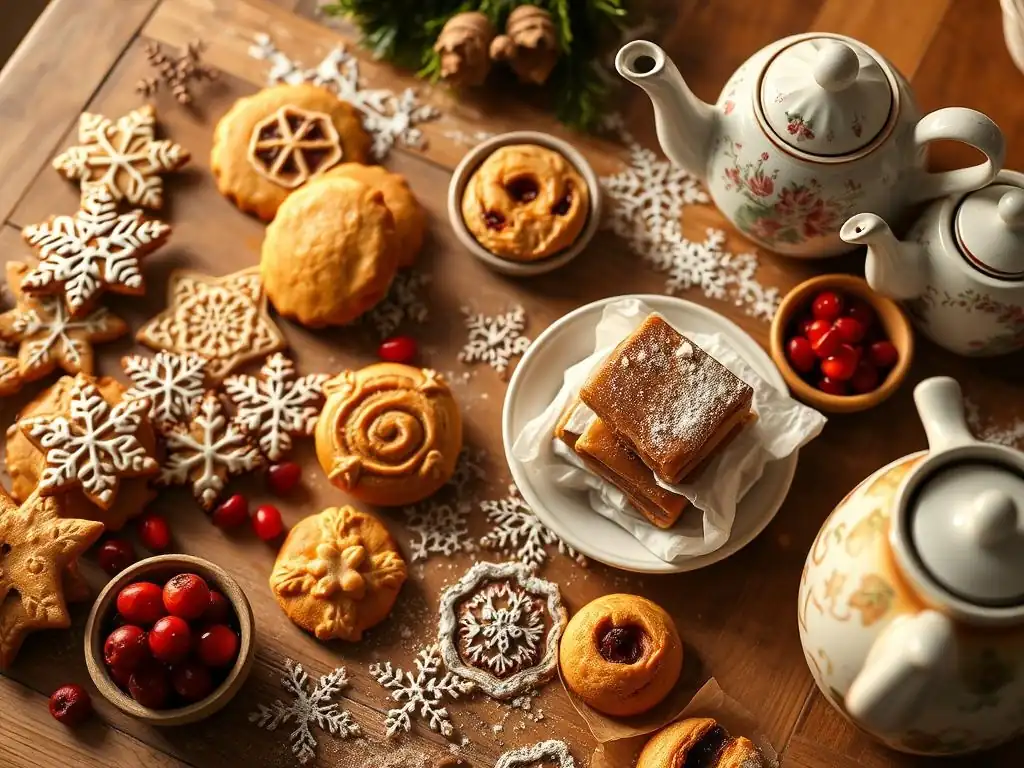
Eastern European Christmas baking is a cornerstone of the holiday season, deeply intertwined with cultural identity and family gatherings. The tradition reflects centuries of history, often incorporating ingredients readily available in the region and techniques honed over generations. Unlike some Western traditions that might focus heavily on elaborate gingerbread houses or brightly colored sugar cookies, Eastern European baking often emphasizes rich, comforting flavors from nuts, seeds, honey, and simple spices like cinnamon, cloves, and vanilla. The variety is vast, but a common thread is the care and time invested in preparation, often starting weeks before Christmas Day itself.
The journey through traditional Eastern European Christmas baking reveals a diversity influenced by geography, history, and local produce. While certain staples like poppy seeds, walnuts, and honey feature prominently across many countries, each nation and even individual family often boasts its own unique twists and signature recipes. This rich tapestry of flavors and textures makes discovering Eastern European Christmas cookies recipes a truly exciting culinary adventure, promising delightful surprises with every new cookie or cake attempted.
Exploring the Rich History of Eastern European Holiday Baking
The roots of Eastern European holiday baking stretch back centuries, often predating Christianity and incorporating elements from pagan winter solstice celebrations. Early forms of festive bread and cakes were symbols of prosperity and good fortune for the coming year. As Christianity spread, these traditions were adapted and integrated into Christmas celebrations, with specific baked goods becoming associated with holidays like Christmas Eve (often a fasting day) and Christmas Day. For instance, in many Slavic countries, a special braided bread or sweet loaf called Kolach or Kozunak was traditionally baked for important feasts, symbolizing abundance and family unity.
During periods of hardship or political change, baking traditions often served as a way to preserve cultural identity and continuity. Recipes were carefully guarded and passed down, representing a tangible link to the past. The availability of ingredients like sugar, butter, and spices varied throughout history, influencing the evolution of specific Eastern European Christmas cookies recipes. For example, the widespread use of poppy seeds and walnuts reflects their historical abundance and affordability in the region. These historical layers add depth and meaning to every traditional cookie baked today.
In Eastern European cultures, Christmas cookies and other baked goods are far more than simple sweets; they are integral to the festive atmosphere and carry significant symbolic meaning. They are often baked in large quantities weeks in advance, filling homes with festive aromas and serving as a visual representation of holiday readiness and generosity. On Christmas Eve, particularly during the traditional meatless Svyata Vecherya (Holy Supper) in countries like Ukraine and Poland, specific cookies or small pastries might be part of the twelve-dish meal, each dish carrying symbolic weight.
Furthermore, Eastern European Christmas cookies serve as tokens of hospitality and community. They are generously shared with neighbors, friends, and visiting carolers. Gifting homemade cookies is a deeply cherished custom, representing warmth, care, and connection. Certain shapes or ingredients can also hold symbolism; for example, poppy seeds are sometimes associated with prosperity, and honey signifies sweetness and abundance. Making and sharing these Eastern European Christmas cookies recipes is a communal activity, often involving multiple generations, reinforcing family bonds and preserving cultural heritage.
Embarking on the journey of baking Eastern European Christmas cookies is a delightful way to connect with festive traditions. Here are some quintessential examples that grace holiday tables across the region, offering a range of flavors and textures from light and delicate to rich and nutty. Each recipe, while varying slightly from family to family, represents a beloved part of the Christmas culinary landscape. Getting started with these Eastern European Christmas cookies recipes is easier than you might think, often requiring simple ingredients and straightforward techniques.
Kolaczki are small, delicate Polish cookies known for their flaky, cream cheese-based dough and sweet fruit or cheese fillings. They are incredibly popular during Christmas and other holidays. The name "Kolaczki" comes from the Polish word "koło," meaning circle or wheel, referring to the shape of the dough before folding. These cookies are a staple among Eastern European Christmas cookies recipes, cherished for their tender texture and sweet-tart fillings.
Preparing Kolaczki is a labor of love, but the result is a batch of beautiful, melt-in-your-mouth pastries. The dough is unique because it incorporates cream cheese, which contributes to its remarkable tenderness and flakiness. Fillings typically include fruit preserves like apricot, raspberry, or prune, or sweet cheese fillings. Baking them fills the kitchen with a sweet, inviting aroma, making them a perfect addition to any holiday cookie platter.
Ingredients for Authentic Polish Kolaczki
Authentic Polish Kolaczki rely on a few key ingredients for their signature texture and flavor. The dough is typically made with all-purpose flour, cold unsalted butter, and cream cheese. The cream cheese is crucial for achieving the tender, flaky consistency. A pinch of salt might be added to balance the sweetness. These are the foundational elements that set Kolaczki apart from other Eastern European Christmas cookies recipes.
For the filling, you'll need fruit preserves or a sweet cheese mixture. Common fruit fillings include apricot, prune (powidła), and raspberry. If using preserves, choose good quality, thick varieties. For a cheese filling, farmer's cheese (twaróg) or ricotta is mixed with sugar, egg yolk, and sometimes lemon zest or vanilla. A dusting of confectioners' sugar after baking adds the final festive touch.
Step-by-Step Guide to Making Kolaczki
Making Kolaczki involves a few distinct steps. First, the dough is prepared by cutting the cold butter and cream cheese into the flour and salt until crumbly, then bringing it together into a smooth dough. This dough is typically chilled for at least an hour, often longer, to make it easier to handle. Chilling is a critical step in many Eastern European Christmas cookies recipes involving rich doughs.
Once chilled, the dough is rolled out thinly, usually to about 1/8 inch thick. It's then cut into small squares, typically 2-3 inches per side. A small dollop of filling is placed in the center of each square. The corners are then folded towards the center, either opposing corners or all four corners, pinching them together to seal the filling. The cookies are baked in a preheated oven at a moderate temperature (around 350°F or 175°C) until lightly golden, usually taking 12-15 minutes. After cooling slightly, they are dusted generously with confectioners' sugar.
Vanilkove Rohlicky, or Vanilla Crescent Cookies, are an absolute must-have on any Czech Christmas cookie platter. These small, delicate, buttery cookies are shaped like crescents and have a distinct, melt-in-your-mouth texture, often enhanced by finely ground nuts, typically walnuts or almonds. Their simplicity and exquisite flavor make them one of the most beloved Eastern European Christmas cookies recipes.
The charm of Vanilkove Rohlicky lies in their delicate crumb and the warm aroma of vanilla and nuts. They are traditionally rolled in vanilla-flavored confectioners' sugar while still warm, creating a soft, sweet coating that adheres beautifully. Making these cookies is a cherished holiday ritual in many Czech households, often involving the whole family in the shaping and dusting process.
Key Ingredients for Perfect Vanilla Crescent Cookies
The key to perfect Vanilkove Rohlicky lies in using high-quality ingredients and getting the proportions right. The base of the dough is typically all-purpose flour, softened butter, and finely ground nuts (walnuts are classic in the Czech Republic). The nuts contribute significantly to the texture and flavor, so using fresh, finely ground nuts is essential.
Sugar is also included in the dough, and sometimes an egg yolk is added for richness, though many recipes omit it, relying solely on butter and nuts for tenderness. The magic happens after baking when the warm cookies are gently rolled in a mixture of confectioners' sugar and vanilla sugar (or confectioners' sugar mixed with vanilla bean seeds or extract). This coating is what gives them their characteristic vanilla flavor and snowy appearance.
Baking Tips for Vanilkove Rohlicky
Baking Vanilkove Rohlicky requires a gentle touch. The dough can be slightly crumbly due to the high fat and nut content, so handling it gently is key. After mixing, chilling the dough for at least 30 minutes helps make it more manageable for shaping. Small pieces of dough are rolled into thin logs, then curved into crescent shapes. Aim for uniform size so they bake evenly.
Bake the crescents on a baking sheet lined with parchment paper in a preheated oven (around 320-340°F or 160-170°C) until they are just set and lightly colored on the bottom, but still pale on top. Overbaking will result in dry, tough cookies. The crucial final step is to gently roll the warm (but not hot) cookies in the vanilla sugar mixture. They are delicate when warm, so handle them with care. As they cool completely, the sugar coating adheres, creating that signature look and taste.
Beigli is a quintessential Hungarian Christmas pastry, though technically more of a roll or cake than a cookie. These rich, yeast-raised rolls are generously filled with either a sweet, spiced poppy seed filling or a rich, nutty walnut filling. Beigli is a centerpiece of the Hungarian Christmas table, much like some larger pastries in other Eastern European Christmas baking traditions.
Making Beigli is a more involved process than many cookies, requiring time for the dough to rise and careful technique for rolling and filling. However, the effort is well worth it for the dense, flavorful rolls with their beautiful swirl pattern when sliced. The choice between poppy seed (mákos beigli) and walnut (diós beigli) is a matter of personal or family preference, and often both varieties are made to satisfy everyone.
Preparing the Filling for Beigli: Poppy Seed vs. Walnut
The fillings are the heart of Beigli. The poppy seed filling is made from ground poppy seeds simmered with milk, sugar, honey, and often flavored with lemon zest, orange zest, raisins, and sometimes a touch of rum. The mixture is cooked until thick and spreadable. Poppy seed filling is incredibly popular in many forms of Eastern European Christmas baking.
The walnut filling uses finely ground walnuts, similarly cooked with milk or water, sugar, honey, and flavored with lemon zest, sometimes cinnamon, cloves, or rum. Both fillings need to be prepared in advance and cooled completely before spreading onto the dough. The consistency should be firm enough not to ooze out during baking but moist enough to create a cohesive layer. A typical ratio might involve about 500g of nuts or seeds per roll.
How to Roll and Shape Beigli for a Festive Look
The dough for Beigli is a rich, slightly sweet yeast dough, often enriched with butter and egg yolks. After the dough has risen, it is divided, typically into two or three portions depending on the desired size of the rolls. Each portion is rolled out into a large rectangle, about 1/4 inch thick. The cooled filling is then spread evenly over the dough, leaving a small border along the edges.
The dough is then carefully rolled up tightly from one long side. Before baking, the rolls are often brushed with egg wash for a golden finish. A crucial step for preventing the rolls from cracking during baking is to prick the top surface all over with a fork or skewer, creating small vents for steam to escape.
Some bakers also brush the rolls with egg wash twice, allowing the first layer to dry before applying the second, which can help create a marbled or cracked surface pattern considered desirable. The rolls are baked at a moderate temperature (around 350-375°F or 175-190°C) until deeply golden brown.
Medivnyk, or Ukrainian Honey Cookies, are a wonderfully fragrant and soft cookie, deeply flavored with honey and spices. These cookies are a staple of Ukrainian Christmas and Easter tables, embodying warmth and sweetness. They are similar in concept to gingerbread but often have a distinct softness and a more pronounced honey flavor. Medivnyk is another cherished item among traditional Eastern European Christmas cookies recipes.
These cookies are often cut into various festive shapes – stars, angels, animals – and can be decorated with simple icing or left plain to appreciate their rich, dark color and aroma. The honey helps keep them moist and gives them a unique chewiness that develops over time. They are a perfect example of how simple, readily available ingredients like honey can be transformed into something truly special for the holidays.
The Secret to Soft and Flavorful Medivnyk
The secret to soft and flavorful Medivnyk lies in the generous use of honey and a blend of warm spices. Darker honeys will impart a stronger flavor. The honey is typically heated with butter and sugar, sometimes with a little water or milk, to dissolve the sugar and create a flavorful base. This warm mixture is then combined with flour and leavening agents like baking soda or baking powder.
Spices are crucial for Medivnyk's characteristic aroma. Common spices include cinnamon, cloves, ginger, nutmeg, and sometimes allspice or cardamom. The dough is often soft and slightly sticky. While some recipes can be rolled and cut immediately, many benefit from resting, sometimes even overnight, which allows the flavors to meld and the dough to become firmer and easier to handle. The resting period is a common technique in many spice-heavy Eastern European Christmas cookies recipes.
Decorating Ideas for Ukrainian Honey Cookies
Medivnyk cookies are beautiful even left plain, showcasing their rich color. However, they lend themselves well to simple decoration, especially when cut into festive shapes. A classic decoration is a simple glaze made from confectioners' sugar mixed with a little milk or lemon juice. This glaze can be drizzled over the cooled cookies or used to outline shapes.
For more intricate designs, royal icing can be used, allowing for fine lines and details. Edible glitter or sprinkles can add extra sparkle. Another traditional approach is to use simple patterns pressed into the dough before baking. Regardless of the decoration style, the focus remains on the cookie's wonderful honey and spice flavor, making them a delightful addition to any collection of Eastern European Christmas cookies recipes.
Other Delicious Eastern European Christmas Treats to Explore
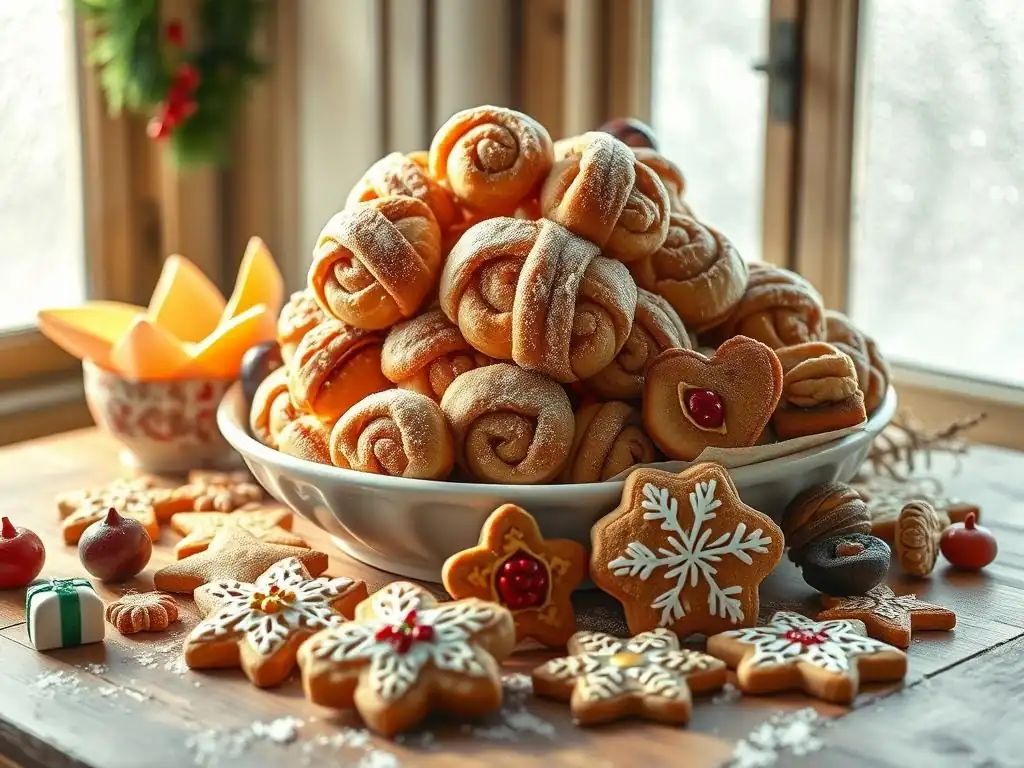
Beyond the classic cookies, Eastern European Christmas baking includes a variety of other festive pastries and cakes that are equally deserving of attention. These larger bakes often take center stage on the holiday table and offer different textures and flavors compared to their smaller cookie counterparts. Exploring these expands the understanding of the breadth of Eastern European Christmas baking traditions.
Pierniczki are the Polish version of gingerbread cookies, deeply flavored with a special mix of spices (pierniki spice mix) that often includes cinnamon, ginger, cloves, nutmeg, cardamom, and sometimes black pepper. These cookies are typically made with honey or molasses, which contributes to their dark color and chewy texture. They range from simple cutout shapes to elaborate decorated forms, and some varieties are aged for weeks before Christmas to develop their flavor and softness. Making Pierniczki is a cherished part of Polish Eastern European Christmas cookies recipes.
While often associated with Austria, Linzer cookies (Linzer Augen or Linzer Kipferl) are popular throughout Central and Eastern Europe, including countries like Czech Republic and Hungary. These delicate, buttery cookies are made from a dough enriched with ground nuts (usually almonds or hazelnuts) and flavored with lemon zest and vanilla. They consist of two layers, a solid base and a top layer with a cutout (often a circle or star) to reveal a layer of vibrant red raspberry or currant jam sandwiched between them. A dusting of confectioners' sugar finishes these elegant cookies.
Lithuanian Christmas Cake Recipe: Kūčiukai
Kūčiukai (also known as Slizikai) are small, slightly sweet, yeast-leavened rolls or biscuits traditional to Lithuanian Christmas Eve (Kūčios) dinner. They are typically made from a simple dough of flour, water, yeast, and a little sugar and oil, reflecting the meatless and dairy-free nature of the Kūčios meal. After baking, they are often served soaked in poppy seed milk or sometimes with cranberry kissel. While not a typical cookie, their small size and role in the festive meal make them a unique part of Eastern European Christmas baking.
Mastering Eastern European Christmas cookies recipes is achievable with attention to a few key details. Understanding the typical ingredients, employing traditional techniques, and knowing how to store your finished bakes will ensure delicious results that capture the spirit of the holidays.
Essential Ingredients for Eastern European Baking
Several ingredients are staples in Eastern European Christmas baking. High-quality butter is crucial for achieving rich flavor and tender textures in many cookies, like Vanilkove Rohlicky or Kolaczki. Finely ground nuts, particularly walnuts, almonds, and hazelnuts, are frequently used, adding depth and structure to doughs and fillings. Poppy seeds are another signature ingredient, especially in Polish and Hungarian baking, used in dense, flavorful fillings.
Honey is a key sweetener and flavor agent in many traditional recipes, such as Ukrainian Medivnyk, contributing moisture and a distinct taste. Spices like cinnamon, cloves, ginger, nutmeg, and vanilla are essential for creating the characteristic warm, festive aromas. Fruit preserves, especially plum (prune), apricot, and raspberry, are common fillings. Having these core ingredients on hand is the first step towards baking authentic Eastern European Christmas cookies recipes.
Mastering Traditional Baking Techniques
Traditional Eastern European Christmas cookie baking often relies on techniques like creaming butter and sugar, cutting cold butter into flour for flaky doughs (as in Kolaczki), and working with yeast doughs for richer pastries like Beigli. Precision in measuring ingredients, especially flour, is important for achieving the correct dough consistency. Many recipes benefit from chilling the dough before rolling and cutting, which makes it easier to handle and helps prevent spreading during baking.
Understanding your oven is also vital; traditional recipes often call for moderate temperatures (around 325-375°F or 160-190°C). Baking time can vary depending on the cookie's size and thickness, so it's important to watch for visual cues like light browning around the edges. Gentle handling is key for delicate cookies like Vanilkove Rohlicky when they are warm. Practicing these techniques will build your confidence in tackling various Eastern European Christmas cookies recipes.
Proper storage is essential to keep your Eastern European Christmas cookies fresh and delicious throughout the holiday season. Most dry cookies, like Vanilkove Rohlicky, Pierniczki, and Kolaczki, store very well at room temperature in airtight containers. Layering cookies with parchment paper can prevent them from sticking together. Cookies with jam fillings or softer textures might benefit from a layer of parchment between them.
For longer storage, many types of Eastern European Christmas cookies can be frozen, either baked or sometimes even as dough. Allow baked cookies to cool completely before packing them tightly in freezer-safe containers or bags. When ready to serve, thaw them at room temperature. Rich pastries like Beigli also store well wrapped tightly at room temperature for several days or can be frozen for longer periods. Following these storage tips ensures you can enjoy your homemade Eastern European Christmas cookies recipes for weeks.
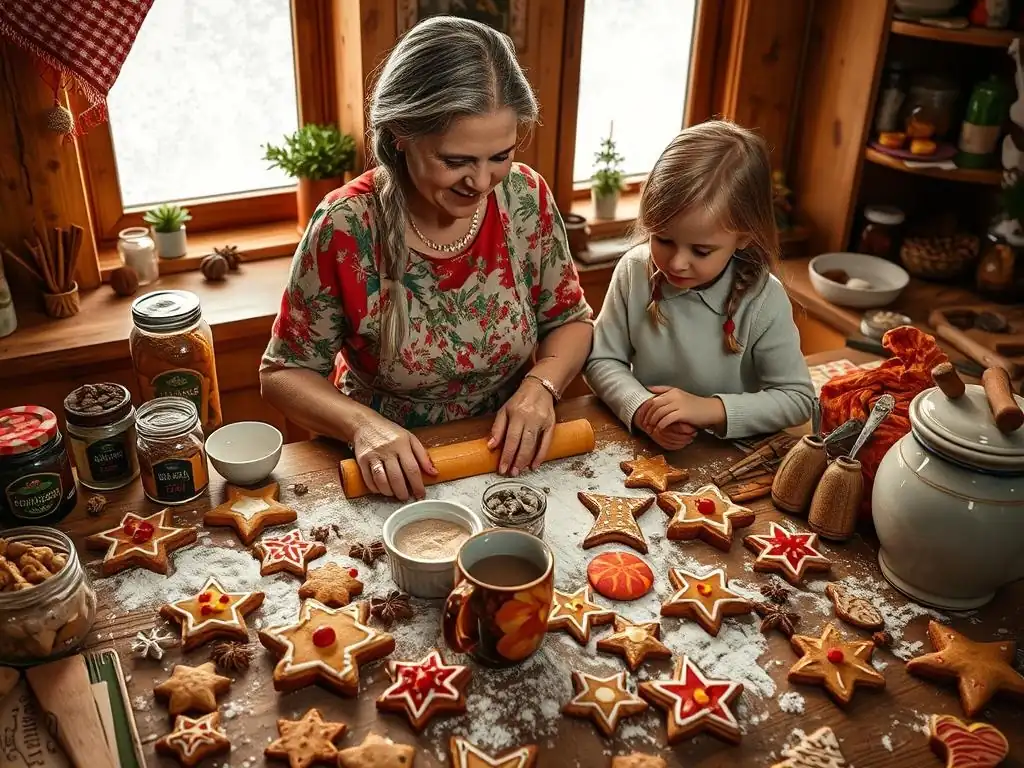
Eastern European Christmas baking is inherently about sharing and community. The act of baking itself is often a family affair, bringing generations together in the kitchen to mix, roll, shape, and decorate. The abundance of baked goods prepared signifies not just holiday cheer but also generosity and hospitality. Sharing these homemade treats is a fundamental part of the festive spirit.
Gifting homemade Eastern European Christmas cookies is a deeply cherished tradition. Beautifully arranged platters or boxes of assorted cookies are presented to family, friends, neighbors, and colleagues. This gesture is more meaningful than store-bought gifts, representing the time, effort, and love that went into their creation. It's a tangible expression of holiday goodwill and a way to share the flavors and aromas of your home kitchen.
Preparing a variety of Eastern European Christmas cookies recipes for gifting allows you to showcase different textures and flavors, creating a delightful assortment. Consider including a mix of nutty crescents, jam-filled parcels, spiced gingerbread, and rich rolls. Each cookie carries the warmth of homemade goodness, making the gift truly special and appreciated.
Celebrating Christmas with Eastern European Baking
Eastern European Christmas baking is central to the holiday celebrations themselves. Platters of cookies and slices of festive rolls like Beigli are proudly displayed on tables during family gatherings, accompanying festive meals and afternoon teas. They are offered to guests who drop by, served with coffee or tea, creating moments of warmth and connection.
The aroma of these baked goods fills homes throughout the season, creating a sensory backdrop to holiday activities – from decorating the tree to singing carols. Baking Eastern European Christmas cookies recipes is a way to keep traditions alive, connect with heritage, and create new cherished memories with loved ones. It transforms a home into a haven of festive flavors and aromas.
Embarking on the adventure of baking Eastern European Christmas cookies recipes is a wonderful way to add new flavors and traditions to your holiday season. Whether you choose to bake delicate Vanilkove Rohlicky, flaky Kolaczki, rich Beigli, or spicy Medivnyk, you are participating in a centuries-old culinary heritage. These recipes are accessible and rewarding, perfect for bakers of all skill levels.
Gather your ingredients, perhaps enlist the help of family members, and spend some time in the kitchen creating these delicious edible treasures. The process itself is a joy, and the result – platters filled with beautiful, fragrant Eastern European Christmas cookies – will bring warmth and happiness to your home and those you share them with. Make this holiday season extra special by bringing the magic of Eastern European Christmas baking to your table.
Frequently Asked Questions
Eastern European Christmas cookies often feature unique spices like cardamom and anise, as well as ingredients like honey and nuts, offering a distinct flavor profile. Many recipes also have symbolic meanings relating to the holiday season.
BakeWithEase.com provides step-by-step guides and easy-to-find ingredients for various Eastern European Christmas cookie recipes, suitable for bakers of all skill levels. You can find recipes for pastries, breads, cakes, cookies, and more.
Are these recipes beginner-friendly?
Yes, BakeWithEase.com caters to all levels, offering simple recipes specifically designed for beginners to successfully create delicious Eastern European Christmas cookies. The site aims to make baking accessible.
Common ingredients often include honey, nuts, spices, such as cardamom and anise, and sometimes dried fruits. These ingredients contribute to the cookies' rich and festive flavors.
Absolutely! Many Eastern European Christmas cookie recipes are perfect for making ahead. They often keep well for several days and can even improve in flavor over time.
Final Reflection: A Taste of Tradition, A Taste of Home
The enduring appeal of Eastern European Christmas baking lies not just in the delicious recipes, but in the stories and traditions they represent. These aren't simply cookies; they are tangible links to heritage, passed down through generations, carrying the warmth and spirit of family gatherings across continents and years. The recipes shared in this article are more than just instructions; they are keys to unlocking a rich cultural tapestry.
The influence of these sweet treats extends far beyond the holiday season itself. They represent a powerful connection to cultural identity, a way for families to maintain their traditions even when geographically dispersed. Food is symbolic of love when words are inadequate.
- Alan D. Wolfelt. This quote perfectly encapsulates the emotional weight these recipes carry, transcending mere culinary enjoyment to become potent symbols of belonging and shared experience. The act of baking and sharing these cookies fosters a sense of community and connection, strengthening bonds across generations and cultures.
Now, as you close this article, I invite you to consider the power of food as a cultural bridge. Perhaps you'll try your hand at one of these recipes, experiencing firsthand the joy of creating something both delicious and deeply meaningful. Or maybe you'll be inspired to explore the culinary traditions of your own heritage, sharing your own stories and recipes with others. Let the spirit of Eastern European Christmas baking inspire you to connect with your roots, celebrate your heritage, and share the warmth of tradition with those you love.
Unleash Your Inner Baker: Festive Eastern European Treats Await!
Thanks for joining us on this delicious journey through the heart of Eastern European Christmas baking! We hope you discovered some new favorite recipes and traditions to warm your holiday season. Ready to bring these festive flavors to life?
- Bake your favorite recipe from today's article: Choose one recipe that excites you most and get baking! Let the aromas of cinnamon and cloves fill your home.
- Share your baking adventures: Tag us on social media with your creations – we'd love to see what you whip up!
- Explore more Eastern European recipes: Dive deeper into our recipe collection and discover even more culinary treasures from the region.
What unique twist will you add to your favorite Eastern European Christmas treat? Let us know in the comments below!