
Using Farmer's Cheese & Quark in Eastern European Baking

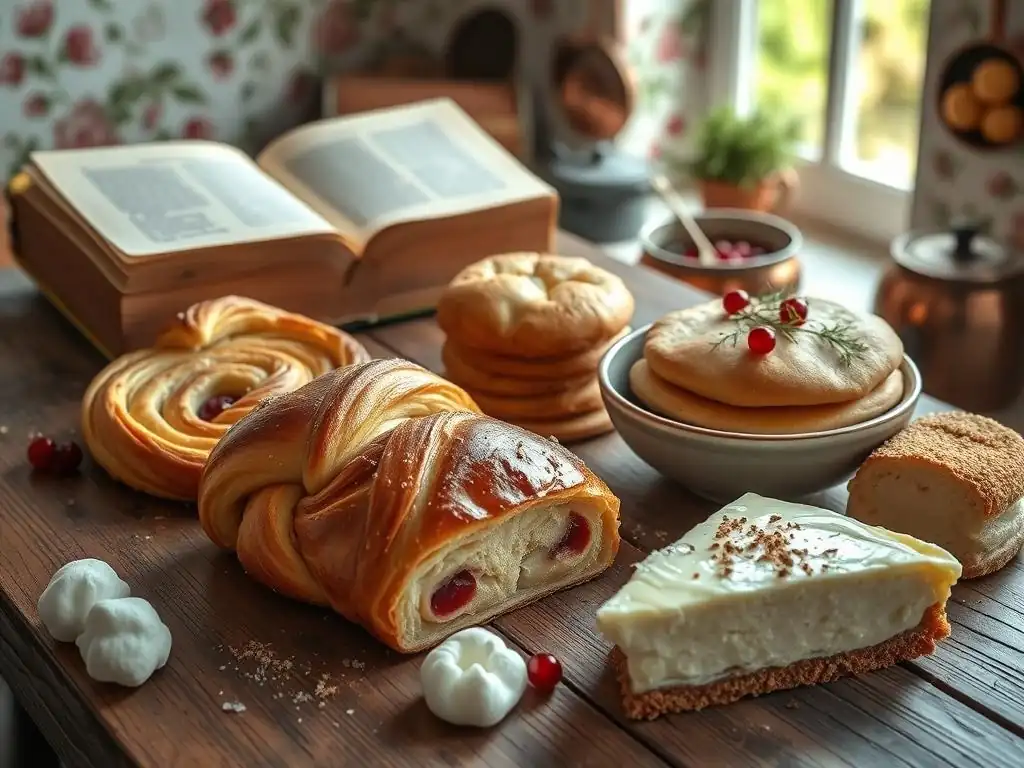
Welcome to BakeWithEase, your trusted guide to baking bliss! Ever wondered about the secrets behind the delectable pastries and breads of Eastern Europe? Prepare to unlock a world of flavor with our exploration of using farmer's cheese and quark in Eastern European cheese baking recipes. Discover how these versatile ingredients add a unique tang and texture to traditional treats, and get ready to bake something extraordinary. Are you ready to embark on a cheesy baking adventure?
- Using Ricotta and Mascarpone in Italian Baking | BakeWithEase.com
- Discover the Delight of Italian Cheese Baking Recipes
- Understanding Ricotta and Mascarpone: Key Ingredients for Italian Baking
- Mastering Italian Cheese Baking Recipes: Techniques and Tips
- Popular Italian Cheese Baking Recipes to Try at Home
- Troubleshooting Common Issues in Italian Cheese Baking
- Elevate Your Baking with Italian Cheese Baking Recipes
-
Frequently Asked Questions
- What is Farmer's Cheese, and where can I find it for Eastern European cheese baking recipes?
- Can I substitute Quark for Farmer's Cheese in Eastern European cheese baking recipes?
- What kind of Eastern European cheese baking recipes typically use Farmer's Cheese or Quark?
- Are there any specific tips for working with Farmer's Cheese or Quark when baking Eastern European cheese baking recipes?
- How do Eastern European cheese baking recipes that utilize Farmer's Cheese or Quark differ from other baking traditions?
- Final Reflection: A Taste of Tradition, A Future of Flavor
- Unlock the Secrets of Creamy Eastern European Baking!
Using Ricotta and Mascarpone in Italian Baking | BakeWithEase.com
Discover the Delight of Italian Cheese Baking Recipes
Exploring Traditional Italian Baking with Cheese
Cheese plays a fundamental role in the diverse landscape of Italian cuisine, extending far beyond savory dishes into the realm of exquisite baked goods. Unlike many other baking traditions that rely heavily on butter or cream for richness, Italian baking frequently incorporates soft, fresh cheeses like ricotta and mascarpone to impart moisture, tenderness, and a unique depth of flavor.
This integration of cheese into pastries, cakes, and cookies is a hallmark of regional Italian baking, reflecting a deep connection to dairy farming traditions and a culinary philosophy that values fresh, high-quality ingredients. From the creamy fillings of Sicilian cassata to the delicate texture of Roman ricotta crostata, cheese is not merely an ingredient but a cornerstone that defines the character of many beloved Italian desserts.
The use of cheese in Italian baking is rooted in centuries-old practices where fresh dairy products were readily available in agricultural regions. Recipes often evolved to utilize surpluses of ricotta, a byproduct of mozzarella or provolone production, or mascarpone, a rich cream cheese from Lombardy. These cheeses lend themselves perfectly to baking because of their varying fat and moisture content, offering different textural possibilities.
For instance, the relatively lower fat and slightly grainy texture of ricotta make it ideal for light, moist cakes and cookies, while the high fat and smooth consistency of mascarpone provide unparalleled richness and creaminess for fillings and frostings. Understanding these properties is key to mastering Italian cheese baking recipes, allowing bakers to recreate authentic textures and flavors.
Understanding Ricotta and Mascarpone: Key Ingredients for Italian Baking
What is Ricotta? A Baking Staple
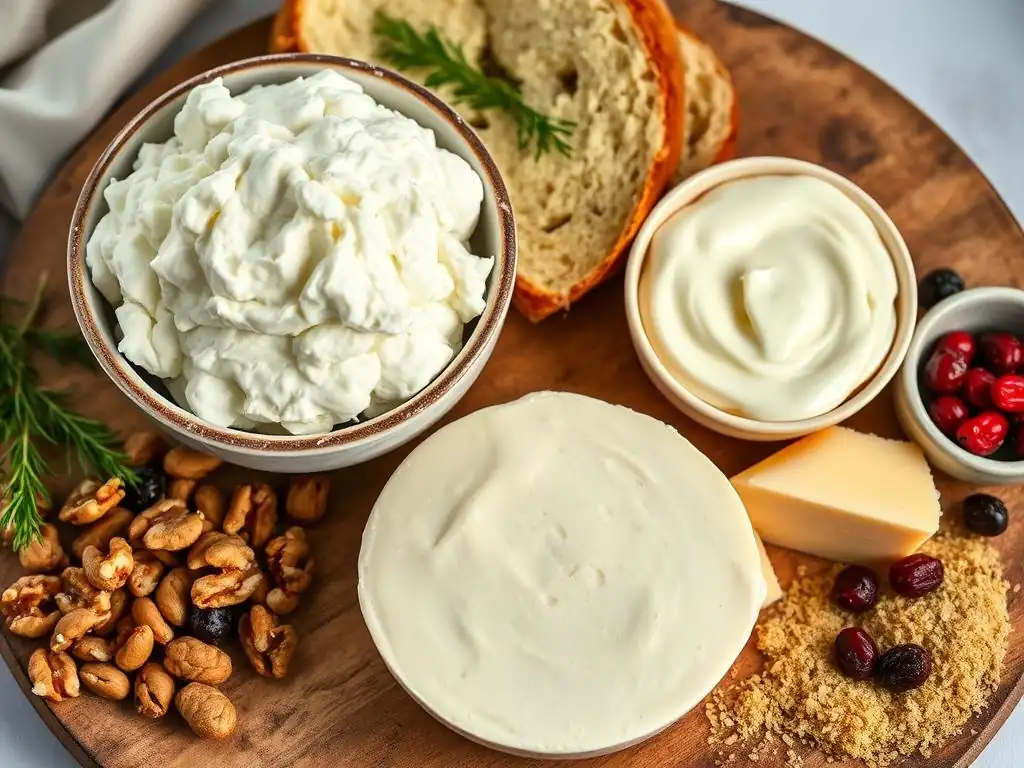
Ricotta, meaning "recooked" in Italian, is a fresh cheese made from the whey left over from the production of other cheeses like mozzarella or provolone. While traditionally made from sheep, cow, goat, or water buffalo whey, the ricotta most commonly found in stores today is made from cow's milk whey, sometimes with a small amount of milk added.
This process results in a soft, white, and slightly grainy cheese with a delicate, slightly sweet flavor. Its texture is much lighter than cream cheese or cottage cheese, and its moisture content can vary significantly depending on whether it's store-bought or homemade, and whether it's labeled "whole milk" or "part-skim."
In Italian baking, ricotta is prized for its ability to add moisture and tenderness without making baked goods heavy or greasy. It's a primary component in fillings for pastries like cannoli, cassata, and sfogliatelle, where its texture provides structure and its subtle flavor acts as a perfect canvas for sugar, citrus zest, and spices. It's also incorporated directly into doughs and batters for cakes, cookies, and even some breads, contributing to a softer crumb and extended freshness.
For example, a standard recipe for Ricotta Cookies might use around 1 cup (approximately 240 grams) of ricotta per batch, which significantly impacts the final texture compared to a butter-based cookie. The moisture level is critical; often, draining excess liquid from ricotta is a necessary step before use in baking to prevent a soggy result.
What is Mascarpone? Unveiling This Versatile Cheese
Mascarpone is a rich, creamy cheese originating from the Lombardy region of Italy. It is made by coagulating heavy cream with an acidic substance like citric acid or acetic acid, and then gently heating the mixture. This process yields an incredibly smooth, spreadable cheese with a very high fat content, typically ranging from 60% to 75%. Its flavor is mild, milky, and slightly sweet, lacking the tanginess often associated with cream cheese or yogurt. This neutral yet rich profile makes it exceptionally versatile in desserts.
This luxurious cheese is perhaps most famously known as the primary ingredient in the filling for Tiramisu, where its smooth texture and ability to absorb flavors like coffee and liqueur are essential. However, mascarpone's utility in Italian baking extends to tarts, cakes, and creams. It can be whipped with sugar and flavorings to create a simple yet decadent frosting or filling.
When incorporated into batters, it adds unparalleled richness and a tender crumb. For instance, adding just half a cup (around 120 grams) of mascarpone to a cake batter can transform its texture and moisture level dramatically. Its high fat content means it melts beautifully, contributing to a very smooth and luscious mouthfeel in baked goods.
Ricotta vs. Mascarpone: Key Differences for Baking
While both ricotta and mascarpone are fresh Italian cheeses used in baking, their fundamental differences dictate their specific applications and the results they yield. The most significant difference lies in their fat content and texture. Ricotta is relatively low in fat (around 8-24% depending on whole or part-skim) and has a slightly grainy texture due to its production from whey proteins. Mascarpone, on the other hand, is essentially a thickened cream, boasting a much higher fat content (60-75%) and an exceptionally smooth, spreadable consistency.
These differences directly impact how they behave in baking. Ricotta contributes moisture and tenderness without excessive richness; it provides structure to fillings and a soft crumb to batters, but its graininess might be noticeable if not processed or combined properly. Mascarpone provides intense richness, creaminess, and a smooth texture; it melts easily and can make baked goods very moist and tender, but its high fat content means it cannot always be used as a direct substitute for lighter cheeses like ricotta without altering the outcome significantly.
For example, attempting to make a traditional ricotta cheesecake using only mascarpone would result in a much denser, richer, and potentially oilier dessert, while using ricotta in a Tiramisu filling would lack the required smoothness and richness. Understanding these distinctions is crucial for selecting the right cheese for your Italian cheese baking recipes.
Both ricotta and mascarpone are widely available in most major supermarkets, typically found in the dairy or specialty cheese section. Look for fresh, whole-milk versions for the best results in baking, especially when aiming for authentic Italian cheese baking recipes. High-quality ricotta often comes in tubs and should appear moist but not watery. Mascarpone is usually sold in smaller tubs due to its richness and higher price point; it should look smooth and creamy white. Specialty Italian markets or cheese shops are excellent sources for potentially fresher or artisanal varieties of both cheeses.
If you find yourself without one of these key ingredients, suitable substitutes can sometimes be employed, although the results may vary. For ricotta, a decent substitute in some recipes (especially fillings where it will be mixed with other ingredients) can be cottage cheese that has been pureed until smooth and drained of excess liquid. However, cottage cheese is tangier and has a different protein structure, so it's not a perfect match.
A blend of cream cheese and sour cream can also approximate ricotta's texture and tang in certain savory applications, but is less ideal for sweet baking. For mascarpone, a common substitute is full-fat cream cheese whipped with a little heavy cream or butter to reduce its tanginess and soften its texture.
A mix of cream cheese and sour cream or crème fraîche can also work in a pinch for some creamy fillings or toppings. Keep in mind that using substitutes will likely alter the final flavor and texture compared to using the authentic Italian cheeses, which is a key element in traditional Italian cheese baking recipes.
Mastering Italian Cheese Baking Recipes: Techniques and Tips
Preparing Ricotta and Mascarpone for Baking: Essential Steps
Proper preparation of ricotta and mascarpone before incorporating them into Italian cheese baking recipes is crucial for achieving the desired texture and consistency. For ricotta, the most important step is often draining excess moisture. Store-bought ricotta, especially the supermarket variety, can contain a significant amount of liquid, which can make batters too wet or fillings runny. To drain ricotta, place it in a fine-mesh sieve lined with cheesecloth or a coffee filter set over a bowl.
Let it sit in the refrigerator for several hours, or even overnight, to allow the whey to drip away. This step is particularly vital for cheesecakes, tarts, and pastries where a firm filling is desired. A study on cheese moisture content noted that draining can reduce the total weight of some ricottas by 15-20%, significantly concentrating the cheese solids.
Mascarpone, being naturally thicker, usually requires less preparation, but ensuring it's at the right temperature is key. Mascarpone is easiest to work with when it's slightly softened but still cool, similar to cream cheese. If it's too cold, it will be difficult to mix smoothly; if it's too warm, it can become oily and lose its structure, especially when whipped.
Bringing it out of the refrigerator about 15-30 minutes before use is often sufficient. When making creams or fillings, it's important not to overmix mascarpone, particularly after adding sugar or other liquids, as this can cause it to break and become grainy or separated. Gentle folding or mixing on low speed is generally recommended to maintain its smooth, luxurious texture, essential for classic Italian cheese baking recipes like Tiramisu or Mascarpone Cream Tarts.
Achieving the Perfect Texture: Tips for Working with Cheese in Doughs
Incorporating cheese directly into doughs and batters requires careful technique to achieve the perfect texture in Italian cheese baking recipes. When adding ricotta to cookie or cake batter, ensure it is well-drained and at room temperature. Cold ricotta can cause the batter to curdle or become lumpy.
Creaming the ricotta with sugar and butter (if the recipe calls for it) before adding dry ingredients helps distribute the cheese evenly and contributes to a tender crumb. The moisture from the ricotta helps keep baked goods soft and moist for longer compared to those made solely with butter or oil. For instance, a batch of ricotta cookies might stay soft for 3-4 days in an airtight container, whereas a standard butter cookie might dry out faster.
Mascarpone is less commonly incorporated directly into solid doughs but is a fantastic addition to batters for very rich cakes or brownies. Its high fat content contributes significantly to moisture and tenderness. When adding mascarpone to a batter, ensure it is softened and mix it gently until just combined to avoid overworking the batter.
Overmixing can develop gluten unnecessarily or negatively impact the cheese's texture. In laminated doughs or pastries where cheese is used as a filling, keeping both the dough and the cheese filling cold is paramount. This prevents the fat in the cheese from melting prematurely and helps create flaky layers, a technique also seen in some Eastern European cheese baking recipes using farmer's cheese.
Flavor Enhancements: Complementing Cheese with Citrus and Almonds [Specific Examples]
The mild, creamy flavors of ricotta and mascarpone provide an excellent base for a variety of flavor enhancements in Italian baking. Two classic pairings are citrus and almonds, which feature prominently in many traditional Italian cheese baking recipes. Lemon zest is an almost ubiquitous partner for ricotta, especially in fillings for tarts, cakes, and pastries like sfogliatelle or cassata.
The bright, aromatic oils in the lemon zest cut through the richness of the cheese and add a refreshing counterpoint. For example, a standard ricotta filling for a tart might incorporate the zest of one whole lemon per 500 grams of ricotta, along with sugar and perhaps a touch of vanilla. Orange zest is also popular, particularly in Sicilian recipes, adding a warmer, sweeter citrus note.
Almonds, in various forms, are another beloved complement to Italian cheeses in baking. Almond extract, ground almonds, or almond paste are frequently paired with ricotta and mascarpone. Almond paste, with its concentrated flavor and slightly chewy texture, is a key component in Sicilian Cassata, where layers of sponge cake are filled with sweetened ricotta cream and then covered in marzipan (an almond paste confection).
The nutty depth of almonds provides a wonderful contrast to the creamy cheese. Amaretto, an almond-flavored liqueur, is also often used to flavor mascarpone creams, such as in Tiramisu or other no-bake desserts. The combination of creamy cheese, bright citrus, and warm almond notes creates complex and harmonious flavor profiles that are characteristic of Italian cheese baking recipes.
Managing Moisture Content in Cheese Fillings
Effectively managing the moisture content is one of the most critical aspects of successful Italian cheese baking recipes, particularly when dealing with fillings made from ricotta or mascarpone. Excess moisture can lead to soggy pastry crusts, cracked cheesecakes, or fillings that don't set properly. As mentioned earlier, draining ricotta is often the first line of defense against excess moisture. Allowing it to drain in a sieve for several hours can remove a significant amount of whey. For a firmer filling, some recipes even call for pressing the drained ricotta gently to expel more liquid.
Incorporating thickeners is another common technique. Cornstarch, flour, or semolina are frequently added to ricotta fillings for tarts, cakes, and pastries to absorb excess moisture and help the filling set during baking. The amount needed varies depending on the recipe and the consistency of the cheese, but typical ratios might involve 1-2 tablespoons of cornstarch per 500 grams of drained ricotta.
Baking technique also plays a role; baking cheesecakes in a water bath helps regulate the temperature and prevents the edges from setting too quickly and cracking, while also allowing the center to cook through without drying out, which is particularly important for the moisture-rich ricotta fillings. For mascarpone fillings, which are naturally thicker, managing moisture often involves being careful with added liquids (like coffee or liqueur in Tiramisu) and ensuring the cheese is properly chilled before whipping to maintain its structure.
Popular Italian Cheese Baking Recipes to Try at Home
Ricotta Cheesecake: A Creamy Classic
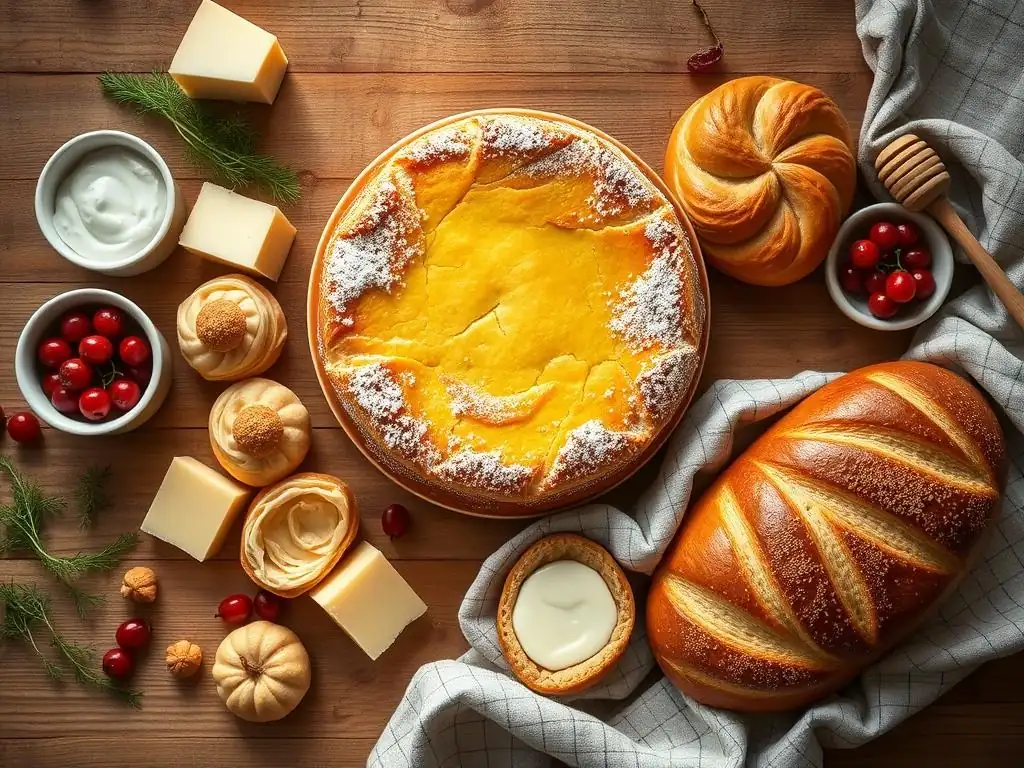
Italian-style ricotta cheesecake offers a delightful alternative to the denser, cream cheese-based cheesecakes common in North America. It is characterized by its lighter texture, often slightly grainy from the ricotta, and a delicate, not-too-sweet flavor. Traditional versions may not have a crust, or they might sit on a simple pastry base rather than a graham cracker crust.
The focus is squarely on the creamy, moist ricotta filling, often flavored with lemon zest, orange zest, or vanilla. These cheesecakes are typically baked at a lower temperature for a longer time compared to New York-style cheesecakes to ensure a tender, uncracked top.
The structure of a classic Italian ricotta cheesecake relies heavily on the ricotta itself, often stabilized with eggs, sugar, and sometimes a touch of flour or cornstarch. A typical recipe might use 3-4 cups (around 720-960 grams) of well-drained whole-milk ricotta, 3-4 eggs, 1 cup of sugar, and flavorings. Baking times can range from 60 to 90 minutes at temperatures around 325°F (160°C). The result is a dessert that is rich but not heavy, with a distinct creamy texture and a subtle tang from the cheese, embodying the elegance of Italian cheese baking recipes.
Recipe Variations for Ricotta Cheesecake
Ricotta cheesecake provides a versatile canvas for creative variations. Adding chocolate chips or chopped dark chocolate to the filling is a popular choice, introducing pockets of melted richness throughout the creamy cheese. Fresh or candied fruits can also be incorporated; cherries, berries, or chopped candied orange peel pair wonderfully with the ricotta and citrus flavors. Some recipes include a layer of fruit preserves or a streusel topping for added texture and flavor.
For an extra touch of richness, some variations might blend a small amount of mascarpone into the ricotta filling, creating a hybrid texture that is both light and incredibly smooth. A lemon ricotta cheesecake, for example, might intensify the citrus flavor by adding lemon juice in addition to zest, sometimes even incorporating limoncello. These variations allow home bakers to personalize this Italian cheese baking recipe classic.
Sicilian Cassata: A Decadent Sponge Cake
Sicilian Cassata is a truly elaborate and festive Italian dessert, particularly associated with Easter. It is a rich sponge cake (pan di Spagna) that is typically soaked in a liqueur like Maraschino or rum, layered with a sweet filling made primarily from ricotta cheese, and then covered in a shell of marzipan (pasta reale). The ricotta filling is generously sweetened and often studded with candied fruit (canditi) and chocolate chips. The marzipan exterior is traditionally decorated with vibrant green coloring and elaborate candied fruit patterns, making it visually stunning.
Achieving a successful Cassata requires attention to detail at each stage. The sponge cake needs to be light and airy to absorb the liqueur without becoming soggy. The ricotta filling must be smooth, well-sweetened, and firm enough to hold its shape when the cake is assembled; this is achieved by draining the ricotta thoroughly and often sifting powdered sugar into it.
The assembly involves lining a bowl with plastic wrap, then with slices of sponge cake, filling it with the ricotta mixture, adding more cake to form the base, chilling it, and finally inverting it before covering it with rolled-out marzipan. The combination of textures and flavors – the soft, liqueur-soaked sponge, the creamy, sweet ricotta filling with fruit and chocolate, and the slightly chewy, nutty marzipan – makes Cassata a truly unique Italian cheese baking recipe experience.
Tips for Achieving Perfect Cassata Texture
The key to perfect Cassata texture lies in the harmonious balance of its components. For the sponge cake, ensure you whip the eggs and sugar until they are very light and airy before gently folding in the flour; this creates the necessary structure for soaking. Don't oversoak the cake; it should be moist but not saturated to the point of falling apart.
For the ricotta filling, use only well-drained ricotta and sift the powdered sugar into it to prevent lumps. Many traditional recipes call for pressing the sweetened ricotta through a sieve to achieve maximum smoothness before folding in the candied fruit and chocolate.
The marzipan should be rolled thinly enough to easily drape over the cake but thick enough not to tear. Heating the marzipan slightly or kneading it until pliable can make it easier to work with. Chilling the assembled cake before adding the marzipan is essential to ensure the structure is firm. Finally, allowing the finished Cassata to chill for at least several hours, preferably overnight, allows the flavors to meld and the textures to set, resulting in that perfect blend of creamy, moist, and slightly chewy that defines this iconic Italian cheese baking recipe.
Ricotta cookies are a staple in Italian-American baking, known for their incredibly soft, cake-like texture and delicate flavor. Unlike many traditional cookies that rely on butter and sugar for spread and crispness, ricotta cookies use the cheese to provide moisture and tenderness, resulting in a puffier, softer cookie that stays moist for days. They are typically flavored with vanilla and lemon zest and finished with a simple glaze, often made from powdered sugar and lemon juice or milk.
The dough for ricotta cookies is quite soft and pillowy. It usually involves creaming butter and sugar, then mixing in eggs and ricotta, followed by the dry ingredients (flour, baking powder, salt). The high moisture content from the ricotta means the dough is often dropped onto baking sheets rather than rolled and cut.
Baking powder provides the lift, contributing to the cookies' characteristic dome shape and soft interior. A standard recipe might use about 1.5 cups of ricotta per 4-5 cups of flour, highlighting the significant role the cheese plays in the dough's composition and the final texture of these beloved Italian cheese baking recipes.
Making the Perfect Dough for Ricotta Cookies
Creating the perfect dough for ricotta cookies hinges on proper mixing and ingredient ratios. Start by ensuring your ricotta is well-drained, as excess moisture can make the dough too sticky and the cookies spread too much. Have all cold ingredients, like butter and ricotta, at room temperature before you begin creaming. Cream the butter and sugar until light and fluffy, then beat in the eggs one at a time. Add the ricotta and mix just until combined; don't overmix at this stage.
Combine your dry ingredients separately before adding them to the wet mixture. Add the dry ingredients gradually, mixing on low speed or by hand until just incorporated. Overmixing after adding flour can develop gluten, resulting in tougher cookies.
The dough will be soft and sticky, which is normal. Chilling the dough for at least 30 minutes can make it slightly easier to handle, although many bakers simply drop portions directly onto prepared baking sheets. The key is to handle the dough minimally to maintain its tender structure, ensuring the cookies bake up soft and delicious, a hallmark of this simple yet satisfying Italian cheese baking recipe.
Mascarpone Cream Tart: Elegant and Delicious
A Mascarpone Cream Tart is an elegant dessert that showcases the luxurious smoothness of mascarpone. It typically consists of a crisp pastry shell (like a shortcrust or pâte sucrée) filled with a rich, creamy mascarpone filling. This filling is often a simple mixture of mascarpone whipped with sugar, sometimes eggs or egg yolks for richness and structure, and flavorings like vanilla, citrus zest, or liqueur. Unlike baked cheesecakes, the filling is often prepared and then spooned into a pre-baked (blind-baked) tart shell, or baked gently until just set.
The beauty of a mascarpone cream tart lies in its simplicity and the quality of its ingredients. The contrast between the buttery, crisp tart shell and the smooth, melt-in-your-mouth mascarpone filling is delightful. The filling's richness means that a small slice is often satisfying.
These tarts are incredibly versatile and can be topped with fresh berries, chocolate shavings, or a dusting of cocoa powder. A classic example might involve a 9-inch tart shell filled with a mixture of 500 grams of mascarpone, 1/2 cup of sugar, 2 egg yolks, and a teaspoon of vanilla extract, baked gently until the center is just set, a true celebration of Italian cheese baking recipes.
Creating a Delicious Mascarpone Cream Tart Filling
Crafting a delicious mascarpone cream tart filling is relatively straightforward, focusing on gentle handling and quality ingredients. Start with high-quality mascarpone at cool room temperature or slightly chilled; this makes it easier to whip without it becoming too soft or separating. In a bowl, gently whisk or beat the mascarpone with powdered sugar or superfine granulated sugar until smooth. Powdered sugar dissolves easily and contributes to a very smooth texture.
If the recipe calls for eggs or egg yolks, whisk them lightly before adding them to the mascarpone mixture, mixing only until just combined. Avoid overmixing once the eggs are added, as this can incorporate too much air or cause the mixture to break. Add your desired flavorings, such as vanilla bean paste, lemon zest, or a splash of liqueur like Grand Marnier or Marsala. Pour the filling into your pre-baked or partially baked tart shell.
If baking the filling, do so gently, often in a water bath, until the edges are set but the center is still slightly soft; it will continue to set as it cools. For no-bake fillings, simply pour into the cooled shell and chill until firm. The resulting smooth, rich cream is the highlight of this elegant Italian cheese baking recipe.
Zeppole: Light and Airy Doughnuts
Zeppole are traditional Italian doughnuts, often associated with St. Joseph's Day (Festa di San Giuseppe) on March 19th. While variations exist across Italy, one popular type, particularly from Naples and Rome (Zeppole di San Giuseppe), is made from choux pastry (pâte à choux), similar to that used for éclairs or profiteroles. These are typically fried or baked until golden and puffed, then filled with a rich pastry cream (crema pasticcera) or, in some regions, a sweet ricotta cream, and often topped with a cherry or a dusting of powdered sugar.
When filled with ricotta cream, Zeppole become a delightful example of Italian cheese baking recipes, albeit one involving frying or baking a dough shell to contain the cheese filling. The choux pastry provides a light, hollow vessel that is perfect for holding the creamy, sweetened ricotta. The contrast between the crisp or slightly chewy pastry exterior and the smooth, cool cheese filling is what makes these pastries so appealing. The ricotta filling for Zeppole is similar to that used in Cassata or Cannoli, typically involving well-drained ricotta mixed with sugar, vanilla, and sometimes citrus zest or cinnamon.
Achieving the Right Consistency for Zeppole
The key to successful Zeppole lies in mastering the choux pastry and the consistency of the filling. For the choux pastry, the process involves cooking flour, water (or milk), and butter together on the stovetop to form a paste, then beating in eggs one at a time off the heat until the mixture is smooth and glossy and falls from the spoon in a "V" shape. The consistency should be thick enough to hold its shape when piped but soft enough to expand significantly during cooking. Too stiff, and they won't puff properly; too wet, and they'll collapse.
When piping Zeppole, use a star tip to create rings or swirls, which helps them cook evenly and provides ridges for the glaze and filling. Whether frying or baking, ensure the cooking temperature is correct to allow the pastry to puff and set before the exterior browns too quickly. For the ricotta filling, ensure it is very smooth and well-drained.
The filling should be piped into the cooled Zeppole just before serving to prevent the pastry from becoming soggy. Achieving the right balance between the light pastry shell and the creamy, sweet ricotta filling is the hallmark of this classic Italian cheese baking recipe for Zeppole.
Troubleshooting Common Issues in Italian Cheese Baking
Preventing Cracking in Cheese-Filled Pastries
Cracking in cheese-filled pastries, such as tarts or baked cheesecakes using ricotta, is a common frustration for bakers. This often occurs when the filling dries out on the surface and sets too quickly while the center is still expanding and cooking. The rigid surface layer then cracks under the pressure. One primary cause is baking at too high a temperature. High heat can cause the proteins in the cheese and eggs to set rapidly and unevenly. Baking at a lower temperature, typically between 300°F and 325°F (150°C-160°C), helps the filling cook more gently from the edges to the center.
Another effective technique is using a water bath, particularly for cheesecakes. Placing the springform pan containing the cheesecake (often wrapped in foil to prevent water seepage) in a larger pan filled with hot water creates a humid environment in the oven and insulates the cheesecake from direct heat. This slow, even cooking process allows the filling to set uniformly, significantly reducing the risk of cracking.
Additionally, avoiding overmixing the filling after adding the eggs can prevent incorporating too much air, which can also contribute to cracking. Allowing the cheesecake or tart to cool gradually, first in the turned-off oven with the door ajar and then at room temperature before chilling, also helps prevent thermal shock that can cause cracks. These steps are essential for achieving a smooth, crack-free surface in many Italian cheese baking recipes.
Avoiding Soggy Bottoms in Cheesecakes
A soggy bottom crust is another common pitfall, especially with moisture-rich fillings like those used in Italian cheese baking recipes such as ricotta cheesecakes. The moisture from the cheese filling can seep into the crust during baking, turning it soft and unpleasant. One of the most effective ways to combat this is by pre-baking or blind-baking the crust before adding the filling.
This involves partially or fully baking the empty crust until it is lightly golden and set. For a graham cracker crust, baking for 8-10 minutes at 350°F (175°C) is often sufficient. For a pastry crust, blind-baking with pie weights to keep the shape, followed by a few minutes without weights, is necessary.
Ensuring the crust is sealed can also help. Brushing a thin layer of egg white or melted butter onto the pre-baked crust and baking for another few minutes creates a barrier that moisture has difficulty penetrating.
Using a pan with a removable bottom (like a springform pan) wrapped tightly in foil also helps prevent moisture from the water bath (if used) from reaching the crust. Finally, ensuring the ricotta filling is well-drained before adding it to the crust reduces the overall moisture content that the crust is exposed to during baking, contributing to a crisp, golden bottom in your Italian cheese baking recipes.
Addressing Runny Cheese Fillings
Runny cheese fillings are a frustrating issue that can ruin the texture and presentation of tarts, pastries, and cakes in Italian cheese baking recipes. This is often caused by insufficient thickening or excess moisture in the cheese. The primary culprit is frequently using ricotta that hasn't been adequately drained. Even "whole milk" ricotta can contain a lot of whey, which will thin out the filling when heated. Always drain ricotta in a sieve lined with cheesecloth for several hours or overnight for optimal results.
Incorporating a starch or other thickener is often necessary, especially in fillings that are baked. Cornstarch, flour, or semolina absorb moisture and help the filling set firmly as it cools. The exact amount needed will depend on the recipe and the cheese consistency, but adding 1-2 tablespoons of cornstarch per cup of ricotta is a common starting point. Ensure the thickener is whisked smoothly into the cheese mixture to avoid lumps.
For no-bake fillings using mascarpone, ensuring the cheese is well-chilled before whipping and avoiding overmixing can help maintain its structure. If a mascarpone filling becomes too soft, chilling it thoroughly can sometimes help it firm up. In some cases, adding a small amount of gelatin (dissolved according to package directions) can provide extra stability to both baked and unbaked cheese fillings, ensuring they slice cleanly and hold their shape, essential for beautiful Italian cheese baking recipes.
Elevate Your Baking with Italian Cheese Baking Recipes
Experimenting with Different Cheeses in Italian Recipes
While ricotta and mascarpone are the stars of many classic Italian cheese baking recipes, the adventurous baker can explore incorporating other cheeses to add new dimensions to traditional dishes or create innovative desserts. For instance, a small amount of grated Parmigiano-Reggiano or Pecorino Romano can be added to a savory pastry dough or even a sweet ricotta filling for a subtle salty, nutty complexity, mirroring how cheese is used in various global baking traditions, including some Eastern European cheese baking recipes where savory cheeses are common.
Harder cheeses are less common in sweet Italian baking, but their intense flavor can provide an interesting contrast.
Softer cheeses like creamy goat cheese could potentially be incorporated into tart fillings or cheesecakes for a tangier profile, although this would depart significantly from traditional Italian flavors. A fresh, mild farmer's cheese, similar in texture to dry ricotta, might be explored as a substitute in some recipes, potentially linking Italian techniques to those found in Eastern European cheese baking recipes.
However, when experimenting, it's crucial to consider the moisture content, fat level, and flavor profile of the new cheese and how it will interact with other ingredients and the baking process. Starting with small substitutions or additions is recommended to understand the impact before committing to a full recipe variation.
Adapting Traditional Recipes for Modern Baking Techniques
Traditional Italian cheese baking recipes, passed down through generations, often predate modern kitchen equipment and techniques. Adapting these recipes can make them more accessible and ensure consistent results for today's home baker. For example, recipes that call for laboriously pressing ricotta through a sieve for smoothness can be simplified by using a food processor or immersion blender to achieve a similar texture quickly. While some purists might argue against it, modern tools can save time and effort, especially when preparing large quantities of cheese filling.
Electric mixers, stand mixers, and hand blenders can replace manual whisking and creaming, ensuring ingredients are thoroughly combined and aerated. Using convection ovens, which circulate hot air, can lead to more even baking and browning, potentially reducing baking times compared to traditional ovens. However, when using convection, it's often necessary to reduce the oven temperature by 25°F (around 15°C) to prevent overbrowning or drying out. Understanding the principles behind traditional techniques allows bakers to thoughtfully adapt them using modern equipment while preserving the essence and flavor of these classic Italian cheese baking recipes.
Enjoying the Rich Flavors of Italian Cheese Baking
Mastering Italian cheese baking recipes opens up a world of exquisite flavors and textures, from the light airiness of ricotta cookies to the decadent richness of Sicilian Cassata. These recipes, deeply rooted in Italian culinary history, offer a unique perspective on how cheese can elevate baked goods beyond simple dairy enrichment. The interplay between the creamy, mild flavors of ricotta and mascarpone and complementary ingredients like citrus, almonds, chocolate, and fruit creates desserts that are both comforting and sophisticated.
Whether you are a beginner trying your hand at a simple ricotta tart or an experienced baker tackling the complexities of a full Cassata, exploring Italian cheese baking is a rewarding journey. It encourages an appreciation for high-quality ingredients and careful technique. So, gather your ricotta and mascarpone, perhaps reflect on the diverse ways cheese is used in baking globally, including Eastern European cheese baking recipes, and embark on creating these delicious Italian treats. The result is sure to be a delightful experience for both the baker and those lucky enough to share in the fruits of their labor.
Frequently Asked Questions
What is Farmer's Cheese, and where can I find it for Eastern European cheese baking recipes?
Farmer's cheese is a fresh, soft cheese with a slightly tangy flavor. It is often available in the dairy section of most grocery stores, especially those with a wider selection of cheeses. Look for brands that specify "Farmer's Cheese."
Can I substitute Quark for Farmer's Cheese in Eastern European cheese baking recipes?
Yes, Quark is often used interchangeably with Farmer's Cheese, especially in Eastern European baking. Both cheeses provide a similar texture and flavor profile, making them excellent substitutes for each other.
What kind of Eastern European cheese baking recipes typically use Farmer's Cheese or Quark?
Many traditional recipes call for these cheeses, including syrniki (cheese pancakes), vatrushka (cheese pastries), and various cheese-filled pies and cakes. They add moisture and a distinct creamy tang.
Are there any specific tips for working with Farmer's Cheese or Quark when baking Eastern European cheese baking recipes?
It's best to drain excess liquid from the cheese before using it to prevent a soggy final product. You can do this by placing the cheese in a cheesecloth-lined sieve for at least 30 minutes.
How do Eastern European cheese baking recipes that utilize Farmer's Cheese or Quark differ from other baking traditions?
Eastern European cheese baking recipes often emphasize the tangy and slightly sour flavor of the cheese, creating a unique profile compared to sweeter, more decadent baked goods from other traditions. The texture also tends to be more dense and moist.
Final Reflection: A Taste of Tradition, A Future of Flavor
The enduring appeal of Eastern European baking lies not just in its deliciousness, but in its deep connection to history, family, and the land. These recipes, passed down through generations, represent a tangible link to cultural heritage, and their continued popularity speaks volumes about the enduring power of tradition in a rapidly changing world. The unique textures and subtle tang of farmer's cheese and quark are integral to this legacy, adding a depth of flavor unmatched by other ingredients.
The influence of these cheeses extends far beyond the simple addition of an ingredient; they represent a way of life, a connection to the rural landscape, and a commitment to sustainable food practices. These aren't just recipes; they are stories whispered through generations, carrying the scent of wood-fired ovens and the warmth of family kitchens. Food is symbolic of love when words are inadequate.
- Alan D. Wolfelt. This quote perfectly encapsulates the emotional resonance these recipes hold, transcending mere culinary creations to become powerful symbols of connection and belonging.
Now, it's your turn. Explore the recipes shared in this article, experiment with different variations, and discover the joy of creating these traditional treats. Don't just bake; connect with the history, the culture, and the enduring spirit of Eastern European baking. Share your creations, your stories, and your own unique interpretations of these timeless recipes. Let the legacy of farmer's cheese and quark in Eastern European baking continue to flourish, enriched by your own contributions.
Unlock the Secrets of Creamy Eastern European Baking!
Thanks for exploring the delightful world of farmer's cheese and quark in baking! We hope you've discovered some delicious new possibilities for your next culinary adventure. Ready to put your newfound knowledge into practice?
- Try a new recipe: This week, bake a traditional pierogi or Syrniki using farmer's cheese – you won't be disappointed! You can find tons of inspiration online, or maybe even adapt a family recipe.
- Share your creations: Show us your baking masterpieces! Tag us on social media with your photos - we'd love to see what you create using these amazing ingredients.
- Explore further: Did you know there are countless variations of these cheeses across different Eastern European countries? Dive deeper and discover the unique regional twists!
What unique twist will you add to your next farmer's cheese or quark bake? Let us know in the comments below!