
Baking for Celebrations: Easy Eastern European Wedding Sweets

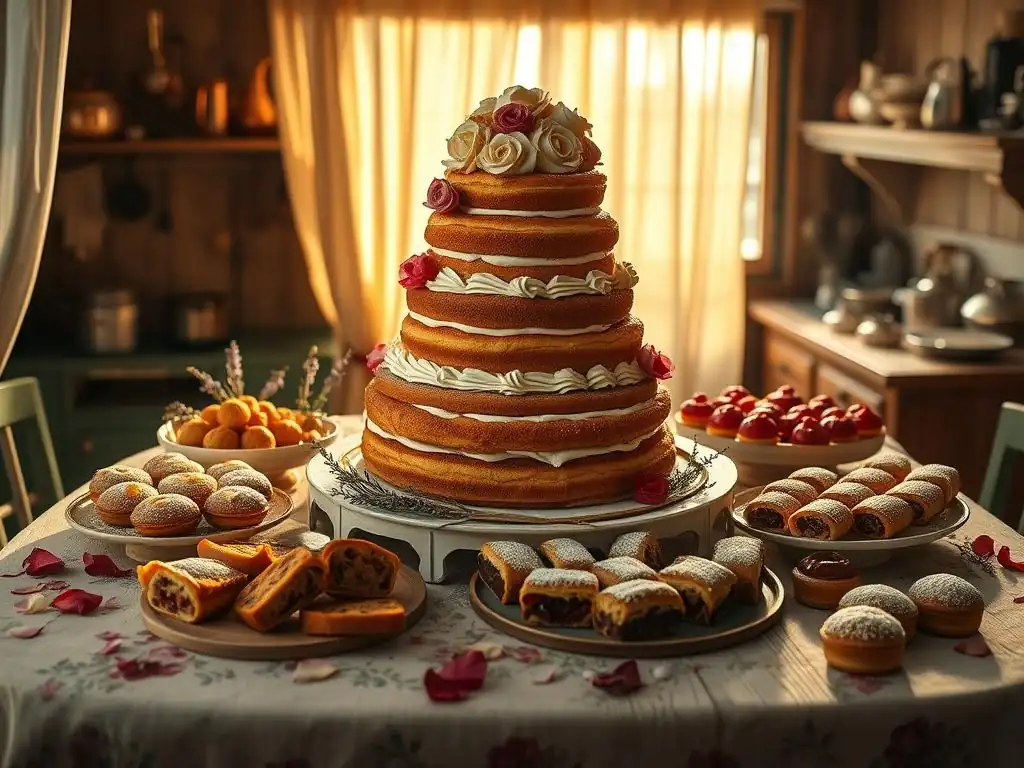
Welcome to BakeWithEase! Ever dreamt of creating a show-stopping dessert spread that’s both impressive and surprisingly simple? Dive into our guide and discover the secrets to crafting easy Eastern European wedding desserts that will transport your tastebuds and wow your guests. Prepare to be amazed by the rich flavors and time-honored traditions waiting to be unlocked – your baking adventure starts now!
- Baking for Celebrations: Simple Polish Wedding Sweets
- TasteofPoland: Discover Easy Polish Wedding Dessert Recipes
- Understanding Polish Wedding Sweet Traditions
- Easy Polish Wedding Desserts: Recipes for Beginners
- Simplifying Polish Wedding Baking Techniques
- Serving and Presenting Your Polish Wedding Desserts
- Storing and Freezing Polish Wedding Sweets
- Elevate Your Baking: Mastering Polish Wedding Desserts
-
Frequently Asked Questions
- What makes Eastern European wedding desserts particularly "easy" to bake?
- Which Eastern European desserts are most commonly served at weddings?
- Can I easily find the ingredients needed for these desserts in a regular grocery store?
- What are some key techniques to master when baking Eastern European wedding desserts?
- How can I adapt these traditional recipes to suit modern dietary needs (e.g., gluten-free or vegan)?
- Final Reflection: A Slice of Tradition, A Taste of Joy
- Unleash Your Inner Baker: Create Sweet Memories!
Baking for Celebrations: Simple Polish Wedding Sweets
TasteofPoland: Discover Easy Polish Wedding Dessert Recipes
Welcome to Polish Baking at TasteofPoland.com
Welcome, fellow baking enthusiasts, to BakeWithEase, your friendly guide to creating delicious treats right in your own kitchen! Today, we're embarking on a delightful journey into the heart of Polish culinary traditions, specifically focusing on the sweet side of wedding celebrations.
Polish weddings are renowned for their incredible feasts, and the dessert table is always a spectacular highlight, laden with an array of pastries, cakes, and cookies, many of which fall under the umbrella of Easy Eastern European wedding desserts. Our goal is to demystify these beloved sweets, showing you just how accessible and enjoyable it is to bake them yourself, even if you're new to Polish cuisine.
At BakeWithEase, we believe that mastering regional baking doesn't have to be intimidating. Polish baking, while steeped in history and tradition, offers many recipes that are surprisingly simple and perfect for beginners. These recipes are not only delicious but also carry deep cultural significance, making the baking process even more rewarding.
Whether you're preparing for a wedding, celebrating a special occasion, or simply craving something sweet with a touch of Eastern European charm, these easy Polish wedding desserts are sure to impress your guests and satisfy your sweet tooth. We'll walk you through classic recipes like Kołaczki, Piernik, and Makowiec, breaking down each step to ensure your baking success.
Understanding Polish Wedding Sweet Traditions
The Significance of Sweets in Polish Weddings
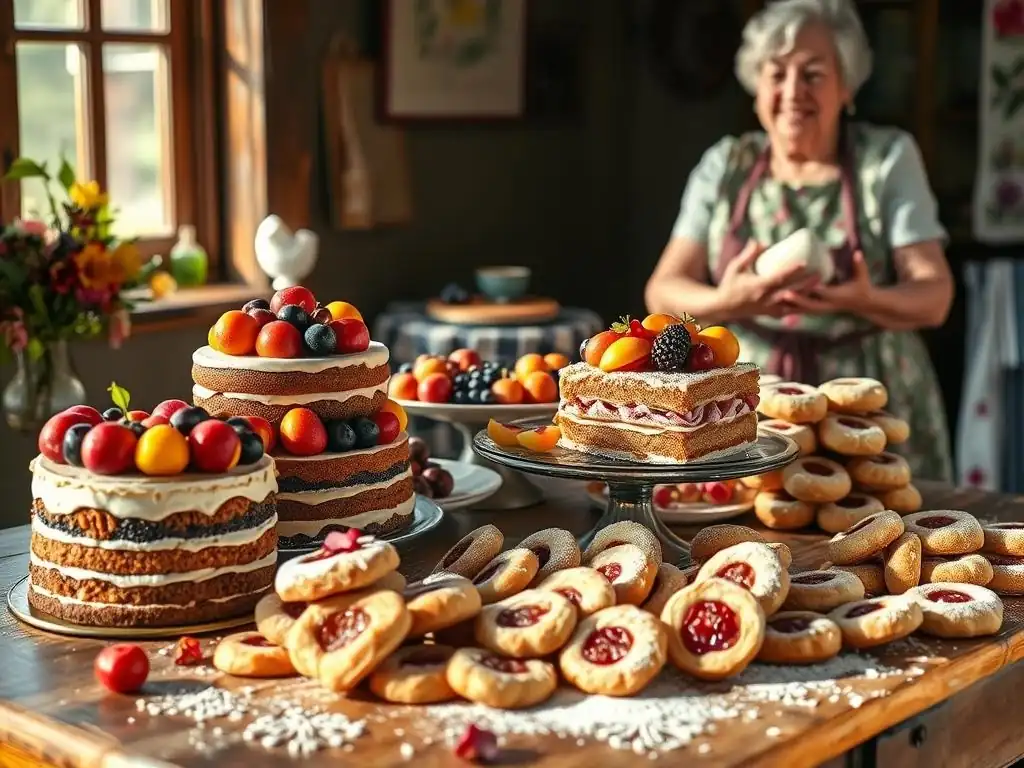
Sweets hold a profoundly important place in Polish wedding celebrations, far beyond just being a delicious end to a meal. Traditionally, preparing wedding sweets was a communal effort involving the bride's family and female friends, often starting weeks before the event. These baked goods, sometimes numbering in the hundreds or even thousands of individual pieces for a large wedding, symbolize prosperity, happiness, and the hope for a sweet life together for the newlyweds.
Guests were not only served these treats during the reception but also often received a ciasto weselne (wedding cake/pastry box) to take home, a gesture of gratitude and sharing the joy. This tradition underscores the hospitality and generosity central to Polish culture.
The variety of sweets served is staggering, often including dozens of different types, from intricate layered cakes and delicate pastries to simple, rustic cookies and rolls. Each type of sweet often carries its own history and significance. For example, certain cakes or cookies might be associated with good luck or fertility.
The sheer abundance of sweets signifies wealth and the generosity of the host families. In many regions, families would proudly display the vast assortment of ciasto (cake/pastry) for guests to admire before serving, a testament to the hard work and love poured into the preparations. This focus on homemade goodness is a hallmark of authentic Polish wedding celebrations.
Regional Variations in Wedding Dessert Culture in Poland
Poland's culinary landscape is incredibly diverse, with distinct regional variations influencing everything from savory dishes to sweet treats. This holds true for wedding desserts as well. While staples like Sernik (cheesecake) and Makowiec (poppy seed roll) are popular nationwide, the specific types of pastries, their fillings, and even their names can differ significantly from one region to another. For instance, in Southern Poland, particularly in the mountainous Podhale region, you might find unique regional specialties like kołocz weselny, a large, often braided sweet bread, sometimes decorated elaborately, which is central to wedding rituals and shared among guests.
Moving towards the north, along the Baltic coast, influences from neighboring countries and historical trade routes might introduce different flavor profiles or pastry techniques. Similarly, Eastern Poland might feature sweets with fillings or spices more common in Belarusian or Ukrainian traditions, showcasing the rich tapestry of Eastern European culinary exchange.
Even the common Kołaczki cookies can vary; while cream cheese dough is popular in some areas, others might use a yeast-based dough or different fruit fillings depending on local produce and customs. Exploring these regional differences adds another fascinating layer to the world of Easy Eastern European wedding desserts and highlights the depth of Polish culinary heritage.
Easy Polish Wedding Desserts: Recipes for Beginners
Kołaczki are perhaps one of the most universally loved Polish cookies, often found at weddings and holiday celebrations. Their simplicity makes them a perfect entry point into easy Polish wedding desserts. The dough, typically made with cream cheese, butter, and flour, is incredibly tender and easy to work with, yielding a flaky, melt-in-your-mouth cookie. While traditional recipes might vary slightly, this cream cheese version is particularly forgiving for beginners. The classic shape is a small square or circle folded over a dollop of fruit filling, creating a charming, rustic look.
These delightful cookies require minimal ingredients and effort, making them ideal for baking in batches, which is essential when preparing for a celebration. A standard recipe using 8 ounces of cream cheese and a cup of butter can yield anywhere from 3 to 4 dozen cookies, depending on how thinly you roll the dough and the size of your cutouts.
Baking time is relatively short, often just 12-15 minutes at a moderate oven temperature around 350°F (175°C), allowing you to produce a significant quantity of these sweet treats efficiently. Their small size and delightful filling make them incredibly moreish, perfect for a dessert table where guests can sample a variety of sweets.
Ingredients for Kołaczki
Here is a simple list of ingredients you will need for classic cream cheese Kołaczki:
- All-purpose flour
- Unsalted butter, softened
- Cream cheese, softened
- Granulated sugar (for dough and dusting)
- Fruit preserves or lekvar (prune butter) for filling
- Optional: Powdered sugar for dusting after baking
Step-by-Step Kołaczki Baking Instructions
Follow these steps for baking your Kołaczki:
- Cream together the softened butter and cream cheese until smooth.
- Gradually add the flour, mixing until a soft dough forms. Avoid overmixing.
- Divide the dough into several discs, wrap in plastic, and chill for at least 1 hour.
- Preheat oven to 350°F (175°C).
- On a lightly floured surface, roll out one disc of dough to about 1/8 inch thickness.
- Cut the dough into 2-3 inch squares or circles using a knife or cookie cutter.
- Place a small amount (about 1/2 teaspoon) of filling in the center of each cutout.
- Fold opposite corners or edges over the filling and press gently to seal.
- Place cookies on baking sheets lined with parchment paper.
- Bake for 12-15 minutes, or until edges are lightly golden.
- Let cool on baking sheet for a few minutes before transferring to a wire rack to cool completely.
- Dust with powdered sugar before serving.
Kołaczki Variations: Prune, Raspberry, or Lekvar Filling
While apricot is a popular choice, the beauty of Kołaczki lies in their versatility when it comes to fillings. Traditional Polish fillings often include lekvar, a thick prune butter that offers a rich, slightly tart counterpoint to the sweet dough. Prune filling is a classic and widely loved option for easy Polish wedding desserts. Seedless raspberry or strawberry preserves also work wonderfully, providing a brighter, tangier flavor. Even poppy seed filling, a staple in many Polish pastries, can be used, offering a distinct texture and nutty taste.
Experimenting with different fruit fillings allows you to cater to various preferences and add more variety to your wedding dessert spread. Using store-bought high-quality preserves makes this process even easier for beginners. Just ensure the filling is thick enough that it won't ooze out excessively during baking. If using runnier preserves, you might consider thickening them slightly with a pinch of cornstarch simmered on the stove before using. This adaptability makes Kołaczki a fantastic and truly easy Eastern European wedding dessert to include in your baking repertoire.
Recipe 2: Piernik - Polish Gingerbread Cake
Piernik, or Polish gingerbread cake, is a deeply aromatic and moist cake that is a staple for holidays and celebrations, including weddings. Unlike some gingerbreads, Polish Piernik often has a softer, less crisp texture and relies on a unique blend of spices, including cinnamon, cloves, ginger, nutmeg, and sometimes cardamom or allspice. Many traditional recipes involve aging the dough for several weeks to develop a deeper flavor, but there are also wonderful, simpler versions that can be mixed and baked the same day, making it an easy Polish wedding dessert option for busy bakers.
These quicker Piernik recipes still deliver that characteristic warm spice profile and moist crumb. They often use honey or molasses for sweetness and moisture, along with eggs, flour, and leavening agents. A typical quick Piernik recipe might bake in a standard loaf pan or a 9x13 inch rectangular pan for about 45-60 minutes at 350°F (175°C). The resulting cake is wonderfully fragrant and perfect on its own or enhanced with a simple glaze or filling. Its robust flavor pairs beautifully with coffee or tea, making it a welcome addition to any celebratory table.
Piernik Ingredients: An Easy-to-Follow Guide
Here's a list of common ingredients for a simpler, quick Piernik:
- All-purpose flour
- Baking soda or baking powder
- Butter, softened
- Sugar (granulated or brown)
- Eggs
- Honey or molasses
- Milk or buttermilk
- Polish gingerbread spice mix ( Przyprawa do piernika) or a blend of ground cinnamon, ginger, cloves, nutmeg, and allspice.
- Optional: Chopped nuts or candied orange peel
Baking Piernik: A Simplified Approach
Baking a quick Piernik is straightforward:
- Preheat your oven to 350°F (175°C) and grease and flour your baking pan.
- In a bowl, cream together the softened butter and sugar until light and fluffy.
- Beat in the eggs one at a time, then stir in the honey or molasses.
- In a separate bowl, whisk together the flour, baking soda/powder, and gingerbread spices.
- Alternatively add the dry ingredients and the milk/buttermilk to the wet ingredients, starting and ending with the dry ingredients. Mix until just combined.
- Pour the batter into the prepared pan and spread evenly.
- Bake for 45-60 minutes, or until a toothpick inserted into the center comes out clean.
- Let the cake cool in the pan for about 10-15 minutes before inverting it onto a wire rack to cool completely.
Piernik Glaze and Decoration: A Beginner's Guide
Once cooled, Piernik is often finished with a simple glaze or a layer of chocolate. A basic powdered sugar glaze mixed with a little milk or lemon juice is incredibly easy and adds a touch of sweetness and a smooth finish. For a more traditional approach, a simple chocolate glaze made by melting chocolate with a bit of butter or cream is also popular. These glazes not only enhance the flavor but also give the cake a more festive appearance suitable for a wedding or celebration.
For decoration, you can keep it simple with just the glaze, or add a sprinkle of chopped nuts, candied orange peel, or decorative sprinkles while the glaze is still wet. Some bakers split the cooled cake horizontally and fill it with a layer of plum jam ( powidła) before glazing, adding another dimension of flavor and moisture. This simple addition elevates the cake further without adding significant complexity, keeping it firmly in the realm of easy Eastern European wedding desserts. The aromatic spices and moist texture make Piernik a comforting and celebratory choice.
Recipe 3: Makowiec - Poppy Seed Roll - A Festive Treat
Makowiec, the Polish poppy seed roll, is a beloved pastry that graces tables during Christmas, Easter, and importantly, weddings. Its distinctive spiral of sweet poppy seed filling encased in a tender yeast dough makes it visually appealing and utterly delicious. While working with yeast dough might sound intimidating, the process for Makowiec is relatively straightforward, making it an achievable easy Polish wedding dessert for those new to yeast baking. The key is allowing the dough sufficient time to rise and ensuring the poppy seed filling is prepared correctly.
A typical Makowiec recipe yields one or two large rolls, each serving many slices. The baking time for a large roll is usually around 40-50 minutes at 350°F (175°C). The filling is made from ground poppy seeds, often cooked with milk, sugar, honey, nuts, and dried fruit, creating a rich, dense paste. The contrast between the soft, slightly sweet dough and the flavorful, textured filling is what makes Makowiec so special. While some recipes use a richer, brioche-like dough, a simpler sweet yeast dough works perfectly well and is easier to handle for beginners.
Makowiec Ingredients and Preparation
Here are the key components for a simple Makowiec:
- For the Dough:
- All-purpose flour
- Active dry yeast
- Warm milk
- Sugar
- Eggs
- Butter, melted
- Pinch of salt
- For the Filling:
- Ground poppy seeds (preferably pre-ground or ground fresh)
- Milk
- Sugar or honey
- Butter
- Chopped nuts (walnuts, almonds)
- Raisins or other dried fruit
- Optional: Citrus zest, vanilla extract
Preparation involves activating the yeast in warm milk and sugar, then combining it with the other dough ingredients to form a soft dough. This dough will need to rise until doubled in size, typically 1-1.5 hours in a warm place. Meanwhile, the poppy seed filling is prepared by simmering the ground poppy seeds with milk, sweetener, and butter until thickened, then stirring in nuts and fruit. It's crucial to let the filling cool completely before spreading it on the dough to prevent the dough from becoming soggy or tearing.
Rolling and Baking the Poppy Seed Roll
Rolling and shaping the Makowiec is a key step. Once the dough has risen, punch it down and turn it out onto a lightly floured surface. Roll the dough into a large rectangle, aiming for about 1/4 inch thickness. The size of the rectangle will depend on how many rolls you are making; for one large roll, it might be roughly 12x16 inches. Spread the cooled poppy seed filling evenly over the dough, leaving a small border around the edges.
Carefully roll the dough tightly from one long side, creating a log. Pinch the seam closed and tuck the ends under to seal. Place the roll seam-side down on a baking sheet lined with parchment paper. You can bake it as a straight log or gently curve it into a horseshoe shape if desired. Let the roll rest for another 20-30 minutes to allow the dough to puff up slightly before baking. Bake at 350°F (175°C) for 40-50 minutes, or until golden brown and sounds hollow when tapped.
Tips for a Perfect Poppy Seed Filling
The filling is the heart of Makowiec, and getting it right is essential for this classic easy Eastern European wedding dessert. Using finely ground poppy seeds is key; some stores sell them pre-ground specifically for baking. If grinding your own, a spice grinder or a dedicated poppy seed grinder works best. Simmering the poppy seeds with milk and sweetener helps to soften them and create a cohesive paste. Don't rush this step; allow the mixture to simmer gently until most of the liquid is absorbed and it has thickened.
Cooling the filling completely before spreading is non-negotiable. Warm filling will melt the butter in the dough and make it difficult to roll. A common pitfall is using too much filling, which can cause it to ooze out during baking. Aim for a layer about 1/4 to 1/2 inch thick. Adding nuts and dried fruit not only enhances the flavor and texture but also helps bind the filling together. Experiment with the amount of sugar and additions like vanilla or citrus zest to find your preferred taste profile for this delightful easy Polish wedding dessert.
Simplifying Polish Wedding Baking Techniques
Tips for Adapting Traditional Recipes for Modern Kitchens
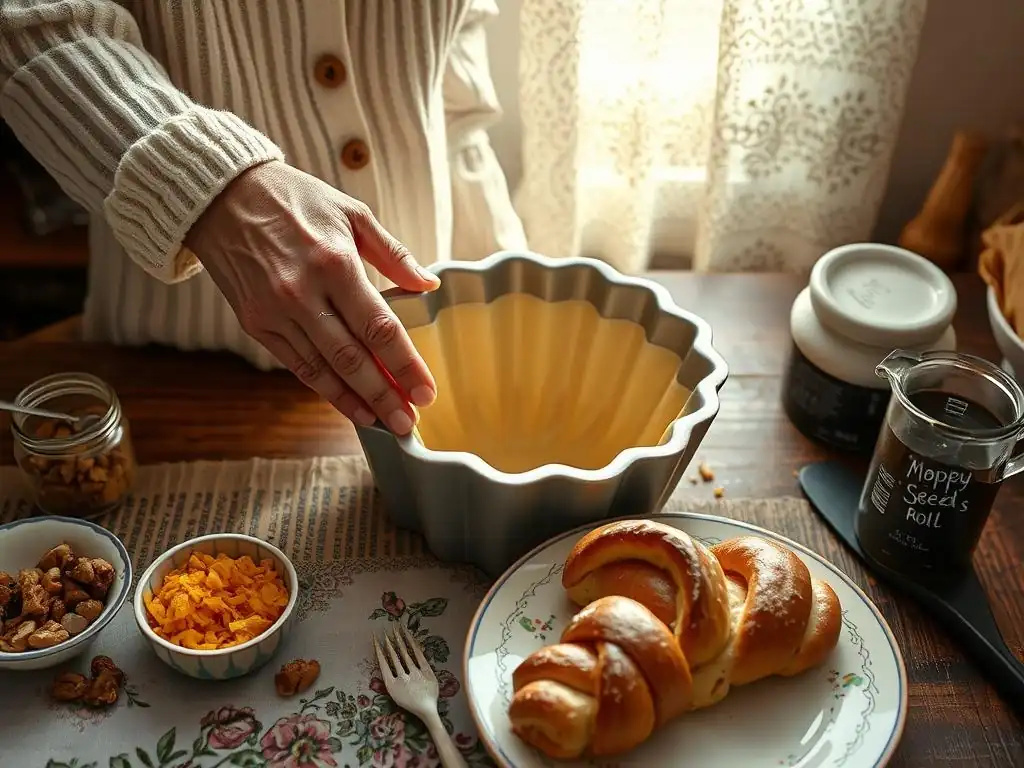
Traditional Polish wedding dessert recipes often come from generations of home bakers, sometimes lacking precise measurements or assuming knowledge of older techniques. Adapting these for a modern kitchen with standard equipment and ingredients makes them much more accessible easy Eastern European wedding desserts. One key tip is to rely on weight measurements for flour and other dry ingredients whenever possible, as this is far more accurate than volume measurements and leads to consistent results. A simple kitchen scale is an invaluable tool.
Another adaptation involves temperature control. Older recipes might mention terms like "warm oven" or "cool place for rising." For yeast doughs, using an oven with just the light on provides a perfect warm, draft-free environment for rising. For chilling doughs, a modern refrigerator is consistent. Also, many traditional recipes call for specific types of flour; using standard all-purpose flour is usually a fine substitution for beginner recipes, ensuring good results without needing specialized ingredients. Don't be afraid to look up equivalent temperatures or measurements if a recipe uses older terminology (e.g., Fahrenheit vs. Celsius, grams vs. cups).
Ingredient Substitutions for Accessibility
Making easy Polish wedding desserts even easier means ensuring ingredients are readily available. While traditional recipes might call for ingredients like twaróg (Polish farmer's cheese) for Sernik or specific types of preserves, suitable substitutions are often possible. For cheesecake, a block-style cream cheese (not whipped or spreadable) is a good stand-in for twaróg in many recipes, resulting in a rich, creamy cake.
For fruit fillings like apricot or prune, high-quality store-bought preserves or jams are perfectly acceptable and save significant time compared to making them from scratch. If a recipe calls for a specific Polish spice blend ( Przyprawa do piernika), you can easily create your own by mixing common ground spices like cinnamon, ginger, cloves, nutmeg, and allspice. Similarly, if a recipe requires a specific type of nut, feel free to substitute with readily available walnuts or almonds. These simple substitutions ensure you can bake delicious easy Eastern European wedding desserts without hunting for specialty items.
Mastering Key Baking Techniques: Proofing Yeast Dough
Many classic Polish sweets, including Makowiec and various types of Babka, rely on yeast dough. Mastering the simple technique of proofing yeast is fundamental to success with these easy Polish wedding desserts. Yeast is a living organism that needs warmth, moisture, and sugar to become active and produce the carbon dioxide gas that makes dough rise. The most common type for beginners is active dry yeast or instant yeast.
To proof active dry yeast, you typically dissolve it in warm liquid (around 105-115°F or 40-46°C – think comfortably warm bathwater, not hot) with a pinch of sugar. After 5-10 minutes, the mixture should become foamy or bubbly, indicating the yeast is alive and active.
Instant yeast can often be mixed directly with the dry ingredients, but proofing it separately first is a good way to check its viability, especially if you're unsure of its age. Ensuring your yeast is active before adding it to the rest of your ingredients is a crucial step that guarantees your dough will rise properly, leading to light and airy pastries.
Serving and Presenting Your Polish Wedding Desserts
Creative Plating Ideas for Wedding Celebrations
Presenting your easy Polish wedding desserts beautifully enhances the celebratory feel, even if you're not hosting a full wedding. For individual cookies like Kołaczki, arranging them neatly on platters or tiered stands works wonderfully. You can mix different shapes and fillings on the same platter for visual interest. For cakes like Piernik or Makowiec, slices can be arranged fanned out on plates or platters. Consider using cake stands of varying heights to create a dynamic dessert table display.
For a more formal touch, individual portions of cakes or rolls can be plated with a simple garnish, such as a dusting of powdered sugar, a dollop of whipped cream, or a fresh berry. If you've made multiple types of sweets, arranging them by type on different platters or creating a mixed assortment plate allows guests to easily see and choose their favorites. Remember that presentation is key in making even the simplest recipes feel special; a little effort in arranging goes a long way.
Traditional Garnishes and Decorations
Traditional Polish wedding sweets often feature simple yet elegant garnishes. A common finish for many cakes and rolls is a simple glaze – either a clear sugar glaze ( lukier) or a chocolate glaze. These glazes provide a smooth, often glossy finish. For Makowiec and some Sernik variations, a drizzle of glaze in a decorative pattern, or sometimes a sprinkle of poppy seeds or chopped nuts, is classic.
Cookies like Kołaczki are almost always finished with a generous dusting of powdered sugar, which highlights their delicate shape and adds a touch of sweetness. Piernik might be left plain, glazed, or covered in chocolate. Sometimes, candied orange peel or slivered almonds are sprinkled over glazes before they set. Keeping garnishes simple and traditional reinforces the authentic feel of these easy Polish wedding desserts and allows the beauty of the baked goods themselves to shine through.
Dessert Table Styling Tips for Polish Themes
Creating a dessert table for a Polish-themed celebration can be a fun way to showcase your easy Eastern European wedding desserts. Use traditional Polish pottery ( ceramika bolesławiecka) if you have it, or incorporate elements like linen runners, lace doilies, or fresh flowers in traditional Polish colors (often red and white). Arrange platters and cake stands at different heights to create visual interest.
Labeling the different types of sweets is a thoughtful touch, especially for guests unfamiliar with Polish names like "Kołaczki" or "Makowiec." You can use small tent cards with the name and perhaps a brief description of the filling. Consider adding a few non-edible decorative elements that evoke Polish folk art or traditional motifs. The goal is to create a warm, inviting display that reflects the hospitality and richness of Polish culture, making your easy Polish wedding desserts the star of the show.
Storing and Freezing Polish Wedding Sweets
How to Keep Your Desserts Fresh
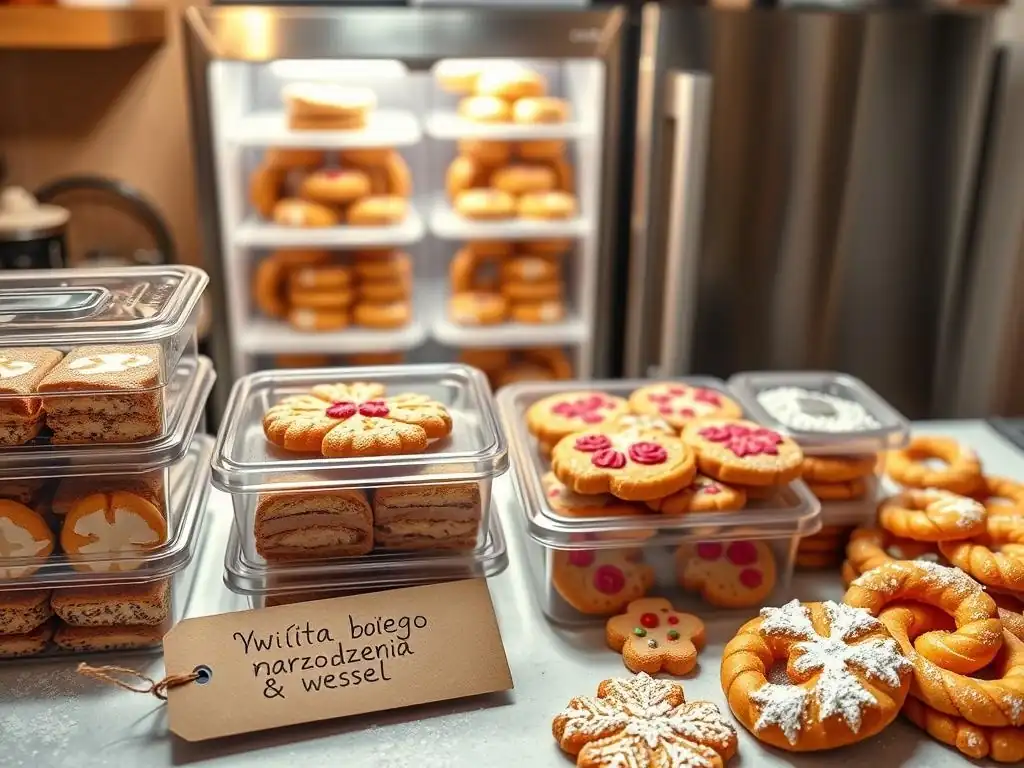
Proper storage is essential to keep your easy Polish wedding desserts tasting their best, especially if you're baking ahead for a celebration. Most cookies, like Kołaczki, should be stored in airtight containers at room temperature once completely cooled. Layering them between sheets of parchment or wax paper can prevent them from sticking together. They typically stay fresh for 5-7 days.
Cakes and rolls like Piernik and Makowiec also benefit from airtight storage. If glazed, ensure the glaze is fully set before storing. Store at room temperature for up to 3-4 days. If they contain cream-based fillings or frostings (which are less common in the simple recipes discussed here but found in more complex Polish cakes), they will need to be refrigerated. Always ensure baked goods are completely cooled before storing to prevent condensation, which can make them soggy.
Freezing and Thawing Instructions for Optimal Taste
Many easy Eastern European wedding desserts, particularly cookies and dense cakes or rolls, freeze exceptionally well, allowing you to bake far in advance of an event. Kołaczki can be frozen baked or unbaked. To freeze baked cookies, ensure they are completely cool, then place them in a single layer on a baking sheet to freeze solid before transferring them to an airtight container or freezer bag. This flash-freezing prevents them from sticking. They can be frozen for up to 2-3 months. Thaw at room temperature and dust with powdered sugar before serving.
Piernik and Makowiec can also be frozen. Wrap cooled cakes or rolls tightly in plastic wrap, then in aluminum foil or place in a freezer bag. Freeze for up to 2-3 months. Thaw overnight in the refrigerator, then bring to room temperature before slicing and serving. Freezing is a fantastic way to manage the workload when preparing a large quantity of easy Polish wedding desserts for a wedding or big party, ensuring you have fresh-tasting treats ready when needed.
Shelf Life of Different Polish Wedding Treats
The shelf life of Polish wedding sweets varies depending on their ingredients and how they are stored. Generally:
- Kołaczki: 5-7 days at room temperature (airtight).
- Piernik (unglazed): 3-4 days at room temperature (airtight).
- Piernik (glazed/chocolate-covered): 3-4 days at room temperature (airtight), potentially longer if glaze seals moisture effectively.
- Makowiec: 3-4 days at room temperature (airtight).
- Sernik (Cheesecake - if made): Must be refrigerated, typically lasts 5-7 days in the fridge.
These are general guidelines; always use your best judgment based on appearance and smell. Freezing significantly extends the life of most of these easy Eastern European wedding desserts, allowing them to be enjoyed months after baking. Planning your baking schedule around the shelf life and freezing capabilities of each dessert is a smart approach for wedding preparations.
Elevate Your Baking: Mastering Polish Wedding Desserts
Beyond the Basics: Working with Sponge Dough and Cream Fillings
Once you've mastered the easy Polish wedding desserts like Kołaczki, Piernik, and Makowiec, you might feel ready to explore more complex Polish pastries. Many traditional Polish cakes, like Layered Honey Cake ( Miodownik) or delicate rolled cakes ( Rolada), utilize sponge doughs or incorporate rich cream fillings. Working with sponge dough requires a gentle hand to maintain its airy texture, often relying on whipped eggs for leavening rather than yeast or baking powder alone.
Cream fillings can range from simple pastry creams ( krem patissiere) flavored with vanilla or rum to more elaborate buttercreams or fillings based on twaróg (farmer's cheese). These elements add complexity and richness to desserts but are entirely achievable with practice. Learning these techniques opens the door to recreating an even wider array of traditional Polish wedding sweets, moving confidently beyond the beginner-friendly recipes and further into the heart of Eastern European wedding desserts.
Exploring Other Polish Dessert Variations: Babka, Mazurek, Sernik
The world of Polish desserts is vast and tempting! Beyond the easy options we've covered, there are many other iconic sweets often found at weddings and celebrations. Babka, a tall, often cylindrical yeast cake, comes in many variations, including marble, poppy seed, or dried fruit. Mazurek is a flat, shortcrust tart typically made for Easter but sometimes appearing at other celebrations, known for its rich fillings (like nut, poppy seed, or jam) and elaborate decorations.
And then there's Sernik, Polish cheesecake, which is a category unto itself with countless regional variations, from tall, airy versions made with twaróg to denser, richer ones baked on a crust. While some Sernik recipes are straightforward, others can be quite involved. Exploring these other traditional sweets provides a deeper appreciation for the breadth of Polish baking and offers new challenges for the enthusiastic baker looking to expand their repertoire of Eastern European wedding desserts.
Enjoy the Sweetness of Polish Wedding Traditions!
Baking easy Polish wedding desserts is more than just following a recipe; it's about connecting with a rich cultural heritage and sharing joy through food. Whether you're preparing these sweets for a wedding, a family gathering, or simply to enjoy at home, the process is rewarding, and the results are undeniably delicious. From the simple elegance of Kołaczki to the aromatic complexity of Piernik and the comforting swirl of Makowiec, these recipes offer a wonderful introduction to the sweet side of Polish celebrations.
At BakeWithEase, we encourage you to dive in, embrace the process, and don't be afraid to get your hands a little floury! The warmth of your oven and the sweet aroma filling your kitchen are part of the magic. These easy Eastern European wedding desserts are designed to be accessible and enjoyable for bakers of all levels. So, gather your ingredients, put on your apron, and prepare to fill your home with the delightful tastes and scents of a Polish wedding celebration. Smacznego! (Enjoy your meal!)
Frequently Asked Questions
What makes Eastern European wedding desserts particularly "easy" to bake?
Eastern European desserts often utilize simple ingredients and traditional techniques that are surprisingly straightforward. Many recipes rely on naturally sweet ingredients and require minimal specialized equipment, making them accessible to home bakers.
Which Eastern European desserts are most commonly served at weddings?
Popular choices include kolaches, babka, and various types of honey cakes. These desserts are cherished for their cultural significance, sweet flavors, and suitability for serving large crowds at wedding celebrations.
Can I easily find the ingredients needed for these desserts in a regular grocery store?
Generally, yes! Most recipes call for readily available ingredients like flour, sugar, butter, eggs, honey, and common fruits. You might need to visit a specialty store for poppy seeds or certain types of cheese, depending on the specific recipe.
What are some key techniques to master when baking Eastern European wedding desserts?
Pay close attention to dough preparation, ensuring it's properly proofed or rested, depending on the recipe. Also, learn to handle delicate pastries and master simple frosting techniques to enhance the visual appeal.
How can I adapt these traditional recipes to suit modern dietary needs (e.g., gluten-free or vegan)?
Many recipes can be adapted by substituting gluten-free flour blends or using plant-based alternatives for butter and eggs. Researching specific ingredient substitutions and modifying baking times might be necessary for optimal results.
Final Reflection: A Slice of Tradition, A Taste of Joy
The enduring appeal of homemade treats, especially within the context of cherished celebrations, remains powerfully relevant today. In a world increasingly dominated by convenience and pre-packaged goods, the act of baking—and sharing those baked goods—offers a tangible connection to heritage, community, and the simple joys of life. These easy Eastern European wedding desserts aren't just recipes; they're vessels for creating lasting memories.
The influence of food, particularly celebratory food, on cultural identity is profound and deeply personal. These recipes, passed down through generations, represent more than just sugar and flour; they embody the spirit of family, tradition, and the enduring power of shared experiences. Food is symbolic of love when words are inadequate.
- Alan D. Wolfelt. This sentiment rings especially true when considering the role these sweet treats play in marking life's most significant milestones. The effort involved in creating them, the anticipation of sharing them, and the joy they bring are all integral parts of the celebration itself.
Now, I invite you to consider the recipes presented within this article not just as instructions, but as opportunities. Think about the people you'd share these treats with, the stories you'd tell as you bake them, and the memories you'll create together. Perhaps you'll even adapt a recipe, adding your own personal touch and continuing the beautiful tradition of passing down culinary heritage. Embrace the joy of baking, and let these easy Eastern European wedding desserts become a sweet testament to your own celebrations, big or small.
Unleash Your Inner Baker: Create Sweet Memories!
Thanks for joining us on this delicious journey through Eastern European wedding sweets! We hope you've discovered some new baking inspiration and maybe even a few recipes to try. Now it's time to put your newfound knowledge to the test!
- Bake your own celebratory treats: Choose your favorite recipe from the article and start baking! Imagine the joy of sharing these delightful sweets with loved ones.
- Share your baking success: Post a picture of your creation on social media and tag #BakeWithEaseWeddingSweets – let's build a community of celebratory bakers!
- Explore more Eastern European recipes: Dive deeper into our archives for more delicious inspiration and baking adventures.
Ready to transform your kitchen into a sweet haven of celebration? What’s the first Eastern European treat you'll be baking?