
Easy Eastern European Recipes You Can Bake Today

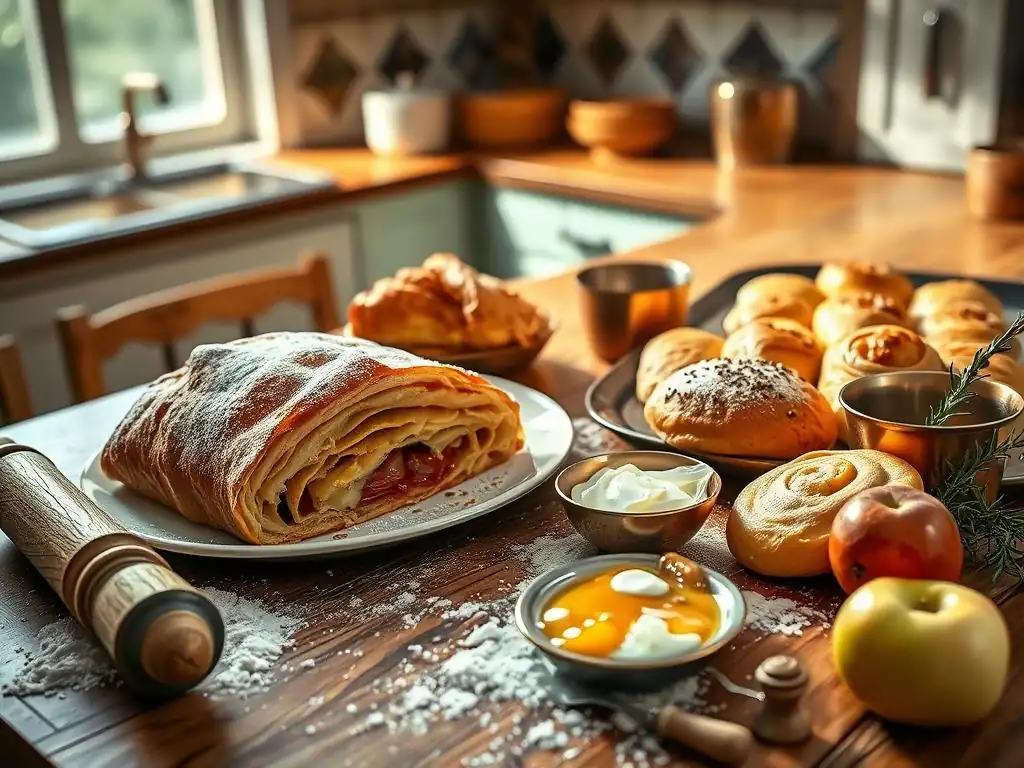
Welcome to BakeWithEase, your kitchen companion for all things baking! Ever dreamt of crafting authentic, delicious treats without the fuss? Discover the secrets to easy Eastern European baking recipes that will transport your taste buds and impress your friends and family. Intrigued? Let's unlock a world of delightful flavors and time-honored traditions… read on to begin your baking adventure!
- Discover the Delights of Easy Eastern European Baking Recipes
- Eastern European Baking: A Journey Through Flavors
- Top 5 Easy Eastern European Baking Recipes for Beginners
- Tips and Tricks for Successful Eastern European Baking
- Expanding Your Eastern European Baking Repertoire
- Enjoying Your Homemade Eastern European Baked Goods
- Conclusion: Embrace the Ease of Eastern European Baking
-
Frequently Asked Questions
- What makes Eastern European baking recipes "easy" on BakeWithEase.com?
- Are the Eastern European baking recipes on BakeWithEase.com suitable for beginners?
- What types of Eastern European baked goods can I find on BakeWithEase.com?
- Where can I find a list of common ingredients used in Easy Eastern European Baking Recipes?
- How can I perfect my sourdough baking, specifically with an Eastern European twist, using BakeWithEase.com?
- Final Reflection: A Taste of Home, Baked Fresh
- Unlock the Flavors of Eastern Europe: Bake Your Own Adventure!
Discover the Delights of Easy Eastern European Baking Recipes
Bake Authentic Eastern European Treats at Home
Embarking on the journey of baking authentic Eastern European treats might seem daunting at first glance, but many traditional recipes are surprisingly accessible for home bakers. The key lies in understanding the foundational techniques and simple ingredients commonly used across the region, such as flour, eggs, sugar, butter, and yeast.
These straightforward components form the basis for a wide array of delicious pastries, breads, and cakes, making easy Eastern European baking recipes a perfect starting point for anyone looking to explore this rich culinary heritage without needing specialized equipment or exotic ingredients. With a little patience and guidance, you can recreate the comforting flavors of Eastern Europe right in your own kitchen.
The satisfaction of pulling a golden-brown loaf of Babka or perfectly formed Kolaches from your oven is immense. These recipes often rely on relatively low-tech methods, passed down through generations, focusing more on technique and feel than precise measurements requiring specialized tools. For instance, many doughs are mixed by hand initially, relying on the baker's intuition for the right consistency.
This hands-on approach makes easy Eastern European baking recipes not just about the final product, but also about the enjoyable process of creation, connecting you to time-honored traditions. It's an excellent way to expand your baking skills while producing truly memorable treats.
Eastern European Baking: A Journey Through Flavors
Exploring the Rich Culinary Heritage of Eastern Europe
Eastern European baking is a tapestry woven from diverse cultural threads, reflecting centuries of history, trade, and regional variations. From the hearty, dark breads of Russia and Ukraine to the delicate, fruit-filled pastries of Poland and the Czech Republic, and the intricate layered cakes found in the Balkans, the variety is immense.
This heritage is deeply tied to celebrations, holidays, and daily life, with specific baked goods often associated with particular seasons or events. Exploring these traditions offers a fascinating glimpse into the customs and palates of millions, showcasing how simple ingredients can be transformed into comforting and celebratory foods.
The flavor profiles in Eastern European baking often feature warm spices like cinnamon, cloves, and nutmeg, alongside ingredients like poppy seeds, nuts (walnuts, hazelnuts), dried fruits (raisins, prunes), and often a touch of citrus zest. Yeast-leavened doughs are prevalent, resulting in tender, often slightly sweet breads and rolls. While some recipes are indeed complex and require advanced skills, a significant portion falls into the category of easy Eastern European baking recipes, utilizing familiar techniques like simple kneading, rolling, and filling. This accessibility is part of the charm, allowing home bakers to easily replicate the authentic taste of the region.
Why Eastern European Baking is Perfect for Home Bakers
Eastern European baking is exceptionally well-suited for home bakers for several key reasons. Firstly, many traditional easy Eastern European baking recipes rely on fundamental baking principles that are foundational to all baking, such as activating yeast, kneading dough, and understanding proofing times. Mastering these basics with forgiving recipes provides a strong skill-building experience. Secondly, the ingredients are almost universally available in standard grocery stores – you won't typically need to source obscure flours or spices. This makes deciding to bake a batch of Povitica or Medovnik a spontaneous possibility rather than a planned expedition.
Furthermore, the rustic charm of many Eastern European baked goods means that perfection isn't the ultimate goal; authenticity and flavor are. A slightly imperfectly shaped Kolache or a loaf of Babka with a few cracks still tastes wonderful and carries the heartiness of homemade food. This forgiving nature reduces the pressure often associated with baking more delicate pastries, making the process enjoyable and less stressful. For beginners, focusing on easy Eastern European baking recipes offers a high chance of success, building confidence and encouraging further exploration into the vast and delicious world of regional baking.
Top 5 Easy Eastern European Baking Recipes for Beginners
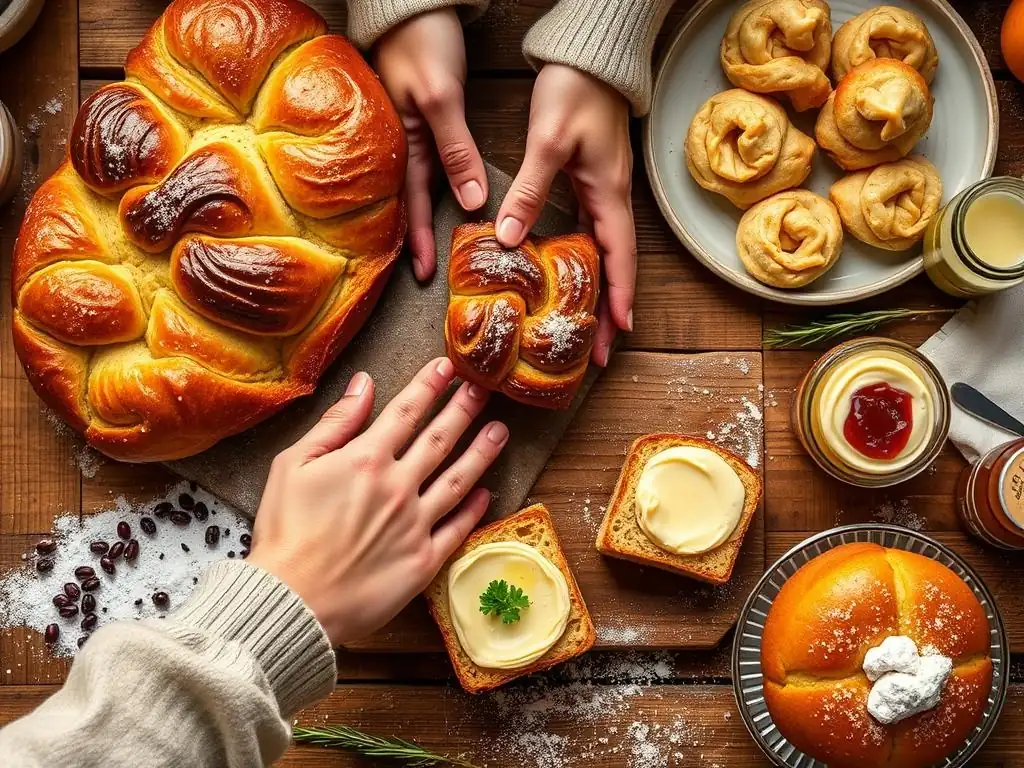
1. Babka: A Sweet Braided Bread Recipe
Simple Babka Recipe for Beginners
Babka, a sweet, enriched bread often swirled with chocolate or cinnamon, is a beloved treat across Eastern Europe, particularly in Ukraine and Poland. While traditional recipes can involve lengthy proofing and intricate shaping, a simplified version is quite achievable for beginners. A basic dough typically uses about 3 cups of all-purpose flour, 1/2 cup of sugar, a packet of active dry yeast (about 2.25 teaspoons), 2 eggs, and 1/2 cup of melted butter, plus milk.
The key is creating a soft, slightly sticky dough that is enriched with fat and eggs, giving it a tender crumb. This dough is more forgiving than lean bread doughs, making it suitable for those new to working with yeast.
Once the dough is mixed and kneaded (which can be done by hand or with a stand mixer), it requires an initial rise, usually doubling in bulk in about 1 to 1.5 hours in a warm place. After the first rise, it's rolled out, filled, and shaped.
For an easy Eastern European baking recipe like beginner Babka, keeping the filling simple (like a thick cinnamon-sugar paste or melted chocolate chips mixed with a touch of butter) and the shaping straightforward (rolling into a log and then twisting two strands) is key. This approach minimizes complexity while still delivering that signature swirled interior and rich, sweet flavor.
Step-by-Step Baking Guide for Easy Babka
Here's a simplified breakdown for baking Babka:
- Prepare the Dough:
- [ ] Activate yeast in warm milk with a pinch of sugar.
- [ ] Combine flour, remaining sugar, salt in a bowl.
- [ ] Add eggs, melted butter, and yeast mixture to dry ingredients.
- [ ] Mix and knead until a smooth dough forms (about 5-7 minutes by mixer, 8-10 by hand).
- First Rise:
- [ ] Place dough in a greased bowl, cover, and let rise in a warm spot until doubled (approx. 1-1.5 hours).
- Prepare Filling:
- [ ] While dough rises, mix your chosen filling (e.g., 1/2 cup sugar, 2 tbsp cinnamon, 1/4 cup melted butter; or 1 cup chocolate chips melted with 1 tbsp butter).
- Shape the Babka:
- [ ] Punch down dough and roll into a rectangle (approx. 10x14 inches).
- [ ] Spread filling evenly over the dough, leaving a small border.
- [ ] Roll the dough tightly from the long side into a log.
- [ ] Slice the log lengthwise down the middle.
- [ ] Twist the two halves together, keeping the cut sides facing up.
- [ ] Carefully transfer the twisted loaf to a greased loaf pan.
- Second Rise:
- [ ] Cover the pan and let the Babka rise again until nearly doubled (approx. 30-45 minutes).
- Bake:
- [ ] Preheat oven to 350°F (175°C).
- [ ] Bake for 30-40 minutes, or until golden brown and a skewer inserted comes out clean.
- [ ] (Optional) Brush with a simple sugar syrup while warm.
- Cool:
- [ ] Let cool in the pan for 10-15 minutes before transferring to a wire rack to cool completely.
// Example of a simple sugar syrup (optional glaze for Babka)
// Mix equal parts sugar and water (e.g., 1/4 cup sugar, 1/4 cup water)
// Heat until sugar dissolves.
// Brush over warm babka immediately after baking.
2. Kolaches: Fruit-Filled Pastry Perfection
Easy Kolaches Recipe
Kolaches, small, sweet pastries with a dollop of fruit or cheese filling in the center, are a staple in Czech and Slovak baking, also popular in parts of Poland and Hungary. An easy Eastern European baking recipe for Kolaches starts with a soft, slightly sweet yeast dough, similar to brioche but often less enriched. A typical recipe might use about 4 cups of flour, 1/2 cup sugar, a packet of yeast, 2 eggs, 1/2 cup milk, and 1/4 cup melted butter. The dough should be pliable and easy to handle after kneading and proofing.
The charm of Kolaches lies in their simple form and delicious fillings. Traditional fillings include poppy seed, sweetened farmer's cheese, and various fruit preserves like prune, apricot, or cherry. For an easy Eastern European baking approach, using good quality store-bought fruit preserves or canned poppy seed filling works perfectly. The key is creating a shallow well in the center of each dough ball before baking to hold the filling. They are baked until golden brown, often brushed with egg wash for shine.
Baking Kolaches: A Simple Dough and Filling Guide
Creating delicious Kolaches is straightforward:
- Dough Preparation:
- Activate yeast in warm milk with a pinch of sugar.
- Combine flour, sugar, and salt.
- Add eggs, melted butter, and yeast mixture.
- Mix and knead until smooth and elastic (approx. 6-8 minutes).
- First Rise:
- Place dough in a greased bowl, cover, and let rise until doubled (approx. 1 hour).
- Shape and Fill:
- Punch down dough and divide into small balls (about 1.5 to 2 inches in diameter). You should get roughly 18-24 Kolaches from this recipe.
- Place balls on baking sheets lined with parchment paper.
- Using the bottom of a glass or your fingers, create a shallow indentation in the center of each ball, leaving a border of dough.
- Fill each indentation with about 1-2 teaspoons of your chosen filling (fruit preserve, cheese filling, poppy seed).
- Second Rise:
- Cover loosely and let rise for another 20-30 minutes.
- Bake:
- Preheat oven to 375°F (190°C).
- Brush the dough edges with egg wash (1 egg beaten with 1 tbsp milk).
- Bake for 12-18 minutes, until edges are golden brown.
- Cool:
- Let cool slightly on the baking sheet before transferring to a wire rack. Dust with powdered sugar if desired.
3. Pierogi Dough: The Base for Sweet and Savory Delights
Easy Pierogi Dough Recipe: A Baker's Essential
While often thought of as a savory dish, pierogi (or varenyky in Ukrainian) also have a sweet side, filled with fruits like cherries, blueberries, or sweet cheese. The foundation for both is a simple, versatile dough. An easy Eastern European baking recipe for pierogi dough typically involves just flour, water (often hot or boiling), and sometimes an egg or a little oil or butter.
A standard recipe might use 2 cups of flour, about 3/4 cup of hot water, and an egg. The hot water helps to create a softer, more pliable dough that is easier to roll and seal.
The beauty of this dough is its simplicity and adaptability. It requires minimal kneading – just enough to bring it together into a smooth, elastic ball. Unlike yeast doughs, it doesn't require a long proofing time, making it a relatively quick project. This basic easy Eastern European baking dough is not only essential for pierogi but can also be used for other filled dumplings like Vareniki, making it a valuable skill for any home baker or cook interested in the region's cuisine.
Sweet Pierogi Filling Ideas
Once you have your basic pierogi dough ready, the sweet filling possibilities are numerous:
- Fresh or Frozen Fruit: Cherries (pitted), blueberries, raspberries, or sliced strawberries mixed with a little sugar and perhaps a teaspoon of cornstarch to thicken juices.
- Sweet Cheese: Farmer's cheese or ricotta cheese mixed with sugar, a touch of vanilla, and sometimes a raisin or two. About 1 cup of cheese mixed with 2-3 tablespoons of sugar and a pinch of vanilla extract is a good starting point.
- Poppy Seed: Canned poppy seed filling (the same used for Kolaches or Babka) or homemade ground poppy seeds cooked with milk, sugar, and honey until thick.
- Prune or Apricot: Rehydrated and finely chopped dried prunes or apricots mixed with a little sugar and lemon zest.
To make the pierogi: Roll the dough thinly (about 1/16 inch thick). Cut out circles using a cookie cutter or glass (about 2.5-3 inches in diameter). Place about a teaspoon of filling in the center of each circle. Fold the dough over the filling to create a half-moon shape. Pinch the edges firmly to seal, ensuring no filling leaks out during cooking. These sweet pierogi are typically boiled until they float (about 2-3 minutes) and often served with melted butter, sour cream, or a dusting of powdered sugar.
4. Medovnik (Honey Cake): A Layered Dessert Masterpiece
Simplified Medovnik Recipe for Home Baking
Medovnik, a beloved honey cake found in countries like the Czech Republic, Slovakia, and Russia, is known for its many thin, tender layers held together by a creamy filling. While the traditional version can be complex, a simplified easy Eastern European baking recipe is within reach for home bakers.
This involves making a dough that is cooked briefly over heat before adding flour, then rolling and baking very thin layers. A typical simplified recipe might use about 1/2 cup honey, 1/2 cup sugar, 1/4 cup butter, 1 egg, 1 teaspoon baking soda, and about 2-3 cups of flour for the layers.
The filling is often a simple sour cream or condensed milk-based cream. For ease, a mix of sour cream (about 2 cups) and powdered sugar (1/2 cup) works well, or sweetened condensed milk beaten with softened butter. The key to a successful, easy Medovnik is rolling the dough layers thinly and baking them quickly until just golden. Don't worry if they aren't perfectly round; you can trim them after baking. This layered cake, while requiring assembly, uses straightforward techniques, making it an accessible easy Eastern European baking project that yields impressive results.
Baking and Assembling Your Easy Honey Cake
Baking and assembling Medovnik involves a few key steps:
- Make the Dough:
- Combine honey, sugar, and butter in a saucepan over medium heat. Stir until sugar dissolves.
- Remove from heat, stir in baking soda (mixture will foam).
- Let cool slightly, then whisk in the egg.
- Gradually add flour, mixing until a soft dough forms.
- Bake the Layers:
- Divide dough into 6-8 equal portions.
- On parchment paper, roll each portion very thinly into a circle (approx. 8-inch diameter). You can use a plate as a guide.
- Bake each layer on a baking sheet in a preheated oven at 350°F (175°C) for only 5-7 minutes, until golden brown.
- Trim edges while warm if desired (save scraps for topping).
- Let layers cool completely on a wire rack.
- Make the Filling:
- Combine sour cream and powdered sugar, or beat softened butter with sweetened condensed milk until creamy.
- Assemble the Cake:
- Place one cooled layer on your serving plate.
- Spread a generous layer of filling evenly over the top.
- Repeat with remaining layers, stacking them.
- Spread filling over the top and sides of the cake.
- Decorate:
- Crumble the baked dough scraps (or use crushed walnuts).
- Press crumbs onto the sides and top of the cake.
- Chill:
- Refrigerate for at least 8-12 hours (or preferably 24 hours) to allow the layers to soften and the flavors to meld. This step is crucial!
Medovnik improves significantly with time in the refrigerator as the moisture from the filling softens the cake layers, creating a wonderfully tender texture.
5. Povitica: A Walnut Roll That's Easier Than You Think
Easy Povitica Recipe: A Step-by-Step Guide
Povitica, a swirled sweet bread roll filled with walnuts, is a traditional bread from Slovenia and Croatia, though similar rolls exist across the region (like Makowiec with poppy seeds). While often perceived as difficult due to the need for a very thin dough, an easy Eastern European baking recipe simplifies the process. It starts with an enriched yeast dough, similar to Babka, using flour, sugar, yeast, eggs, butter, and milk. The key is developing enough gluten so the dough can be stretched thin without tearing easily.
The filling is a simple mixture of ground walnuts, sugar, milk, butter, and sometimes cinnamon or rum. About 2 cups of ground walnuts mixed with 1/2 cup sugar, 1/4 cup milk, and 2 tablespoons melted butter makes a good amount for a standard loaf. Rolling the dough into a large rectangle and spreading the filling evenly is the main task before rolling it up tightly. While some traditionalists stretch the dough until transparent, simply rolling it out thinly with a rolling pin on a floured surface works perfectly for an easy Eastern European baking approach.
Baking Your Delicious Walnut Roll
Here's how to bake a delicious Povitica using an easier method:
- Prepare the Dough:
- Activate yeast in warm milk with a pinch of sugar.
- Combine flour, sugar, salt.
- Add eggs, melted butter, and yeast mixture.
- Knead until smooth and elastic (approx. 8-10 minutes).
- First Rise:
- Place dough in a greased bowl, cover, and let rise until doubled (approx. 1.5-2 hours).
- Prepare the Filling:
- Combine ground walnuts, sugar, milk, and melted butter in a bowl. Mix well to form a thick paste.
- Shape the Povitica:
- Punch down dough and roll out on a lightly floured surface into a large rectangle (approx. 16x20 inches). Aim for about 1/8 inch thickness.
- Spread the walnut filling evenly over the dough, leaving a border around the edges.
- Starting from a long side, tightly roll up the dough into a log.
- Carefully transfer the roll to a greased loaf pan, shaping it to fit. You might gently curve it or fold it if too long.
- Second Rise:
- Cover loosely and let rise for 30-45 minutes.
- Bake:
- Preheat oven to 350°F (175°C).
- Bake for 40-50 minutes, or until golden brown and a skewer inserted comes out clean. Cover loosely with foil if browning too quickly.
- Cool:
- Let cool in the pan for 15-20 minutes, then transfer to a wire rack to cool completely before slicing.
Tips and Tricks for Successful Eastern European Baking
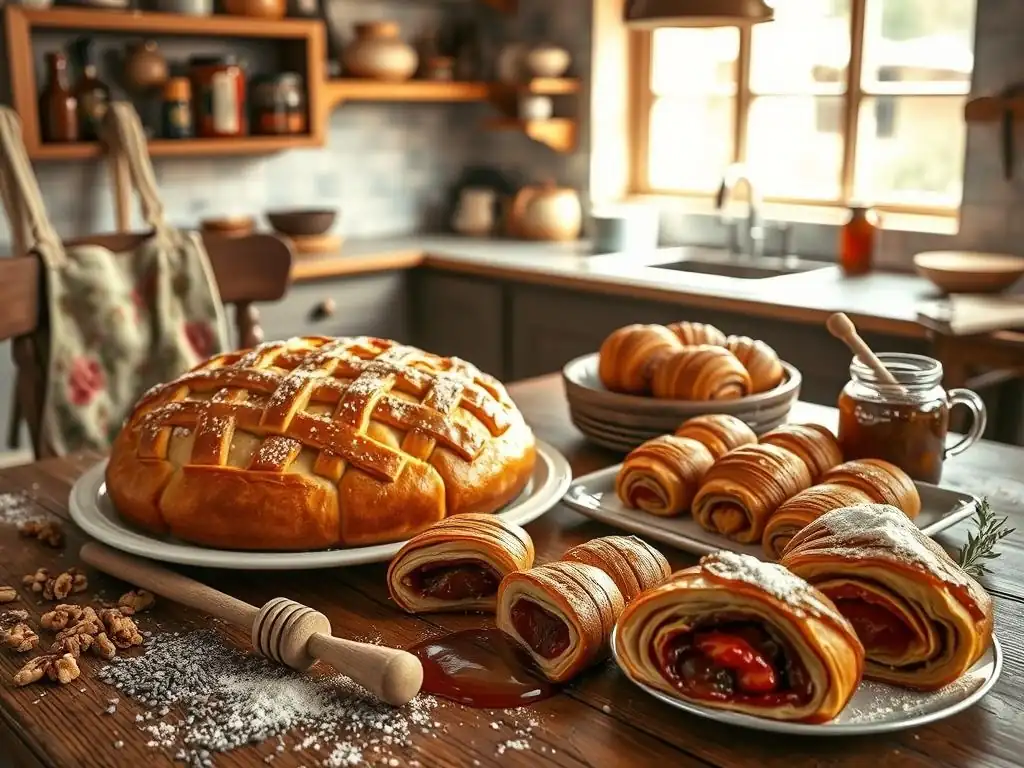
Mastering the Dough: Key to Authentic Baking
The heart of many easy Eastern European baking recipes lies in mastering the dough. Whether it's a simple pierogi dough or an enriched yeast dough for Babka or Povitica, understanding dough consistency is crucial. Yeast doughs should be kneaded until smooth and elastic; they should pass the "windowpane test" where a small piece can be stretched thinly without tearing, indicating good gluten development. This elasticity is what allows the dough to rise properly and gives the baked goods their characteristic texture. Over-kneading can make the dough tough, while under-kneading results in a dense crumb.
For non-yeasted doughs like pierogi, the goal is pliability. Using hot water helps achieve this, making the dough easy to roll thinly without snapping back. Allowing the dough to rest for 15-30 minutes after mixing also helps relax the gluten, making it much easier to handle. Paying attention to these dough fundamentals, feeling the dough, and adjusting flour or liquid slightly based on humidity and flour type, will significantly improve your results with easy Eastern European baking recipes. Don't be afraid to get your hands in the dough – it's part of the process!
Ingredient Substitutions for Easy Eastern European Baking
While traditional easy Eastern European baking recipes often use specific ingredients, some substitutions can be made to suit availability or dietary needs without drastically altering the outcome. For instance, while whole milk is common in enriched doughs, 2% or even plant-based milks can often be used, though they might slightly affect richness. Butter is standard, but in some recipes, a good quality margarine can be substituted, particularly in doughs where the flavor of butter isn't the primary focus.
For fillings, while fresh fruit is ideal when in season, frozen fruit works perfectly (often requiring a bit more thickener like cornstarch). Store-bought jams or preserves are an excellent easy Eastern European baking shortcut for fillings like Kolaches. For cheese fillings, a mix of ricotta and cream cheese can approximate the texture of farmer's cheese if it's hard to find. When substituting, consider the role the ingredient plays (fat, liquid, binder) and try to match its function and consistency as closely as possible for the best results.
Essential Baking Equipment for Eastern European Treats
You don't need a professional kitchen to bake easy Eastern European baking recipes. Much of the essential equipment is standard for any home baker.
- Mixing Bowls: Various sizes for dough, fillings, etc.
- Measuring Cups and Spoons: Accuracy is helpful, though some traditional recipes are more intuitive.
- Rolling Pin: Essential for rolling dough for pierogi, Babka, Medovnik, and Povitica.
- Baking Sheets: For baking layers and rolls.
- Loaf Pans: For Babka and Povitica.
- Parchment Paper: Prevents sticking and makes handling dough easier, especially for thin layers like Medovnik.
- Wire Cooling Rack: Allows air circulation for even cooling.
- Stand Mixer (Optional but helpful): Makes kneading enriched doughs significantly easier. Hand mixers are also useful for fillings.
Having these basic tools will equip you to tackle a wide range of easy Eastern European baking recipes and many other baking projects. Specialized items like pierogi makers exist but are by no means necessary; a simple glass or cookie cutter works perfectly for cutting the dough circles.
Expanding Your Eastern European Baking Repertoire
Beyond the Basics: Exploring More Complex Recipes
Once you've gained confidence with easy Eastern European baking recipes like the ones listed, you might feel ready to tackle more complex creations. This could involve exploring recipes with more intricate doughs, such as laminated doughs used in some pastries, or multi-day processes like traditional sourdough rye breads. Recipes like Sękacz (Tree Cake) from Poland, which involves layering batter on a spit over heat, or elaborate holiday breads with decorative braiding, represent the next level of skill.
Delving into regional variations of familiar recipes also offers depth. For example, exploring the many different types of Babka across countries, or the vast array of savory pierogi fillings. Taking on these challenges allows you to refine your techniques, learn new skills, and further appreciate the artistry involved in traditional Eastern European baking. It's a rewarding way to continue your baking journey.
Resources for Learning More About Eastern European Baking Traditions
To deepen your understanding of easy Eastern European baking recipes and the traditions behind them, several resources are available. Cookbooks focusing on specific countries or the region as a whole are invaluable. Look for authors who have researched and documented traditional methods. Online baking blogs and websites (like BakeWithEase!) dedicated to regional cuisines often provide historical context and detailed step-by-step guides.
Furthermore, exploring ethnic markets in your area can offer insights into common ingredients and ready-made components used in the baking. Don't hesitate to ask questions! Connecting with people from Eastern European backgrounds or joining online baking communities focused on this cuisine can also provide authentic tips, variations, and inspiration for your baking adventures.
Enjoying Your Homemade Eastern European Baked Goods

Serving Suggestions and Pairing Ideas
Your freshly baked easy Eastern European baking recipes deserve to be enjoyed to the fullest! Sweet breads like Babka and Povitica are wonderful sliced and served with coffee or tea, perhaps with a spread of butter or jam. Kolaches are perfect as a breakfast pastry or a sweet snack any time of day. Sweet pierogi are often served warm, drizzled with melted butter, a dollop of sour cream, or a dusting of powdered sugar – the creamy tang of sour cream beautifully complements the sweet fruit or cheese fillings.
Medovnik is best served chilled, allowing the flavors and textures to fully develop. A slice of this layered honey cake is a delightful dessert on its own or can be served with a simple whipped cream. Sharing these homemade treats with friends and family is part of the tradition; they are meant to bring people together and evoke feelings of warmth and comfort.
Storing Your Baked Treats for Maximum Freshness
Proper storage helps maintain the quality and freshness of your easy Eastern European baking recipes. Yeast-leavened breads like Babka and Povitica are best stored at room temperature, tightly wrapped in plastic wrap or stored in a bread box, for 2-3 days. For longer storage, they can be sliced and frozen for up to 2-3 months. Thaw slices at room temperature or gently warm them.
Kolaches are also best stored airtight at room temperature for a couple of days. They can be gently reheated in a microwave or oven. Baked pierogi (sweet or savory) can be refrigerated for 2-3 days. To reheat, boil briefly, pan-fry, or warm in the oven. Uncooked pierogi freeze exceptionally well; arrange them in a single layer on a baking sheet until frozen, then transfer to a freezer bag for up to 3 months. Cook from frozen in boiling water. Medovnik should always be stored in the refrigerator due to its creamy filling and keeps well for 4-5 days.
Conclusion: Embrace the Ease of Eastern European Baking
Exploring easy Eastern European baking recipes opens up a world of delicious flavors and satisfying baking experiences. From the comforting swirls of Babka and Povitica to the delightful pockets of flavor in Kolaches and sweet pierogi, and the tender layers of Medovnik, these recipes offer a fantastic entry point into a rich culinary tradition. You don't need to be an expert baker to achieve wonderful results; the beauty lies in the simple techniques and readily available ingredients.
So, gather your ingredients, tie on your apron, and choose an easy Eastern European baking recipe to try today. You'll not only create delicious treats but also connect with centuries of baking history. Happy baking!
Frequently Asked Questions
What makes Eastern European baking recipes "easy" on BakeWithEase.com?
Our recipes emphasize simple techniques and easy-to-find ingredients often already in your pantry, making them approachable for bakers of all levels. We provide step-by-step guides to ensure success.
Are the Eastern European baking recipes on BakeWithEase.com suitable for beginners?
Yes! We specifically curate recipes that are beginner-friendly, providing clear instructions and helpful tips for those new to Eastern European baking. Don't be intimidated by unfamiliar names!
What types of Eastern European baked goods can I find on BakeWithEase.com?
You'll discover a variety of options, including traditional sweet breads, savory pastries, and classic cakes. We aim to showcase the diversity of Eastern European baking!
Where can I find a list of common ingredients used in Easy Eastern European Baking Recipes?
Each recipe lists all ingredients, and we often include notes on substitutions if needed. We also have a resource page dedicated to common baking ingredients and their uses.
How can I perfect my sourdough baking, specifically with an Eastern European twist, using BakeWithEase.com?
While we focus on easy recipes, we do offer resources on sourdough techniques. You can adapt some Eastern European recipes using sourdough for a unique flavor profile, but be aware this will increase the baking complexity.
Final Reflection: A Taste of Home, Baked Fresh
The enduring appeal of Eastern European baking lies not just in its delicious flavors, but in its ability to connect us to heritage, history, and the simple joys of sharing. These recipes, passed down through generations, offer a comforting familiarity, a taste of home for many, and a delightful introduction for others. The ease with which many of these recipes can be recreated in modern kitchens only amplifies their enduring power.
The influence of these traditional recipes extends far beyond the kitchen table. They represent a rich tapestry of cultural exchange and adaptation, reflecting the diverse histories and influences that shaped Eastern Europe. These aren't just recipes; they are stories, whispered across generations, carrying with them the warmth of family gatherings and the comforting aroma of home. Food is symbolic of love when words are inadequate.
- Alan D. Wolfelt. This quote perfectly encapsulates the emotional resonance these simple baked goods hold.
Now, I invite you to roll up your sleeves, gather your ingredients, and embark on your own culinary journey. Don't be afraid to experiment, to adapt, and to share the delicious results with those you love. Let the aromas of these Eastern European treats fill your home, creating memories as sweet and comforting as the baked goods themselves. The true magic lies not just in the baking, but in the sharing and the connection it fosters.
Unlock the Flavors of Eastern Europe: Bake Your Own Adventure!
Thanks for exploring the delicious world of Eastern European baking with us! We hope you've discovered some new favorite recipes to try. Ready to get baking?
- Bake your chosen recipe today! Let us know which one you chose and how it turned out in the comments below. We love to see your creations!
- Share your baking journey on social media using #BakeWithEaseEasternEurope – inspire others to try these amazing flavors.
- Explore our other regional recipe collections on BakeWithEase.com – discover even more culinary adventures await!
What delicious Eastern European treat will you be baking first?